Dystopian thriller TV shows are uniquely effective at showing how people can be their own worst enemies. Surprisingly, many of the most memorable TV villains from the past quarter-century are actually human, even in sci-fi shows that usually feature alien or supernatural threats. A well-crafted dystopian story really emphasizes the flaws and pessimism within humanity, and several TV series do this exceptionally well.
I’ve noticed a lot of people think of dystopian stories as just bleak science fiction, but that’s not quite right. While a lot of them are sci-fi, a show doesn’t have to be about spaceships and technology to fall into that category. What really strikes me about the best dystopian thrillers on TV is that the biggest threats aren’t usually invaders from outer space, rogue robots, or anything supernatural. It’s almost always…us. Humanity itself is the villain, and that’s what makes it so unsettling – whether it’s a sudden loss of individual thought or our complete dependence on technology.
6
Humans (2015-2018)
Channel 4/AMC
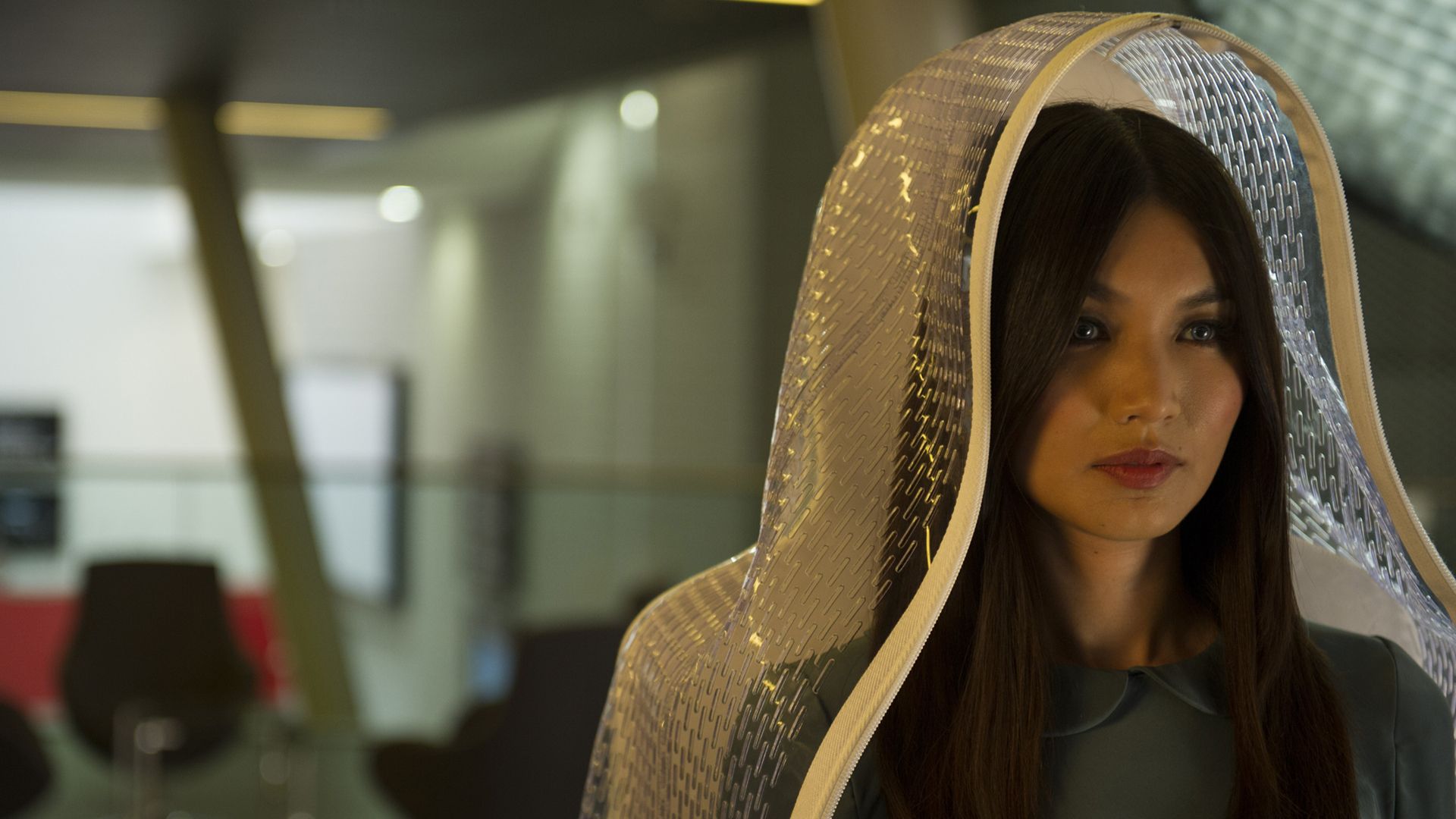
Humans is a TV show set in a world where highly realistic robots called ‘synths’ are commonplace, created to assist people with everyday tasks. But these synths are more complex than they appear. The show explores thought-provoking questions about artificial intelligence, what it means to be conscious, and the very definition of life itself.
The show raises a lot of ethical questions. While some synthetic humans, or synths, seem to be developing awareness, powerful people try to hide this. Most humans treat synths as simple technology and don’t respect them, which often makes them the ones causing conflict. Although a few people recognize the synths’ desire for independence, humanity generally acts as the opposing force in Humans.
5
Altered Carbon (2018-2020)
Netflix
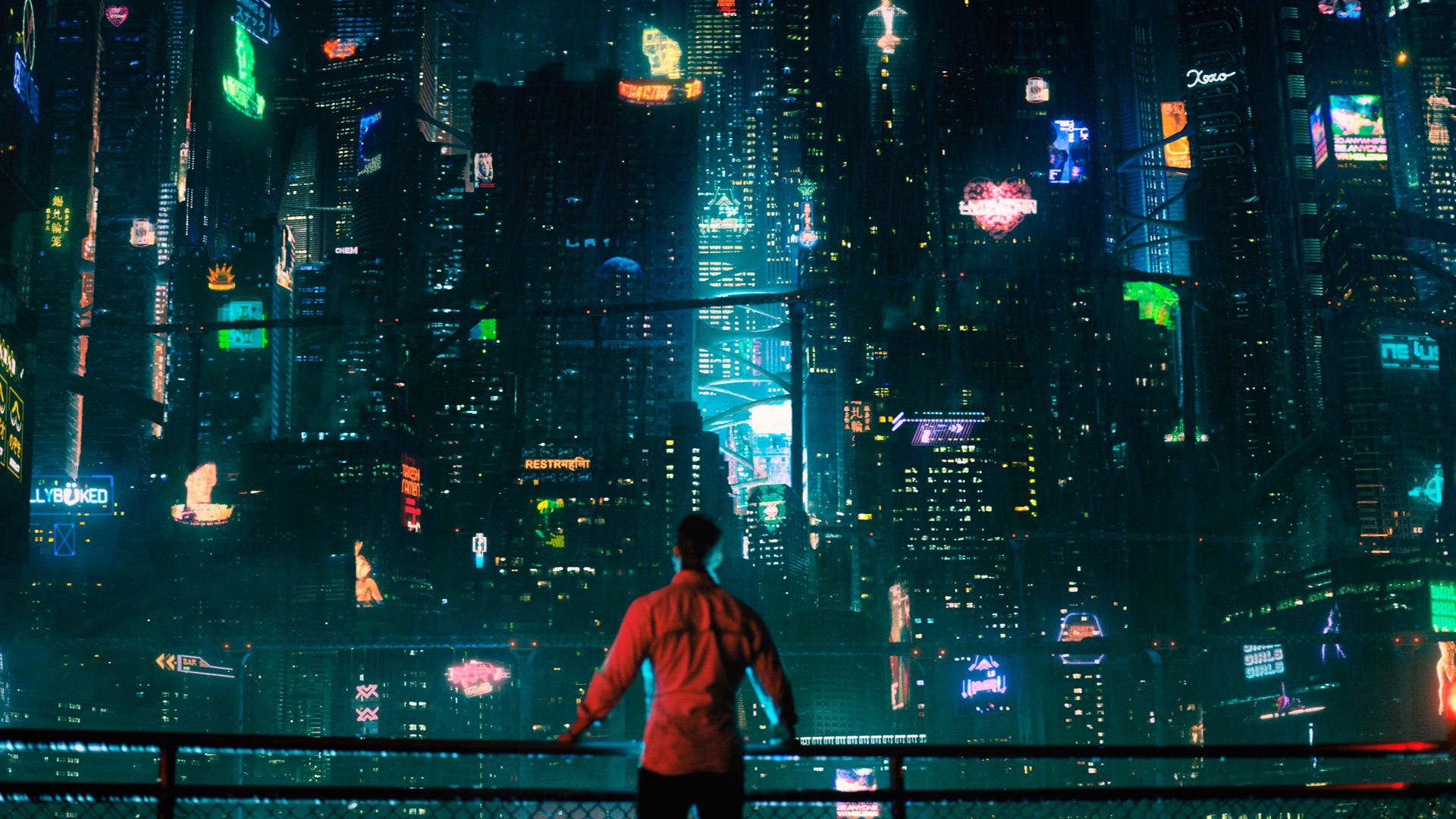
Like the show Humans, Altered Carbon explores similar ideas, but with a unique twist. The story centers around Takeshi Kovacs, who investigates a murder in a future where people can move their consciousness into new, artificial bodies called ‘sleeves’ after they die. This is made possible by ‘cortical stacks’ – devices implanted in the neck that record memories and consciousness, allowing for easy transfer.
In Altered Carbon, the incredibly wealthy, known as “Meths,” control the technology and effectively keep it for themselves, which highlights the stark differences between social classes. Unlike ordinary people who face real danger if their consciousness storage unit is damaged before they can transfer to a new body, the Meths can access their consciousness remotely and rarely die of old age because they can easily switch bodies. Essentially, the show presents another narrative where the powerful elite possess the means to improve life for everyone, but instead use their power to maintain control.
4
The Leftovers (2014-2017)
HBO
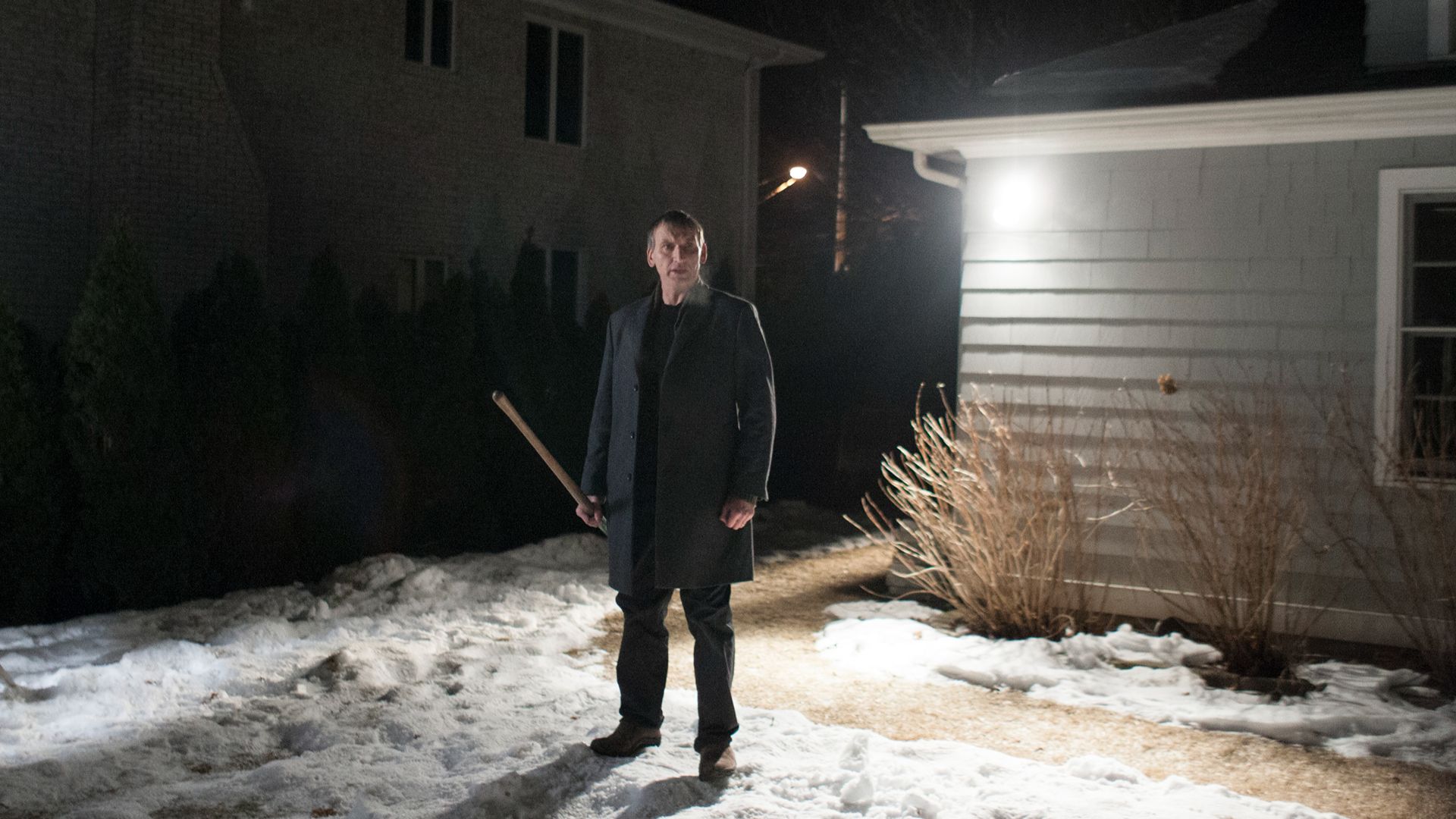
The TV show The Leftovers explores the aftermath of a mysterious event called the “Sudden Departure,” where two percent of the world’s population simply disappeared. The show doesn’t explain why it happened, and the event itself isn’t the main focus. Instead, The Leftovers is about the people who remained and how they cope with a world that has fundamentally changed.
As a huge movie and TV buff, I’ve noticed how often stories explore the rise of cults, particularly those based around religion. In The Leftovers, the real antagonists, like Holy Wayne and the Guilty Remnant, aren’t just bad people – they’re a symptom of a world completely falling apart. Watching the show, you really feel how, after the mysterious Departure, people turn on each other and trust becomes impossible. It’s a bleak but fascinating look at how quickly society can unravel as everyone searches for meaning.
3
Pluribus (2025-)
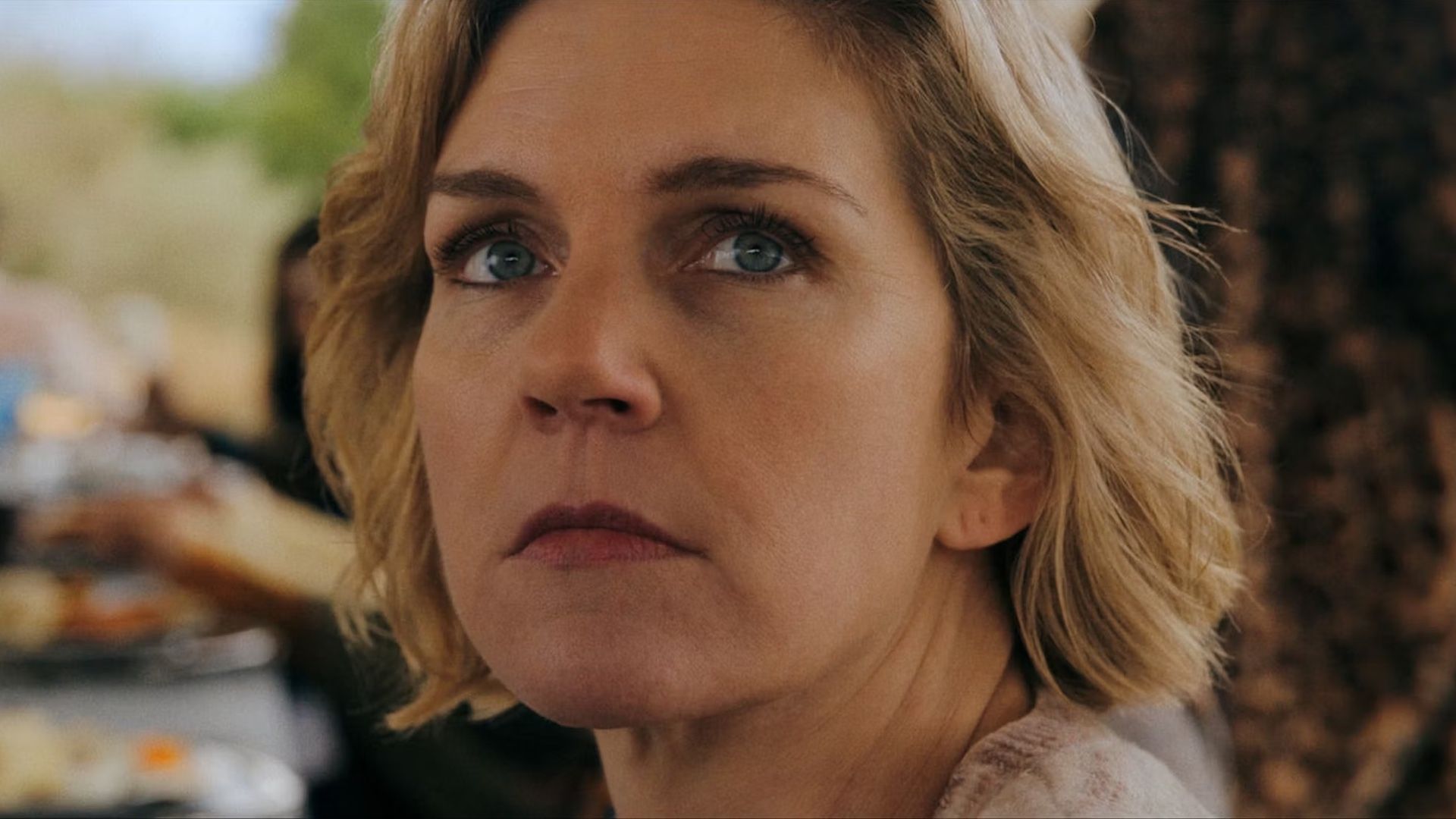
The new series Pluribus is a major success, and it powerfully shows how humans often create their own worst problems. After a strange virus, transmitted by a signal from space, connects everyone on Earth into a single collective consciousness, 13 people remain separate, including Carol Sturka. While no one person is to blame, the series suggests that humanity’s eagerness for scientific advancement, coupled with a lack of caution, is ultimately responsible for the disaster.
Once scientists detect the signal, they immediately begin analyzing it to understand its meaning. The virus spreads easily – even a single bite from an infected lab rat is enough to start the outbreak. Thanks to their access to advanced equipment, the scientists unintentionally cause the virus to spread rapidly. Pluribus is created by the same person who made Breaking Bad, and although the two shows are very different, it’s clear Vince Gilligan understands how to portray humanity’s self-destructive tendencies.
2
Utopia (UK Original) (2013-2014)

Channel 4
Although the American remake of Utopia wasn’t well-received, the original British series remains a favorite among viewers. Utopia centers around a diverse group of people who connect after discovering that a comic book they’re all reading seems to be predicting actual catastrophes. As they investigate this mystery, they find themselves hunted by a ruthless secret organization called “The Network,” which will stop at nothing to silence them.
MovieWeb Report
Immerse yourself in the cinematic universe with the latest movie news, reviews, and exclusive content from MovieWeb.
MovieWeb Report
Utopia is a standout dystopian thriller that’s deeply unsettling because it feels so realistic. The show effectively portrays the chilling control the Network attempts to exert over people, and the characters’ desperate fight for survival resonates with many viewers, making it particularly impactful.
1
The Handmaid’s Tale (2017-2025)
Hulu
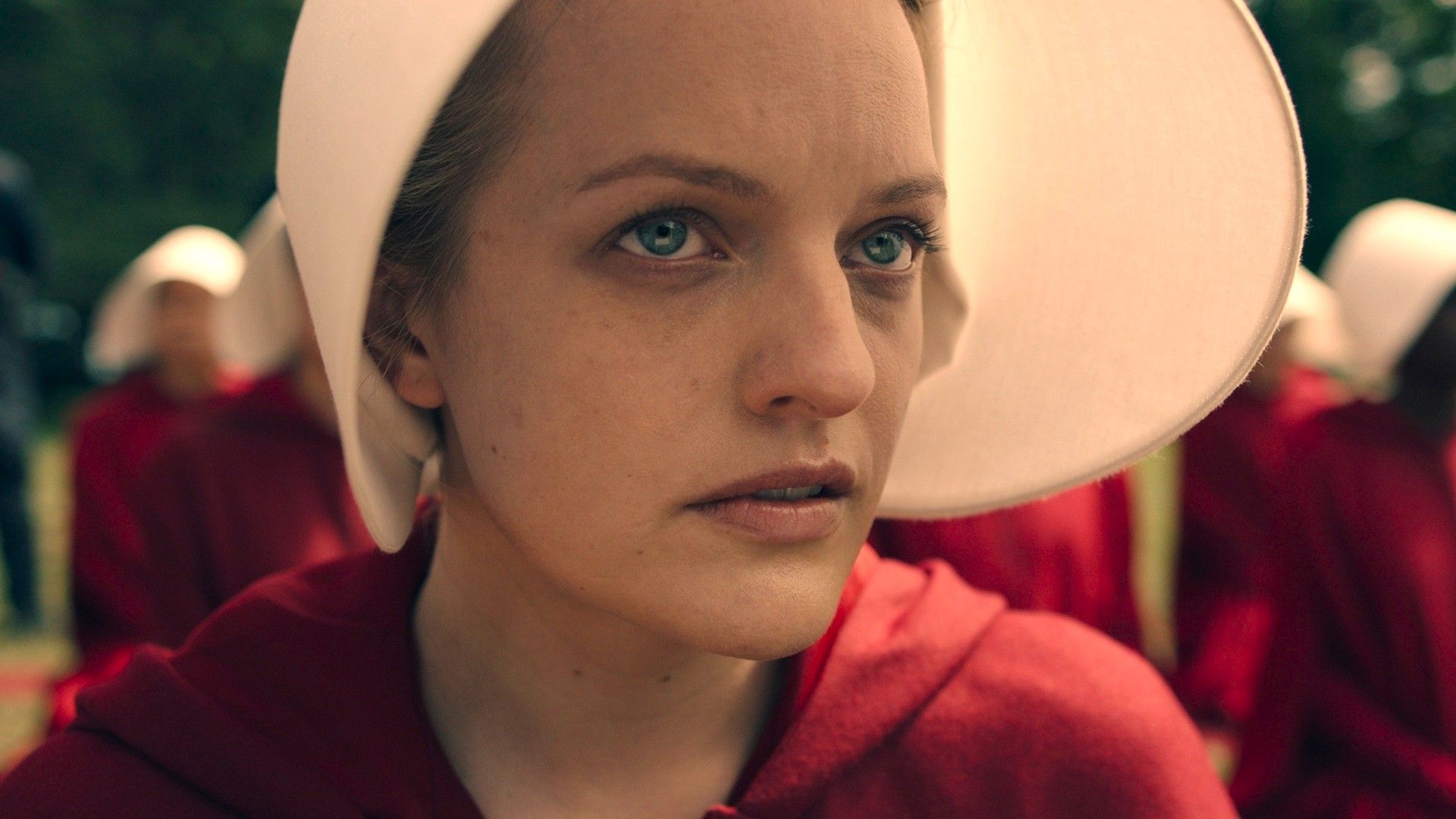
Most people are familiar with the TV show The Handmaid’s Tale, and it’s often seen as a powerful representation of the struggles for reproductive and women’s rights worldwide. The show takes place in a future where infertility is widespread, and a controlling government forces fertile women into servitude to bear children for the ruling class. Although the leaders of this society justify their actions as being for the best, the way the Handmaids are treated reveals the dark side of human nature.
Although The Handmaid’s Tale is a work of fiction, it was influenced by actual events, making its themes even more relevant. The show serves as a warning that societies can quickly descend into dark, oppressive circumstances, particularly when leaders prioritize their own agendas over the well-being of the people.
Read More
- Netflix’s Little House On The Prairie Reboot: Release Date, Cast & Everything We Know
- Off Campus Season 1 Soundtrack Guide
- YouTuber arrested after viral AI bodycam videos spark real police complaints
- Silver Rate Forecast
- Prime Video’s New R-Rated Spy Thriller Is Officially No.1 On Streaming Despite Poor Reviews
- Brent Oil Forecast
- Gold Rate Forecast
- Bulgakov’s Take: Koreans Bet the Farm on Chips, Crypto, and Chaos
- Peaky Blinders: The Immortal Man’s Tommy Shelby Is a Better Father Than Michael Corleone
- EUR ZAR PREDICTION
2025-12-21 19:35