Losing in a game can be frustrating, but those tough moments are often how we learn the most. Each defeat shows us what we need to improve and how to adjust our strategy. This process of trying, failing, and learning is key to becoming better. It’s not just about quick reactions; it’s about developing a resilient attitude. The skills you gain in challenging game situations—like making fast decisions and staying composed under pressure—can actually help you tackle real-life problems, too.
Key Takeaways
- Strategy is your sharpest weapon: Beyond raw aim, the best players win by mastering map awareness, managing resources, and anticipating enemy rotations. Focus on out-thinking your opponents to control the flow of the match.
- Reframe every loss as a learning opportunity: Instead of getting frustrated by elimination, get curious. Analyze what went wrong—whether it was poor positioning or a bad decision—to turn setbacks into the data you need to improve for the next drop.
- A strong team is built on communication, not just skill: A positive and supportive environment is a competitive advantage. Practice clear callouts, encourage teammates after mistakes, and focus on collective growth to keep morale high and clutch out tough games.
What is “Survival of the Fittest” in Gaming?
The phrase “Survival of the Fittest” often brings science class to mind, but it perfectly describes the final moments in a game like Warzone. In gaming, it doesn’t mean being physically strong, but being the most clever and flexible player. It’s about being able to outsmart and outplay your opponents when the stakes are high. The best player isn’t necessarily the fastest shooter; it’s the one who understands the map, predicts where enemies will move, and makes smart choices even under pressure. That’s what competitive gaming is all about today – a battle of wits where strategy and quick thinking are key, and only the best player or team can win.
How Competition in Gaming Evolved
Competitive gaming has evolved significantly since the classic arcade days. It’s now about more than just quick reflexes. Games like ARK: Survival of the Fittest popularized the battle-royale format, where players compete in intense rounds to be the last one standing. Today’s competitive scene demands a well-rounded skillset. Winning requires not just mechanical skill, but also a deep understanding of strategy, including choosing the right equipment, positioning yourself effectively, and communicating well with your team. The best players aren’t just skilled – they’re comprehensively prepared.
How ZLANER Masters High-Stakes Gameplay
Watching ZLANER play is like witnessing true expertise. He doesn’t just react – every action is carefully planned and thoughtfully considered. In the intense, competitive environment of Warzone, his calm demeanor and strategic thinking are what make him exceptional. While he’s incredibly skilled at aiming, he consistently outmaneuvers opponents in crucial moments. His success isn’t simply natural talent; it’s a result of his strong mental game, ability to adjust to changing situations, and an almost uncanny understanding of how the game unfolds.
What makes ZLANER so good? It really comes down to three key strengths. First, he makes quick, intelligent decisions even when the situation is most intense. Second, he’s incredibly adaptable, changing his strategy to fit the current game and each specific match. And finally, he’s a master at predicting what his opponents will do next. Understanding these skills helps explain how ZLANER consistently wins difficult endgame situations, and offers valuable lessons for anyone looking to improve their own gameplay and survive longer.
Making Smart Decisions Under Pressure
When a match comes down to the wire, and the pressure is on, your mindset is the most important thing. ZLANER points out that being mentally strong often determines the outcome in close fights. This means staying calm, thinking clearly, evaluating risks, and trusting your gut—without panicking. It’s about cutting through the confusion to find the best possible strategy. He proves that staying focused and communicating well, even when things get intense, is just as important as skillful gameplay. This mental toughness is what allows him to make those game-winning plays.
Adapting to an Ever-Changing Game
Warzone is a constantly evolving game, with frequent changes to weapons, maps, and gear. A key to ZLANER’s success is his ability to quickly adjust to these changes. He doesn’t rely on a single, unchanging strategy; instead, he continuously experiments with new options to find what works best in the current game environment. According to ZLANER, consistently performing well in Warzone ranked requires strong positioning skills, clear communication with teammates, and a determined attitude. These strategies help him stay ahead of the competition and overcome any challenge, regardless of how the game changes.
How to Read Your Opponents
Ever watch a player like ZLANER and wonder how they always seem to know where other players are? It’s not luck – it’s a strong understanding of the game. He’s really good at predicting what opponents will do, considering things like the safe zone, typical routes players take, and how people tend to play. Watching skilled players like him can teach you a lot about thinking ahead. By studying their gameplay, you can learn to guess where enemies will be and make better choices when the pressure is on. Developing this skill is key to competitive gaming – it lets you turn simple fights into planned ambushes where you have the advantage.
What Skills Separate the Survivors from the Eliminated?
Have you ever noticed how professional gamers like ZLANER make playing look effortless? While quick reactions and accurate aiming are important, they aren’t the whole story. What truly sets winning players apart is a combination of strategy and mental toughness. These skills allow them to lead the match, predict what opponents will do, and even recover from difficult situations to secure a victory.
Having good aim is important, but it’s only one piece of the puzzle. Skills like knowing the map, managing your resources, and communicating with your team are what truly drive success. A strong aim alone won’t get you far; you need to make smart decisions to consistently win. Top players don’t just react quickly, they think strategically, understanding how every action impacts the game. Improving these mental skills is what separates good players from the best. Let’s explore the key skills that give players like ZLANER a competitive advantage.
Master Your Map Awareness and Positioning
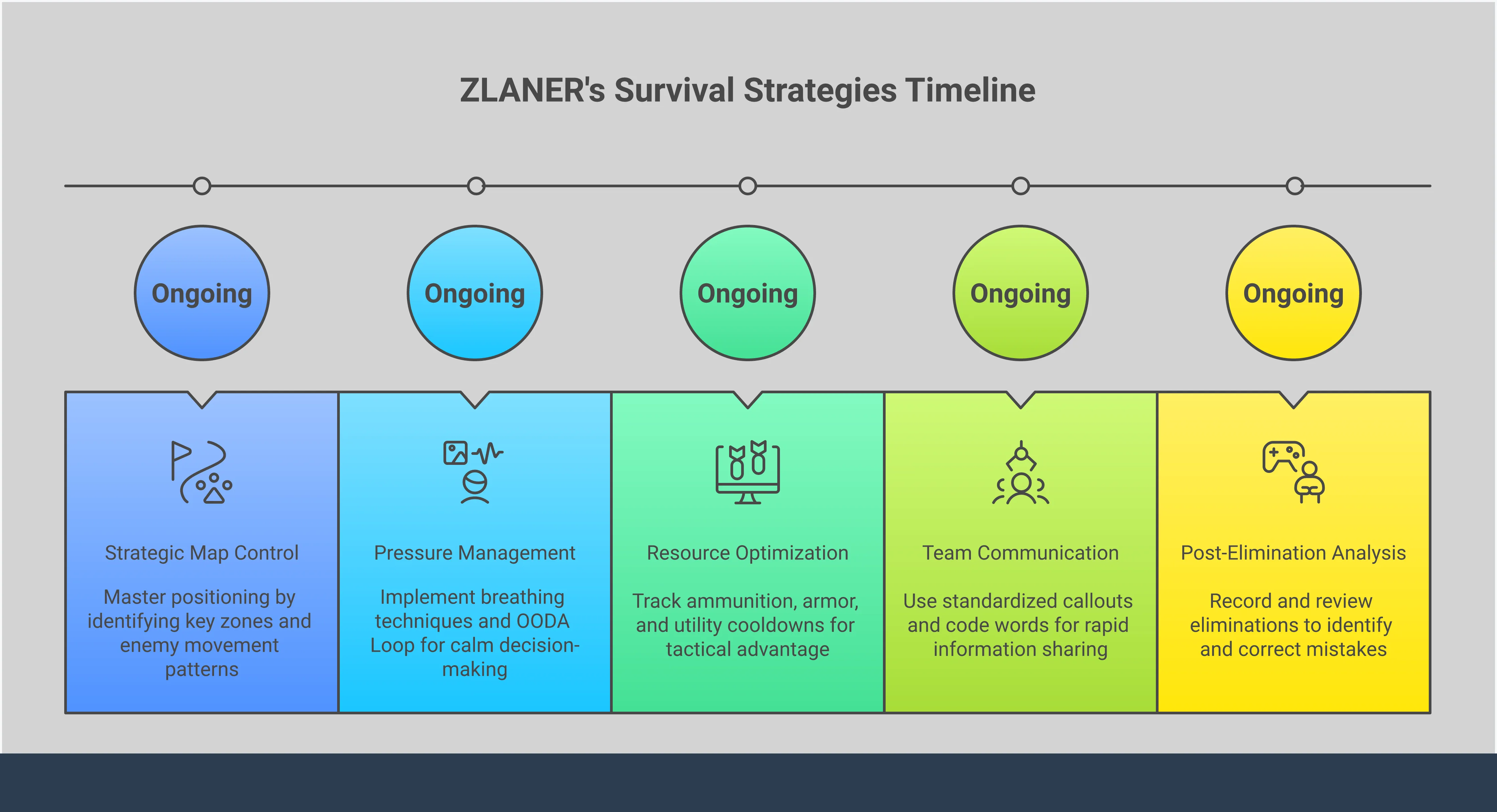
As a huge fan of this game, I’ve learned that really knowing the map is key to lasting longer. ZLANER is totally right about map awareness and positioning – it makes a massive difference! It’s all about understanding the lay of the land, finding good cover, and predicting where enemies will come from. I try to think of the map like a chessboard, planning a few steps ahead. I’m always looking for busy areas and spots where I can get a good view without putting myself in danger. Honestly, players who nail this can often win before the fighting even starts! And it’s not just about knowing where to go, but also what to bring – your loadout needs to fit your strategy and where you plan to position yourself.
Manage Your Resources Like a Pro
Getting caught with no ammo or armor during a fight is a common way to lose in competitive games. Managing your resources – like bullets, shields, and equipment – is surprisingly important. It means constantly being aware of what you have. As ZLANER suggests, deciding when to attack or retreat based on your inventory can win or lose a match. It’s not about hoarding your gear, but using it smartly. Think of your equipment as tools, and knowing when to use each one is a key skill for any competitive gamer.
Coordinate and Communicate with Your Team
As a player, I’ve learned that being individually skilled only gets you so far in team games. What really makes a difference is how well we communicate. It’s amazing how much better we play when everyone is giving clear, quick updates about where enemies are, what our plan is, and if we need anything. You don’t need to chat constantly, but every message should be useful. Seriously, a simple callout like “Enemy down, I’ve marked them!” or “I’m running low on heavy ammo!” can totally swing a fight. When we communicate well, we act as one unit, and honestly, it’s incredibly tough for the other team to break us down. ZLANER really nails this point – good comms lead to better teamwork and more wins, plain and simple.
How Top Players Handle the Pressure of Elimination
Losing in any game is tough, no matter how far you get. That “Game Over” screen can be incredibly frustrating, making all your hard work feel pointless. Most players feel angry or disappointed, and might even want to give up. But top players see losing differently – it’s not a setback, but a chance to improve. They don’t just react faster; they’re mentally stronger and handle pressure better. They view every loss as a learning opportunity, helping them get better for the next game. This mindset is what sets them apart. They know they’ll lose more often than they win in competitive games, so they accept that and focus on bouncing back. Let’s explore how they do it, so you can develop the same mental toughness in your own gameplay.
Techniques for Mental Resilience
Before you even start playing, building mental strength is key. Great players like ZLANER highlight that a strong mindset often determines the outcome of a close game. It’s not about suppressing your feelings, but learning to control them. When you start to feel panicked or frustrated, have a go-to strategy. Something as simple as taking a deep breath can calm you down and help you regain focus. Practice staying present – instead of worrying about past mistakes, concentrate on what’s happening right now. This helps you stay calm and make smart decisions, even when things get intense.
How to Process Setbacks and Virtual Deaths
What you do immediately after losing a match is really important. It’s tempting to blame things like a bad connection, a strong opponent, or your team, but the best players avoid that. They see each loss as a chance to learn, not as a personal failing. This change in how you think can make a big difference. Instead of getting upset, they try to figure out what happened and how they could improve. They ask themselves, “What could I have done differently?” Maybe they took a risky fight they shouldn’t have, or weren’t in the best position. By treating each loss like a problem to solve, they stay calm and turn a frustrating experience into a helpful one. This helps them learn from the setback and start the next game focused and ready.
Learn from Every Elimination
After you’ve dealt with the disappointment of a loss, focus on what you can learn from it – that’s where you truly improve. Professional gamers carefully review their gameplay to pinpoint exactly what went wrong, and you should too. If the game allows, watch replays from both your viewpoint and your opponent’s. Pay attention to details – did you miss a sound that could have warned you? Were you aiming carelessly? If replays aren’t available, simply take time to think about what happened. By consistently analyzing your mistakes, you’ll start to notice recurring patterns. Perhaps you consistently get caught in a specific location when moving around the map. Recognizing these habits is the first step towards breaking them and avoiding the same errors in the future.
The Psychology of High-Stakes Gaming
Competitive gaming isn’t just about quick reactions; it’s a serious mental and emotional challenge. The pressure, fast-paced decisions, and excitement of winning really get us hooked. Knowing why these moments are so captivating can help you stay calm under pressure. It’s about understanding your own investment, how you work with your teammates, and remembering that your opponents are people too.
Why We Get So Emotionally Invested
Have you ever noticed how your heart races during a close game, or how upsetting a loss can be? It’s because we become deeply involved in what we’re playing. When you control a character, you’re not just giving commands – you’re imagining yourself in the game, and every choice feels like it’s coming from you. This is particularly true when a lot is on the line, and your decisions really matter. Game creators understand this, and they intentionally create tense moments to make that connection even stronger. The more you have to think and react, the more emotionally invested you become in winning. It’s more than just entertainment; it’s a test of your skills, your judgment, and your determination.
Forming Bonds in the Heat of the Match
Competitive gaming is full of intense emotions, and experiencing those highs and lows with teammates creates really strong connections. Remember the last time your team pulled off an amazing win? The rush of adrenaline, the quick communication, and the relief and excitement afterward – those moments truly stick with you. They’re the experiences that build lasting friendships. You’re not just playing a game together; you’re facing challenges as a team and creating a unique story with each match. These shared experiences build trust and turn temporary teammates into real friends, all forged in the excitement of the game.
Finding the Human Element in Digital Fights
It’s easy to get caught up in the game and forget that real people are behind every skillful play and strategic move. But that human element is what makes competitive gaming so exciting – it’s like a digital battle for survival, testing your skills against another person’s. That’s why feedback from players is so important. As ZLANER has noted, listening to the community helps developers improve the game and make it feel more dynamic. Remember, every opponent – and teammate – has their own unique style, habits, and moments of weakness. Truly great players recognize that humanity in others, not just focusing on winning.
How Community Lifts You Up in Competitive Play
Competitive gaming isn’t just about individual skill; teamwork is crucial. A team that communicates and supports each other will almost always beat a group of players who are talented but don’t work together. The pressure in these games is huge, and even one mistake can be discouraging. That’s where a strong team – your community – makes all the difference, helping you stay focused and overcome challenges to achieve victory.
Even the best players, like ZLANER, know that the game’s success and its competitive scene rely on developers paying attention to what players want. This idea starts with your own team: building a strong, supportive group is a key strategy. It’s about making sure everyone feels confident and can play well, even when facing challenges. Let’s explore how to build this foundation by supporting your teammates, creating a positive atmosphere, and using empathy to understand each other.
Supporting Your Teammates Through Tough Spots
Everyone has those moments in a game where things don’t go as planned – you miss an important shot, make a bad move, or just don’t play your best. When that happens, the worst thing is when a teammate criticizes you. Real teamwork means helping everyone stay positive, especially when it counts. Instead of blaming others after a loss, try saying something encouraging like, “That was tough, let’s start fresh and focus on the next round.”
Great teamwork means focusing on solutions, not finding fault. If a teammate is having trouble, offer support with a helpful suggestion or some encouragement – even just letting them know you’re there for them can make a big difference. A positive and confident team is much more likely to succeed. By staying upbeat and helping each other move past errors, you build the strength to win even the toughest games.
How to Create a Positive Gaming Space
Look, a good team environment doesn’t just happen in gaming. You’ve really got to work at it. It all starts with how we talk to each other. We need to agree right off the bat that there’s absolutely no room for trash talk, getting mad, or blaming each other. It’s about winning as a team and losing as a team. If we create a space where everyone feels safe enough to try new things or even admit when they mess up, that’s when we’ll really start to improve. It’s about growth, and that needs a safe atmosphere.
Remember to celebrate even the smallest successes and treat every setback as a learning opportunity. If a teammate makes a smart play, even in a loss, be sure to recognize it. Improving how your team communicates is essential for fostering this positive environment. When everyone communicates clearly, positively, and with a shared goal in mind, you build a team that’s not only more effective, but also more enjoyable to be a part of.
Why Empathy Matters, Even in Competition
While empathy might seem unimportant in a competitive setting, it’s actually a huge strength. Being able to understand your teammates’ perspectives helps you adjust how you work with them and become a better leader. For example, if you notice someone getting frustrated, you can offer support or helpful advice to get them focused again. It’s about understanding your team’s feelings, not just what’s happening in the game.
We get so caught up in games because we really feel the highs and lows of winning and losing. Understanding that your teammates feel the same way is key to building strong connections. When you truly support their success, you create a bond of trust and loyalty that can withstand any challenge. That’s what transforms a simple group of players into a powerful, unbeatable team.
What Really Happens When You’re Eliminated?
Being eliminated in a game isn’t just a loss; it can be surprisingly upsetting. That moment of defeat can cause a strong emotional response, and understanding why is key to improving your gameplay. It’s not simply about starting over—it’s about how you recover mentally and come back even better. When you’ve put effort and concentration into a match, being suddenly defeated can feel personal, leading you to doubt your abilities or choices. This is where many players get stuck feeling frustrated. However, skilled players see this as a chance to learn and improve. Let’s explore the mental side of losing and how you can use that experience to become a stronger player.
The Common Emotional Reactions to a Loss
Have you ever felt truly disappointed when you’re eliminated from a game? It’s a common experience, and there’s a good reason for it. When we play, we become invested in the game and the character we’re playing. We feel like we are that character, making choices and dealing with the results. So, getting beaten can feel like a personal setback, and it’s natural to feel frustrated, angry, or defeated. It’s important to recognize these feelings. It’s okay to be upset if your plan didn’t work out or if something unexpected happened. The key is to avoid letting that negativity affect your next attempt.
How a Loss Affects Your Next Game
Dwelling on a previous loss can negatively impact your next game. If you start a new match still upset about being eliminated, you’re already behind. That frustration can cause you to hesitate, play too cautiously, or act impulsively, trying to quickly redeem yourself. Instead of focusing on playing strategically, you’re stuck reacting to the past, which often leads to another defeat. This creates a frustrating cycle of losing. The solution is to consciously put the previous game behind you and approach each new match with a fresh mindset, as if it’s starting completely anew.
Turn Your Setbacks into Strengths
That’s what sets top players apart. Every loss is a chance to learn. Instead of getting frustrated, try to figure out why you lost. Were you in the wrong spot? Did you not aim well enough? Was communication a problem? Often, the biggest difference in close games is mental strength. If you can calmly review what went wrong, you can pinpoint areas for improvement and practice them. Controlling your emotions lets you grow from every setback, turning a loss into a valuable lesson that will make you a stronger, more skilled player next time.
How to Build Mental Toughness for Gaming
While being skilled at a game is important, true success comes from mental strength. Top players, such as ZLANER, aren’t just naturally talented—they’ve also trained themselves to stay focused and bounce back from challenges, even when the pressure is on. Developing mental toughness isn’t about ignoring your feelings, but learning to manage them effectively. By controlling your emotions, dealing with setbacks, and believing you can improve, you can build the mental resilience needed to succeed in tough competitive environments. Let’s explore how to start training your mind like a professional gamer.
Develop Your Emotional Control
Everyone has experienced that intense feeling when playing for the win – your heart races, your hands get sweaty, and then a simple mistake costs you the game. It’s easy to get frustrated in those moments, but learning to control your emotions can dramatically improve your performance. The strong feelings we have while gaming aren’t a flaw; they’re actually something you can use to your advantage. That emotional connection helps you stay focused and invested. The key is to turn that energy into smart choices instead of letting it fuel anger. When you start to feel frustrated, take a deep breath and try to understand what’s causing it. Is it a certain way someone plays, a specific map, or just a run of bad luck? Identifying those triggers is the first step toward staying calm and in control.
Handle Frustration and Disappointment
Look, losing definitely stings, but I’ve been thinking a lot about how the best players bounce back. It’s totally normal to be upset after a tough match, but letting that ruin your next one just isn’t an option. I really believe that being mentally strong is what separates good players from great ones, especially when things are close. ZLANER makes a good point – sometimes stuff happens outside of our control, like game patches, so you have to be realistic. Instead of getting down on myself, I try to focus on what I can learn. I always save recordings of my matches so I can review them later when I’m not so stressed. What could I have done better? Was my positioning wrong? Every loss is a chance to improve, and I try to use that info to come back stronger in the next tournament.
Create a Mindset Focused on Growth
The most important part of becoming mentally strong isn’t just trying to win, but focusing on constantly getting better. Think like a gamer: see every match as a chance to learn and improve. ZLANER’s success shows that continuous improvement and bouncing back from setbacks are crucial for lasting achievement. Instead of worrying about stats like your K/D ratio after one game, set goals that you control. Try to improve your aim by 5%, explore a new area on the map, or clearly communicate three important things to your team. When you prioritize growth, losing feels less like failing and more like getting helpful feedback. This approach will not only make you a better player, but also make the game more enjoyable.
What We Can Learn from Gaming’s Toughest Moments
Nobody likes losing and being sent back to the beginning, but those frustrating moments in games can actually help us improve the most. Each time you’re defeated, it’s a chance to learn something – what mistake did you make, and how could you approach things differently next time? This process of trying, failing, and adjusting is how you truly get better. It’s not just about quick reactions; it’s about developing a resilient and adaptable attitude.
The abilities you develop while playing challenging games – like thinking fast and staying composed under pressure – aren’t limited to the game itself. They actually translate to how you handle difficulties in all areas of life. Let’s explore how those demanding, and sometimes annoying, gaming moments can help you become a stronger, more adaptable person.
What Elimination Teaches You About Resilience
Being eliminated from a game forces you to really think about what happened, something that doesn’t happen when you’re just playing casually. It’s honest feedback – you have to figure out what went wrong and build the strength to try again. This builds your resilience. Getting emotionally invested in games isn’t a bad thing; it shows you’re capable of caring and dedication. Learning to recover from a loss in a game you enjoy is actually good practice for dealing with challenges in real life.
How Virtual Competition Makes You Stronger
Competitive gaming is incredibly demanding, but it builds amazing skills. Watching a top player like ZLANER shows you it’s not just about reflexes – it’s about mastering teamwork, strategy, and staying calm under pressure. Practicing strategies in games like Warzone doesn’t just improve your win rate; it helps your brain become more flexible and quick-thinking. Games where you have to survive, especially, force you to adapt instantly, building mental strength that can help you in all areas of life.
Use Your Gaming Mindset in Real Life
The ability to think strategically that you gain from mastering the game is actually quite helpful in everyday life. The skills you learn – like anticipating what others will do and finding solutions to problems – easily translate to real-world situations. By understanding how a professional player like ZLANER carefully considers risks and makes quick decisions, you can apply that same focused and determined approach to your own goals, whether at work or in your personal life, and see significant improvements.
Related Articles
- Deus Ex LFG: Connect with Other Augs in LFG Feature on Z League App
Frequently Asked Questions
Beyond simply being a good shot, what’s the most crucial skill for lasting longer in a game? I’d say it’s knowing the map really well. Understanding the layout is the basis for all smart plays. It helps you find good positions, predict enemy movements, and locate cover when things get tough. Even with perfect aim, you’ll struggle if you’re always caught in vulnerable locations. Truly mastering the map gives you a strategic advantage – it’s like playing a complex game of chess while others are playing a simpler one.
It’s common to feel stressed during the final stages of a competition. If you’re feeling overwhelmed, the best first step is to focus on your breathing. It might seem basic, but a couple of slow, deep breaths can help calm your nerves and stop you from panicking. This simple act gives your brain a moment to shift from reacting to thinking. By concentrating on your breath – something you can control – you’ll be better equipped to make a clear decision about what to do next, like moving to a better position or engaging in a fight.
It’s easy to get upset after losing, but how can you actually learn from it? The trick is to immediately ask yourself: “What single decision caused me to lose?” Don’t overthink the whole match – just identify that one key moment where things went wrong. Did you engage in a fight without enough information? Did you repeatedly check a dangerous angle? Or did you miss a crucial sound? By focusing on that one specific mistake, you can turn a frustrating loss into a clear lesson to improve your next game.
It’s frustrating when teammates don’t communicate. While you can’t make others talk, you can improve teamwork by being a clear and helpful communicator yourself. Instead of vague statements, give precise details – for example, say “Enemy spotted behind the red truck” instead of just “He’s over there.” Even if your teammates don’t respond, providing consistent, useful information can still improve coordination and get everyone working better together. Sometimes, just one person making good calls is enough to get the team on track.
This post discusses strategy, and someone asked if that means aiming isn’t important anymore. The answer is no! Aiming is still crucial for winning fights. Strategy simply helps you get into those fights with a better chance of success. While a good strategy won’t work if you can’t aim, and good aim alone won’t get you to the top level. The best players are strong in both areas – they have a smart plan and the skill to execute it.
Read More
- Netflix’s Little House On The Prairie Reboot: Release Date, Cast & Everything We Know
- Off Campus Season 1 Soundtrack Guide
- Infinity Nikki Candlelight Reverie Challenge and Rewards Guide
- Gold Rate Forecast
- Silver Rate Forecast
- Prime Video’s New R-Rated Spy Thriller Is Officially No.1 On Streaming Despite Poor Reviews
- Brent Oil Forecast
- EUR ZAR PREDICTION
- KPop Demon Hunters Meets Avatar: The Last Airbender In Netflix’s 3-Part Fantasy Series
- 24 Jump Street in the works with Jonah Hill and Channing Tatum set to return
2025-12-19 17:14