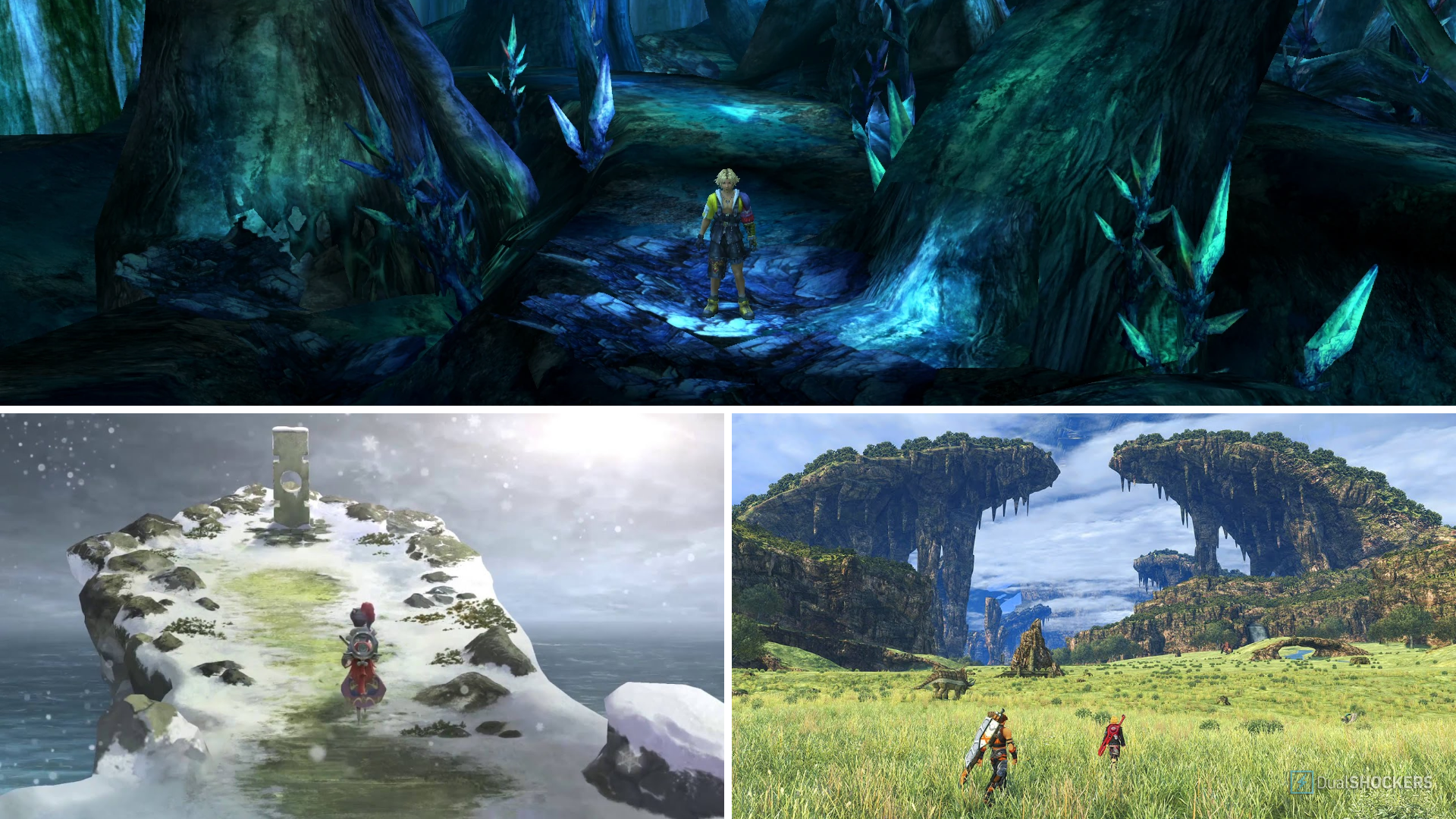
I love how JRPGs always start so small, like with a simple rat to defeat, and then build up to these epic battles against gods! What really makes those journeys special for me is how the different environments – forests, deserts, you name it – really bring the game’s world to life. It feels like you’re actually traveling through a huge, diverse place.
This is a clever and understated way to build a game’s story through its environment. For example, a beautiful, green field at the beginning might hide the dark realities of the game world, contrasting with later areas like the scorched mountains leading to the final boss.
Having played countless JRPGs, I’ve realized certain environments tend to reappear. This is either because they’re typical settings for any fantasy story, or because they provide interesting and diverse themes for players to explore.
Today, we’re looking at ten of the most frequently seen environments in Japanese Role-Playing Games – the ones that are always fun to discover, even after seeing them countless times.
10. Volcano
Hot, Hot, Hot
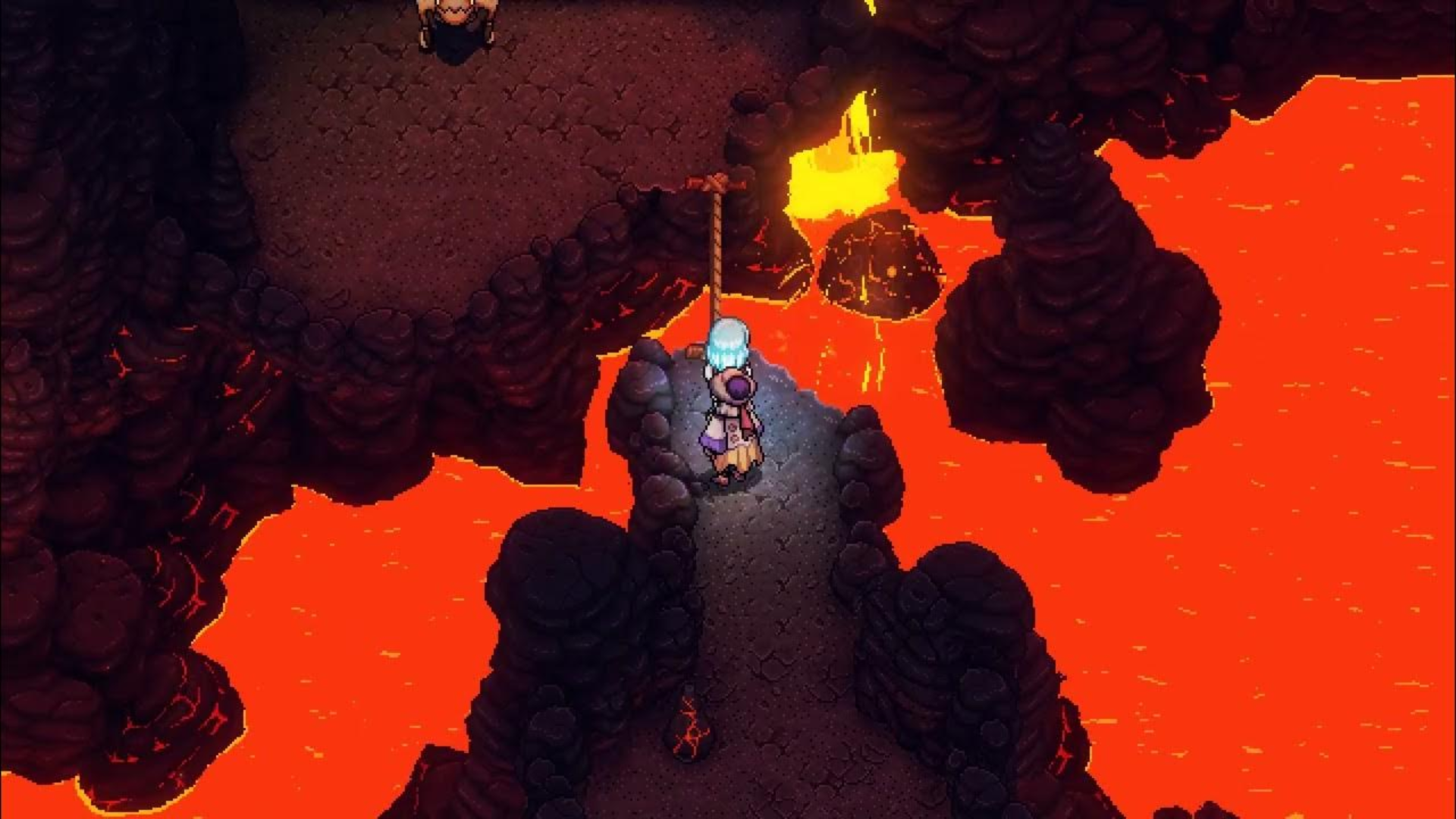
Think of volcanoes, lava flows, and even the Fire Cavern from Final Fantasy VIII – that dangerous, fiery place full of lava jets that can hurt your whole team if you’re not careful. That’s the kind of environment we’re talking about.
I swear, in these RPGs, you can walk from a beautiful forest into a volcano just by crossing a screen! And honestly? I’m not even mad. I’ve always loved fire-based weapons, so a fiery area usually means I’m about to get some awesome new gear!
Volcanic areas are full of fire-based enemies, so using water or ice magic is a really effective way to defeat them quickly.
9. Snow
Snowboarding Time
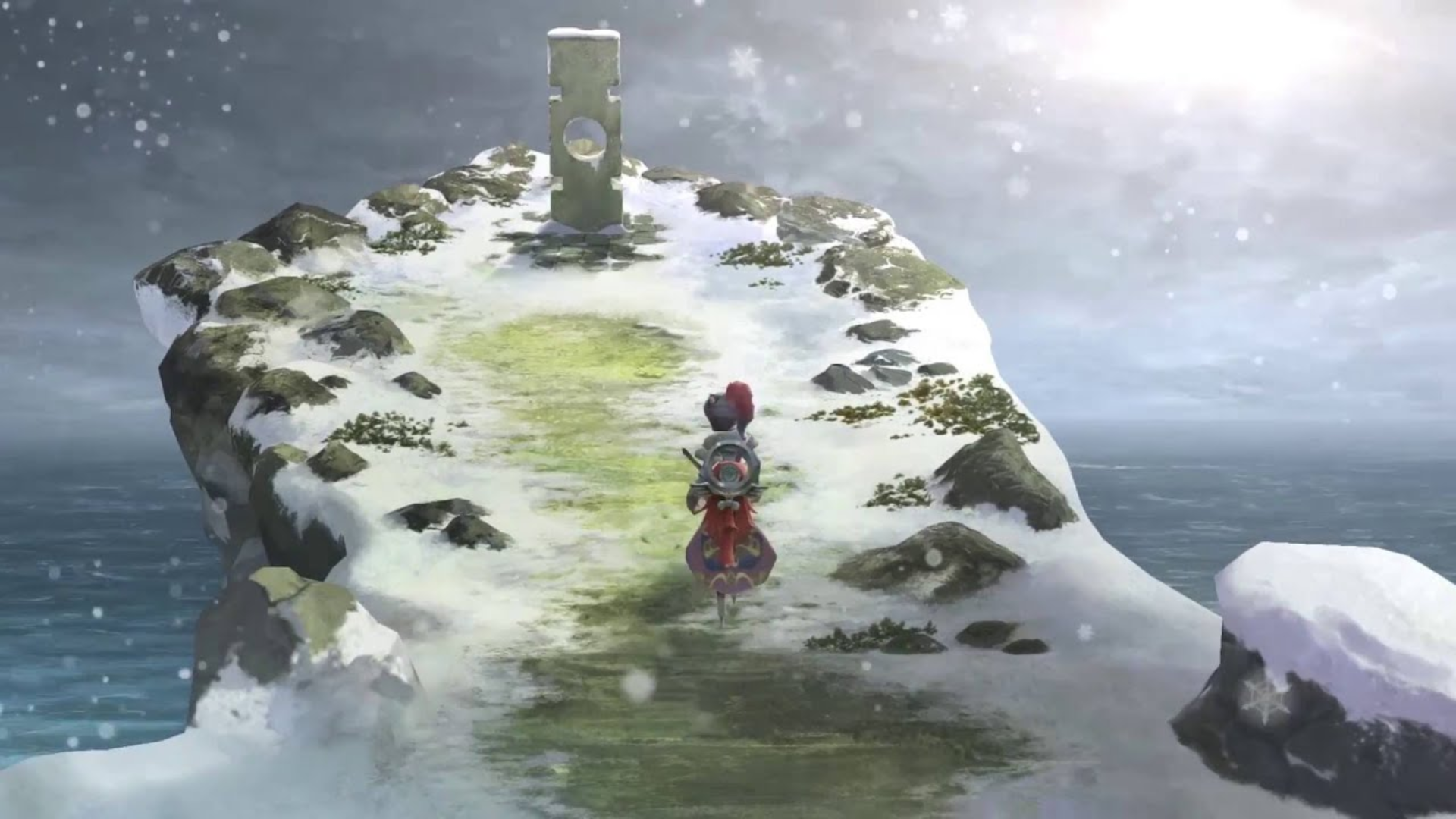
Whenever I’m exploring and notice snow appearing in the distance, I know I’m about to enter a perpetually snowy area. It’s strange because it’s not tied to winter – it’s just consistently cold and snowing there.
As a fan, what really grabs me about this biome is how dramatic it is. It’s never just…okay. It’s usually one of two things: either a really lonely, desolate place that feels totally cut off, almost like being abandoned, or it’s surprisingly inviting and cheerful – a perfect spot for us to rest and recharge. It rarely ever feels lukewarm; it’s always pushing to one extreme or the other, and I love that!
If you’re a fan of snowy landscapes, I suggest checking out I Am Setsuna. While a world entirely covered in snow isn’t the most original idea, it’s visually appealing. It’s like a blanket of white has fallen over this classic JRPG world.
8. Swamp
Yuck, I Stepped On Something
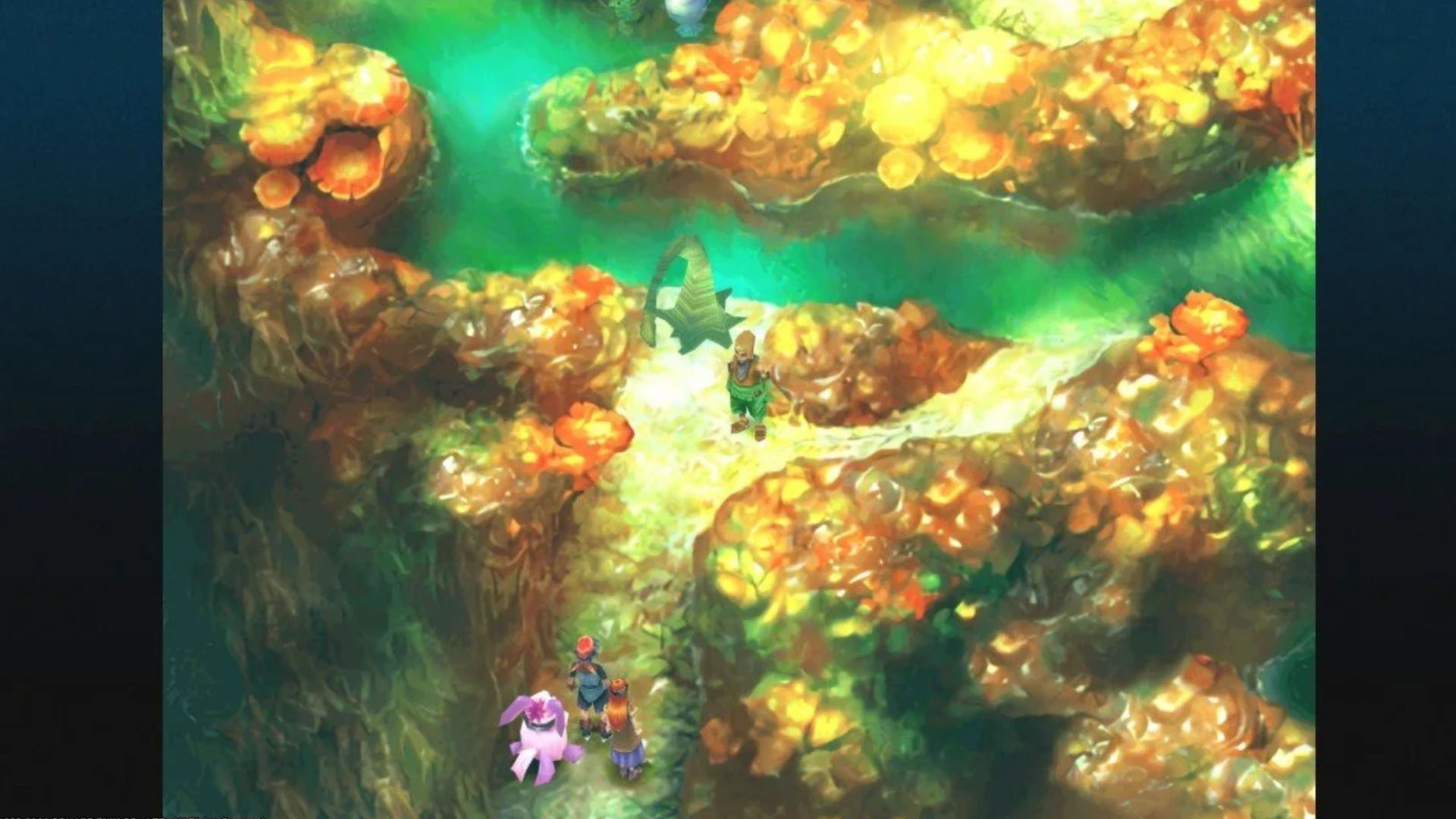
I was actually surprised to realize that swamps aren’t featured as often in JRPGs as I expected. While there are some well-known swamp areas, like Satorl Marsh in Xenoblade Chronicles and the Hydra Marshes in Chrono Cross, they’re not very common overall.
Swamps aren’t known for being friendly places, whether you’re exploring them in a video game or in real life—though I’ve never actually been to one! They seem damp, muddy, and full of dangerous creatures that could easily ruin your day, and games usually reflect that perfectly.
The game also features enemies who frequently use poison and other weakening attacks, and the environments are often riddled with dangerous traps. Looking back, I’m thankful swamps aren’t more common in JRPGs, and none are quite as treacherous as Blighttown.
7. Desert
Time To Get Lost
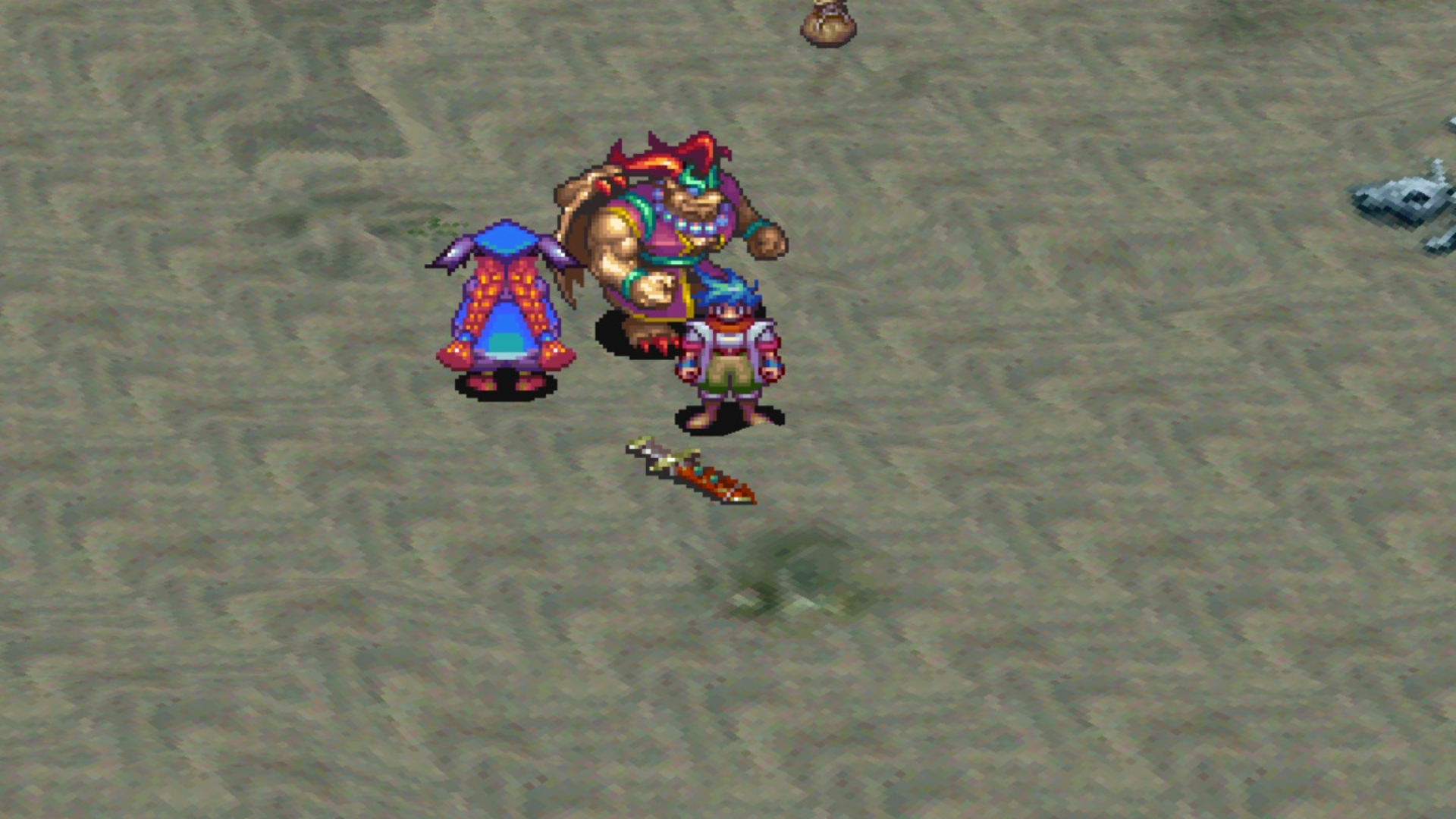
I really dislike deserts – actually, any environment covered in sand. I don’t even like going to the beach in real life because I hate the feeling of sand sticking to my skin, and that carries over to video games. Especially in JRPGs, deserts usually mean getting hopelessly lost, which just makes the dislike even stronger.
I might be remembering Breath of Fire III‘s Desert of Death a little too vividly, but honestly, that area is just… disappointing. It’s mostly endless sand with a few oases and the occasional traveling merchant to buy supplies. It really doesn’t offer much.
The most frustrating thing is when JRPGs include annoying obstacles like pitfalls, or even quicksand. Quicksand is especially bad because it often sends you back to the very beginning of a desert area, forcing you to replay it. While a few games, like Trials of Mana with its Crystal Desert, manage to make deserts interesting, generally speaking, they’re just not fun.
6. Mountain
Don’t Look Down
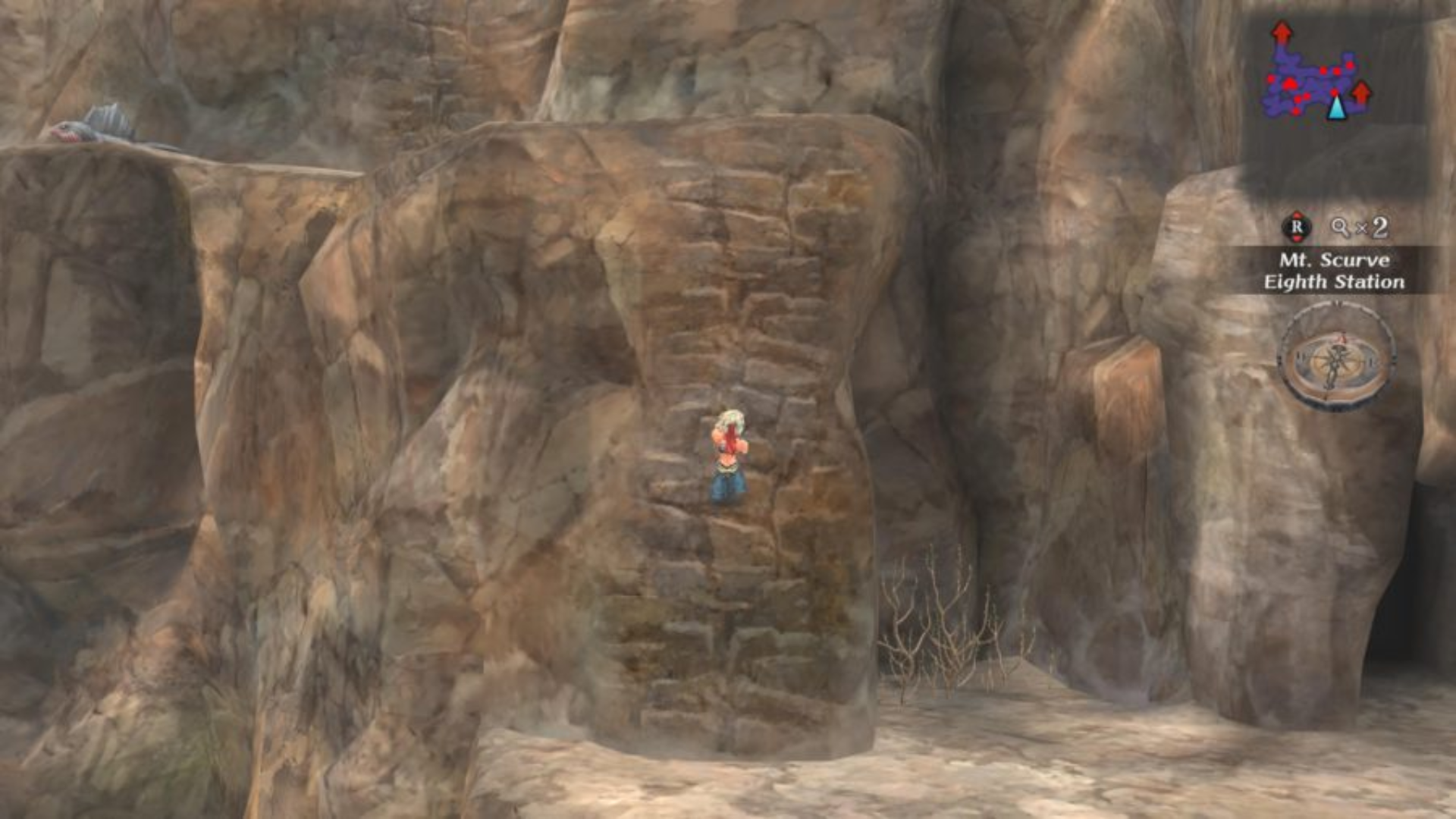
In many Japanese role-playing games (JRPGs), mountains usually represent a challenge where players climb to find a way to fly or discover an important, ancient item. These mountains aren’t typically places you can simply travel through – they usually lead to a single destination, rather than allowing you to exit on the other side.
Mountain areas are a common feature in many games, especially Japanese role-playing games. They often represent the spirit of adventure, and that’s a big part of why players enjoy them. While some mountains, like Mt. Scurvy in Romancing SaGa: Minstrel Song, can be challenging and require skill to navigate, most are fairly simple to explore.
Because we’re always ascending, you’ll run into flying enemies pretty often. It’s best to have Archers or spells that use lightning to take them down. I didn’t create this system, but lightning is generally effective against wind-based creatures – it’s something Square Enix has done in their games for a while.
5. Sewer
Yuck, Something Stepped On Me
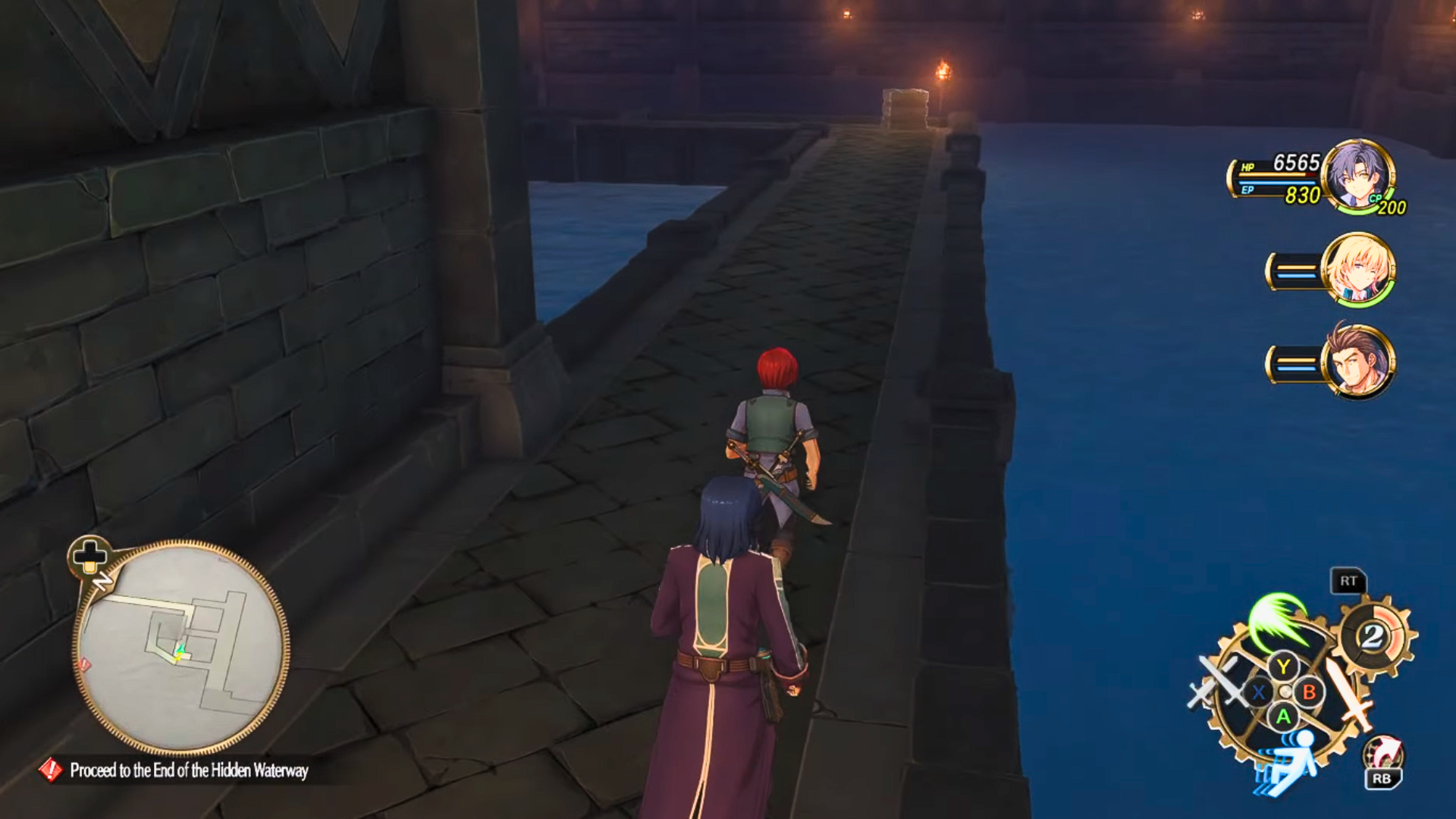
Sewers aren’t a natural environment, but they’re so distinct that I had to include them. You could even think of them as a man-made swamp – it’s not a perfect comparison, but they share some similarities. It doesn’t entirely make sense, but it’s a memorable space.
The sewers are damp, unpleasant, and crawling with enemies that will gradually weaken you with their poisonous bites and scratches. While not as dangerous as swamps when it comes to traps, you can expect to find complicated machinery – lots of levers – that control doors and bridges.
One of the biggest issues with sewer areas in JRPGs is that they often feel repetitive and it’s easy to get turned around. The Grancel Sewers in Trails in the Sky are a good example – despite being divided into three sections, they all look very similar, which is a common problem for these kinds of areas in many games. However, a little bit of challenge and discomfort is understandable in an epic RPG adventure.
4. Ocean
Hoist Your Sails
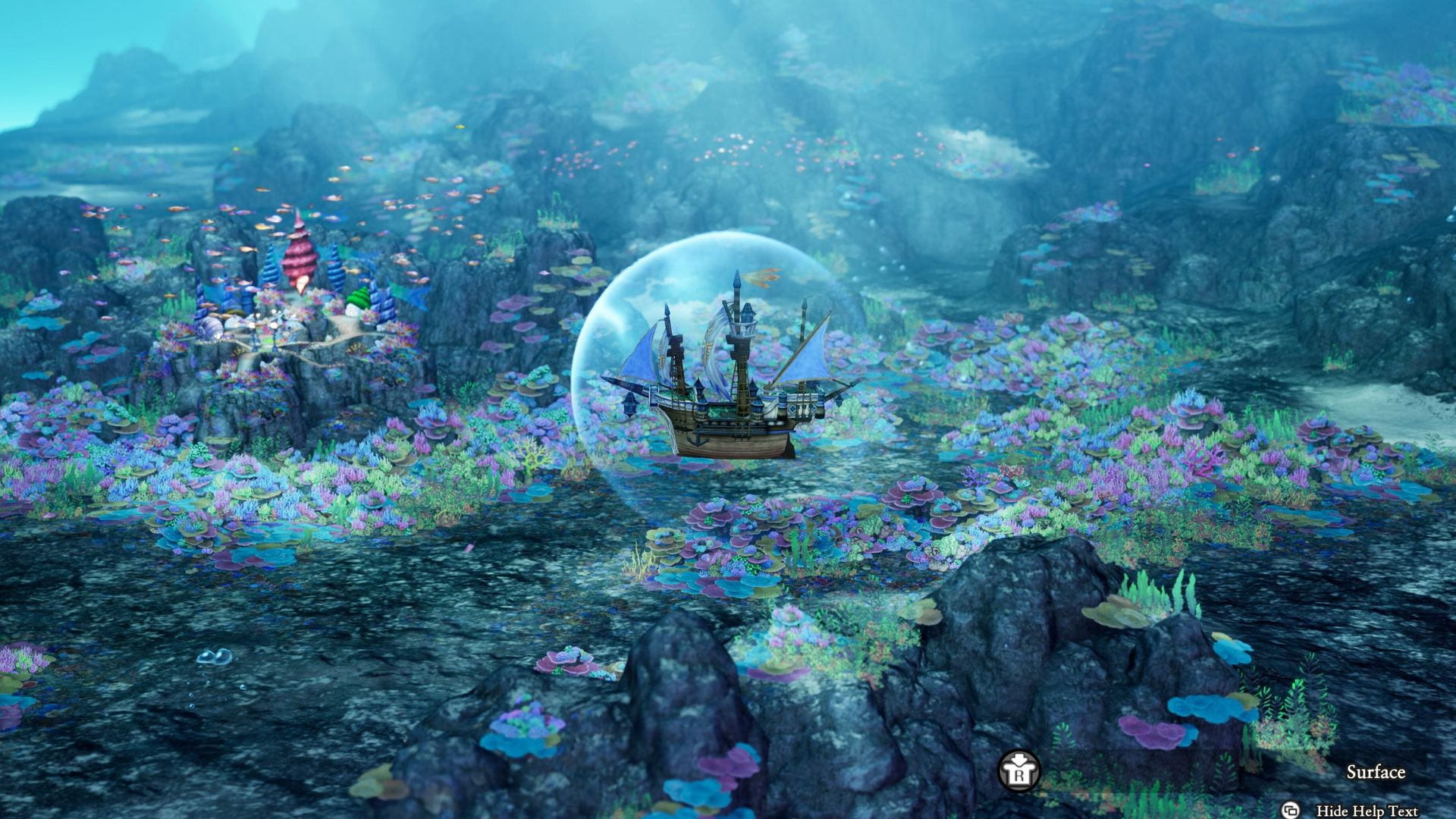
A really satisfying part of classic Japanese role-playing games was discovering the game world. You’d start by walking around, then maybe get a faster mount. Eventually, you’d earn a ship, which was a big moment because it let you travel to new lands and really expand your adventure. Before that, the world felt limited, but the ship truly opened things up.
Some Japanese role-playing games (JRPGs) make ocean travel stressful, like in Dragon Quest, where you’re constantly fighting. Other games let you dive underwater and discover entirely new areas, which can dramatically expand the game world.
Whether you enjoy exploring oceans in Japanese role-playing games or not, they’re almost always included, even if you can’t sail on them. Oceans and seas often define the edges of the game world and can even be used to set up future games and adventures in new areas.
3. Grasslands
As Far As The Eye Can See
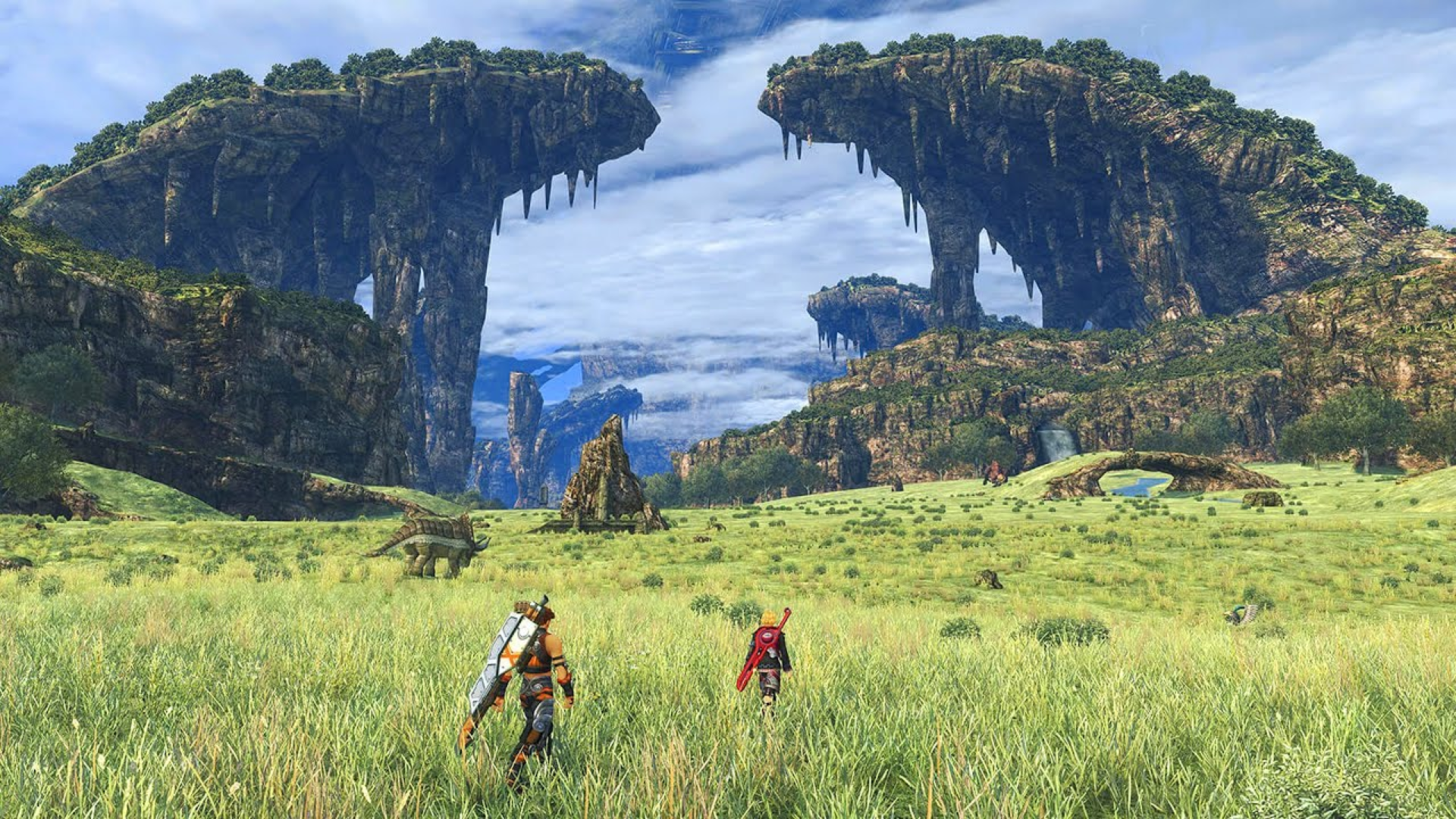
As a huge JRPG fan, I’ve noticed something that’s pretty common in almost every game: you usually start in a wide-open grassy area. It’s like the game’s way of saying ‘welcome to the world!’ These areas are always full of life, with cute animals and monsters that are usually pretty easy to beat – perfect for getting your feet wet and learning the ropes.
While there are a few exceptions – like the Calm Lands in Final Fantasy X, which has tougher enemies (though the real difficulty there is the Chocobo race!) – most plains in games serve as an introduction to the adventure and aren’t very challenging or interactive areas.
Let’s face it, these early areas don’t need to be incredibly complex. They’re simply introducing us to the adventure, and it’s nice to begin with easier, simpler locations before things get more difficult and dangerous.
2. Caves
Hope You Brought a Torch
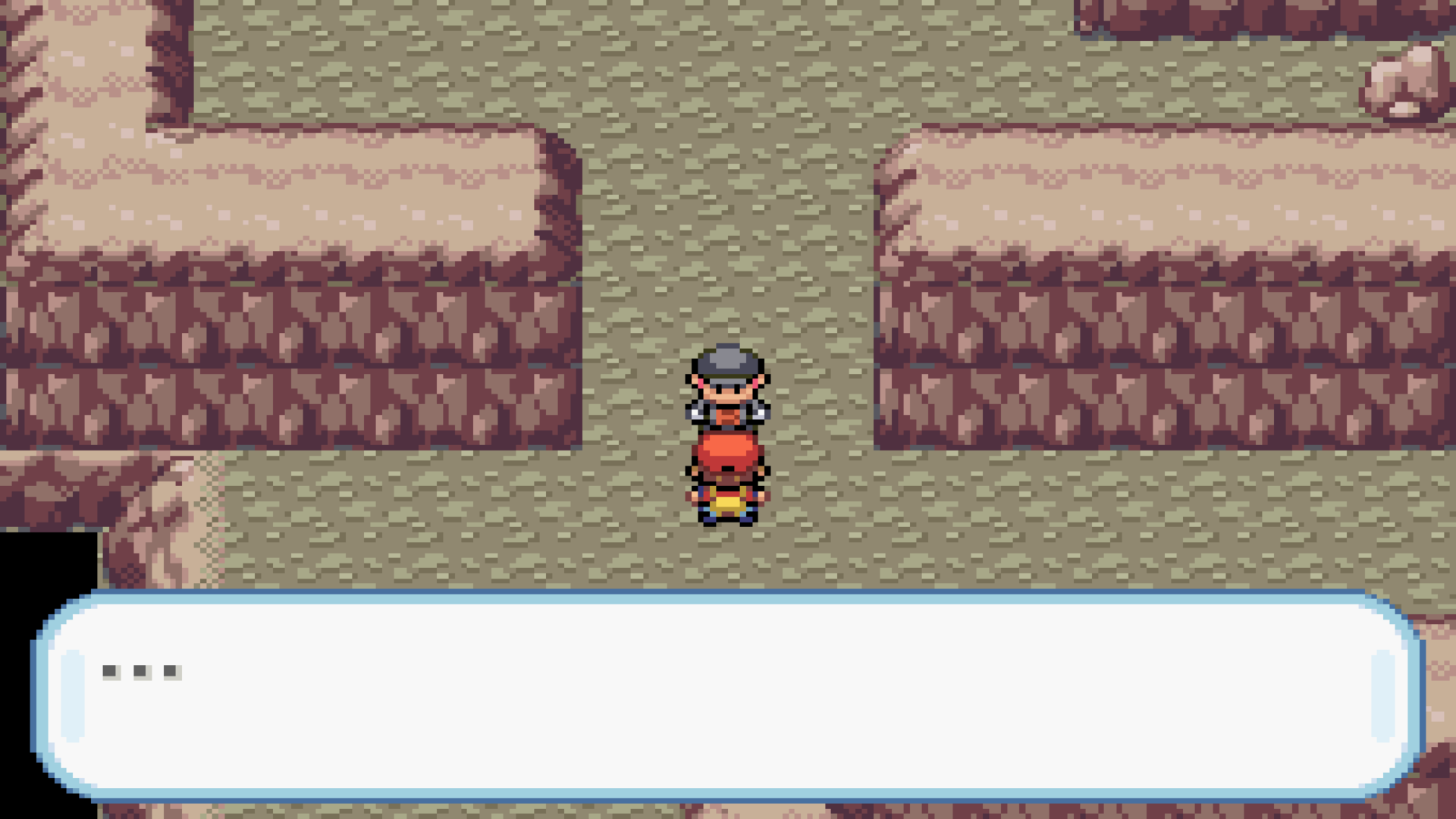
It often feels like the first dungeon in a Japanese role-playing game (JRPG) is a cave. While I don’t have any actual numbers to prove it, caves are a really common starting point for adventures in these games. They’re one of the most frequently used environments, and you’ll usually explore one pretty early on.
JRPGs often start with cave levels for good reason. Caves feel dangerous enough to create a challenge for new players, but aren’t overly difficult. Plus, they naturally include enemies like monsters or bandits, which helps move the story forward.
It’s tough to pick just one frustrating cave from JRPGs, since they’re so common! But Mt. Moon in Pokémon Red really stands out to me. I remember being constantly swarmed by Zubat, with nowhere safe to step and avoid endless random battles.
1. Forest
The Most Prolific Biome
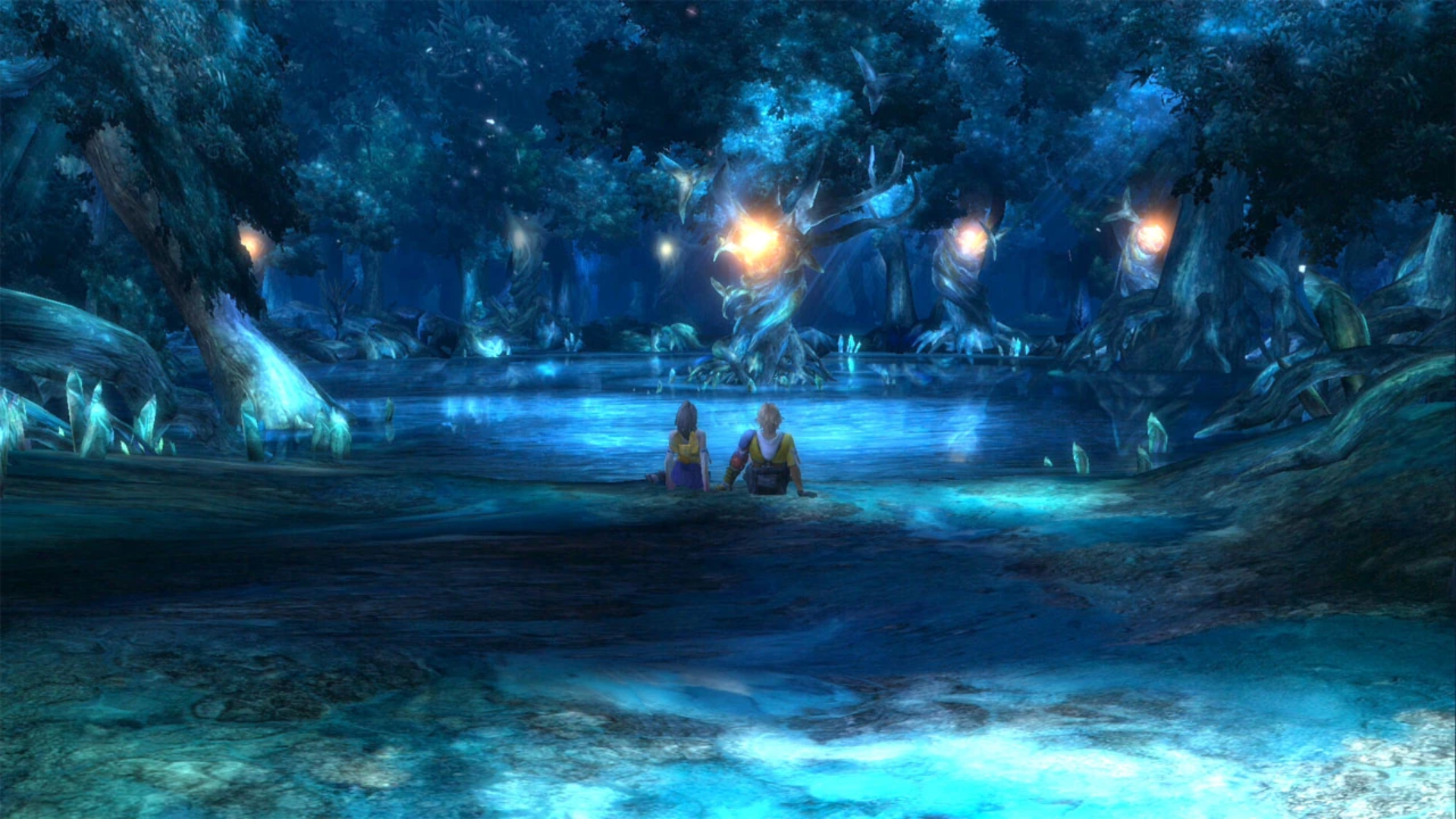
I noted that grasslands and forests are common starting locations in many Japanese role-playing games (JRPGs). However, forests are arguably even more frequent and diverse. Whether it’s a futuristic JRPG like Phantasy Star or a game focused on dungeons, you can almost always expect to explore a lush, wooded area.
Many Japanese role-playing games (JRPGs) include multiple forests, and these often become more imaginative and visually striking as the game progresses. For example, Halure in Tales of Vesperia is a stunning village constructed within a forest, while Macalania Woods in Final Fantasy X is famous for its beautiful and glowing nighttime scenery.
Forests are a classic part of JRPGs, often filled with magical creatures like elves and fairies that add depth to the game’s story. They’re also typically dangerous, with plant-based enemies and sometimes even huge, man-eating plants as bosses. And nothing beats the feeling of setting up camp in a forest with your team – it’s a truly nostalgic JRPG moment.
Read More
- Netflix’s Little House On The Prairie Reboot: Release Date, Cast & Everything We Know
- Off Campus Season 1 Soundtrack Guide
- YouTuber arrested after viral AI bodycam videos spark real police complaints
- Silver Rate Forecast
- Prime Video’s New R-Rated Spy Thriller Is Officially No.1 On Streaming Despite Poor Reviews
- Brent Oil Forecast
- Peaky Blinders: The Immortal Man’s Tommy Shelby Is a Better Father Than Michael Corleone
- Gold Rate Forecast
- Bulgakov’s Take: Koreans Bet the Farm on Chips, Crypto, and Chaos
- EUR ZAR PREDICTION
2025-12-13 17:42