
It’s confusing being a PlayStation fan these days. One day the news says Sony is struggling financially, and the next they’re reporting record profits. This makes it hard to understand what’s really going on with the company. Just because one part of Sony, like their movie studio, has a bad quarter doesn’t mean the PS5 is failing. To understand the full picture, we need to look beyond the alarming headlines and figure out what these financial results actually mean for Sony’s future.
Key Takeaways
- Sony is More Than Just PlayStation: Don’t let a dip in Sony’s overall corporate profits fool you. The gaming division is often the company’s strongest performer, propping up other business units and proving the brand’s financial resilience.
- The Real Money is in the Marketplace, Not the Console: Hardware sales are just the entry fee. Sony’s long-term profitability comes from its digital ecosystem, where every third-party game sale and PS Plus subscription builds a stable financial foundation.
- A Mature Console Market Requires a New Game Plan: Slowing PS5 sales don’t signal a crisis; they reflect a natural shift in the console life cycle. Sony’s focus is now less on shipping units and more on keeping its massive player base engaged with great games and valuable services.
Why Does Everyone Think Sony is Failing?
You’ve likely seen online that many gamers feel Sony isn’t performing as well as it used to. Discussions about PlayStation sales, new games, and company choices often suggest the company is struggling. However, a closer look reveals a more nuanced situation than what’s often discussed.
What’s behind all the recent talk about Sony? Are they genuinely facing problems, or is the negative buzz online an exaggeration? Let’s look at the origins of this idea and examine the actual facts.
The Gaming Industry Heats Up
The gaming industry is now incredibly competitive. The market is growing, with more consoles available, so companies like Sony, Microsoft, and Nintendo are fiercely competing for players’ attention and spending. Because of this intense rivalry, every decision a company makes is closely watched, and even small mistakes can seem like big problems when competitors are constantly announcing successes. In a market that’s always expanding, companies feel pressured to innovate, which often creates anxiety among gamers who are invested in their favorite brands.
Decoding Sony’s Mixed Financial Reports
It’s easy to misinterpret financial news, especially with big companies like Sony. A report of lower overall profits might make you think PlayStation is doing poorly, but that’s not always the case. For example, Sony recently announced a 31% decrease in profits, which sounds bad. However, this drop was due to problems with their movie and financial divisions, not PlayStation. In fact, PlayStation actually performed well during that same period, with increased sales largely driven by popular games made by other companies. Essentially, while some parts of Sony struggled, the gaming division remained strong and even grew.
How Social Media Fanned the Flames
Social media thrives on conflict and sensationalism. A single negative story or debatable choice can quickly gain massive attention, creating a cycle where opinions are easily mistaken for facts. We’ve all witnessed this – a comment like “Sony is failing” can rapidly become a widespread belief, as highlighted by a Reddit user joking that Sony was “already done for” last year. This illustrates how quickly narratives can form, even without complete information. While listening to player feedback is important, it’s crucial to remember that the most vocal online opinions don’t necessarily reflect the views of most players, or the true financial situation of a large company.
Sony’s Financials Tell a Different Story
Despite what you might read online in forums and on social media, Sony is actually doing very well financially. It’s tempting to focus solely on console sales, but a broader look at the company’s performance reveals strong growth and success. The financial reports clearly show record revenue and a gaming division that is consistently exceeding expectations. Let’s take a closer look at the details.
Breaking Down Sony’s Record Revenue
Sony is currently experiencing significant financial success. In the first quarter of its fiscal year, the company’s sales increased by almost 33% compared to the same period last year, totaling ¥2.96 trillion (approximately $20.14 billion). This substantial growth demonstrates the overall health and strength of Sony’s diverse business areas, including both its electronics and entertainment divisions. These impressive results indicate a solid and stable foundation for all parts of the company, including PlayStation.
How the Gaming Division Smashed Expectations
The gaming side of Sony is also thriving. PlayStation sales increased by 8%, reaching ¥937 billion (about $6.37 billion). Notably, this growth came mainly from games made by other companies, not Sony itself. This success was a major reason why Sony increased its overall revenue forecast for the year by 6%. It demonstrates that PlayStation remains profitable, even when hardware sales vary, thanks to a continuous flow of popular games.
Why Sony is Confident About the Future
Sony is expressing strong confidence in its future, and they’re putting their money where their mouth is with ambitious revenue forecasts reaching into the trillions of yen. This optimism is fueled by high levels of activity and engagement from players on the PlayStation network. So encouraged by recent performance, Sony has actually increased its sales predictions for the years ahead. This kind of move signals not a company bracing for trouble, but a market leader looking to strengthen its dominance.
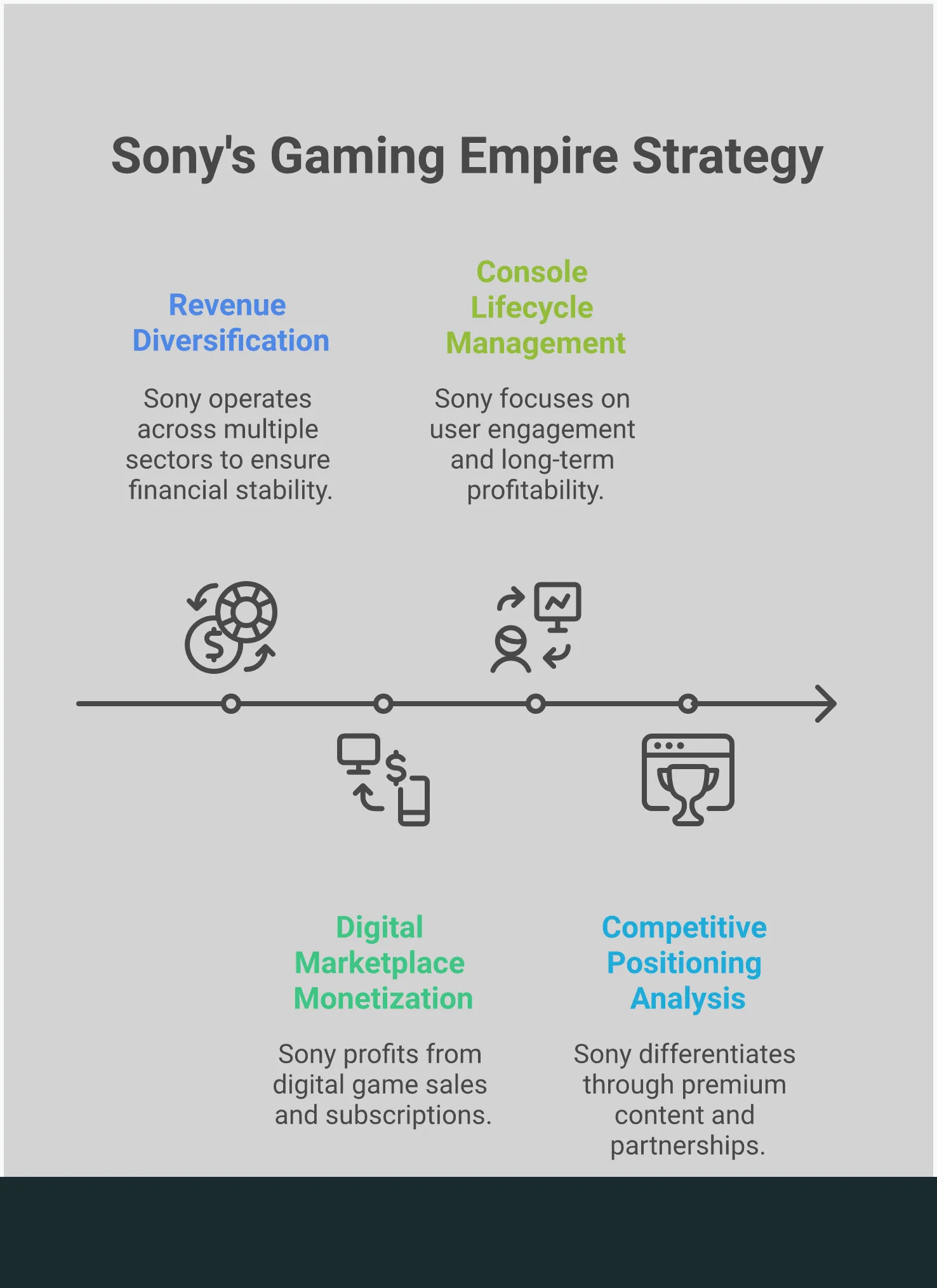
How PlayStation Powers Sony’s Success
If you look beyond the daily news and social media buzz, it’s clear that PlayStation is a major reason Sony is doing so well. It’s more than just selling game consoles – PlayStation is a consistently strong performer that helps keep Sony stable and profitable, even when other areas of the company struggle. Essentially, PlayStation is Sony’s most reliable and profitable division, and we’ll explore exactly how it achieves that success.
The Gaming Unit as a Profit Powerhouse
Although Sony’s recent quarterly profits were down slightly, the company is predicting higher sales for the entire year, largely thanks to the strong performance of its PlayStation business. This highlights how crucial gaming is to Sony’s financial success. PlayStation consistently performs well, providing a stable base even when other areas face challenges. It’s a dependable source of income that confirms Sony’s strong position in the gaming market, enabling them to fund new initiatives and keep investors confident.
Why Non-First-Party Games Are a Goldmine
Everyone loves PlayStation’s popular exclusive games like Spider-Man and God of War, but a large portion of PlayStation’s income actually comes from games made by other companies. Recent reports show a big increase in PlayStation’s gaming revenue, mainly because of strong sales of games like Call of Duty, Elden Ring, and EA FC. Every time you buy these games on PlayStation, Sony earns a profit. This makes PlayStation a very profitable platform, as the success of other game developers and publishers directly benefits Sony’s finances.
The Winning Strategy Behind PlayStation Plus
Subscription services are now a major part of gaming, and Sony is succeeding with its PlayStation Plus offering. While recently increasing the price might have seemed like a gamble, it actually shows how much Sony believes in the value it provides. This isn’t just about making money quickly; it’s a plan to create a consistent and reliable income over time. By offering a library of games, online play, and special deals through a subscription, Sony keeps players engaged and loyal, making PlayStation a key part of their gaming experience.
So, Why Do Gamers Think Sony is Struggling?
You’ve likely seen discussions online questioning Sony’s recent performance with PlayStation, with comments like “Sony is losing its way” or “The PS5 is struggling.” This idea that PlayStation is falling behind seems to be growing, especially with each new financial report. But what’s causing this perception? It’s not a single issue, but rather a combination of news headlines, changes in the gaming market, and how gamers are reacting to everything.
It’s understandable why people are concerned about recent reports of slowing PlayStation 5 sales, especially after the initial high demand during the pandemic. A single disappointing financial quarter can easily overshadow otherwise positive results, and the competition in the gaming industry is incredibly strong. Any perceived weakness from Sony gets a lot of attention. While some headlines might suggest trouble, the situation is usually more nuanced than it appears. Let’s take a closer look at the factors driving this current perception.
Why Falling Console Sales Aren’t the Whole Story
Recent reports about PS5 sales have led some to believe Sony is struggling, highlighting that they just barely missed their lowered sales goals and expect even fewer sales next year. While this initially seems concerning, it’s important to consider how consoles typically perform over time. The PS5 has been available for a while, meaning most dedicated fans and early adopters already own one. Sales naturally decrease as a console ages – this is completely normal. A console’s true success isn’t just measured by how many units are sold, but by how well it keeps players engaged and buying games.
Gaming News: Separating Perception from Reality
Financial news can be quite volatile, and it’s easy to overreact to short-term setbacks. For instance, a report of Sony’s quarterly income decrease might seem alarming, but it doesn’t tell the whole story. The company could simultaneously be predicting strong overall sales for the year thanks to the success of PlayStation. It’s like focusing on a single tree instead of the entire forest. While companies naturally experience ups and downs, it’s the long-term performance that’s most important. Paying attention only to negative news gives you an incomplete understanding of the bigger picture.
Is a Saturated Market a Sign of Failure?
It’s important to remember the overall health of the gaming industry. While some might see Sony’s challenges as a sign of decline, the market is actually growing. In 2023, global gaming console sales increased by 10% due to improved supply and exciting new games. The market isn’t shrinking, it’s simply become more competitive. Sony’s more conservative sales predictions aren’t a sign of weakness, but a realistic understanding that the initial surge in demand has leveled off. Now, the focus is on keeping players engaged with compelling games, rather than just selling consoles. This isn’t a sign of a failing market, just a shift in how the industry operates.
Sony’s Secret Weapon: A Diversified Business
Most people think of PlayStation when they hear the name “Sony,” but that’s just one part of a much larger story. Sony is a huge entertainment and technology company with a wide range of businesses. This variety is its biggest strength, allowing it to stay strong even when one area faces challenges. While discussions often center on video game sales, Sony also thrives through its music, film, and financial services. This means that if one division struggles, it doesn’t cripple the entire company. Success in another area—often gaming—can offset any losses and keep the company stable. It’s a smart way of avoiding risk, and it explains why claims that Sony is failing aren’t accurate.
More Than Just Games: Sony’s Entertainment Empire
Sony is much more than just a gaming company. They also own Sony Pictures, which produces popular movies, Sony Music, home to many famous artists, and create advanced camera technology. They even have a large financial services division in Japan. This diverse range of businesses is key to understanding how well Sony is doing overall. Recently, when Sony’s profits decreased, it wasn’t because of PlayStation. The decline was mainly due to lower earnings from their movie and finance sectors. While falling profits might seem concerning, understanding where those losses are happening reveals that Sony’s gaming business remains strong.
How Multiple Revenue Streams Keep Sony Stable
Sony’s ability to earn money from many different sources is what keeps it financially stable. It’s similar to having a diverse team – if one member struggles, others can compensate. When Sony’s movie business isn’t doing as well, its gaming division often steps up to make up the difference. In fact, thanks to the strong performance of PlayStation, Sony recently increased its overall revenue predictions for the year, despite some weaker results in other areas. This boost was largely due to a significant increase in game sales, particularly popular titles made by other companies. This demonstrates that Sony can rely on different parts of its business to succeed, even when others face challenges.
Why a Rocky Quarter for Movies Doesn’t Sink the Ship
When a big movie flops or several films are postponed, it’s not necessarily a disaster for Sony. Although a weak quarter for its movie business might grab attention, it doesn’t determine the company’s overall success. We recently saw this happen – even with some disappointing results in certain areas, Sony actually increased its yearly revenue forecast. How? Thanks to the incredibly strong performance of its PlayStation gaming division. This ability to offset problems in one part of the business with success in another is a sign of a strong, healthy company – one that’s thriving, not failing. It clearly shows that the gaming division is capable of driving the entire company forward.
What Hurdles Does Sony Face Next?
Even a successful company like Sony isn’t without its difficulties. Although Sony is financially stable overall, its gaming division is currently facing significant challenges. Changes in how people play games, combined with a more difficult economic environment, require Sony to adapt and maintain its position as a leader in the gaming industry. These challenges aren’t indications of trouble, but rather major hurdles the company must overcome to ensure future success.
The Challenge of Declining PS5 Sales
The initial rush for the PlayStation 5 has subsided. While it used to be difficult to find, the console is now widely available, but sales are beginning to decrease. Sony recently fell short of its sales goals for the PS5 and expects even lower numbers in the coming year. This isn’t cause for alarm; it’s a typical stage in a console’s lifespan. Most people who really wanted a PS5 have already bought one, so Sony now needs to convince more occasional gamers or those looking for a good deal to upgrade. This indicates the market is becoming more stable, and Sony needs a fresh approach to maintain its success.
How Economic Shifts Affect Gamer Spending
It’s no surprise that when money is tight, expensive new games are often the first thing people stop buying. Sony is noticing a drop in spending from gamers due to the current economic situation. Players are being more careful about what they buy, which is affecting both full game sales and in-game purchases. Sony recently increased the price of its PlayStation Plus subscription, likely as a way to maintain its income. However, this also means Sony needs to demonstrate that the service offers enough value to justify the higher cost. It’s a tricky situation – Sony needs to stay profitable while still keeping its players satisfied.
The Rise of Cloud Gaming Competitors
Gaming is evolving rapidly, with many new companies entering the market. Services like Xbox Cloud Gaming and GeForce NOW let you play games without needing a console. Sony understands these changes and says it will adapt its strategy based on what competitors are doing. Although Sony has its own streaming service, it faces strong competition. The key now is to show gamers that Sony offers the best long-term gaming experience.
Relying Heavily on Third-Party Hits
PlayStation Studios is known for its excellent exclusive games, but most of its income actually comes from selling popular games made by other companies, like Call of Duty, EA Sports FC, and Grand Theft Auto. These games are incredibly popular on PlayStation and generate huge profits for Sony. However, this also creates a risk: if a major game publisher were to stop selling games on PlayStation or partner with a competitor, Sony would lose a lot of money. Because of this, Sony needs to maintain good relationships with other game studios to ensure a steady flow of popular titles.
What Gives Sony an Edge in the Gaming World?
Even with all the chatter online, Sony is a major force in gaming. Their success isn’t accidental – it’s the result of a careful plan based on three key strengths that keep players engaged and the company doing well. Sony offers games everyone wants to play, innovative technology, and clever partnerships, creating a powerful combination that’s hard for competitors to overcome. Let’s take a closer look at what makes PlayStation so successful.
Why Exclusive Titles Keep Players Hooked
Let’s face it: the biggest reason many people choose PlayStation over Xbox or Nintendo is the incredible games you can only play on PlayStation. Sony is really good at making must-play experiences, like the emotional story of The Last of Us or the fun of being Spider-Man swinging through New York City. These aren’t just games—they’re what make people buy a PlayStation in the first place. They create a strong community and make PlayStation a well-known and respected brand. Even if these exclusive games don’t always sell more copies than games available on all consoles, they’re the main reason people become PlayStation fans.
Staying Ahead with Hardware Innovation
Sony consistently excels at creating impressive hardware, and the PlayStation 5 is a prime example. It’s more than just powerful technology and better visuals; it’s about making games feel truly immersive. The DualSense controller, with its advanced feedback and adaptable triggers, completely changes how you experience games. Combined with a super-fast storage drive that almost removes loading times, the PS5 feels like a real leap forward. This dedication to new ideas is central to Sony’s success. The company’s strong belief in its PlayStation division comes from creating hardware that both players and game developers love.
The Power of Strong Third-Party Partnerships
While exclusive games initially attract players, a large selection of games from other developers is what keeps them engaged. This is where Sony excels. By attracting a large player base with its consoles and own games, Sony creates a profitable environment for other game companies. In fact, most of Sony’s gaming revenue comes from sales of games not made by Sony themselves. Every time you buy popular titles like Call of Duty or Diablo 4, Sony benefits. This results in a reliable and highly profitable business model that isn’t dependent on only its own game studios.
Sony vs. The Competition: A Showdown
The competition between PlayStation, Xbox, and Nintendo isn’t just about which console sells the most units. These days, the real fight is for players’ overall engagement – things like online services, subscriptions, and games you can only play on one system. Sony is facing strong competition from both Microsoft and Nintendo, each with its own unique approach to attracting gamers. To understand Sony’s position, it’s important to look at how each company is trying to establish its dominance. It’s not about a clear winner or loser, but about how each company is building its own space in the gaming world.
Microsoft is building a subscription service with tons of content, hoping to become the central hub for gamers. Nintendo continues to lead the way with its unique Switch console and beloved characters that attract both dedicated fans and families. Sony is focusing on high-quality, major game releases that are known for being groundbreaking. This competition isn’t about one company losing, but rather different ideas about what gamers want. It’s a really interesting battle of approaches, and Sony is right in the thick of it, working to protect its position while also adjusting to the evolving gaming world.
Microsoft’s Game Pass Gamble
Xbox Game Pass has fundamentally shifted how Microsoft approaches gaming. Rather than simply selling consoles, they’ve created a subscription service – often described as ‘Netflix for games’ – providing access to a huge collection of games for a monthly price. This bold move has even prompted Sony to acknowledge that Game Pass is significantly ahead of their PlayStation Plus offering. Microsoft is further investing in this strategy by buying prominent game development studios, guaranteeing a consistent flow of new games available on the service from day one. This is a significant risk, as Microsoft is betting that building lasting relationships with subscribers will prove more profitable than selling games individually. It also challenges Sony to provide a compelling alternative that offers more than just exclusive games.
Nintendo’s Unbeatable Handheld Strategy
Nintendo consistently does things its own way, and that approach continues to be successful. Rather than trying to match the graphical power of competitors like Sony and Microsoft, Nintendo created something different with the Switch – a console that works equally well at home and on the go. Paired with their popular exclusive games, such as The Legend of Zelda and Super Mario, this allows them to attract a large and unique audience. Nintendo isn’t just competing in the gaming market; it’s a leader that’s proven that creativity and enjoyable gameplay are just as important as having the most powerful technology.
Where Sony Fits in the Console Wars
Sony finds itself in a tricky spot, facing strong competition from Microsoft’s subscription services and Nintendo’s innovative hybrid console. Their main strategy is to focus on delivering amazing, exclusive games. Sony believes players will always come back for high-quality titles like God of War Ragnarök and Marvel’s Spider-Man 2, which not only sell consoles but also build a reputation for unforgettable stories and prestige. While PlayStation Plus is improving, Sony is hesitant to immediately include their biggest games in the subscription service, fearing it would diminish their value. Sony aims to be known for a premium gaming experience, confident that exceptional games justify the cost.
How Sony is Fighting Back
Despite concerns about changing markets and declining console sales, Sony isn’t struggling as much as it might seem. Rather than reacting with panic, they’re taking a long-term, strategic approach to gaming. They’re proactively changing their business to be more stable and less reliant on the unpredictable success of new consoles. This means shifting focus from simply selling hardware to building a broader, more comprehensive gaming experience.
PlayStation is strengthening its position by focusing on what it does best: attracting a huge community of players and offering a fantastic selection of games. Sony is building a more secure financial future by prioritizing digital sales and subscription services, and by creating a platform where game developers can succeed. They recognize that lasting value comes from the ongoing gaming experience, not just the initial console purchase. This strategic change is already proving successful, allowing them to predict higher earnings even when console sales are modest. It’s a subtle but effective approach that will keep PlayStation competitive for years to come.
Shifting Focus to Subscription Services
Sony has made a clever decision by focusing on subscription services like PlayStation Plus. It’s similar to how Netflix works, providing a consistent income stream without relying on console sales. This approach prioritizes building lasting relationships with players. PlayStation Plus offers different levels of access to a vast game library, online play, and special deals, encouraging players to remain loyal to the PlayStation brand. This reliable, recurring revenue helps Sony maintain financial stability between major game launches and console updates.
Investing in the Future of Gaming
Sony isn’t just focusing on its own popular games; they’re making big investments in software overall. A key to their recent success is selling games made by other companies, like EA, Ubisoft, and Square Enix. By becoming the go-to platform for a wide variety of titles, Sony is building a central gaming hub. This approach helps them earn money from many sources, meaning they benefit even when games from other studios become huge hits. By offering a diverse and constantly updated game library, Sony keeps players interested and spending money on their platform throughout the year.
Staying Profitable, Even with Fewer Hardware Sales
While PS5 sales are slowing down, it’s a mistake to think that means Sony is struggling. Sony’s success isn’t just about selling consoles; it’s about the entire PlayStation experience. They make most of their money from digital games, in-game purchases, and subscriptions – things people buy after they own a PlayStation. Because of this, Sony can stay profitable even if fewer consoles are being shipped. The console itself gets people into the PlayStation world, but the ongoing digital marketplace is where they consistently earn significant profits.
Related Articles
- Deus Ex LFG: Connect with Other Augs in LFG Feature on Z League App
Frequently Asked Questions
You often see people online saying Sony is struggling, even though their financial reports look good. This happens because a single piece of bad news – like lower profits from their movie business – can quickly spread and make it seem like the whole company is doing poorly. In fact, Sony’s PlayStation division is usually very successful, consistently exceeding sales targets and demonstrating the strength of their gaming business.
It’s perfectly normal that PS5 sales are starting to slow down. This happens with all game consoles – the biggest fans bought them right away, and sales naturally decrease after that initial surge. Now, Sony is concentrating on keeping the many PS5 owners happy by offering compelling games and services, which is key to continued success.
While selling the PlayStation console is important, it’s not the only way Sony makes money. A large part of their income comes from digital sales. Every time you buy a game like Call of Duty or Diablo 4 on the PlayStation Store, Sony receives a percentage of the sale. Plus, the millions of people who pay for PlayStation Plus subscriptions provide a consistent and significant revenue stream, making it a very profitable system even after someone buys a console.
With services like Xbox Game Pass becoming popular, is Sony’s traditional approach of selling high-priced games still effective? It appears so, because Sony is pursuing a different strategy. While Microsoft aims to offer a huge library of games through subscriptions, Sony is focusing on delivering exclusive, top-tier games you can’t find anywhere else. They believe gamers will continue to pay for exceptional, groundbreaking titles like Marvel’s Spider-Man or God of War. Essentially, they’re prioritizing quality over having a large number of games.
What’s the biggest hurdle for Sony right now? It’s not just one problem, but several things happening at once. They need to keep players interested now that the initial excitement around the PS5 has died down, deal with economic changes that are making gamers more cautious with their money, and avoid depending too much on popular games made by other companies. It’s less about facing a specific competitor and more about successfully navigating a tough and ever-changing market.
Read More
- All Itzaland Animal Locations in Infinity Nikki
- The Boys Season 5 Spoilers: Every Major Character Death If the Show Follows the Comics
- Cthulhu: The Cosmic Abyss Chapter 3 Ritual Puzzle Guide
- Gold Rate Forecast
- Solo Leveling’s New Manhwa Chapter Revives a Forgotten LGBTQ Story After 2 Years
- Persona PSP soundtrack will be available on streaming services from April 18
- Morgan Stanley’s Tokenized Tango: Wealth, AI, and the Onchain Waltz
- DTF St. Louis Series-Finale Recap: You Can’t Hold the Sun in Your Hand
- Warriors vs. Clippers Play-In Results According to NBA 2K26
- Dungeons & Dragons Gets First Official Actual Play Series
2025-12-12 17:05