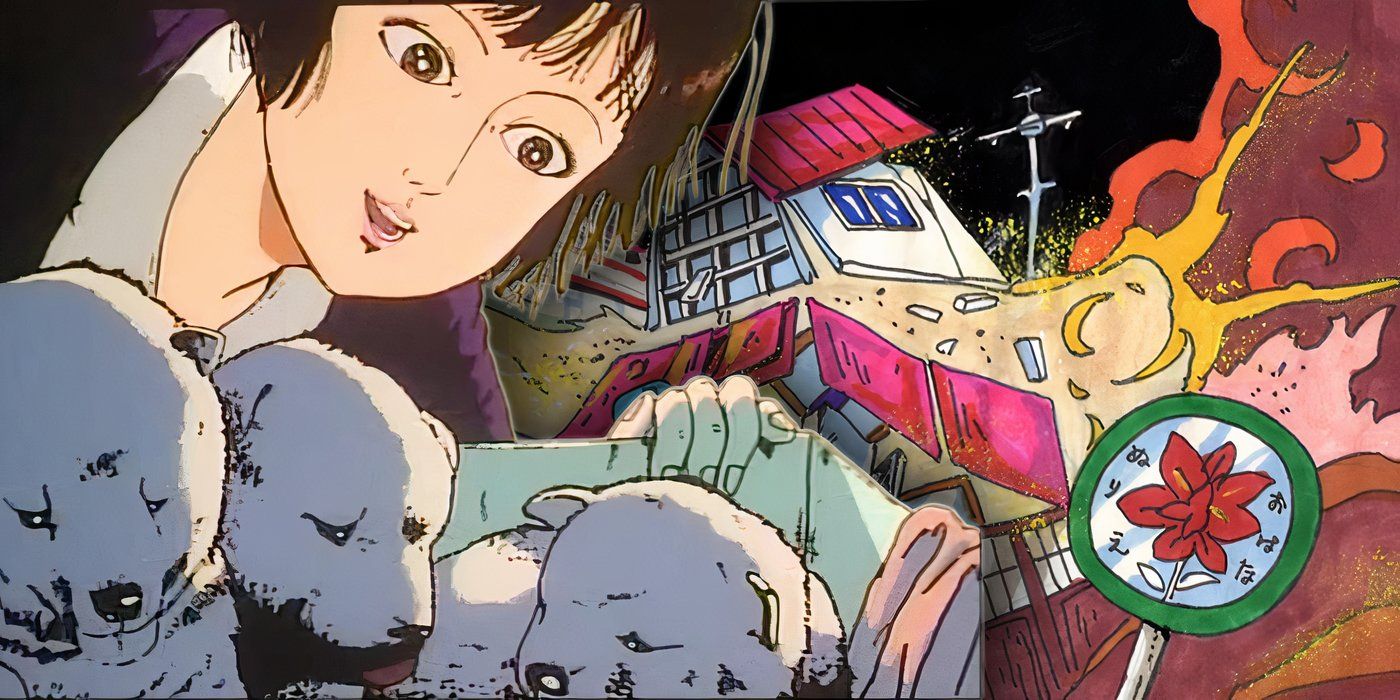
The 1980s were a pivotal time for horror, giving us classics like Wicked City, Demon City Shinjuku, Violence Jack, Lily C.A.T., and Urotsukidoji. These films are essential viewing for any horror enthusiast. But one ‘80s movie stands out as truly haunting – Hiroshi Harada’s The Death Lullaby (also known as Lullaby to the Big Sleep). This scary and emotionally resonant arthouse horror film continues to disturb and captivate audiences even today, surpassing many of Hollywood’s most famous horror movies.
Hiroshi Harada first gained recognition for his work as the storyboard artist behind the intense film, Midori: The Girl in the Freak Show. His 1985 film, The Death Lullaby, marked his major debut, made when he was only 20 years old. The film centers on a character named Deppa (meaning “buck tooth”) and explores his descent into despair amidst growing social chaos and a breakdown of order. The Death Lullaby is a remarkably complex and ambitious anime, but at its heart, it’s a deeply affecting story that rivals some of the most emotionally powerful and frightening works in the medium. It manages to be as terrifying as Perfect Blue and as emotionally honest as Barefoot Gen, a rare feat for an anime horror film.
The Death Lullaby Gets Hopelessly Lost in Disturbing Imagery
At its heart, The Death Lullaby tells a straightforward story about the damaging effects of bullying and a society that favors attractive people. Deppa is constantly targeted and mistreated, despite doing nothing to deserve it. Initially, his kindness offers a glimmer of hope. However, the story follows Deppa’s descent as his compassion fades, ultimately making him a much more unpleasant person.
Watching The Death Lullaby was a really unsettling experience, largely because of the bleak and hopeless world it portrays. What struck me most was seeing how the film’s central metaphor – the music itself – takes hold of the character Deppa, turning him from someone suffering into someone who inflicts pain. It’s a chilling and effective way to show the pervasive sense of hopelessness that seems to affect everyone, not just young people. The film ends on a profoundly sad and broken note, which honestly made its message even more impactful and deeply depressing.
Deppa faces overwhelming hardship, including death, illness, and poverty. He’s treated like an outcast by everyone around him, as if he’s contagious or unwanted. This feeling of isolation is emphasized through the film’s visuals, which combine live-action footage with grainy 8mm film, making Deppa seem even more alienated. While his breakdown isn’t a physical transformation like in The Fly, it’s as intensely disturbing and destructive as Jack Torrance’s descent into madness in The Shining.
Watching Deppa’s story is unsettling due to its disturbing content. The animated film, The Death Lullaby, is particularly shocking with its constant and unpredictable violence, which feels almost like it’s working on a subconscious level. It immediately grabs your attention with a gruesome image – a doll bleeding from its face. This use of real fluids mixed with animation is both inventive and deeply unsettling, making the violent scenes even more disturbing. Throughout The Death Lullaby, Deppa’s body is repeatedly broken and destroyed in frightening, surreal ways. While these visuals are shocking, they also hint at his inner turmoil and the way he sees himself.
The film The Death Lullaby creates a constant feeling of unease and never lets the viewer relax. It shows disturbing images – like severed body parts and hanging corpses – that no one in the film seems to notice or react to, suggesting that death is commonplace. As the main character, Deppa, travels through a ruined, modern world, everything around him is decaying. The experience is similar to walking through a never-ending haunted house, where each scene is more terrifying than the last.
The Death Lullaby is an Experimental Art Film From Promising New Talent
It’s easy to find scary anime and horror movies, but truly unique ones are hard to come by. Both industries often follow a similar formula to make production smoother, and while some good projects still emerge from this process, it can be difficult for truly original works to stand out. The Death Lullaby is different. Creator Hiroshi Harada spent three years making it almost entirely on his own, resulting in a very personal and unfiltered vision. It’s as much a reflection of Harada’s own mind as it is a traditional horror story.
While a more traditional style might have broadened its appeal, it’s The Death Lullaby’s distinctive look that truly defines it. The film often feels genuinely haunted and cursed, creating a strangely unsettling atmosphere. It’s an unusual film that feels like it shouldn’t exist, which actually makes it scarier. This quality is reminiscent of early found-footage horror like The Blair Witch Project and classic Japanese horror films like Ringu and Ju-On. In many ways, The Death Lullaby feels most similar to the experimental short films and early work of David Lynch – it captures that same surreal and deeply personal feeling. This isn’t a horror movie for everyone, but it delivers uniquely strange and powerful visuals. That kind of experience is rare, and on that level, The Death Lullaby definitely succeeds.
Deppa’s film is intentionally unsettling, using a disjointed pace and overwhelming visuals to create a feeling of unease, almost like an assault on the senses. The Death Lullaby focuses on creating a strong, immersive atmosphere rather than relying on action. It feels like being lost in a strange and disorienting dream. While there is a story, the film’s unique structure draws you in and envelops you with its surreal imagery, editing, and narrative style.
While The Death Lullaby certainly has its share of frightening images, what’s truly unsettling is the feeling of disorientation and uncertainty it creates. The mystery and suspense surrounding the plot become just as scary as any of the film’s direct scares. Harada’s haunting score adds to this feeling, keeping viewers constantly tense and unable to settle in. This approach works incredibly well for the film’s short 27-minute length, though it wouldn’t be effective over a longer runtime.
Thought-Provoking Subject Matter Adds to The Death Lullaby’s Horror
The most impactful horror films do more than just frighten audiences; they offer a critique of society. Without deeper meaning, a horror movie quickly becomes forgettable. In The Death Lullaby, Harada ensures the film’s themes are powerfully felt, as strong as any of the scares. The disturbing visuals aren’t just about monsters; they explore issues like bullying, violence, social conflict, environmental damage, and the risks of unchecked industrial growth. While these themes might seem separate, they all connect to a central idea: a widespread, suppressed anger within the Japanese population. The film suggests this anger needs a constructive outlet, or there’s little chance for positive change.
When The Death Lullaby came out in 1985, its animation was incredibly impressive and visually stunning. Even today, 40 years later, it still looks amazing. But beyond the visuals, the film’s themes are just as powerful and meaningful. This combination of lasting artistry and relevant subject matter is what makes a horror movie a true classic, able to resonate with audiences no matter the era.
Since its release, the film The Death Lullaby‘s critical view of industrialization has become even more relevant. The film portrays a Japan constantly under threat from airplanes, contrasting the destruction of homes with the allure of new technology presented as progress, despite its negative impact on communities. The film suggests that Japan’s identity shifted from its people to its machines and industries. Underlying this is the lingering trauma of World War II, which adds another layer of anger to the story.
Hiroshi Harada’s The Death Lullaby is a fiercely critical reaction to changes in Japan, presented as a raw and intense outcry. While deeply unsettling, this horror film is also intellectually stimulating and complex, qualities that have earned it a dedicated cult following that continues to grow. Its unrestrained and chaotic nature demonstrates that 1980s anime horror can be more profound than many contemporary Hollywood films.
Read More
- Netflix’s Little House On The Prairie Reboot: Release Date, Cast & Everything We Know
- Off Campus Season 1 Soundtrack Guide
- YouTuber arrested after viral AI bodycam videos spark real police complaints
- Silver Rate Forecast
- Prime Video’s New R-Rated Spy Thriller Is Officially No.1 On Streaming Despite Poor Reviews
- Brent Oil Forecast
- Gold Rate Forecast
- Bulgakov’s Take: Koreans Bet the Farm on Chips, Crypto, and Chaos
- Peaky Blinders: The Immortal Man’s Tommy Shelby Is a Better Father Than Michael Corleone
- EUR ZAR PREDICTION
2025-12-07 03:42