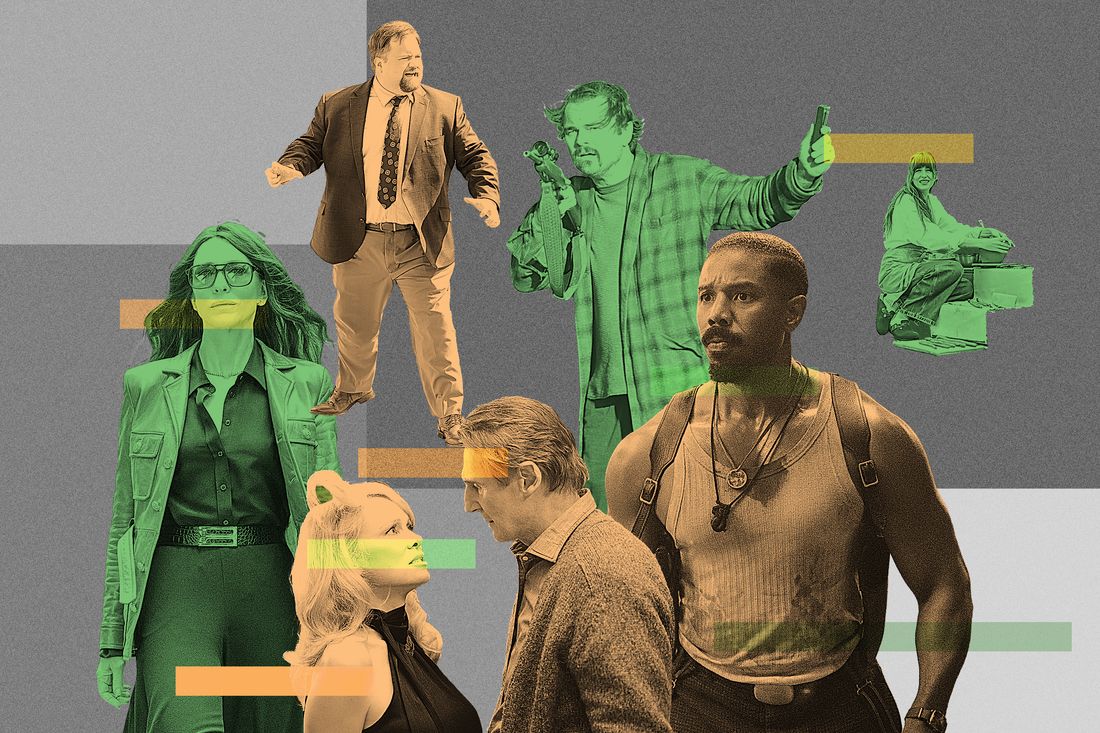
It’s time for Vulture’s critics to reveal their picks for the best movies of 2025! Bilge Ebiri and Alison Willmore have put together their top ten lists, and here are the results.
Bilge Ebiri’s Top 10 Movies
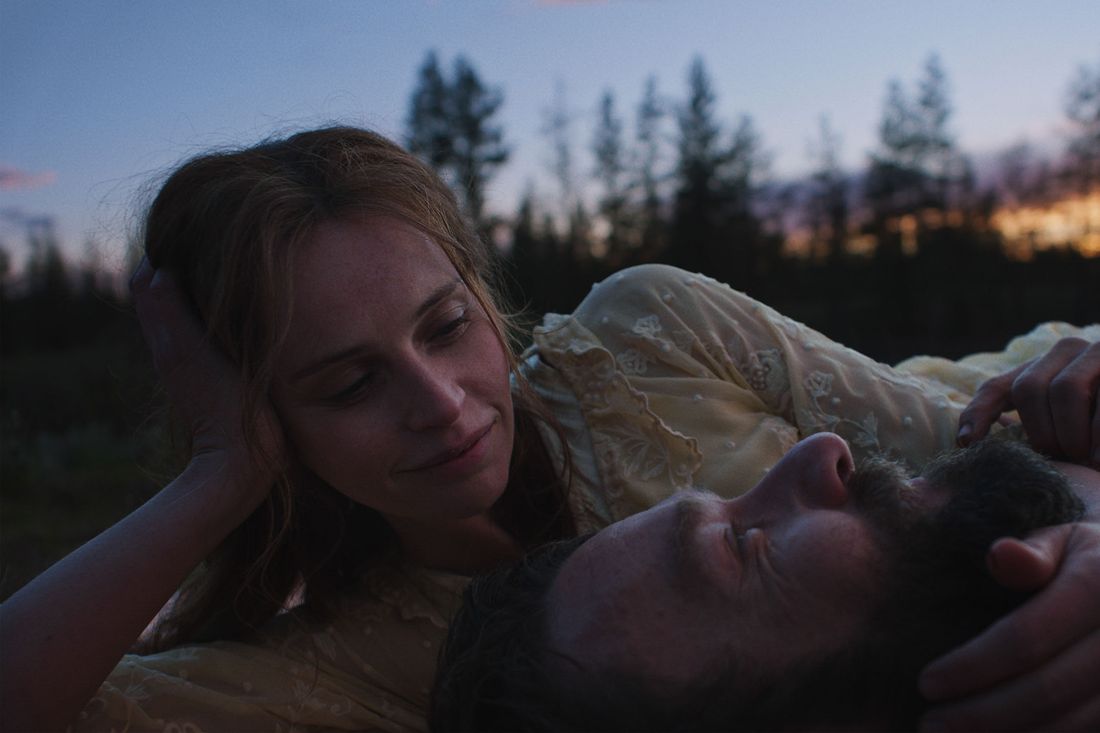
Despite our complaints about lackluster film festivals and disappointing awards seasons, it turns out there were actually a lot of excellent movies released this year. I could easily create a top-twenty – or even top-thirty – list, and I will be sharing a longer one on social media. I was particularly pleased to see a return to beautifully crafted storytelling and directors willing to take risks. Most importantly, these films were genuinely enjoyable, even the ones dealing with difficult and heartbreaking topics like loss and political turmoil. That’s the power of good storytelling – it allows us to process difficult emotions.
10.
Secret Mall Apartment
Jeremy Workman’s documentary was the most delightful film of 2025. It tells the story of a group of young, unconventional artists who, back in 2003, secretly turned an unused section of a large Providence mall into a home and lived there for four years. Beyond the adventurous tale, the film touches on themes of being uprooted, the changing face of neighborhoods, and questioning power structures – even using those same structures to express rebellion. It’s remarkably ironic that the film had its premiere at the same mall where the artists were once considered trespassers. The film subtly points out that even seemingly permanent institutions like malls eventually face their own struggles and decline.
➼ Read Bilge Ebiri’s full review of Secret Mall Apartment.
9.
It Was Just an Accident
Jafar Panahi’s Palme d’Or winner initially feels like one of those important, heavy films – it’s about ex-political prisoners grappling with revenge, justice, and their own guilt as they hold the man they believe tortured them captive. But honestly, what surprised me most was how incredibly engaging and even funny it was! It just flows so easily. By the time you reach the intense finale, you realize Panahi has cleverly led you into a real moral dilemma. It completely dismantles any simple ideas you have about right and wrong, and doesn’t offer easy solutions. It’s the kind of movie that genuinely stays with you long after the credits roll.
You can find Bilge Ebiri’s complete review of It Was Just an Accident, as well as Roxana Hadadi’s conversation with director Jafar Panahi, online.
8.
Sinners
When a movie successfully blends genres and becomes popular, we often overlook how challenging it was to make. Ryan Coogler’s Sinners is a surprisingly effective vampire film, full of thrilling and gruesome moments, but it’s much more than that. Michael B. Jordan gives a captivating performance as twins Smoke and Stack, and the supporting cast, including Wunmi Mosaku and Hailee Steinfeld, deliver compelling performances as characters caught in complex relationships. The film is richly detailed and explores the desires of its characters in a way that adds to its overall atmosphere. And, surprisingly, it’s also a musical!
For more on the film, check out Angelica Jade Bastién’s complete review, Craig Jenkins’s analysis of the soundtrack, Chris Lee’s report on Ryan Coogler’s unique deal, Fran Hoepfner’s breakdown of the ending, and Hoepfner’s piece on the film’s female characters.
7.
Apocalypse in the Tropics
The growing influence of Evangelical Christianity in Brazil has significantly impacted the country’s politics and culture, and this documentary is causing considerable concern in the United States. However, Petra Costa’s film is powerfully focused on Brazil itself, with broader implications suggested rather than explicitly stated. Costa spent years documenting key figures within the movement, and her willingness to listen allows their perspectives to come across with remarkable honesty. By grounding the story in Brazil’s history and culture, the film reveals a tragic irony: how a well-intentioned democracy can inadvertently create the conditions for its own decline.
➼ Read Bilge Ebiri’s full review of Apocoalypse in the Tropics.
6.
Peter Hujar’s Day
It’s surprisingly powerful to find one of the year’s best films in such a simple story: a nearly word-for-word recreation of a 1974 conversation between two New Yorkers. Ira Sachs’s film is beautifully understated, and as you watch, a whole world unfolds. We feel the subtle worries of photographer Hujar (Ben Whishaw) as he talks to his friend, journalist Linda Rosenkrantz (Rebecca Hall), and their connection deepens through genuine curiosity and empathy. Beyond their conversation, the film evokes a lost version of New York City, barely seen or heard, yet incredibly vivid – it almost feels like we’re reading their minds.
➼ Read Bilge Ebiri’s full review of Peter Hujar’s Day.
5.
Splitsville
Traditional comedies faded partly because many stopped feeling like actual movies. They often looked low-budget, had weak writing, and lacked a unique point of view. Filmmakers Michael Angelo Covino and Kyle Marvin are different, crafting romantic comedies that are funny, clever, thought-provoking, and visually striking. Their film tackles themes of cheating and divorce, and its chaotic, unpredictable scenes – like unexpected car accidents or drawn-out fights – mirror the instability and disorientation experienced by the characters.
You can find Alison Willmore’s complete review of Splitsville and an interview with director Covino, writer Marvin, and stunt coordinator Tyler Hall about the film’s major fight sequence.
4.
F1
Joseph Kosinski’s racing film was the most purely enjoyable movie I saw all year. Unlike many action movies, it used the thrilling race sequences to develop the characters and deepen the emotional impact. Kosinski achieved this by filming Brad Pitt and the other actors inside the actual Formula One cars, racing on real tracks in front of live crowds, and maintaining incredible camera control. The role was also a perfect fit for Brad Pitt, who played a former racing star trying to reclaim his place in the sport.
Check out Alison Willmore’s review of the movie F1, and a conversation with director Joseph Kosinski about how the film was made.
3.
Caught by the Tides
Jia Zhangke’s stunning film, created over twenty years using footage from his earlier movies, tells a heartbreaking love story. While the concept might seem complex or aimed at film buffs, it’s actually incredibly moving, even if you haven’t seen his other work. The film follows two lovers torn apart early on, and their individual paths across a changing China in the 21st century. Jia freely weaves between the main story and documentary-style glimpses of the country’s transformation. Watching it feels like experiencing a dream – a meandering journey of lost love filled with surprising and unpredictable turns.
Check out Madeline Leung Coleman’s review of Caught by the Tides and Bilge Ebiri’s interview with director Jia Zhangke.
2.
Hamnet
Chloe Zhao’s film, based on Maggie O’Farrell’s novel, beautifully imagines how Shakespeare transformed his immense grief over the loss of his son into Hamlet. The film portrays this heartbreaking story with a surprising sense of hope, set against a backdrop of wild, natural beauty and deeply felt emotions. It suggests that art allows us to connect with the past and that nothing truly vanishes. Paul Mescal and Jessie Buckley deliver truly exceptional performances, among the best of recent times.
➼ Read Bilge Ebiri’s full review of Hamnet.
1.
Train Dreams
Amidst a wave of feel-good stories, Clint Bentley’s film offers a raw and honest look at an ordinary life. Based on a short story by Denis Johnson, Train Dreams follows a logger and railroad worker (Joel Edgerton) in the early 1900s as he works in the forests of the Pacific Northwest, experiences happiness and heartbreak, and simply tries to keep going. Throughout his life, he’s burdened by memories of immigrants he couldn’t save, the loss of his family, and a feeling that the world remembers every wrong that’s been done.
➼ Read Bilge Ebiri’s full review of Train Dreams and further criticism from Roxana Hadadi.
Alison Willmore’s Top 10 Movies

This year, movies about revolution and fighting against injustice really resonated with me. The most powerful stories weren’t about quick victories, but about long, difficult struggles passed down through generations, with flawed people joining the cause and facing harsh realities. Paul Thomas Anderson’s One Battle After Another perfectly captured this bittersweet feeling, but it also appeared in other films. Kleber Mendonça Filho’s The Secret Agent showed a rebel trying to protect his family while in hiding, while Julia Loktev’s documentary My Undesirable Friends followed Russian journalists making difficult choices about when to give up. Even Dea Kulumbegashvili’s film portrayed a doctor quietly persevering through hardship. While there were lighter moments – like the stylish Black Bag, the funny Naked Gun reboot, and the heartwarming Oslo trilogy – these stories of resistance felt particularly relevant this year, suggesting a need for hopeful narratives about fighting for what’s right.
10.
Sex/Love/Dreams
Dag Johan Haugerud’s Oslo trilogy – consisting of Sex, Love, and Dreams – feels less like three separate films and more like a single, interconnected work. They beautifully explore relationships, desire, and how our connections with others give life meaning. Despite being dialogue-driven, the films remain remarkably tender and full of surprises. Sex follows two middle-aged men navigating personal challenges, while Dreams captures the experience of a teenage girl falling for her teacher. Love, the second film, is particularly strong – a compelling story about a straight woman and a gay man who work together and find their resistance to commitment tested over a summer. Ultimately, the trilogy offers a hopeful and subtly challenging view of the world, suggesting that we can question traditional norms and grow beyond our assumptions.
9.
Marty Supreme
Josh Safdie really shines as the creative force behind the film’s wild energy, and it greatly benefits Marty Supreme. Timothée Chalamet perfectly embodies the title character, a somewhat hapless table tennis hopeful in 1950s New York, who constantly seeks out trouble. Like other Safdie protagonists, Marty Mauser is a disaster waiting to happen, but what makes him unique is his inflated sense of self-importance. He believes his talent excuses his exploitative behavior and casual disregard for others. Whether it’s his affair with his friend Rachel, his schemes with his taxi driver friend Wally, or his involvement with a former movie star, Kay Stone, Marty leaves a trail of destruction. Despite knowing better and often getting hurt, people keep helping him, and the film makes us understand why – making us complicit in the chaos alongside them.
8.
Sound of Falling
Mascha Schilinski’s film, Sound of Falling, centers around a family home and farm in rural Germany, spanning four generations. The movie jumps between different eras – from the start of World War I to the present day – and gradually reveals itself as a hidden history of women. It’s told through the perspectives of girls as they try to make sense of their world and their place in it. While major historical events unfold in the background, the film focuses on the personal struggles of Alma, Erika, Angelika, and Lenka, which are often the most challenging. Schilinski masterfully blends intimate and enigmatic scenes, offering a compelling look into a child’s attempt to understand a frightening world or a teenager’s intense inner life. It’s a beautifully unusual and profoundly deep film.
➼ Read Alison Willmore’s full review of Sound of Falling.
7.
The Naked Gun
Akiva Schaffer’s new Naked Gun movie is packed with hilarious absurdity, from a car being lifted from a wreck with a giant claw machine to a romantic getaway derailed by a magical snowman. But the funniest moment for me is a quick exchange where Lieutenant Frank Drebin Jr. (Liam Neeson) sighs, “I guess you really can’t fight City Hall, huh?” and his partner (Paul Walter Hauser) seriously replies, “No. It’s a building.” That’s exactly the kind of wonderfully silly humor I’ve been wanting – it doesn’t rely on current events or complicated plots, just pure, joyful ridiculousness. Neeson is perfectly straight-faced as Drebin, Pamela Anderson’s brief musical number is a highlight, and the sheer number of jokes – even the ones that don’t quite land – is impressive. The Naked Gun wholeheartedly embraces joyful silliness. If things were fair, this movie would have singlehandedly revived studio comedies.
➼ Read Bilge Ebiri’s full review of The Naked Gun.
6.
My Undesirable Friends: Part I — Last Air in Moscow
Julia Loktev’s film, My Undesirable Friends, is a lengthy, unsettling documentary that follows a group of independent Russian journalists. Initially, the film highlights how these journalists are coping with growing government restrictions on free speech. The Russian government has started labeling reporters and activists as “foreign agents,” forcing them to constantly identify themselves with a disclaimer – essentially branding them as untrustworthy. Filmed starting in the fall of 2021, the documentary began as a look at bureaucratic oppression, but quickly became more urgent when Russia invaded Ukraine. As the journalists continued their work reporting the facts, they found themselves in increasing danger. The film’s depiction of everyday life – house parties, office meetings – makes the stress and frightening implications of their situation even more powerful.
➼ Read Alison Willmore’s full review of My Undesirable Friends.
5.
April
In Dea Kulumbegashvili’s striking film April, Nina (Ia Sukhitashvili), a doctor specializing in women’s health, secretly dreams of being a monstrous, isolated figure. Set in the beautiful but restrictive countryside of Georgia, the film powerfully portrays the challenges faced by women in the region. What stays with you most is the image of this ‘monster’ – a symbol of the deep, unfair self-hatred Nina has developed while trying to protect the women in her community from constant societal pressure. Nina quietly provides birth control to young brides and abortions to women suffering abuse, offering help they can’t openly ask for. Kulumbegashvili’s film skillfully shows how people avoid directly addressing oppression they feel powerless to change, and how those feelings don’t simply vanish. Nina, at the center of April, carries this emotional burden, and it takes a devastating toll on her.
4.
The Secret Agent
Wagner Moura delivers a captivating performance as Armando, a man constantly on the move who isn’t a spy, but someone caught in a web of secrets. Kleber Mendonça Filho’s film is a complex and fascinating work where nothing is as it seems, even the apartment building managed by Dona Sebastiana, which serves as both a vibrant community and a refuge for those fearing authority – be it the Brazilian dictatorship or personal troubles. Rather than a story of rebellion, the film explores how oppressive regimes turn everyone into a potential victim, including Armando, a former academic who angered a powerful official, and the gay men whose stories are twisted by sensationalized media to divert attention from social unrest. Though structured like a thriller, the film is ultimately a haunting and unusual tribute – a lament for a painful past and all the connections it destroyed.
3.
Black Bag
For the past twenty years, Steven Soderbergh has been known for quick, experimental films, so it’s easy to forget how brilliantly he films actors. Then comes Black Bag, a really enjoyable spy thriller that makes Cate Blanchett and Michael Fassbender incredibly captivating. He portrays them as the heads of a darkly fascinating team of intelligence operatives. Though smaller in scale than typical blockbusters – think dinner parties instead of huge action scenes – Black Bag still creates characters who feel larger than life and intensely magnetic. I was completely thrilled when Fassbender’s character, a charming take on the classic spy, tries to uncover a mole by hosting a dinner party with drugged food!
You can find Angelica Jade Bastién’s complete review of Black Bag and Matt Zoller Seitz’s conversation with director Steven Soderbergh here.
2.
The Mastermind
Kelly Reichardt’s new film is a unique take on the heist genre, building slowly to a powerful and surprising climax, and it’s surprisingly funny. Set in the early 1970s, the story follows J.B. Mooney (Josh O’Connor), an art school dropout who decides to rebel not through activism, but by stealing paintings from his local Massachusetts museum, a decision that quickly spirals out of control. The robbery itself is clumsy and ill-planned, typical of Reichardt’s realistic style – Mooney even forgets he’s supposed to be looking after his kids that day. What follows is brilliant; Mooney’s life begins to fall apart as unforeseen consequences overwhelm him, and the world he’s always ignored forces its way into his reality.
➼ Read Alison Willmore’s full review of The Mastermind and her interview with director Kelly Reichardt.
1.
One Battle After Another
Paul Thomas Anderson’s latest film just feels like a real movie, you know? It throws you right into the energy of the 1970s at the start, and then takes you on this wild ride with Leonardo DiCaprio’s character, stumbling through everything. The car chase at the end is incredible – it’s intense, but feels almost cartoonish in the best way. And the way it tackles this exclusive, powerful group – the Christmas Adventurers Club – is both scary and hilariously spot-on. The raid sequence is just perfectly chaotic. But honestly, it’s the performances that really stick with me. Benicio del Toro is so cool and collected as Sergio, Regina Hall’s vulnerability as Deandra is heartbreaking, and Chase Infiniti is fantastic as Willa, this young woman finding her strength in the resistance. It’s not about winning the revolution in one go; the film shows that it’s a constant, never-ending process, something that gets passed on to the next generation. That’s what makes it, for me, the best movie of the year.
For more on the film, check out Alison Willmore’s complete review of One Battle After Another, Angelica Jade Bastién’s in-depth look at the Black actresses in the film, an interview with Regina Hall by Matthew Jacobs, and Roxana Hadadi’s analysis of the ending.
Other Movie Highlights From This Year
By Angelica Jade Bastién, Bilge Ebiri, and Alison Willmore
Here are some other movies that critics enjoyed this year, even though they didn’t quite make our top ten list.
Nouvelle Vague

Film buffs hoping for a deep dive into the early life of Jean-Luc Godard will likely find Nouvelle Vague lacking. Richard Linklater’s other film this month, Blue Moon, is more successful because it shows how the French New Wave fits into the wider history of independent filmmaking – a time when young filmmakers experimented, bent the rules, and occasionally created truly great works. Nouvelle Vague uses a cast of appealing, mostly unknown actors who resemble the real-life figures – Guillaume Marbeck as Godard and Aubry Dullin as Jean-Paul Belmondo are particularly well-chosen – and Zoey Deutch delivers a strong performance as Jean Seberg, the most experienced member of the group. —Alison Willmore
➼ Read Alison Willmore’s full review of Nouvelle Vague.
Depeche Mode M

From an aerial view, Depeche Mode’s concerts in Mexico City appeared to be attended by the entire nation—the crowds stretched for miles. The concert film, directed by the talented Fernando Frias, offers a fresh take on typical rock documentaries by showcasing the performances from numerous perspectives. However, Frias also uses the film to delve into Mexico’s unique relationship with death, weaving in art, poetry, and discussions about life’s fleeting nature. It all comes together seamlessly, fitting perfectly with Depeche Mode’s latest album, Memento Mori, and the band’s long-standing blend of dark emotion and upbeat energy.
Blue Moon
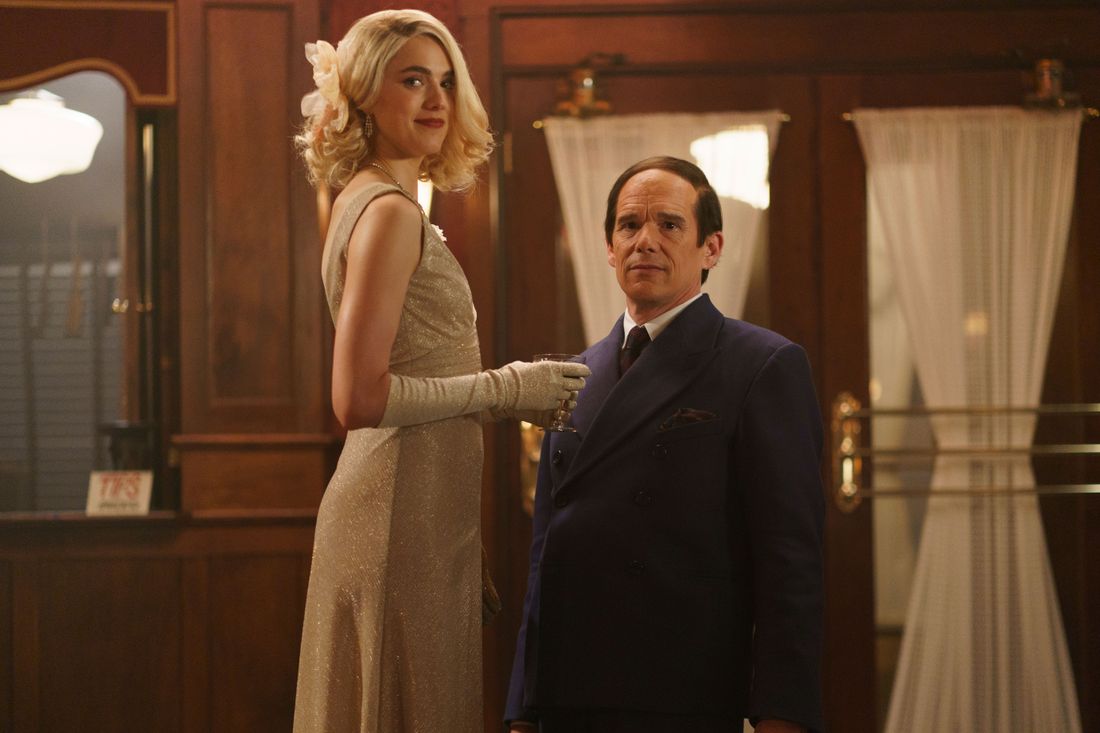
Ethan Hawke delivers a career-best performance as Lorenz Hart, a gifted but troubled songwriter battling alcoholism. This biopic, directed by Richard Linklater, uniquely unfolds over the course of a single night. While framing Hart’s life through an increasingly intoxicated evening at the premiere of Richard Rodgers’s (Andrew Scott) hit musical, Oklahoma!, feels a bit theatrical – especially considering Hart’s dislike of the show – it’s no more artificial than most biopics. Blue Moon beautifully and poignantly captures Hart’s realization that he’s being left behind, making it a truly masterful film. —A.W.
➼ Read Alison Willmore’s full review of Blue Moon.
Bugonia
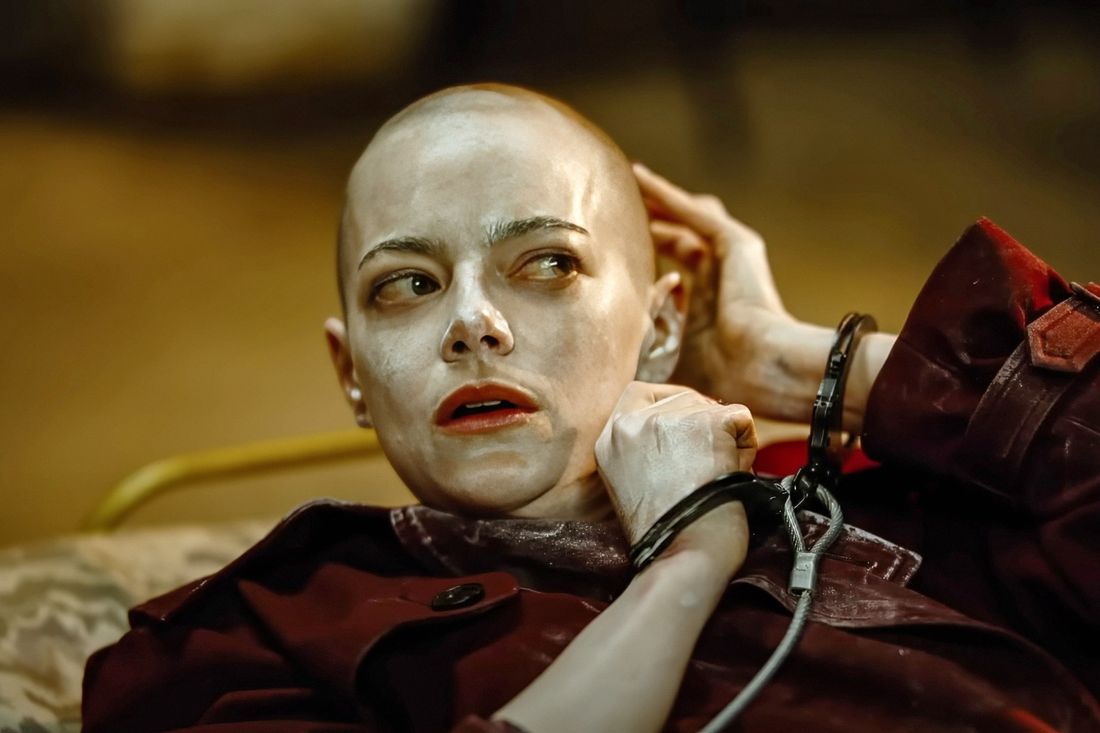
Yorgos Lanthimos’s new film is based on the 2003 South Korean movie Save the Green Planet!, and shares a similar unusual storyline. However, it still feels distinctly like a Lanthimos film, with a surprising difference: the characters feel genuinely realistic, like people you might actually meet. The story centers on a couple obsessed with conspiracy theories (Jesse Plemons and Aiden Delbis) who kidnap a pharmaceutical executive (Emma Stone), believing she’s an alien conducting experiments on humans. The film really allows its stars to shine. Emma Stone gives a remarkable performance, portraying a character who struggles and tries everything to escape. Jesse Plemons is initially unsettling with his calm demeanor, but he also needs to make the audience angry, sympathetic, and perhaps even understand his motivations. Unlike many films, the characters themselves don’t undergo typical emotional arcs; it’s the audience who experiences the emotional journey.
➼ Read Bilge Ebiri’s full review of Bugonia.
Hedda
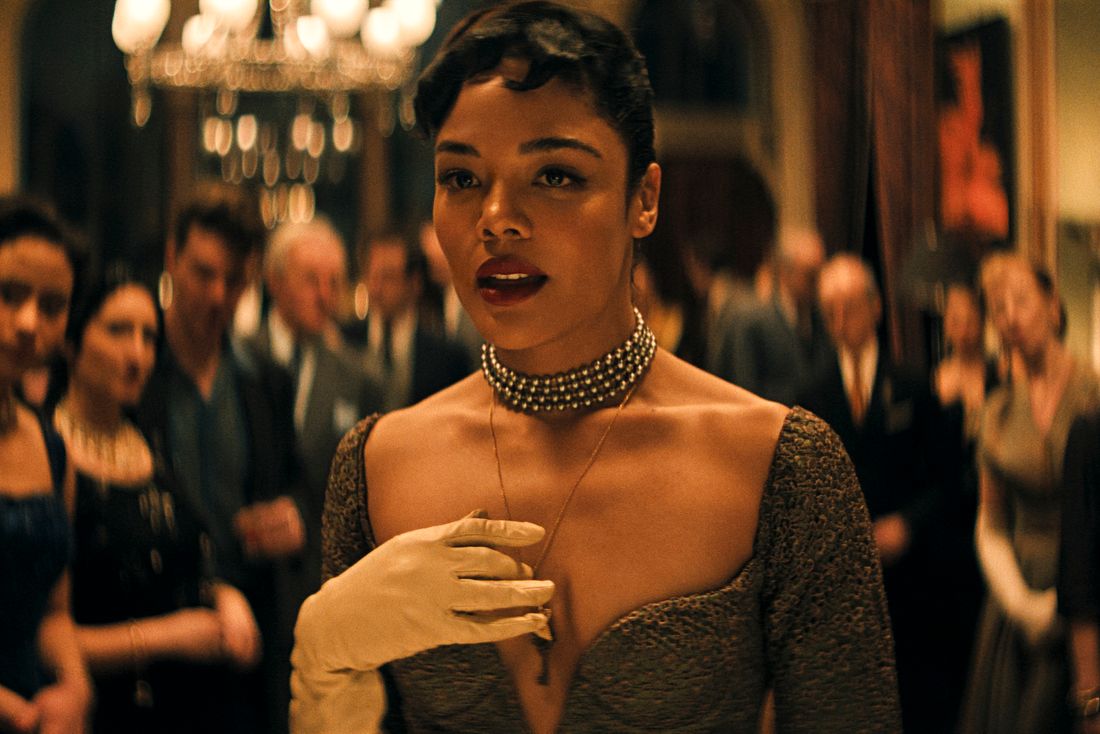
Nia DaCosta’s new take on the classic story of Hedda Gabler portrays her as a manipulative socialite who channels her unhappiness by controlling those around her. Tessa Thompson delivers a captivating performance as this Hedda, making her both charming and frightening. The film smartly focuses on a single, extravagant party hosted at Hedda and her husband George’s (Tom Bateman) financially strained home. While maintaining a historical setting, the film embraces diversity and features queer characters, notably with Nina Hoss as George’s competitor and Hedda’s past lover. However, the most brilliant aspect is the reimagining of Hedda as a woman brimming with unrealized potential, who, feeling unable to use her talents constructively, turns to destruction instead. —A.W.
Frankenstein
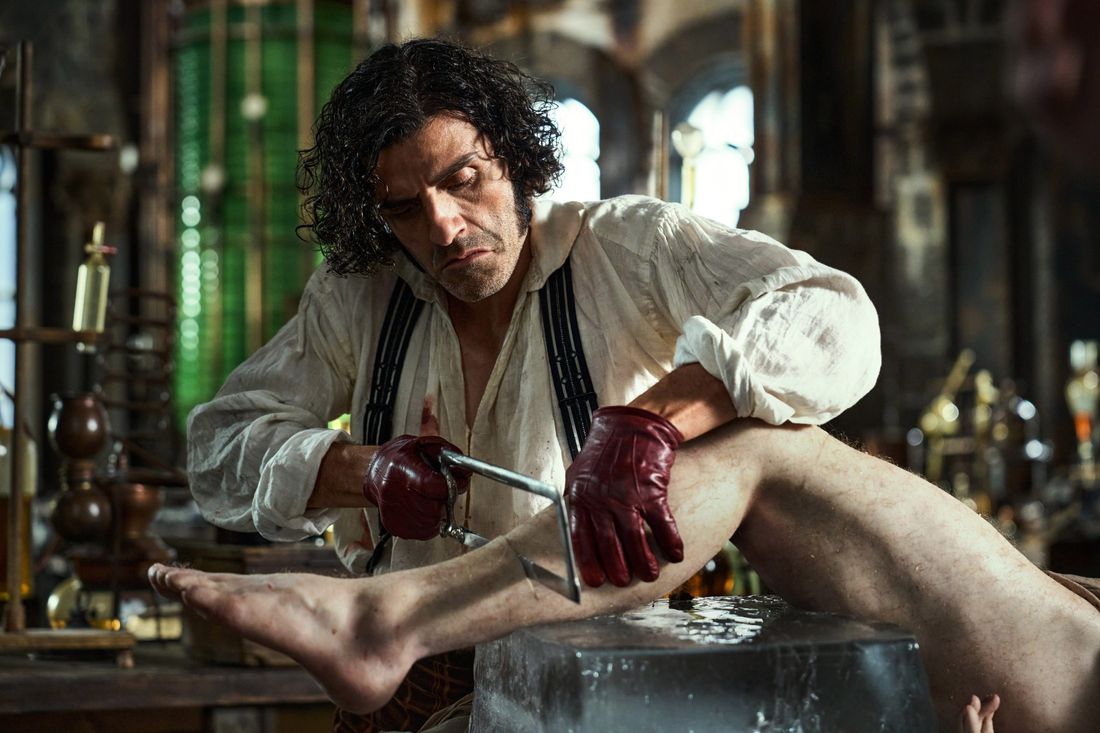
Guillermo del Toro’s version of Frankenstein is visually striking and gruesome, filled with decaying bodies, medical instruments, and dramatic lighting, all set to a sweeping score. While the first half of the film is technically impressive but feels emotionally empty, Jacob Elordi’s performance as the creature changes everything. He brings a surprising freshness and vulnerability to the role, making the monster’s journey of discovery and pain genuinely moving and revitalizing the classic story.
➼ Read Bilge Ebiri’s full review of Frankenstein.
A House of Dynamite

Kathryn Bigelow’s film starts with a compelling idea: a missile is fired at the U.S., and no one knows who launched it, immediately setting off a massive response from national security teams. It’s a thrilling and suspenseful movie, expertly building tension with a ticking clock and a complex network of characters. The core questions are simple but disturbing: can the missile be stopped, who is responsible, and how should the U.S. react? Bigelow seems fascinated by these highly driven professionals, understanding both their strengths and weaknesses. Ultimately, the film explores how even a flawlessly operating system can still lead to failure.
I just finished reading Bilge Ebiri’s complete review of A House of Dynamite, and then dove into Nicholas Quah’s fascinating piece dissecting that ending everyone’s been talking about. Both are well worth your time if you’re curious about this film.
If I Had Legs I’d Kick You

Watching If I Had Legs I’d Kick You is a deeply unsettling, yet captivating experience. The film dives into the dark humor and overwhelming stress of being a mother to a chronically ill child, especially when you lack help. Rose Byrne delivers a stunning performance as Linda, a therapist who is barely holding it together while dealing with her daughter’s eating problems and illness, all with a distant husband. The tension is almost unbearable throughout the movie, and Linda faces constant challenges. Director Mary Bronstein creates a film that is strange, unsettling, and remarkably well-made. The choice to hide the daughter’s face until the very end adds to the film’s impact. However, it’s Byrne’s incredibly raw and emotionally charged performance that truly elevates the film. Every line she delivers is sharp and impactful, and her exhausted body language perfectly captures the physical and mental toll of motherhood. While initially a difficult watch, Byrne’s performance has stayed with me long after the credits rolled. —Angelica Jade Bastién
Check out Alison Willmore’s complete review of If I Had Legs I’d Kick You, along with Fran Hoepfner’s conversation with Rose Byrne and Matthew Jacobs’s interview with director Mary Bronstein.
Orwell: 2+2 = 5

Documentaries are common now, but often lack originality. Raoul Peck is an exception, consistently proving the power of the form, particularly when he emphasizes a subject’s work alongside their personal story. His film, Orwell: 2+2 = 5, skillfully combines excerpts from George Orwell’s writing with historical footage and clips from adaptations of his books. The result is a compelling cinematic exploration of totalitarianism, showing how Orwell’s life experiences shaped his worldview. —A.W.
Urchin

Harris Dickinson’s first time directing is a sensitive and honest look at a young man rebuilding his life after getting arrested for a robbery committed to fund a drug habit. It’s common for actors to prove capable of directing strong performances, and Dickinson is no exception. However, what makes Urchin special is the compelling performance he elicits from Frank Dillane, who plays Mike – a character battling addiction and struggling with self-control, making even small improvements feel precarious. The film is subtly complex, realistically portraying the shortcomings of the support systems Mike depends on, while also avoiding the trap of portraying him as a perfect victim.
➼ Read Carrie Battan’s interview with Harris Dickinson.
The Lost Bus

Paul Greengrass’s new wildfire thriller is a gripping and intense disaster film, reminiscent of a classic Greek chorus with the constant, unsettling hum of power lines and the shaking of transmission towers. Inspired by the devastating 2018 Camp Fire – still California’s deadliest – The Lost Bus delivers both suspense and inspiring stories of courage. The film centers on Kevin McKay (Matthew McConaughey), a school bus driver in Paradise, California, who is already having a terrible day when he’s forced to drive a bus full of young children and their teacher (America Ferrera) through a raging inferno. McConaughey perfectly portrays the determined, resourceful hero, and his can-do attitude complements Ferrera’s character, who bravely maintains a calm exterior for the sake of her students while battling her own fear. Greengrass expertly layers disaster upon disaster, building the tension with masterful skill. It’s like Speed meets an apocalyptic scenario. —Bilge Ebiri
Check out Bilge Ebiri’s complete review of The Lost Bus and find out where it ranks on his list of the greatest disaster films.
Megadoc

Whether you loved it, hated it, or found Megalopolis to be somewhere in between, the story of how Francis Ford Coppola made the film is arguably the most interesting part. Luckily, director Mike Figgis—another experienced filmmaker—was there to document the entire process. Figgis observed a similar self-doubt in Coppola as was seen in the classic documentary Hearts of Darkness, which chronicled the making of Apocalypse Now. It appears Coppola actually thrives on creative chaos. Figgis’s film offers a revealing look behind the scenes, showing auditions, acting experiments, tense crew meetings (and firings), and even confrontations between Coppola and Shia LaBeouf, who becomes a key figure in the documentary. Remarkably, Figgis also had access to footage from Coppola’s previous, unsuccessful attempts to get Megalopolis made—featuring stars like Robert De Niro, Uma Thurman, and Ryan Gosling—which only emphasizes how constantly evolving and dreamlike the final film became.
You can find Bilge Ebiri’s complete review of Megadoc, as well as his review of Megalopolis from last year, right here.
The Long Walk

Francis Lawrence’s film version of this Stephen King story feels similar to The Hunger Games (and that’s a good thing!), especially since Lawrence also directed several of those movies. He gets that what makes this bleak story – about 50 young men essentially walking to their deaths in a competition – interesting isn’t the violence, but the bonds the characters create along the way. The friendship between Ray Garraty (Cooper Hoffman) and Pete McVries (David Jonsson) is at the heart of the film, and it highlights how many war and similar movies are really just about men finding a space to express affection and vulnerability. —A.W.
➼ Read Alison Willmore’s full review of The Long Walk and Louis Peitzman’s essay unpacking the ending.
Sunfish (& Other Stories on Green Lake)

I was completely drawn in by Sierra Falconer’s first film. It’s made up of four gentle stories that feel like a beautiful, hazy dream. We meet a young girl, about fourteen, who’s left with her grandparents after her mom runs off to get married. She finds freedom and a little lost bird while sailing. Then there’s a quiet, gifted violinist at a summer arts camp who struggles to connect with other students, pushing himself incredibly hard. We also follow a single mom, a waitress, who takes on the task of helping a sick man try to catch a legendary catfish. And finally, two sisters who work at a small boarding house are getting ready for a visit from a Hollywood writer and his family. None of the stories are overly complicated or build to huge moments, and honestly, that’s what makes them so special. They feel like fragments of memories, and the way the film is edited adds to that feeling. Despite being only 87 minutes long, I really came to care about these characters and their lives.
➼ Read Bilge Ebiri’s full review of Sunfish (& Other Stories on Green Lake).
The Baltimorons

The title The Baltimorons might lead you to expect something rude or silly, but Jay Duplass’s new comedy is actually sweet, heartwarming, and endearingly awkward. The film takes place over one night in Baltimore and follows a comedian who’s recently gotten sober. He chips his tooth on Christmas Eve and desperately searches for a dentist. This leads to a quirky night filled with chance encounters and mishaps as he and a lonely dentist begin to form an unexpected connection. Throughout the film, Baltimore itself feels like another character – a realistically lived-in city beautifully captured by Duplass and cinematographer Jon Bregel, who showcase the changing light from moody afternoon shades to the darkness of night lit by Christmas lights. The Baltimorons has a unique rhythm and surprises you with its blend of humor and emotional depth, shifting from feeling like an improvised scene to a whimsical story and ultimately, a relatable portrayal of everyday life. —B.E.
➼ Read Bilge Ebiri’s full review of The Baltimorons.
Preparation for the Next Life

Bing Liu, known for his acclaimed documentary Minding the Gap, tells a quiet and beautiful love story with his first narrative film. It’s a refreshing contrast to stories about Asian women seeking relationships with unreliable men. The film centers on Aishe (newcomer Sebiye Behtiyar), a Uyghur immigrant working in New York City’s underground economy, and Skinner (Fred Hechinger), a veteran struggling with PTSD and grief. Their romance develops amidst the vibrant atmosphere of a Latino nightclub and the intimacy of a shared basement apartment. However, the film subtly explores how their different legal statuses ultimately create distance, hinting that even shared hardship isn’t always enough to build a lasting connection. —A.W.
You can find Alison Willmore’s complete review of Preparation for the Next Life and Angelica Jade Bastién’s conversation with Bing Liu here.
Twinless
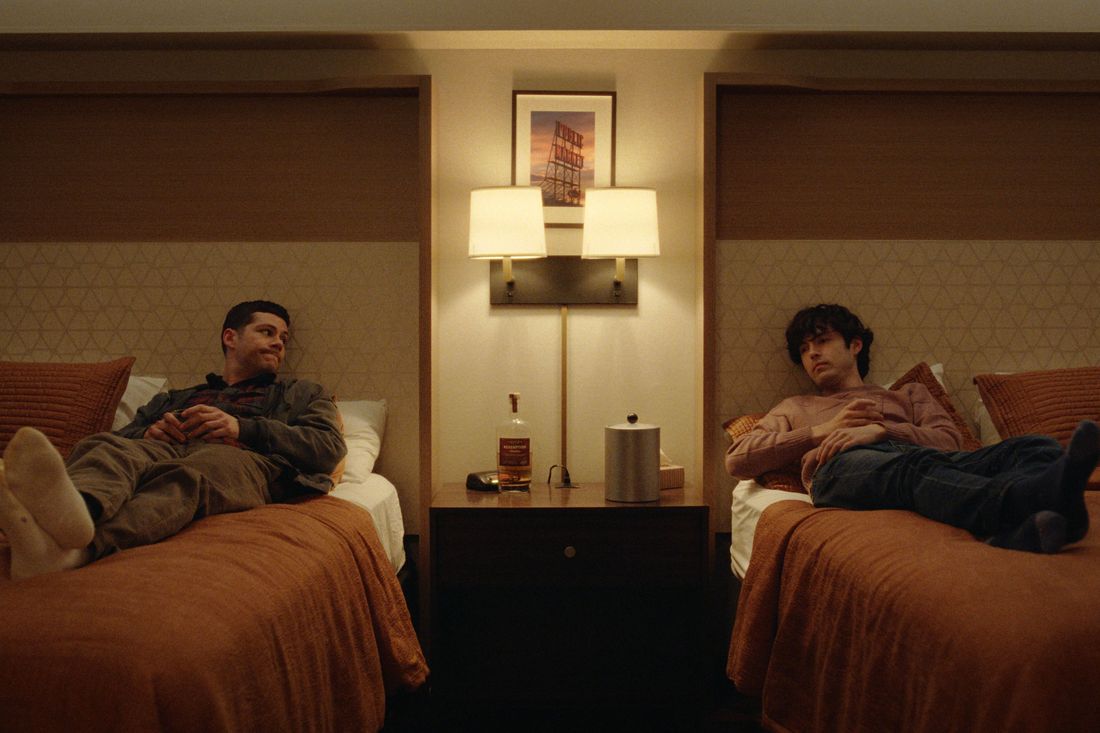
James Sweeney’s funny and suspenseful film is full of surprises best experienced firsthand. It’s anchored by strong performances from Dylan O’Brien, who plays twin brothers Roman and Rocky, and Sweeney himself as Dennis, a solitary man who connects with Roman at a support group for those grieving the loss of a twin. O’Brien portrays Roman as a relatable and honest character, aware of his own flaws, who feels overshadowed by his successful twin. However, Sweeney truly shines as Dennis, a character who is far more complex and unsettling than he initially appears – a performance that is both memorable, heartbreaking, and a little frightening. —A.W.
A Little Prayer
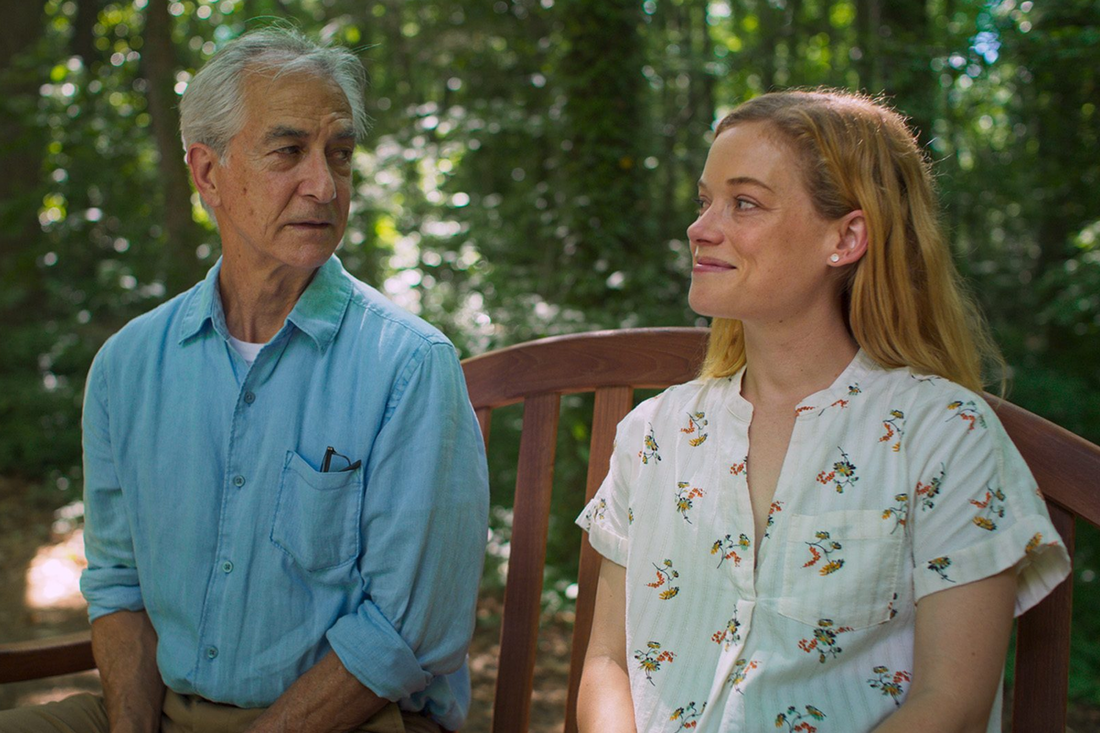
Angus MacLachlan’s film is a rare and beautiful indie movie that quietly observes the lives of everyday people. It centers on an aging factory owner (David Strathairn) who suspects his son (Will Pullen) is having an affair with a coworker. Surprisingly, he finds himself protecting his son’s wife (Jane Levy) as he tries to address the situation. The family dynamic becomes even more complex when his other daughter (Anna Camp) arrives, escaping an abusive marriage. While this setup could easily become overly dramatic, MacLachlan maintains a gentle and subtle tone, using natural imagery and a faint, unidentified prayer to create a sense of mystery. The film’s quiet realism and strong performances draw you in, presenting a truthful portrayal of how people often try to maintain a facade even when struggling. Ultimately, A Little Prayer is a haunting film because it explores the ways people can both wound and support one another beneath calm exteriors. — B.E.
Eden

I was really pleased to see Ron Howard take a bit of a risk with this one. It’s a period piece, based on a true story, and it’s wonderfully chaotic. The film centers around five very… eccentric characters stranded on a deserted island in the Galápagos in 1929. There’s Dr. Ritter, played by Jude Law, and his wife, plus a WWI vet and his wife who are drawn to Ritter’s attempt to build a new life and philosophy. But paradise isn’t what they expect – it’s a harsh, unforgiving place with no fresh water, wild animals, and just a general sense of struggle. Then things really get interesting when a Baroness with a completely outlandish plan to build a luxury hotel shows up! Howard doesn’t shy away from the messiness of these people and their conflicting desires. The pressure of the environment, combined with the fact that nobody can trust each other, creates this wonderfully over-the-top, increasingly crazy melodrama that’s just a blast to watch. It gets wilder and more entertaining with every scene.
➼ Read Bilge Ebiri’s full review of Eden.
Lurker
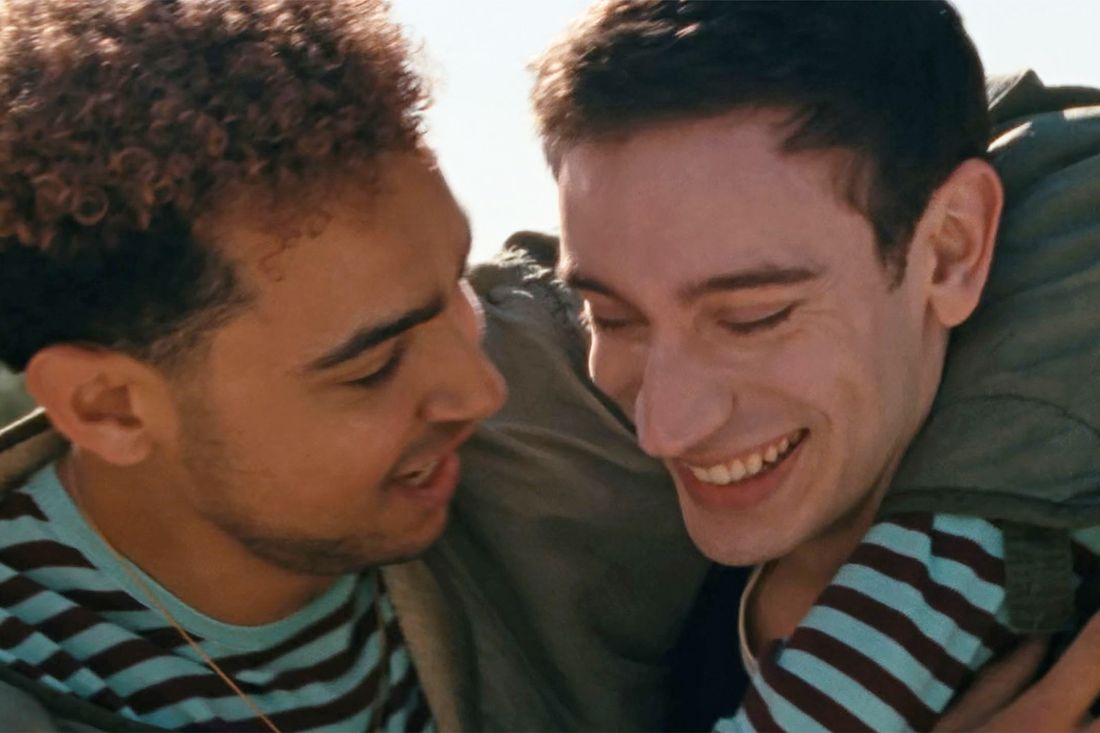
Alex Russell’s first film as a director, Lurker, feels like a modern take on The Talented Mr. Ripley. It stars Théodore Pellerin as Matthew, a store employee who cleverly inserts himself into the life of up-and-coming singer Oliver (Archie Madekwe), and will do almost anything to remain there. However, Lurker is more than just a story about ambition; it explores a strange, mutual connection between the two characters. The film subtly asks: how can someone truly know they’ve ‘made it’ without people willing to enable and obsess over them?
➼ Read Alison Willmore’s full review of Lurker.
Relay

A surprising element in David Mackenzie’s new thriller is the use of Telecommunications Relay Services – a system that allows people who are deaf or hard of hearing to make calls using text and an operator. The film cleverly uses this technology as a way for a mysterious professional (Riz Ahmed) to stay hidden while protecting people who are having second thoughts about revealing information. Because most viewers won’t be familiar with this service, learning how it works adds to the film’s subtle enjoyment. The story centers on Sarah Grant (Lily James), a scientist who steals a report showing the harmful effects of genetically modified crops. Much of the film unfolds with the two characters communicating only through technology, creating an extra layer of uncertainty. The movie builds suspense through its unsettling atmosphere and plot twists, leaving the audience constantly questioning who is watching and reinforcing the feeling that, in today’s world, we are always under surveillance. —B.E.
➼ Read Bilge Ebiri’s full review of Relay.
Highest 2 Lowest

It’s strange, but the first part of Spike Lee’s Highest 2 Lowest feels like a promotional video for a fancy apartment building, with somewhat artificial-sounding dialogue. However, the second half of the film is genuinely excellent, and that’s what sticks with you. This remake of Akira Kurosawa’s High and Low is unmistakably a Spike Lee film, showcasing beautiful shots of New York City and featuring Denzel Washington as David King, an aging music executive. Beyond the visuals, the film explores themes of aging and choosing between staying relevant and pursuing what truly matters, regardless of popularity. The movie really comes alive during a thrilling subway sequence, suggesting that finding freedom means connecting with the real world. And A$AP Rocky, playing the up-and-coming rapper Yung Felon, delivers a captivating performance that hints at a potential movie career. —A.W.
For more, check out Alison Willmore’s complete review of Highest 2 Lowest and Zak Cheney-Rice’s conversation with Spike Lee.
Sketch

Seth Worley’s first film is a remarkable find – a children’s movie that playfully toes the line of being genuinely unsettling, the kind of film I would have loved as a kid. It’s not just a dark story about childhood, but about being a child who feels deeply. Amber (Bianca Belle), one of the two young main characters, copes with her mother’s recent death by drawing fantastical creatures inspired by her sadness. Sometimes, these creatures act out her frustrations, even targeting a classmate who bothers her. When a mysterious lake brings her drawings to life, they’re both cute and creepy – crayon-covered monsters determined to cause trouble and even eat people, though they leave colorful smudges as they go. Sketch is a surprisingly unpredictable film that explores how we deal with difficult emotions and reminds us that there’s no single ‘right’ way to grieve. —A.W.
Souleymane’s Story

Boris Lojkine’s film subtly explores the life of Souleymane, a Guinean man seeking asylum in Paris. The film understands that simply showing Souleymane’s difficult situation is powerful enough, without needing to be overly political. Newcomer Abou Sangaré gives a heartbreaking performance as Souleymane, portraying him not as a villain or a hero, but as a young man struggling within a frustrating bureaucratic system that leaves him open to being taken advantage of. We see him delivering food via a gig app, an account he must rent, and he encounters both small acts of kindness and frustrating mistreatment. Perhaps the most demeaning thing he faces is being coached to invent a more dramatic backstory for his asylum claim, as his real experiences aren’t considered ‘sufficent’ by those in power. —A.W.
Weapons

Zach Cregger’s film, Weapons, expertly leads you to expect a deep, meaningful story before unexpectedly taking a delightfully silly turn. The film starts with a chilling premise ripe for interpretation: one morning, all the students in a class mysteriously leave their homes in the middle of the night, running into the darkness with their arms outstretched, and are never seen again. Cregger tells the story through the eyes of different characters – the teacher (Julia Garner), a father grappling with loss (Josh Brolin), and a local police officer (Alden Ehrenreich) – flashing back to earlier moments in their lives. This fragmented approach steadily builds suspense, culminating in a surprisingly playful and energetic finale. Weapons is both frightening and thought-provoking, but ultimately, it’s a wildly entertaining and unpredictable ride.
➼ Read Bilge Ebiri’s full review of Weapons and Louis Peitzman’s essay unpacking the ending.
Realm of Satan

This documentary is best described as showing that even people who practice Satanism have everyday lives. Director Scott Cummings finds humor in contrasting the striking appearance of Church of Satan members – think death metal makeup and unusual outfits – with ordinary activities like doing laundry or eating fruit. While the film doesn’t explain the beliefs of Satanism, it explores what it means to be considered normal, particularly through a storyline about a house fire that destroyed the home of a Church of Satan member. Cummings films his subjects with both humor and a sense of drama, a style they seem to enjoy, but the film’s most touching moments come from subtly adding a touch of the fantastical to these otherwise normal scenes – like a man walking on goat legs or a woman floating while reading. —A.W.
She Rides Shotgun
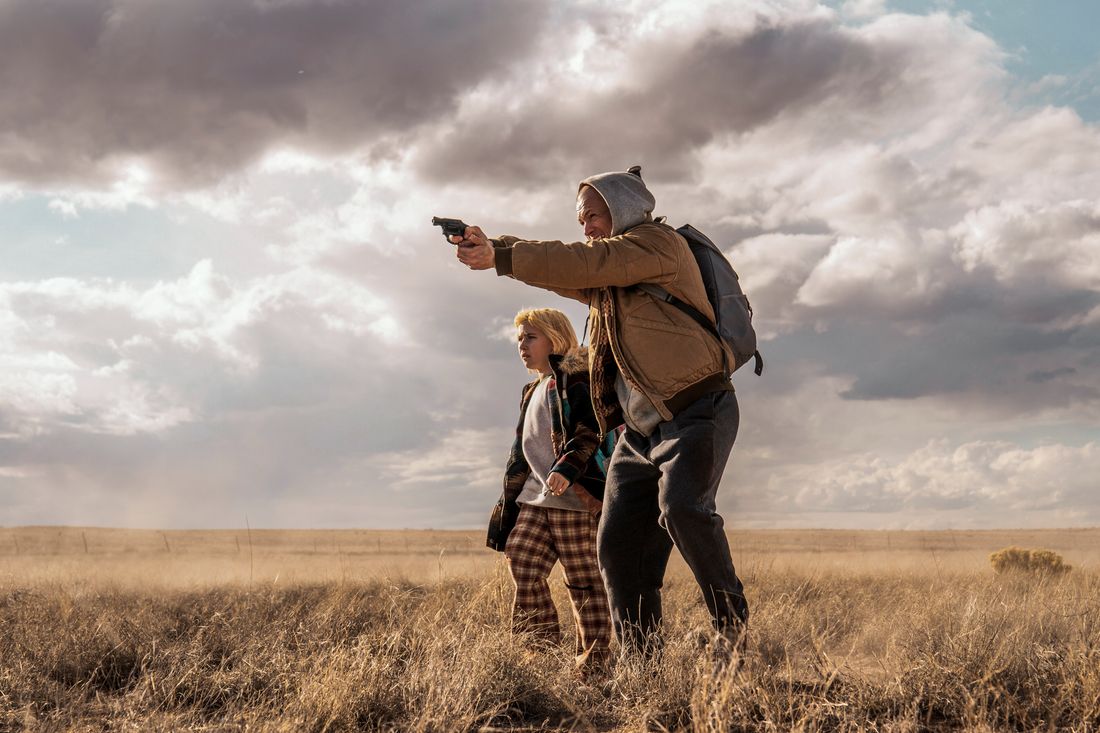
I just finished watching Nick Rowland’s latest, and it’s a gripping crime thriller based on a fantastic novel. What really struck me were the performances – Taron Egerton is predictably excellent as a man running from his past, but newcomer Ana Sophia Heger absolutely steals the show as his daughter. Her subtle expressions carry so much of the film’s emotional weight. The story follows this father and daughter on the run, pursued by both the police and a terrifying group of white supremacists involved in the meth trade, and the tension just keeps building. It’s a brutal film, yes, but also surprisingly intimate. Rowland employs a really interesting visual technique – initially, he keeps father and daughter separate in almost every shot, framing them as isolated figures. As they reconnect, they start to share the frame, but even then, it’s unsettling. One of them is often blurred or in the background, like we’re watching a memory form. It’s a powerful, haunting effect that really stayed with me.
➼ Read Bilge Ebiri’s full review of She Rides Shotgun.
Folktales

It might seem overly simple, but a new documentary by the directors of Jesus Camp suggests that spending time in nature – camping and connecting with animals – could actually help ease the anxieties of modern life. The film focuses on Pasvik Folkehøgskole, a Norwegian school with a unique approach to education. While there’s more to the school than just its beautiful setting, the charming huskies and stunning Arctic wilderness are undeniably captivating. Folktales follows three teenagers as they navigate their futures, and it argues for the importance of slowing down, disconnecting from technology, trusting our instincts, and truly listening to the world around us – something that’s especially easy to do in the breathtaking, almost magical, landscapes of northern Norway. —A.W.
Cloud
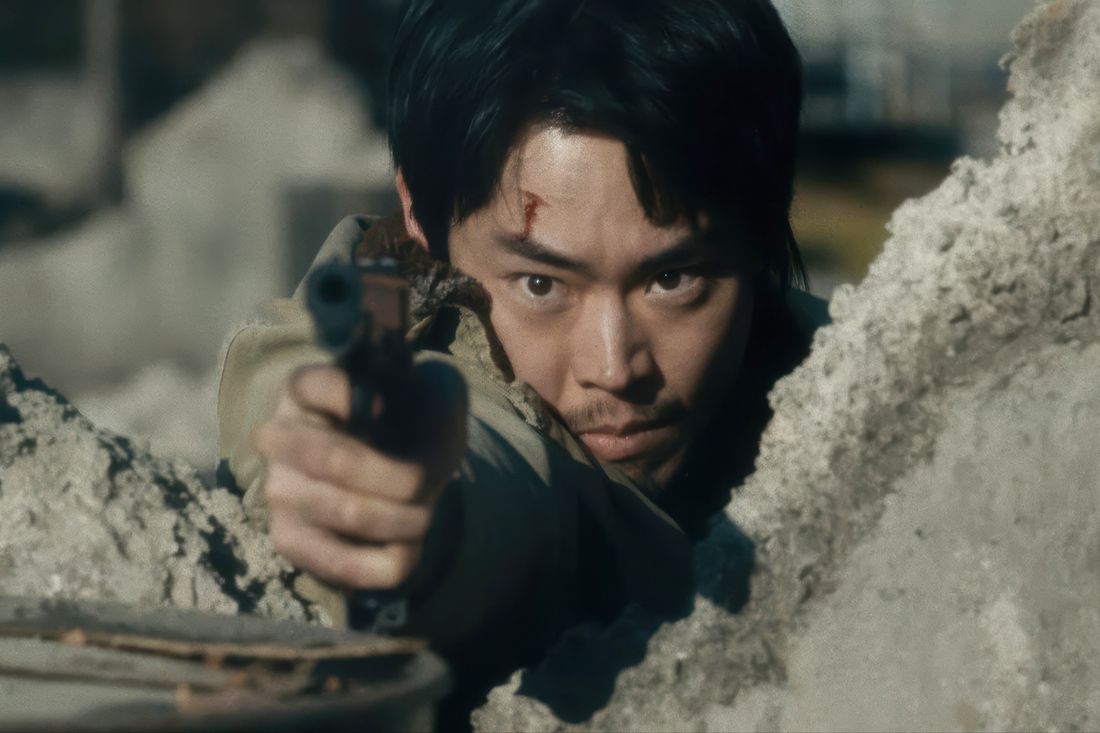
In Kiyoshi Kurosawa’s unsettling new thriller, Ryosuke Yoshii (played by Masaki Suda) is a modern drifter, though instead of guns or battles, he deals in online junk – everything from medical gadgets to trinkets and games. He presents a face of someone who finds nothing meaningful in life, only the need to get by. But Yoshii isn’t just one man; he embodies all of us, anxiously working to keep up in today’s capitalist world, always looking over our shoulders. As the film, Cloud, unfolds, it shifts from a serious, suspenseful story into something more action-packed. However, Kurosawa portrays violence with a surprising comedic touch, stripping it of its typical cruelty and threat. He depicts mental anguish with weight and seriousness, while showing physical harm with a detached, almost humorous perspective. This bizarre approach feels fitting for our chaotic world. —B.E.
➼ Read Bilge Ebiri’s full review of Cloud.
Drowning Dry

Laurynas Bareiša’s powerful family drama unfolds like a delicate origami rose, introducing us to sisters Ernesta and Juste, their husbands, and children during a weekend getaway at their summer home. The film then jumps forward in time, showing the family coping with a significant loss. Initially, the fragmented storytelling feels mysterious, leading us to believe we know what happened. However, Drowning Dry is actually a much more insightful film – it explores how looking back on events can make us think we saw a tragedy coming, and how healing from trauma is a slow, unpredictable process. —A.W.
Superman

Just when many people were starting to feel tired of superhero movies, James Gunn delivered a surprisingly refreshing take on Superman. The film is packed with creative ideas and genuine heart, and it confidently jumps right into the story, skipping the usual origin story and even featuring a mischievous super-powered dog. The result is a vibrant and optimistic blockbuster that unexpectedly feels relevant. This isn’t because the movie tries to connect to current events, but because real-world events have, ironically, mirrored the film’s themes. —A.W.
Check out Alison Willmore’s complete review of Superman, Matt Zoller Seitz’s take on Nicholas Hoult’s portrayal of Lex Luthor, Siddhant Adlakha’s analysis of Superman’s background as an immigrant, and additional content.
Familiar Touch

Sarah Friedland’s first feature film is remarkably kind-hearted. It centers on Ruth (Kathleen Chalfant), a fiercely independent former chef who moves into a retirement home due to her dementia. The film includes appearances by actual residents of the facility. Initially, Ruth struggles with the transition, treating the kitchen like her old workplace and even playfully flirting with her doctor (Andy McQueen). However, Familiar Touch portrays her eventual acceptance not as a decline, but as a natural part of life, where memories and the past feel especially close. —A.W.
➼ Read Alison Willmore’s full review of Familiar Touch.
How to Train Your Dragon
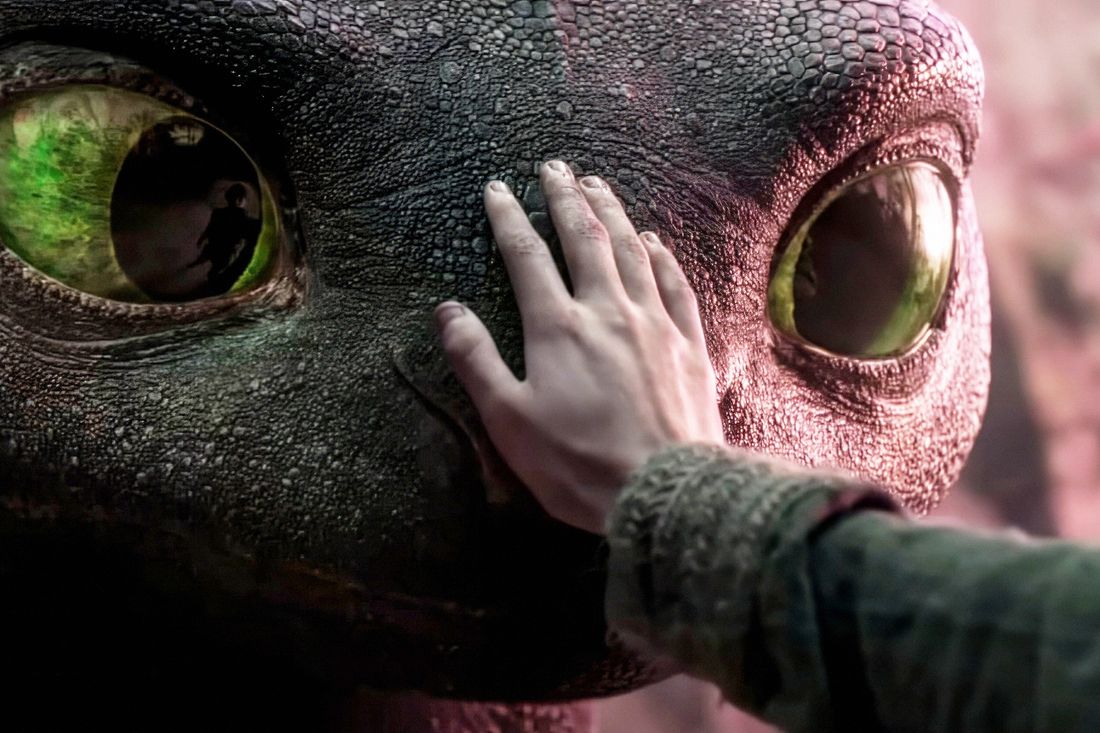
Let’s be honest, most live-action remakes of animated favorites over the last ten years have felt… unnecessary. They make money, sure, but often lack any real artistic spark, feeling like expensive tech demos that just don’t measure up to the originals. But this one? This one actually works. Dean DeBlois, who helped make the original, directs and smartly stays very close to the story we all know – a young, kind-hearted Viking (Mason Thames) struggling to live up to his father’s (Gerard Butler) expectations as a dragon slayer. He accidentally captures and injures a rare dragon, a Night Fury, and then… they become friends. It honestly feels like a nearly shot-for-shot remake at times, and that’s a good thing! Adding real locations and actors gives the story a weight and scale it didn’t have before. Flying over the beautiful landscapes of Northern Ireland – which convincingly stands in for the film’s Viking island – really highlights the power of practical filmmaking, even in a fantastical story about dragons. It’s a reminder that even with all the VFX in the world, there’s something special about seeing something real.
➼ Read Bilge Ebiri’s full review of How to Train Your Dragon.
The Life of Chuck
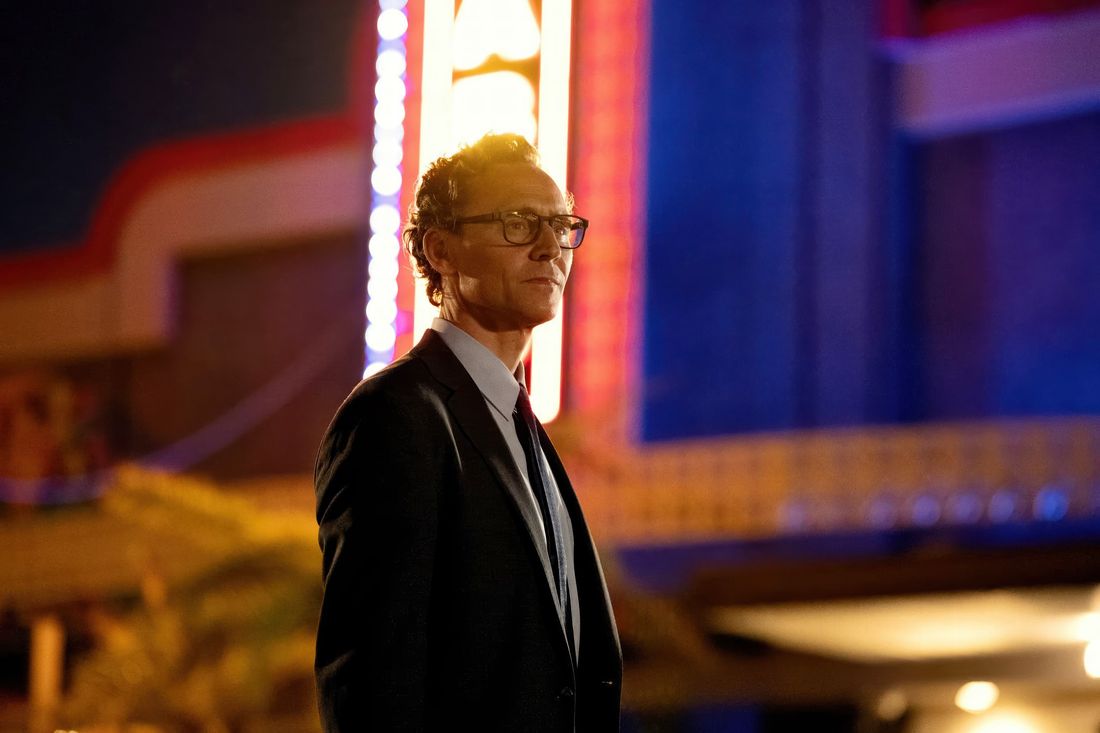
I was completely captivated by Mike Flanagan’s film, which started like a typical disaster movie – news reports of earthquakes, extinctions, and global crises. But it quickly transformed into something much more personal, the story of a seemingly ordinary man named Chuck. It isn’t a suspenseful thriller like many Stephen King stories; instead, it shares that hopeful, life-affirming spirit of The Shawshank Redemption. It’s incredibly moving to realize the apocalyptic events we’re witnessing are actually a reflection of Chuck (played brilliantly by Tom Hiddleston) fading away in a hospital. The film slowly reveals who he is, moving backward through his life, and it’s a powerful exploration of what it truly means to live. It’s a film that really gets under your skin – if you let it, it might just change you.
➼ Read Bilge Ebiri’s full review of The Life of Chuck
Meeting With Pol Pot

Cambodian filmmaker Rithy Panh, who experienced the loss of his family during the Khmer Rouge genocide in the 1970s, has understandably focused much of his work on his country’s difficult past. His film, Meeting With Pol Pot, dramatizes a 1978 visit by three foreign journalists to Cambodia, which had been isolated from the outside world since the Khmer Rouge took control in 1975 and forced its people into harsh labor camps. However, the film isn’t just a historical account. It explores a more immediate and universal theme. One of the journalists is a socialist scholar who once knew Pol Pot as a fellow student activist in Paris. He’s eager to understand the new “Democratic Kampuchea” and challenge what he believes is unfair, anti-communist reporting in the West. The film captures this man’s sincere hope for his ideals to take root, as well as a longing rooted in the passionate protests of the 1950s and 60s. While Rithy Panh has made other films about the victims of the Khmer Rouge, this one centers on the painful process of losing faith when reality clashes with our beliefs. —B.E.
➼ Read Bilge Ebiri’s full review of Meeting With Pol Pot.
Ballerina

The first part of this John Wick spin-off, starring Ana de Armas, feels repetitive and lacks inspiration, unfortunately dragging down what’s usually a thrilling and violent franchise. The backstory added doesn’t really land. However, the movie truly comes alive in the second half, starting with a fantastic grenade fight. There’s talk that Chad Stahelski stepped in to direct reshoots, and it’s clear the later scenes are a huge improvement – some even rival the best moments from the original John Wick films. The flamethrower fight, in particular, is ridiculously over-the-top, but also surprisingly visually stunning. —A.W.
➼ Read Alison Willmore’s full review of Ballerina.
The Ballad of Suzanne Césaire

Madeleine Hunt-Ehrlich’s film isn’t a traditional biography of Suzanne Césaire, the anti-colonial writer and wife of Aimé Césaire. Instead, it’s a skillfully crafted exploration of her life and legacy. Actress Zita Hanrot portrays Césaire, who grew up in Martinique and studied in France, but also appears as herself – a new mother balancing filming with motherhood. She directly addresses the audience, acknowledging they are creating a film about an artist who intentionally sought to be forgotten. Very little of Césaire’s writing remains; she purposefully destroyed most of it, with only seven articles from the journal Tropiques and her letters surviving. The Ballad of Suzanne Césaire thoughtfully examines this act of self-erasure, blending readings of her work with beautiful visuals of her Caribbean homeland. — A.W.
Pavements

As a huge music fan, I was completely captivated by Alex Ross Perry’s documentary about Pavement. It’s less about the band’s history – their rise, breakup, and getting back together – and more about what Pavement means to people. Perry deliberately keeps that part pretty straightforward, but the real magic happens in the stuff he weaves around it. He creates this hilarious fake biopic with Joe Keery playing Stephen Malkmus, imagines a Pavement jukebox musical called Slanted! Enchanted!, and even builds a Pavement museum! It’s brilliant because none of it is actually true to what the band was like in the 90s, and that’s exactly the point. Once your music is out there, you lose control of how people interpret it and remember you. There’s this one scene, perfectly staged, where Malkmus is doing a Q&A after a screening of this fictional movie about his life, and he’s annoyed that it portrays him as being obsessed with ‘selling out.’ He insists that wasn’t really a worry for him back then, and it’s just so insightful and funny. It really makes you think about how legends are built and how memory works.
➼ Read Nate Jones’s answers to all your Pavements questions.
Jane Austen Wrecked My Life
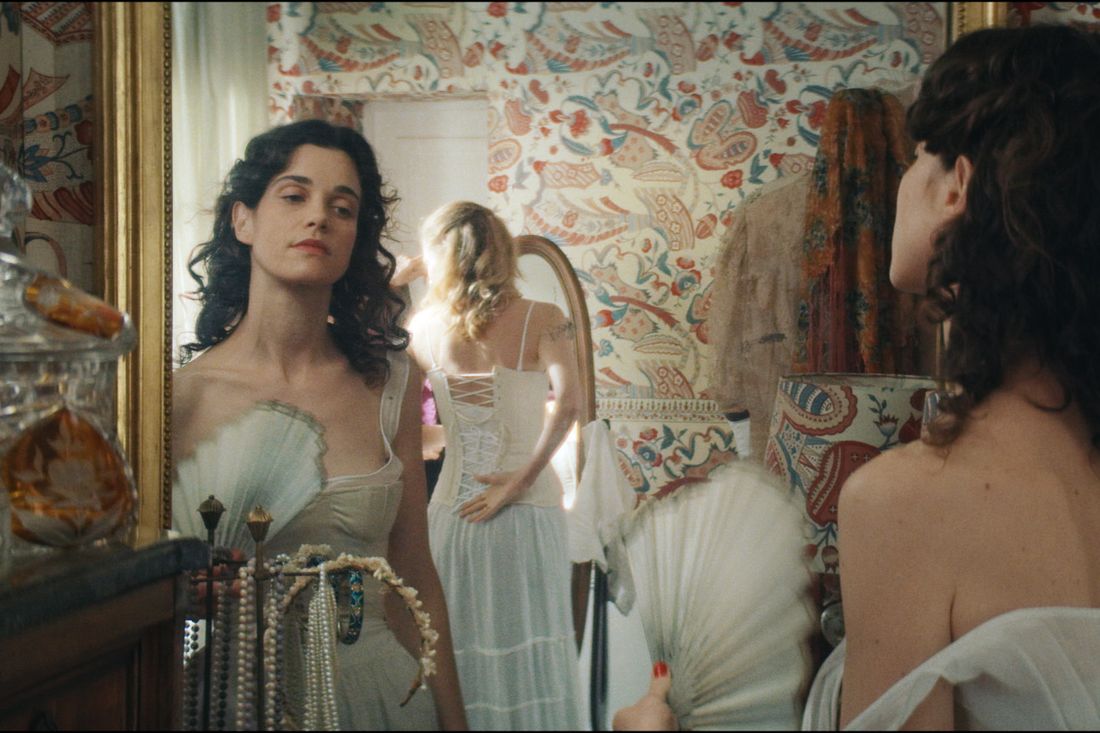
Laura Piani’s charming romantic comedy is as much a love letter to nature as it is to books. While the film explores themes of literature, ambition, and love, what truly stands out is its strong sense of place. It begins in the famous Shakespeare & Co. bookstore in Paris, but the romance unfolds in the lush, misty landscapes of southern England (though surprisingly filmed entirely in France). The movie centers on Agathe, a quiet bookstore worker and hopeful writer who longs for love but avoids taking risks. When she attends a writing residency connected to Jane Austen in England, the classic romantic complications we enjoy in movies begin to unfold. Agathe feels like she belongs in another era – specifically the 19th century – and the film itself has a beautifully timeless and slightly old-fashioned quality. —B.E.
➼ Read Bilge Ebiri’s full review of Jane Austen Wrecked My Life.
Mission: Impossible – The Final Reckoning
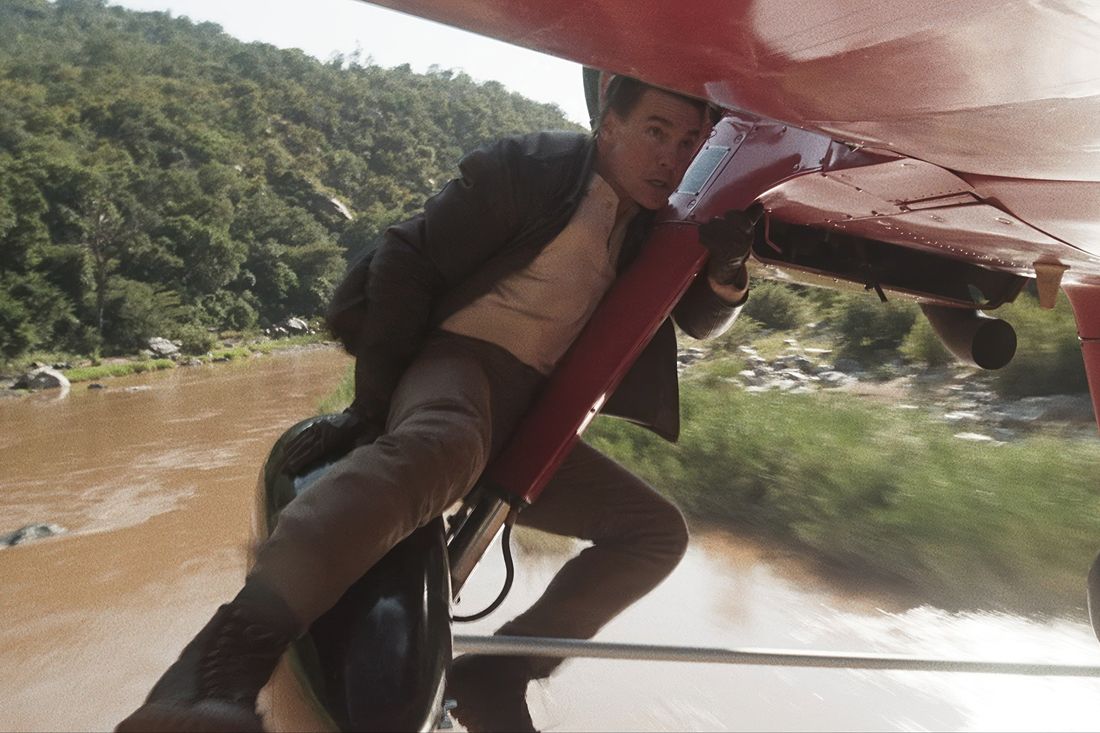
The Mission: Impossible films have long been a refreshing contrast to Hollywood’s trend of overly complex, interconnected franchises. However, the latest installment, Final Reckoning, surprisingly falls into that trap, starting with a confusing and cliché-filled opening hour. Thankfully, the movie eventually finds its footing and delivers a classic Mission: Impossible experience. It does so by abandoning the heavy exposition and focusing on a brilliantly executed, largely silent sequence inside a sunken submarine – a precarious setting that puts the hero in a hilariously dangerous situation surrounded by floating torpedoes. These films thrive on Tom Cruise performing incredible physical stunts with a blend of grace and absurdity, and this underwater sequence is among the best in the series. The heavily promoted stunt of Cruise hanging from a plane is also spectacular. Ultimately, the most intriguing conflict in The Final Reckoning might be the one behind the scenes – the tension between genuine artistic effort and the attempt to build a complicated backstory for a series that previously didn’t need one. —B.E.
Check out Bilge Ebiri’s complete review of Mission: Impossible — The Final Reckoning, James Grebey’s breakdown of how it ends, and Keith Phipps’s list ranking all the Mission: Impossible movies.
Sister Midnight
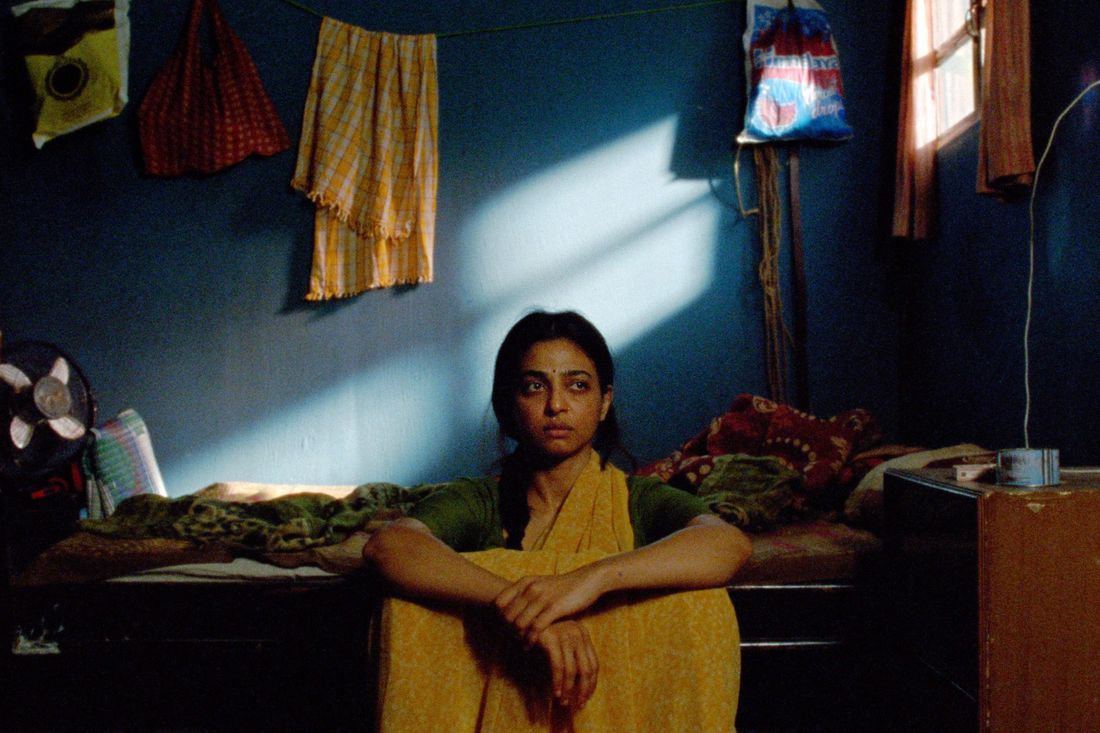
Karan Kandhari’s film, Sister Midnight, is a quirky and colorful comedy-drama about a young woman’s struggles in a new marriage. The story follows Uma (Radhika Apte) and Gopal, a newlywed couple living in a crowded Mumbai neighborhood, who quickly realize they’re not well-suited for married life. Uma feels lost and disconnected, while Gopal seems distant and unable to connect with her. Her attempts to build a relationship are constantly thwarted, and the intensity of the city begins to overwhelm her. The film beautifully captures the vibrant energy of Mumbai, filled with people, shadows, and color, as it follows Uma’s nighttime journeys. She takes a job as a night janitor, leading her deeper into the city’s hidden corners. The plot then takes some unexpected turns, but thankfully remains grounded in genuine emotion and character development. Radhika Apte delivers a powerful performance with minimal dialogue, conveying a wealth of emotion through her expressions. Her portrayal of Uma, with all her complex feelings towards her husband – a mix of contempt, pity, and love – feels incredibly realistic. This depth makes Sister Midnight a captivating and ultimately heartbreaking film.
➼ Read Bilge Ebiri’s full review of Sister Midnight.
Final Destination: Bloodlines

It’s been 14 years since the last Final Destination film, and Final Destination: Bloodlines feels right at home with the series’ signature early 2000s style and over-the-top thrills. The core idea remains the same: Death will find you in increasingly elaborate and spectacular ways, even if you try to escape its plans. This new installment successfully adds fresh elements without changing what makes the series work. The film opens with a shocking disaster at a high-end restaurant in the 1960s and then jumps to the present day, exploring the consequences of what happened—or didn’t happen—that night. Directors Zach Lipovsky and Adam Stein come up with creative new ways for characters to meet their demise, using locations like a tattoo parlor, an MRI machine, and even a peanut allergy. While most horror movies focus on a single scary situation, Final Destination cleverly uses everyday life – driving, using a vending machine, or even making a drink – as the backdrop for its inventive deaths. Bloodlines is a great addition to a series that was often surprisingly smart, funny, and thought-provoking, proving it was more than just simple scares. —B.E.
➼ Read Bilge Ebiri’s full review of Final Destination: Bloodlines.
Friendship

Andrew DeYoung’s first movie as director is essentially a long, hilarious sketch in the style of I Think You Should Leave, and that’s a good thing! Tim Robinson stars as Craig Waterman, a perfectly average guy whose life is turned upside down when his charming neighbor, weatherman Austin Carmichael (Paul Rudd), becomes his unlikely friend. While Friendship explores a male friendship that spirals out of control, it’s also full of funny detours—like a cameo by Conner O’Malley, a running joke about avoiding Marvel spoilers, and a surprisingly dull drug trip—that make this comedic horror film a standout.
➼ Read Alison Willmore’s full review of Friendship.
Thunderbolts

It’s honestly a little strange seeing a Marvel movie in 2025 that actually feels like the old days, when the MCU was on top of the world. The funny thing about Thunderbolts is that it’s built around a team of lesser-known characters – the guys you remember as foils to the main heroes, or replacements who didn’t quite stick. But instead of getting bogged down in tons of backstory, the movie just lets you enjoy these actors, and they are fantastic. Florence Pugh is perfectly brooding, Sebastian Stan seems genuinely lost, Wyatt Russell is hilariously arrogant, and David Harbour is just having a blast. Plus, Lewis Pullman is playing another character named Bob – can’t get enough of that! People joked about it being an A24-style movie, but it definitely takes a cue from Everything Everywhere All at Once with its villain being a physical embodiment of despair. It’s a clever idea that actually lets the characters feel more real than they have in a Marvel movie for a while now.
Check out Alison Willmore’s complete review of Thunderbolts, Siddhant Adlakha’s breakdown of the ending, and Chris Lee’s conversation with director Jake Schreier.
Invention

Callie Hernandez experienced the loss of her father, a holistic healer, to COVID-19. She was left with a collection of his old video recordings and some of his inventions. Hernandez and director Courtney Stephens used these materials to create a moving film exploring the complexities of grief. Hernandez plays a fictionalized version of herself, Carrie, who is also grieving her father – portrayed in the recordings by Hernandez’s actual father. As Carrie sorts through his belongings, she becomes determined to pursue a patent he left behind for an unproven medical device, even though the invention itself is less important than her desire to connect with her complicated father after his death.
The Ugly Stepsister

Emilie Blichfeldt’s film, The Ugly Stepsister, isn’t just a reversal of the classic Cinderella story; it’s a haunting and disturbing reimagining that exposes the unsettling core of the original tale. The film suggests that Cinderella was, at its heart, a story about body horror. We see the story through the eyes of Elvira (Lea Myren), one of the stepsisters usually portrayed as cruel. Elvira, with her braces, acne, and fuller figure, feels she doesn’t stand a chance with Prince Julian (Isac Calmroth) and desperately tries to change herself through painful procedures. Blichfeldt doesn’t shy away from showing the gruesome and often disgusting consequences of these attempts – from vomiting and blood to more shocking imagery. However, the film also evokes a sense of sadness, suggesting that we all, at some level, identify with the feeling of being the ‘ugly stepsister’.
➼ Read Bilge Ebiri’s full review of The Ugly Stepsister.
One to One: John & Yoko
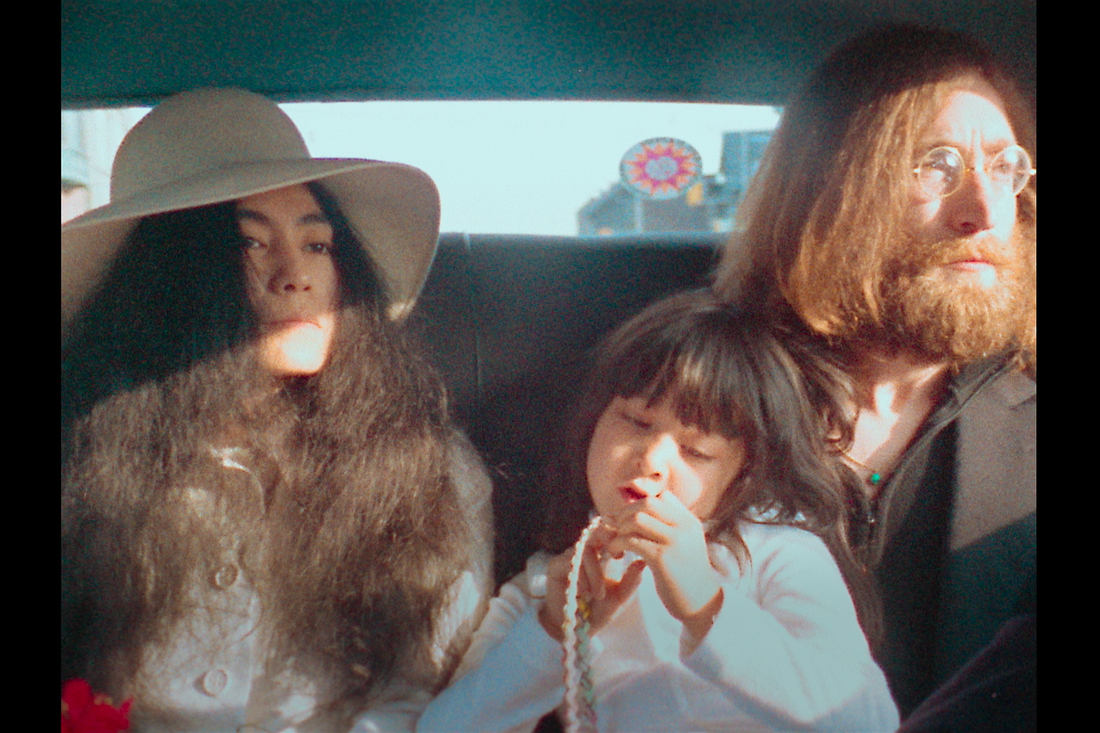
The concerts John Lennon and Yoko Ono performed at Madison Square Garden in August 1972 – collectively known as One to One – were Lennon’s only complete concert as a solo artist after the Beatles disbanded. A new documentary by Kevin MacDonald and Sam Rice-Edwards uses footage from these shows, but it’s more than just a typical concert film. It weaves together quick cuts of news, commercials, TV shows, old interviews, and recently discovered phone calls to give viewers a sense of the cultural and political climate the artists lived in. While many films have been made about the Beatles, One to One goes beyond the usual and reveals Lennon’s raw emotions – his anger, confusion, passion, and fear. Ironically, by shifting some of the focus away from Lennon himself, the film offers a fresh and insightful look at the man and his art.
➼ Read Bilge Ebiri’s full review of One to One: John & Yoko.
Warfare

Alex Garland and Ray Mendoza’s film, Warfare, bravely tries to challenge the idea that no movie can truly be anti-war. Despite showing the horrors of combat, most war films unintentionally end up making it seem exciting. Warfare takes you through a grueling 95-minute battle during the Iraq War, focusing on a group of Navy SEALs trapped in a house in Ramadi. While the film features actors like Will Poulter and Cosmo Jarvis, it doesn’t focus much on developing their characters. Most of the dialogue is either technical instructions shouted over the radio or the terrifying screams of severely wounded soldiers. The injuries are shockingly realistic and painful to witness, with dismembered limbs scattered throughout. The filmmakers succeed in creating a truly authentic portrayal of combat, capturing both the intense action and the long, tense moments in between. —B.E.
➼ Read Bilge Ebiri’s full review of Warfare and Matthew Jacobs’s chat with star Will Poulter.
Gazer
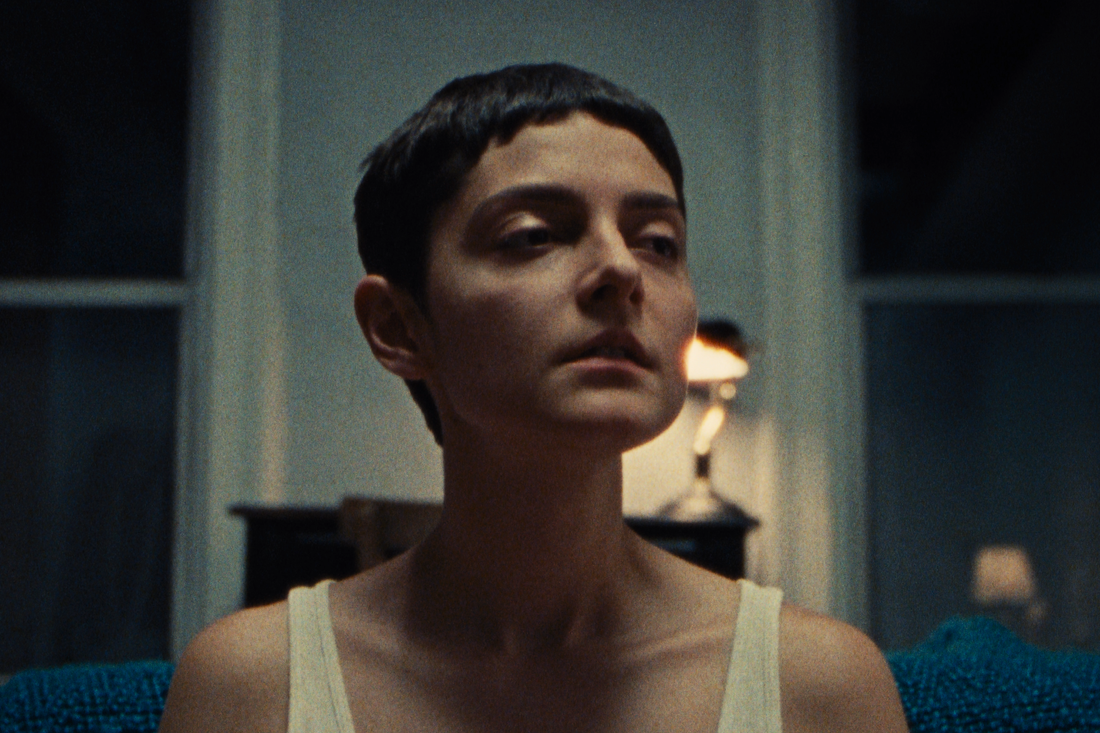
Ryan J. Sloan and Ariella Mastroianni created Gazer as the kind of movie they themselves would enjoy watching. The result is a compelling and somewhat unconventional thriller that feels reminiscent of classic independent films. Mastroianni plays Frankie, a mother struggling with a brain condition that affects her memory and who has lost custody of her daughter. Facing financial hardship, she takes on a risky task for someone she meets in therapy, which quickly pulls her into a complex conspiracy. She must then navigate this situation while also questioning her own grasp on reality. While Mastroianni gives a strong performance, the film’s true standout is the setting – the bleak and atmospheric landscapes of North Jersey, which have never looked so striking. —A.W.
➼ Read Alison Willmore’s full review of Gazer.
Grand Tour

Miguel Gomes’s film, Grand Tour, is like a sprawling story told from many perspectives. It follows a fictional couple’s separate travels through East and Southeast Asia in the early 1900s, blending acted scenes with documentary footage, both contemporary and historical. The narration shifts between the languages of the countries they visit—Burmese, Thai, Vietnamese, and more—creating a dreamlike, collective experience. Known for films that are both imaginative and challenging, Gomes describes the film’s visuals as capturing “the spectacle of the world.” Paradoxically, through a sometimes silly and deliberately artificial story of two travelers, he’s created a film that encourages us to pay closer attention to the world around us and how we live in it.
➼ Read Bilge Ebiri’s full review of Grand Tour.
The Friend

Dog movies are common, but “Apollo 10½: A Space Age Childhood” stands out because it doesn’t try to imagine what its dog is thinking or give it a human voice. The film centers on Apollo, a dignified older Great Dane (played by the remarkably talented Bing), who ends up with Iris (Naomi Watts), a writer and teacher, after his owner and Iris’s mentor, Walter (Bill Murray), unexpectedly passes away. Iris lives in a Manhattan apartment that doesn’t allow pets, but she takes Apollo in with the plan to find him a new, permanent home. As you might expect, Iris and Apollo form a bond. However, the film is most powerful in its exploration of what it truly means to care for another being. Ultimately, it’s not a story about the relationship between humans and animals, but about the mystery of all living things. —B.E.
➼ Read Bilge Ebiri’s full review of The Friend.
A Working Man
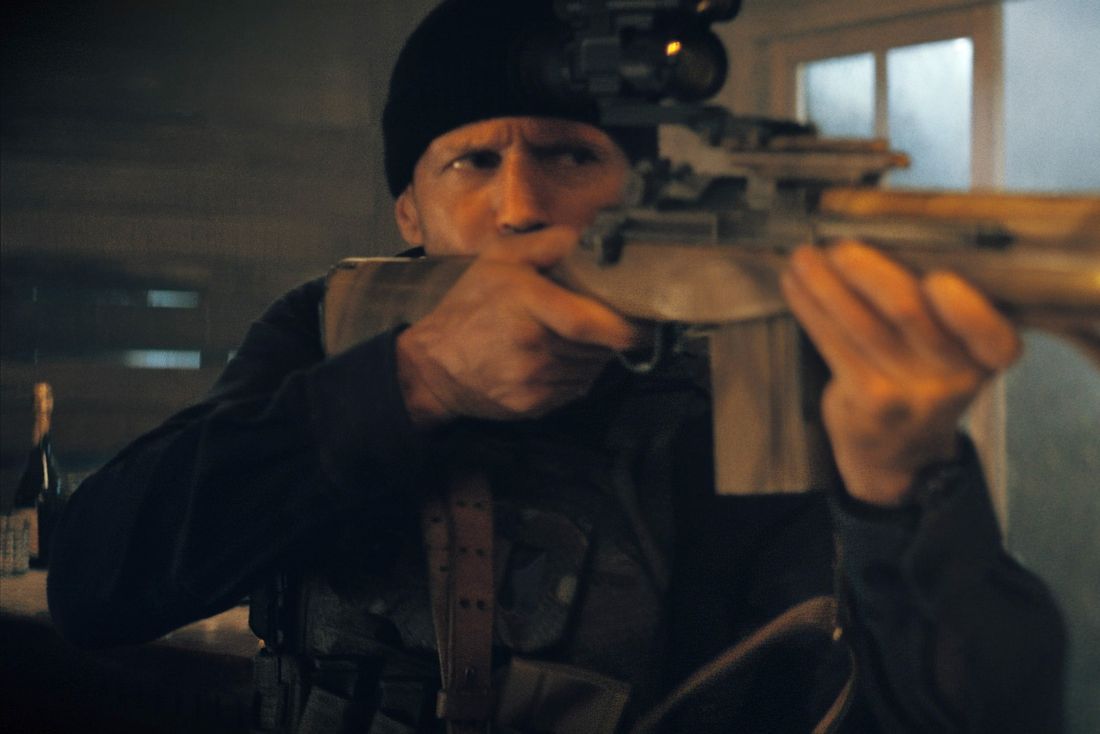
Similar to last year’s The Beekeeper, A Working Man stars Jason Statham as a reluctant hero who rediscovers his fighting skills to take down a network of villains. While The Beekeeper focused on corrupt tech executives, this film centers on human traffickers operating within a bizarre and isolated criminal underworld filled with strange rules and over-the-top style. Director David Ayer, known for realistic dramas like Harsh Times and End of Watch, takes a different approach here, using fairytale imagery to give the hero’s actions a legendary feel. The film creates a completely separate world, and Statham’s tough, straightforward character brutally fights his way through it. Ultimately, it’s a celebration of action, and the movie emphasizes the impact of every fight with graphic detail. —B.E.
➼ Read Bilge Ebiri’s full review of A Working Man.
Who by Fire
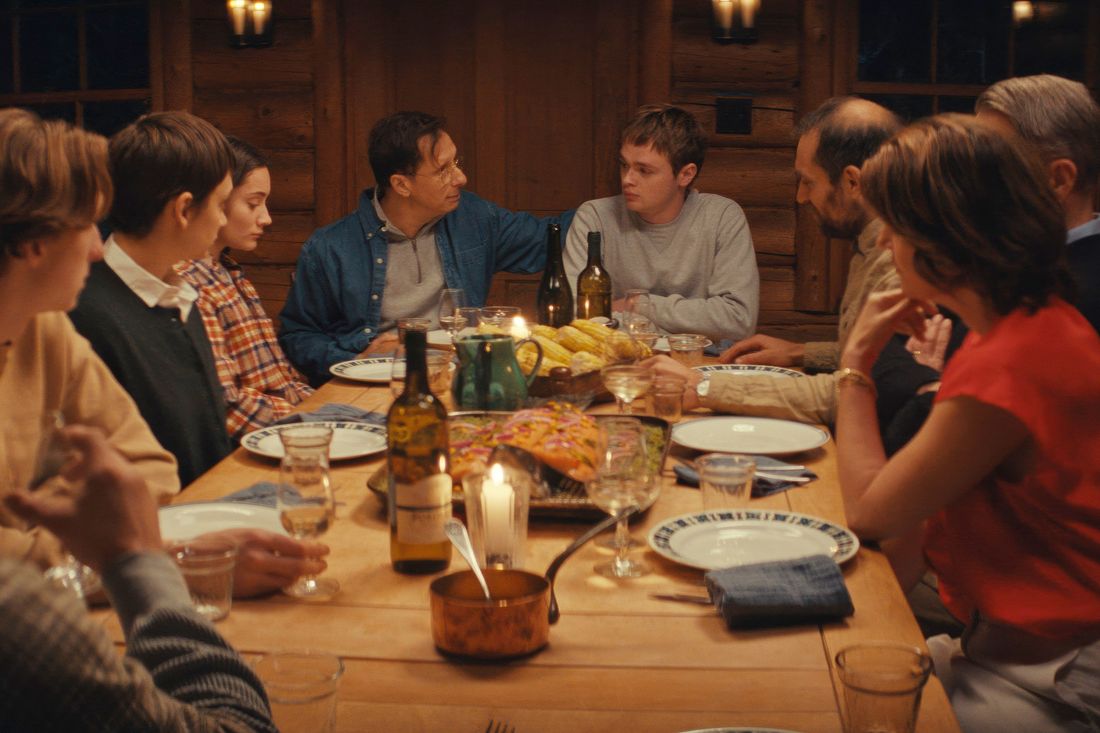
Philippe Lesage’s film begins with a visually striking opening reminiscent of Stanley Kubrick’s The Shining. Though not a horror movie, it expertly builds tension and anticipation. Who by Fire centers on a group of people at a remote cabin and the complex emotional fallout that follows. It avoids a traditional narrative or clear-cut themes, leaving the audience to interpret events without being told what to think. Instead, the film focuses on realistic, drawn-out interactions between characters, often captured in long, unbroken shots. Conversations meander and escalate into arguments, sometimes veering into awkward humor, but never becoming overly comedic. Despite its loose structure, Who by Fire remains consistently engaging, fueled by the director and actors’ ability to create suspense and surprise. We’re constantly braced for a dramatic event, which ultimately turns out to be the messy reality of life. — B.E.
➼ Read Bilge Ebiri’s full review of Who by Fire.
The Day the Earth Blew Up: A Looney Tunes Movie
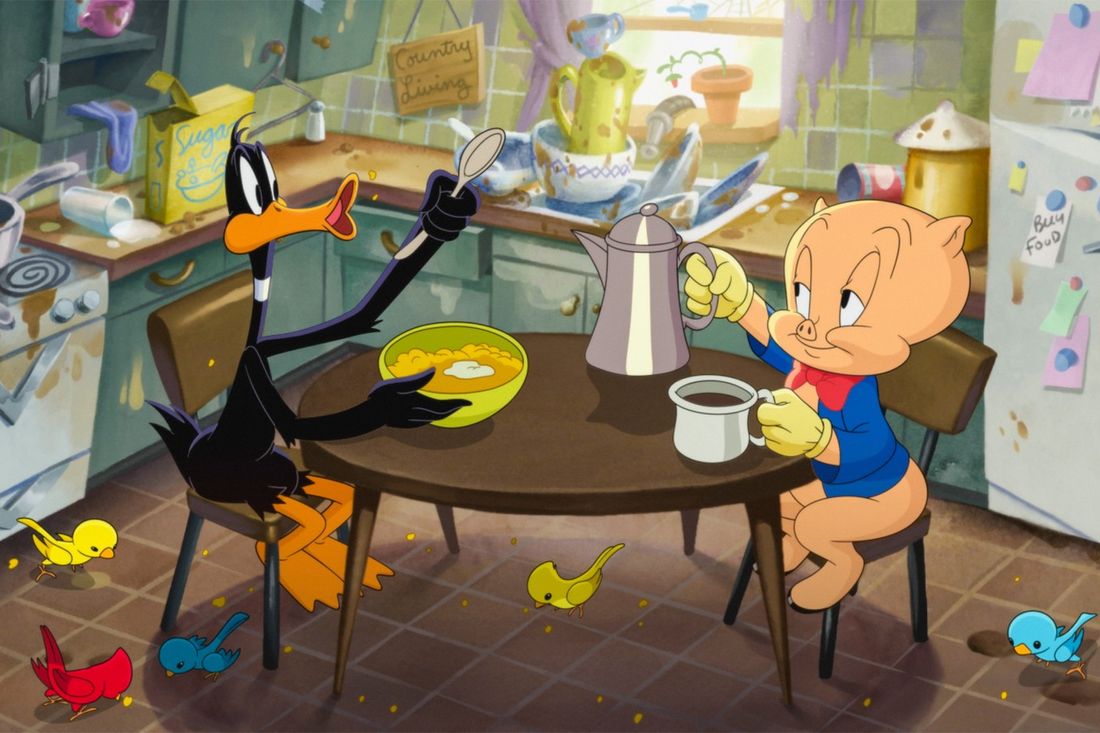
The Looney Tunes worked best in short cartoons, and for good reason. Their silly, unpredictable humor and fast pace didn’t usually lend themselves to full-length movies. The Day the Earth Blew Up is a playfully over-the-top spoof of 1950s science fiction and horror, but it also cleverly updates the way modern Hollywood builds tension. It’s energetic and perfectly captures the classic Looney Tunes feel. The story is wonderfully ridiculous: an alien contaminates hugely popular bubble gum, turning everyone who chews it into zombies! The fate of humanity rests on the shoulders of bickering foster brothers Daffy Duck and Porky Pig (both voiced by Eric Bauza). Their classic hand-drawn animation style is set against a familiar and pleasing Looney Tunes backdrop – bright blue skies, green lawns, and mid-century buildings – all with the series’ signature sudden shifts in shape and color. When Daffy’s face first distorts, it feels like reconnecting with an old friend. —B.E.
➼ Read Bilge Ebiri’s full review of The Day the Earth Blew Up: A Looney Tunes Movie.
Eephus

Carson Lund’s latest film starts like many baseball stories – using the game as a metaphor for life. But it quickly becomes something simpler: a quiet observation of people spending time together. The film settles into a peaceful pace, and before you realize it, it feels like you’ve witnessed an entire lifetime. The title, “eephus,” refers to a slow, looping pitch designed to throw off the batter’s timing. As one character explains, the batter swings expecting speed, but the ball is already past. It makes them lose track of time. Lund doesn’t hide this symbolic connection, and it’s surprisingly effective – much like the film itself. It’s funny how obvious the meaning is, yet still touching. The film reminds us that we often search for deeper meaning while life simply passes us by.
➼ Read Bilge Ebiri’s full review of Eephus.
Mickey 17

Bong Joon Ho’s first film fully in English is a wildly ambitious and impressive work. It’s a dark and funny story about technology gone wrong, a thrilling space adventure where humans try to colonize a planet already inhabited, and a sharp satire of extreme capitalism. Ultimately, it’s about Mickey Barnes, a kind but somewhat hapless character brilliantly played by Robert Pattinson, learning to value himself and stop blaming himself for the hardships he faces. While it might not reach the heights of Bong Joon Ho’s best films like Parasite, Memories of Murder, and Mother, it’s still a fantastic movie. —A.W.
Read Alison Willmore’s complete review of Mickey 17, as well as her discussion with director Bong Joon Ho about the movie’s ending.
On Becoming a Guinea Fowl

Rungano Nyoni’s award-winning film centers on Shula, a young woman in Zambia who discovers her uncle’s body. The story follows her and her family as they prepare for his funeral, navigating a complex and unusual grieving process. As the days unfold, accusations fly, particularly towards the uncle’s widow, and the atmosphere becomes increasingly strange and unsettling. People are judged for even the smallest details of their mourning, and everything feels distorted. Through this bizarre ritual, we learn about the family’s history and the reasons behind their behavior. What starts as a dark comedy gradually reveals a much deeper horror, exposing the unspoken traumas each woman carries. While the film’s quirky, absurdist style is captivating, it’s grounded in a chilling exploration of how cruelty and injustice can become ingrained in tradition. It suggests that sometimes, maintaining one’s sanity requires a descent into madness. —B.E.
➼ Read Bilge Ebiri’s full review of On Becoming a Guinea Fowl.
In the Lost Lands
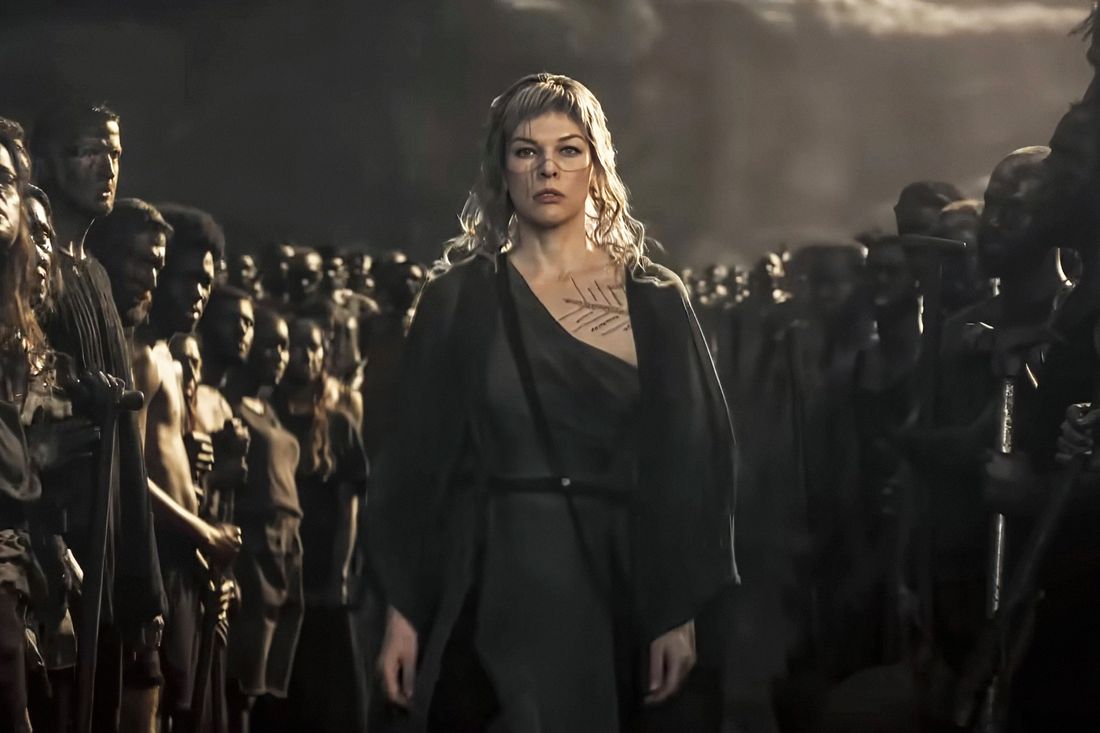
Paul W.S. Anderson’s latest film blends the typical post-apocalyptic setting – think crumbling cities and desolate landscapes – with elements of medieval fantasy. It’s an odd mix, also featuring cowboys, witches, werewolves, and even giant skeletons! The visuals are striking, resembling the pages of a dark and twisted fairytale, and feel both unsettling and dreamlike. Anderson is known for his intense action sequences, and he usually brings a raw, dangerous energy to his films. In the Lost Lands delivers on the action front, but its stylized, almost animated look softens the violence somewhat. It’s a different kind of movie for this director, but it creates a captivating world that’s easy to get lost in. —B.E.
➼ Read Bilge Ebiri’s full review of In the Lost Lands.
Last Breath
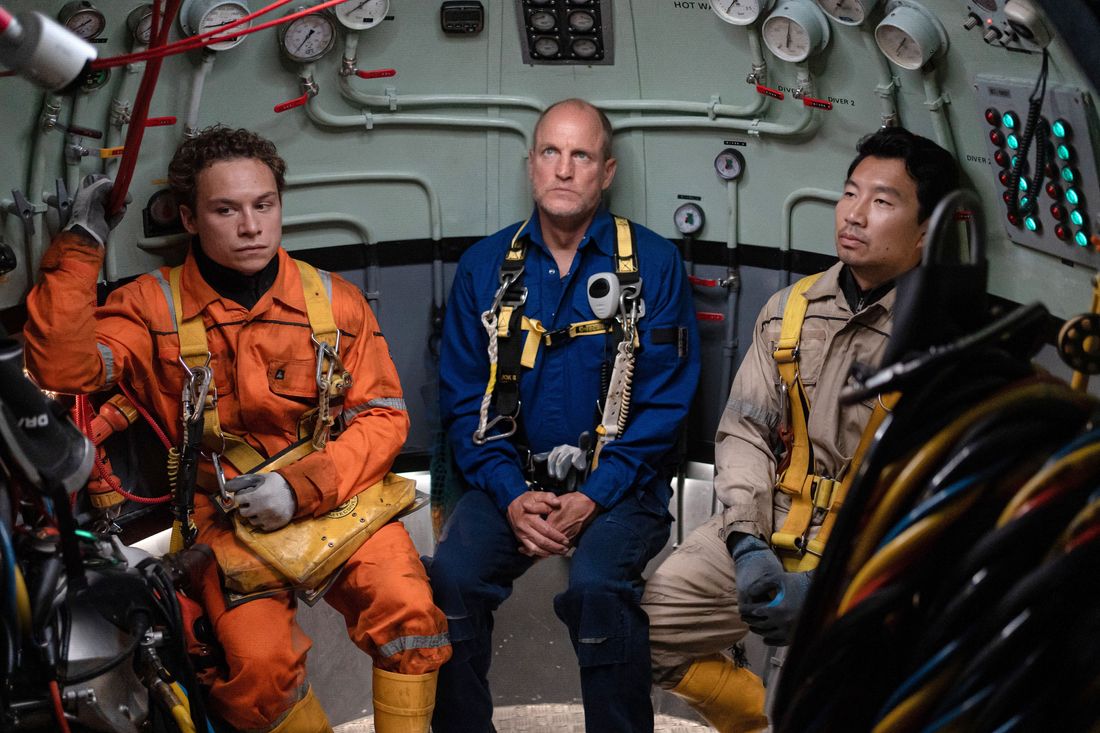
Director Alex Parkinson immediately establishes a sense of expertise and realism in his new underwater drama. From the start, as he explains the ship’s systems and the equipment used by deep-sea divers, we’re drawn into a believable and immersive world – essential for creating tension. Last Breath recounts the harrowing true story of a 2012 incident where a diver was left stranded on the seabed without oxygen while repairing a North Sea gas pipeline. Because Parkinson carefully details these systems beforehand, the impact of their failure is immediately clear and deeply unsettling. What follows is a gripping and suspenseful race against time as the underwater team, and those on the surface, desperately try to rescue their colleague. The film builds suspense with a refined touch, reminiscent of classic thrillers that stay with audiences long after the credits roll. —B.E.
➼ Read Bilge Ebiri’s full review of Last Breath.
Bridget Jones: Mad About the Boy

The latest Bridget Jones film, released directly on Peacock, is surprisingly good. Renée Zellweger returns to explore themes of grief, middle age, and finding purpose after loss (though Mark Darcy, played by Colin Firth, appears in flashbacks). While Bridget’s romance with a younger man, Leo Woodall, is enjoyable, the heart of the movie lies in her connection with the ever-charming Daniel Cleaver (Hugh Grant). He’s matured into a somewhat melancholic but still irrepressible flirt, and their shared history proves that long-term friendships can be incredibly valuable. —A.W.
➼ Read Alison Willmore’s full review of Bridget Jones: Mad About the Boy.
Parthenope

Paolo Sorrentino’s new film, Parthenope, seems like a response to the idea of the ‘male gaze’ – the way women are often depicted from a masculine perspective. However, the film isn’t simply about a beautiful woman; it’s about beauty itself, and how we see and imagine it. The film follows Parthenope (played primarily by newcomer Celeste Dalla Porta, with a brief appearance by Stefania Sandrelli) from her teenage years into old age. Named after a mythical siren and the ancient name for Naples – Sorrentino’s hometown – Parthenope encounters a wide range of characters, including lovers, a wealthy playboy, an aging actress, a gangster, and even a hilariously drunk John Cheever (played by Gary Oldman). These characters either desire her, are intimidated by her, or simply admire her. As the story unfolds, Parthenope becomes a symbol of youth and potential, but also a reminder of the passage of time. Ultimately, Sorrentino’s film about a beautiful woman serves as a gentle reminder that we all carry memories of our own beauty.
➼ Read Bilge Ebiri’s full review of Parthenope.
Companion
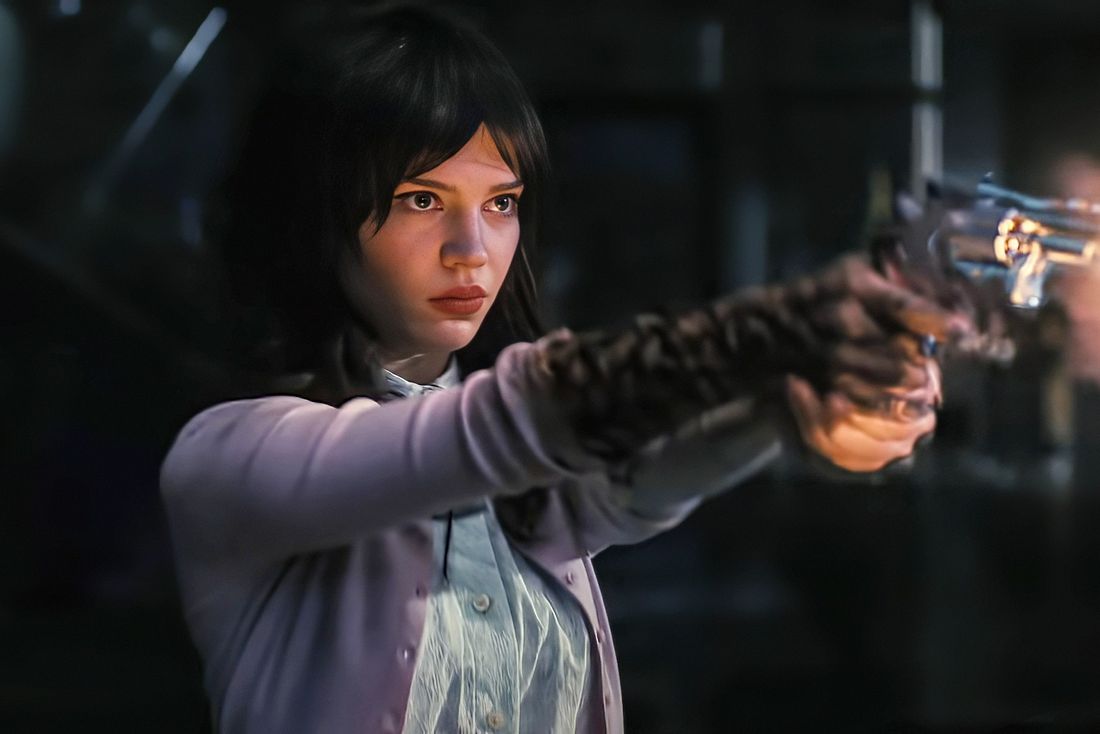
Drew Hancock’s horror comedy, Companion, starts by revealing a surprising premise: Iris, who believes she’s in a relationship with Josh and going on a weekend trip, is actually a robot he’s rented for companionship and intimacy. The film’s enjoyment comes not only from this initial reveal, but from the clever twists that follow. As the story takes increasingly dark and funny turns, the film’s careful construction becomes particularly satisfying. — A.W.
➼ Read Alison Willmore’s full review of Companion.
Presence

Steven Soderbergh’s new horror film, Presence, offers a unique twist on the haunted house genre: it’s told from the ghost’s perspective. While the story – a family moving into a haunted house and one daughter sensing something is wrong – isn’t groundbreaking, Soderbergh’s filmmaking is. He shoots the entire film in long, unbroken takes, with the camera floating through spaces and following the actors. This technique isn’t just stylistic; it reflects the ghost’s unseen power and the director’s control over the narrative. Soderbergh himself operates the camera under a pseudonym, making his presence felt alongside the ghost. This creates a sense of manipulation, where characters seem to act on their own, but are subtly guided by an unseen force – a theme that actually plays out in the film’s plot. Presence manages to be both a thought-provoking art film and a genuinely scary horror movie, and many critics believe it’s some of Soderbergh’s best work in years.
➼ Read Bilge Ebiri’s full review of Presence.
Grand Theft Hamlet
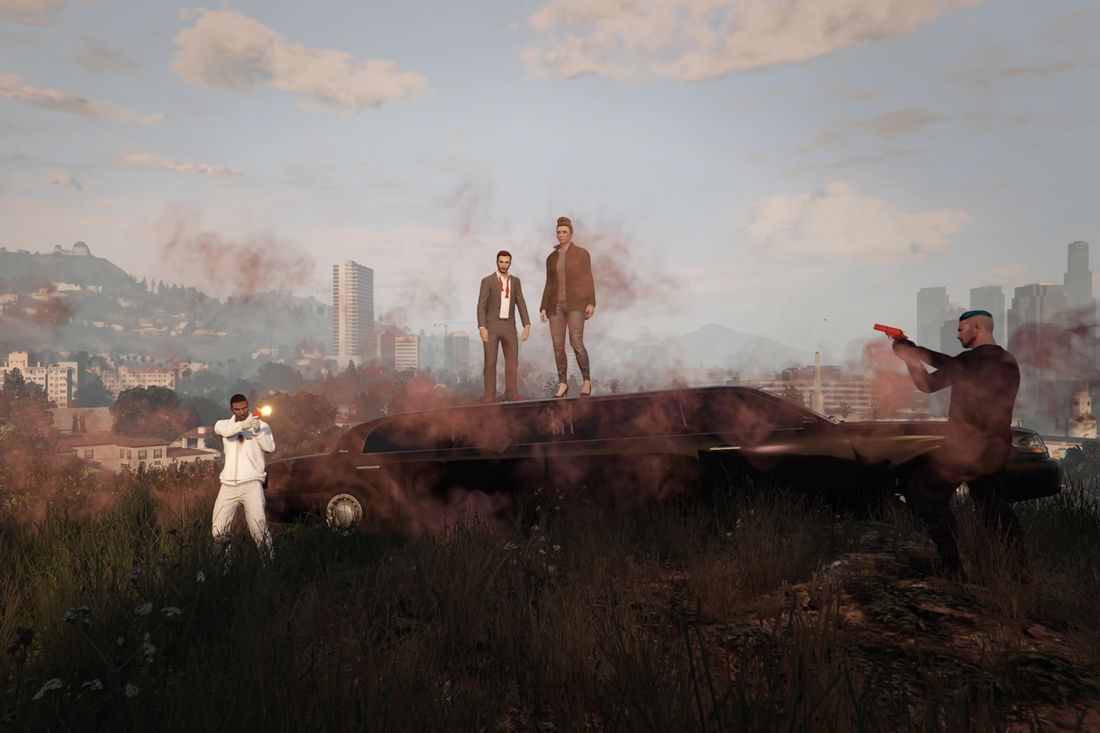
What started as a pandemic project – a virtual production of Hamlet staged inside the video game Grand Theft Auto Online by actors Sam Crane and Mark Oosterveen – has become something more. The film is ultimately about the internet itself, and how real connections and creativity can flourish even within the often chaotic world of online gaming. Crane, who co-directed with his wife Pinny Grylls, and Oosterveen deliver surprisingly moving performances as their digital characters, mirroring Hamlet’s exploration of life’s big questions – all while trying to avoid getting virtually eliminated in the game. —A.W.
➼ Read Alison Willmore’s full review of Grand Theft Hamlet.
One of Them Days

I absolutely loved this movie! It’s like a throwback to the good old days of comedy, where studios let funny people just be funny. It’s a buddy movie, written by the same person who does Rap Sh!t, and it’s just a blast. Keke Palmer is incredible as Dreux – she’s so energetic and relatable as someone trying to get her life together. Her best friend, Alyssa (SZA in her first acting role!), loses the rent money on a terrible boyfriend, and things spiral from there. But it’s not just laughs; the movie also really shows how draining it is to constantly worry about money. It’s genuinely funny and surprisingly insightful.
➼ Read Alison Willmore’s full review of One of Them Days.
Den of Thieves 2: Pantera
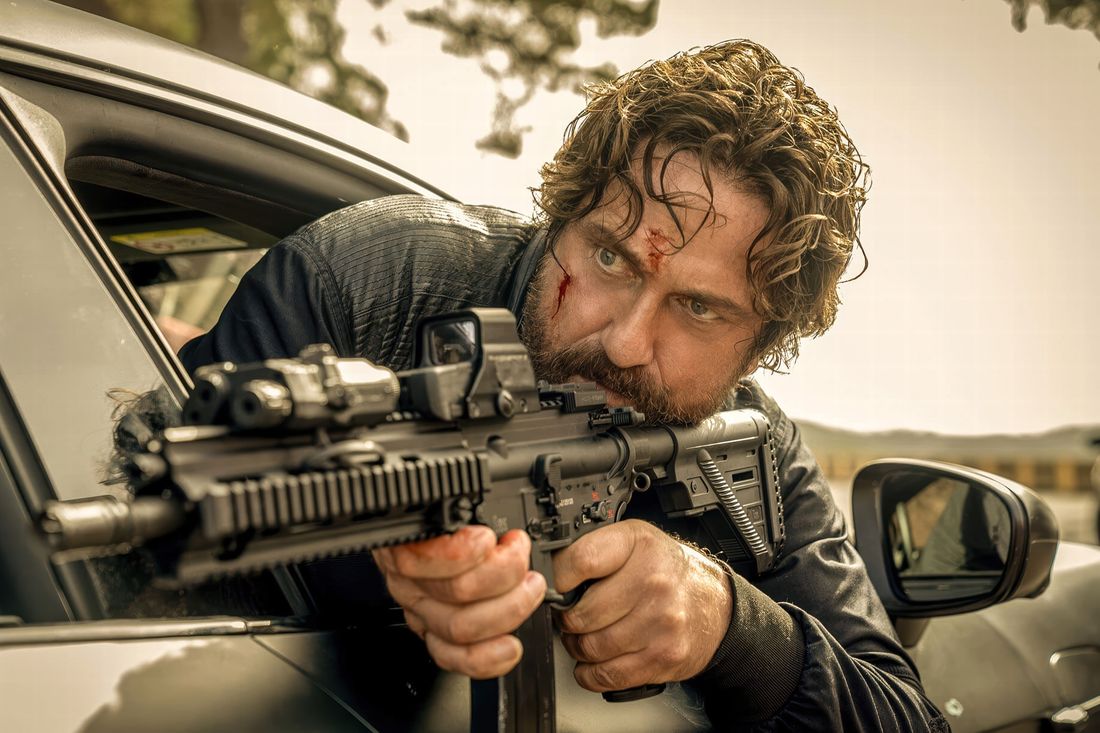
The new film, Den of Thieves 2: Pantera, feels like a rough-and-tumble version of Michael Mann’s Miami Vice, much like the first Den of Thieves mirrored Heat. And that’s perfectly okay. While the original focused on detailed planning and gritty realism, Pantera embraces a chaotic, energetic spirit, prioritizing feeling over strict logic. This shift actually suits Gerard Butler well—he excels at playing rugged, damaged characters, and embodies a compelling mix of strength and vulnerability. He’s ideal for a European heist that’s clearly headed for disaster. Pantera isn’t interested in simply repeating the formula of the first film; instead, it lets the characters drive the story and allows for some enjoyable, uninhibited interactions. —B.E.
➼ Read Bilge Ebiri’s full review of Den of Thieves 2: Pantera.
Every Little Thing

A society’s true character is revealed in how it cares for those most in need. Similarly, real progress – for communities or even entire civilizations – starts with helping its most vulnerable. This idea comes to mind while watching Sally Aitken’s gentle and beautiful documentary about hummingbirds in Los Angeles and the woman devoted to their care. Terry Masear runs a rescue where she rehabilitates injured and orphaned hummingbirds from across the Los Angeles area. It’s a painstaking process, often requiring her to patiently re-teach them to fly, as they can be understandably fearful. These birds are incredibly small and fragile to begin with, and many she cares for are babies who have lost their mothers, making their situation even more precarious. As the film points out, it’s amazing that any of them survive. And that thought applies to more than just hummingbirds. Through the film, Every Little Thing beautifully captures the delicate, yet resilient, nature of all life. — B.E.
➼ Read Bilge Ebiri’s full review of Every Little Thing.
Read More
- Netflix’s Little House On The Prairie Reboot: Release Date, Cast & Everything We Know
- Off Campus Season 1 Soundtrack Guide
- Silver Rate Forecast
- Prime Video’s New R-Rated Spy Thriller Is Officially No.1 On Streaming Despite Poor Reviews
- Gold Rate Forecast
- Brent Oil Forecast
- EUR ZAR PREDICTION
- YouTuber arrested after viral AI bodycam videos spark real police complaints
- EUR USD PREDICTION
- Inkford Hermitage Chest Locations In HSR (Honkai: Star Rail)
2025-12-01 17:22