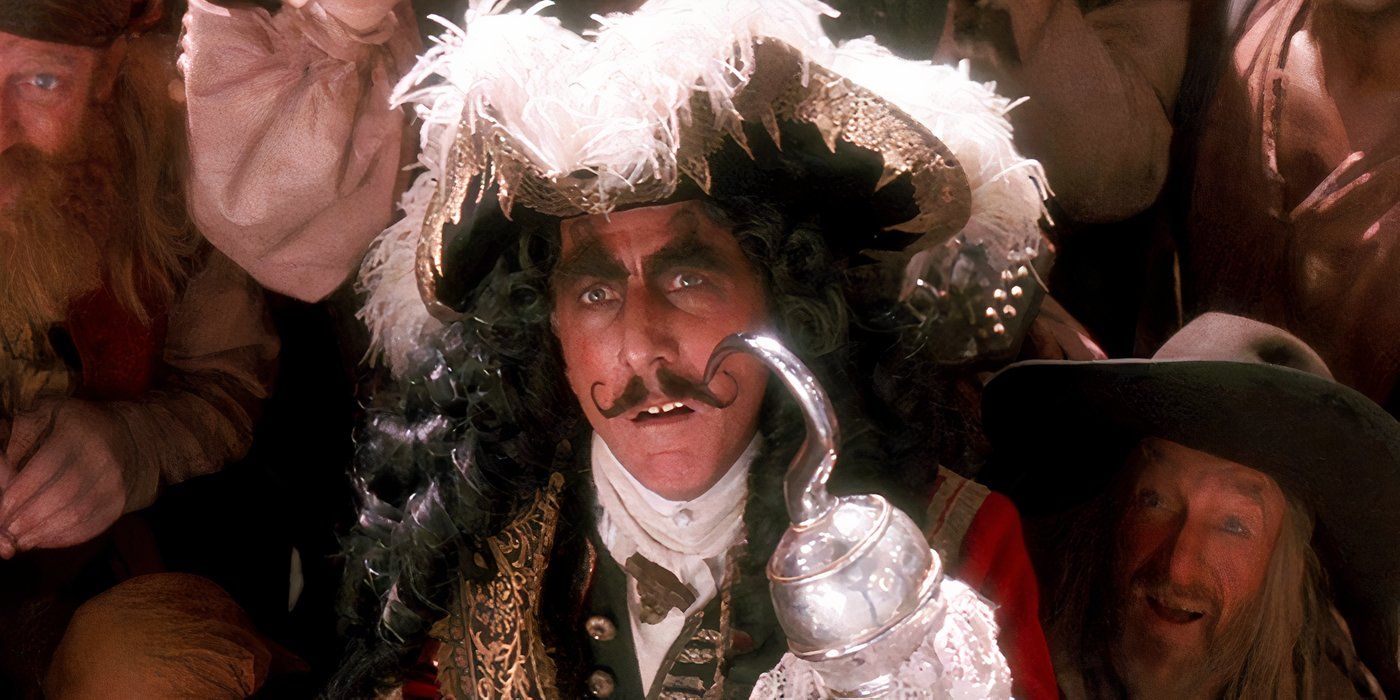
Steven Spielberg’s Hook is a really unusual movie when you look at its history. Though critics largely disliked it when it came out in 1991 – some even thought it could hurt his career – it was a huge box office hit and became incredibly popular, filled with memorable lines and moments. Surprisingly, this success helped launch what many consider Spielberg’s best decade as a director, a period that included films like Jurassic Park, Schindler’s List, and Saving Private Ryan. Now, over 30 years later, it’s surprising how negatively Hook was received, because it actually has a lot of what critics and audiences love today: strong acting, impressive practical effects, and a smart, engaging story that respects the audience’s knowledge of the Peter Pan tale.
While the original Peter Pan story is freely available for anyone to use, the movie Hook cleverly drew inspiration from Disney’s 1953 animated Peter Pan without having to formally acknowledge or pay them. This was a smart strategy by Amblin and TriStar, allowing them to utilize a well-known Disney story while avoiding licensing fees. Recently, there’s been growing criticism of Disney’s live-action remakes, with many viewers finding them uninspired and repetitive – films like Pinocchio, Lady and the Tramp, and Snow White didn’t resonate with audiences. Although some remakes, such as 2019’s The Lion King and this year’s Lilo & Stitch, have been successful, Disney could benefit from looking at Hook as an example and taking more risks with their less prominent properties to achieve greater success.
Hook Expanded the Peter Pan Storyline Without Rehashing It
The film excelled by building on the existing story of Peter Pan, rather than simply repeating it. It respected the audience’s intelligence, assuming viewers were already familiar with the tale—which was likely the case. Even now, Disney’s animated Peter Pan remains a highly successful film, ranking 47th among the top traditional animated movies, alongside hits like The Lion King and Demon Slayer: Infinity Castle.
Rather than retell the original story, Hook continued it, taking place years after Peter Pan ended. It surprised fans by portraying Peter as a grown man who had settled down with Wendy and, over time, forgotten who he really was.
Showing Peter growing up and Wendy aging, alongside revealing what’s happened in Neverland during Peter’s long absences, is a compelling way to draw audiences into the story. However, critics at the time weren’t receptive to this expanded approach.
It’s far more creative and impactful to offer audiences a fresh story, unique experiences, and a new perspective on familiar worlds and characters, rather than simply retelling a story that’s already been adapted into a movie at least sixteen times. This approach has already worked well in other types of films.
Movies like Spider-Man: Homecoming and The Batman demonstrate that audiences don’t need to see the same origin story repeated. We’ve seen these stories told in many ways already, so spending screen time on them again would actually hurt the film.
Disney has already seen success with the strategy of expanding on existing stories instead of simply retelling them. Last year, they released Mufasa: The Lion King, a live-action prequel that delved into Mufasa’s past, exploring his upbringing and the events that shaped his complicated relationship with Scar, ultimately leading to the betrayal seen in the original Lion King. The film offered a fresh and creative take, adding depth and development to characters audiences already knew and loved.
The fact that the movie wasn’t connected to existing stories didn’t hurt it at all. It earned $722 million despite costing only $200 million to make – a huge financial win.
Hook Still Holds Up as One of the Best Fantasy Films of the 1990s
No matter what critics say, few movies are as unforgettable as Hook. Robin Williams beautifully portrayed Peter Pan, and his energy paired perfectly with Dustin Hoffman’s surprisingly chilling, arrogant, and eccentric Captain Hook. Together, they created one of the decade’s greatest hero-villain pairings, across all movie genres.
The movie had a more serious and intense mood, acknowledging Captain Hook’s willingness to harm children without becoming overly grim. The scene where he kills Rufio demonstrated that even in a children’s adventure, there could be real danger and consequences.
As a film buff, I have to say that technically, Hook really delivers on what we want from a fantasy movie today. The sets – especially The Lost Boys’ hideout and Captain Hook’s ship in Pirates Bay – were built practically, which is amazing. They genuinely pulled you into those iconic locations, instead of relying on the overused, sometimes distracting, look of CGI and green screens. It just felt real and immersive.
Whether it was the impressively large, stuffed crocodile named Tick Tock, or Glenn Close’s complete transformation into a pirate, the movie spared no expense with its special effects and was supported by a fantastic and memorable score.
Filmmakers should always look to classic movies for ideas, even those that weren’t initially successful. Tastes evolve, and today’s trend of quickly releasing uninspired stories with lackluster acting and unfinished-looking special effects isn’t a good way to connect with audiences, old or new.
This company, known for its long history of innovation, needs to adapt. A good starting point would be to revisit the work of one of cinema’s most influential directors.
Read More
- Gold Rate Forecast
- Avengers: Doomsday Spoilers & Leaks Addressed By Director Joe Russo: “It’s Over-Policed”
- Assassin’s Creed is getting a live stage spin-off with parkour and choreographed fights
- INJ/USD
- STX/USD
- Detonate codes (December 2025)
- Crimson Desert Guide – How to Pay Fines, Bounties & Debt
- Apple TV’s Imperfect Women Becomes No. 1 Most-Watched Show Globally
- What is Omoggle? The AI face-rating platform taking over Twitch
- Pragmata: Every Hacking Mode, Ranked
2025-12-01 05:38