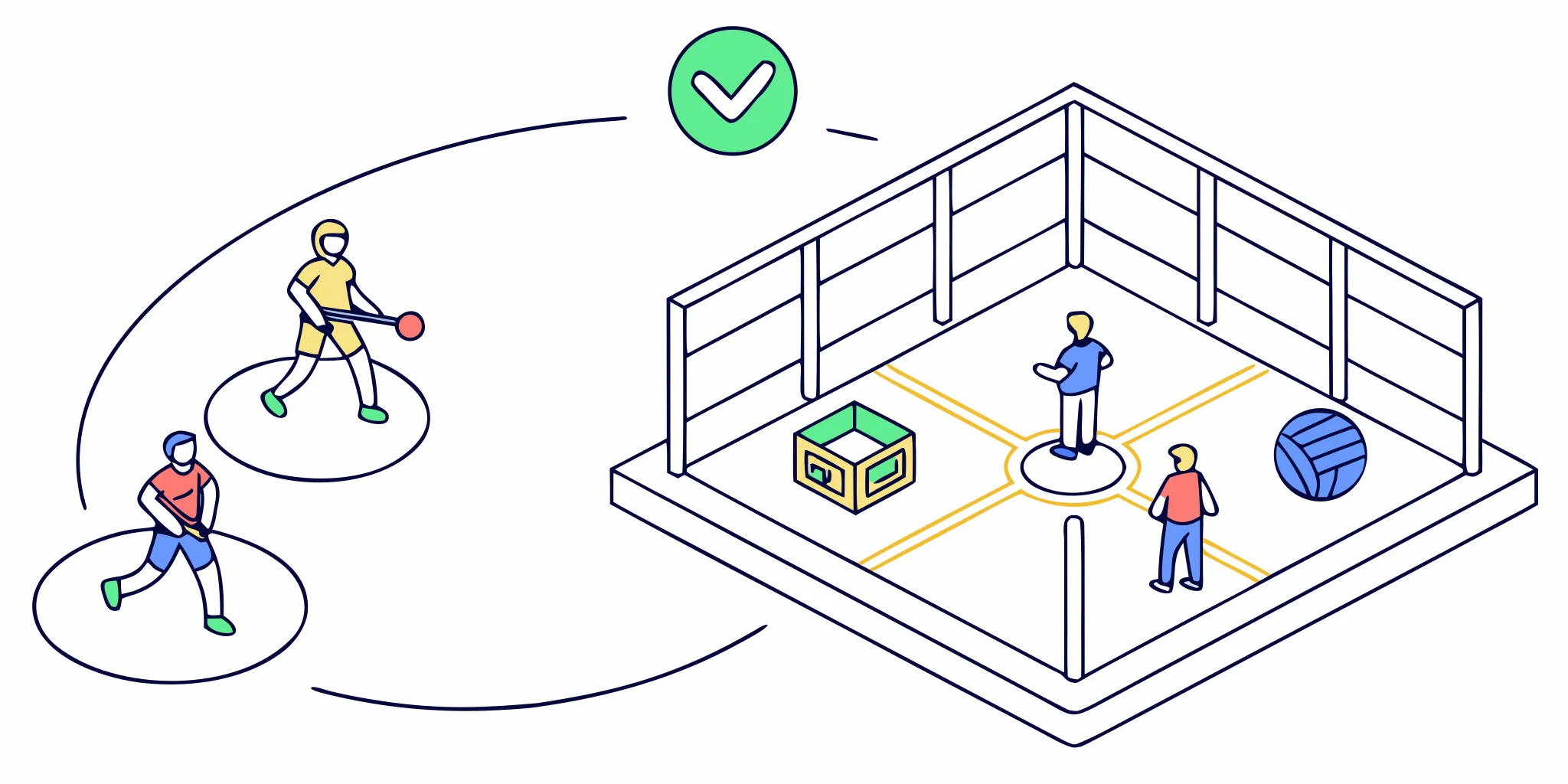
It’s tempting to point fingers at developers or disruptive players when gaming gets negative. However, hoping someone else will fix the problem won’t work. The reality is, we, the gaming community, have the power to create the environment we want. Every interaction – from saying “good game” to choosing to ignore negativity – shapes the overall culture. This isn’t about stifling enjoyment or being overly polite; it’s about taking ownership of our gaming experience. We’ll explore practical ways to promote good sportsmanship, improve communication, and build a competitive scene we all enjoy being a part of.
Key Takeaways
- Good sportsmanship is a winning strategy: Treating others with respect isn’t just about being nice; it’s about creating an environment where your team can communicate effectively, stay focused, and learn from mistakes, which leads to more satisfying wins.
- You are in control of your experience: Don’t let toxic players dictate your enjoyment. Use the mute, block, and report functions proactively to protect your own focus and help maintain a healthier community for everyone involved.
- Prevent burnout by playing smarter, not just harder: The best players know when to step away. Set healthy limits on your playtime, learn to recognize the signs of tilt, and prioritize having fun to keep your passion for the game alive long-term.
What Does a Healthy PvP Scene Look Like?
We’ve all experienced those amazing player-versus-player (PvP) matches where everything just clicks – everyone plays well, the competition is intense but respectful, and you feel good no matter the outcome. That’s what a healthy PvP environment is all about. It’s more than just avoiding negative players; it’s about fostering a community where skill and smarts are rewarded, and everyone shares a passion for the game. A truly great PvP scene is built on a foundation of challenge, teamwork, and mutual respect, turning every match into something special where you’re motivated to get better.
A positive environment keeps players engaged, encourages them to help each other improve, and builds a thriving community. Some playful competition and banter are fine—it can even be enjoyable! However, it’s important to distinguish between friendly rivalry and harmful behavior. We want to create a culture that prioritizes the game itself and focuses on positive experiences, not on putting others down. A successful player-versus-player (PvP) community is one where everyone feels welcome, can compete fairly, and has a chance to have fun.
Keep it respectful
A strong and enjoyable player-versus-player (PvP) community starts with treating everyone with respect. We all play games to have fun and challenge ourselves, so being polite to both opponents and teammates is essential. You don’t need to be friends, but remembering that other players are people just like you is key. When gaming communities prioritize good sportsmanship and a friendly atmosphere, everyone benefits. Players feel more comfortable trying new things, asking for assistance, and enjoying the game without worrying about negative reactions to mistakes.
Play fair, win fair
It’s incredibly frustrating to lose because someone used an unfair advantage, like a cheat or glitch. Real competition should be about showcasing skill and strategy. When players rely on these tactics, it doesn’t just ruin the game for their opponent – it also prevents them from truly earning a victory. The most successful players win through hard work, smart decisions, and collaboration. Playing with good sportsmanship means respecting the game and its rules. This helps maintain a healthy competitive environment where wins feel deserved, and even losses can be valuable lessons instead of simply frustrating experiences.
Communicate constructively
Teamwork relies heavily on communication, and it’s surprisingly easy to cross the line from helpful to hurtful. Simply calling out what’s happening is different from blaming someone when things go wrong. Effective communication means sharing useful information to help the team win. Offer advice, give clear instructions, and support teammates who are struggling instead of criticizing them. Creating a positive and respectful atmosphere through good communication builds trust and helps everyone improve. A kind “nice try” after a setback is much more effective than placing blame.
Why Toxicity Kills the Game
We’ve all experienced it: a game turns competitive, and the chat quickly fills with negativity. While some might brush it off as harmless banter, this kind of unchecked negativity actually causes real harm. It’s not simply about a few people getting upset; it threatens the future of the games we enjoy. When a game’s community gains a reputation for being unwelcoming, it can ruin the experience for everyone, turning something fun into something stressful. This can drive away new players and even cause long-time fans to quit, making toxicity one of the quickest ways to destroy a game.
Scaring away new players
Remember how daunting it felt when you first started playing a competitive game? It’s even worse when new players are immediately met with negativity and criticism from their own teammates. This kind of toxic environment quickly discourages people from continuing. As game designer David Henry explains, competitive games should foster collaboration and help players improve their skills. A hostile community does the opposite, making the game feel unwelcoming and difficult to learn. A positive, inclusive community benefits everyone, not just the most skilled players, and is key to a fun and enjoyable experience.
Damaging the community for everyone
Toxic behavior in games doesn’t just hurt the person on the receiving end – it ruins the game for everyone. When players are worried about being attacked for making mistakes, it destroys the fun and sense of teamwork. Multiplayer games are meant to be social experiences, and communities flourish when players are respectful and supportive. Without that positive environment, the game feels isolating, like everyone is just playing alongside each other instead of with each other. As Two Average Gamers wisely put it, if you’re making someone else’s experience worse, you’re not playing the game right. It’s a basic principle that helps maintain a healthy and enjoyable community for everyone.
The toll on your mental health
Competitive games are already exciting and sometimes frustrating, but when people start attacking each other or being overly negative, it can really harm your mental health. It’s easy to lose sight of the fun when you’re facing hostility. That’s why good sportsmanship – treating teammates and opponents with respect – is so important. It can transform stressful matches into enjoyable challenges, which is better for everyone’s well-being in the long run.
How to Encourage Healthy Competition
While competition is central to player-versus-player experiences, it doesn’t have to be negative. Focusing on skillful gameplay and respecting opponents can dramatically improve the experience for everyone. The goal should be to create a challenging but positive environment, where players are motivated, not discouraged. When the community prioritizes good sportsmanship, matches become more engaging and enjoyable, and players are less likely to quit in frustration. This change begins with small adjustments in how we interact with both allies and enemies. By striving to be a considerate opponent, we can collectively foster a more positive gaming community.
Give credit where it’s due
It’s frustrating to get unexpectedly eliminated in a game, but instead of getting angry, try recognizing the skill it took to make that shot. A simple message like “nice shot” can ease tension and show your opponent respect. Good sportsmanship isn’t about being disingenuous; it’s about remembering there’s a real person on the other side of the screen who made a great play. Giving credit where it’s due doesn’t just make you a good sport—it helps create a more positive gaming environment where skillful play is appreciated, making victories more satisfying and defeats easier to accept.
Focus on getting better, not just winning
While winning feels good, it’s not the most important thing. If you only focus on winning, losing can be really discouraging. Instead, try to focus on getting better. After a loss, think about what you could have done differently – were your aim or strategy off? Seeing every game as a chance to learn helps you improve and makes the game more enjoyable overall. This way, you’ll get frustrated less easily and stay focused on developing your skills.
Celebrate awesome plays (even theirs)
It’s great to acknowledge amazing plays, even if they’re made by the opposing team. Celebrating skillful moments, no matter who makes them, makes the game more fun for everyone. It encourages players to appreciate talent and creates a more positive and respectful environment. This shifts the focus from simply winning to enjoying a high-quality match. Showing respect for your opponents demonstrates confidence and helps build a thriving community where everyone can have a good time.
Keep fights fair
It’s frustrating to feel like you never had a chance to win. While winning is important, how you win matters just as much. Overwhelming a single player with a whole team or constantly targeting someone right after they respawn isn’t true competition – it’s simply unsportsmanlike. Respecting common sense rules, like avoiding unfair fights, keeps the game challenging and enjoyable for everyone. A difficult, fair one-on-one battle is far more rewarding than an easy win. Prioritizing fair play isn’t just polite; it helps keep players engaged and prevents them from getting discouraged and giving up, ultimately benefiting the game in the long run.
How to Deal with Toxic Players
Competition can unfortunately bring out the worst in people. From harsh trash talk to teammates who won’t take responsibility, toxic behavior can quickly ruin a game. But you don’t have to let it happen. Just like learning the map, preparing for negativity is key to protecting your enjoyment and helping to build a positive gaming community. Here’s how to handle toxic players effectively.
Try to de-escalate
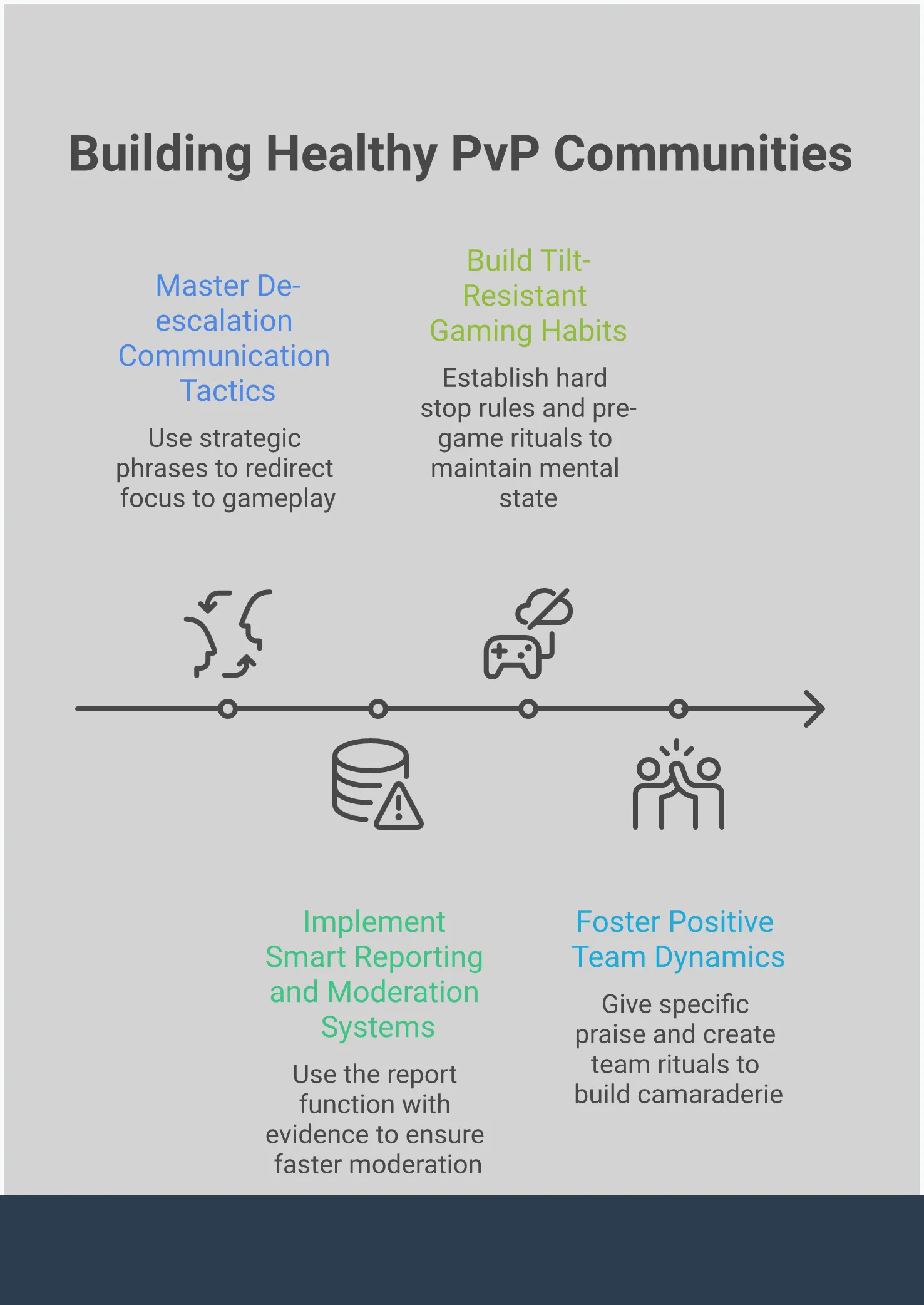
It can be tough, but a little positivity can often calm down a heated moment. Instead of responding with negativity, try to refocus the conversation on the game itself. A simple, encouraging phrase like “No worries, we’ll get them next time” can really shift the mood. Offering helpful advice instead of harsh criticism is also effective. Remember, good sportsmanship isn’t just about being polite – it’s a smart way to play. By encouraging positive communication, you can often prevent arguments from escalating, helping your team stay focused and keeping the overall atmosphere enjoyable for everyone.
Know when to mute and block
It’s true – trying to calm down toxic players doesn’t always work, and you’re not responsible for their behavior. Your main goal should be to have fun! That’s where the mute and block features come in handy. Don’t be afraid to use them. Blocking someone who’s flooding the chat with negativity allows you to concentrate on your own game, like fine-tuning your Warzone setup. It’s not about giving up; it’s about controlling your own experience and keeping the game enjoyable. Prioritizing your own peace of mind is key to having fun.
Use that report button
While muting or blocking someone stops you from seeing their harmful messages, reporting them helps everyone. It’s like contributing to a better game for the whole community. When you report toxic behavior, you give the game developers information they need to address the problem. This is essential for creating a welcoming and positive gaming environment. Even though it seems small, consistent reporting from players can significantly improve the game over time.
How to Handle a Tough Loss
Everyone experiences losing in games, and that’s okay. It’s inevitable to be beaten sometimes, whether by a better player, a clever strategy, or just bad luck. While you can’t win all the time, you can choose how you respond to losing. Your reaction to defeat actually reveals more about your character as a player than any victory. It’s what separates those who get discouraged and stuck from those who learn and keep getting better.
Okay, so losing definitely stings, but I’ve been trying to look at it differently lately. Instead of getting totally down when I get beat, I’m trying to use it as motivation to get better. It’s about figuring out why I lost – what did I mess up on? – and then working on those things. And honestly, sometimes you just need to step away for a bit and cool off before jumping right back in. It’s not about avoiding the loss, it’s about learning from it and building up the mental toughness to keep improving and actually enjoy the games I play!
Keep your cool and avoid tilt
Everyone has experienced that frustrating feeling after a mistake or loss that makes things even harder. This is often called “tilt,” and it can quickly ruin your game and your attitude. The best way to avoid tilt is to be a good sport. This doesn’t mean letting your opponents win, but rather showing grace and respect, no matter the outcome. A simple “gg” (good game) acknowledges their effort and helps you move on mentally. It keeps the game fun for everyone and stops you from getting stuck in a negative loop that leads to more losses.
Learn from every defeat
Don’t get discouraged by losses – view them as chances to learn and improve. Instead of getting upset, analyze what happened. What mistakes did you make? Was your positioning off? Did the other team simply outplay you? Carefully reviewing each match is a quick way to get better. Every defeat points out areas where you can strengthen your skills, like aiming, understanding the map, or communicating with teammates. By focusing on improvement instead of just the loss, you can turn a frustrating experience into something positive and productive.
Don’t be afraid to take a break
When you’re in a tough spot, sometimes the smartest thing to do is take a break. If you’re feeling really frustrated after a difficult game, continuing to play will probably just make things worse. Strong emotions can cloud your thinking, slow down your reflexes, and lead to careless errors. Knowing when you need to pause and recharge is an important skill. Simply stand up, stretch, get a drink of water, or even just look away from the screen for a few minutes. A quick break can help you clear your head, calm down, and come back feeling refreshed and ready to perform at your best.
Smarter Communication for Better PvP
The way teammates communicate during a game is crucial for success. It’s more than just giving information; it’s about creating a team built on trust and resilience. Effective communication is a skill that, like aiming, can be honed with practice. Prioritizing clear, helpful, and positive talk not only boosts your team’s chances of winning but also makes the game more enjoyable for everyone. Turn your microphone from a potential source of frustration into a powerful tool for strategy.
Give feedback that actually helps
It’s frustrating when teammates make errors, but lashing out with insults never helps. Instead of criticizing, try offering helpful advice. If someone’s out of position, suggest where they could go next time. If their plan isn’t working, offer a new idea. Being a good teammate means helping others improve, not just pointing out mistakes. For example, saying “Let’s try going through the south building next time for better cover” is much more effective than simply saying someone messed up. This approach shows you’re focused on working together to win.
Drop the blame game
It’s easy to blame someone when things go wrong, but that’s usually unfair and hurts team spirit. Remember, player-versus-player combat is a team activity – wins and losses are shared. Instead of asking what someone did wrong, try focusing on how the team can improve next time. This helps everyone learn and stay motivated. A positive attitude, even after a loss, is what makes a team strong and able to bounce back. It creates a supportive environment where the team can handle setbacks together.
Use voice chat for good
Voice chat can be a double-edged sword: it’s great for teamwork, but can also become a source of negativity. We can make it better by using our mics to communicate clearly, plan strategies, and most importantly, encourage each other. Even a quick compliment like “nice shot” or “good try” can lift spirits after a setback. When voice chat is used effectively, it promotes good sportsmanship and makes the game more welcoming for all players. It’s about building a positive and energetic environment where everyone feels comfortable sharing ideas and working together to win.
How Communities Can Clean Up Their Act
I’ve been thinking a lot about the negativity in online games, and honestly, it’s not really up to the developers to fix it all. We, as players, have the real power to make things better! It’s not about waiting for a patch or update; it’s about us building a healthier community, one match at a time. If we all just decided to treat each other with a little more respect, the whole vibe of a game could change. It’s the little things, you know? Like calling out a toxic comment in chat, saying “gg” even when you lose, or offering helpful tips instead of being mean. I’m not saying we all need to be friends, just that we can compete fiercely without being nasty to each other. It’s about creating a better space for everyone.
When a group prioritizes good sportsmanship and respect, it naturally creates a positive environment. This makes newcomers feel welcome, keeps experienced players engaged, and simply makes the game more enjoyable for everyone. We, as players, have the power to shape the kind of community we want. This shared responsibility is key to a game’s success – it’s what helps it flourish instead of fade away. Remember that every player impacts the experience, and we can all choose to contribute positively. Think about your best gaming moments – they likely involved strong teamwork and respectful opponents, even when losing. That’s the level of play we should all strive for.
Set clear rules of engagement
All thriving communities, whether online or in person, have a common understanding of how members should behave. In gaming, these expectations are usually outlined in community guidelines. These guidelines aren’t just for moderators to uphold – they’re for all players. A clear code of conduct sets a standard for respectful and safe interactions, so everyone knows what’s expected. When the rules are well-defined, players can easily adjust their behavior, and the community can quickly address any problems that arise. This creates a welcoming environment where people can enjoy the game without worrying about harassment or disruptive behavior, ultimately making it a more enjoyable experience for everyone.
Hold each other accountable
Rules only work if people actually follow them, and that’s where we all come in. Keeping each other accountable isn’t about punishing mistakes, but about building a positive and respectful environment. Celebrate good plays, and offer helpful advice instead of criticism. If you see someone behaving badly, politely address it or use the reporting tools. When positivity is the standard, disruptive players will either change their behavior or move on. Ultimately, it’s about creating a supportive community where everyone feels like a valued teammate and the game is more enjoyable for all.
Focus on skill, not blaming the game
It’s common to get upset after losing and blame things like lag, bad equipment, or unfair play. But constantly blaming the game will only make you frustrated and negative. A much better approach is to focus on improving your own skills and working well with your team. Instead of complaining, think about what you could have done differently – maybe adjust your strategy, try a different weapon setup, or improve your positioning. This mindset not only helps you become a better player, but also builds your ability to bounce back from setbacks and enjoy the game more. It transforms every loss into an opportunity to learn, rather than just a reason to get angry.
The Payoff of a Positive PvP Culture
Why bother being kind in competitive games? Because it really makes a difference. A respectful and fair gaming community improves the experience for everyone. When players prioritize good sportsmanship over negativity, wins feel more rewarding, losses are easier to handle, and the game stays enjoyable for longer.
A welcoming and positive environment can make or break a game. It’s what draws people in, keeps them playing, and helps the game succeed long-term. Building this kind of atmosphere takes everyone’s participation, but the benefits – a lively community, improved gameplay, and a more enjoyable experience overall – are well worth the effort.
A more engaged community
Players are more likely to get involved and enjoy a game when they feel respected and secure. This means they’ll chat with others, share tips, and play with new people. A friendly and welcoming community makes the game more fun, changing it from a lonely task into a shared experience. It fosters a cycle where positive interactions lead to more participation, which then strengthens the community and makes it even more inviting for newcomers. Instead of just playing with random people focused on winning, players connect and genuinely have fun together.
More players stick around
Honestly, no one enjoys playing in a negative or hostile environment. Toxicity quickly makes players leave, particularly new ones who are still learning. When a community prioritizes good sportsmanship and friendly interaction, it creates a welcoming space that people want to come back to. This results in more players sticking around long-term, because they feel like they belong and are appreciated. A positive community leads to faster matchmaking, a more diverse range of skill levels, and ultimately, a healthier and more sustainable game.
Keeping the game alive and thriving
As a gamer, I really believe a good community is key to a game lasting. When everyone’s respectful and works together, it just makes the whole experience so much better and keeps things fun. It’s awesome when a game has a thriving community because it pulls in new players, which means the developers can keep updating it with cool new stuff. Plus, it makes you want to actually get good at the game, knowing people will appreciate your effort and skill. Honestly, a positive vibe is what keeps a game alive long after the initial excitement dies down.
Making everyone feel welcome
A thriving player-versus-player (PvP) community focuses on welcoming everyone, no matter their skill level or who they are. Playing fairly and respectfully – to both allies and opponents – is key. When everyone feels included, you build a more diverse and engaging community. This makes the game more fun for more people and strengthens the overall community with new ideas and friendships.
Protect Your Peace While Playing
A good competitive gaming experience relies on both how you treat others and how you take care of yourself. While competing can be really exciting, it can also be stressful, and it’s easy to get carried away. Protecting your mental well-being is crucial for enjoying the game long-term and avoiding burnout. If you’re not having fun, there’s really no point! Prioritizing self-care helps you perform your best, both in the game and in your everyday life. This means understanding your limits, remembering what you enjoy about the game, and knowing when to take a break. It’s not about playing less competitively—it’s about being a more resilient player who can handle both wins and losses without getting overwhelmed.
Set healthy gaming limits
Enjoying a game for a few hours is fine, but it’s important not to let it take over your whole day. To stay balanced, set limits on how long you play – like deciding to play for only a couple of hours after work, or stopping at a certain time. This helps you avoid getting tired of the game and keeps it fun instead of feeling like something you have to do. It also gives you time for other hobbies and activities. Plus, you’ll actually play better when you’re rested and focused.
Balance competition with fun
We all want to win when we play against others, but it’s important to remember to have fun! If winning becomes more important than enjoying the game, it can ruin the experience. Good sportsmanship means respecting the game itself and your fellow players. Try to appreciate the little things – a great play, a funny mistake, or even just experimenting with new gear. When you focus on enjoying the moment, you’ll find something positive in every match, whether you win or lose.
Know when it’s time to log off
Everyone has those frustrating matches where nothing seems to go right. Learning to notice when you’re getting upset is really important. If you start feeling angry or your mood ruins the fun, it’s a good idea to take a break. There’s nothing wrong with stopping and logging off—it’s actually a smart move! Taking a few hours, or even a day, to step away can help you reset and come back feeling refreshed and ready to enjoy the game again.
Related Articles
- Deus Ex LFG: Connect with Other Augs in LFG Feature on Z League App
Frequently Asked Questions
As a fan, I always thought a little playful trash talk was part of what made competition exciting! But there’s definitely a limit. For me, it’s fine to tease someone about a cool move or a funny blunder, that’s just part of the back-and-forth. But when it stops being about the game and starts becoming personal – attacking someone’s skills as a person, or bringing up things that have nothing to do with the match – that’s when it crosses the line and becomes really toxic. We all want a competitive and fun atmosphere, and nobody wants to make another player feel awful or like they don’t belong.
It’s tough when you’re trying to stay positive but your teammates are negative. Just remember you can only control your own behavior. Focus on protecting your own enjoyment – don’t be afraid to mute disruptive players. While you might not change everyone’s attitude, your positivity can influence those who are undecided and sets a good example. Being a positive role model is a subtle but effective way to help build a better gaming community, one game at a time.
Want to offer your team helpful advice without coming across as critical? The trick is to focus on working together and planning for the future, instead of dwelling on what went wrong. For example, instead of saying “You made a mistake,” try something like, “Next time, let’s work together on that.” Using “we” and focusing on future actions makes it feel like you’re brainstorming as a team, rather than pointing fingers. This keeps the conversation positive and shows you’re all working towards the same goal.
It’s understandable to wonder if reporting toxic players makes a difference, but the answer is yes! While you might not see immediate changes, every report gives developers and moderators important information. Consistent reporting helps them spot and address harmful behavior, ultimately improving the game for everyone. Consider it a way to help maintain a positive and accountable community.
It’s perfectly okay to feel frustrated after losing a game! It actually shows you’re invested and care about how you play. The key isn’t to stop feeling frustrated, but to handle it in a healthy way so it doesn’t lead to negativity or poor behavior. Recognize your frustration, take a moment to calm down, and then use that energy to think about what you can improve. Knowing when to take a short break is also really important for managing your emotions.
Read More
- United Airlines can now kick passengers off flights and ban them for not using headphones
- All Itzaland Animal Locations in Infinity Nikki
- Crimson Desert: Disconnected Truth Puzzle Guide
- Katanire’s Yae Miko Cosplay: Genshin Impact Masterpiece
- How to Get to the Undercoast in Esoteric Ebb
- All Golden Ball Locations in Yakuza Kiwami 3 & Dark Ties
- BloxStrike codes (March 2026)
- 6 Ways Invincible Season 4’s Hell Episode Rewrites The Comics
- How to Complete Bloom of Tranquility Challenge in Infinity Nikki
- Sharks test positive for cocaine and caffiene in Bahamas study
2026-02-19 17:13