This director is famous for having a truly unique style in Hollywood. His movies are easily spotted by fans thanks to their dark, gothic look and complex, often misunderstood characters. Over time, he’s created a body of work that feels consistently eerie and original. He also frequently works with the same group of actors, which helps create a familiar feel throughout his films.
Besides working with various actors, Tim Burton often teams up with the renowned composer Danny Elfman. Just like John Williams and Steven Spielberg, Elfman’s music has become closely associated with Burton’s films. You can often identify a Tim Burton movie just by hearing the music, highlighting their strong and lasting creative partnership. Here are some of the most beloved examples of Burton’s darkly beautiful and classic films.
Sleepy Hollow Is Tim Burton at His Stylistic Best
Sleepy Hollow is often considered the best showcase of Tim Burton’s unique filmmaking style. Beyond its visually stunning look, the movie perfectly captures the mood and atmosphere he was aiming for – a fantastic mix of horror, romance, and mystery. It cleverly references classic American stories while still feeling distinctly like a Burton film. Sleepy Hollow truly draws viewers into its world, something many filmmakers strive to achieve.
While based on Washington Irving’s story, Tim Burton’s Sleepy Hollow creates a stunning and eerie atmosphere. The classic Headless Horseman is reimagined as a truly frightening villain. The film’s visuals were highly praised, even winning an Academy Award. Burton uses dark shadows, gray tones, and swirling fog to completely immerse the audience in the spooky world alongside Ichabod Crane.
Sleepy Hollow is the latest film pairing Johnny Depp and director Tim Burton. Depp plays Ichabod Crane as a quirky and anxious character – a classic Burton hero. This version of Ichabod isn’t a teacher like in the original story, but a detective who is sent to Sleepy Hollow to solve a series of strange killings.
This movie is Tim Burton’s gothic style at its finest, bringing all his signature elements together in one film. The spooky story, historical setting, and unsettling visuals create a genuinely eerie and memorable experience. It’s become one of Burton’s most beloved and intensely gothic projects.
Beetlejuice Is a Suburban Gothic Comedy
Tim Burton fearlessly explores dark subjects like death and decay, but always with a playful, comedic touch – a key part of his unique gothic style. The popularity of Beetlejuice brought his vision to a wider audience, and he’s continued to create similarly imaginative work ever since. He balances serious themes with humor, and this combination, especially when paired with Michael Keaton’s talent, is incredibly effective.
Michael Keaton’s performance as Beetlejuice is what truly makes the film successful. His character is brash and unpredictable, and Tim Burton cleverly transforms what could have been a frightening villain into the source of much of the movie’s humor. Though he’s not actually in that many scenes, every time Beetlejuice appears on screen, he’s so memorable that it’s easy to overlook his limited screen time.
Keaton is part of a remarkably talented cast in Beetlejuice. Winona Ryder plays Lydia Deetz, a character who had a big impact on the gothic style adopted by many teenagers. Lydia is fascinated by the dark and unusual, and dislikes her parents’ focus on possessions. She’s a crucial character because she provides a relatable human connection for the audience.
The afterlife sequences showcase Tim Burton’s distinctive use of color, with subdued shades that stand out against the brighter world of the living. Burton skillfully uses—or avoids—color to create a particular atmosphere. The spooky yet funny visuals in Beetlejuice were key in establishing Burton’s style and encouraged him to explore similar techniques in his later work.
Edward Scissorhands Solidified Johnny Depp and Tim Burton’s Relationship
Though they had worked together briefly before, 1990’s Edward Scissorhands marked the first significant live-action film where Johnny Depp took the lead role, launching a strong working relationship with the director. Depp’s physical performance as Edward was a standout moment early in his career and established a creative trust that would fuel their future collaborations.
Following the success of Beetlejuice, Winona Ryder teamed up with Tim Burton again for Edward Scissorhands. As with their previous film, Ryder plays a central role. She portrays Kim, one of the few people who truly understands and cares for Edward, the film’s outsider, and their connection blossoms into love before the movie’s heartbreaking conclusion.
The film feels like a twisted fairy tale or a spooky story told before bed. The contrast between the ordinary suburban setting and the eerie, isolated mansion where Edward lives adds to the unsettling mood. While the mansion is falling apart, it’s the perfectly neat and tidy suburbs that feel truly frightening. Ultimately, the story suggests that the biggest monster isn’t a creature, but the conformist society that shuns anyone who’s different.
Tim Burton’s unique style really shines in Edward Scissorhands. The film explores important ideas like loneliness, being accepted for who you are, and how quick people are to judge those who are different. Burton uses these themes to demonstrate how Edward’s shyness and hesitation are a result of how others treat him. Even now, many years later, Edward Scissorhands remains a prime example of Burton’s filmmaking abilities.
Burton Turns Gotham Dark During Christmastime in Batman
The film showcases the director’s dark and atmospheric style within the setting of Gotham City. Burton portrays Gotham as a massive city of stark shadows and surprising holiday decorations. This creates a crowded, suffocating atmosphere and a generally bleak mood. The city feels dangerous and unwelcoming, almost as if it’s a living, breathing threat.
Danny DeVito’s portrayal of the Penguin is surprisingly frightening, leaning more towards a horror villain than a typical comic book character. Unlike previous versions of the Penguin, who were refined and sophisticated, Tim Burton’s take is physically deformed and monstrous. The character’s sad past helps explain his wild, animalistic behavior. Burton was inspired by classic horror movies, like the 1922 original, when creating this darker version.
As with many of his films, Tim Burton brought back a familiar collaborator. Michael Keaton powerfully reprises his role as Batman, delivering a memorable performance. Danny Elfman’s music perfectly complements the dark, city-based mood with a dramatic, operatic score.
Tim Burton Brings His Style to Stop-Motion in The Nightmare Before Christmas
Tim Burton created the idea and produced the film, but animator Henry Selick was largely responsible for actually making it, while ensuring it still reflected Burton’s dark, gothic style. Burton was busy directing Batman Returns and preparing to make Ed Wood at the time, so he entrusted much of the stop-motion direction to Selick.
Both animators collaborated at Disney and loved old monster movies and spooky themes. Stop-motion animation was a perfect fit for Burton’s unique artistic vision, allowing him to emphasize the characters’ unusual shapes and proportions. The world of Halloween Town is a prime example of Burton’s distinct and imaginative storytelling style – a true nightmare brought to life.
Tim Burton Goes Full-Blown Musical in Sweeney Todd
As a movie buff, I always get excited when a great stage show gets the film treatment, and Tim Burton’s take on Sweeney Todd: The Demon Barber of Fleet Street really delivers. It’s a genuinely tragic story, but presented with this amazing, gothic musical style. And honestly, Victorian London was the perfect setting. Burton really leans into those tight, shadowy streets and the constant fog, creating this incredibly creepy atmosphere even before anything really happens. It just sets the stage for dread so well!
The film’s atmosphere strongly suggests the characters’ descent into madness. The music effectively creates suspense and frequently acts as a character’s inner voice. Director Tim Burton insisted that all actors handle their own vocals, including Johnny Depp and Helena Bonham Carter. Carter specifically trained her voice for the part, and this decision adds a genuine quality to both of their performances.
Tim Burton Returns to Stop-Motion in Corpse Bride
Despite having created the story for The Nightmare Before Christmas and produced James and the Giant Peach, Corpse Bride was Tim Burton’s first time fully directing a stop-motion animated film. This gave him complete creative control over all aspects of the animation. Many fans believe this level of control is why Corpse Bride represents the peak of Burton’s animated work.
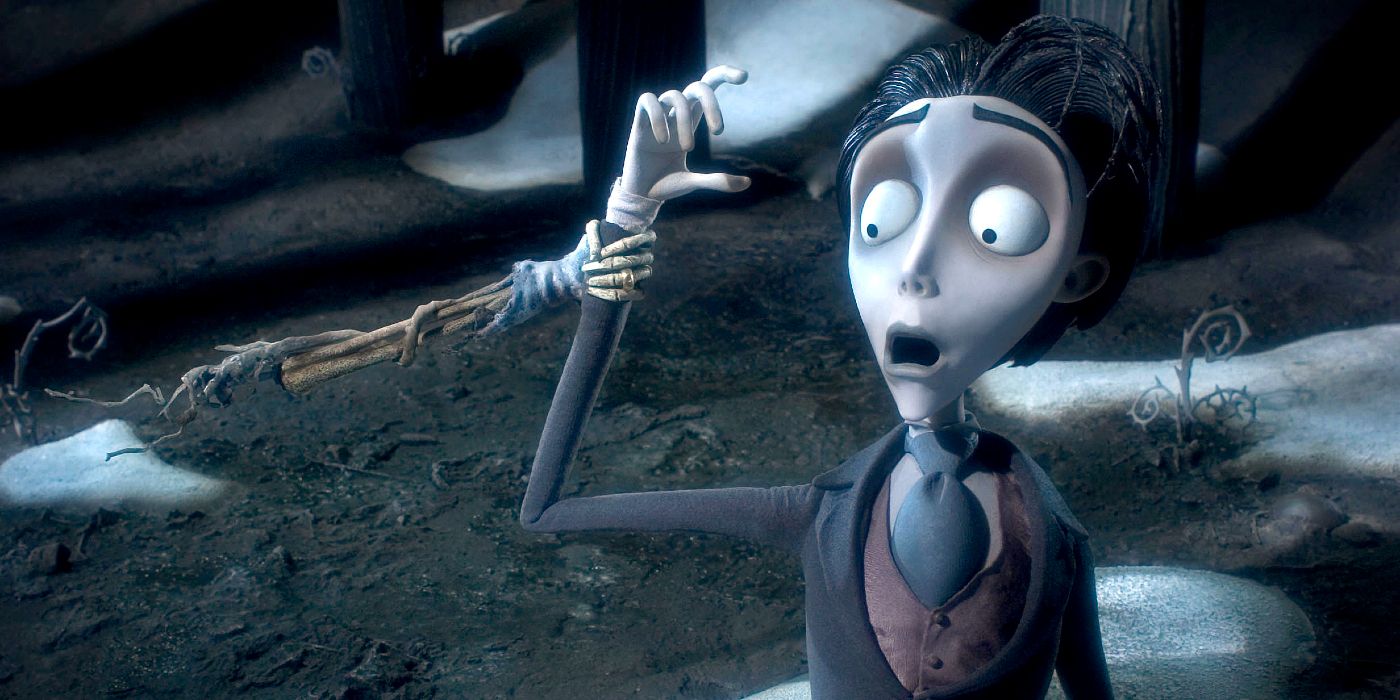
The movie has all the familiar elements of classic gothic stories and Tim Burton’s style – romance, death, murder, and betrayal. Corpse Bride is remarkably handmade, and Johnny Depp once again collaborates with Burton, voicing Victor Van Dort. Helena Bonham Carter brings the Corpse Bride to life with her voice.
Tim Burton’s Frankenweenie Is a Homage to Monster Movies
Tim Burton’s Frankenweenie, produced by Walt Disney Pictures, is a loving tribute to the old monster movies made by Universal Studios. Burton specifically aimed to capture the feel of the 1931 Frankenstein film, and he felt using black and white was crucial to achieving that classic, nostalgic look. The film creates an atmosphere that’s both welcoming and unsettling.
Frankenweenie reimagines the classic Frankenstein story, but centers it around a touching tale of a boy’s love for his dog. When Victor’s dog dies in an accident, he’s inspired by a science lesson on electricity to try and bring his beloved pet back to life. Burton blends this monster movie framework with a heartfelt story about loss and remembrance, resulting in one of his most striking and memorable films.
Read More
- United Airlines can now kick passengers off flights and ban them for not using headphones
- Gold Rate Forecast
- How to Complete Bloom of Tranquility Challenge in Infinity Nikki
- How to Solve the Glenbright Manor Puzzle in Crimson Desert
- 8 Actors Who Could Play Blackbeard In One Piece Live-Action Season 3
- How to Get to the Undercoast in Esoteric Ebb
- All Golden Ball Locations in Yakuza Kiwami 3 & Dark Ties
- A Dark Scream Theory Rewrites the Only Movie to Break the 2-Killer Rule
- Is Wuthering Heights a romance? Update on Margot Robbie movie controversy
- Every Main Character’s Age in Twilight
2025-12-11 19:11