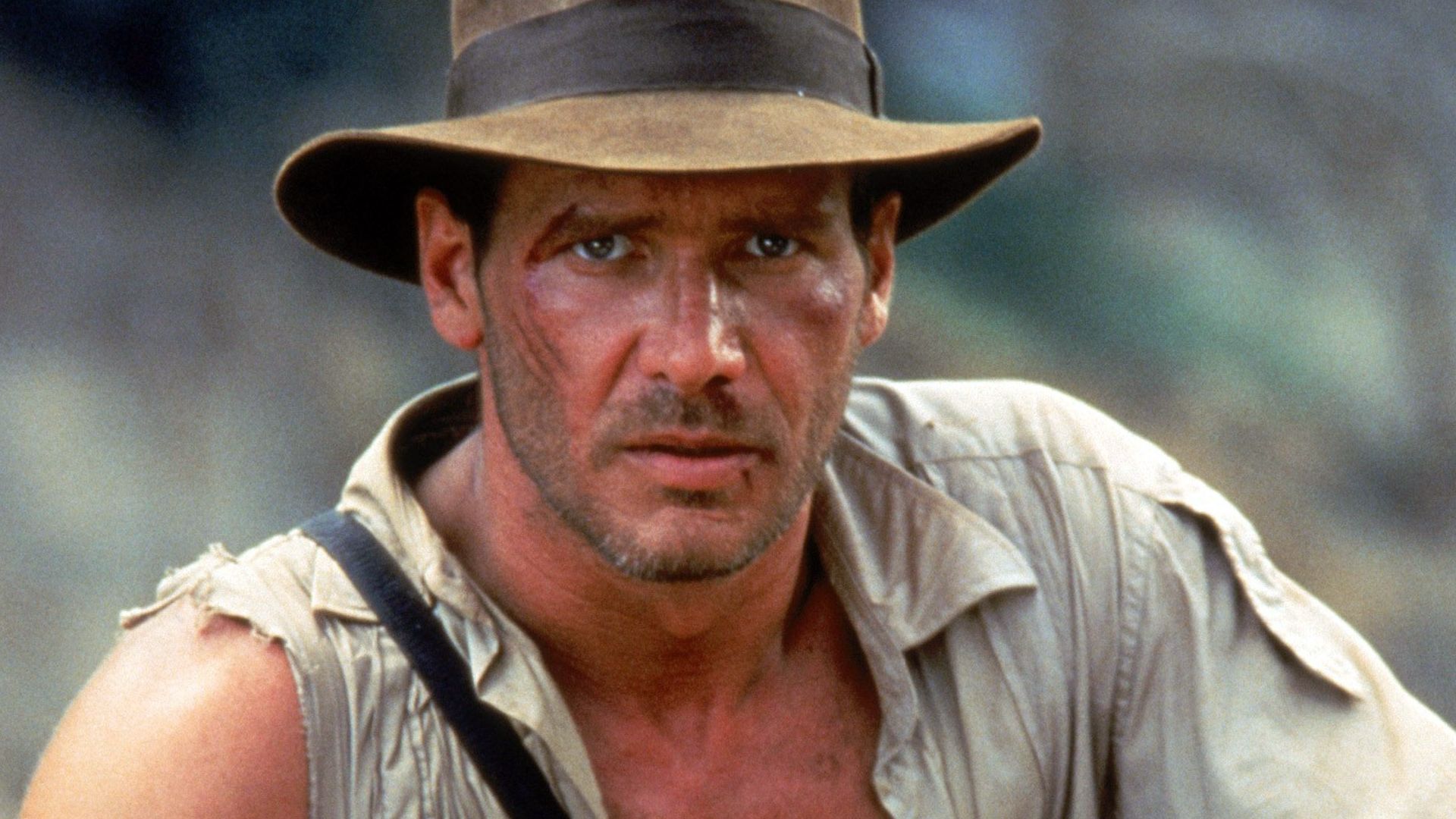
Over four decades, this franchise—including five films, a TV prequel, numerous novels, countless comic book appearances, video games, and theme park rides—has become a cornerstone of movie history. Created by George Lucas and Steven Spielberg, the adventurous archeology professor at its heart is now a recognizable figure in popular culture.
Dr. Henry Walton “Indiana” Jones Jr. is one of the most recognizable adventurers in film, famous for his fedora and whip. The first film, Raiders of the Lost Ark, truly changed the adventure genre with its exciting story, impressive special effects, and memorable characters. While the franchise remains a classic, even the original three movies are starting to feel a little dated when viewed through modern eyes, regardless of the later, more debated installments like Kingdom of the Crystal Skull and The Dial of Destiny.
Indiana Jones Didn’t Return All of His Artifacts
It’s wonderful to hear how Dr. Jones inspired so many people to become archaeologists, showing the power of film. However, archaeological practices have evolved a lot since the original movies were made. The famous line, “it belongs in a museum,” now seems problematic because it doesn’t consider the rights of the cultures these artifacts come from. Thankfully, Indiana Jones usually didn’t end up keeping the powerful objects he found, though he did briefly possess one at the end of Temple of Doom.
Indiana Jones claims to be motivated by doing good, but much of his work involves taking valuable objects from temples and communities for a museum run by his friend, Marcus Brody. The film opens with him stealing a golden idol from a lost Peruvian temple, which subtly suggests that the historical exploitation linked to archaeology is acceptable. Even though Indy later works to keep the Ark of the Covenant out of the hands of the Nazis, it doesn’t change the fact that he initially intended to steal it and donate it to his museum colleagues.
Indiana Jones and the Temple of Doom Has a Troubling Narrative Throughline
From the start of Indiana Jones and the Temple of Doom, the film clearly uses the “White Savior” trope. This becomes apparent when Indy, Short Round, and Willie stumble upon a poor village in the Indian jungle after their plane crashes, and the villagers immediately ask them to recover a holy stone and find the children who have been taken.
Even director Steven Spielberg considers Temple of Doom the most challenging of the original three Indiana Jones films to watch. The movie portrays the religious practices of a group as brutal and focuses on demonic possession and supernatural powers, ultimately suggesting the religion itself is inherently evil, rather than acknowledging it as a distorted version of beliefs still present in modern society.
Temple of Doom’s Grossest Scene is Also the Most Offensive
Temple of Doom has faced a lot of criticism over the years, particularly for how it portrays different cultures. One famously controversial scene shows Willie, Short Round, and Indy being served a disturbing banquet featuring live baby snakes, beetles, and even eyeball soup – and that’s before the chilled monkey brains arrive! This depiction of Indian culture upset many people, and the film was actually banned in India until it became available on home video.
Despite initial claims that the scene was intended as humor, it still feels awkward and problematic even today. It remains a significant instance of cultural misrepresentation within the franchise and continues to be a source of criticism.
Indiana Jones and Marion Ravenwood Have a Questionable Age Gap
Marion and Indiana Jones are considered one of cinema’s most memorable couples, despite their complicated relationship. From their very first scene together, there’s a hint of a shared history. Marion quickly mentions she had a childhood crush on Indy. This subtle connection is further explored in the novel adaptation of Raiders of the Lost Ark, which provides more detail about their early connection.
We learn that Marion and Indy began dating when she was only 15, and he was about ten years older. Their relationship ended when she was 17 and he was 27. Over the next ten years, Marion grew to resent Indy, realizing their relationship was inappropriate and that he was aware of it. Instead of taking responsibility, Indy suggests Marion was fully aware of what she was doing. Considering the significant age difference and Indy’s attempt to shift blame, their famous romance feels much more problematic and difficult to support in retrospect.
Willie Scott Suffered From an Overused Trend
Marion Ravenwood, a memorable early love interest for Indiana Jones, is often mentioned alongside iconic female characters like Sarah Connor, Ellen Ripley, and Leia Organa. She was a groundbreaking figure, showing women could be strong and independent instead of just stereotypical “damsels” or shallow characters – but this progress was quickly undone in Temple of Doom. Although Steven Spielberg wanted Karen Allen to reprise her role as Marion in the 1984 Indiana Jones prequel, George Lucas insisted on giving Indy a new love interest in each film, aiming to emulate the style of the womanizing James Bond.
Willie Scott, played by Kate Capshaw, fell into the tired “damsel in distress” trope. Her character was largely defined by screaming, complaining to Indiana Jones, and expressing constant disgust. Even Capshaw herself described Willie as little more than a stereotypical “dumb screaming blonde.” This lack of depth made Willie feel like a prop in the film, rather than a fully developed character.
Temple of Doom’s Violence Introduced a New Rating System
Most fans agree that Temple of Doom is the odd one out in the original Indiana Jones trilogy, with a noticeably different and darker feel than the other films.
When audiences saw Raiders of the Lost Ark, which had been rated PG, they were surprised by its intense violence, including scenes of human sacrifice and the harsh realities of child slavery. Many parents who brought their children to see the film complained, and as a result, the Motion Picture Association of America created the PG-13 rating just two months later.
Spielberg originally stood by his film, pointing out its title was Temple of Doom, not something gentler. However, he later acknowledged some scenes weren’t appropriate for young children. Unlike the adventurous tone of Raiders of the Lost Ark and The Last Crusade, Temple of Doom is a grittier film with a focus on intense action, graphic violence, and a darker, more frightening atmosphere thanks to its terrifying underground setting.
Indiana Jones Has Amazing Practical Effects That May Not be For Everyone
Viewers are now used to CGI that looks smooth but often feels artificial. In contrast, the team behind the original Indiana Jones films consistently delivered impressive practical effects, showcasing the creativity and skill that defined filmmaking before the widespread use of computer-generated imagery.
The Indiana Jones films are famous for their groundbreaking visual effects, like the melting faces in Raiders of the Lost Ark and the rapid aging scene in The Last Crusade. These effects have earned the franchise numerous awards. However, while longtime fans still enjoy them, modern audiences, accustomed to today’s computer-generated imagery, may not be as impressed when comparing them to more recent films.
Indiana Jones May (or May Not) Have Been Important in Raiders of the Lost Ark
Okay, so we all love seeing Indiana Jones beat up Nazis, right? But I recently came across this interesting take – it basically argues that Indy doesn’t actually matter to the story of Raiders of the Lost Ark. The idea is that even if Indy hadn’t gotten involved, the Nazis would still have found the Ark, opened it, and been wiped out by whatever’s inside. It’s a bit mind-bending when you think about it, especially since Indy is the one who originally led them on the path to finding the Ark in the first place!
Ultimately, the events surrounding the Ark prevented Hitler from obtaining it. After repeatedly frustrating Belloq and his team, the Nazis planned to open the Ark in a remote location before heading back to Berlin. It’s conceivable the Ark could have killed Hitler before the war even started, but it’s just as likely they would have figured out how to control its power, making them invincible by the time they reached Germany.
Many modern writers are taught that strong, proactive heroes are essential for good stories. So, discovering that their main character actually has no effect on the plot can feel like a betrayal of everything they believe in. Even if it’s true, realizing the hero doesn’t really change the outcome can make watching the movie again feel empty and pointless.
Found an error? Send it so it can be corrected.
Read More
- United Airlines can now kick passengers off flights and ban them for not using headphones
- All Itzaland Animal Locations in Infinity Nikki
- Katanire’s Yae Miko Cosplay: Genshin Impact Masterpiece
- How to Complete Bloom of Tranquility Challenge in Infinity Nikki
- How to Get to the Undercoast in Esoteric Ebb
- All Golden Ball Locations in Yakuza Kiwami 3 & Dark Ties
- Crimson Desert: Disconnected Truth Puzzle Guide
- A Dark Scream Theory Rewrites the Only Movie to Break the 2-Killer Rule
- Gold Rate Forecast
- 6 Ways Invincible Season 4’s Hell Episode Rewrites The Comics
2026-03-31 06:19