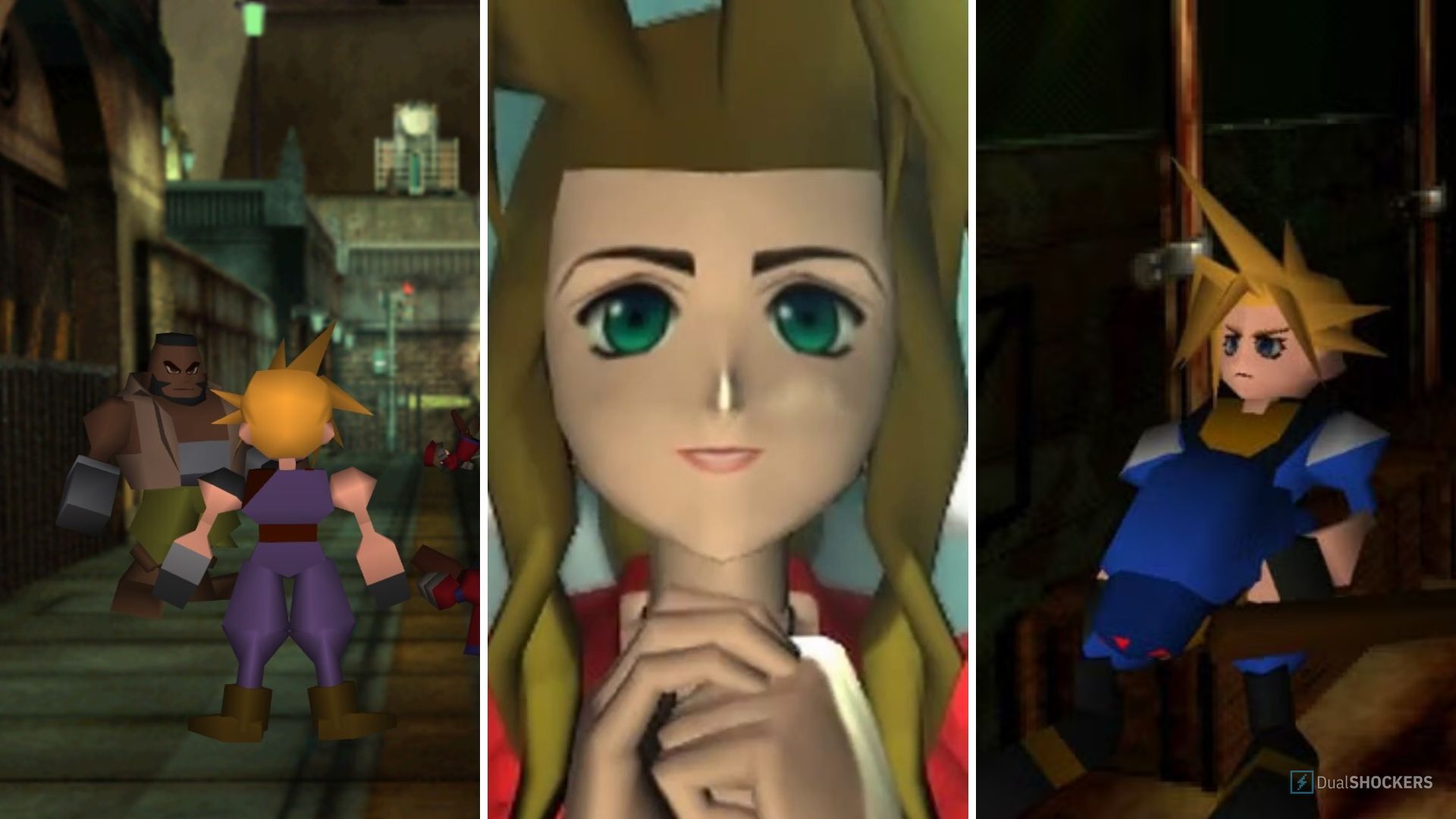
Final Fantasy VII was the game that first made me see video games as a truly advanced form of entertainment. Even with its fantastical character designs, the game’s environments were incredibly impressive. I was especially blown away by Midgar, the city that perfectly blended futuristic and gritty, slum-like elements, creating a uniquely vibrant and innovative world. It really laid the groundwork for what would become a legendary game.
Beyond the impressive environments, the game truly stood out thanks to its compelling story, memorable characters, and fantastic CGI cutscenes. The narrative was groundbreaking for its time and heavily influenced the storytelling in many games that followed.
Final Fantasy VII had story moments that were remarkably innovative for their time, and they still hold up beautifully today.
8. The Bombing Mission
Getting to the Action
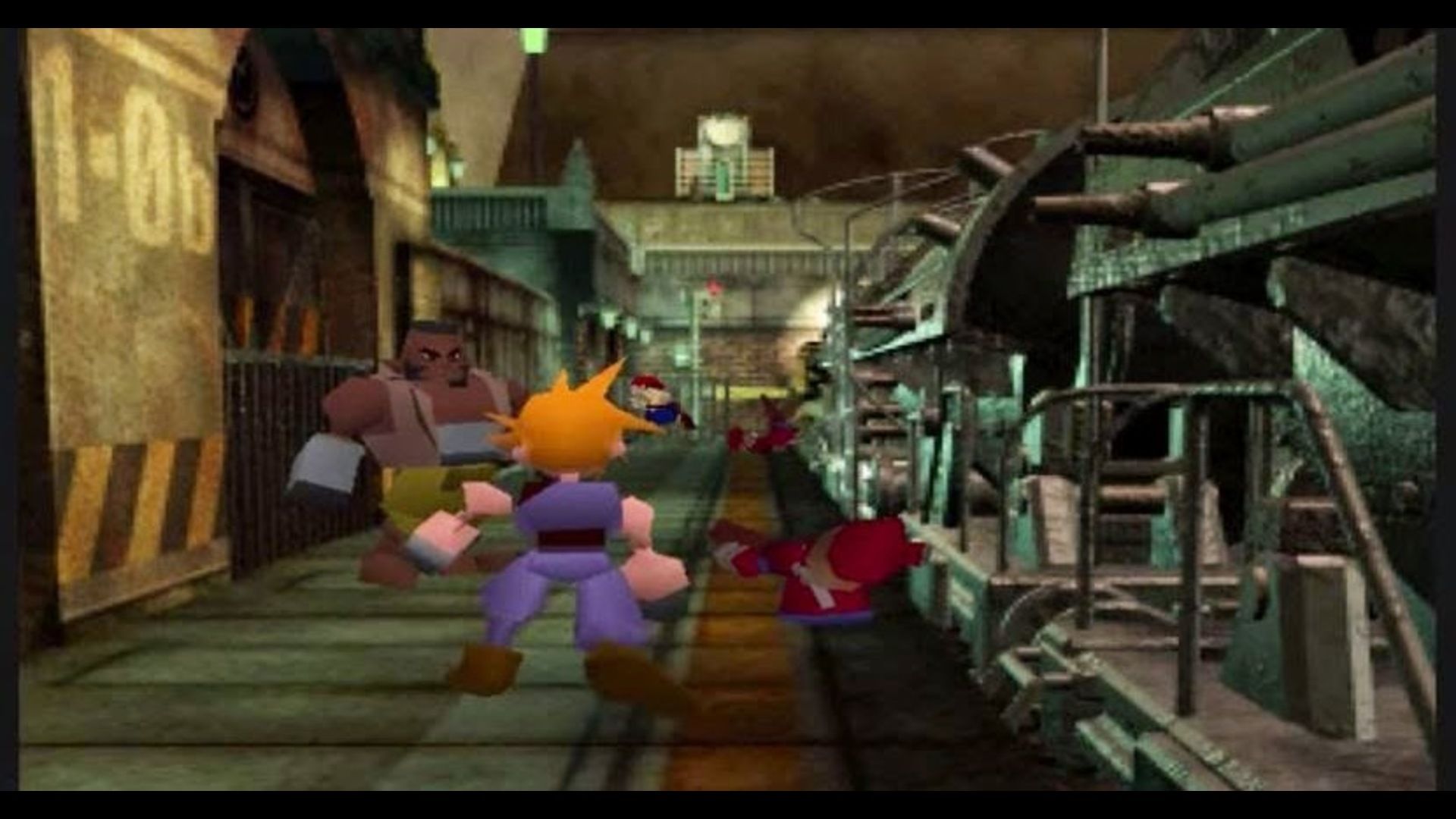
Many modern video games have trouble captivating players right from the start, and even highly-rated titles often struggle with this. Games like Red Dead Redemption 2, Metaphor: ReFantazio, and the upcoming Kingdom Come Deliverance 2 all take a while to really grab your attention. In contrast, Final Fantasy VII immediately immerses you in an exciting mission – blowing up what appears to be a nuclear reactor as part of a job.
From the very beginning, the game presents a serious and compelling story, throwing you right into a battle that showcases its exciting music and strategic turn-based combat – elements that would become hallmarks of many games to follow. This is something many Japanese role-playing games struggle to achieve, but Final Fantasy VII instantly grabs your attention and maintains that momentum throughout its epic journey.
7. Cloud Dress Up
Subverting Expectations
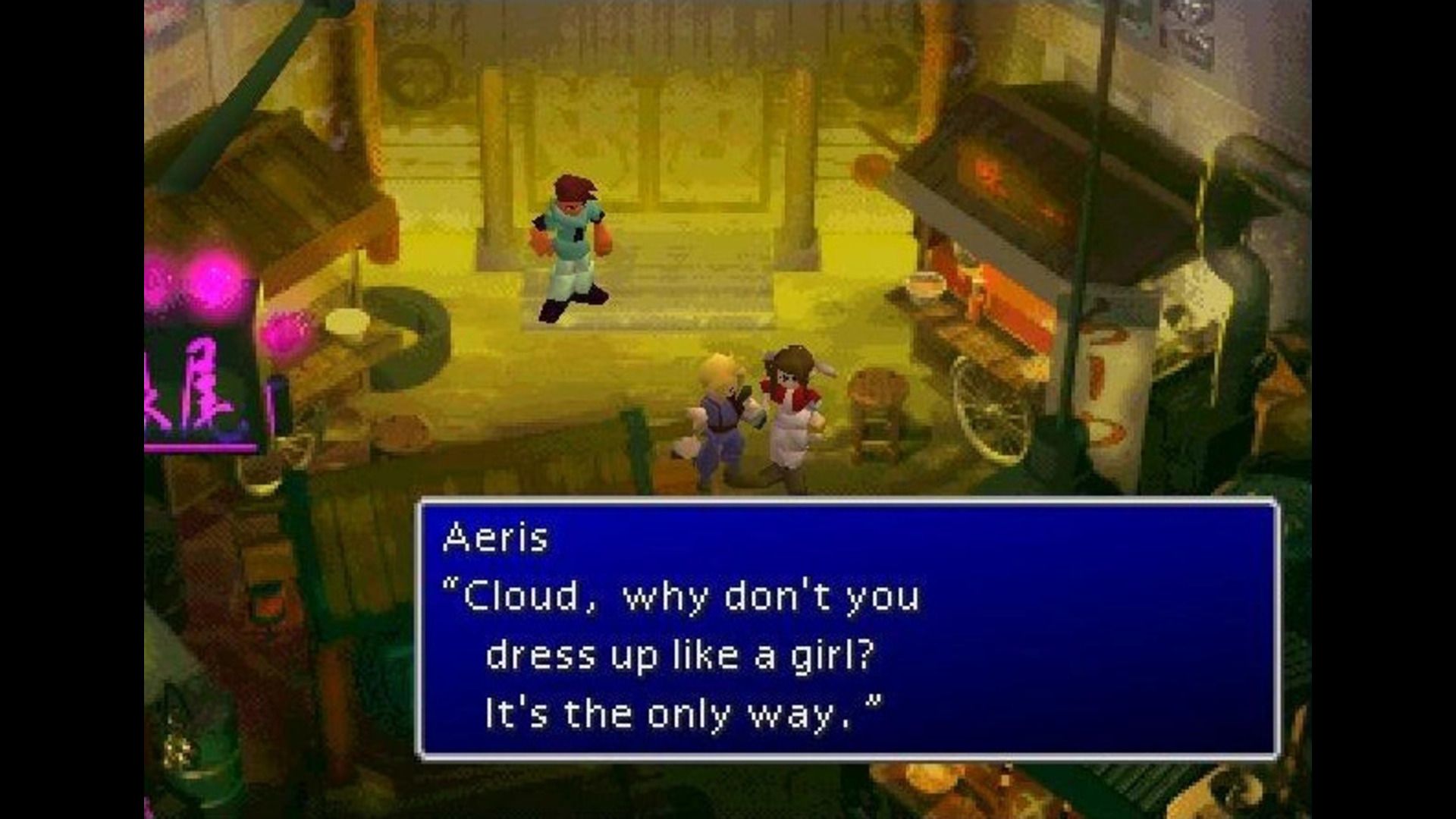
At the beginning of Final Fantasy VII, you’d probably expect a tough mercenary like Cloud to be fighting, not dressing in disguise. But surprisingly, that’s exactly what happens early in the game. To infiltrate Don Corneo’s mansion, Cloud has to dress as a woman, and it’s a memorable and clever moment in a game filled with great storytelling.
Back when the gaming world heavily focused on traditionally masculine heroes, this scene felt remarkably progressive—and it still does. The game boldly let its cool and confident protagonist do whatever it took to succeed, even if it meant enduring embarrassment. It’s a moment players still remember vividly, and the recent remake amplified it with exciting visuals and presentation.
6. Motorcycle Madness
Road Rage
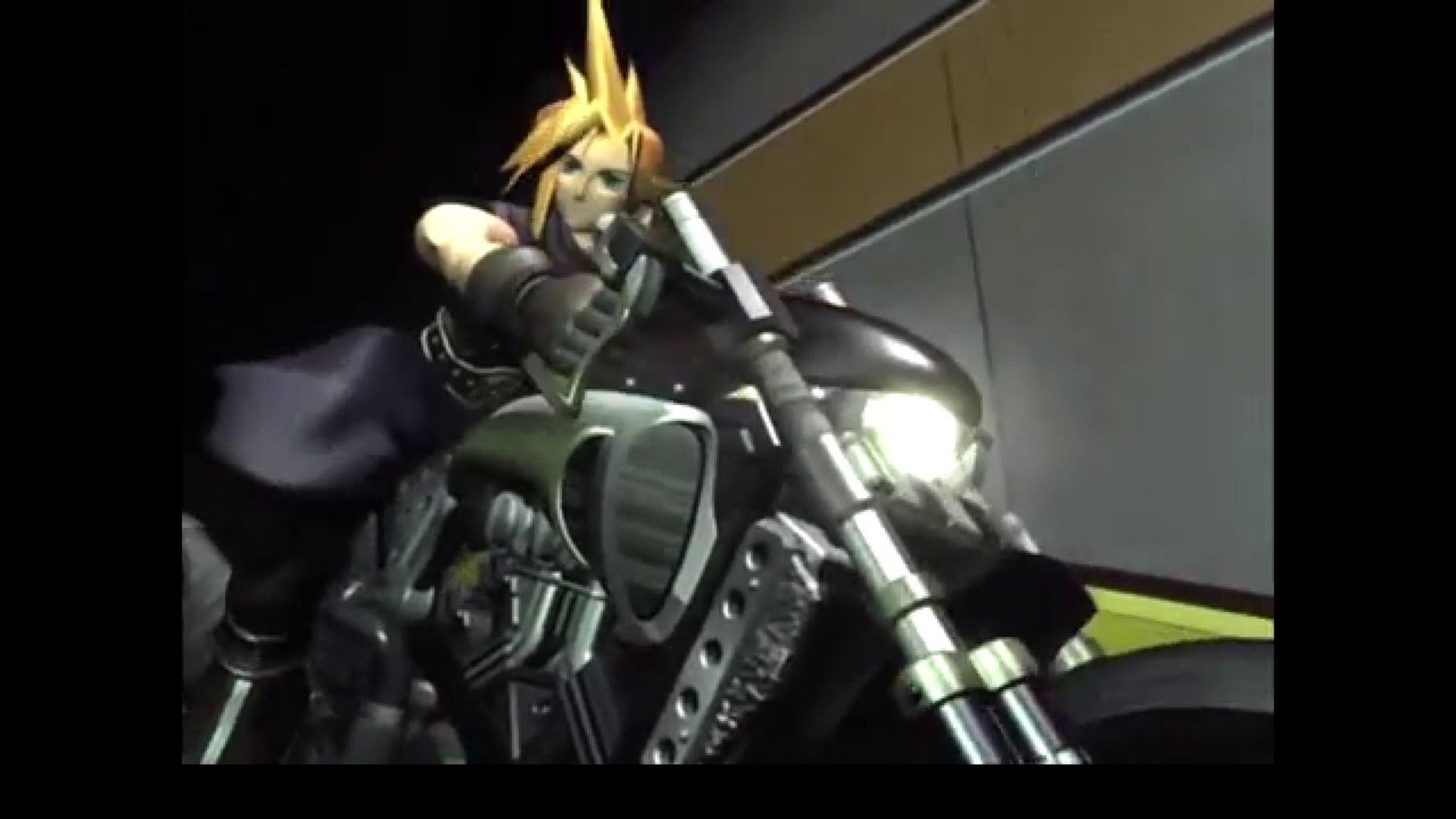
The Final Fantasy series traditionally built its stories in detailed, medieval-style fantasy worlds, occasionally mixing in science fiction elements. But Final Fantasy VII broke that mold, deciding to be anything it wanted to be. The motorcycle chase scene perfectly illustrates this shift. It’s a fast-paced, modern, and even futuristic sequence that feels completely different from anything players experienced in the earlier Final Fantasy games. No one could have predicted a scene like that in the original titles.
This section culminates in a really exciting minigame, bringing a fantastic segment of the game to a close. It felt incredibly modern, like something out of the near future. Although the gameplay was simple, the accompanying animated cutscenes were stylish and cool in a way few games had achieved before. It was a perfect ending to the Midgar portion, and a great launchpad into the rest of this classic game.
5. Cloud’s Coma
The Main Character Gets Benched
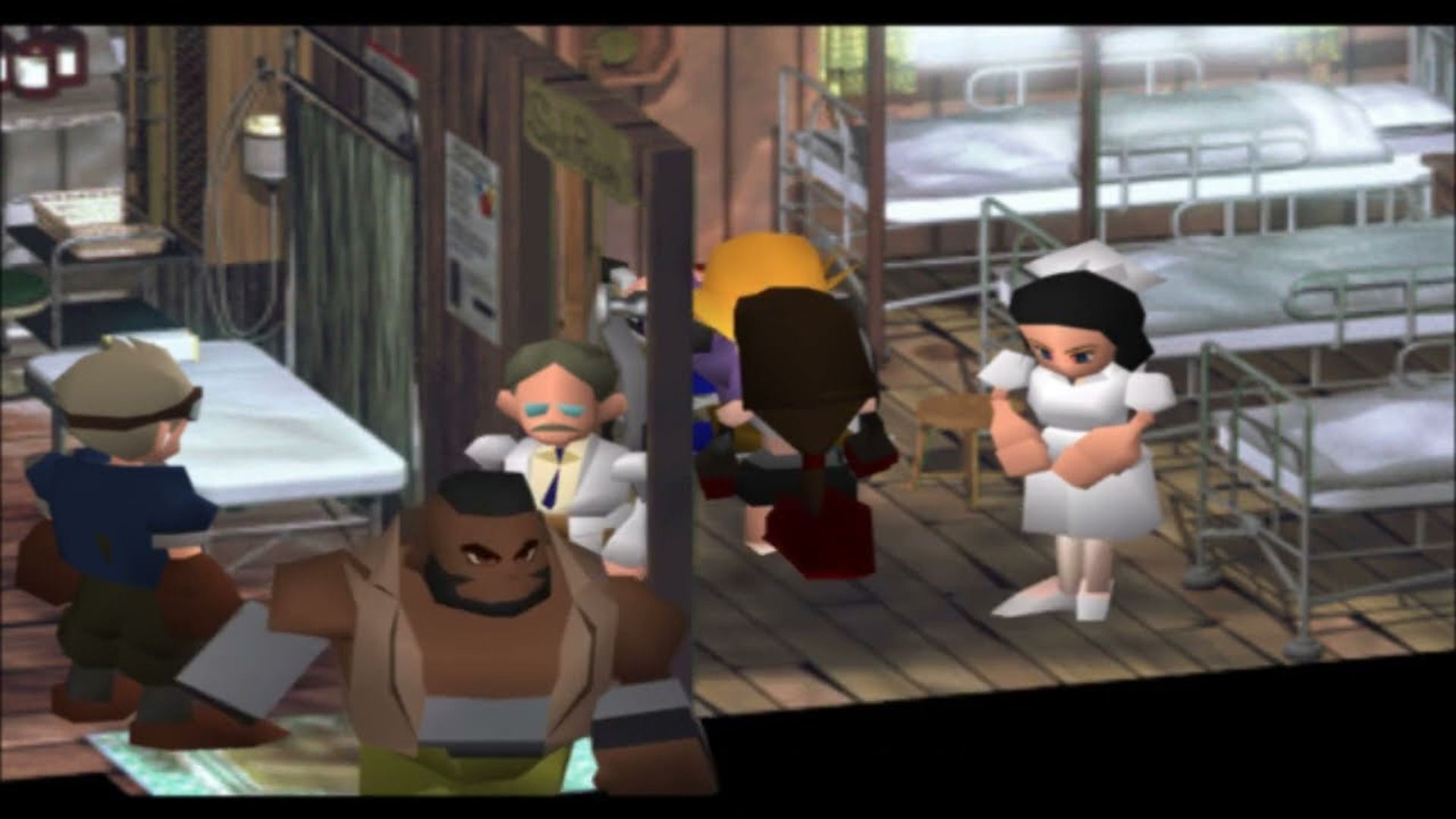
Cloud’s fall into the Lifestream in Final Fantasy VII is a truly memorable scene. When he’s pulled out, he’s deeply affected, almost in a coma brought on by Mako exposure. This forces him to step back from leading the group, allowing Cid to take charge and giving supporting characters a chance to develop and stand out.
This was a brilliant storytelling decision that truly elevates the characters, cementing their heroic status. It’s rare to see a main character sidelined for a significant part of a game these days. The last time I remember it happening was in a game made by a French developer, one clearly influenced by classic Final Fantasy titles. It was a risky move, but it worked wonderfully, and it’s still something most games shy away from.
4. The Trail of Blood
Something Sephiroth This Way Comes
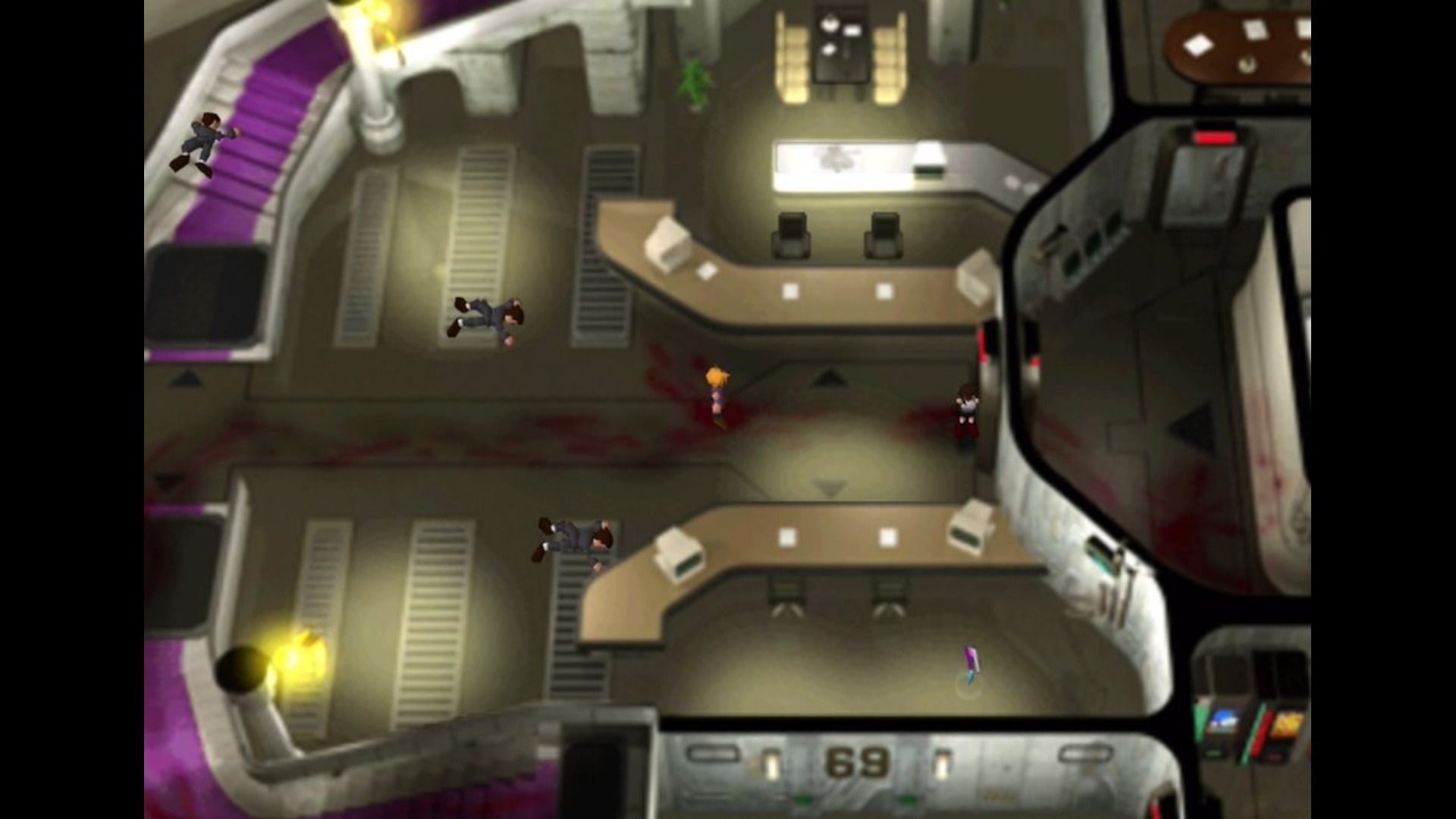
Previous Final Fantasy games had touched on darker themes, but this moment was a real turning point – one many players weren’t expecting. Reaching the top of Shinra Tower for the first time, you discover President Shinra has died in a scene straight out of a horror film. The cause of death isn’t immediately obvious, but it’s clearly something terrifying, and Cloud seems to have some understanding of what happened.
Okay, so there was this point in the game where everything shifted. Up until then, we were playing as this team of, well, eco-terrorists trying to save the planet. But then we found this trail of blood, and it was seriously creepy. It totally changed the stakes – it wasn’t just about fighting the big corporations anymore, something way scarier was happening. Honestly, it set the tone for the rest of the game perfectly and it’s one of those moments that’s stuck with me for years. I’ve even seen other games, like Metal Gear Solid the next year, try to recreate that same feeling.
3. Fake it Till You Make it
Cloud’s Living a Lie
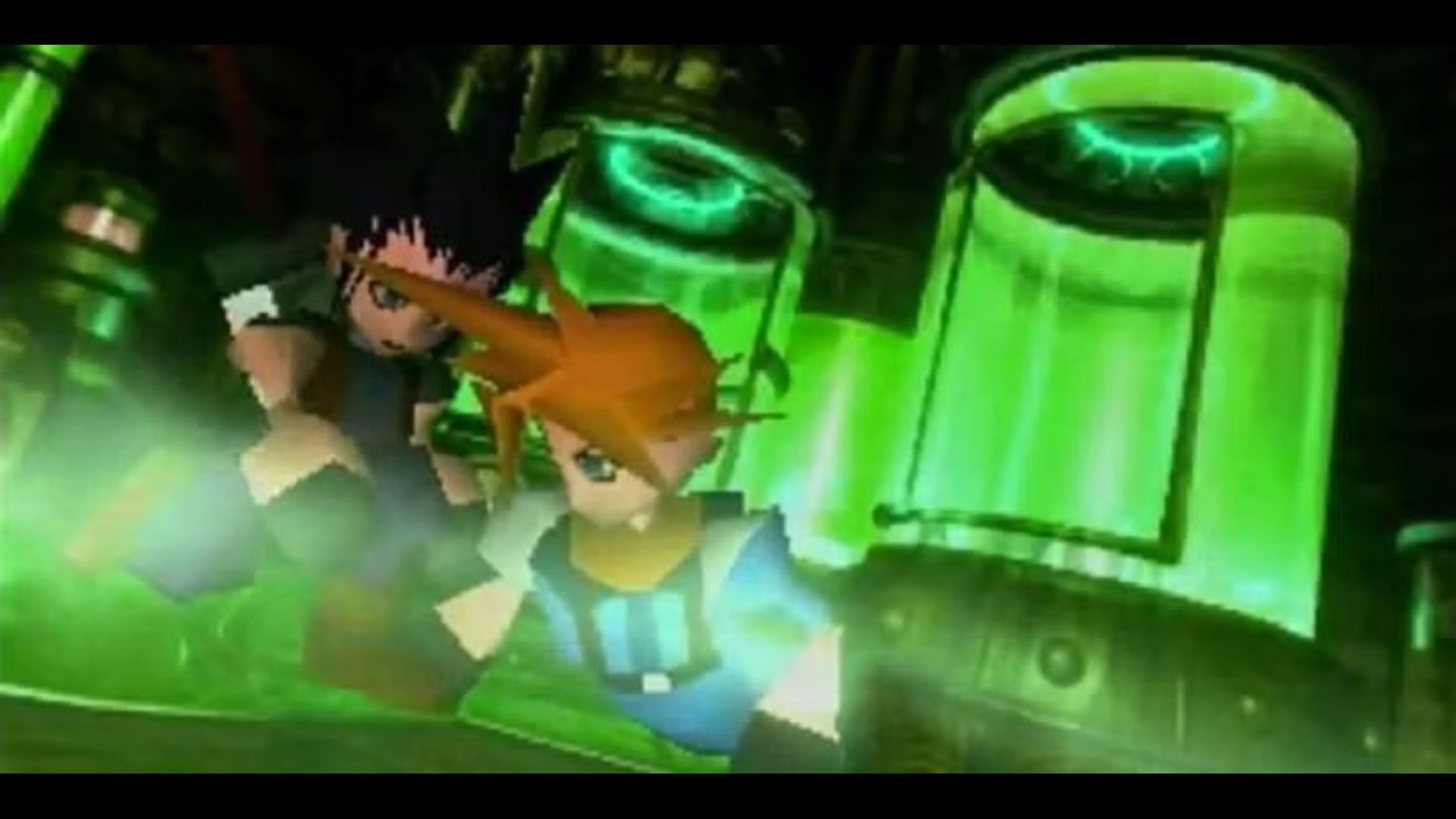
Throughout much of the game, Cloud appears as a tough and emotionally distant character, and that’s how players initially perceive him. But as the story unfolds, it becomes clear this is an act. He’s deeply traumatized and, in a way, is pretending to be his deceased friend, Zack Fair, who was a true hero and a first-class SOLDIER.
This scene is a turning point in the game, completely changing how you view everything that’s happened so far and revealing why Aerith is so drawn to Cloud. It’s a powerful moment because it shows that Cloud isn’t the strong, confident person he pretends to be; he’s built a false persona that has actually hidden his true self from even himself. It’s incredibly impactful, handling themes of mental health with nuance and driving significant character development.
This story choice is incredibly bold, something most game developers would avoid these days. It’s the kind of decision that could have caused a huge uproar on social media in the past, and might again when it happens in the third game. Still, Square Enix seems to be the only company willing to take such a risk.
2. Sephiroth’s Fateful Plunge
Aerith’s Sacrifice
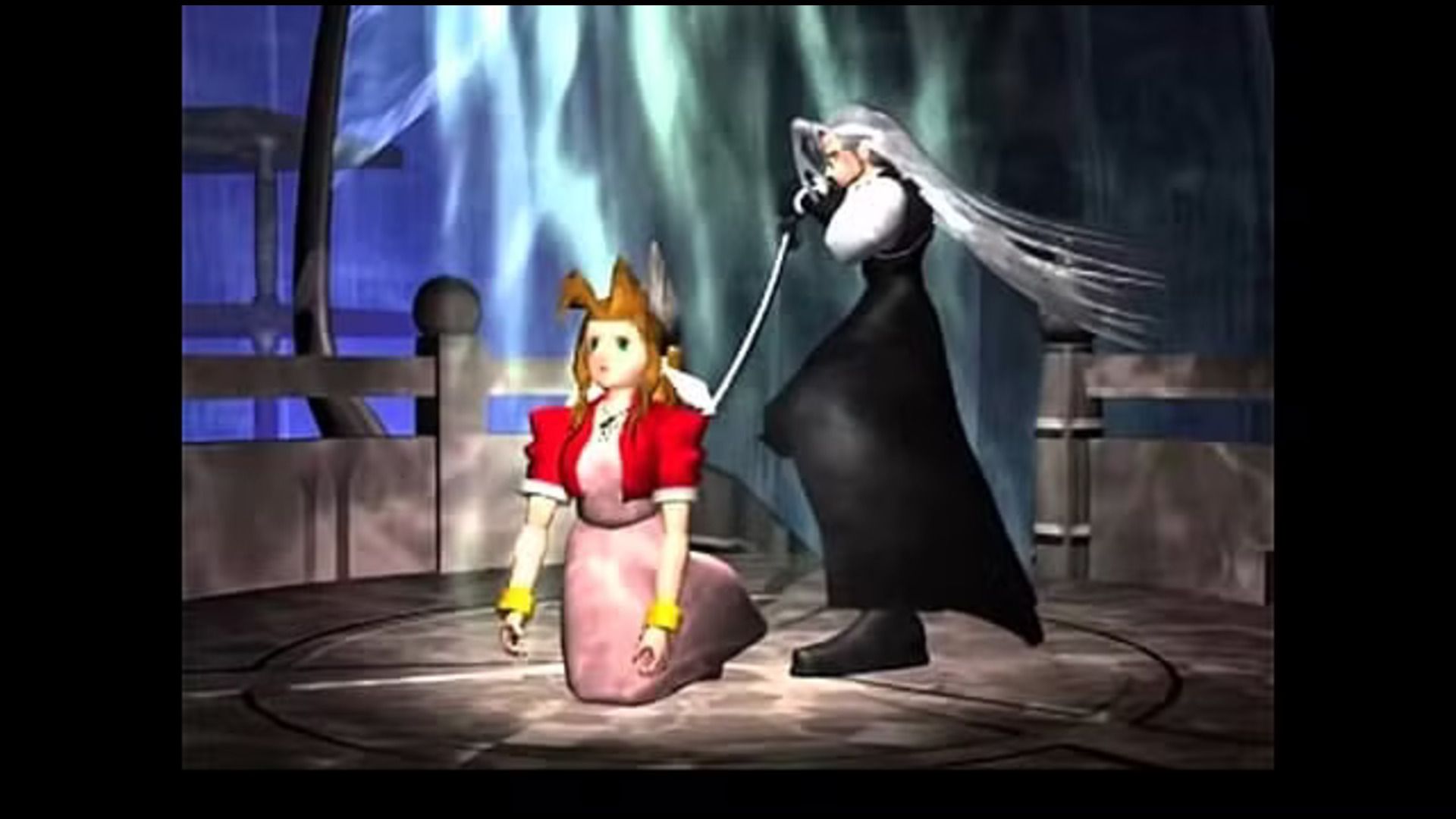
Although characters had died in games before, and even in previous Final Fantasy titles, Aerith’s death was uniquely impactful. She was a genuinely innocent character – the sweet flower girl who develops feelings for Cloud, and who is haunted by a tragic past. The revelation that she’s one of the Ancients, combined with her desperate attempt to prevent the world’s destruction by Meteor, made her fate all the more heartbreaking.
Subscribe for Deep Dives on Game Storytelling
While Aerith is praying, Sephiroth crashes through the ceiling, immediately attacking with his Masamune sword in one of the most shocking moments in video game history. Her death was incredibly sad, especially considering she was already a sympathetic character. This event powerfully defined both Aerith and Sephiroth, solidifying him as a truly villainous enemy.
For nearly 30 years, gamers haven’t forgotten this particular scene. It involved a surprising strategy that modern games generally avoid, because players would likely react very negatively. If social media like Reddit had existed back then, the reaction would have been explosive! It’s disappointing that the recent remake altered this moment, ultimately making it far less memorable than the original.
1. You Lose
Meteor Hits
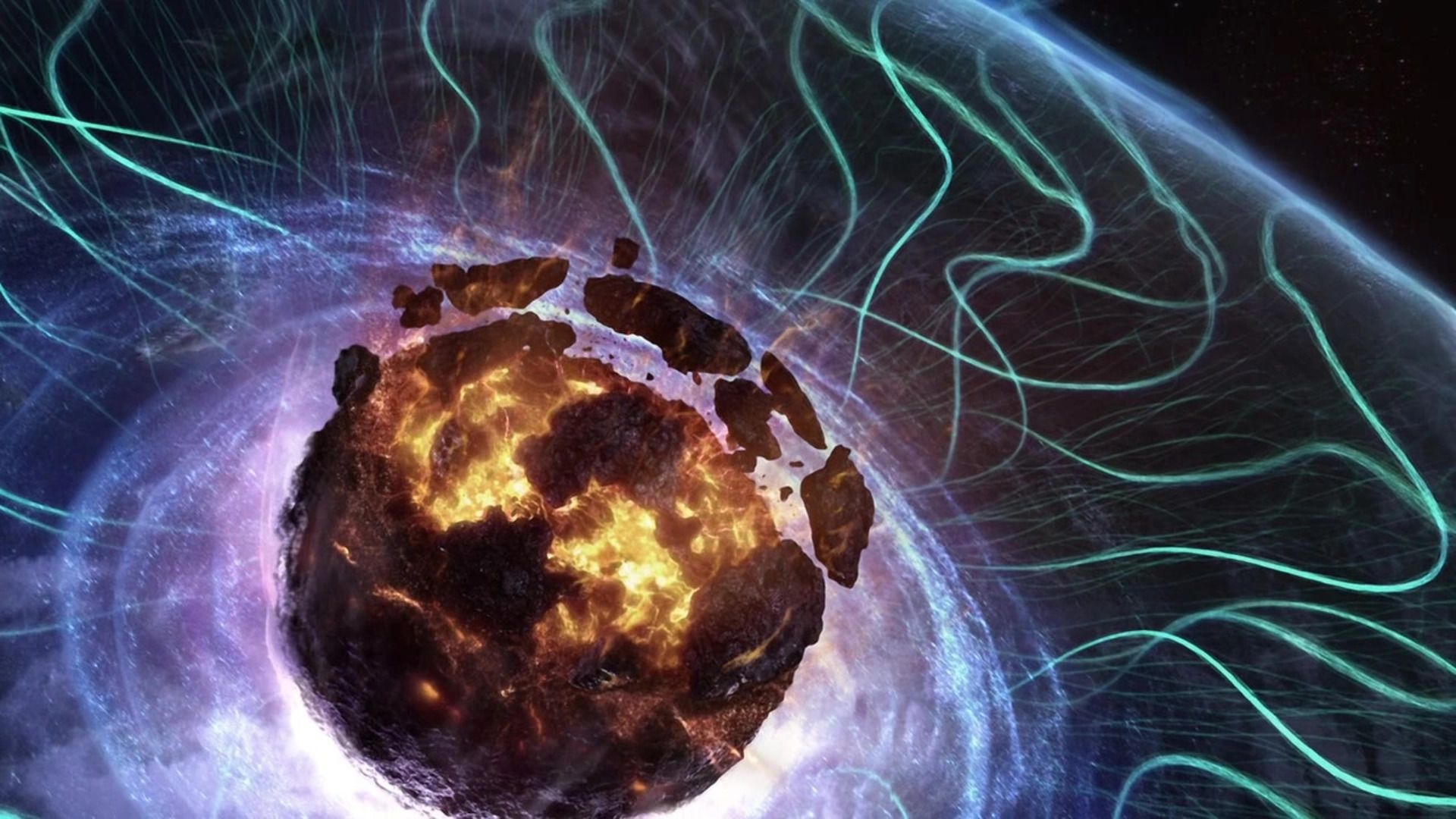
It’s unusual for a story about saving the world to end in failure, but that’s precisely what happens in the original Final Fantasy VII. The villain, Sephiroth, brings down Meteor, and while Holy appears to counter it, their clash seems to destroy all of humanity. While the movie later added a plot point about survivors, the game itself concludes with the implication that everyone perished in the resulting destruction.
This ending was shockingly bleak, and it’s clear most games since have been hesitant to deliver something similar. While ‘bad endings’ are common, few games truly show a scenario where all efforts were ultimately meaningless. Though Red XIII and his pack survive, the ending suggests all other life on the planet is extinguished. It was a bold move for Final Fantasy VII to take this risk three decades ago, and it’s a direction most games still avoid today.
Read More
- United Airlines can now kick passengers off flights and ban them for not using headphones
- How to Complete Bloom of Tranquility Challenge in Infinity Nikki
- Gold Rate Forecast
- How to Solve the Glenbright Manor Puzzle in Crimson Desert
- 8 Actors Who Could Play Blackbeard In One Piece Live-Action Season 3
- All Itzaland Animal Locations in Infinity Nikki
- All Golden Ball Locations in Yakuza Kiwami 3 & Dark Ties
- A Dark Scream Theory Rewrites the Only Movie to Break the 2-Killer Rule
- All 10 Potential New Avengers Leaders in Doomsday, Ranked by Their Power
- DC Comics’ Absolute Two-Face and Absolute Penguin Confirmed
2026-03-26 17:41