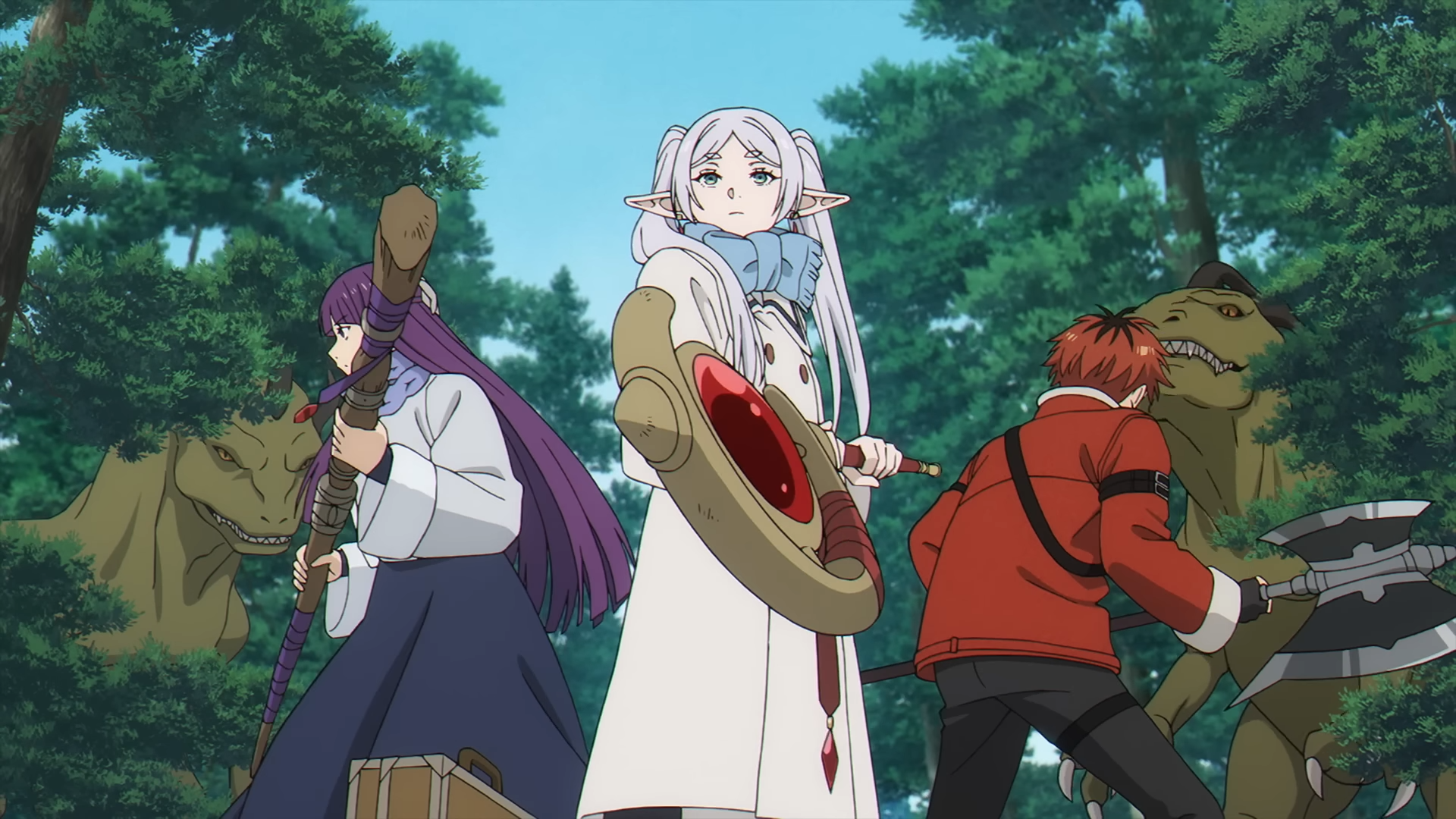
There’s a reason certain story elements – like rivals, tragic villains, destined heroes, and fated romances – have become staples. They’re effective, and still resonate with audiences today. However, modern anime are doing something different: they’re using these familiar tropes as starting points, not strict formulas. Instead of simply repeating what’s been done before, creators are subverting expectations, exploring new angles, and crafting unique emotional experiences.
This change is one reason why some recent anime are being hailed as exceptional. The best new anime are remarkably self-aware; they recognize audience expectations and cleverly subvert them to evoke surprise, connection, or even unease. They might deliberately pace things slower when viewers anticipate action, or they might deconstruct well-known genres to reveal their underlying structures. These series maintain the enjoyable elements of classic anime while reimagining previously unquestioned conventions.
Pluto Turns the Boy Robot Classic Into a Grown-Up Noir Tragedy
Inspired by classic robot stories that often feature pure, heroic, and lovable machines, Pluto takes a darker approach. Instead of a hopeful robot striving for humanity, the series centers on a detective investigating disturbing and seemingly unavoidable murders. It flips the typical ‘robots want to be human’ idea, instead exploring the damage humans have already inflicted upon them.
The anime Pluto explores the idea that artificial beings can experience deep emotional pain, like trauma and grief, rather than simply being portrayed as innocent or powerful. Even the central mystery challenges expectations, with each clue exposing difficult truths about war and manipulation. Pluto demonstrates that a familiar story can feel fresh when told with maturity and nuance. The series expertly builds suspense and then challenges viewers to confront uncomfortable feelings.
Bocchi the Rock! Reinvents the Shy Girl Trope With Brutal Honesty
I’ve seen the ‘shy character’ trope in anime a million times – you know, the awkward girl messes up, everything resets, and it’s played for laughs. But Bocchi the Rock! is something different. It takes that familiar setup and actually deals with the anxiety, without sacrificing the humor! It doesn’t just make social anxiety a cute quirk; it shows you what it feels like. When Bocchi spirals, the animation goes wild – it’s all these crazy cutaways and shifts in style that perfectly capture that feeling of total embarrassment being a full-on emergency. It’s brilliant!
I’m absolutely loving this show! It’s hilarious, but what really gets me is that the humor comes from understanding and kindness, not making fun of anyone. And the music isn’t just background noise – it actually means something, and the friendships feel real. It’s so refreshing that Bocchi doesn’t magically become a confident performer overnight; the anime doesn’t try to tell us one brave moment fixes everything. That slow, realistic growth is what makes this series so special, honestly. Bocchi the Rock! takes a familiar story and adds genuine emotional weight to it, and it’s brilliant.
Vinland Saga Refuses to Let the Revenge Hero Stay Vengeful Forever
Many stories follow a pattern where a main character struggles, becomes stronger, and ultimately finds release through conflict. Vinland Saga starts with this familiar idea, but it quickly turns the trope on its head. As the story progresses, revenge becomes less of a motivator and more of a destructive force. The protagonist, Thorfinn, loses his hardened exterior and is left with feelings of regret, a sense of emptiness, and the challenge of finding a new purpose in life.
Instead of celebrating battles, this anime delves into the emotional and spiritual toll of violence, and the hard work of breaking free from its endless loop. It flips the script on typical anime tropes. Characters don’t just train to become more powerful; they train to heal. Strength isn’t about overpowering others, but about self-control. For the main character, Thorfinn, true victory isn’t winning a fight – it’s becoming a person who no longer needs to fight.
Mob Psycho 100 Flips the Overpowered Protagonist Trope Into a Story About Self-Worth
Stories often feature incredibly powerful main characters simply to show off their abilities. We watch them defy limitations, anticipating an even stronger challenge. However, Mob Psycho 100 takes a different approach. While Mob is exceptionally powerful, the story isn’t about him using his powers to solve his problems. Instead, it focuses on his struggle to find himself and understand his worth beyond his abilities.
Mob isn’t just afraid of losing; he’s terrified of becoming someone who intentionally hurts others with his power. This makes the show’s action sequences more than just fights to win—they’re about Mob’s internal struggle to maintain his kindness and stay grounded, even while possessing immense power that could easily corrupt him. The show also offers a fresh take on the typical mentor figure. Reigen, who initially seems like a source of comedy, actually becomes Mob’s guide for navigating his emotions.
Oshi no Ko Rewrites the Idol Anime Formula With Brutal Industry Truths
Idol anime usually focus on themes like glamour, friendship, and the dream of being loved. Oshi no Ko starts with that appealing image, but quickly reveals the harsh realities behind it. Rather than presenting the entertainment industry as a fun and innocent world, the show portrays it as a ruthless system that can exploit people while maintaining a cheerful public face. It cleverly subverts many common storytelling conventions.
The show’s popularity quickly turns into a story of manipulation and carefully crafted appearances. The focus on the young star serves as a warning about adults taking advantage of innocence. Even the theme of rebirth is twisted into a tool for revenge and a way to explore past trauma. What truly makes Oshi no Ko stand out is how skillfully it’s made. It seamlessly blends glamour, humor, and heartbreak, and this mix of tones makes its criticisms all the more impactful.
Chainsaw Man Makes the Shonen Hero Feel Uncomfortably Ordinary
Most traditional action heroes strive to be the best, fueled by grand dreams and a desire to inspire. But Denji, the protagonist of Chainsaw Man, has much simpler goals: food, shelter, and control over his own body. The series portrays ambition as something molded by hardship and doesn’t shy away from showing Denji’s self-serving motivations. In fact, his straightforward desires highlight just how unfair and exploitative the world around him truly is.
The show highlights how readily people can be manipulated when they’ve consistently lacked basic comfort. It also masterfully shifts in tone, moving from darkly comedic to genuinely heartbreaking. Characters connect, only for the narrative to subvert the notion of secure relationships. Even action sequences are different – instead of being glamorous, they’re often brutal and reflect desperation. It’s like the raw energy of action-adventure stories, but stripped of any fantastical elements.
The Quest Coming to an End is a Trope That Frieren Flips On Its Head
Many fantasy anime focus on the quest to defeat a Demon King. But Frieren: Beyond Journey’s End starts after that battle, with the heroes going their separate ways – a unique approach for the genre. What really sets it apart is its focus on time. Because Frieren is an immortal elf, even seemingly small moments carry a lot of emotional weight, turning ordinary scenes into powerful experiences.
This anime challenges the typical fantasy story where defeating the villain is the ultimate goal. Instead, it shows heroism as something that continues after the battle, not as its conclusion. Character development isn’t about getting stronger through fighting; it happens through introspection, dealing with loss, learning from others, and remembering the past. Frieren demonstrates that anime can be truly innovative by revisiting a standard ending and exploring its deeper implications for the future.
Found an error? Send it so it can be corrected.
Read More
- United Airlines can now kick passengers off flights and ban them for not using headphones
- Crimson Desert: Disconnected Truth Puzzle Guide
- Katanire’s Yae Miko Cosplay: Genshin Impact Masterpiece
- How to Get to the Undercoast in Esoteric Ebb
- All Golden Ball Locations in Yakuza Kiwami 3 & Dark Ties
- All Itzaland Animal Locations in Infinity Nikki
- HBO’s Harry Potter Is Already Breaking My Heart
- Zendaya’s 4 Big 2026 Movies Could Beat Brie Larson’s Box 2019 Office Record
- Gold Rate Forecast
- All 9 Coalition Heroes In Invincible Season 4 & Their Powers
2026-03-12 19:13