What makes science fiction so compelling is its ability to explore real-world anxieties and concerns through imaginative stories. By using metaphors, writers can highlight issues that might seem obvious to many, as seen in shows like…
As a critic, I’ve seen a lot of episodes really resonate with viewers when they first air. But occasionally, a truly special episode comes along – one that doesn’t just connect now, but feels decades ahead of its time. There are a few standout examples that have only grown more powerful over the years, and honestly, I think everyone should experience them at least once. They’re just that good.
In “The Constant,” Lost Deviated From Its Formula
Many fans and critics consider “The Constant” to be the best episode of Lost. It significantly boosted the popularity of the character Desmond Hume, who had already become a favorite among viewers. The episode was unique because it combined complex science fiction – sending Desmond’s mind erratically between 1996 and 2004 – with a deeply moving love story.
“The Constant” remains a fan favorite for good reason. Beyond its compelling story and clever use of time travel – which would become important later in the series – the episode is essential viewing because it demonstrates how a show can reach its peak by breaking its own established patterns. Unlike typical episodes, it didn’t rely on familiar transitions or feature the main characters, creating a fresh, exciting, and unpredictable experience.
Black Mirror’s “Nosedive” Feels Even More Relevant Than Ever
Episodes of Black Mirror are often very different from one another in terms of how good they are, their overall feel, and how accurately they predict the future. One episode particularly stood out for capturing a key aspect of modern culture. This was the first one Netflix produced after the show had already aired two seasons on Channel 4 in the UK. It featured a bigger budget and a well-known star, Bryce Dallas Howard, in a story that criticized society’s obsession with constantly rating everything.
The core idea of this episode – an eye implant that lets people constantly rate each other, effectively determining social status – is one of the show’s most brilliant concepts. It’s a darkly funny take on how obsessed we are with comparing ourselves to others online. The episode highlights how extreme opinions – like giving someone a very low rating for a minor, often imagined, offense – are actually valued more than fair assessments. With social media becoming increasingly dominant in our lives, this episode, titled “Nosedive,” feels more relevant and important than ever before.
“Ghost in the Machine” is a Better X-Files Episode 33 Years Later
I remember when The X-Files first hit TV in 1993 – it was a total phenomenon, everyone tuned in every week! It’s funny, though, because one of the very first episodes, “Ghost in the Machine,” didn’t get much love from critics back then. Written by Howard Gordon and Alex Gansa, it’s about Mulder and Scully investigating some really strange murders at a tech company. Turns out, the building’s main computer system was the real culprit!
When “Ghost in the Machine” first aired, some critics didn’t like that it used an evil AI as the villain, drawing comparisons to other stories. But 20 years later, it was named one of the 13 best X-Files episodes by The Guardian, suggesting that a greater understanding of AI has actually made the episode more appreciated. With AI becoming increasingly common in our lives, “Ghost in the Machine” feels more relevant and important to watch now than ever before.
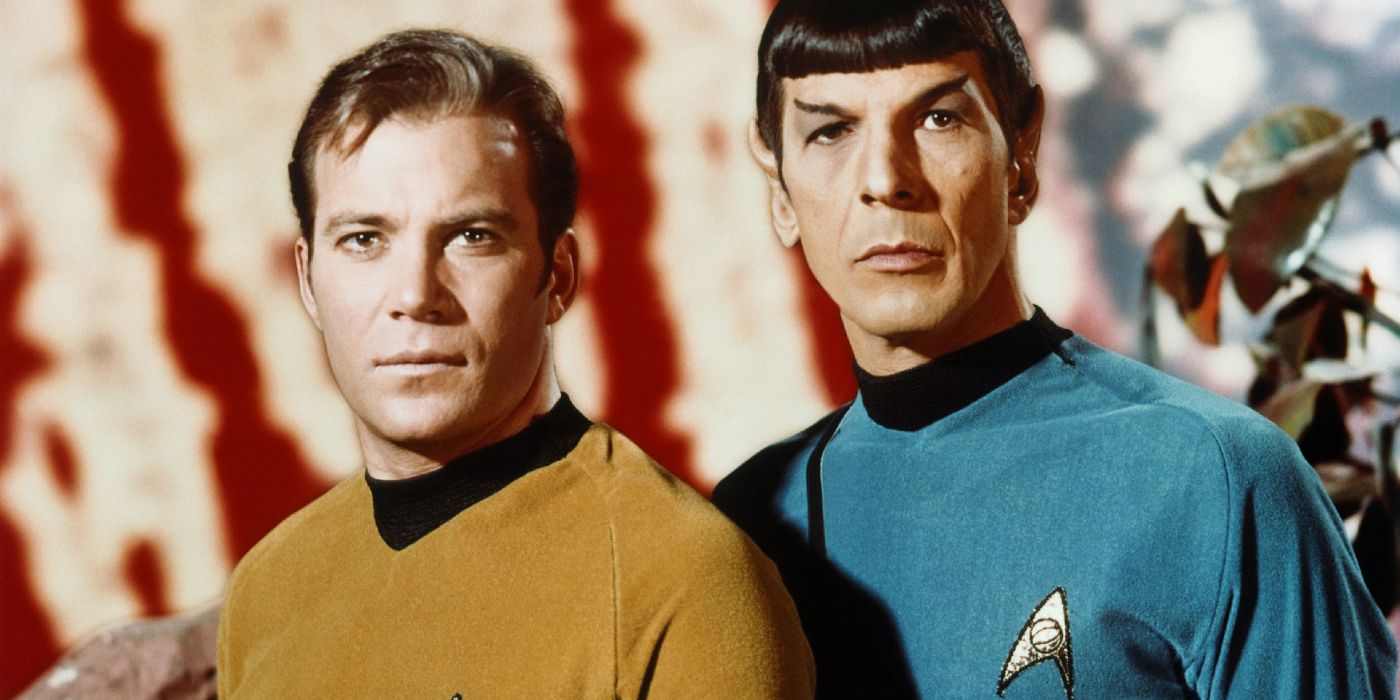
Star Trek’s “The City on the Edge of Forever” Is a Precursor to Modern Prestige Sci-Fi TV
Back in the 1960s, each episode of the original Star Trek usually cost about $185,000 to make. However, the episode “The City on the Edge of Forever” was more expensive, costing over $250,000, according to the show’s creator, Gene Roddenberry. Despite going significantly over budget and taking longer to film than planned, it became one of the
This Star Trek episode sent Spock, Captain Kirk, and Dr. McCoy back to 1920s New York City. The story featured a deeply moving romance between Kirk and Edith Keeler (played by Joan Collins), but Kirk had to make the difficult choice to let her die to prevent changes to the future. Many consider “The City on the Edge of Forever” to be a key influence on the complex, character-driven science fiction shows we enjoy today.
Fringe’s “White Tulip” Is a Perfect Jumping on Point
I still think Fringe is one of the most overlooked sci-fi shows of recent years. It was created by the team behind Lost – JJ Abrams, Alex Kurtzman, and Roberto Orci – but it never quite became as huge a phenomenon. To me, it felt like a modern take on The X-Files, except every strange case stemmed from a messed-up science experiment. What I really loved was how it balanced self-contained episodes with a larger, fascinating story about a parallel universe.
The show’s creators occasionally blended these two distinct styles, resulting in episodes writer J.H. Wyman called “mythalone.” These standalone episodes were designed to be accessible to new viewers without any prior knowledge of the series. A prime example is “White Tulip,” a visually striking and emotionally powerful story about an astrophysics professor who attempts to build a time machine out of his own body. “White Tulip” is an excellent episode for newcomers and features strong performances and a deeply moving story that many will find relatable.
The Twilight Zone’s “To Serve Man” Is a Sci-Fi Satire That Has Been Referenced Many Times
Occasionally, a TV episode is so outstanding that it’s referenced for years to come. “To Serve Man” from The Twilight Zone is a prime example, having been playfully alluded to in shows like Buffy the Vampire Slayer, Futurama, and even Madagascar. But perhaps its most well-known tribute appears in the second “Treehouse of Horror” episode of The Simpsons.
The 1962 Twilight Zone episode, “To Serve Man,” cleverly satirizes the idea of a perfect society. It features aliens called the Kanamits who transform Earth into a utopia and then offer humans a chance to live with them on their planet. However, a translator discovers a shocking truth: the Kanamits’ important book isn’t a guide to a better life, but a cookbook. Though fictional, the episode remains one of the show’s best, exploring relatable anxieties about trust and hidden agendas through the framework of an alien invasion.
Read More
- United Airlines can now kick passengers off flights and ban them for not using headphones
- Crimson Desert: Disconnected Truth Puzzle Guide
- How to Get to the Undercoast in Esoteric Ebb
- All 9 Coalition Heroes In Invincible Season 4 & Their Powers
- All Golden Ball Locations in Yakuza Kiwami 3 & Dark Ties
- All Itzaland Animal Locations in Infinity Nikki
- Katanire’s Yae Miko Cosplay: Genshin Impact Masterpiece
- Warframe Voruna Prime access begins on April 8 for all platforms, new deluxe cosmetic Warframe skins revealed
- HBO’s Harry Potter Is Already Breaking My Heart
- Zendaya’s 4 Big 2026 Movies Could Beat Brie Larson’s Box 2019 Office Record
2026-01-11 22:08