The way we tell stories has changed a lot recently, and that includes television. Fantasy shows, in particular, are now made with huge budgets, similar to blockbuster movies. However, what really draws people to the genre is its timeless focus on heroic adventures – whether those heroes follow the traditional path or take a different one, the classic hero’s journey is still incredibly popular.
Fantasy stories have given us amazing heroes, like Buffy Summers, Jon Snow, and Geralt of Rivia. However, some of the most popular fantasy series actually have villains who are more interesting and unforgettable than the heroes. While these villains might not always be the center of attention, they often become the key reason the show keeps moving forward.
The Skeksis Dominate Visually and Thematically in The Dark Crystal: Age of Resistance
The Gelflings are brave and inspiring, but the Skeksis truly dominate the story. These villainous creatures fuel all the major conflicts, driven by their endless greed and fear of death. While they all share unpleasant qualities like selfishness, each Skeksis is uniquely awful in their own way.
The Scientist’s cruel experiments on the Gelfling – and many other harmless creatures of Thra – are a terrible example of his wickedness. At the same time, the Chamberlain’s endless scheming and betrayals show just how self-serving and untrustworthy the Skeksis truly are.
The film’s visuals are impressive, particularly the Skesis, who are much larger and more detailed than the Gelfling. While the Gelfling have good intentions, the Skesis’s evil plans are more compelling. Even the Emperor’s downfall is meaningful, reflecting the decay of the world Thra and turning him into a tragic representation of its fate.
Unlike the chaotic and potentially destructive forces of nature, characters like Deet, Hup, Rian, and Bree serve as a stable moral center. While the villains, the Skeksis, actively drive the story and change the world of Thra, the heroes mostly respond to what the Skeksis do. The Skeksis are captivating and immediately draw viewers in.
The Sandman’s Villains Have the Chaotic Freedom to Outshine Morpheus
In the comic books, the main hero usually stood out as the most compelling character. However, that didn’t happen in the adaptation, and the villains ended up being more memorable. This is largely because Morpheus was always restricted by his duties and obligations, while the villains had the freedom to act without those limitations.
Characters like the Corinthian are captivating because they wholeheartedly own who they are. He doesn’t follow typical serial killer patterns and strangely finds a way to celebrate even the darkest aspects of human pain. Similarly, Gwendoline Christie’s portrayal of Lucifer Morningstar commands attention throughout the series—even when losing, Lucifer maintains a powerful presence.
Perhaps the most compelling villain in The Sandman is Desire, a powerful being who isn’t defined by a single gender and has plans that go way beyond what humans can understand. The second season of the show really highlighted the complicated relationship between Dream and Desire, and the constant conflicts among the Endless family, including Desire’s attempts to destroy Morpheus and their secretive schemes.
Throughout the story, Dream develops empathy and learns to adapt, while his opponents remain fixed in their beliefs. These opponents aren’t limited by any rules and actually gain power simply from people watching the story unfold.
Midnight Mass Thrives on Beverly Keane’s Ice-Cold Faith
Most shows heavily focus on their main characters, but Midnight Mass is different. Many consider it the director’s best television work, and it’s a powerful critique of religious faith. The most captivating antagonist is Beverly Keane, played by Samantha Sloyan, whose strong convictions set off a frightening transformation on a quiet island town by the sea.
Although she isn’t physically intimidating, the character is the most compelling in Midnight Mass because of her skill at twisting religion to her advantage. She’s even more captivating than Hamish Linklater’s Father Paul and his increasingly flawed beliefs.
Bev rationalizes even terrible deeds – like poisoning, manipulation, and mass murder – by claiming they are acts of God. This pattern mirrors how, throughout history, people in power have misused religion, twisting its teachings to justify their actions and appear morally righteous while committing terrible acts.
Bev, the main villain in Midnight Mass, is so intensely driven by her beliefs that she’s more frightening than the supernatural creature. Though she’s a terrifying figure, almost becoming an over-the-top villain, the heroes feel realistic and relatable. None of them share Bev Keane’s hateful conviction, and her eventual defeat is a particularly satisfying moment in the series.
The Legend of Korra Frames Societal Ideology Through Its Villains
While Team Aang generally took center stage compared to Ozai and Azula, Avatar: The Last Airbender focused on a single, continuous storyline throughout its three seasons. In contrast, The Legend of Korra featured new villains each season, allowing each one to develop unique beliefs and make a more memorable impression.
The Legend of Korra had four main villains – Amon, Unalaq, Zaheer, and Kuvira – but they weren’t acting alone. Each villain led a large group with its own complicated beliefs, all aimed at changing the way things were.
Amon’s movement brought real issues of inequality between those who could bend elements and those who couldn’t to light, and his ability to control blood gave him significant power both in terms of symbolism and actual force. Unalaq’s story leads him to become connected with the dark spirit Vaatu, and his family connection to Korra makes him a compelling villain. Later, in Book 4, Kuvira presents her strict rule as genuine freedom, mirroring a common issue in the world today.
Despite everything, Book 3 introduced the Red Lotus, who proved to be the Avatar’s most challenging opponents. The impact of facing them was so significant that Korra needed three years to recover and prepare before the events of Book 4. What made the Red Lotus particularly compelling was their ability to present convincing reasons for their beliefs, even managing to gain some sympathy from viewers.
Game of Thrones Is Powered Largely by Its Impressive Villains’ Gallery
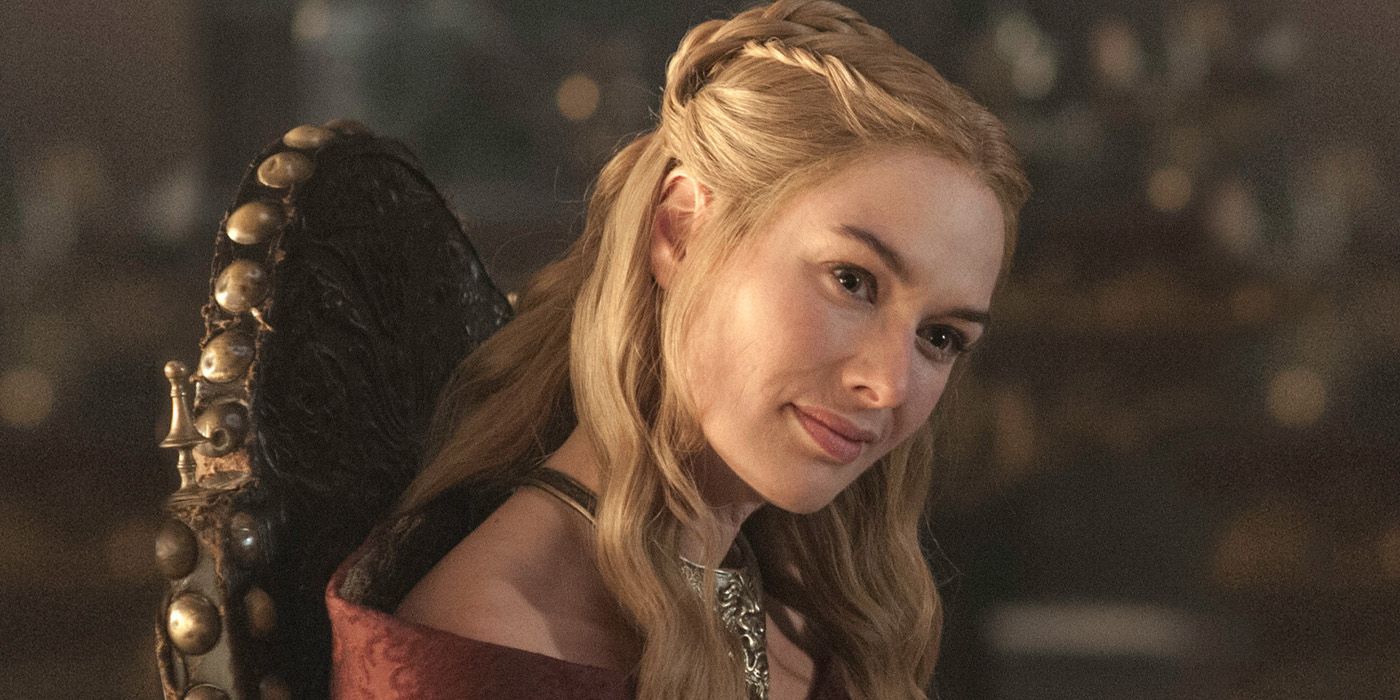
In the first season of Game of Thrones, House Stark seemed like the main heroes, but Ned Stark’s death quickly proved that the show wasn’t afraid to kill off its most noble characters. Instead, figures like Cersei Lannister, Petyr Baelish, Ramsay Bolton, Euron Greyjoy, and Walder Frey truly drove the plot. These characters weren’t just villains; they were complex and powerful, using cunning, ruthlessness, and a thirst for power to control events and defeat those who opposed them.
Though the villains in Game of Thrones ultimately failed due to their own flaws, their ambition and clever strategies drove the story much more powerfully than the heroes did. This is especially clear in Season 8, where Daenerys Targaryen’s death at the hands of Jon Snow felt sudden and unsatisfying, lacking the complex plotting that characterized the show’s most compelling villains.
Throughout Game of Thrones, the characters we often think of as ‘villains’ – like Cersei Lannister and Walder Frey – consistently drove the plot forward with shocking decisions, such as the destruction of the Great Sept of Baelor and the Red Wedding. These complex, morally gray characters are often more compelling than straightforward heroes like Jon Snow. Viewers are drawn to unpredictability, and it’s more engaging when a character’s actions consistently surprise us, even after we’ve watched them for a long time.
Daenerys’ turn to villainy, while controversial and frustrating for some viewers, felt inevitable given the story’s themes. The main issue was the speed at which this change happened – it felt compressed into just a few episodes. Ultimately, her descent highlighted how compelling and powerful the villains were in Game of Thrones.
Found an error? Send it so it can be corrected.
Read More
- United Airlines can now kick passengers off flights and ban them for not using headphones
- The Boys Season 5 Spoilers: Every Major Character Death If the Show Follows the Comics
- Solo Leveling’s New Manhwa Chapter Revives a Forgotten LGBTQ Story After 2 Years
- Grok’s ‘Ask’ feature no longer free as X moves it behind paywall
- Assassin’s Creed Shadows will get upgraded PSSR support on PS5 Pro with Title Update 1.1.9 launching April 7
- Invincible Season 4 Episode 6 Release Date, Time, Where to Watch
- TikToker’s viral search for soulmate “Mike” takes brutal turn after his wife responds
- Mewgenics vinyl limited editions now available to pre-order
- All 9 Coalition Heroes In Invincible Season 4 & Their Powers
- All Itzaland Animal Locations in Infinity Nikki
2026-03-22 06:13