I just finished a film that really stuck with me, and it wasn’t because of a happy ending. You know those movies where everything wraps up nicely, leaving you feeling good? This wasn’t one of them. It did resolve the story, but instead of feeling satisfied, I felt… unsettled. There wasn’t a clear sense of justice or even a comforting moral. It wasn’t about providing answers, but about leaving you with questions, maybe even a little despair. And honestly? That’s what made it so powerful. It wasn’t about what happened, but how it felt afterward.
I absolutely love Roman Polanski’s Chinatown. It’s a truly classic film noir, and Jack Nicholson is phenomenal as the private detective, J.J. Gittes. What really fascinates me is that it’s inspired by the actual struggles over water rights in 1930s Los Angeles, and it brilliantly exposes how deeply corruption was embedded in the city’s institutions back then.
Okay, so this movie is super twisty and keeps you guessing the whole time. The cool thing is, all the questions do get answered, but honestly? It doesn’t feel satisfying. It’s like it deliberately leaves you feeling unsettled, even after everything’s been explained, and I’m not sure how I feel about that!
The reality of the situation comes to light, but it doesn’t lead to any real change. Instead of facing consequences, wrongdoing is shielded by a broken and unfair system. The film concludes with a sense of complete defeat, perfectly captured by its famous last line: “Forget it, Jake. It’s Chinatown.”
David Fincher’s dark and popular 1995 film, Se7en, is famous for letting the villain succeed. The movie follows a serial killer (Kevin Spacey) who commits murders based on the seven deadly sins, and the two detectives, Somerset (Morgan Freeman) and Mills, who are trying to catch him. It’s known for having one of the most shocking twists ever seen in a film.
The killer gives himself up, but it’s a trick – the final step in a twisted plan. He manages to push Pitt’s character to embody pure rage, becoming the very thing he fights against. While the plot is resolved, the ending leaves big questions about the nature of evil unanswered. We’re left with Mills completely broken, and Somerset wondering if the world is beyond redemption.
Both the original film and its nearly identical English remake challenge viewers who are drawn to senseless violence. The story focuses on two well-mannered young men who randomly select a family to torment. Funny Games is known for directly addressing the audience and breaking traditional filmmaking rules as the violence escalates. Even when a glimmer of hope appears for the family’s survival, the perpetrators ruin it by literally reversing time to undo any progress.
In the end, the criminals succeed, and we never understand why they do what they do. They simply go on to victimize others, with no consequences and no real closure for anyone involved.
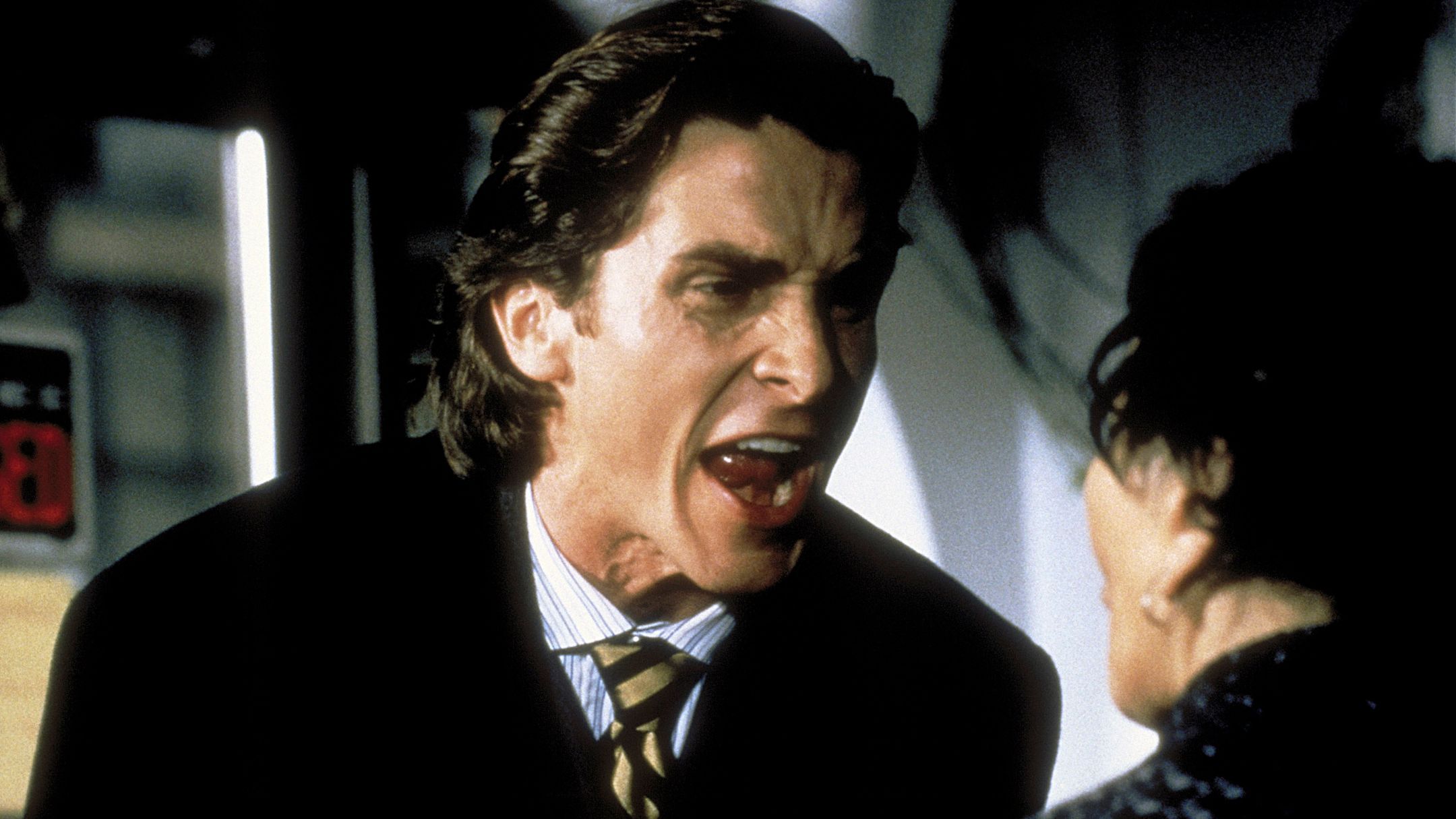
Mary Harron’s 2000 film, based on Bret Easton Ellis’s shocking novel, centers on Patrick Bateman (Christian Bale), a rich Wall Street banker who seems to lead a perfect life. However, this carefully constructed facade might be hiding a disturbing and violent side. As Bateman’s actions become increasingly extreme, the movie plays with what’s real, making it hard to tell what’s actually happening and what’s in his imagination.
Ultimately, Bateman confesses to everything, but it doesn’t matter. The movie leaves the audience wondering if his victims are even dead, or if any of it actually happened. Even if his crimes did occur, no one seems to notice or care. The film deliberately avoids providing a clear resolution, mirroring Bateman’s own empty and repetitive existence. In a society obsessed with wealth and appearances, even something as extreme as murder doesn’t have any lasting impact.
The Coen Brothers’ 2007 film is a crime thriller set in the American West that deliberately subverts what viewers expect. It tells the story of a series of violent events triggered by a botched drug robbery, and features a terrifying villain named Anton Chigurh, played by Javier Bardem, who is considered one of the most unforgettable characters in movie history.
Most movies build to a final showdown between good and evil, offering a sense of closure. But No Country for Old Men breaks that pattern. The villain escapes, the hero dies without a dramatic scene, and the film doesn’t offer a satisfying resolution. Instead, it ends with Sheriff Ed Tom Bell reflecting on a dream and acknowledging he feels left behind by a changing world. Evil prevails, justice isn’t served, and the story doesn’t offer any easy answers. It just ends, leaving the audience feeling as lost and weary as the sheriff.
Read More
- United Airlines can now kick passengers off flights and ban them for not using headphones
- All Itzaland Animal Locations in Infinity Nikki
- Katanire’s Yae Miko Cosplay: Genshin Impact Masterpiece
- Crimson Desert: Disconnected Truth Puzzle Guide
- How to Get to the Undercoast in Esoteric Ebb
- All Golden Ball Locations in Yakuza Kiwami 3 & Dark Ties
- BloxStrike codes (March 2026)
- How to Complete Bloom of Tranquility Challenge in Infinity Nikki
- 6 Ways Invincible Season 4’s Hell Episode Rewrites The Comics
- Superman/Spider-Man #1 Review: Bigger DC-Marvel Crossovers Teased
2026-01-29 01:09