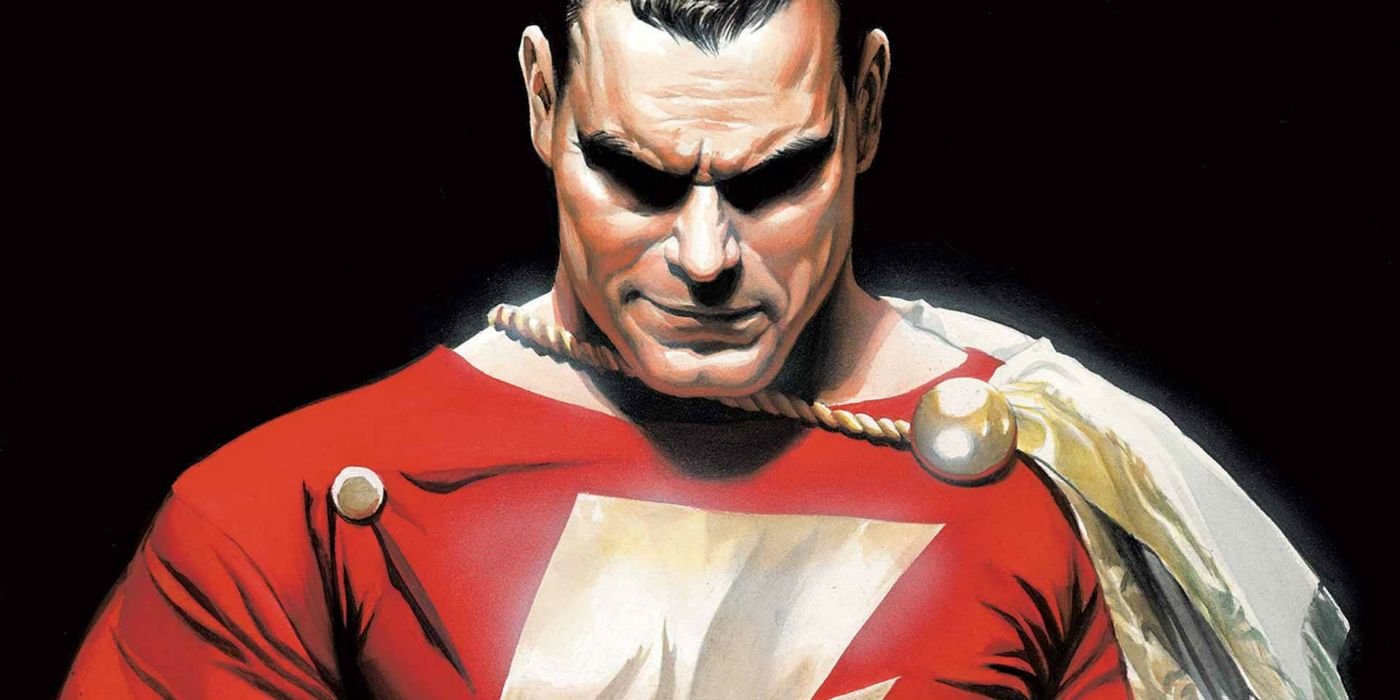
Mark Waid and Alex Ross created a landmark comic book, Kingdom Come, in 1996. This alternate future take on the DC Universe arrived during a period when superhero stories were becoming increasingly grim and gritty. It helped bring back a focus on the classic, hopeful side of DC’s characters, and after three decades, it remains one of the most impactful stories the company has ever published.
The Elseworlds series is particularly remembered for its bold reinventions of iconic characters like Superman and Wonder Woman. From 1989 to 2005, readers enjoyed imaginative stories, including Superman appearing in a version of War of the Worlds and the Justice League reimagining The Island of Dr. Moreau. The series also featured alternate-universe tales, such as a story where Batman became a Green Lantern. However, in 1996, Kingdom Come emerged as the most captivating and impactful story the Elseworlds imprint ever published.
Kingdom Come Presents a Dark Vision of DC’s Future
In the DC universe of Kingdom Come, the Justice League has fallen apart and Superman is no longer active. A new group of heroes has emerged, taking a much more aggressive approach to fighting criminals with superpowers. When Captain Atom’s death causes a major disaster, Superman is forced to come out of retirement. Shocked by the state of the world, he starts to reassemble the Justice League, bringing together classic heroes like Jay Garrick and Wonder Woman. Throughout the story, the Spectre observes everything, aided by a minister named Norman McCay, who helps him evaluate both the super-powered individuals and humanity itself.
While traveling the DC Universe to find help, Superman discovers the new generation of heroes are hard to control. Reluctantly, he creates a special prison for those with powers, giving them a choice: join the League, or be locked up indefinitely. Meanwhile, Lex Luthor is secretly plotting with other villains, and he’s also manipulating Billy Batson, preparing for a major attack against the heroes.
The story centers around humanity’s struggle to deal with the rise of super-powered individuals. The United Nations considers drastic measures to protect themselves from these meta-humans. When Billy Batson gains full control and becomes Shazam, he sides with the imprisoned super-beings and fights against Superman. As their epic battle unfolds, the UN makes the devastating decision to launch a nuclear weapon, hoping to eliminate the super-powered threat once and for all. Shazam ultimately sacrifices himself, but the aftermath is catastrophic, resulting in the deaths of most of the characters.
In the end, Batman, Wonder Woman, and Superman realize the world needs them to contribute in new ways. They move away from their traditional crime-fighting roles and focus on making a broader positive impact. Wonder Woman and Superman work to reform former villains, while Bruce Wayne transforms Wayne Manor into a hospital. Having improved the world, they step back into their everyday lives, but remain prepared to help if needed.
The story concludes with a hopeful look at how we understand the past, and recognizes that heroism isn’t limited to one specific form. It explores the classic idea of power and responsibility, but focuses on what happens when heroes don’t follow that rule. This is a true dystopian tale, filled with difficult choices and compromises that lead to increasingly complex problems. Only when everything is on the verge of collapse do heroes and humanity find common ground, striving to improve and uphold their beliefs after experiencing devastating loss on both sides.
Kingdom Come Pushed Back Against 90s Antiheroes
The remarkable success of Image Comics, particularly Rob Liefeld’s Youngblood, revolutionized the comic book industry. By moving away from established, corporate-owned characters like Spider-Man, Image’s founders were free to create their own unique stories and series. When these new titles quickly became bestsellers, Marvel and DC realized they needed to adapt. They began producing stories, such as Kingdom Come, that highlighted the strengths of classic superhero narratives, aiming to compete with Image’s innovative approach.
In the 1990s, both Marvel and DC Comics tried hard to attract a younger audience with storylines like Extreme Justice, Knightfall, and the Heroes Reborn event, even giving creators like Rob Liefeld and Jim Lee significant control. While some of these attempts initially boosted sales, the success didn’t last, as readers quickly lost interest once the novelty wore off. Fans, accustomed to the established history of teams like the Avengers and Justice League, began to resist these changes. Eventually, even the creators recognized the problems with these new directions, as demonstrated by Marvel’s Heroes Return, which aimed to correct course and address what wasn’t working.
By the late 1990s, both Marvel and DC Comics were focusing on more upbeat versions of their classic heroes, hoping to keep the characters engaging for readers. Instead of making heroes like Superman grim and serious, they used things like alternate storylines—such as the red and blue version of Superman—to attract attention. However, it was the groundbreaking story Kingdom Come by Mark Waid and Alex Ross that really stood out as a response against the trend of darker, grittier comics of that era.
Although Mark Waid wrote the story, the idea for the series actually came from Alex Ross. Like Waid, Ross deeply admired DC’s history, particularly its early Golden Age heroes. He’s always shown a strong appreciation for the history of comic book companies, as seen recently in his graphic novel, Fantastic Four: Full Circle.
Mark Waid and Alex Ross Went Beyond the Elseworlds Formula
The Elseworlds line of comics started by taking the idea behind Marvel’s What If…? – exploring alternate realities – and turning it into a series of high-quality graphic novels and limited series. It began with Gotham By Gaslight, which cleverly reimagined Batman as a detective hunting Jack the Ripper in Victorian London. However, the series soon fell into a pattern. Each new story essentially took a familiar tale and simply replaced the characters with DC heroes like Batman, the Joker, Superman, and Green Lantern, making the outcomes fairly predictable.
Surprisingly, the ‘Elseworlds’ stories that resonated most with fans were the ones that stayed truest to the heart of the DC Universe, focusing on character development rather than radical changes. ‘Kingdom Come’ is a prime example – a fantastic miniseries that honored the history of the DCU and felt like a possible, though separate, conclusion to the established storylines. Mark Waid and Alex Ross aimed to portray versions of these beloved characters that were familiar, but with enough distance to avoid impacting the main comic series. The difficult decisions made by Superman, Batman, and Shazam weren’t meant to represent their usual behavior, but rather how they might act when faced with tough choices in a darker, more realistic world inspired by the tone of 1990s comics.
Waid presented his story less as a celebration of its heroes and more as a criticism of the era it reflected. Readers weren’t expecting Superman to support something like a prison camp in the main comic books, or to see the original Justice League members become estranged. However, Waid and other writers, including Geoff Johns, gradually integrated elements of the story into the established DC Universe timeline, like the character Magog appearing in storylines within the JSA series. Even now, it’s often unclear how fixed the future depicted in Kingdom Come truly is for the DC Universe – whether it’s an inevitable fate for the Justice League or a potential outcome that can still be changed.
This story argues that heroes should grow and change naturally, rather than adopting unnecessarily dark or shocking traits just to feel modern, like the comic Spawn sometimes did. Characters can be interesting and complex through thoughtful storytelling, without needing to become grim or violent. Ultimately, writer Mark Waid’s approach—focusing on a character’s history and established traits—became the dominant path for the major comic publishers, shaping the direction of superhero stories in the 21st century. However, instances like turning Wally West into a killer demonstrate that this approach isn’t always consistently followed.
Kingdom Come is Still Relevant 30 Years Later
For the past few decades, comics have constantly balanced between traditional, lighthearted stories and darker, more realistic ones – and this struggle has actually become more pronounced. We see this in contrasting approaches like Rebirth versus Absolute Universe/All-In. While these different styles continue, the extreme trends of the 1990s – which were famously criticized in books like Kingdom Come – have largely faded, especially in the main storylines of Marvel and DC. Heroes no longer routinely wear overly aggressive armor or disregard civilian safety, and a strong moral code remains central to the superhero world.
Next May marks the 30th anniversary of the first issue, and the series continues to be highly regarded. It’s celebrated both as a fitting conclusion to the Justice League of America storyline and as a heartfelt tribute to the superhero comic book genre. While DC’s Elseworlds line produced many excellent stories, Kingdom Come, created by Alex Ross and Mark Waid, is widely considered the very best.
Found an error? Send it so it can be corrected.
Read More
- United Airlines can now kick passengers off flights and ban them for not using headphones
- Gold Rate Forecast
- How to Solve the Glenbright Manor Puzzle in Crimson Desert
- All Golden Ball Locations in Yakuza Kiwami 3 & Dark Ties
- 8 Actors Who Could Play Blackbeard In One Piece Live-Action Season 3
- How to Get to the Undercoast in Esoteric Ebb
- How to Complete Bloom of Tranquility Challenge in Infinity Nikki
- Netflix’s 4-Part Crime Thriller Is One Of Its Very Best
- Best Zombie Movies (October 2025)
- CBS Officially Ends NCIS After 34 Years
2026-03-04 00:12