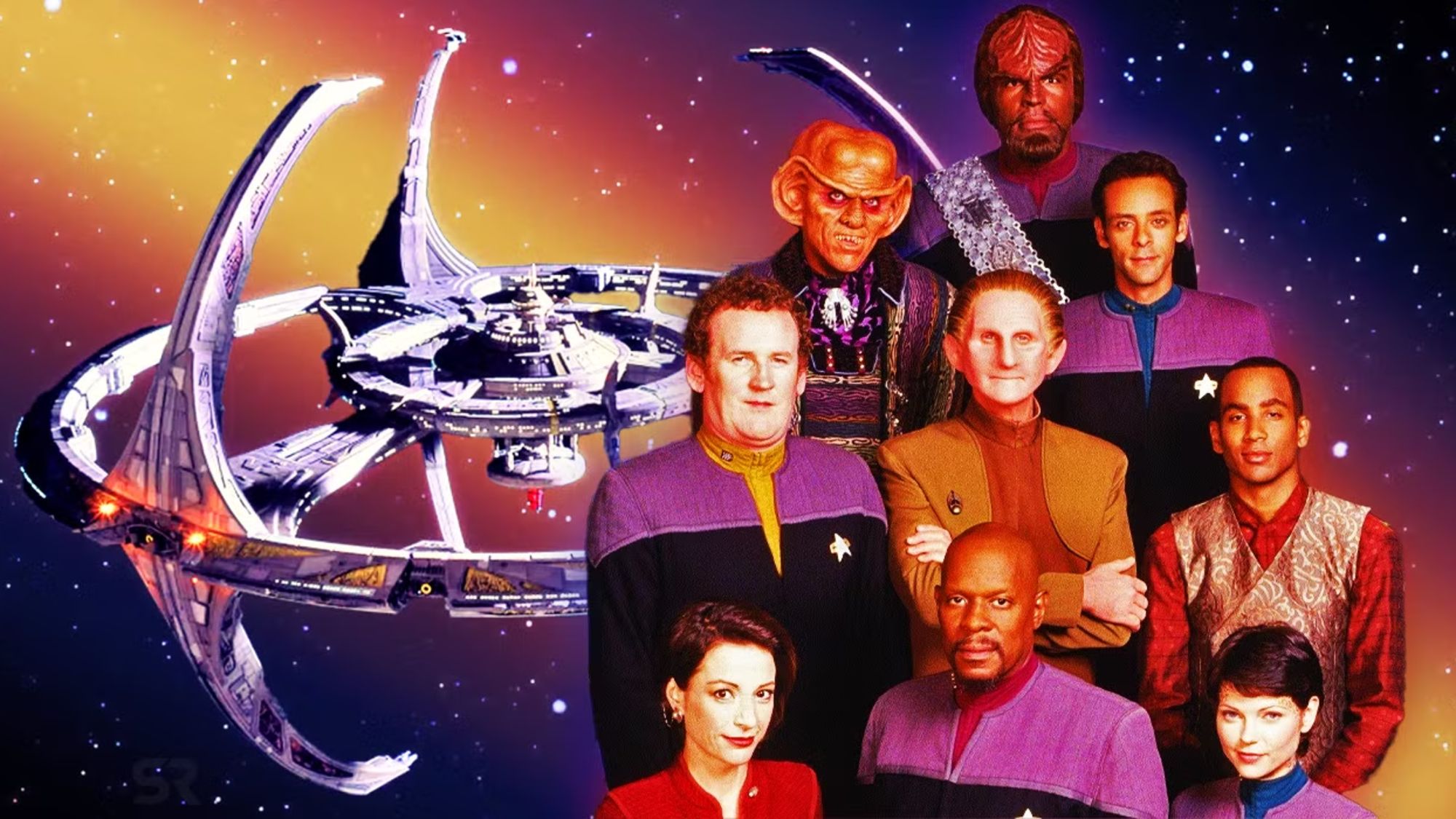
Nearly three decades later, one season of Star Trek: Deep Space Nine is still considered the best of its kind. The 1990s brought a lot of great science fiction to TV, including shows like The X-Files, Xena: Warrior Princess, and Babylon 5. While those shows are still popular, Deep Space Nine truly stands out, and a particular season demonstrates exactly why.
Star Trek: Deep Space Nine, the fourth Star Trek series, first aired in 1993 and quickly became a success. It was one of the most-watched original shows broadcast directly into syndication.

One of the things that makes Deep Space Nine so good is its realistic and intense storytelling. The show’s sixth season perfectly captures this quality, making it incredibly easy to watch all at once.
Heading Into Star Trek: Deep Space Nine’s Sixth Season, Things Were Looking Grim
The Federation Had Lost Deep Space Nine to the Dominion
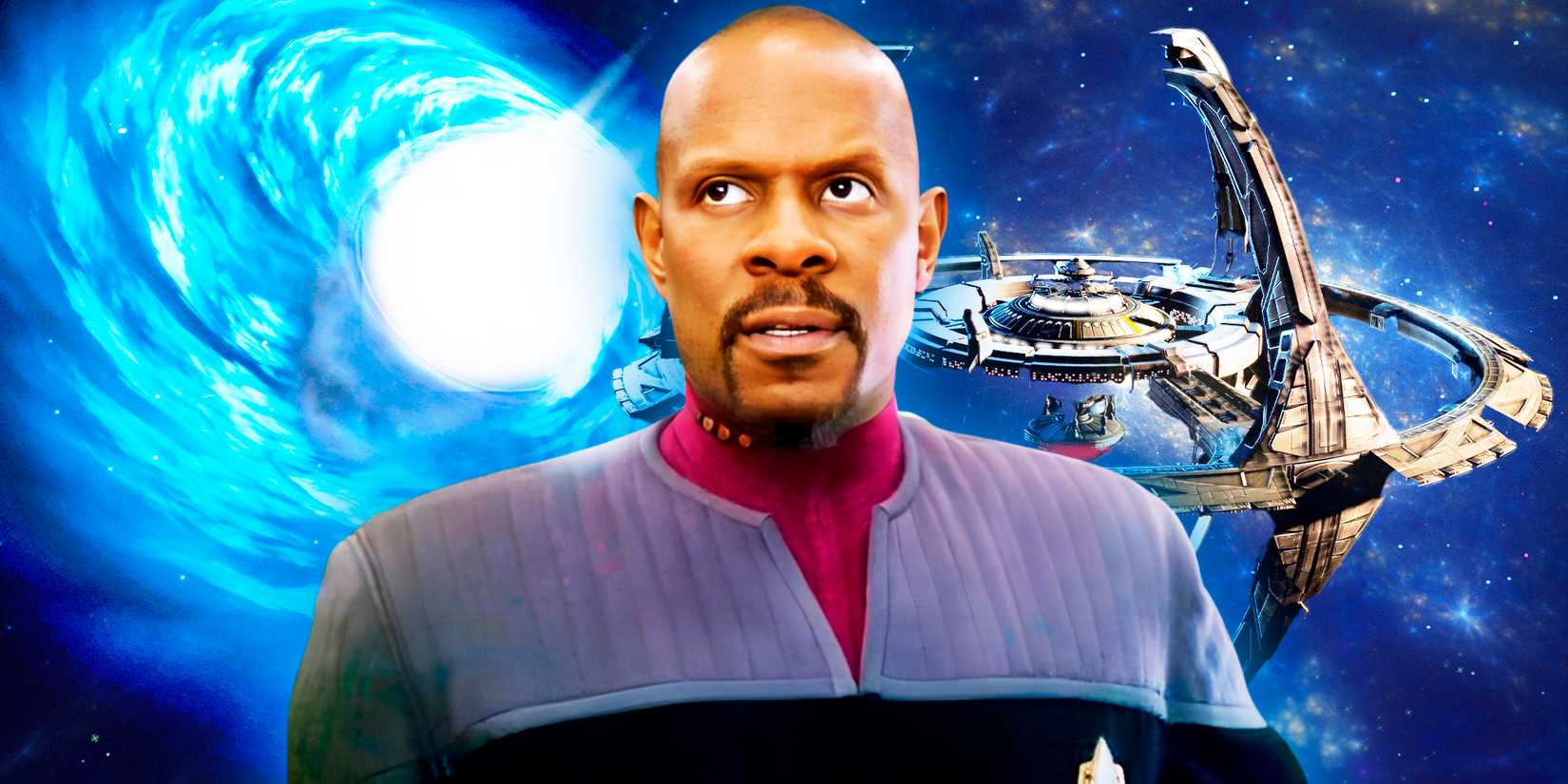
I’ve always been fascinated by the sixth season of Deep Space Nine because it really dove into the Dominion War. The Dominion themselves were introduced earlier, and they were just so compelling – a powerful, controlling society in the Gamma Quadrant, almost like a dark mirror of the Federation. It’s incredible to think they were built by the Founders, Odo’s people, and that their anger over outsiders eventually exploded into a full-scale war with the Federation. It was such a gripping storyline!
By the fifth season of Deep Space Nine, relations between the Federation and the Dominion were extremely strained. The Dominion cleverly provoked a conflict between the Federation and the Klingons, weakening both of their fleets. By the time they stopped fighting each other and started to cooperate, the Dominion had significantly expanded its influence in the Alpha Quadrant.
As the Federation and Klingons were at war, the Romulans made a deal with the Dominion, which would later cause major problems in the sixth season of Deep Space Nine. Because the Romulans stayed out of the fight, the Klingons and Starfleet were vulnerable, ultimately leading to the Dominion regaining control of Deep Space Nine.
Deep Space Nine’s Sixth Season Opened With a Bang, and Never Let Up
Deep Space Nine Saw Weddings and Deaths in Its Sixth Season

The sixth season of Star Trek: Deep Space Nine began with the episode “A Time to Stand,” launching a six-part story arc that built to the dramatic “Sacrifice of Angels.” In that episode, Starfleet successfully retook control of Deep Space Nine, providing an exciting and satisfying turning point in the Dominion War.
The sixth season of Deep Space Nine kept the momentum going. Worf’s son, Alexander, who hadn’t been seen in a while, reappeared and asked for his father’s advice while visiting the station. Worf and Jadzia Dax got married, clearly showing that Worf was a better fit for life on Deep Space Nine than he had been on the Enterprise.
As a longtime fan, I can honestly say season six is incredibly powerful and emotionally draining. It’s a really dark season, constantly hinting at loss and danger. The war with the Federation is taking a terrible toll, and we see so many lives lost – it really hit home when even Deep Space Nine started suffering. It was heartbreaking watching Gul Dukat grieve his daughter in ‘Sacrifice of Angels,’ but nothing could have prepared me for the shock of Jadzia’s death in the finale. It was a truly devastating moment.
Star Trek: Deep Space Nine‘s Sixth Season Darkened Up an Already Grim Show
Two Episodes of Deep Space Nine’s Sixth Season Changed the Course of Star Trek

Right from the beginning, Deep Space Nine stood out as a more realistic and intense Star Trek series. Its sixth season particularly highlighted the difficult and morally challenging side of the Star Trek universe, especially during wartime. The show did an exceptional job of showing how war forces people to make tough choices and blurring the lines between right and wrong – better than any other Star Trek series before it.
Two episodes from the sixth season, shown consecutively, perfectly exemplify this theme. “Inquisition” and “In the Pale Moonlight” both put Starfleet officers in seemingly inescapable, desperate circumstances, forcing them to consider unethical solutions. “Inquisition” also introduced Section 31, a shadowy organization whose very existence challenged the optimistic ideals at the heart of Star Trek.
These two episodes, though dealing with difficult themes, proved to be turning points for Star Trek. The complex moral questions they explored – showing that things aren’t always black and white – became a defining characteristic of later Star Trek series. These shows weren’t afraid to acknowledge the Federation’s imperfections and failings.
Star Trek: Deep Space Nine’s Supporting Cast Stepped Up In Its Sixth Season
Dukat, Damar and Vic Fontaine Were Some of the Highlights
Critics often highlighted the strong supporting characters in Star Trek: Deep Space Nine, and many played significant roles in the sixth season. The show’s villain, Dukat, became even more menacing after the loss of his daughter. In season six, Damar took over Dukat’s position as the leader of the Cardassian military.
As a huge fan of Deep Space Nine, I always loved the character of Garak. He really came into his own in the sixth season. Being a former spy, he was absolutely key to the episode “In the Pale Moonlight.” Basically, Sisko was desperate to get the Romulans involved in the war, but needed a believable reason to do so. He turned to Garak, and honestly, the Cardassian’s cleverness and willingness to do whatever it took might have actually changed the course of the entire war.
Then, Deep Space Nine added even more unique characters. One was Vic Fontaine, a hologram designed by Doctor Bashir to act like a singer from the 1960s. Bashir accidentally gave Vic the ability to think and feel. While Star Trek: The Next Generation often showed HoloDeck programs malfunctioning, Deep Space Nine took a different, more inventive approach.
Star Trek: Deep Space Nine’s Sixth Season Is One of the Best in the Franchise, and Science Fiction Television as a Whole
Deep Space Nine’s Sixth Season Has Everything That Makes the Show Great

As a huge fan of classic sci-fi, I always felt The Next Generation got most of the spotlight back when it originally aired. But honestly, over time, Deep Space Nine has really become something special. It wasn’t afraid to challenge what Star Trek usually stood for, showing us that even with the best intentions, things don’t always go as planned. Episodes like “In the Pale Moonlight” really hit that point home – it wasn’t just about shining ideals, but the messy realities of tough choices.
If you’re new to Star Trek: Deep Space Nine, it’s best to start at the beginning, meaning you’ll have to wait until season six. However, it’s well worth the wait! Season six offers some of the most compelling stories not just in Star Trek, but in all of 1990s science fiction television.
Read More
- United Airlines can now kick passengers off flights and ban them for not using headphones
- Crimson Desert: Disconnected Truth Puzzle Guide
- All 9 Coalition Heroes In Invincible Season 4 & Their Powers
- Mewgenics vinyl limited editions now available to pre-order
- How to Get to the Undercoast in Esoteric Ebb
- Grey’s Anatomy Season 23 Confirmed for 2026-2027 Broadcast Season
- The Boys Season 5 Spoilers: Every Major Character Death If the Show Follows the Comics
- NASA astronaut reveals horrifying tentacled alien is actually just a potato
- Katanire’s Yae Miko Cosplay: Genshin Impact Masterpiece
- All Golden Ball Locations in Yakuza Kiwami 3 & Dark Ties
2026-02-01 21:52