
The Criterion Collection now includes over 1300 films. For more than 40 years, their beautifully packaged, comprehensive (and often pricey) editions of significant classic and modern movies have set the standard for home video quality. Although some titles are no longer available, there are still countless masterpieces to explore. So, with so many options, where should you begin?
Here are 20 currently available Criterion films that I recommend for any serious physical media collector. This isn’t an exhaustive list – there are many other excellent Criterion releases, like A Matter of Life and Death, Rashomon, Sweet Smell of Success, Easy Rider, and the 4K version of This Is Spinal Tap, that I couldn’t include. However, it’s a fantastic starting point, and I’ve included links to purchase all 20 in the ScreenCrush store to make things easy for you.
All That Jazz (1979)
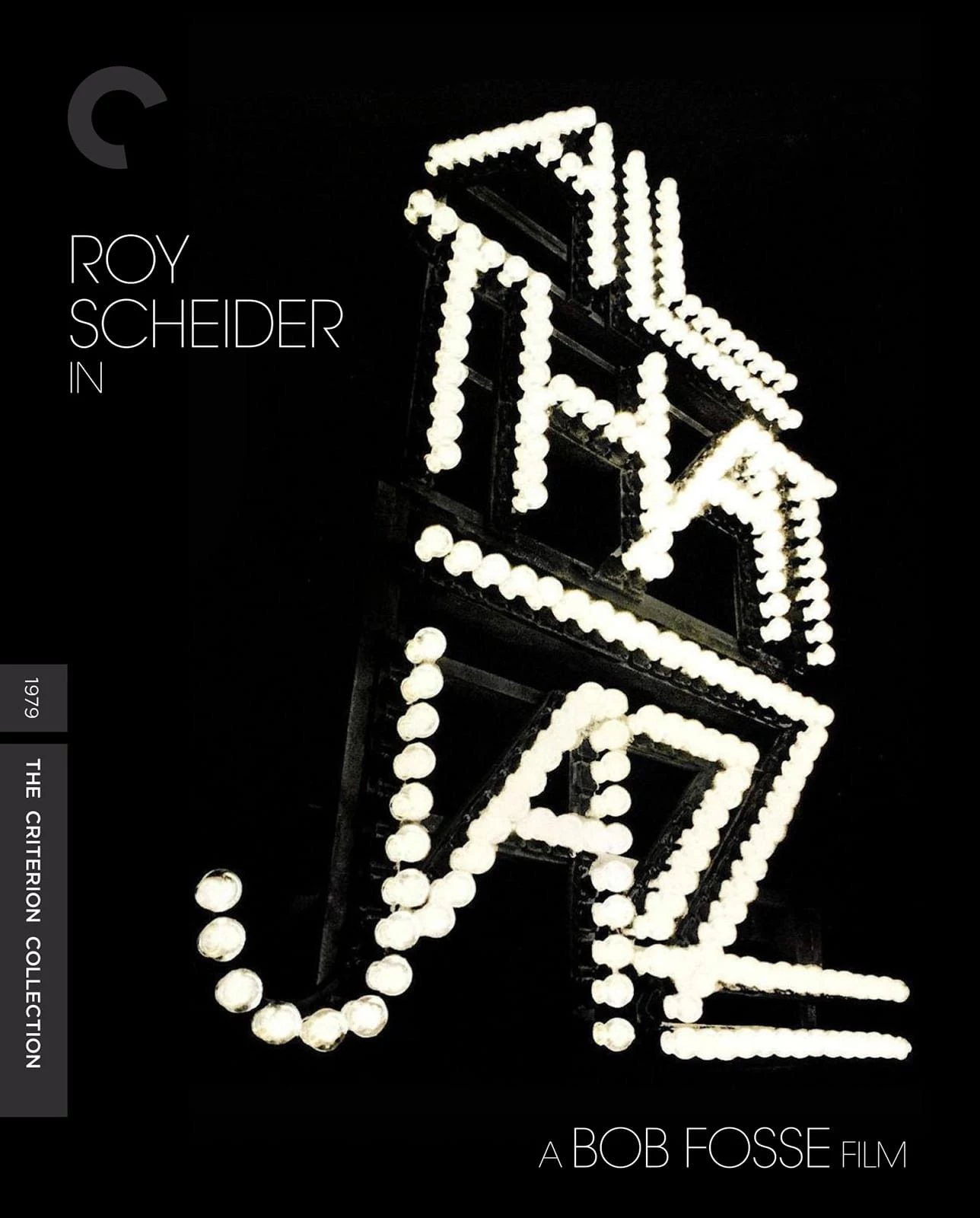
Bob Fosse’s deeply personal musical, All That Jazz, follows a theater and film director (Roy Scheider) struggling with burnout and addiction. The film is remarkably honest and pushed the boundaries of the movie musical format. This new 4K Criterion edition features multiple audio commentaries, an interview with Fosse’s biographer, archival interviews with Fosse, and plenty of bonus content.
The Before Trilogy (1995-2013)
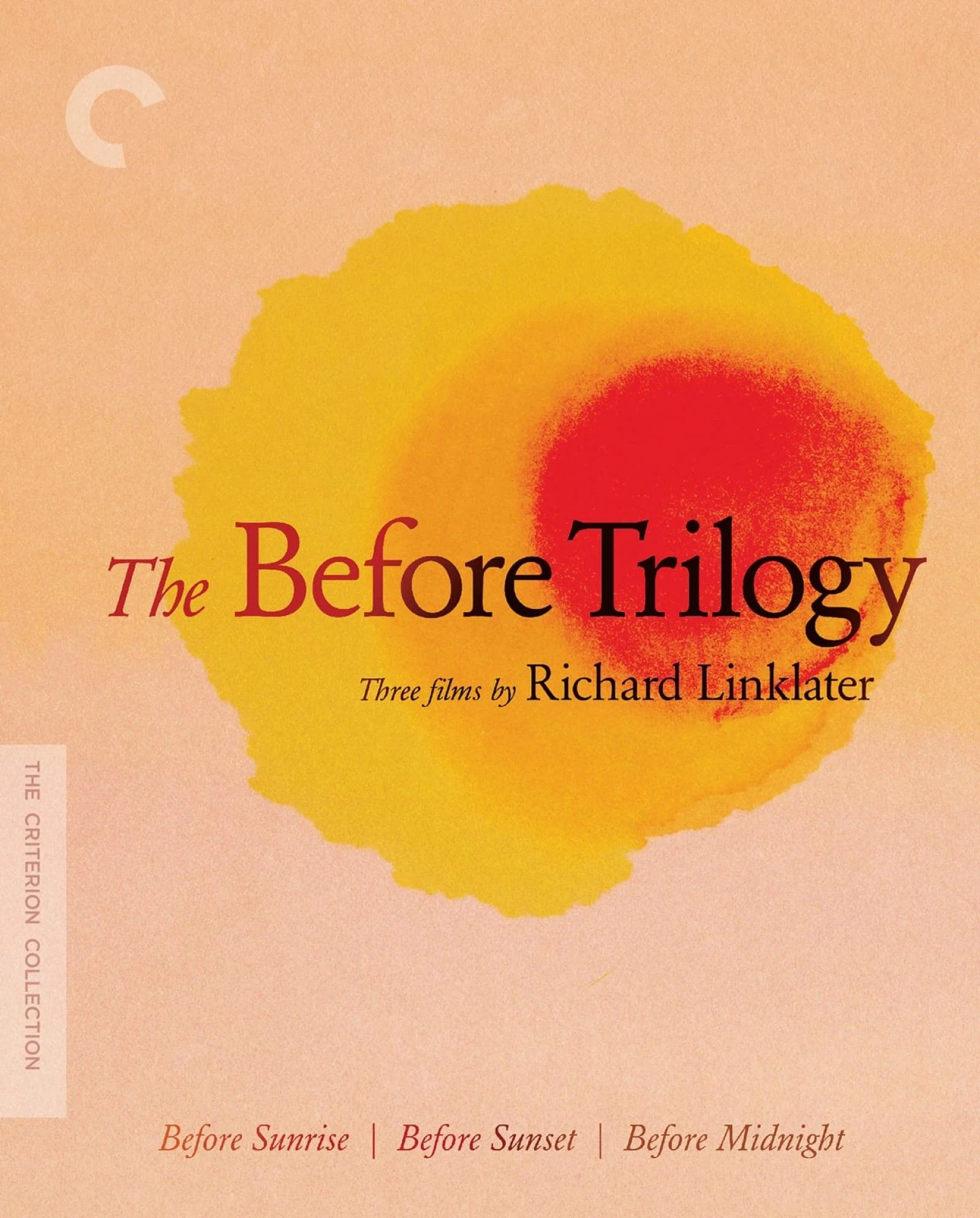
As a huge fan, I’ve always been amazed by what Richard Linklater, Julie Delpy, and Ethan Hawke created with the Before trilogy. Watching Celine and Jesse fall in love, grow, and navigate life over the years felt so real, and I think a lot of us saw ourselves in their journey. Now, Criterion has released a box set with all three films, and it’s incredible! It’s not just the movies themselves, but all the extra features, including a fascinating new discussion with Linklater, Delpy, and Hawke led by critic Kent Jones. It’s a must-have for any fan!
Beyond the Valley of the Dolls (1970)
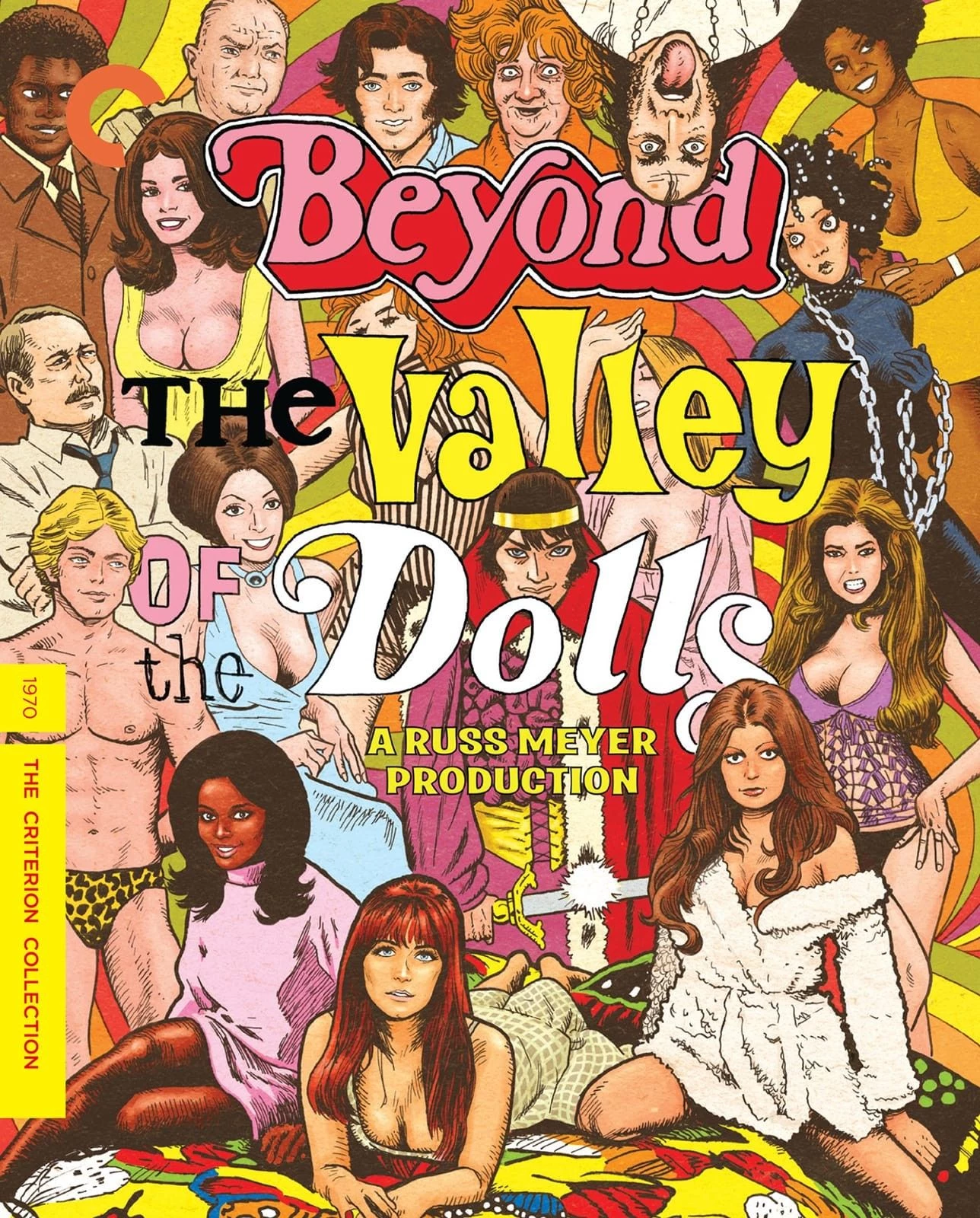
The Criterion Collection is famous for showcasing the best films from around the world, but sometimes it can feel a bit heavy. If you want something a little more exciting, check out their release of Russ Meyer’s Beyond the Valley of the Dolls. It’s a follow-up of sorts to the popular film Valley of the Dolls (though Meyer hadn’t really seen it!). With a big studio budget, the director known for sexy films created one of the most outrageous movies to ever come out of Hollywood. The Criterion disc also includes a really enjoyable commentary track with film critic and Beyond the Valley co-writer Roger Ebert, discussing how the movie was made.
Bicycle Thieves (1948)

This heartbreaking film about a poor father trying to support his family is a great introduction to Italian neorealism. The Criterion Collection’s release of Bicycle Thieves beautifully restores this timeless classic and features interviews with director Vittorio De Sica, plus a documentary exploring the history of the neorealist movement.
Blue Velvet (1986)
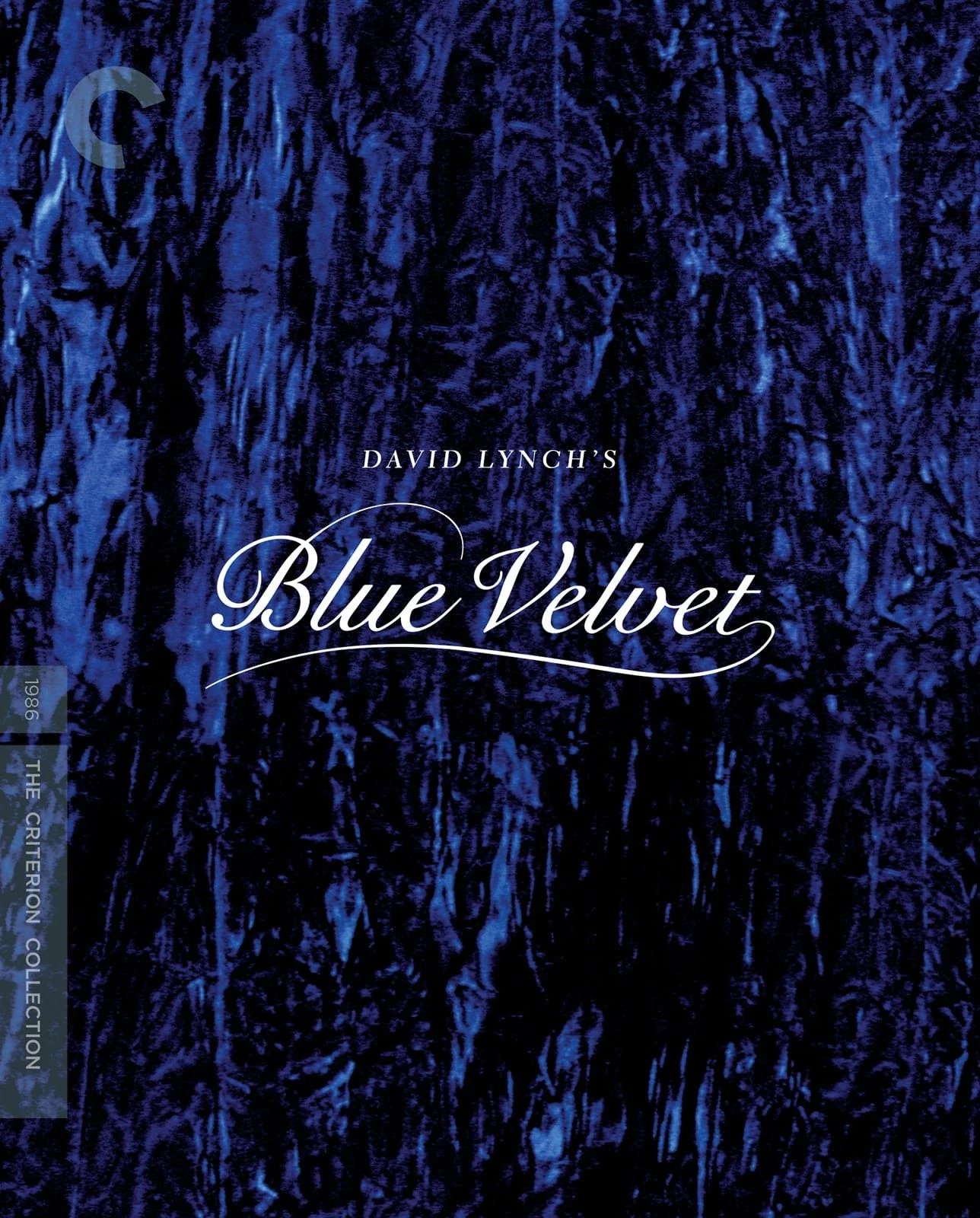
The Criterion Collection has a lot of films by David Lynch, so you can choose whichever one of his strange and unsettling movies you like best. However, the Criterion release of Blue Velvet is particularly good. It includes a version of the film approved by Lynch, almost an hour of deleted footage, several documentaries, and a reading by Lynch from his memoir, Room to Dream.
Blow Out (1981)
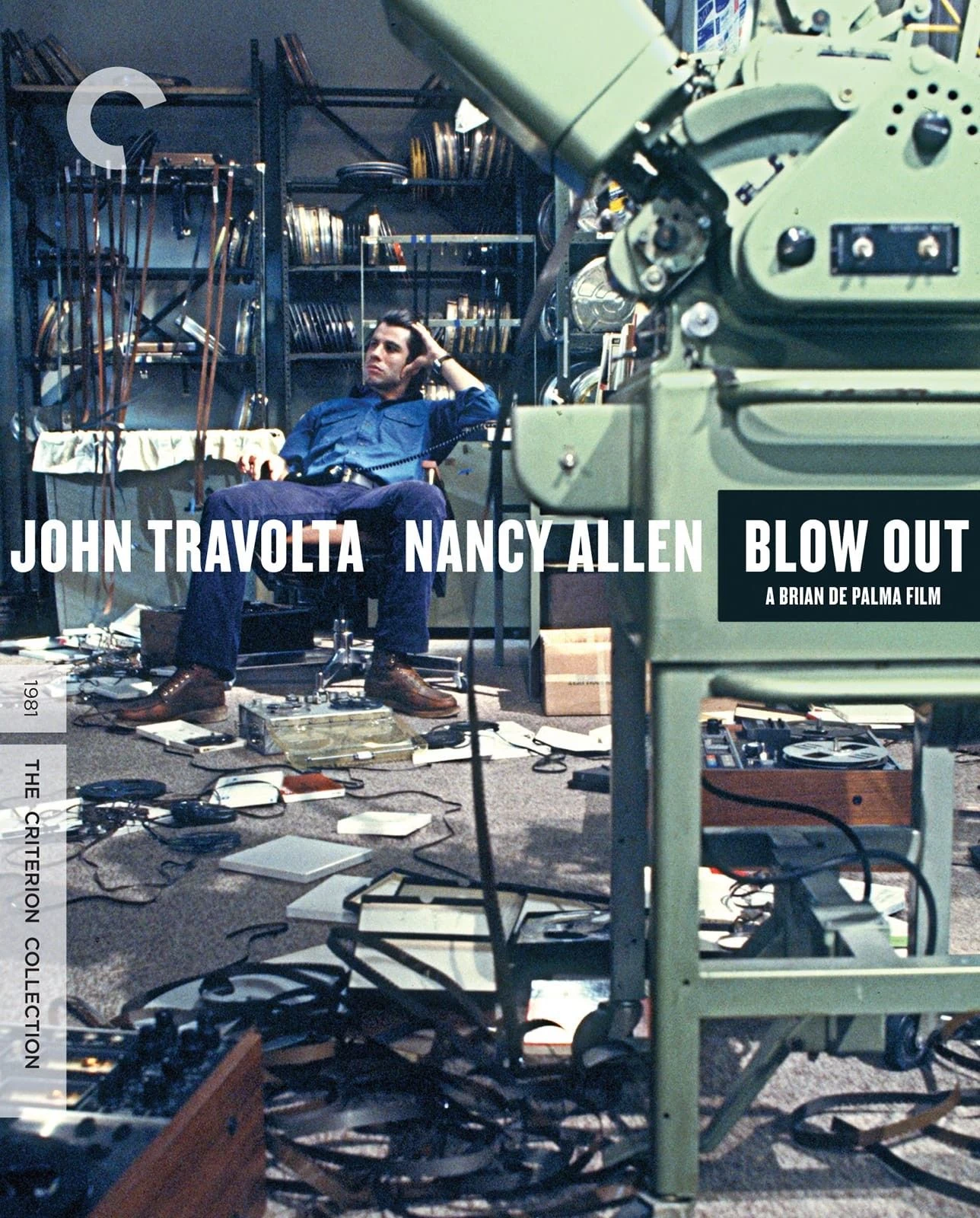
Brian De Palma’s Blow Out is a brilliant film that explores the world of filmmaking itself. Taking inspiration from the movie Blowup, it centers on a soundman, played by John Travolta, who accidentally records audio of a car crash. The crash seems intentionally staged to echo the infamous Chappaquiddick incident involving Senator Ted Kennedy. Through clever sound work, thrilling suspense, and a sharp look at film violence and its connection to reality, Blow Out is widely considered a landmark film about the art of making movies.
Branded to Kill (1967)

Seijun Suzuki’s Branded to Kill is a wild, unconventional Japanese crime film. It was quickly pulled from theaters after its first release, reportedly because the distributor hated it – a decision that also cost Suzuki his job with the company, Nikkatsu. I learned this from an essay by Tony Rayns included with the Criterion Collection’s release of the film. While Branded to Kill had already gained a reputation as a stylish and daring 1960s crime movie, Criterion’s beautifully restored edition has ensured it continues to be discovered by new audiences.
Breathless (1960)
If you liked the recent Richard Linklater film on Netflix about Jean-Luc Godard’s Breathless and the French New Wave, here’s something you’ll want to know. While Breathless isn’t currently on Netflix, Criterion has a fantastic Blu-ray and 4K version. It’s packed with extras, including interviews, video essays, documentaries, a short film by Godard, and even writings by the director himself.
Citizen Kane
I’ve been a huge fan of Citizen Kane for years, and I’ve collected it in almost every format – VHS, DVD, and even a great 70th anniversary Blu-ray. But honestly, nothing compares to Criterion’s new 4K restoration. It’s a stunning presentation of the film, and they’ve packed it with incredible special features about Orson Welles, the cast, and the making of the movie. Plus, the packaging is just fantastic – it’s easily one of the coolest Criterion releases. It might not be the defining film in everyone’s collection, but it’s always the first 4K disc I recommend to anyone asking for suggestions.
Double Indemnity (1944)
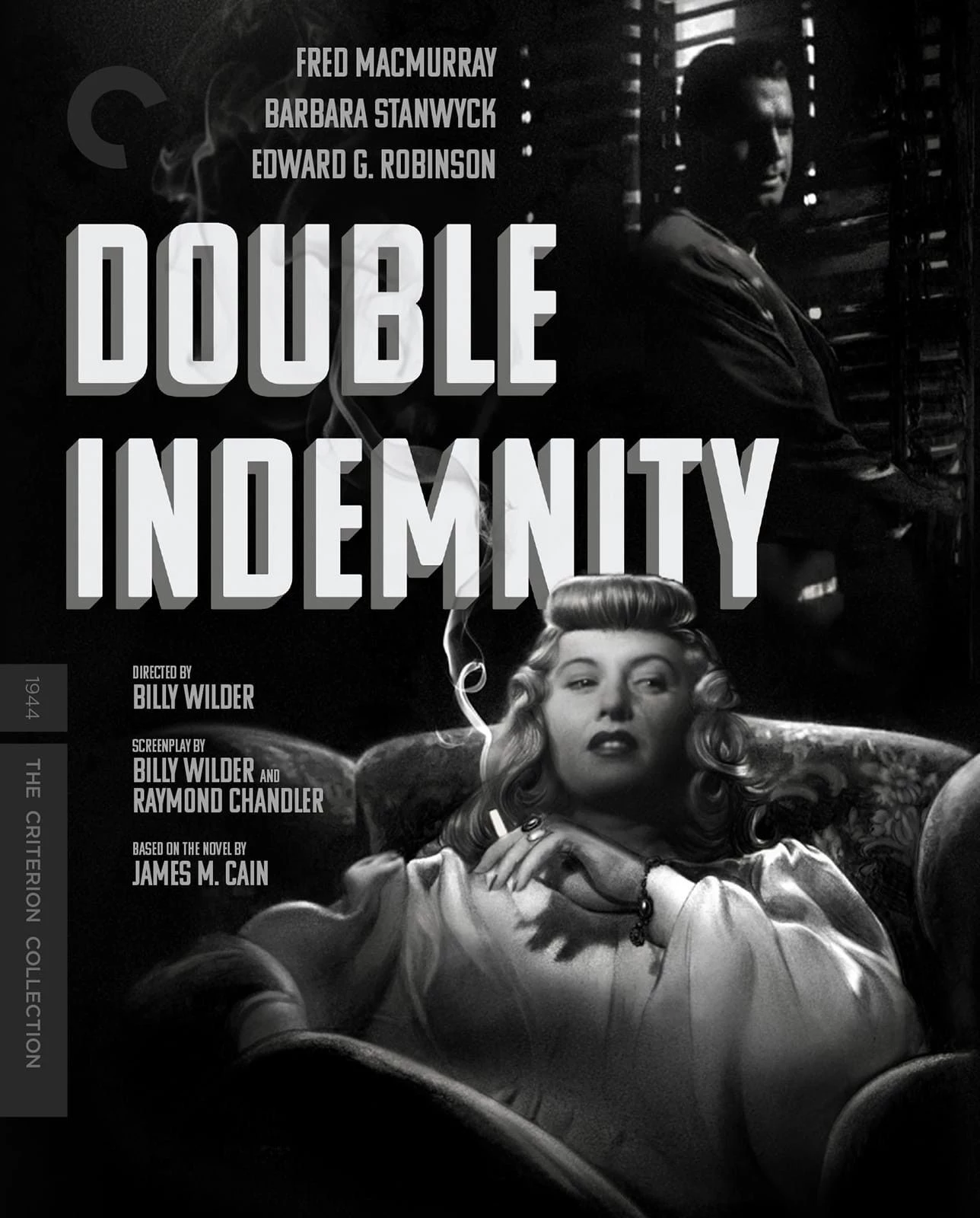
If you have a 4K player – and it’s worth getting one if you don’t – Criterion’s release of Double Indemnity is a fantastic way to test its capabilities. The stunning black-and-white visuals look as fresh as they did in 1944. The release also includes insightful extras, such as an audio commentary by film critic Richard Schickel, interviews with other film experts, a documentary about the making of the classic film noir by director Billy Wilder, and even two radio adaptations of the original James M. Cain novel.
Eyes Wide Shut (1999)
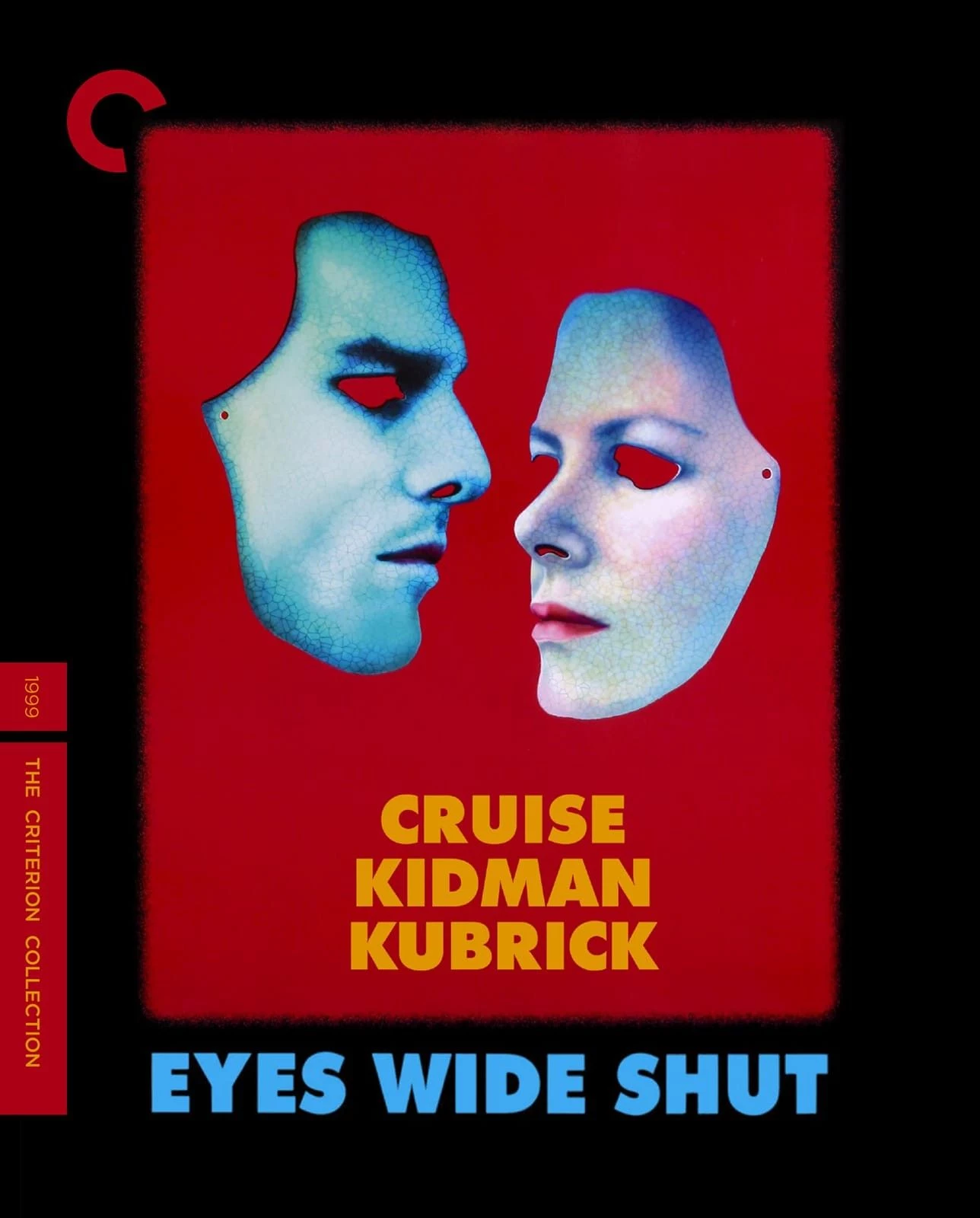
This new Criterion release of Eyes Wide Shut is a fitting tribute to Stanley Kubrick’s famously detail-oriented filmmaking. The disc features a beautiful cover inspired by a Kubrick poster, the international version of the film (avoiding the strange censorship imposed by Warner Bros. on the original release), and a wealth of bonus content. That includes interviews with people who worked with and knew Kubrick, documentaries about his life and work, and archival footage of the director himself. Plus, the stunning, dreamlike depiction of New York City at Christmas looks fantastic in 4K.
The 400 Blows (1959)
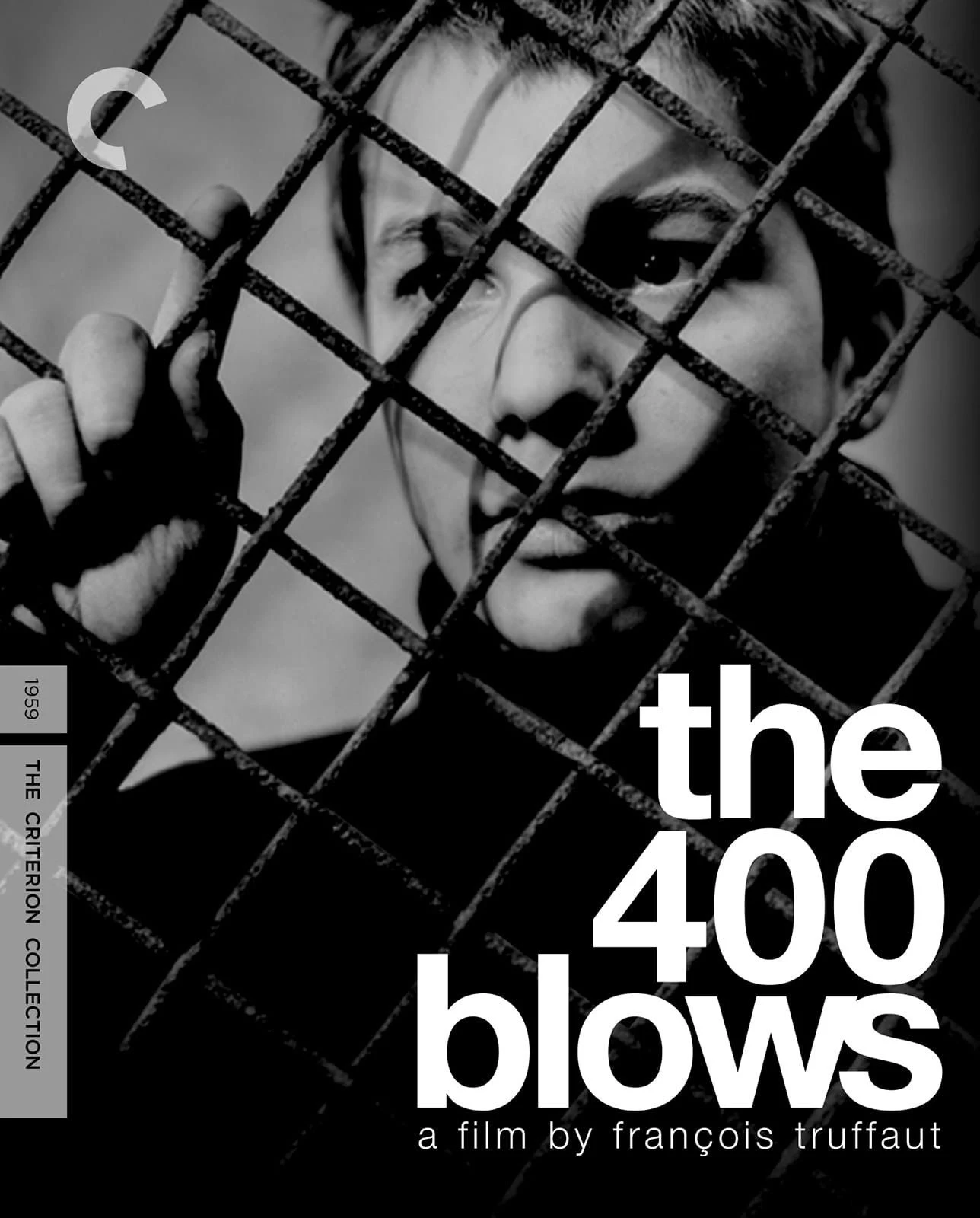
For anyone just discovering the French New Wave, François Truffaut’s The 400 Blows is the perfect introduction. The Criterion Collection release is remarkably thorough, featuring two audio commentary tracks and interviews with Truffaut from the 1960s. These interviews cover both his life and the making of this debut film, which launched his career and transformed him from an outsider challenging French film critics to a globally celebrated director.
Heaven’s Gate (1980)
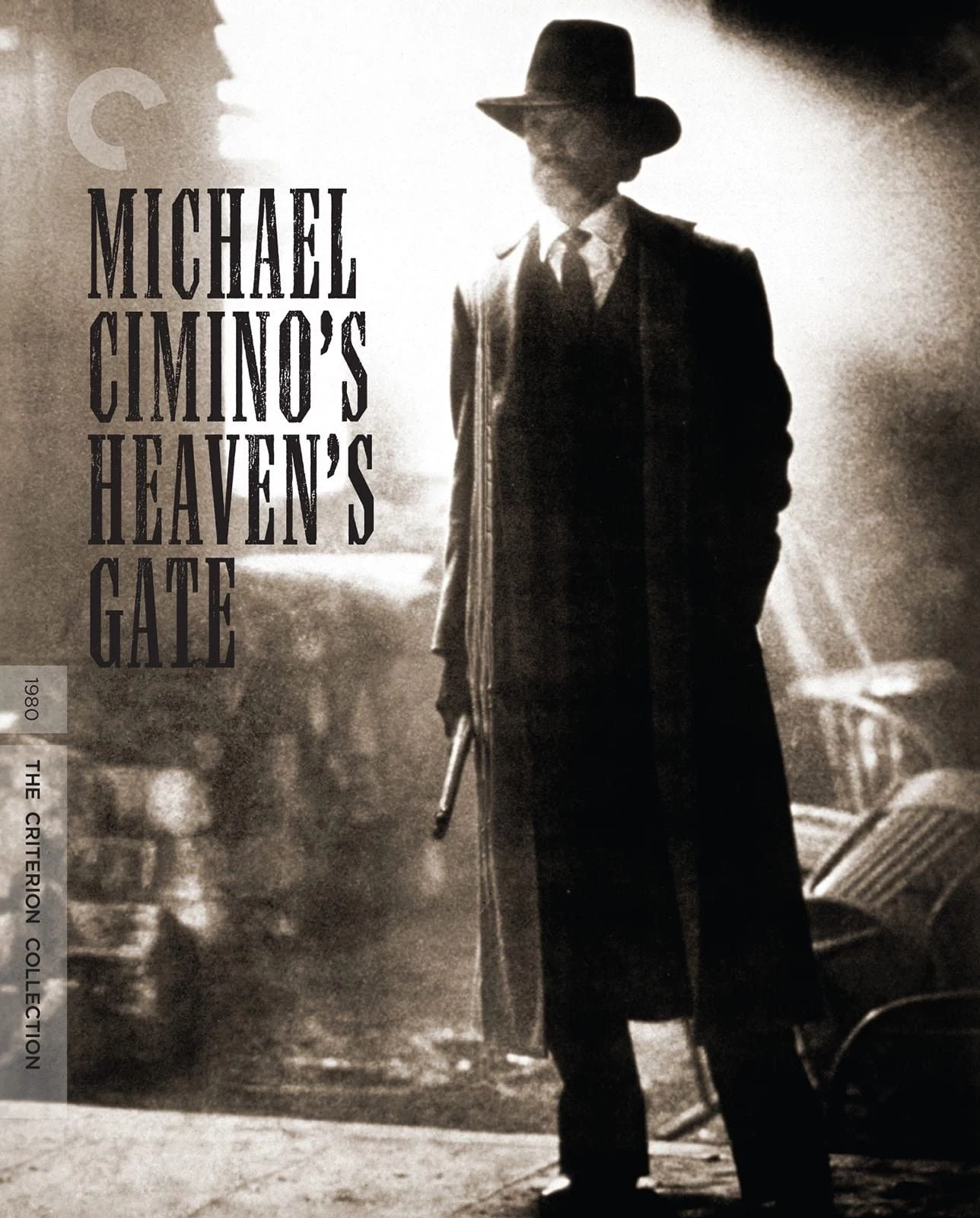
After his Oscar-winning film The Deer Hunter, Michael Cimino attempted an even grander project: an epic Western inspired by the true story of the Johnson County War. Cimino was notorious for his demanding perfectionism. Legend has it he once ordered an entire street set to be completely rebuilt – simply because the two sides were too close together – even though a much cheaper fix would have been to move just one side. This lavish spending became well-known before the film’s release, and for years, Heaven’s Gate was seen as the ultimate example of Hollywood extravagance. However, in recent years, critics have rediscovered the film as a visually stunning, though slow-paced, Western with strong performances by Kris Kristofferson and Christopher Walken. It’s worth watching both for its artistic merit and as a reminder of the dangers of unchecked ambition.
Hoop Dreams (1994)
In the Mood for Love (2000)
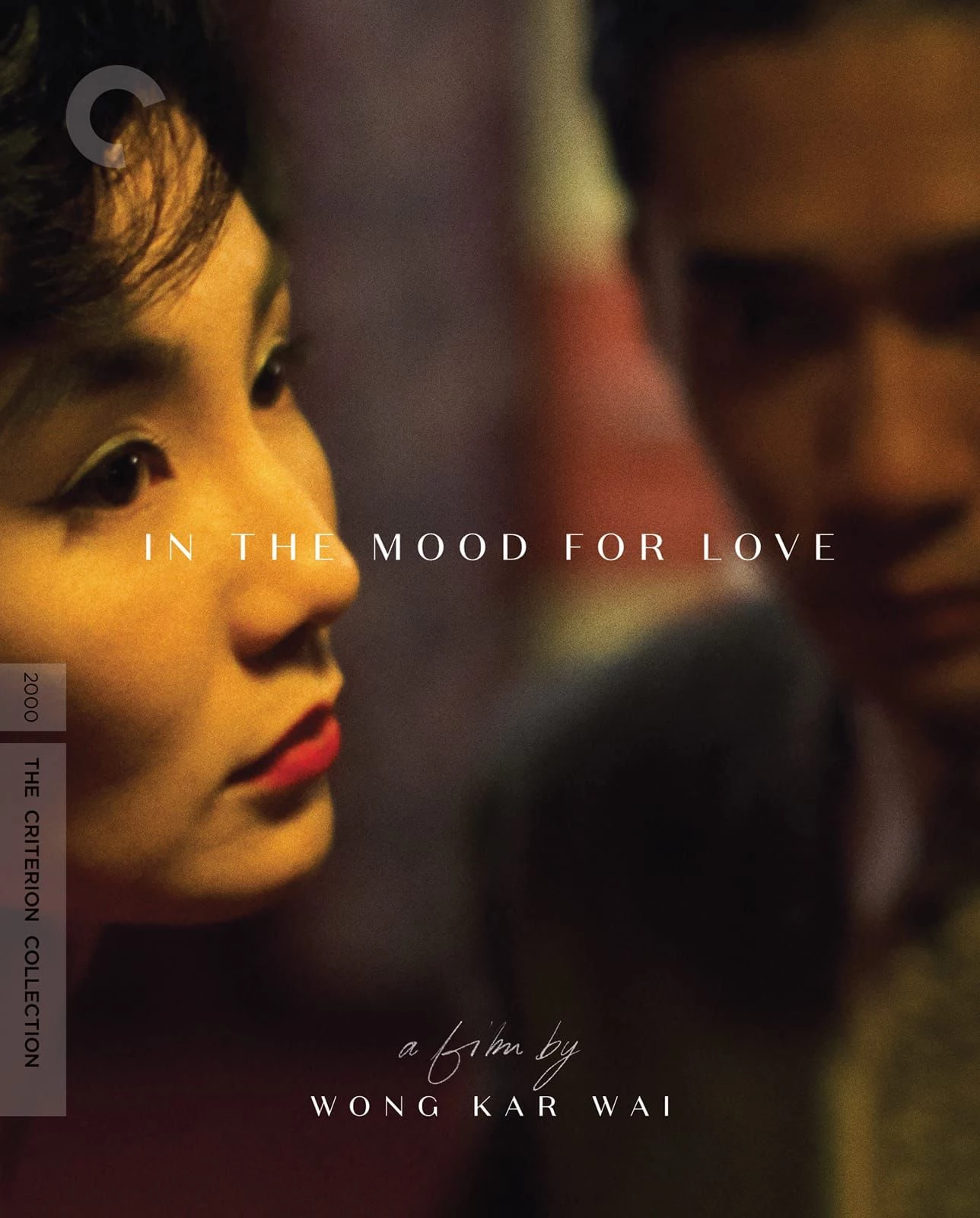
Criterion has released In the Mood for Love on DVD, Blu-ray, and now 4K, making it the best way to experience Wong Kar-wai’s beautiful romance with Maggie Cheung and Tony Leung for the past 25 years (at least when watching at home). The set includes a documentary made by Wong Kar-wai about the film’s production, plus one of his short films and several interviews with the director. Just a warning: the stunning quality of this release might tempt you to buy many more Criterion Collection discs – and they can be quite expensive!
Jeanne Dielman, 23, quai du Commerce, 1080 Bruxelles (1975)

Chantal Akerman’s Jeanne Dielman, 23, quai du Commerce, 1080 Bruxelles currently tops Sight & Sound’s list of the greatest films ever made, a poll conducted every ten years. While the full 200-minute film is best experienced on a large screen, allowing complete focus on the detailed portrayal of the main character’s everyday life, that’s not always possible. For most viewers, the Criterion Collection’s DVD or Blu-ray is the next best way to watch it.
The Life and Death of Colonel Blimp

As a film lover, I truly believe everyone should own at least one movie by the team of Michael Powell and Emeric Pressburger. I’d recommend something like A Matter of Life and Death or The Red Shoes, but if you’re looking for a real deep dive, The Life and Death of Colonel Blimp is incredible – it’s this sweeping, colorful look at the first half of the 20th century through the life of a British soldier. Honestly, if you’re leaning towards Blimp, I get it! The special edition has fantastic commentary from both Powell and Martin Scorsese. Plus, it includes a new introduction by Scorsese, a making-of documentary, and even an interview with Powell’s wife and long-time editor, Thelma Schoonmaker. It’s a fantastic package!
A Man Escaped
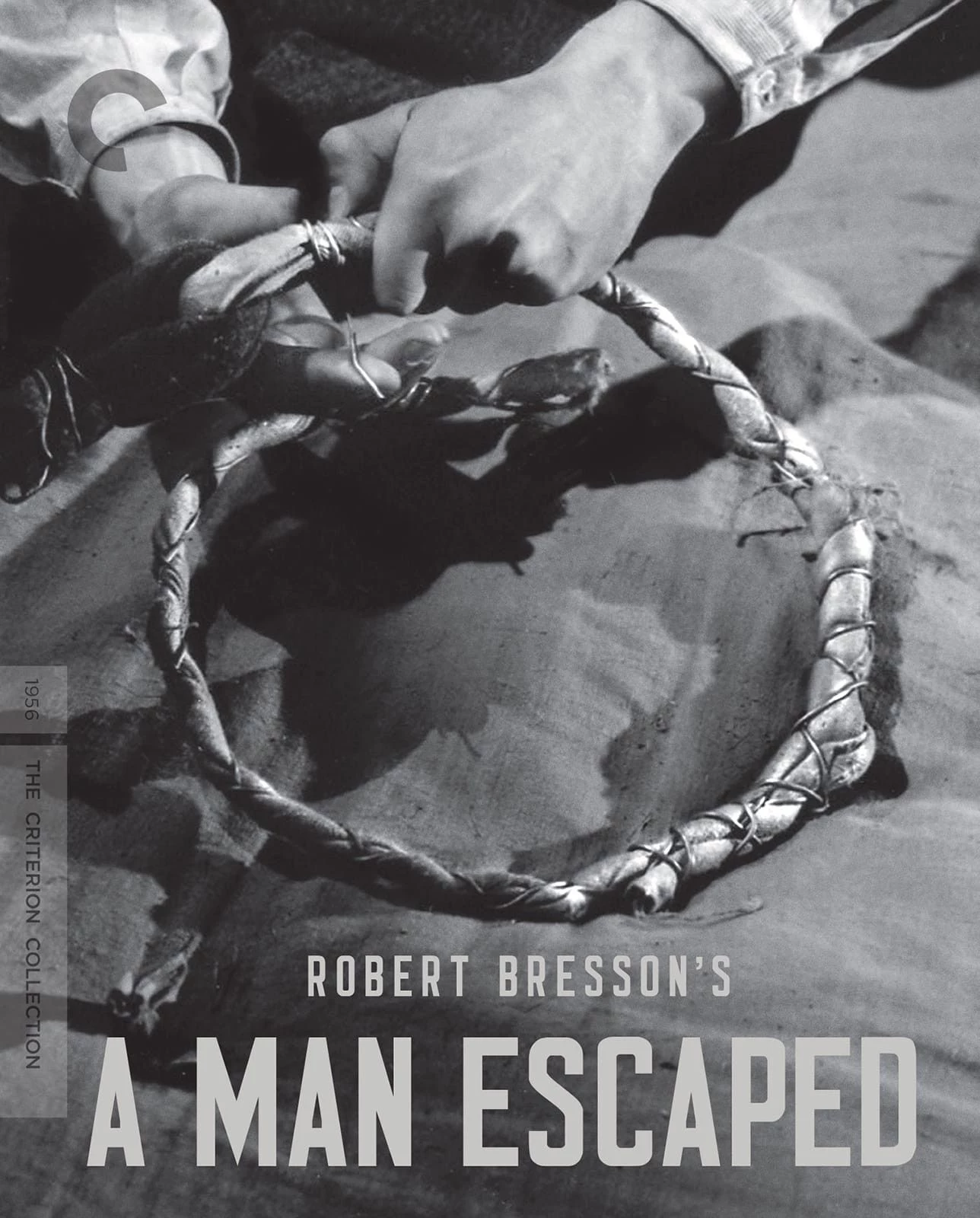
Kogonada created a well-known video essay titled “Hands of Bresson,” which showcases striking shots of hands from the films of Robert Bresson. The focus on hands stems from a belief, as Bresson himself noted, that they are powerfully expressive. While faces and body language also communicate meaning, the essay specifically highlights the unique expressiveness of hands, prompting the question: why focus on them in particular?
As a film fan, I’ve always been fascinated by how actors use their bodies – especially their faces and eyes – to create a performance. I recently read an essay in the Criterion Collection release of A Man Escaped that really struck me. Bresson apparently avoided professional actors because he felt they were too aware of the camera, and that little bit of ‘acting’ always showed through. He believed hands, though, were different. They move almost automatically, without conscious thought, making them incredibly genuine on film. That’s how he could tell the story of A Man Escaped exactly as he envisioned it – raw and unadorned, as the opening title cards state. It’s all about capturing reality, not performance.
The Complete Jacques Tati
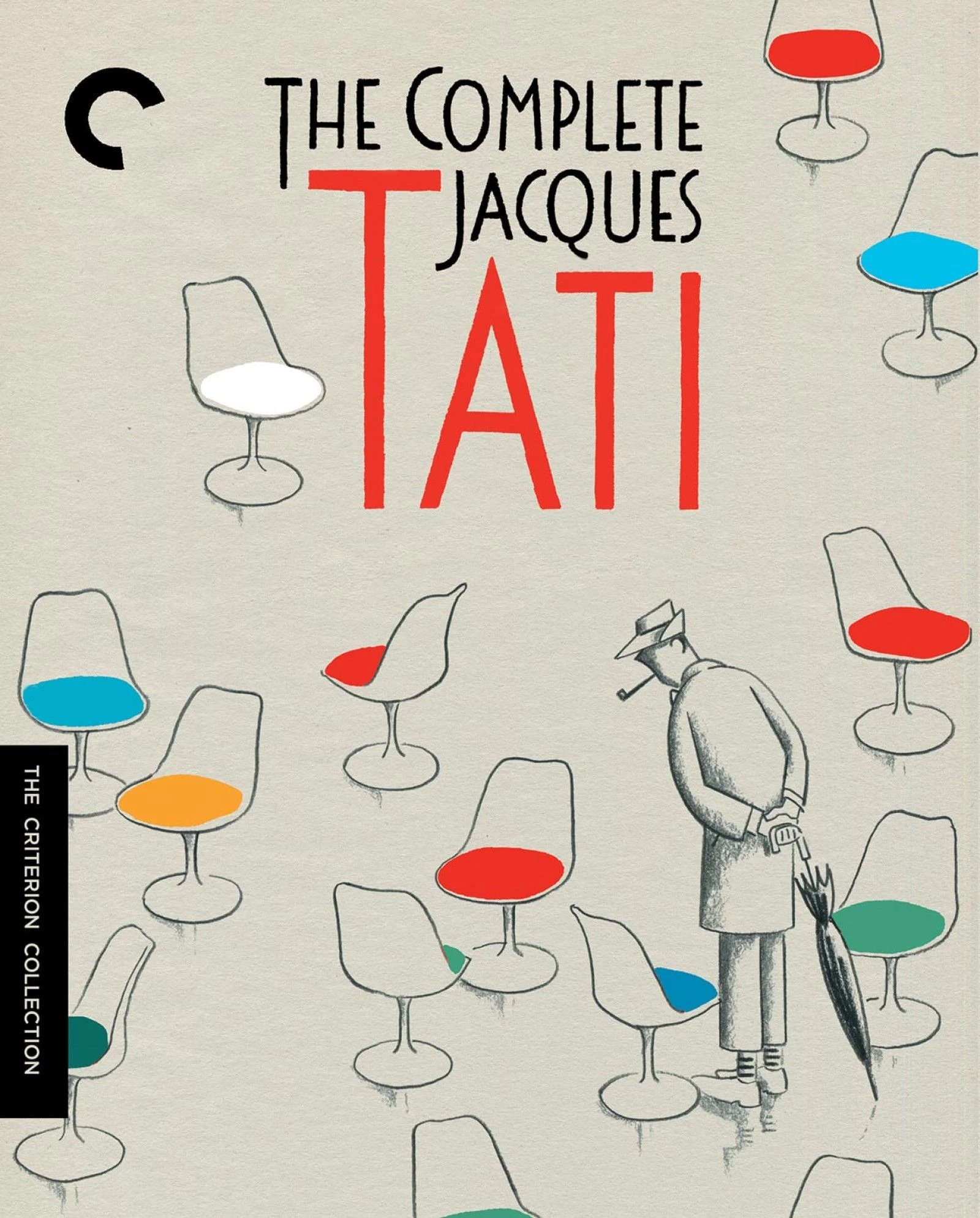
I own several Criterion box sets, but the Jacques Tati collection is the one I’ve enjoyed the most. It includes all of Tati’s films, starting with his delightful first feature, Jour de fete, and ending with his last, Parade. A highlight is Playtime, a brilliantly funny and insightful comedy about modern life and technology that still feels incredibly fresh today. The set is packed with extras, like Tati’s short films, the English dub of Mon Oncle, video essays, documentaries, interviews, and a substantial booklet featuring writings from film scholars like Jonathan Rosenbaum. And the whole thing comes in gorgeous packaging designed by David Merveille.
Videodrome
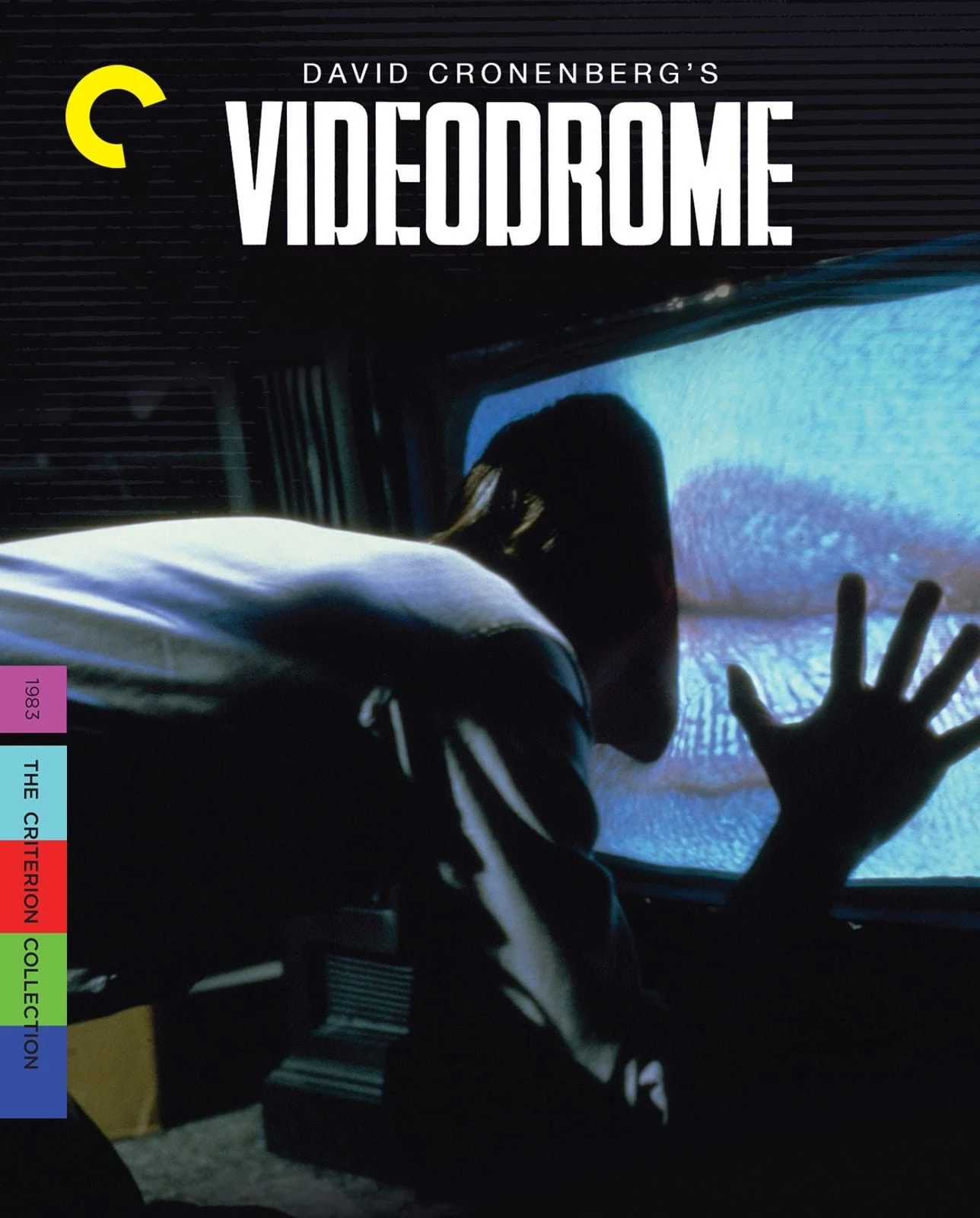
The film Videodrome centers on a cable TV executive (James Woods) who discovers a strange and disturbing broadcast of the same name, filled with extreme violence and sexuality. Captivated, he starts airing it on his station. As he investigates the source of Videodrome, he descends into a bizarre world where television isn’t just entertainment—it’s a powerful force akin to religion, and maybe even reality itself. David Cronenberg’s Videodrome remains a relevant and insightful look at how television affects our minds.
The 10 Worst Netflix Movies of the Last 10 Years (2016-2025)

10. Heart of Stone (2023)
The movie Heart of Stone starts with a promising idea: a new, seemingly inexperienced computer expert joins a spy team, secretly a highly skilled agent like James Bond. To make this work, the role needed a comedic actor who could play an unassuming character, creating a surprising contrast when they reveal their abilities – similar to how Bob Odenkirk was used in Nobody. However, the filmmakers cast Gal Gadot, and the film quickly abandons this clever premise. About 40 minutes in, it becomes a standard action movie about artificial intelligence, covering similar ground to Mission: Impossible – Dead Reckoning but without Tom Cruise’s energy or any interesting exploration of filmmaking techniques. The film’s central AI, “The Heart,” is portrayed as purely benevolent, and unfortunately, much of the action relies on uninspired CGI.

9. Lift (2024)
- A generic title of no more than three words.
- Bland digital photography without style or panache.
- Big-name stars who are not too big to take a low-effort, high-salary paycheck.
- A plot that involves a bunch of international locations in countries where Netflix sells subscriptions.
- At least one sequence where they clearly never went to said international location and shot the entire thing on an obvious green screen instead.

8. Trigger Warning (2024)
In Trigger Warning, Jessica Alba stars as a highly skilled CIA agent who goes back to her hometown and uncovers a plot involving a valuable mine and a dishonest senator. With Redbox gone, movies like this end up on streaming services, often recommended to viewers who liked similar films like Rebel Ridge. However, even if you enjoyed Rebel Ridge, this movie isn’t worth watching.

7. Red Notice (2021)
Up until its release, Red Notice was Netflix’s most costly film, starring Dwayne Johnson, Ryan Reynolds, and Gal Gadot in a hunt for a mysterious artifact. Despite the stars’ charisma, the script failed to give them any compelling dialogue or character development. One scene, set during a bullfight, is particularly jarring – it’s visually unappealing and clearly fake. It doesn’t appear to have been filmed in a real bullring, and the actors don’t even seem to be sharing the same set.

6. Your Place or Mine (2023)
This streaming movie feels like the filmmakers relied too much on its stars, Reese Witherspoon and Ashton Kutcher. The plot is thin: Witherspoon’s character travels across the country for a one-week accounting class – despite the apparent lack of local or online options. When her babysitter cancels, she asks her incompatible best friend (Kutcher) to watch her son, even though another friend with kids is conveniently available. It’s filled with these little illogical moments. Ultimately, though, the movie’s biggest problem isn’t the plot, but the lack of chemistry between Witherspoon and Kutcher, and a script that doesn’t deliver any laughs. Their connection feels forced, and it’s hard to root for them to end up together!

5. The Electric State (2025)
There was a lot of talk about the $320 million Netflix reportedly spent on this sci-fi film directed by the Russo brothers – and it likely was an excessive amount. Even if the budget had been cut in half, it still wouldn’t have been a good investment. The Electric State simply doesn’t look impressive; the characters and visuals are bland and uninspired. The story follows a young woman (Millie Bobby Brown) traveling through a world filled with robots to find her brother, aided by Chris Pratt, who seems to be playing a familiar action hero role with an outlandish hairstyle. The film’s core story, based on a book I haven’t read, is confusing, but even that could be overlooked if the movie was visually engaging. Unfortunately, it isn’t.

4.Rebel Moon — Part Two: The Scargiver
The first part of Zack Snyder’s sci-fi film, released at the end of 2023, was enjoyable because it focused on assembling a team and exploring strange worlds with unique creatures and technology. However, the second part, Rebel Moon – Part Two: The Scargiver, is essentially one long, drawn-out battle. Snyder’s overuse of slow motion makes it feel slow and repetitive – I actually had to watch it three times because it kept putting me to sleep! At least it delivers on the promise of intense violence and scarring. I suspect the director’s cut, Rebel Moon – Chapter Two: Curse of Forgiveness, will be an improvement, but I’m not in any hurry to watch it.

3. Texas Chainsaw Massacre (2022)
I don’t have a background in real estate, city planning, or politics, but I’m really questioning this business idea. Someone wants to auction off an abandoned town – just a few buildings on one street, in the middle of nowhere – to wealthy young people who want to turn it into a trendy spot with a comic book store and a brunch cafe. Honestly, who’s going to visit a ghost town for that? And, apparently, the only current resident is Leatherface! Does he even like brunch? It’s actually the starting point of the latest Texas Chainsaw Massacre movie.
Also, it’s a classic horror movie trope that killers can move silently, but wouldn’t a chainsaw make a lot of noise? It seems hard to sneak up on anyone when you’re revving a chainsaw!
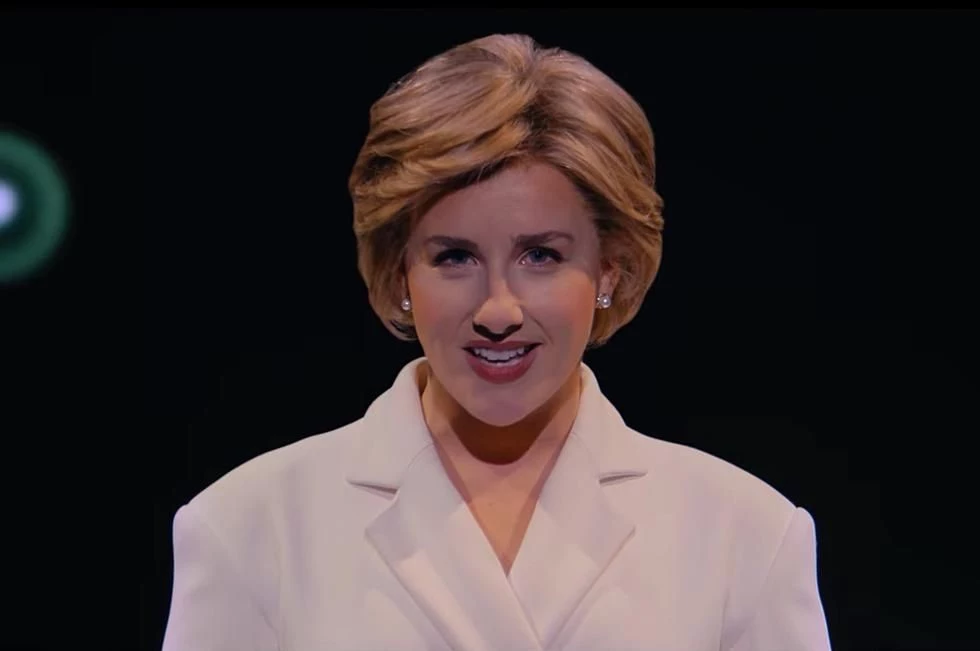
2. Diana: The Musical
When the Broadway musical about Princess Diana was initially delayed by the Covid pandemic, the creators filmed it without an audience as a record. Though it eventually premiered on Broadway in the winter of 2021, the recording first appeared on Netflix, seemingly as a promotional tool.
However, it quickly became a source of ironic fascination. Many viewers found Diana: The Musical even more bizarre than the infamous Cats movie. Unlike Cats, it features questionable rhymes—like pairing “thrilla” and “Manila” with “Diana” and “Camilla.” Instead of portraying the tragic story with the seriousness it deserves, Diana adopts a surprisingly cheerful tone. It’s hard to believe so many people approved of a song where Prince Charles sings “Darling, I’m holding my son, so let me say ‘Jolly well done!’” Diana closed on Broadway after just 33 performances, but Diana: The Musical will remain available on Netflix indefinitely.
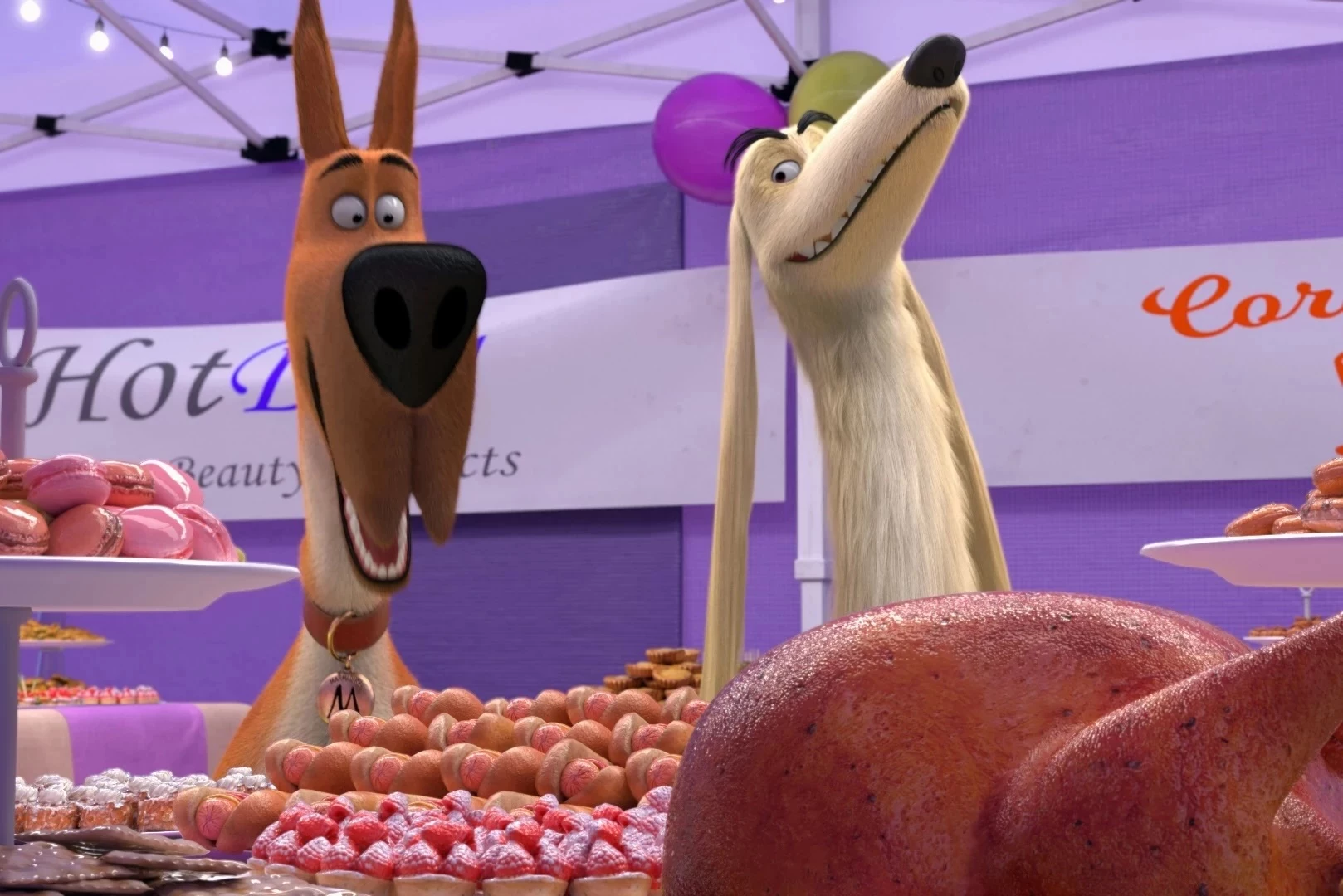
1. Marmaduke (2022)
Honestly, I’ve never seen an animated movie look as bad as Marmaduke, and I really hope I never do. It seriously feels like something made just to move money around, or a project they had to rush out just to keep the rights. What’s even more baffling is that it has some genuinely funny, well-known actors – J.K. Simmons, David Koechner, and Pete Davidson, to name a few. I can’t figure out how they signed on! Did they not see what they were getting into? It’s just… awful. Truly, I wouldn’t even subject my old school bus bullies – the ones who used to write songs about me – to this movie. And that’s saying something, because their songs were more imaginative than Marmaduke.
Read More
- United Airlines can now kick passengers off flights and ban them for not using headphones
- Crimson Desert: Disconnected Truth Puzzle Guide
- All 9 Coalition Heroes In Invincible Season 4 & Their Powers
- Mewgenics vinyl limited editions now available to pre-order
- Grey’s Anatomy Season 23 Confirmed for 2026-2027 Broadcast Season
- Viral Letterboxd keychain lets cinephiles show off their favorite movies on the go
- The Boys Season 5 Spoilers: Every Major Character Death If the Show Follows the Comics
- Assassin’s Creed Shadows will get upgraded PSSR support on PS5 Pro with Title Update 1.1.9 launching April 7
- Does Mark survive Invincible vs Conquest 2? Comics reveal fate after S4E5
- How to Get to the Undercoast in Esoteric Ebb
2026-02-24 20:33