Successful movies often become iconic parts of our culture, leading to sequels, awards, and even spin-off shows. This helps them remain popular and become considered classics. But even films that don’t succeed immediately can still find an audience and become beloved favorites over time.
Many classic films have remained popular over time thanks to frequent television broadcasts and viewers discovering the work of talented filmmakers and then exploring their earlier projects. These beloved movies didn’t need to be box-office successes to find an audience – in fact, they often gained popularity after their initial theatrical release. Initially overlooked, daring, and innovative for their time, these films – spanning genres like horror, drama, science fiction, and musicals – overcame negative reactions to become lasting parts of cinematic history.
‘The Thing’ (1982)
Universal Pictures
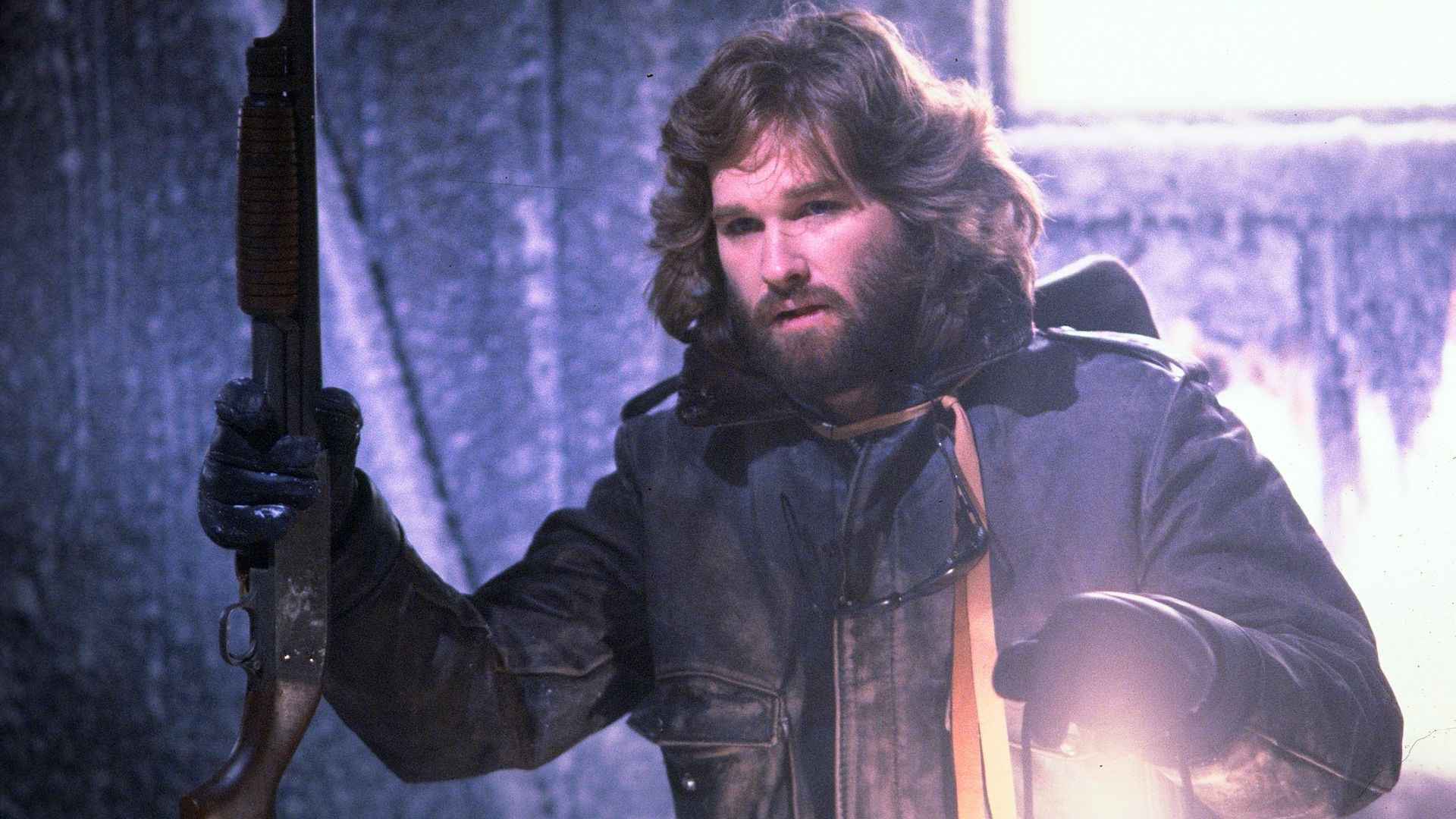
When John Carpenter’s The Thing came out in 1982, it surprisingly received negative reviews. This might have been because the movie was a dark and violent sci-fi horror, released very close to the feel-good hit E.T. – audiences clearly preferred the lighter film. Critics also found the movie’s depressing atmosphere and graphic special effects more disturbing than impressive.
Fortunately, horror fans embraced The Thing, and it’s remained a beloved classic ever since. What critics originally disliked about Carpenter’s film is now what people love most about it. Its realistic, practical special effects are still considered a high standard, and many fans appreciate them more than the computer-generated imagery common in today’s movies.
‘It’s a Wonderful Life’ (1946)
Despite being a beloved holiday tradition today, the film It’s a Wonderful Life was initially a box office disappointment. A key issue was its release timing. It first premiered in New York in December 1946, but wasn’t widely shown until January 1947, missing the peak holiday movie season. Director Frank Capra, known for films like Mr. Smith Goes to Washington and Arsenic and Old Lace, was able to get a large budget for the movie—reportedly over $3 million for the studio.
Despite being a quality film, It’s a Wonderful Life wasn’t initially successful. A bad release timing, combined with strong competition from other movies and audiences preferring lighter entertainment, led to its initial failure. The film largely faded into obscurity until 1974, when its copyright lapsed because it wasn’t renewed. This allowed television stations to broadcast it freely, and through repeated airings during the holidays, Frank Capra’s film eventually found a wide audience and became a cherished classic.
‘The Shawshank Redemption’ (1994)
Columbia Pictures
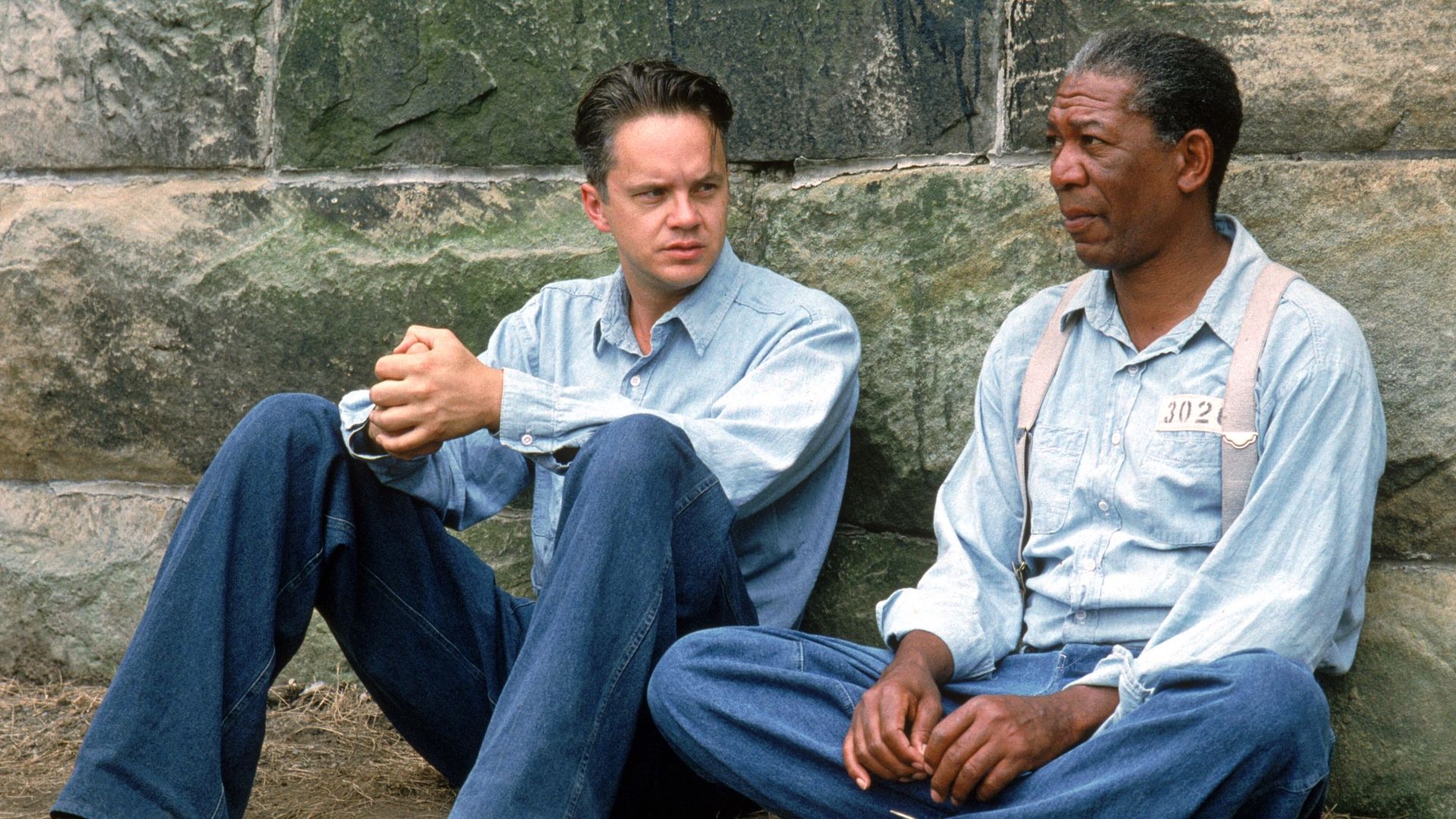
It’s surprising that The Shawshank Redemption wasn’t a bigger hit in theaters. Considering it’s consistently ranked as the #1 movie on IMDb’s Top 250 list – boasting a 9.3/10 rating from over 3.2 million voters – you’d expect positive buzz to have overcome any initial issues. However, the film actually struggled, and many believe the title was the problem. Even Tim Robbins, the film’s lead actor, once told Entertainment Weekly that people simply couldn’t remember the name.
When The Shawshank Redemption came out in 1994, it struggled at the box office because it was competing with huge hits like Forrest Gump, Pulp Fiction, Speed, Dumb & Dumber, and even the still-popular Jurassic Park. Though it received some award nominations, the film didn’t gain much attention until it began airing frequently on television. Over time, this repeated exposure helped it build a dedicated fan base who now consider it a classic and one of the best films ever made.
‘Willy Wonka & the Chocolate Factory’ (1971)
Paramount Pictures
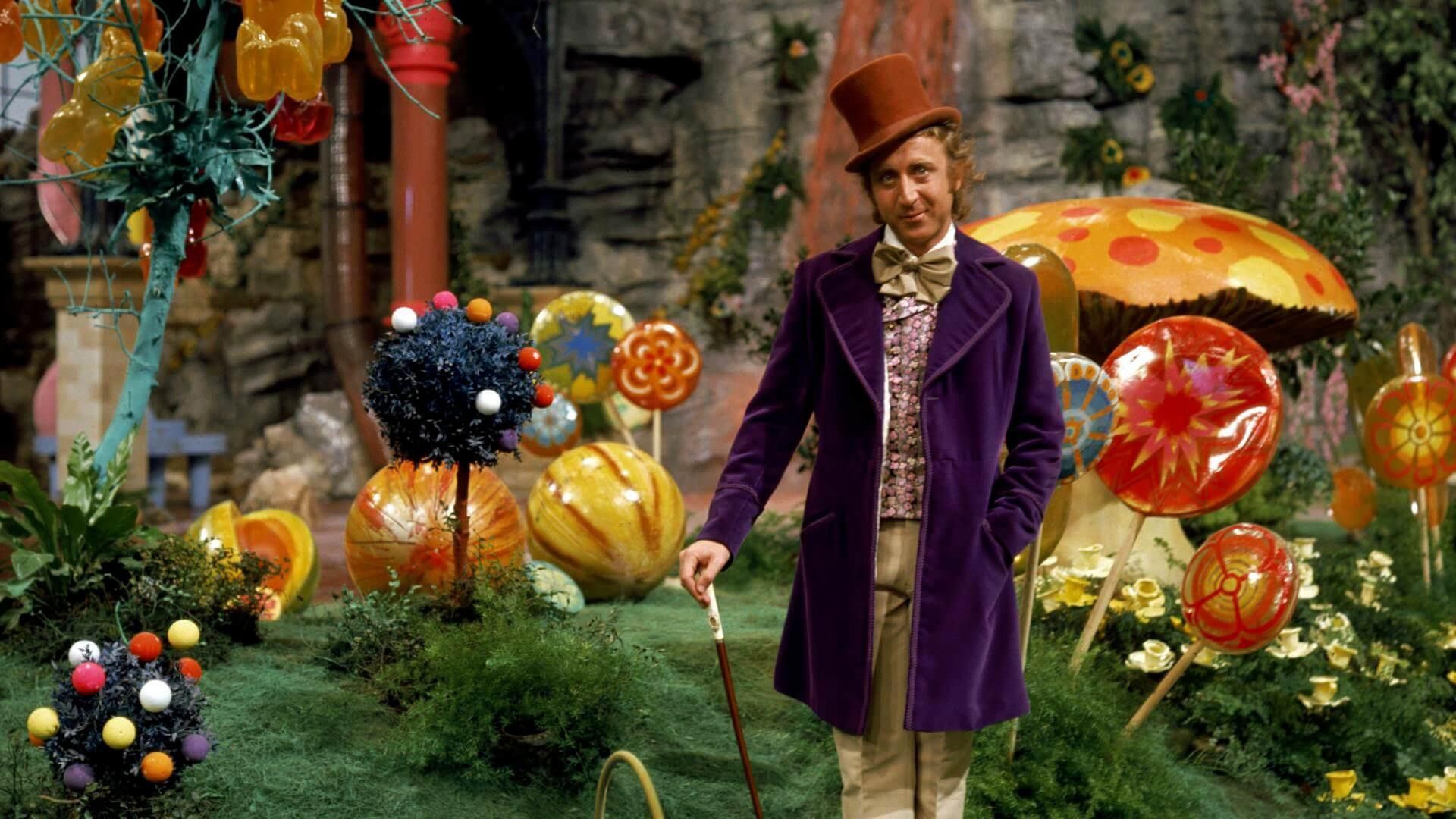
For many people, watching Gene Wilder’s Willy Wonka & the Chocolate Factory was a childhood tradition thanks to frequent TV airings. These repeated broadcasts helped fans appreciate the film’s distinctive and sometimes surprisingly dark style, and Wilder’s performance is widely considered one of his finest roles. Despite all this, the movie wasn’t a big success when it first came out in theaters.
The making of Willy Wonka & the Chocolate Factory wasn’t easy. Roald Dahl, who wrote the original book, was actually taken off the film project because he didn’t like some of the changes, especially the songs. The movie almost ran out of money during filming, but they managed to finish it with a budget of around $3 million. It took a while, but Gene Wilder’s unique performance eventually won people over, and the film remains beloved by fans today.
‘Vertigo’ (1958)
Paramount Pictures
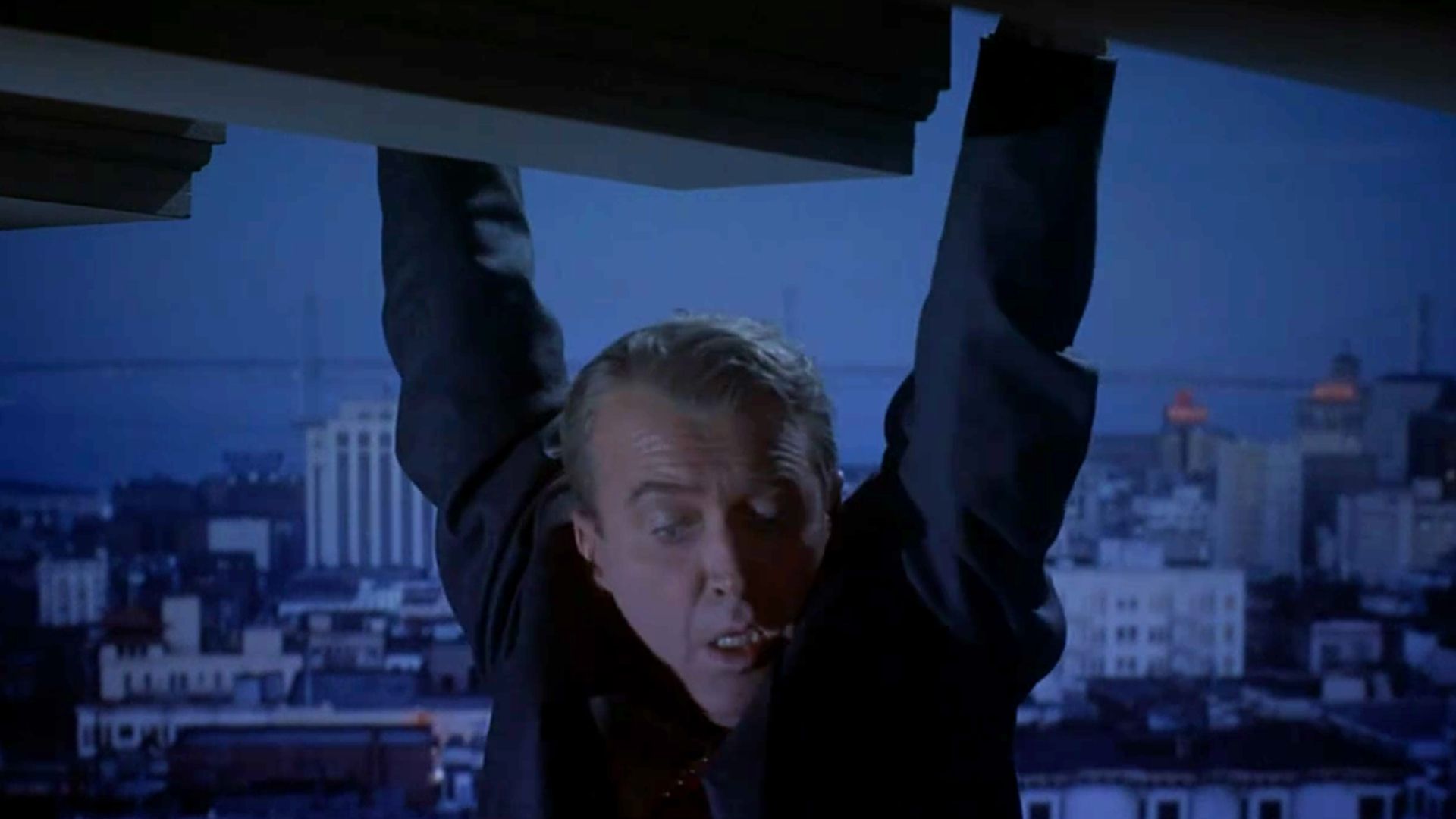
Even renowned directors like Alfred Hitchcock have had films that weren’t immediately successful. His thriller, Vertigo, barely made its money back when it first came out and received a mixed reaction from critics. It’s hard to believe now, considering it’s now considered one of Hitchcock’s masterpieces, but it took audiences a long time to discover its brilliance.
Alfred Hitchcock famously pulled his film Vertigo from theaters in the early 1970s, along with some of his other movies. It wasn’t until the 1980s, after a re-release, that audiences could fully experience his masterful filmmaking. In 2012, Vertigo surprisingly surpassed even the highly-regarded Citizen Kane in a Sight & Sound magazine poll (as reported by the BBC), being named the greatest film ever made. Although it lost the number one spot in 2022, it’s an incredible story for a movie that was unavailable for ten years.
‘Heathers’ (1988)
New World Pictures
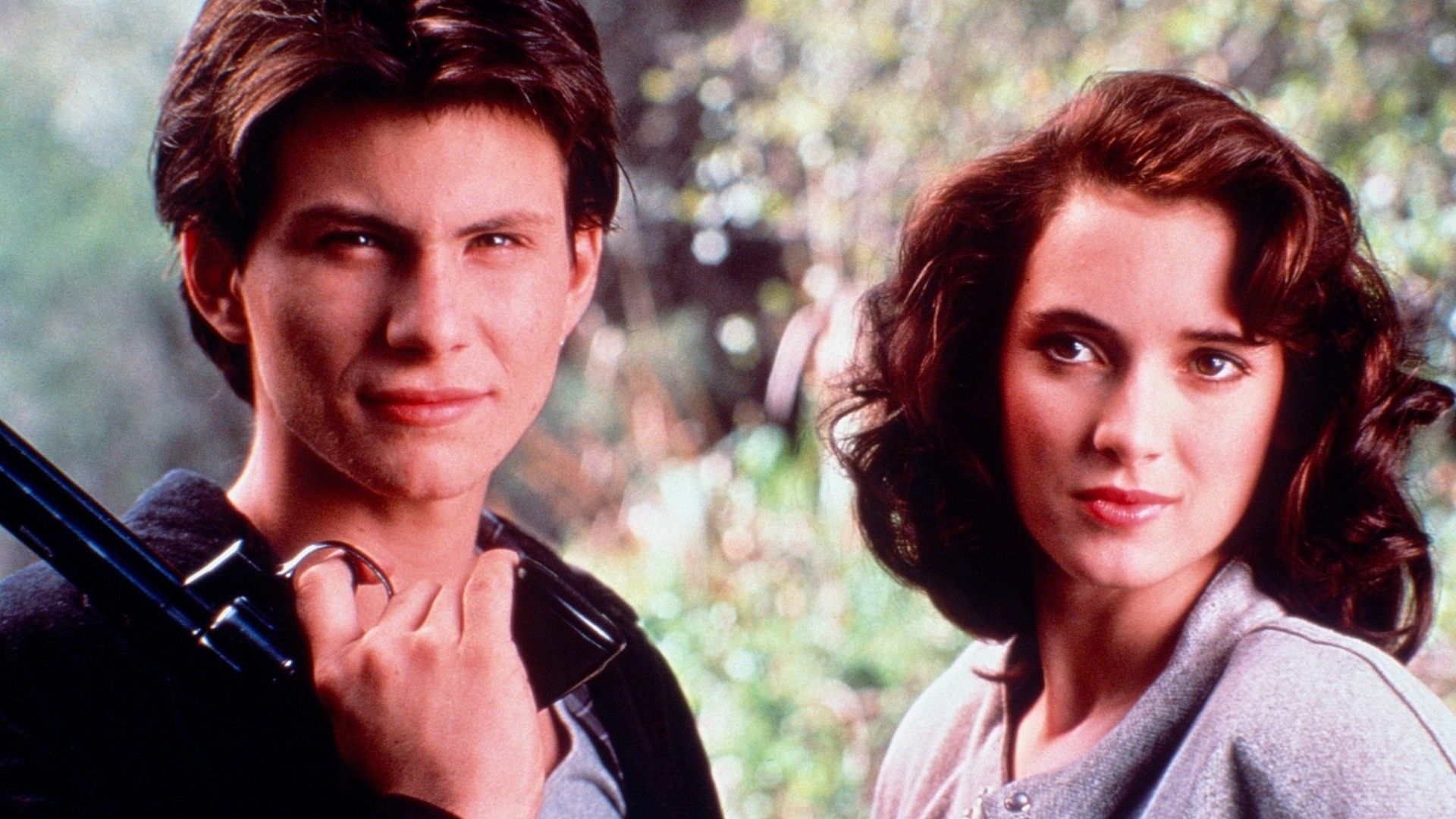
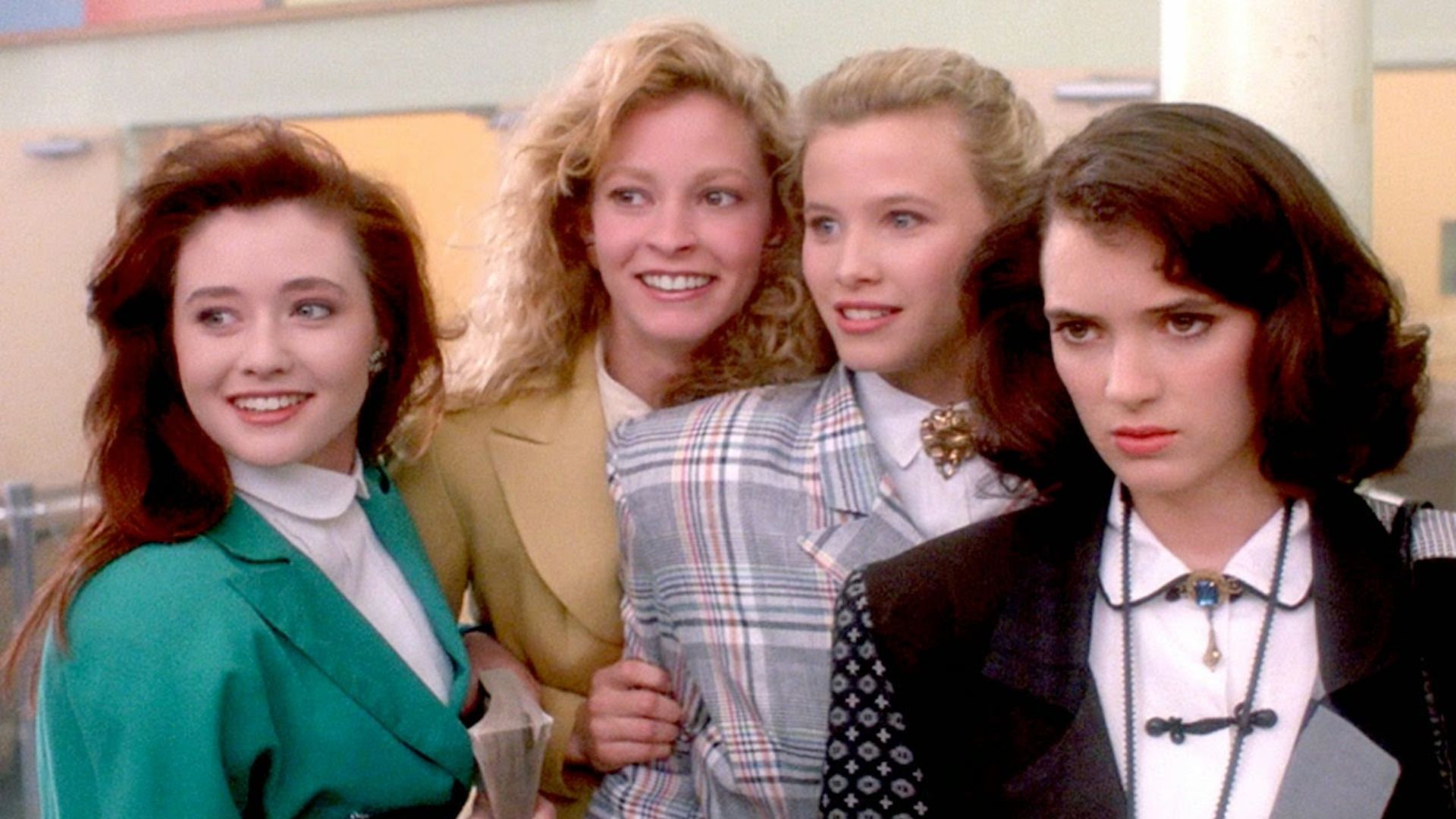
The film Heathers was a radical departure from typical 1980s teen movies. Instead of the lighthearted comedies popularized by directors like John Hughes, Heathers deliberately used dark humor, serious subject matter, and even violence to challenge the prevailing trends of the time. While it starts with the familiar feel of a teen movie, the story quickly takes a turn, beginning with a murder disguised as a suicide, and spiraling into increasingly shocking revelations.
Despite being ambitious, the movie didn’t do well in theaters, earning just over $1 million. Its dark and pessimistic style didn’t appeal to audiences who were used to the director’s more cheerful films. However, over time, people discovered Heathers and embraced its clever and unique take on familiar movie themes. Thanks to television broadcasts and video rentals, it gradually gained a dedicated following and became a cult classic.
‘The Big Lebowski’ (1998)
Gramercy Pictures/courtesy Everett Collection
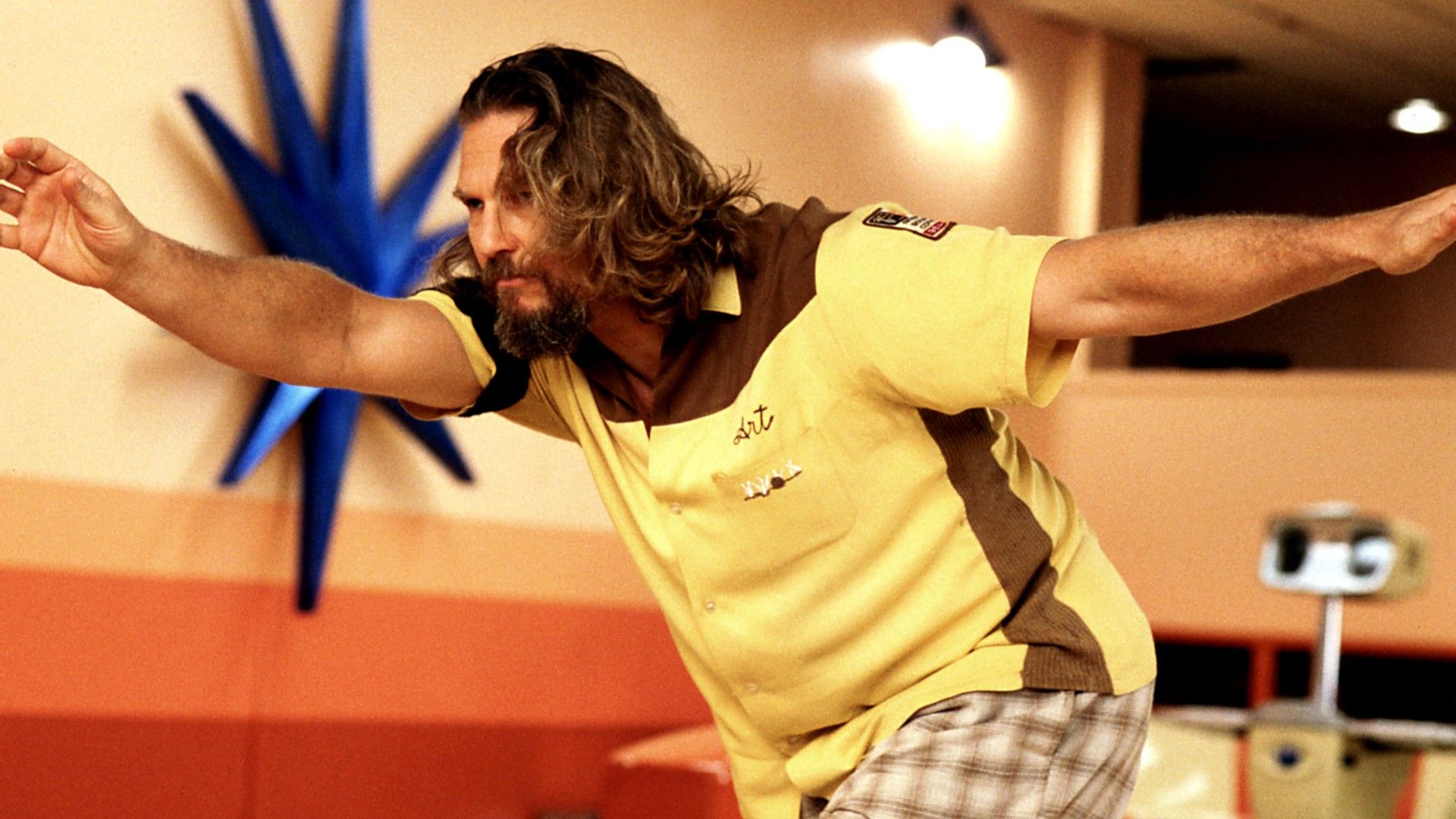
Most people, even those who don’t usually watch classic films, probably recognize something from The Big Lebowski. Its unique characters and style have become a part of popular culture. But surprisingly, the Coen brothers’ film wasn’t an immediate success when it came out in 1998. Despite being made by the same team behind the acclaimed thriller Fargo, it didn’t initially grab audiences’ attention.
The Big Lebowski is a film that gained popularity through television and video rentals, and Jeff Bridges is still strongly associated with his character, The Dude. The quirky crime comedy has developed a remarkably dedicated following, complete with festivals – Lebowski Fest – where fans dress up, bowl, and enjoy White Russian cocktails. Despite a disappointing initial run in theaters, The Big Lebowski actually inspired Dudeism, a genuine religion centered around The Dude’s laid-back philosophy, leaving a lasting impact on culture.
‘Brazil’ (1985)
Universal Pictures
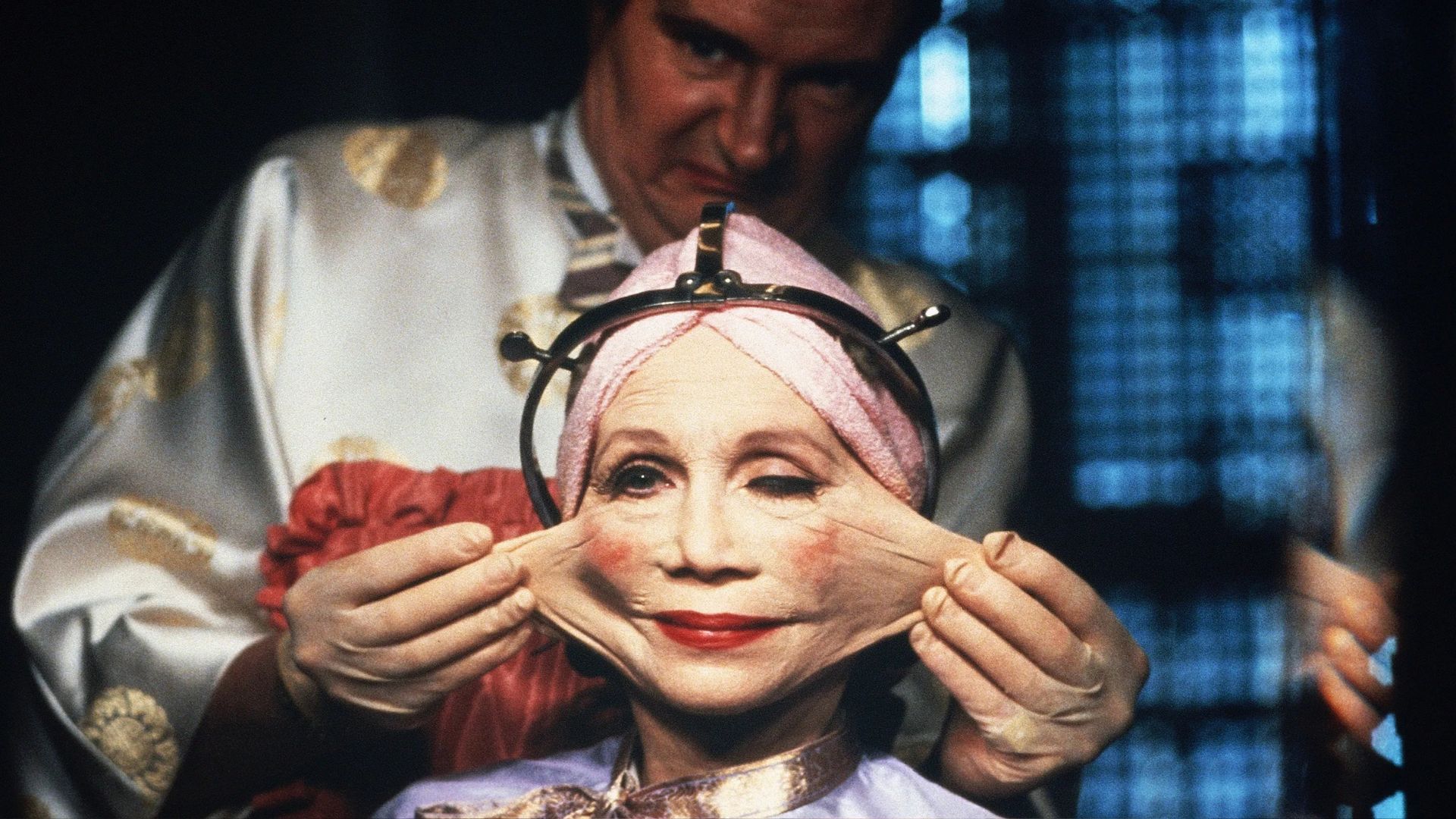
Terry Gilliam’s film Brazil is well-known for the problems it faced with the studio producing it, which ultimately hurt its performance in theaters. The studio disliked the film’s dark themes and unhappy ending, so they interfered with its release. It was delayed, re-edited without Gilliam’s approval, and given very little promotion. Worldwide, it only earned around $10 million, despite costing about $15 million to make, leading most to consider it a box-office failure.
Subscribe to the newsletter for film rediscoveries and insights
Uncover more hidden cinema and film deep dives by subscribing to our newsletter, where curated explorations of overlooked classics, behind-the-scenes context, and fresh perspectives deepen your appreciation of film.
The movie exists in several versions, including one with a happy ending called “Love Conquers All,” and it even had different releases in the U.S. and other countries. Thankfully, restored versions on home media allowed critics and viewers to finally appreciate Terry Gilliam’s vision. What was once seen as a troubled and confusing film has now found a dedicated audience, solidifying its place as a darkly humorous and classic dystopian masterpiece.
‘Blade Runner’ (1982)
Warner Bros.
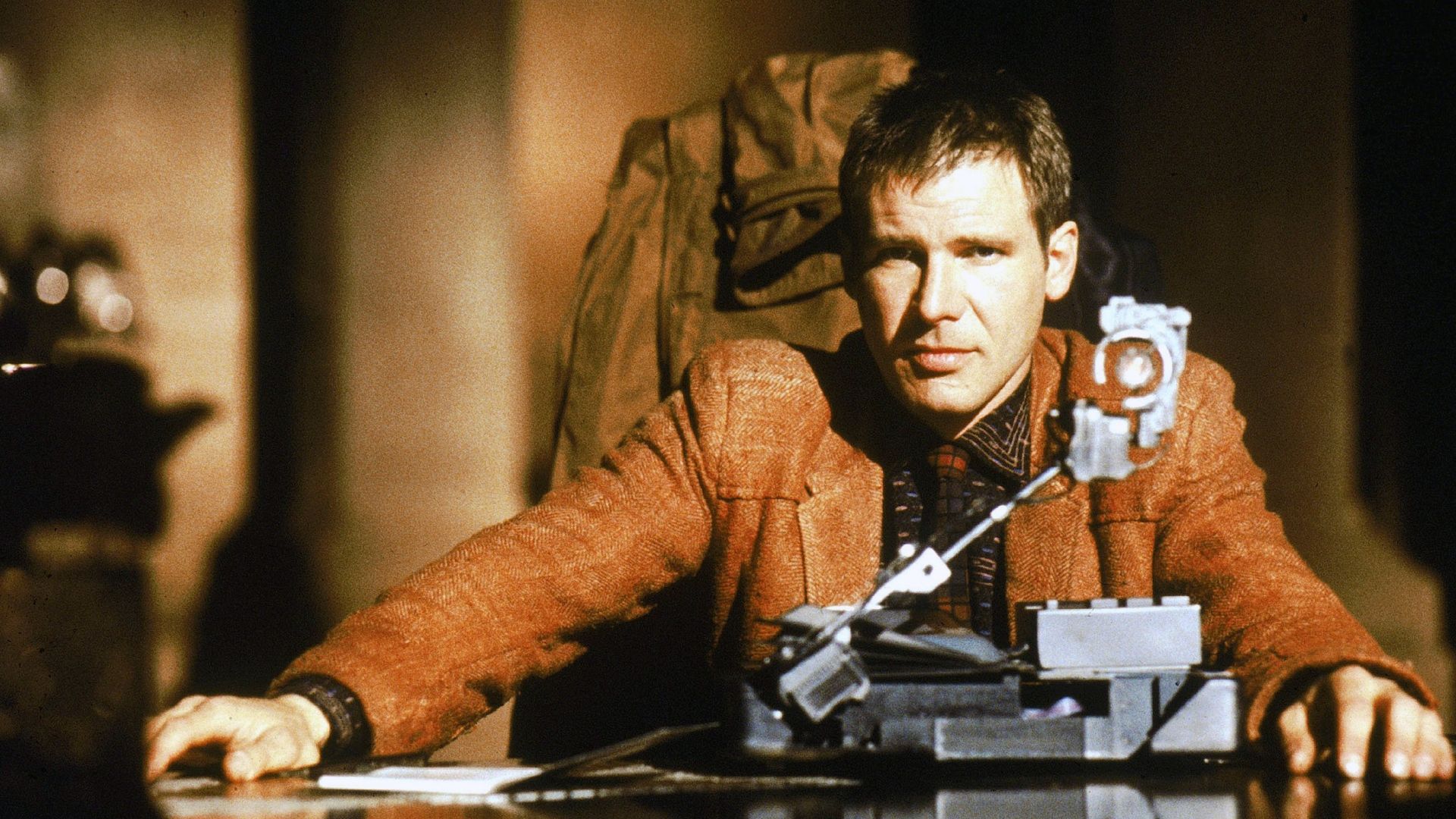
Despite being a critical and commercial disappointment when it first came out, Blade Runner has become a celebrated science fiction film. The original release, directed by Ridley Scott, suffered from technical problems, a more upbeat ending than intended, and Harrison Ford’s unwelcome voice-over narration. It wasn’t well-received by critics and didn’t perform well in theaters. Over time, however, different versions of the film were released, and the careers of those involved flourished, ultimately leading Blade Runner to achieve its now-classic status.
Scott’s preferred version of the film addresses visual effects and sound problems and features a stronger conclusion, removing Ford’s narration. Since its release, Blade Runner has inspired numerous spin-offs, including comics, video games, anime, and a sequel, Blade Runner 2049, directed by the highly respected Denis Villeneuve. Although it took time to arrive at the definitive version, Blade Runner has become a beloved classic among science fiction enthusiasts.
‘The Rocky Horror Picture Show’ (1975)
The Rocky Horror Picture Show was a groundbreaking musical that openly explored LGBTQ+ themes at a time when mainstream audiences considered such content highly taboo. The film featured diverse trans and gay characters celebrating sexual freedom, making it radically different—and too unconventional for many—compared to other musicals of the era. Initial critical reception was largely negative, with reviewers unimpressed by the film’s over-the-top, campy style.
I’ve always been fascinated by how The Rocky Horror Picture Show totally turned things around. It initially bombed, but its rebellious spirit is what really grabbed people. And it didn’t just fade away – it kept playing in theaters! It’s become famous for those incredible midnight screenings, where everyone dresses up and gets involved. Honestly, it became a really important place for LGBTQ+ folks, offering a safe and accepting environment when things were tough. It’s amazing how a film that started as a flop became this huge cult classic, all because it dared to be different and actually represented people.

Found an error? Send it info@movieweb.com so it can be corrected.
Read More
- United Airlines can now kick passengers off flights and ban them for not using headphones
- Crimson Desert: Disconnected Truth Puzzle Guide
- All 9 Coalition Heroes In Invincible Season 4 & Their Powers
- Mewgenics vinyl limited editions now available to pre-order
- Grey’s Anatomy Season 23 Confirmed for 2026-2027 Broadcast Season
- Grok’s ‘Ask’ feature no longer free as X moves it behind paywall
- Assassin’s Creed Shadows will get upgraded PSSR support on PS5 Pro with Title Update 1.1.9 launching April 7
- Viral Letterboxd keychain lets cinephiles show off their favorite movies on the go
- Does Mark survive Invincible vs Conquest 2? Comics reveal fate after S4E5
- Katanire’s Yae Miko Cosplay: Genshin Impact Masterpiece
2026-03-18 04:21