Because so many films exist – from famous classics to lesser-known titles – even dedicated movie lovers can’t claim to have seen everything. A great place to discover these hidden gems is Letterboxd.
Letterboxd’s movie rankings differ from those on sites like Metacritic and Rotten Tomatoes because they’re based on opinions from all film fans, not just professional critics. Anyone can join Letterboxd, write reviews, and rate movies they’ve seen.
Many of the highest-rated films by movie fans aren’t recent Hollywood blockbusters – they come from all over the world and throughout film history, which might be unexpected. However, serious film lovers already know that great movies aren’t limited by when or where they were made, what language they’re in, or even traditional ideas about what makes a film spectacular. Plenty of films demonstrate this timeless quality.
Autumn Sonata (1978)
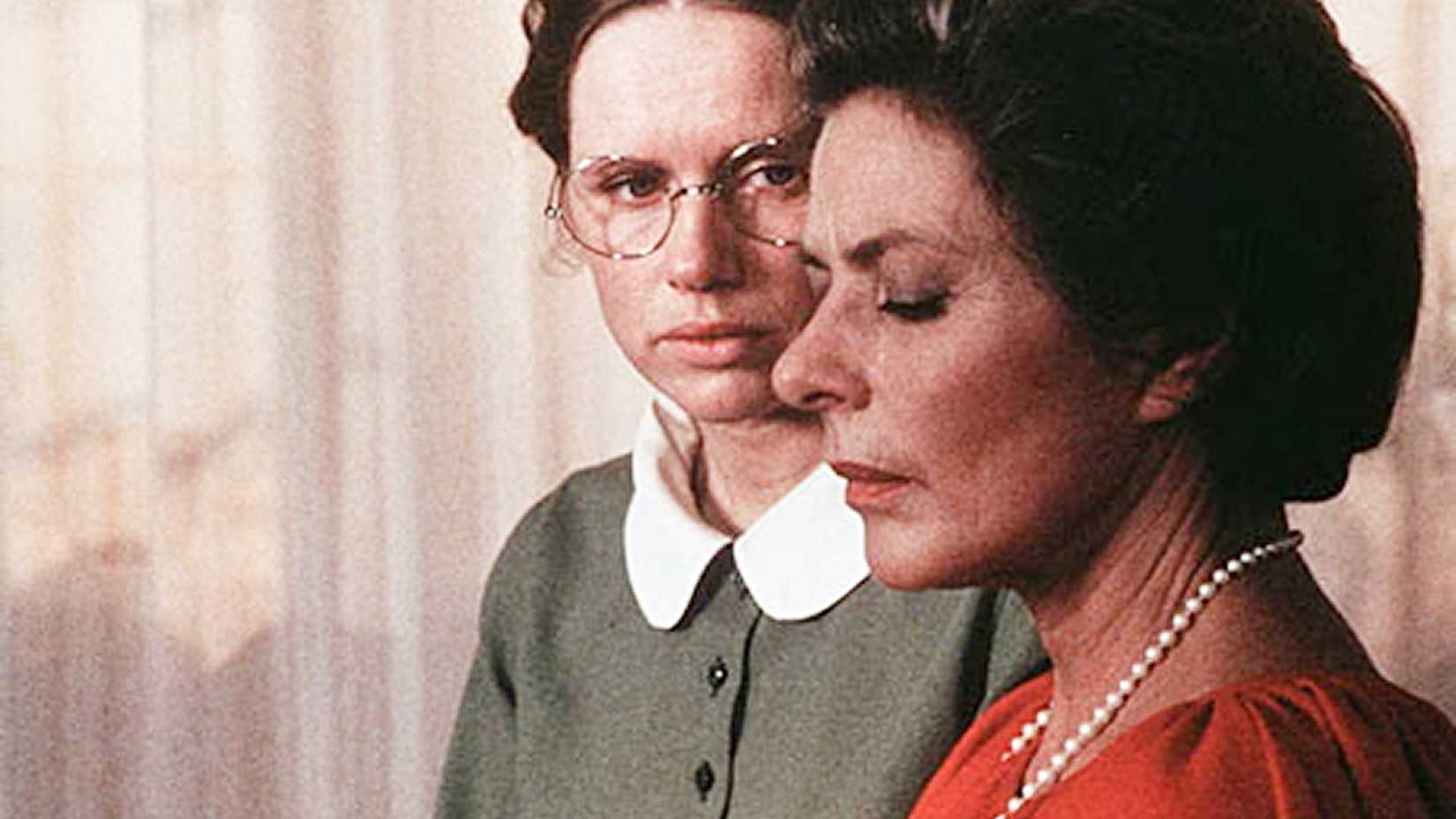
Critics highly praise Ingmar Bergman’s 1978 film, Autumn Sonata, for two main reasons. It powerfully explores the conflict between love and artistic passion without offering easy answers, and it does so with remarkable emotional depth and accuracy.
I have to say, the performances in this film are just incredible! Ingrid Bergman absolutely shines as the mother, and Liv Ullmann is equally captivating as her daughter. Bergman is already a legend, with seven films in Letterboxd’s Top 250, and Autumn Sonata is her highest-rated there, scoring a near-perfect 4.5 out of 5. What really struck me is that Ingmar Bergman drew on his own family life for the story, making it even more powerful and moving.
I’m Still Here (2024)
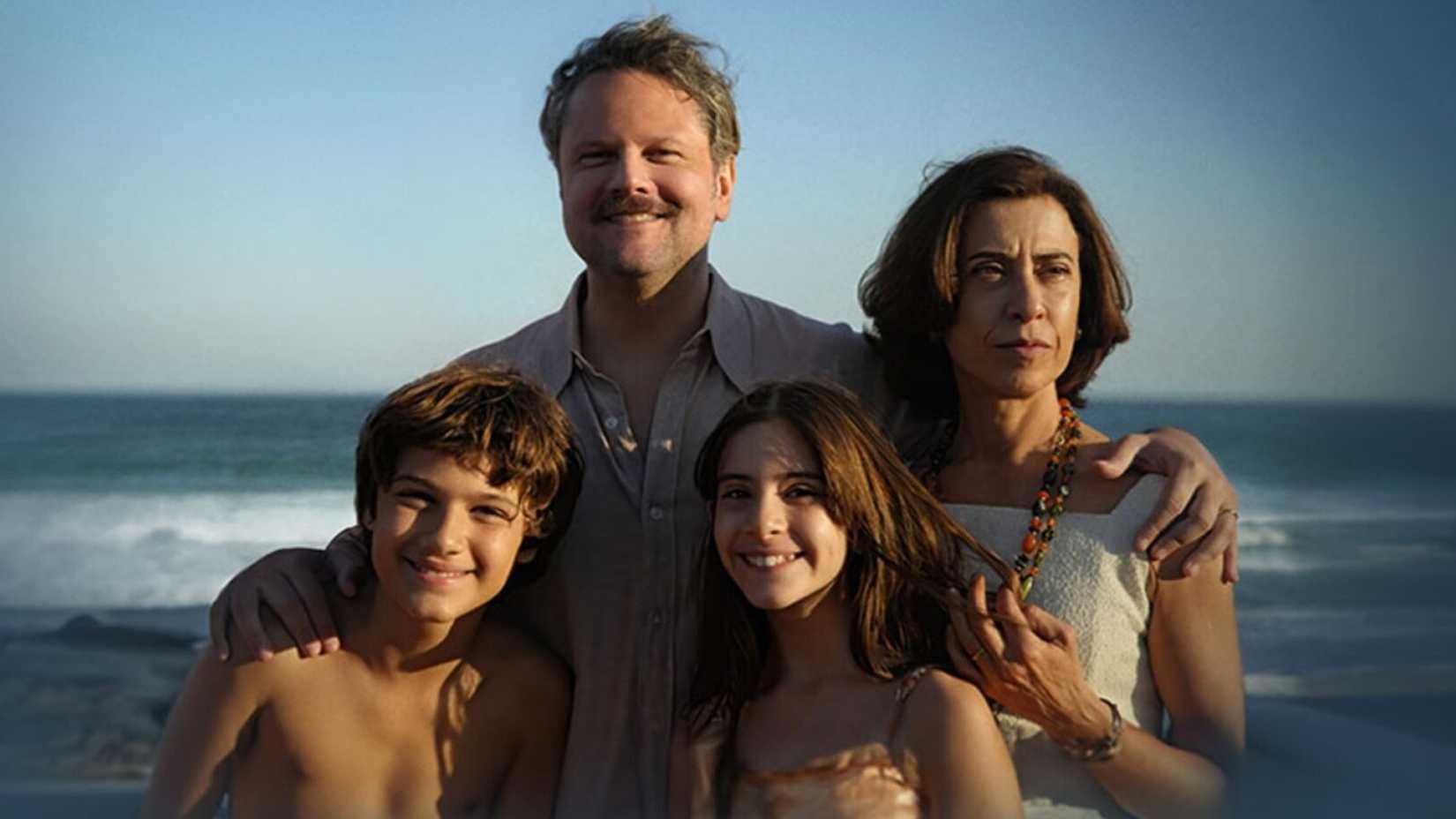
As the 2024-2025 awards season approached, many people were curious about the growing attention surrounding a little-known Brazilian film. Some questioned whether the Portuguese-language political drama even had a chance at a Best Picture nomination. Those doubts quickly disappear after watching Walter Salles’s I’m Still Here, a powerful two-hour story of a family’s strength during a harsh military dictatorship.
This movie, inspired by a true story, tells the story of a woman whose husband disappears during Brazil’s military dictatorship. It powerfully shows how large political forces can devastate even the closest of families.
What really made I’m Still Here a strong Oscar contender wasn’t shocking violence, but the quiet sacrifices made to keep the core group – originally five, now four – together, even after everything fell apart. The film wisely keeps the brutality subtle, instead focusing on the powerful emotions brought to life by Eunice Pavia’s incredible performance.
Ran (1985)
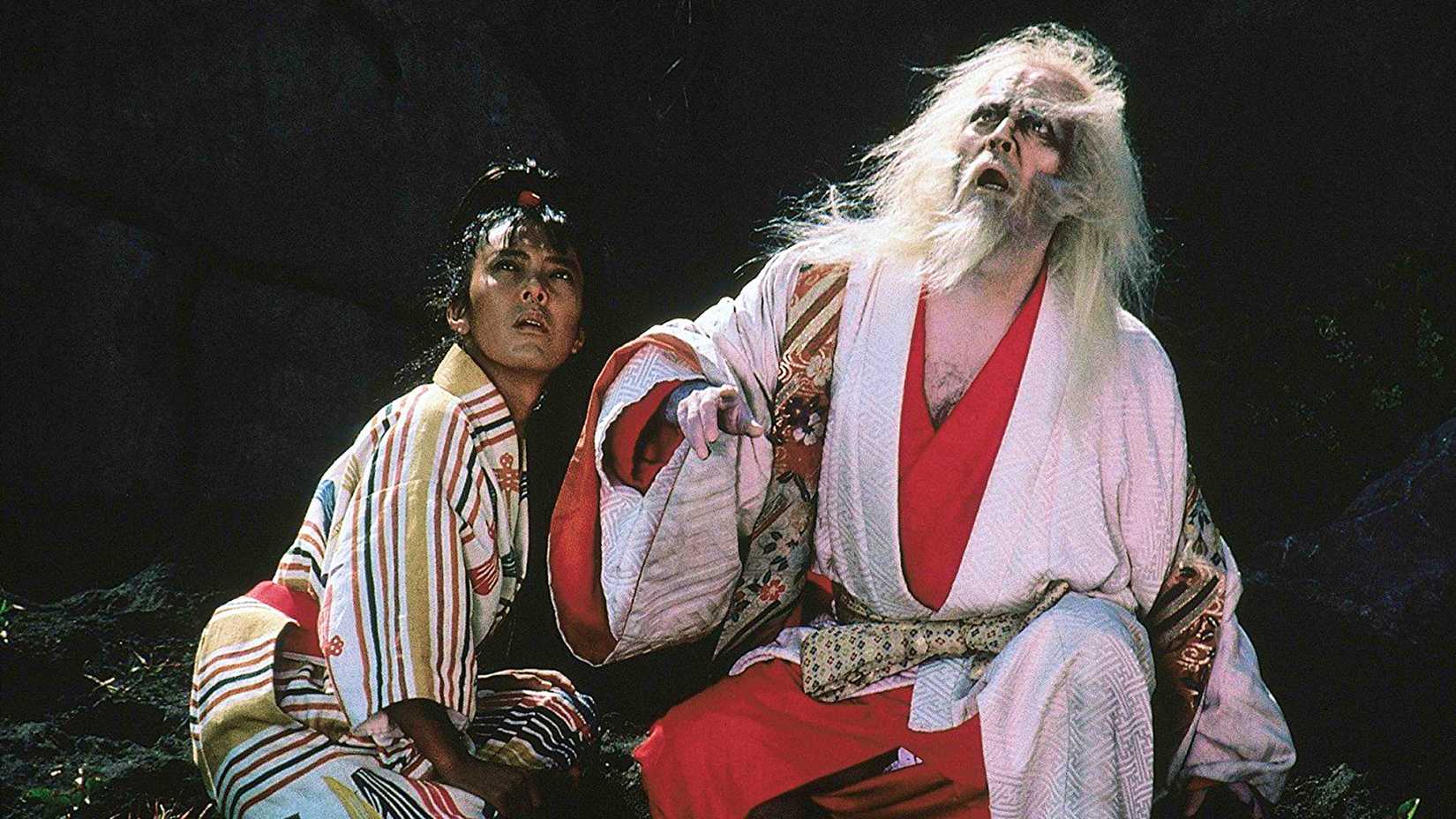
Akira Kurosawa, the director of films like Seven Samurai and Yojimbo, doubted he’d ever get the money to make his passion project, Ran. For ten years, he could only develop the idea through drawings and planning.
French producer Serge Silberman helped make the director’s vision a reality, though the film ended up being the most costly Japanese movie ever produced. The result was a cinematic masterpiece, now considered one of the greatest films of all time.
Kurosawa’s film Ran is inspired by Shakespeare’s King Lear, telling the story of a Japanese warlord who divides his power among his three sons, leading to a brutal civil war. The film’s battle sequences are reminiscent of Saving Private Ryan and Kurosawa’s Kagemusha, portraying violence as quick, realistic, and unforgiving.
City of God (2004)
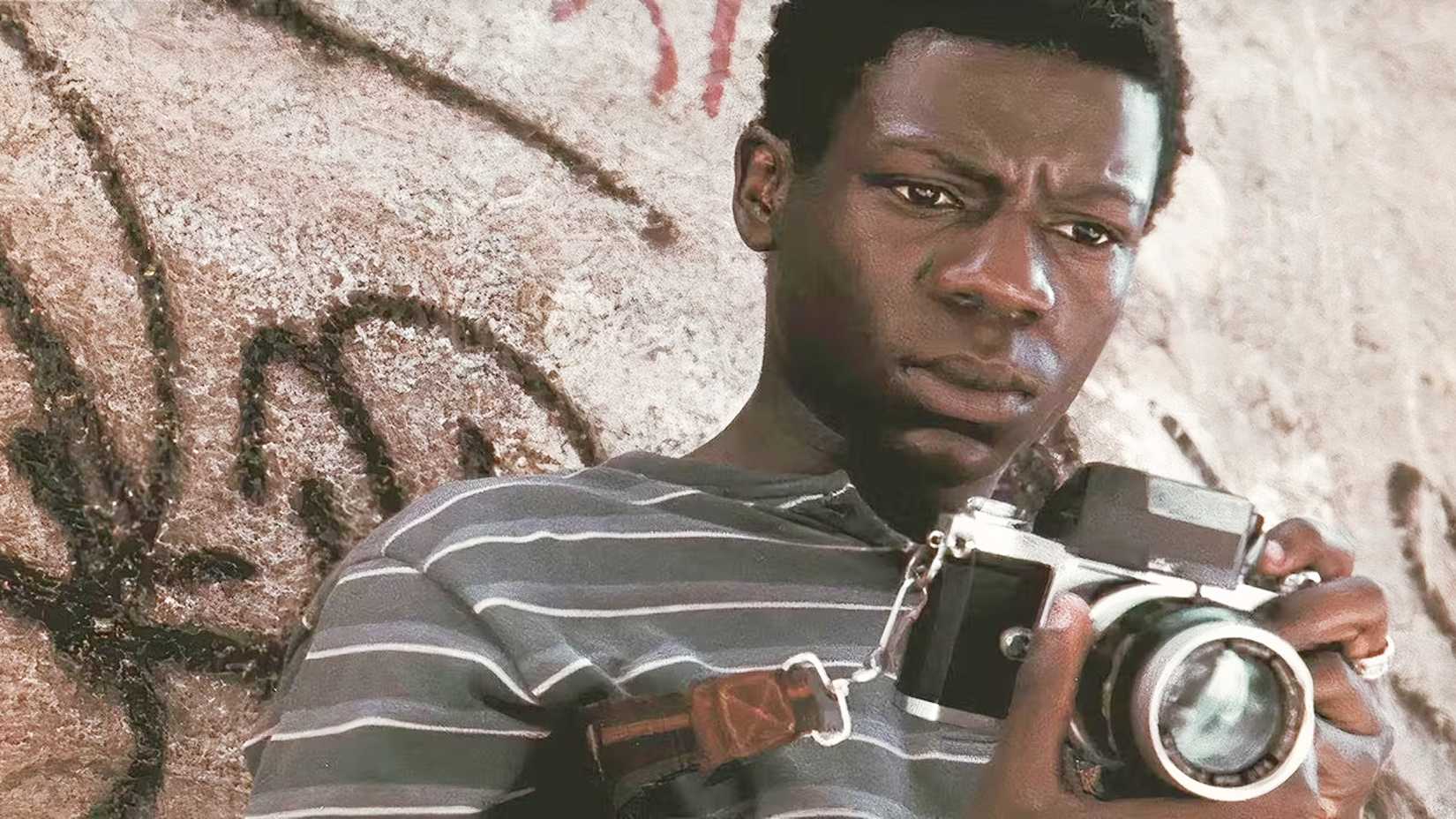
The Brazilian film City of God, directed by Fernando Meirelles and Kátia Lund, is set in a real Rio de Janeiro favela, a neighborhood known by the same name. The film vividly portrays the impact of poverty, lack of opportunity, and organized crime on young people over a twenty-year period, as seen through the perspective of Rocket, an aspiring photographer trying to escape the cycle of violence.
Considered the top international gangster film on Letterboxd, City of God received four Academy Award nominations in 2004, including nods for Best Director and Best Adapted Screenplay. The film’s success helped open doors for other Brazilian movies, like I’m Still Here, to find audiences around the world.
Oldboy (2003)
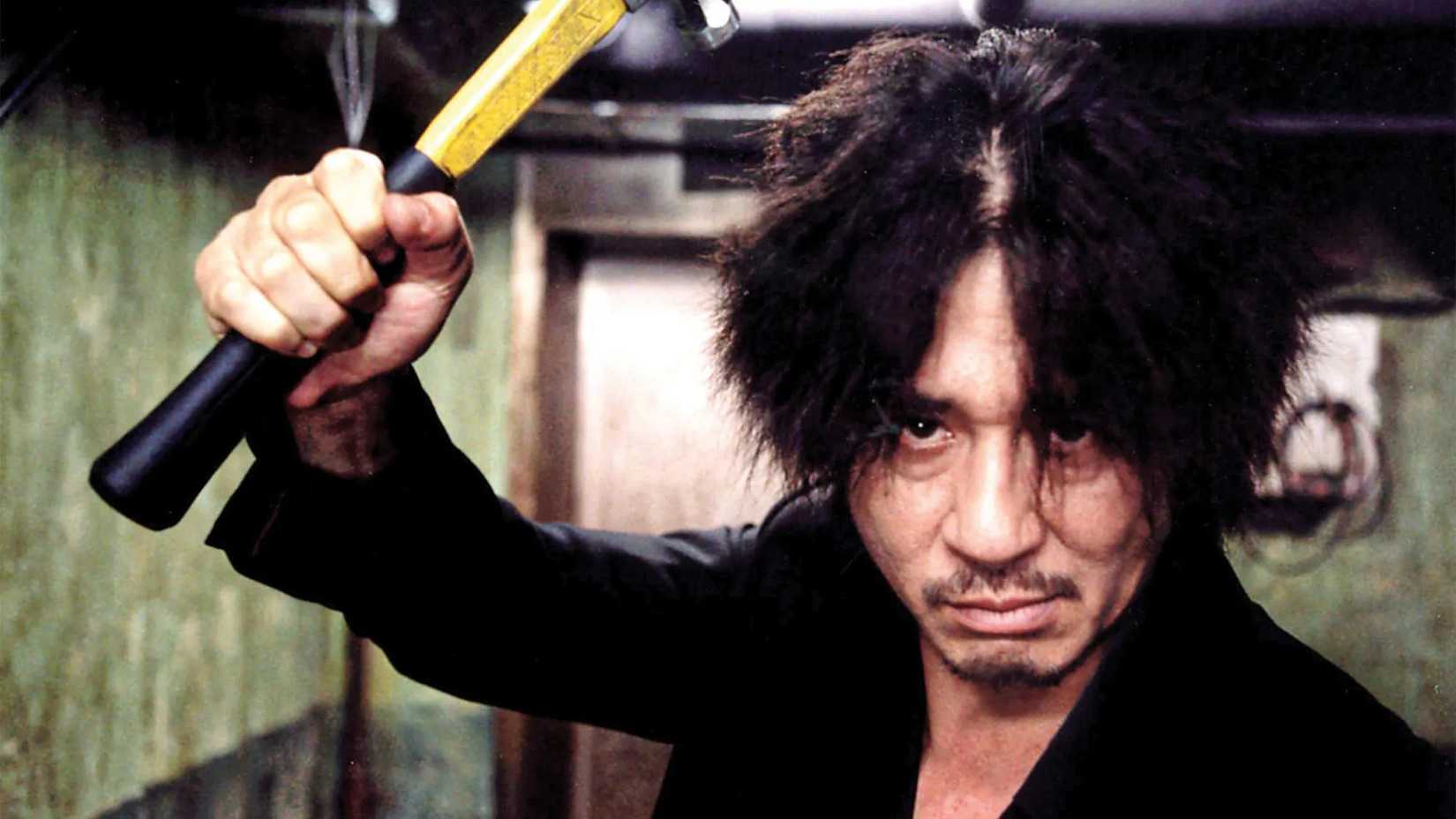
Park Chan-wook’s film Oldboy tells the story of Dae-su (played by Choi Min-sik), a man kidnapped and held captive for 15 years. He’s never told why he’s been imprisoned and endures brutal physical and mental abuse. Suddenly released, Dae-su is consumed by a desire for revenge and sets out to find the person responsible, leading to a story famous for its shocking and unexpected twists.
It’s a strangely captivating film – so much so that it even impressed the famously reserved director Quentin Tarantino. He was head of the jury at the 2004 Cannes Film Festival when the movie won the top prize.
Oldboy is known for its shocking and memorable scenes, like Dae-su eating a live octopus and a thrilling, unbroken-shot hallway fight. It’s a visually intense action movie, and it’s also a Korean-language film.
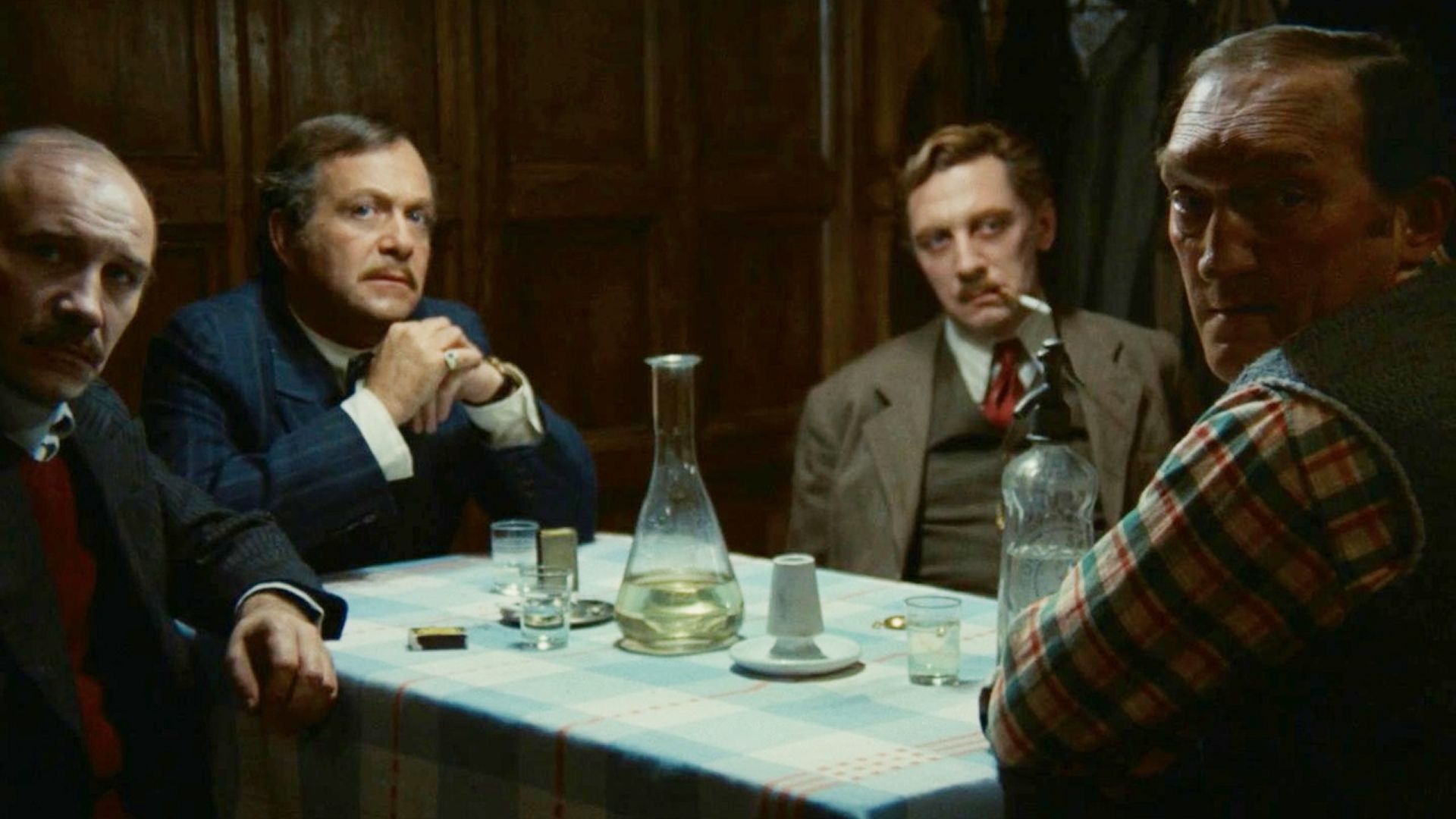
The Fifth Seal (1976)
Many consider The Fifth Seal to be the pinnacle of Hungarian filmmaking. While it doesn’t offer the large-scale battle scenes of films like Dunkirk or All Quiet on the Western Front, it’s still a deeply moving and powerful war drama. Similar to Darkest Hour, the film focuses on character and conversation, with almost all of the action taking place inside a pub, rather than on the battlefield.
The story simplifies the central conflict with a question from a bartender: “Would you choose to be a strong, ruthless ruler, or a weak, but good person oppressed by that ruler?” This presents a difficult moral choice between staying alive and staying true to your values, particularly during the oppressive, authoritarian atmosphere in Hungary near the end of the war.
As someone who knows a little bit about the Bible, the title of this film, The Fifth Seal, immediately struck me – it’s a direct nod to the Book of Revelation and all that imagery of judgment and facing up to what’s right and wrong. And honestly, it’s amazing to me that a film made in an Eastern Bloc country could win a prize at Cannes during the Cold War! It really shows how powerful and universal the questions Zoltán Fábri tackles in the movie are – they clearly resonated with people no matter where they were from or what side they were on.
Eternal Sunshine of the Spotless Mind (2004)
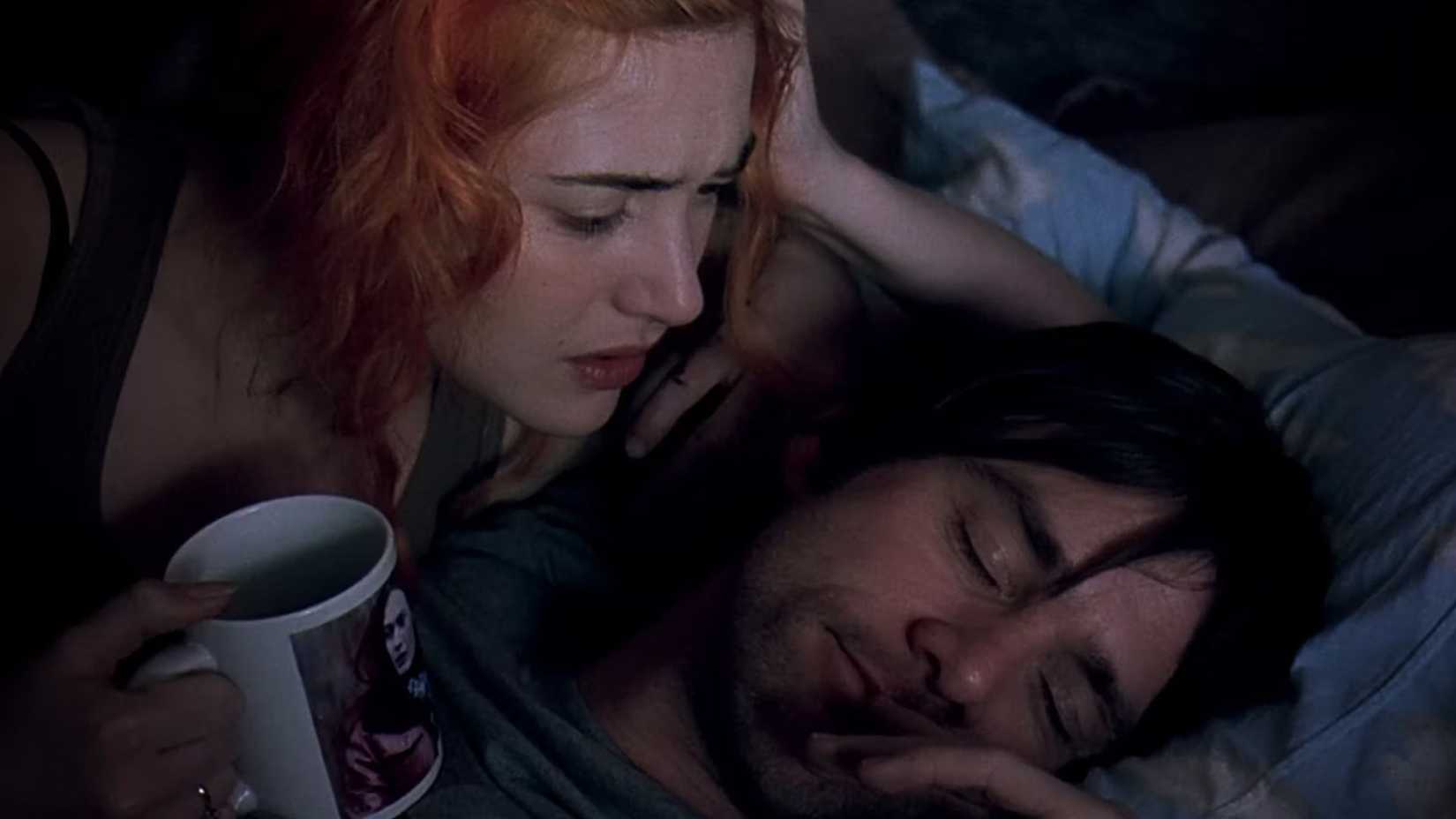
We all enjoy seeing love stories conclude happily, both in real life and in movies. But Eternal Sunshine of the Spotless Mind presents a much more disturbing and lasting impression.
The movie follows Joel and Kate, a couple who decide to erase each other from their memories after breaking up. For Joel, the process isn’t easy, and he begins to understand that love and heartbreak always go hand in hand. He eventually realizes that the pain he’s trying to forget is actually what made their relationship special.
The enduring appeal of Eternal Sunshine of the Spotless Mind – its touching yet melancholic conclusion, the fact that it rewards repeat viewings, and the brilliant collaboration between director Michel Gondry and writer Charlie Kaufman – all contribute to its reputation as one of the most beloved love stories of the 21st century. This explains why it’s become a cult favorite and consistently ranks high on platforms like Letterboxd.
Cinema Paradiso (1988)
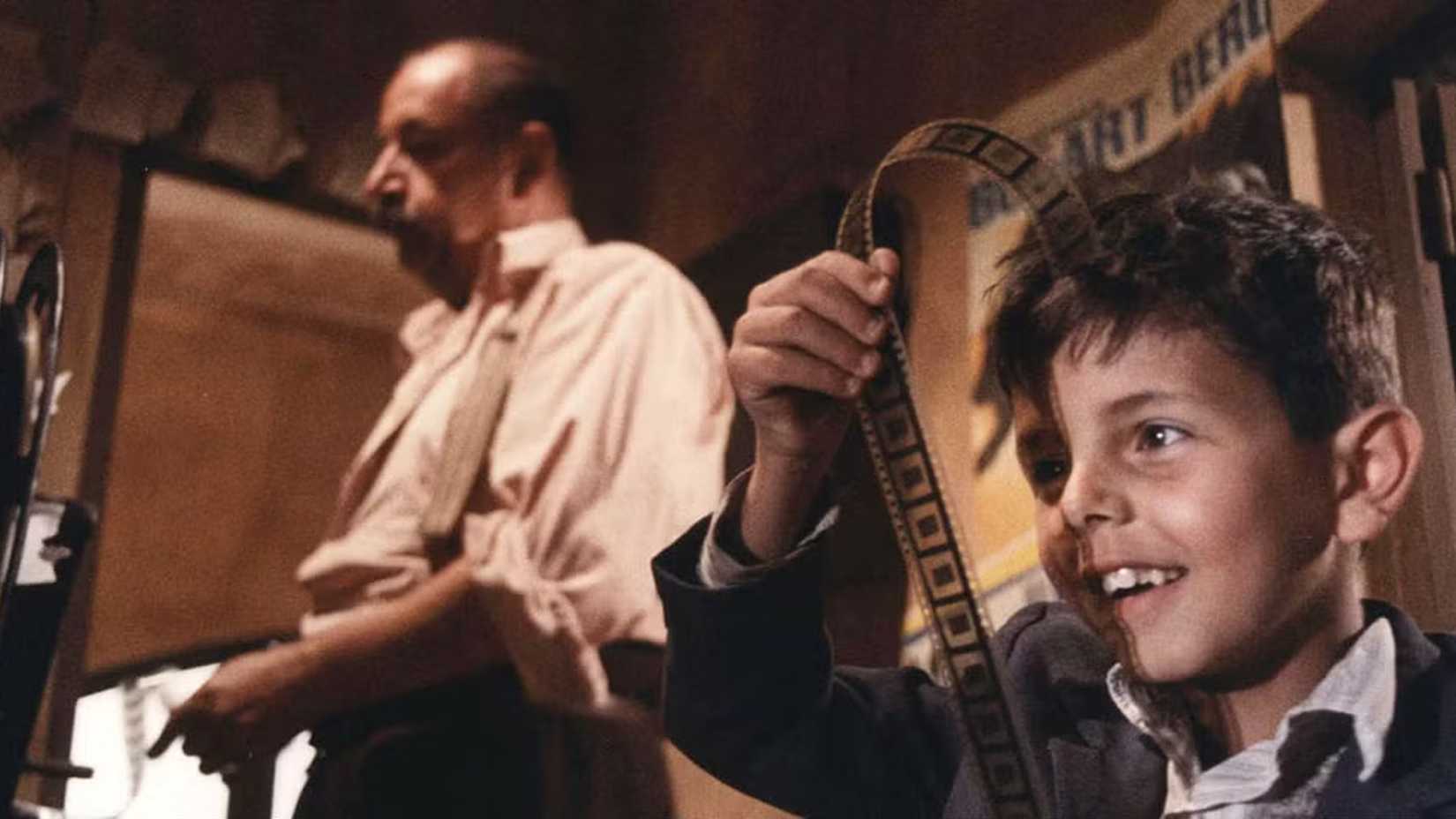
Giuseppe Tornatore’s Cinema Paradiso, featuring a BAFTA-winning score by Ennio and Andrea Morricone, is widely considered a classic coming-of-age story. On the Letterboxd platform, it’s one of the highest-rated Italian films, surpassed only by The Good, the Bad and the Ugly from 1966.
As a total cinema lover, I remember when “New Paradise Cinema” came out in 1988 and it just captured something special about the whole movie-going experience for Italian audiences. Beyond the story of love and connection, it really celebrated cinema itself. The film beautifully shows how young Salvatore, played by Salvatore Cascio, used the local cinema as a way to escape the harsh realities of his life in post-war Sicily – it was a world of pure imagination for him.
Cinema Paradiso tells the story of a talented individual who wasn’t initially recognized in his own community. While the film didn’t do well with audiences in Italy at first, it gained popularity after winning the Academy Award for Best Foreign Language Film and the Grand Prix at the Cannes Film Festival in 1989.
Come and See (1985)
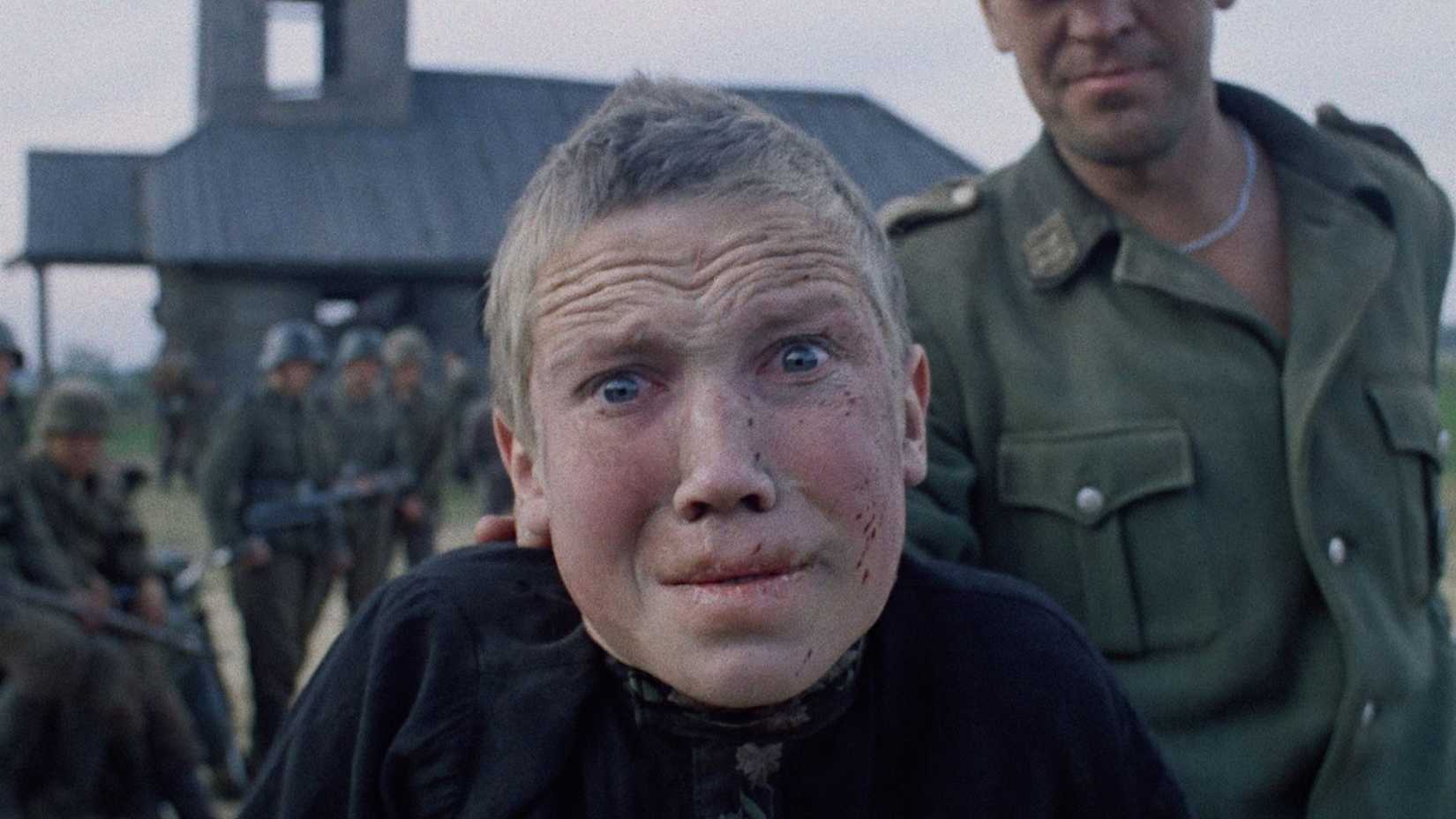
Emil Klimov’s 1985 film, Come and See, consistently receives exceptionally high ratings on Letterboxd – often 4.6 out of 5 or higher – and for good reason. It’s a rare movie that portrays the brutal realities of war with such unflinching and honest detail, forcing viewers to confront a difficult subject without compromise.
Seeing young Flyora enthusiastically volunteer for the Soviet resistance, and then facing the brutal truth of life under Nazi occupation in his Belarusian village during World War II – including the hardship and loss of values – is a deeply affecting experience. Many consider it to be the most powerful anti-war film ever made.
While Come and See powerfully depicts the brutal psychological impact of war, this unflinching realism makes it a difficult film to recommend. In fact, Soviet officials initially resisted its release because it presented a vision of war that challenged the country’s official narrative.
Seven Samurai (1954)
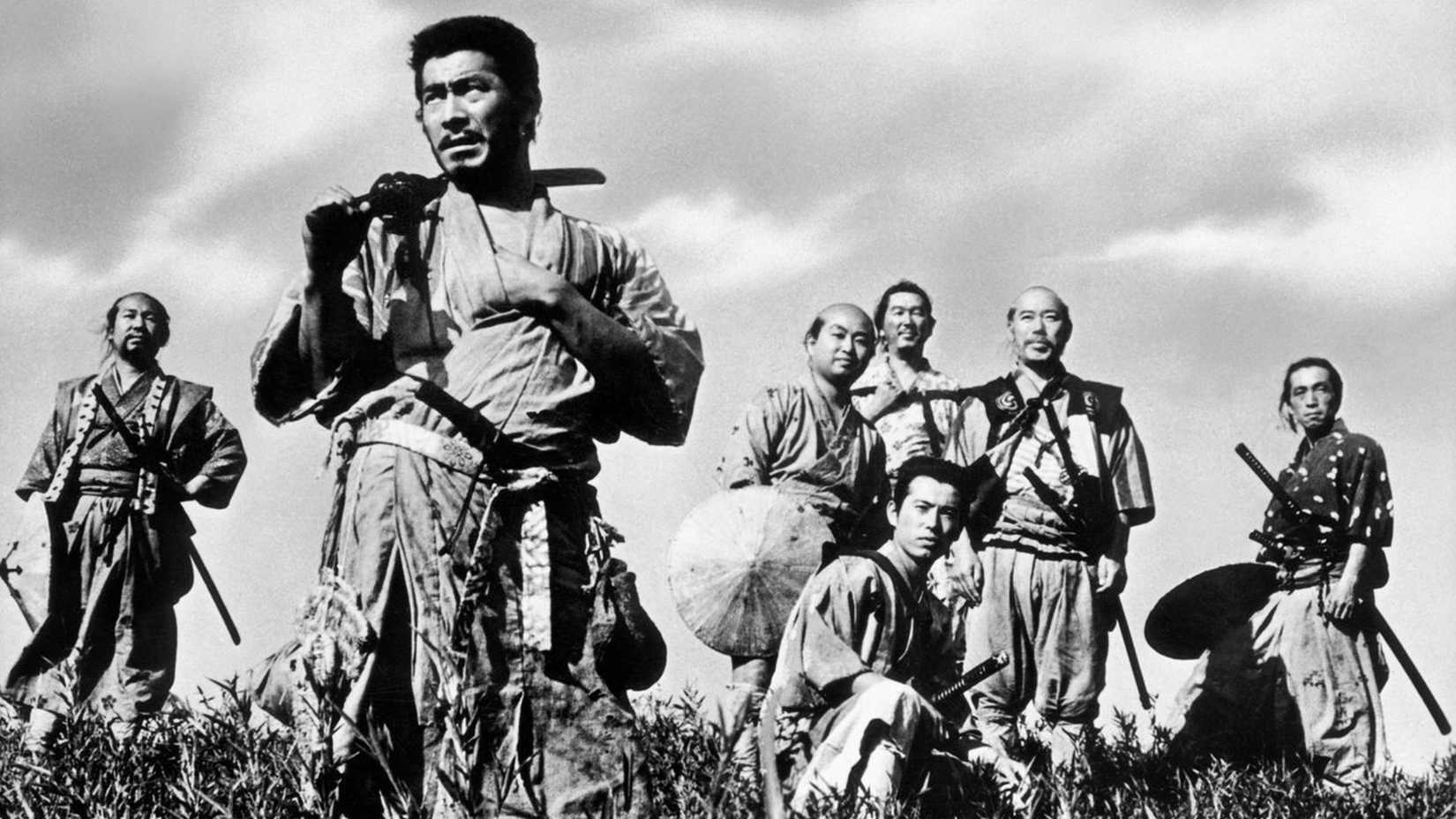
Akira Kurosawa’s Seven Samurai is a timeless story about the power of working together and the differences between social classes. The film takes place in 16th-century Japan and follows seven samurai—masterless warriors—who are hired by struggling farmers to defend their village and protect their harvest from bandits who repeatedly raid them.
As a film lover, I’m always struck by how perfectly constructed Seven Samurai is. It’s not just the action, but the way Kurosawa builds the team – Kambei carefully choosing each of the six other samurai, giving them all unique skills, personalities, and reasons for fighting. And the way the villagers and samurai learn to work together, preparing for the inevitable battle… it’s just masterful. What’s fascinating is how those same storytelling beats – a group coming together with different strengths, preparing for a challenge – show up in totally different movies, like A Bug’s Life or even Three Amigos. It proves how universal and effective those core ideas really are.
At the time, Kurosawa’s lengthy three-and-a-half-hour film might have worried studio executives. However, today’s audiences appreciate a grand, epic movie, especially one consistently praised as a cinematic masterpiece.
Read More
- United Airlines can now kick passengers off flights and ban them for not using headphones
- How to Complete Bloom of Tranquility Challenge in Infinity Nikki
- Katanire’s Yae Miko Cosplay: Genshin Impact Masterpiece
- Gold Rate Forecast
- All Itzaland Animal Locations in Infinity Nikki
- A Dark Scream Theory Rewrites the Only Movie to Break the 2-Killer Rule
- 8 Actors Who Could Play Blackbeard In One Piece Live-Action Season 3
- How to Get to the Undercoast in Esoteric Ebb
- Australia’s New Crypto Law: Can They Really Catch the Bad Guys? 😂
- Watch Out For This Amazing Indian Movie That Made BAFTAs History
2026-02-16 00:57