Comic books offer a huge range of stories and characters, from classic heroes like Thor and Aquaman to newer favorites like Invincible, blending science fiction and fantasy. It’s always been hard for publishers to launch successful new characters, and that’s become even more challenging lately, as readers tend to stick with what they already know. But one key ingredient for success is definitely a memorable costume.
Costumed heroes have been popular in American media since the 1930s, even becoming symbols of hope during World War II. In a world where first impressions matter, a character’s look is key to staying popular over time. Here are ten characters with particularly brilliant designs, showcasing the incredible artistic talent of their creators.
The superhero Space Ghost stars in a Hanna-Barbera animated series that originally aired from 1966 to 1967. The show centers around his adventures exploring the universe with his brother and sister, Jace and Jan, and their monkey companion, Blip. Since then, Space Ghost has appeared in comic books published by companies like Gold Key, DC Comics, and Dynamite. Known for his distinctive look – a white suit, golden cape, and black cowl – he truly embodies his name as a mysterious cosmic hero.
Space Ghost is a delightful character no matter where he shows up, whether it’s in the classic Hanna-Barbera cartoons or the more recent Dynamite comic series by David Pepose and Jonathan Lau. Created by comic book legend Alex Toth, Space Ghost and his crew perfectly capture the feel of classic science fiction from the Space Age. He’s always felt like a unique blend of heroes like Batman, Superman, and Green Lantern, combined with the look and feel of Star Trek, and that combination still works wonderfully after sixty years.
Lee Falk sparked the popularity of costumed heroes in 1936 with his comic strip, . The story, now in its twenty-first iteration, primarily follows Kit Walker as he defends the made-up African country of Bangalla from various threats like criminals, thieves, and those who would exploit it. Known for his distinctive purple suit with striped shorts and a skull emblem, he is considered the first superhero.
The Phantom’s costume is powerful because of its simple, yet unforgettable design – a stark contrast to the more elaborate costumes that came later. It perfectly captures the spirit of classic pulp magazines and comic strips. In fact, The Phantom paved the way for many superheroes, and it’s likely we wouldn’t have characters like Batman or Captain America without it. He truly is the original costumed superhero.
In 1956, artist Carmine Infantino played a key role in launching the Silver Age of comics by introducing a new, updated Flash. He envisioned a younger hero to replace the original Flash, Jay Garrick, which led to the creation of Barry Allen. Barry Allen revolutionized the idea of super-speed heroes with his incredible abilities, allowing him to run fast enough to travel between dimensions and even manipulate time.
Barry Allen’s Flash costume is considered the definitive look for a super-speedster, and it’s been widely imitated in comics and other media. The bright red suit, accented with golden lightning bolts, perfectly captures the excitement of science fiction, incredible speed, and classic superheroics. It also created a stunning visual effect in comics – the impression of Barry blurring into a streak of red and gold as he runs.
Soon after creating the Flash (Barry Allen), DC Comics reimagined another classic hero from its early days: Hal Jordan, who became a space-faring adventurer. After first appearing in 1959, Jordan quickly became DC’s leading character for science fiction stories, capturing the growing public interest in the genre. Like the other members of his team, he wore a distinctive green and black suit featuring a prominent lantern symbol.
During the 1950s and 60s, many space-faring heroes appeared in comics, but none proved as popular as Hal Jordan. Over time, his portrayal became the standard for the genre, and he became so associated with it that green became his color in comics. Drawing inspiration from characters like Alan Scott and Flash Gordon, Hal Jordan rightfully became a beloved hero.
As Marvel Comics rose to prominence in the 1960s, artist Steve Ditko created one of its most iconic characters: Spider-Man. Introduced as a teenage boy whose life changes forever after being bitten by a radioactive spider and gaining superpowers, Spider-Man set the standard for more down-to-earth and relatable heroes. His striking red and blue costume also greatly contributed to his widespread popularity.
Spider-Man’s costume immediately communicates his identity with its prominent spider design, while also making him appear heroic and appealing. He was a guaranteed bestseller, and artists like Todd McFarlane and Erik Larsen were key in creating some of his most iconic appearances.
In 1974, a team including Len Wein and Roy Thomas unexpectedly altered the course of X-Men comics when they first introduced Wolverine as an enemy of the Hulk. From the beginning, this tough Canadian mutant quickly became a fan favorite, earning his reputation as a fierce fighter during their battles. He soon joined the X-Men, becoming a key member of the team and solidifying his place as a comic book legend.
While many enjoy Wolverine’s brown and tan look, his classic blue and yellow costume was brilliantly simple – the colors were instantly recognizable, and his mask perfectly captured his wild side. It’s easy to credit Logan’s abilities or personality for making him a legend, but his original design was a major factor in winning over fans.
In 1941, Jack Kirby and Joe Simon created Captain America, a character who quickly became a symbol of patriotic war comics. After volunteering for a scientific experiment, the virtuous Steve Rogers was transformed into a super-soldier, dedicated to defending the nation from threats both abroad and within its borders. Fitting for such a powerful hero, he wore a striking costume featuring the American flag on a blue suit and shield.
Captain America, created by Joe Simon and Jack Kirby, remains a timeless symbol of patriotism and wartime heroism in comics. He’s instantly recognizable globally, and even those unfamiliar with him can often identify his role through his iconic design.
I’ve always been amazed by how William Moulton Marston totally revolutionized comics back in 1941 when he created Wonder Woman! She instantly became such a powerful symbol for women, and her comics were incredible – they covered everything from fantastical adventures and scary stories to wartime battles, even putting her up against the Nazis during World War II. Honestly, she felt like DC’s answer to Captain America, and you can really see that in her costume, with its design echoing the American flag.
Though DC Comics hasn’t always used Wonder Woman’s classic, original design, they’ve never quite matched how perfect it was. Her initial appearance – including the tiara, bracelets, eagle symbol, and star-covered skirt – drew inspiration from the patriotic fashion of the time, but transformed those images into symbols of strength and the fight for fairness.
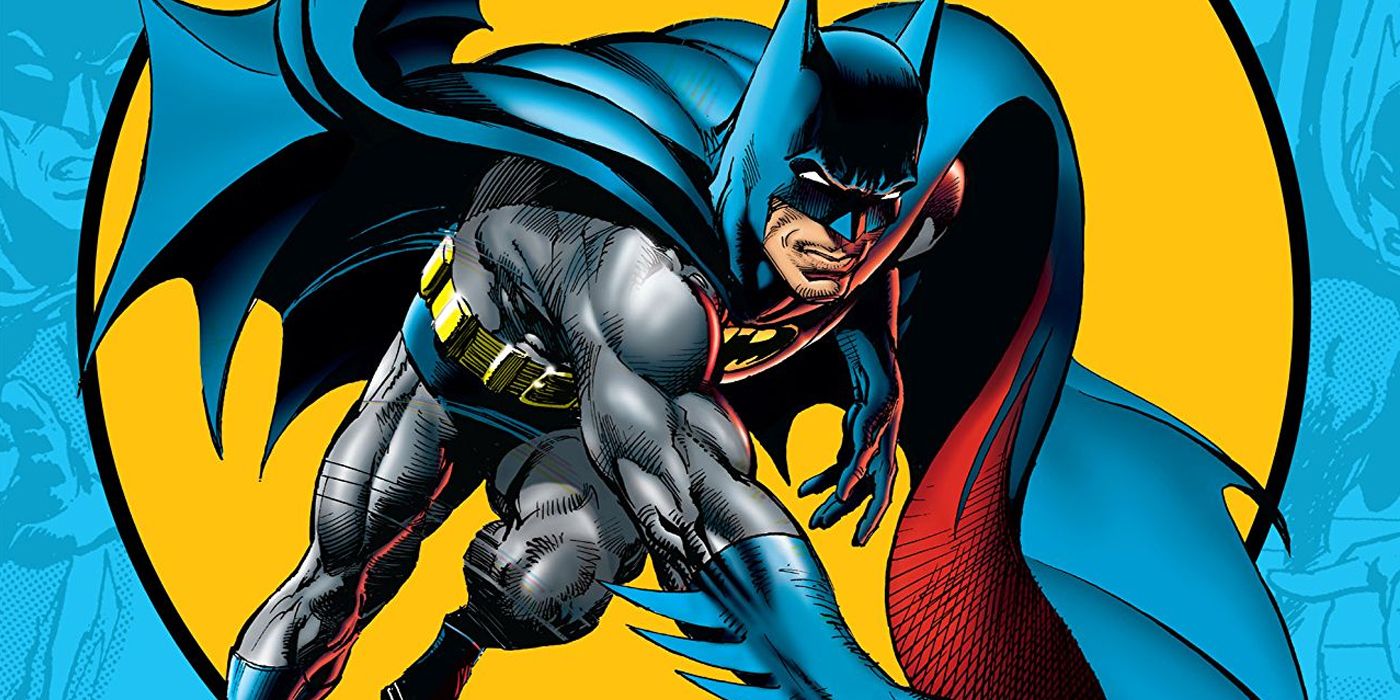
As the Silver Age of comics ended, Neal Adams quickly became known as the most important Batman artist, particularly for his work with writer Dennis O’Neil. Together, they transformed Batman’s stories, adding elements of mystery, horror, and establishing The Joker as his greatest enemy – a combination many consider the character’s creative peak. This era is still celebrated today for its stunning artwork and the iconic design of the Batsuit.
Neal Adams revolutionized the look of Batman, refining the character’s design across decades of previous interpretations to create an iconic version of Bruce Wayne. His contributions, like the bright yellow bat symbol and the streamlined blue utility belt, remain the definitive visual for the World’s Greatest Detective, and no artist has since matched his impact.
As a huge comic book fan, I still remember when Alex Ross and Mark Waid blew everyone away with Kingdom Come back in 1996. It was a game-changer! This story imagined a possible future for the DC Universe, and it really centered on Superman. It wasn’t the Superman we were used to, though—this Clark Kent had come out of retirement and was dealing with a much darker, more cynical world. What I loved was how the artists looked to those old Fleischer Superman cartoons for the visual style; it gave the whole thing a really unique feel.
Fans quickly embraced the updated Superman, and for good reason. He swapped his traditional symbol for a striking new black and red design. While the classic look is beloved and iconic, this version helped make one of Superman’s most memorable stories truly special. Alex Ross and Mark Waid’s Kingdom Come significantly impacted the superhero genre, and the future Superman’s distinctive appearance was key to its originality.
Found an error? Send it so it can be corrected.
Read More
- United Airlines can now kick passengers off flights and ban them for not using headphones
- Gold Rate Forecast
- How to Solve the Glenbright Manor Puzzle in Crimson Desert
- 8 Actors Who Could Play Blackbeard In One Piece Live-Action Season 3
- How to Get to the Undercoast in Esoteric Ebb
- All Golden Ball Locations in Yakuza Kiwami 3 & Dark Ties
- How to Complete Bloom of Tranquility Challenge in Infinity Nikki
- Blind Tekken 8 player reaches one of the game’s highest ranks after two years of grinding
- Tell Me Lies Recap: Mind Games
- $2B AI cow collars use “cowgorithm” to herd cattle with no fences
2026-03-25 00:19