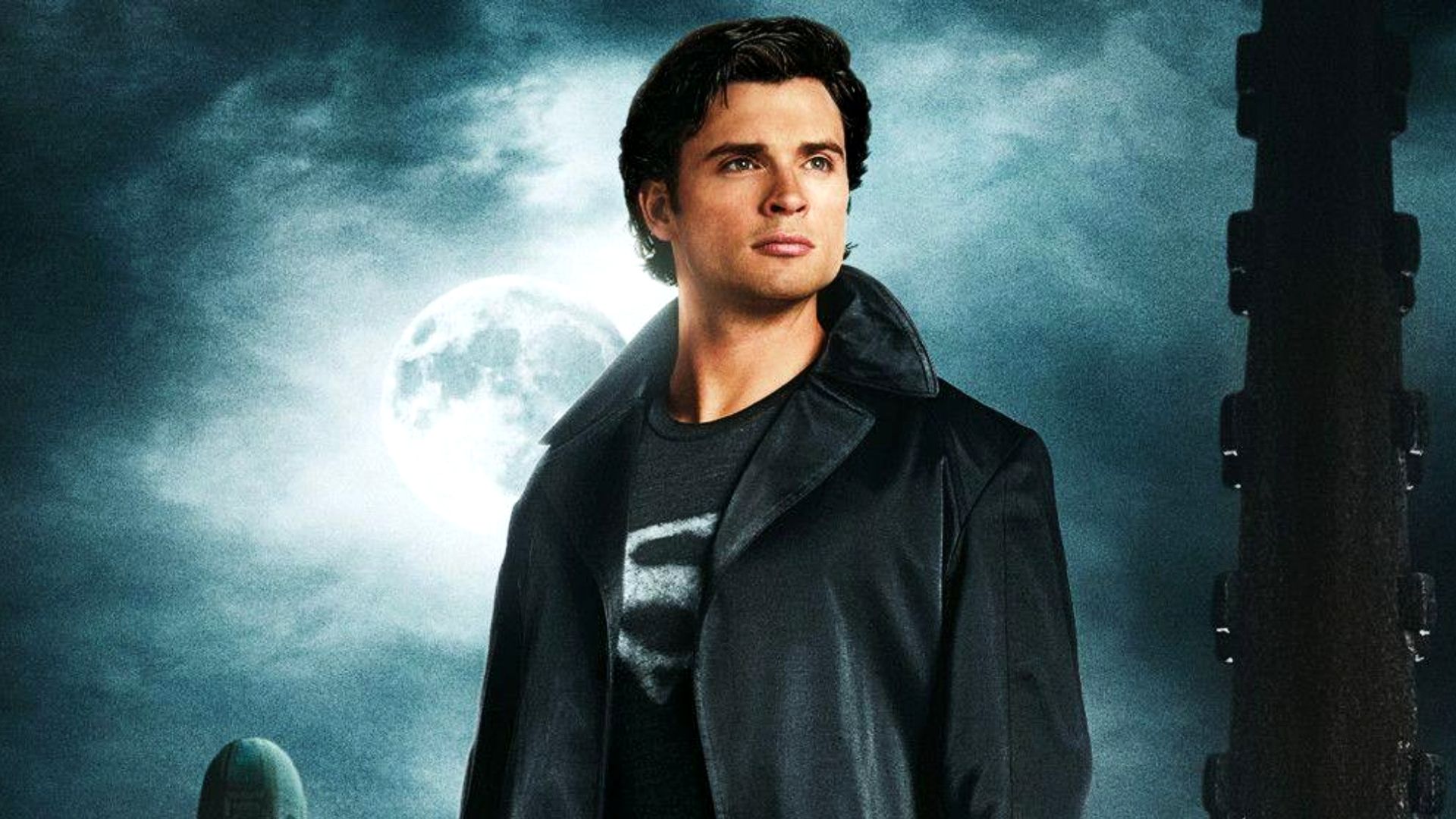
When Smallville first aired in 2001, it changed superhero TV shows forever, inspiring many others that followed. Unlike typical superhero stories filled with costumes and world-ending threats, Smallville focused on characters’ relationships, hidden secrets, and the challenges of growing up feeling like an outsider. In fact, the show created a successful style that would become common in superhero TV for years to come.
Smallville skillfully blended the excitement of teen dramas with ongoing storylines and self-contained episodes featuring different challenges. What really made the show work was its focus on developing its characters. Its popularity demonstrated that viewers connected more with compelling, evolving stories than with constant superhero action.
Smallville showed that fantastical stories could work when set in ordinary places like high schools and small towns, making the unbelievable feel relatable. For the next twenty years, television networks tried to recreate this mix of teenage drama, epic storytelling, and the gradual development of a hero’s journey. Though these shows differed in style, they were all heavily influenced by the formula Smallville established.
Birds Of Prey (2002–2003)

Birds of Prey was an early effort to capture the success of Smallville, but set within a different part of the DC universe. The show moved the coming-of-age superhero story to Gotham City, centering on Helena Kyle and Dinah Lance as young women grappling with responsibilities they weren’t prepared for. Similar to Smallville, it prioritized mysteries, romantic relationships, and figuring out who they were as people, rather than focusing on big action sequences.
Unlike most superhero stories, Birds of Prey took a much grimmer approach, drawing inspiration from Batman’s world instead of Superman’s hopeful one. The film portrayed its heroes as flawed and lonely individuals, focusing on their emotional scars and personal battles rather than grand, predetermined fates.
Although Birds of Prey didn’t fully succeed due to its limited special effects and inconsistent style, it clearly aimed to deliver a realistic, character-focused superhero story about young heroes navigating a difficult world. Despite being cancelled quickly, the show is still an interesting early attempt by DC to replicate the success of Smallville with a different setting and characters.
The Flash (2014-2023)

When The Flash first came out, it felt like a fresh, updated version of Smallville. Like its predecessor, it used a “villain of the week” format, but instead of characters with powers from meteor impacts, it featured individuals with naturally occurring abilities – metahumans. Importantly, the show also focused on developing characters’ emotional journeys and building a complex, ongoing storyline.
Barry Allen’s story shared similarities with Clark Kent’s – both were naturally good people who learned to be responsible, with the help of guidance from mentors, and were shaped by personal tragedy. In many ways, The Flash felt like a more mature version of Smallville. It successfully combined sincerity with humor and romance, avoiding a darker, more cynical approach.
Team Flash was similar to the group of friends who supported the main character in Smallville, but with a stronger emphasis on teamwork. The show highlighted that heroes often work together, not alone. Although The Flash later became known for its big action sequences, its initial seasons, like Smallville, succeeded by blending ongoing storylines with self-contained adventures.
Aquaman (Pilot) (2006)

The attempt to create an Aquaman series perfectly represents the desire to replicate the success of Smallville. The pilot, created by the same team behind Smallville – Alfred Gough and Miles Millar – starred Justin Hartley as Arthur “A.C.” Curry. It tells the story of a young man growing up in the Florida Keys who gradually learns about his abilities and his fate as the future king of Atlantis.
I remember when the idea for an Aquaman show first started taking shape – it actually came out of an episode of Smallville! It was season 5, and the episode was called “Aqua.” Alan Ritchson, who’s a really strong action star, played Arthur Curry, and he stopped Lex Luthor from building some underwater weapons. Now, the producers didn’t plan for it to be a test run for a spin-off, but it ended up being the most-watched episode of Smallville that entire season. It really showed there was an appetite for more Aquaman!
Someone named Aqua showed a lot of enthusiasm for the character, but developing a series would have meant moving away from the usual Smallville episode format. Still, the initial idea followed the Smallville pattern closely, with themes of hidden secrets, a predetermined fate, a love story, and a hero who didn’t want the responsibility. Although the pilot had impressive visuals and a grand scope, the full Aquaman series wasn’t picked up, and only that promising first episode was ever made.
Titans (2018-2023)
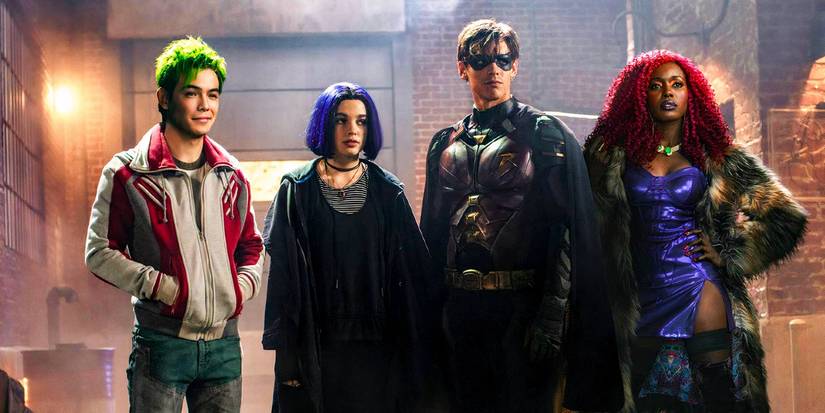
Titans takes the style of Smallville and makes it more intense and mature, moving beyond typical teen drama. The show centers on young heroes – like Dick Grayson, Raven, and Starfire – and portrays their superpowers as something that causes pain and struggle, rather than just being amazing. Similar to Smallville, Titans explores themes of self-discovery, the importance of chosen families, and the anxiety of losing control and becoming something frightening.
While Smallville was generally hopeful, Titans is much darker. The show’s team dynamic is similar to the later seasons of Smallville, where Clark Kent interacted with other heroes finding their way. But Titans traded the gentle romance and cozy atmosphere of Smallville for more action, emotional turmoil, and complex moral choices.
Even though Titans told stories in a continuing, character-driven way rather than focusing on self-contained episodes, it clearly showed how much Smallville had influenced superhero TV. However, Titans presented this approach with a much grimmer and more pessimistic tone compared to the consistently hopeful Smallville.
Arrow (2012-2020)
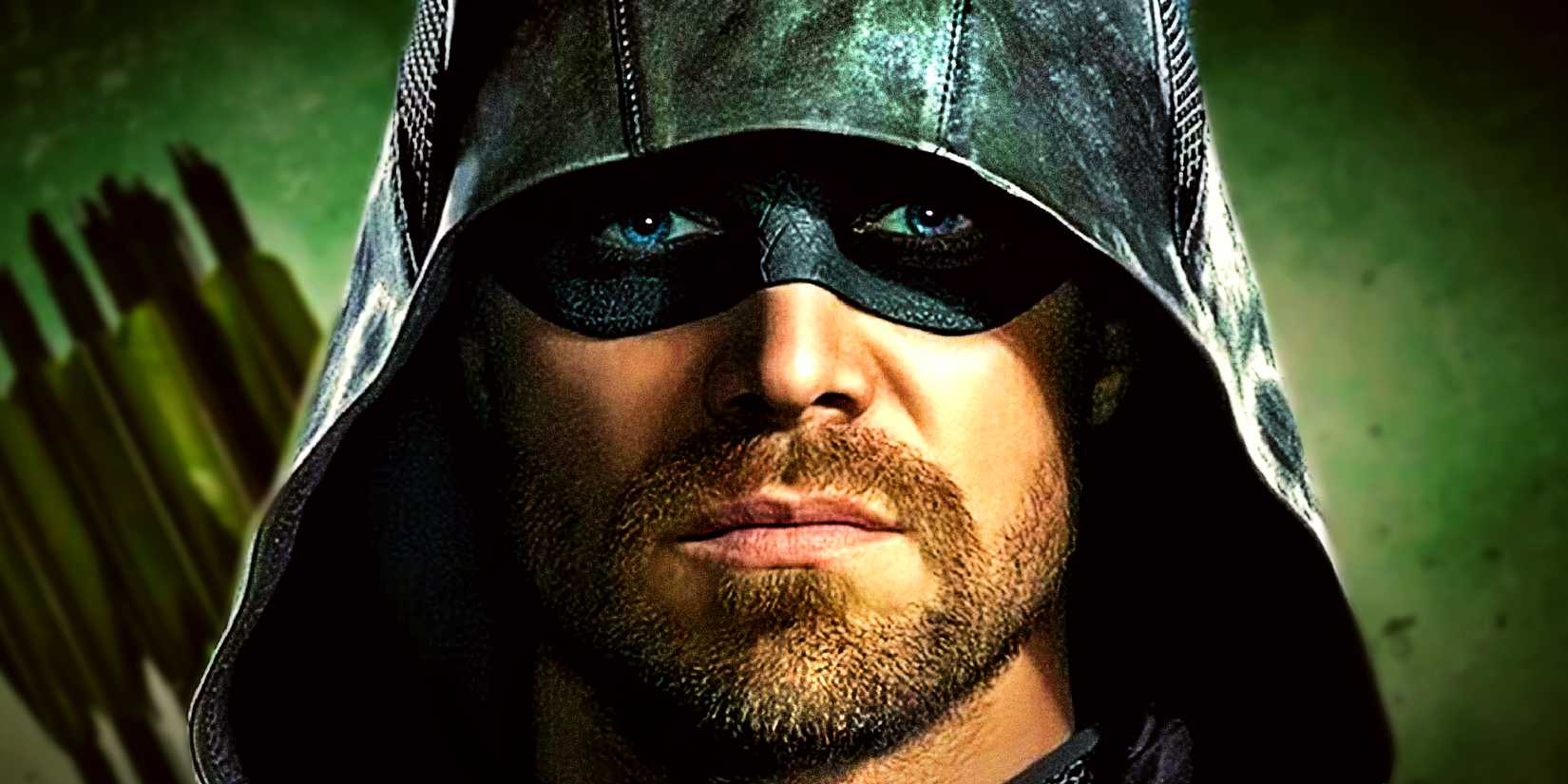
Unlike many shows that tried to copy Smallville, Arrow found success by modernizing the formula for a more mature audience while still keeping what made the original appealing. Like Clark Kent’s story, Oliver Queen’s journey showed a gradual transformation into a heroic figure. The show also featured compelling mysteries, hidden identities, and flashbacks focused on character development, replacing the supernatural elements of Smallville with a more grounded approach.
Importantly, Arrow focused on telling a continuous story with lasting effects and realistic drama. While it still had exciting, comic-book-style moments, those moments always served the overall plot. Similar to Smallville, Arrow also aimed to build a larger world, eventually leading to a whole universe of connected shows, just as Smallville had intended.
The Arrowverse ultimately delivered on a promise first hinted at by Smallville: a large-scale TV universe where heroes develop and change over time. Like Smallville, Arrow focused on connecting with viewers by making them invested in the heroes as people, even while embracing a more mature and action-packed tone.
My Adventures With Superman (2023-)
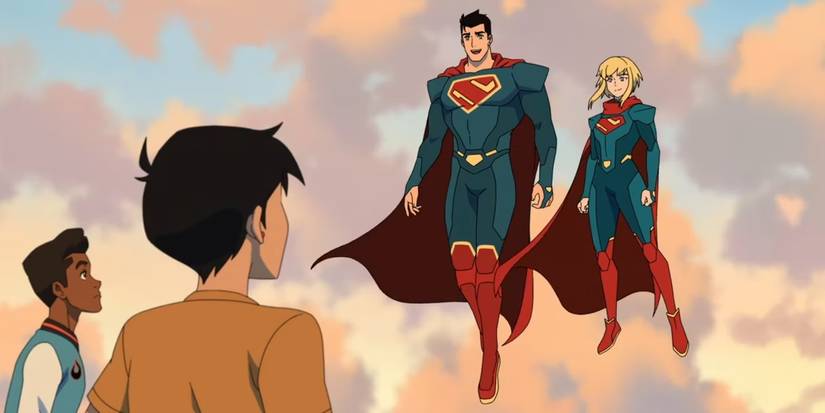
Initially, My Adventures With Superman appears very different from Smallville, swapping realistic drama for a vibrant, animated style and more expressive characters. However, at its heart, it actually feels like a natural follow-up to Smallville, continuing the show’s central ideas. The series focuses on Superman as a young man still discovering his identity and finding his place in the world.
Similar to the show Smallville, Clark is still figuring out how to juggle love, friendships, and his duties. His connection with Lois is reminiscent of Smallville‘s first few seasons, focusing on their emotional connection and how they help each other grow, rather than a romance built around fate. The gradual reveal of his Kryptonian background also happens at a similar, measured pace as it did in Smallville.
The show doesn’t give easy answers; revelations about Clark Kent happen as he grows and learns. By focusing on character development, relationships, and self-discovery rather than just flashy effects, My Adventures With Superman demonstrates that the successful formula of Smallville can still work for new audiences. While it’s a unique series, My Adventures With Superman feels like a natural evolution of Smallville.
Superman & Lois (2021–2024)
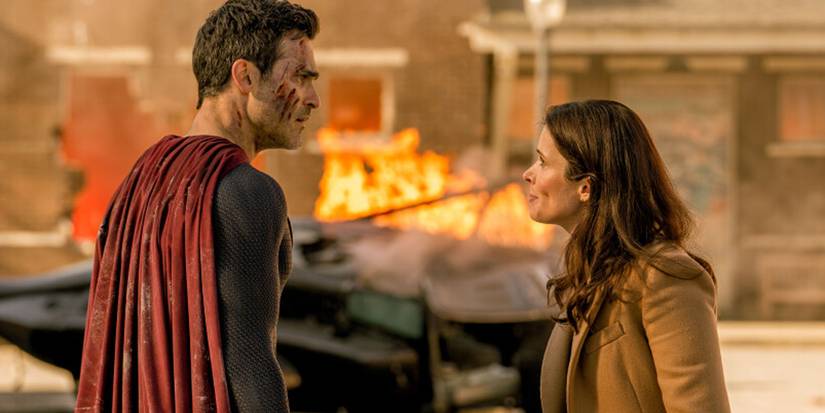
Among shows inspired by Smallville, Superman & Lois from the Arrowverse feels most like its true follow-up. Instead of revisiting Clark Kent’s beginnings, the series looks at what comes next for him, concentrating on his family life, duties, and what he’ll leave behind. The show even brought back the town of Smallville, making it clear that the location was always more than just a setting.
The town of Smallville – both the place and the feeling of it – was essential to who Clark was. The show Lois & Clark successfully combined realistic emotional stories with the excitement of superhero adventures, much like Smallville at its best, but with updated visuals and techniques. The show explored similar ideas of keeping secrets, growing up, and parents being afraid, but this time through the experiences of Clark’s sons, reflecting his own past.
The way Clark embraced fatherhood really emphasized the cozy, small-town feel that Smallville did so well. Superman & Lois often felt like a grown-up version of Smallville, sharing a similar outlook on life. It showed that the original show’s formula could still be successful years later, as long as it was handled with care and genuine emotion.
Gotham (2014-2019)

Similar to how Smallville explored Clark Kent’s origins, Gotham delved into Bruce Wayne’s life from childhood, showing his path to becoming Batman. The series blended the typical coming-of-age story with the beginnings of the Batman mythos, focusing on Bruce’s emotional journey, his search for identity, and the forces shaping his future. Like Smallville, it took a gradual approach to these themes, allowing them to unfold over time rather than through quick changes.
I always loved how Gotham reminded me of Smallville in a way – it blended the typical high school drama and character growth with these standalone cases each week. What was really clever was how it slowly introduced us to over-the-top criminals who would eventually become major villains, building towards a bigger story. But while Smallville felt optimistic and bright, Gotham fully embraced a dark, gothic atmosphere, and I really appreciated that boldness.
The city of Gotham was steeped in corruption, insanity, and a breakdown of values. Compared to what came before, it was much grimmer and used a classic film noir style. However, the basic concept stayed the same: show the hero’s origins and development, letting the audience witness their growth into a legend.
Kyle XY (2006-2009)

Though it doesn’t feature superheroes in traditional costumes, the TV show Kyle XY clearly takes inspiration from Smallville. The series follows a teenage boy with amazing powers who wakes up with no memories, and his journey to discover his purpose. Like Smallville, it’s set in a typical suburban town and focuses on family relationships.
Similar to Clark Kent, Kyle’s character was marked by his naiveté, strong sense of right and wrong, and worry about his true self being discovered. Each episode skillfully combined self-contained mysteries with an overarching storyline and character development. The show strongly focused on the idea of chosen family, reminiscent of Smallville, and highlighted the importance of supportive relationships just as much as the main character’s journey.
I have to say, even without capes and superpowers, Kyle XY really showed just how much of a blueprint Smallville had become for other shows. It was a clear attempt by the network to recapture that Smallville magic, but by focusing on the more relatable, human side of things. And despite not lasting very long, Kyle XY managed to get a lot of the same positive attention.
Teen Wolf (2011-2017)

MTV’s Teen Wolf updated the 1980s movie by using a similar structure to Smallville. In its first few seasons, the show often featured a new supernatural problem each week, alongside relatable high school issues like relationships, personal growth, and figuring out who you are. Like Clark Kent, the main character, Scott McCall, also went through a journey of self-discovery.
Scott starts as an unlikely hero who deeply feels for others, and he struggles to manage newly developed powers that disrupt his everyday life. As the show Teen Wolf progressed, it built out its story and introduced a wider range of characters – similar to how Smallville did with its heroes and villains. Though it leaned more into darker, scarier themes, Teen Wolf still connected with viewers through relatable emotional storylines.
The show continued to emphasize the importance of friendship, loyalty, and keeping secrets – elements that were central to Smallville’s success. Teen Wolf demonstrated that the formula used in Smallville wasn’t just effective for stories about DC characters or superheroes; it worked for any teen drama with a genre twist. This highlights the lasting impact Smallville had on television.
Read More
- United Airlines can now kick passengers off flights and ban them for not using headphones
- Crimson Desert: Disconnected Truth Puzzle Guide
- All 9 Coalition Heroes In Invincible Season 4 & Their Powers
- Mewgenics vinyl limited editions now available to pre-order
- The Boys Season 5 Spoilers: Every Major Character Death If the Show Follows the Comics
- Invincible Season 4 Episode 6 Release Date, Time, Where to Watch
- Does Mark survive Invincible vs Conquest 2? Comics reveal fate after S4E5
- Assassin’s Creed Shadows will get upgraded PSSR support on PS5 Pro with Title Update 1.1.9 launching April 7
- Grok’s ‘Ask’ feature no longer free as X moves it behind paywall
- Grey’s Anatomy Season 23 Confirmed for 2026-2027 Broadcast Season
2026-01-15 17:43