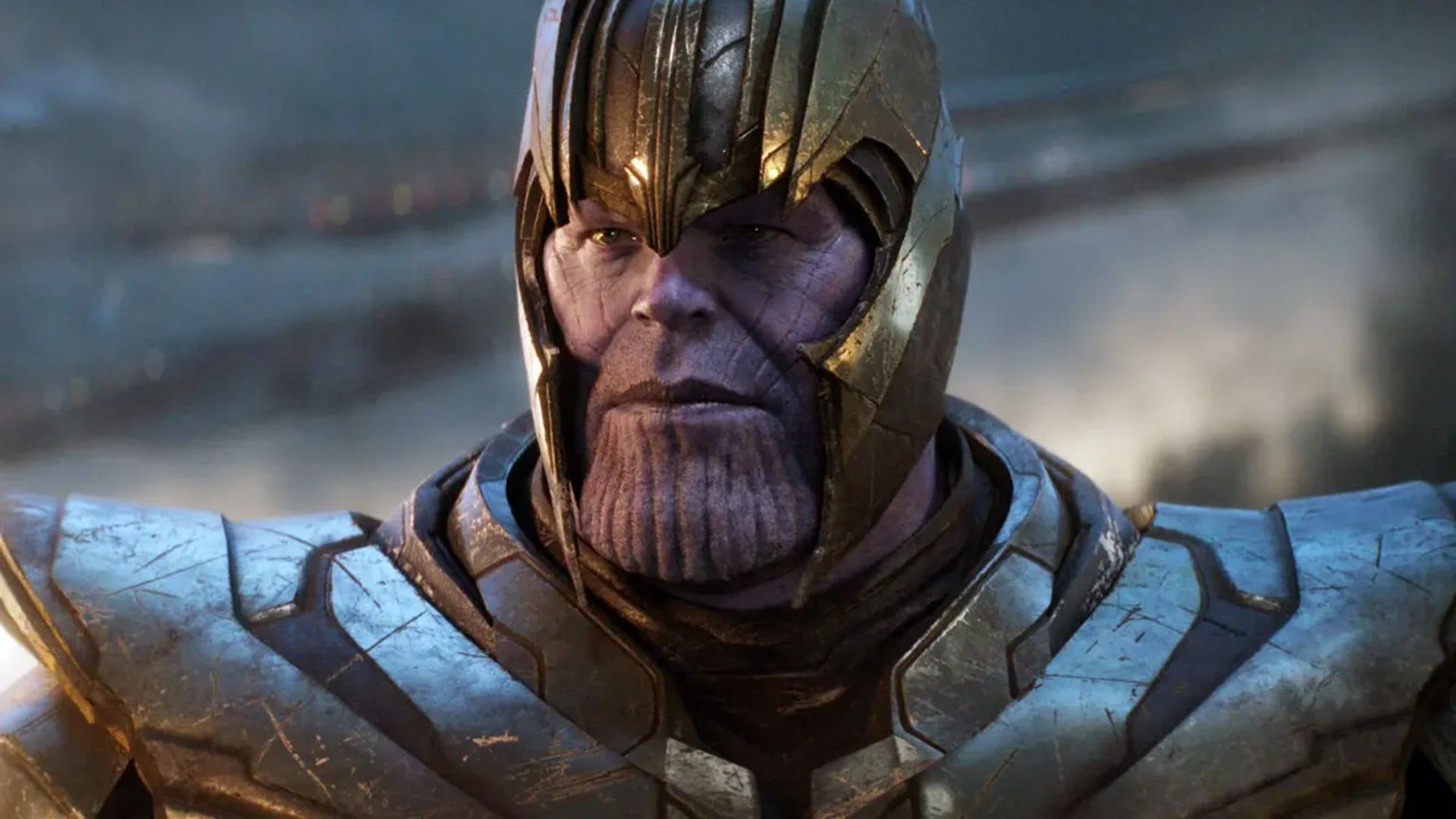
Superhero movies have evolved a lot over time, and each period seems to have a defining film that represents a turning point for the genre. Just like in comic books, movie universes eventually change, and popular versions of stories come to an end. When Marvel or DC finishes a major storyline or a hero’s journey concludes, it signals the close of an era in superhero films.
Some TV show or movie endings feel earned and celebratory, especially when saying goodbye to characters we’ve loved for a long time. Others happen suddenly because of problems with the studio, declining interest from viewers, or issues with who owns the rights to the story. Whenever a long-running series ends, it changes the feel of the genre and marks the end of a significant period in filmmaking.
Superman IV: The Quest for Peace Ended The Reeve Era And Superhero Blockbusters For Over A Decade
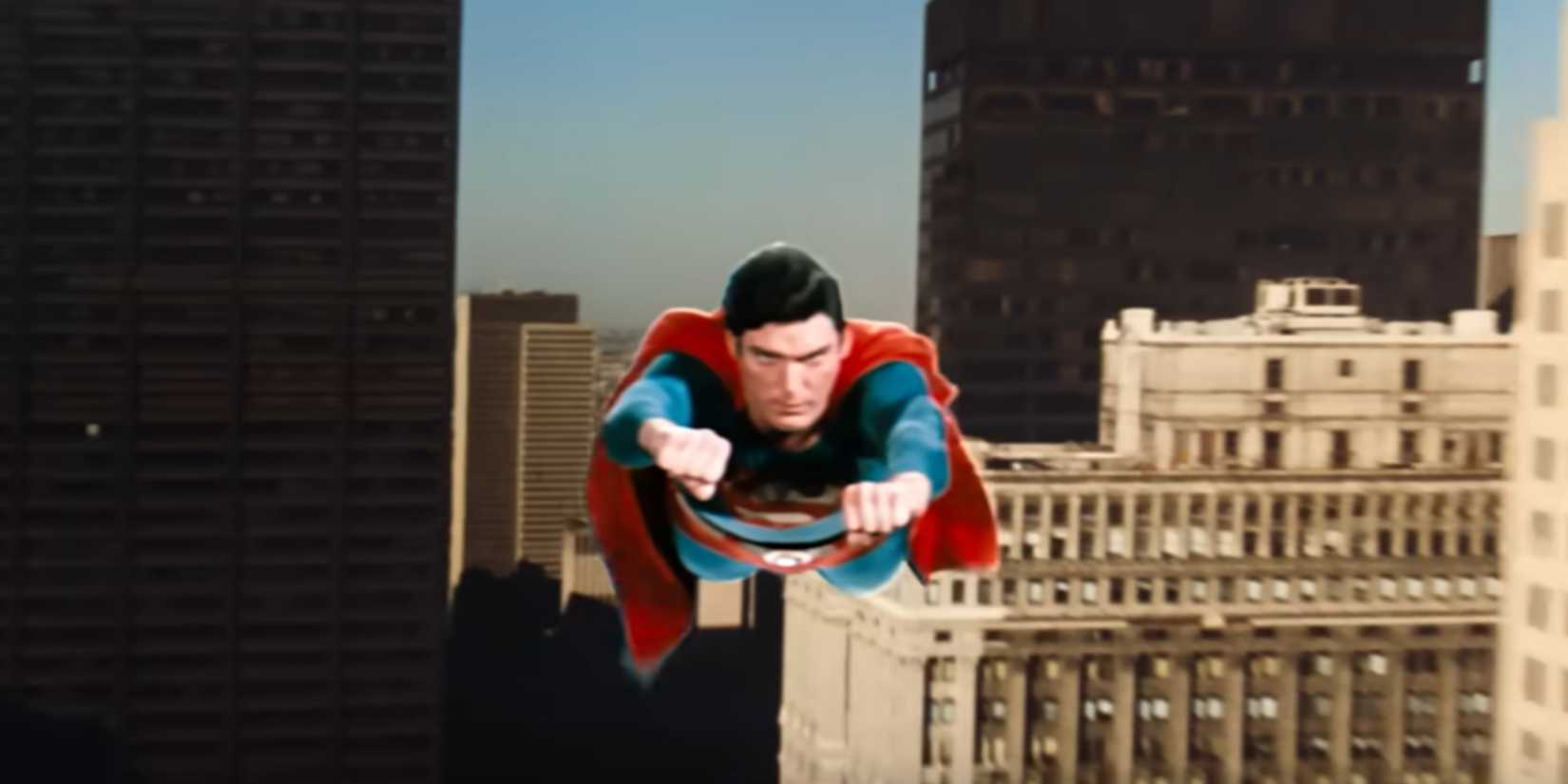
Superman IV: The Quest for Peace marked Christopher Reeve’s final performance as Superman. It brought an end to a film series that was once groundbreaking for superhero movies. Unfortunately, the film suffered from a reduced budget and studio meddling, preventing it from capturing the charm of its predecessors.
Following Superman IV, the popularity of superhero movies began to decline. Hollywood significantly reduced its investment in large-scale comic book adaptations for quite some time. The film’s poor performance showed that simply relying on familiar characters wasn’t enough to keep a franchise successful—strong plots and fresh ideas were essential.
The film’s disappointing performance almost caused superhero movies to vanish from popular theaters until the release of Batman in 1989. Superman IV effectively marked the end of a first wave of superhero films, finishing Christopher Reeve’s iconic role and leaving the genre largely untouched for over ten years.
Batman & Robin Killed The Batman Franchise
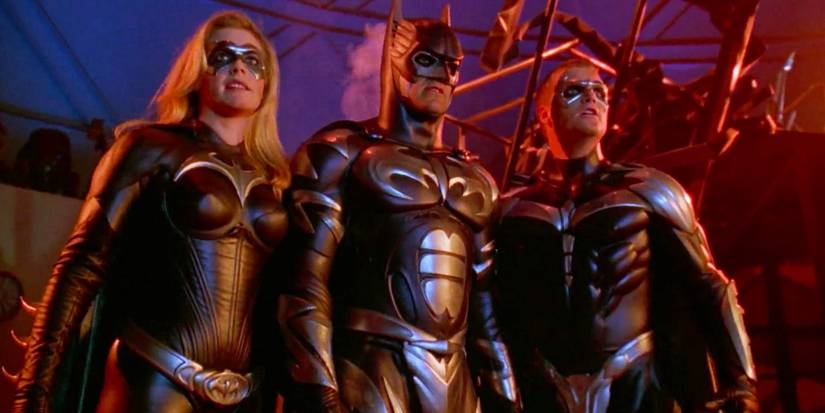
Released in 1997, Batman & Robin effectively ended the Batman film series that started with Tim Burton’s more serious take on the character. The movie was filled with silly humor, bright, toy-like sets, and exaggerated acting. This was a big departure from the tone fans had grown to love, and it didn’t resonate with them.
The movie was poorly received by both critics and viewers due to its style and story. As a result, Warner Bros. decided not to make any planned sequels or spin-offs. This negative reaction made the studio rethink its approach to superhero films, realizing that audiences want stories with heart and emotional depth, not just flashy effects and humor.
Although Batman & Robin is frequently criticized, its poor performance actually led to the successful reboot of the series with Christopher Nolan’s Batman Begins. The film served as a crucial turning point, making the studio recognize the need for a completely new direction and effectively ending the previous style of Batman movies. In the end, it was exactly what the franchise needed to start fresh.
The Incredible Hulk Was the Last Hulk Movie
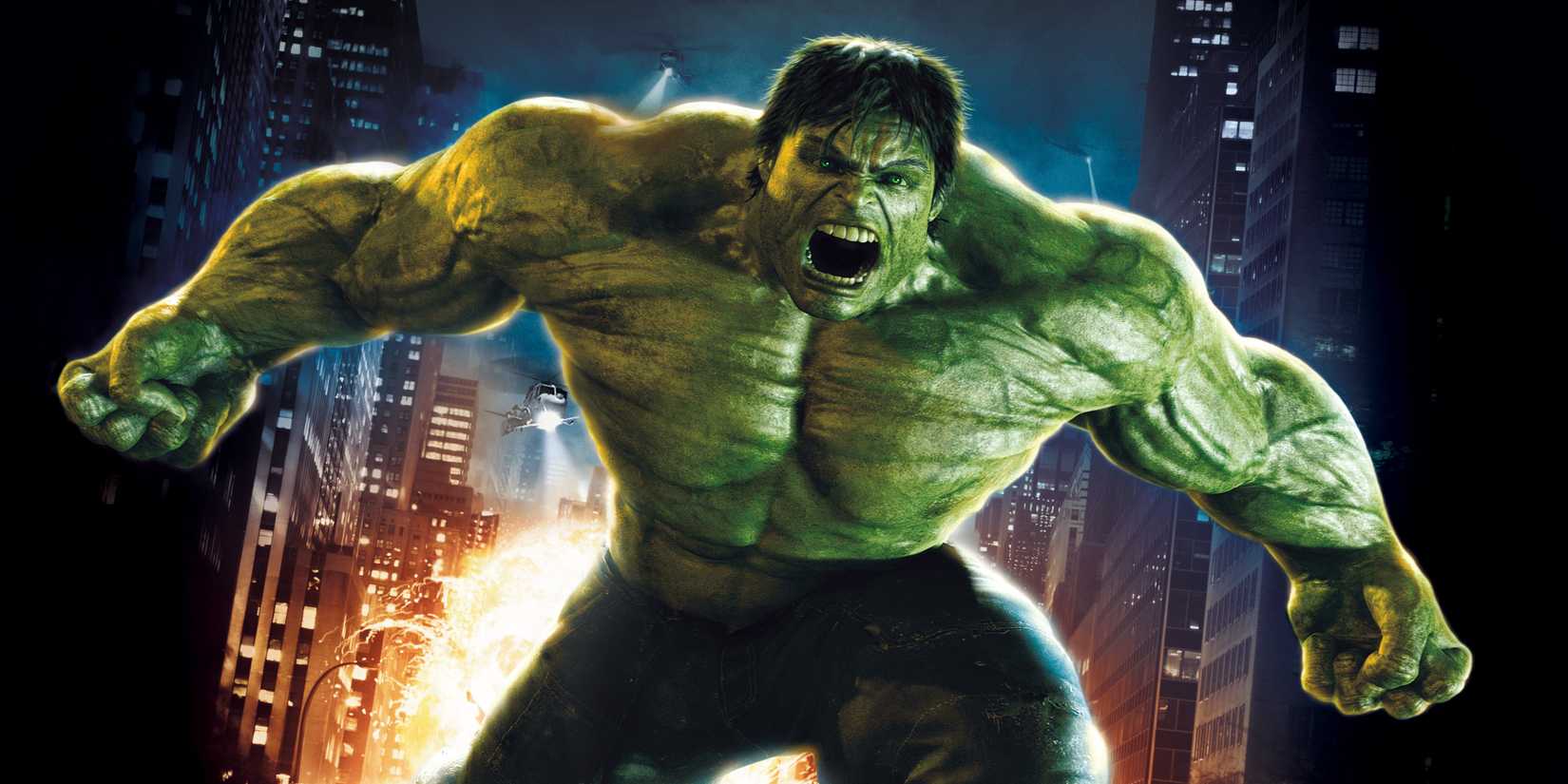
Released in 2008, The Incredible Hulk was one of the earliest films in the Marvel Cinematic Universe. Unexpectedly, it turned out to be the only solo Hulk movie, a result of complex ownership rights involving Universal Pictures. Because of this, Hulk’s story continued mostly through appearances in team-up movies like The Avengers.
For many years, the Hulk was a major character in Marvel films and TV shows. Lou Ferrigno’s portrayal of the Hulk became iconic, appealing to everyone, not just fans of superheroes. He’s unique among Marvel heroes, appearing in seven live-action movies before the Marvel Cinematic Universe even started. However, once the MCU launched, the Hulk’s role was significantly reduced.
Edward Norton’s version of the Hulk presented a darker, scarier take on the character, focusing on the damaging effects of Bruce Banner’s transformations. When Mark Ruffalo took over, the Hulk became more lighthearted and a better team player. The Incredible Hulk remains the last time the Hulk was the central focus of a film, unlike earlier movies where he was the main star.
Watchmen Marked The End Of The 2000s Deconstructed Superhero Trend
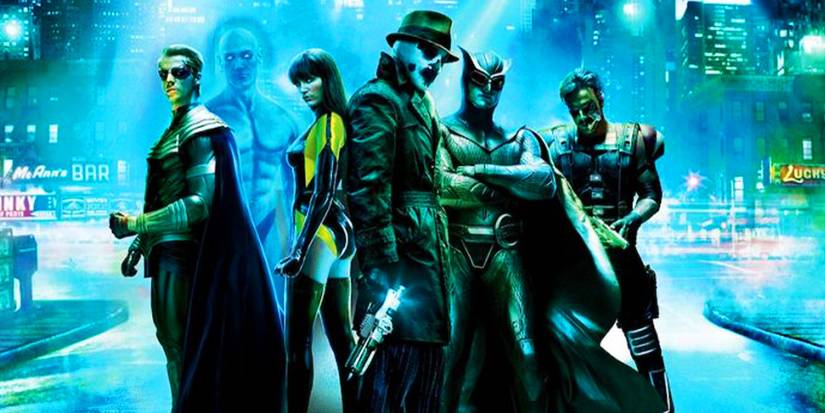
When Watchmen hit theaters in 2009, it wasn’t your typical superhero flick. It was a really daring take on the graphic novel by Alan Moore and Dave Gibbons, and it felt… different. It wasn’t about shining knights; it was a much grittier, more cynical look at what heroes might really be like. Honestly, it kind of capped off a trend we were seeing at the time – movies like Unbreakable, Push, and even Hancock were all starting to take comic book ideas apart and explore heroes who weren’t exactly perfect, and Watchmen just took that to the extreme.
Zack Snyder’s unique visual style and detailed storytelling helped usher in a new wave of more sophisticated and serious superhero movies. Though it wasn’t universally loved by critics, Watchmen became a beloved franchise, proving that superhero films could explore complex ideas and break away from typical blockbuster conventions.
I always felt like Watchmen was a turning point. It really felt like the last of a certain kind of superhero movie – those darker, more complex stories that were trying to do something different. Then, the Marvel Cinematic Universe came along with its brighter, more connected approach, and everything changed. It was like a new era began, and that wave of grittier films just faded away. Watchmen perfectly capped off that experimental period before the shared universe boom really took off.
X-Men: Days Of Future Past Reunited The Original Cast And Was The Last Acclaimed X-Men Movie
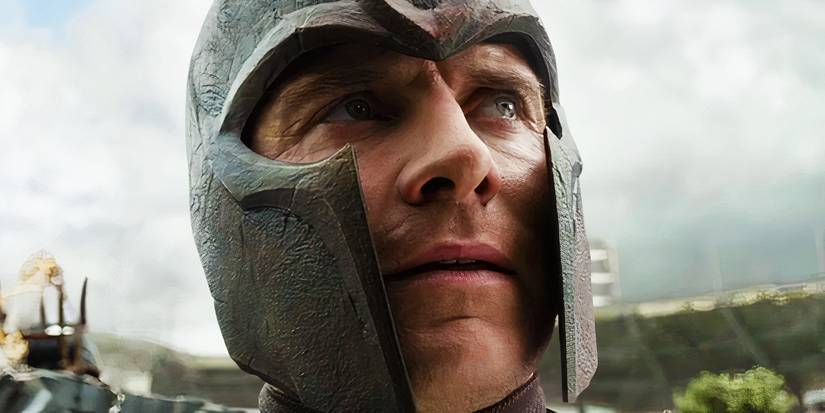
X-Men: Days of Future Past successfully combined the original X-Men cast with the actors from the newer prequel movies, using time travel to refresh the series’ storyline. It honored the best parts of Fox’s X-Men franchise while fixing problems from previous installments, especially X-Men: The Last Stand. The film was well-received by critics and featured a strong cast, which revitalized excitement for the series.
X-Men: Days of Future Past proved the X-Men were still a big draw for moviegoers. The film was a heartwarming tribute to characters fans had enjoyed for years, spanning different eras. However, it also marked the high point before the series began to lose momentum.
As a big X-Men fan, it’s a little sad to say that the later movies just didn’t hit the same way the originals did – they lacked that spark and emotional connection. For me, Days of Future Past really feels like the last truly great X-Men film. Sure, I was excited to see some of the original cast pop up in Avengers: Doomsday, but Days of Future Past was the last time the X-Men really felt like they were leading the charge in the superhero world.
Logan Was Supposed To Be Hugh Jackman’s Last Movie As Wolverine
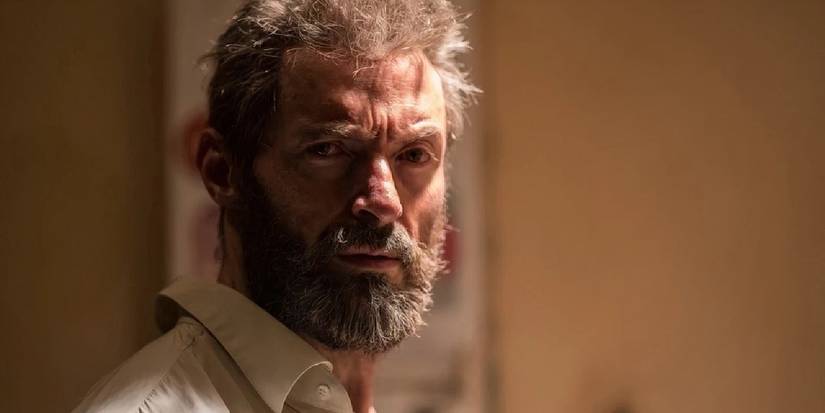
Originally, Logan was designed as the last appearance of Hugh Jackman as Wolverine, marking the end of his incredible 17-year journey with the character – a role that significantly contributed to the rise of modern superhero movies. Instead of a big, action-packed finale, Logan delivered a realistic and moving goodbye, focusing on emotional depth rather than special effects.
The movie Logan was widely praised as one of the best comic book films ever made. It beautifully portrayed a hero nearing the end of his story, offering a moving and satisfying farewell. However, Hugh Jackman has since reprised his role in the Marvel Cinematic Universe with Deadpool & Wolverine and Avengers: Doomsday.
However, at the time, Logan felt like the end of Wolverine’s story as told by Fox. More importantly, its realistic, violent, and serious style was a significant shift in how superhero movies were made. It signaled a focus on developing characters, rather than just big, flashy action.
Dark Phoenix Was The Last Fox X-Men Movie
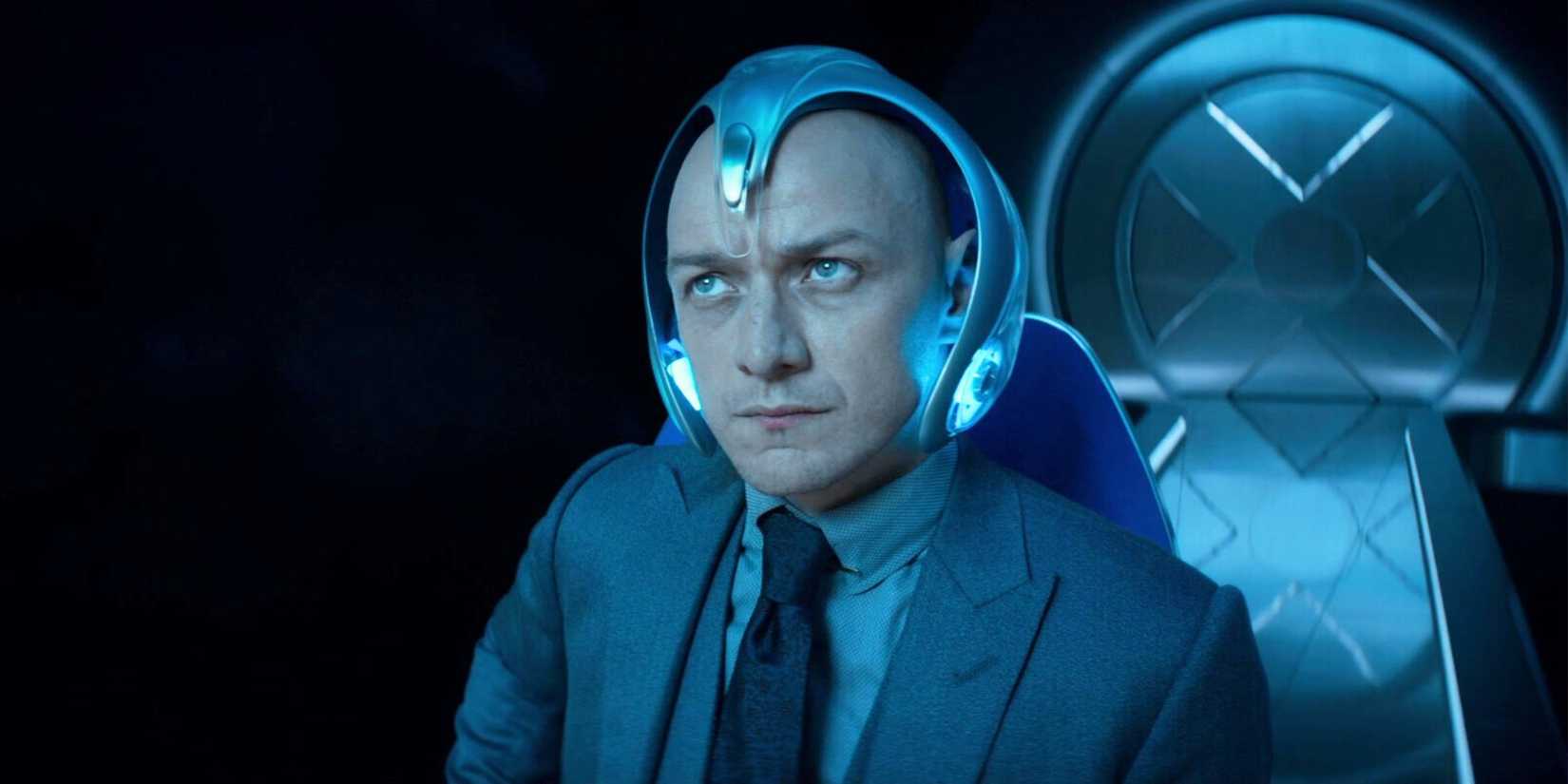
Dark Phoenix was the last X-Men movie made by Fox. The filmmakers had hoped it would start a new series of X-Men films focusing on the younger characters from X-Men: Apocalypse. But when Disney bought Fox, those plans were canceled, and many believe it negatively impacted the movie’s chances of success.
The movie Dark Phoenix tried to closely follow the famous storyline of Jean Grey becoming the Phoenix. Unfortunately, changes and re-filming during production resulted in an underwhelming ending. The film’s release was also poorly timed, happening while Disney was in the process of acquiring the studio, which negatively impacted its reception.
A lot of people working on the Fox team felt disconnected during the transition, and Disney didn’t have enough lead time to include Dark Phoenix in their marketing. Still, the film marked the end of a major series – the X-Men movies – which had been incredibly influential in shaping superhero films for almost twenty years. While the X-Men films originally sparked the huge wave of Marvel movies, the series ended somewhat quietly with Dark Phoenix.
Avengers: Endgame Ended The Infinity Saga And RDJ’s Iron Man
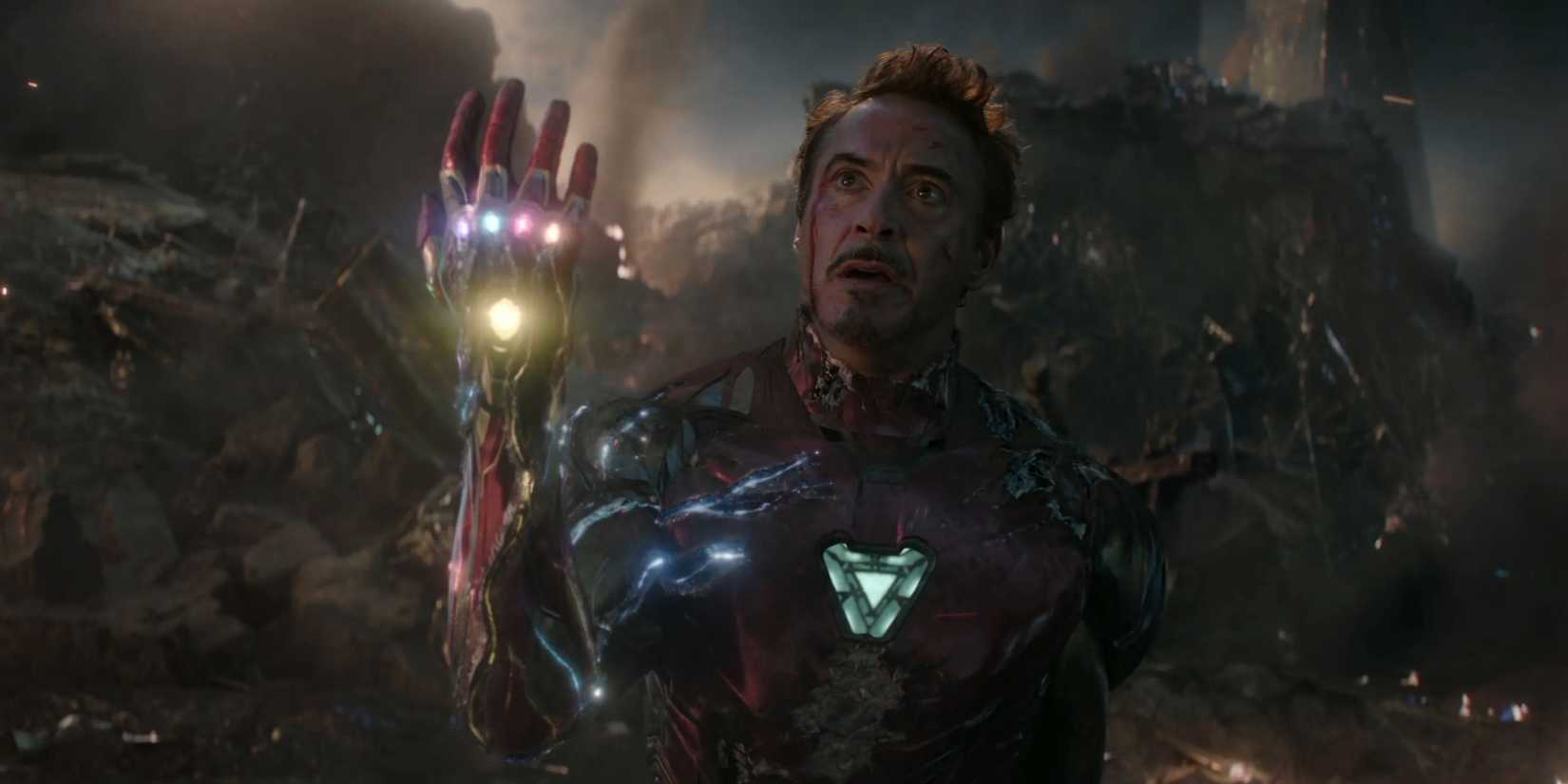
Avengers: Endgame powerfully concluded the decade-long story arc known as the Infinity Saga in the Marvel Cinematic Universe. The film united heroes from across many previous movies for a massive team-up, finally resolving the conflict with Thanos in an unforgettable, time-traveling battle and providing satisfying endings for several characters.
Avengers: Endgame truly stood out as a unique blockbuster experience. A particularly impactful moment was Tony Stark’s sacrifice, which marked the end of Robert Downey Jr.’s legendary run as Iron Man. His transformation from a selfish arms dealer to a heroic savior was central to the entire franchise, and his final act secured a future for the world he helped create.
Endgame wasn’t just a big finale; it also said goodbye to beloved characters like Captain America and Black Widow, marking a change in the guard for Marvel. With Phase Four bringing in fresh heroes and new dangers, Endgame clearly separated the old days of the Marvel Cinematic Universe from what came next. It was also around this time that many fans started to question whether they needed to see every Marvel movie or show.
Deadpool & Wolverine Concluded Fox’s Superhero Series
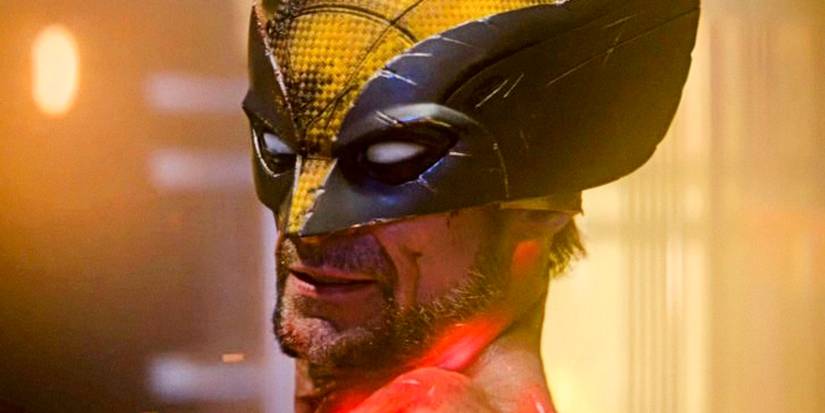
Deadpool & Wolverine effectively marked the end of Fox’s popular superhero film series, which included not only X-Men, but also Fantastic Four, Daredevil, and Elektra. The movie finally brought together the famous Marvel characters Deadpool and Wolverine on a quest to protect the universe Fox had created for them.
As a huge fan, I loved that Deadpool & Wolverine felt like both a celebration of everything we’ve known about these characters and a bittersweet goodbye to their old world. Instead of pretending the Fox movies never happened, the film fully acknowledged and played with that history! It was packed with the self-aware humor we expect, awesome cameos, and surprisingly, a lot of heart as it seemed to acknowledge the end of an era for these versions of Deadpool and Wolverine.
Deadpool & Wolverine lovingly paid tribute to what fans appreciated about the previous Marvel movies. It marks the end of a time when different studios each had their own way of bringing iconic heroes to life. The film’s closing credits sequence was a surprisingly sweet and touching highlight in recent superhero films.
Aquaman And The Last Kingdom Was The Final DCEU Movie
 Warner Bros. Pictures/Courtesy Everett Collection
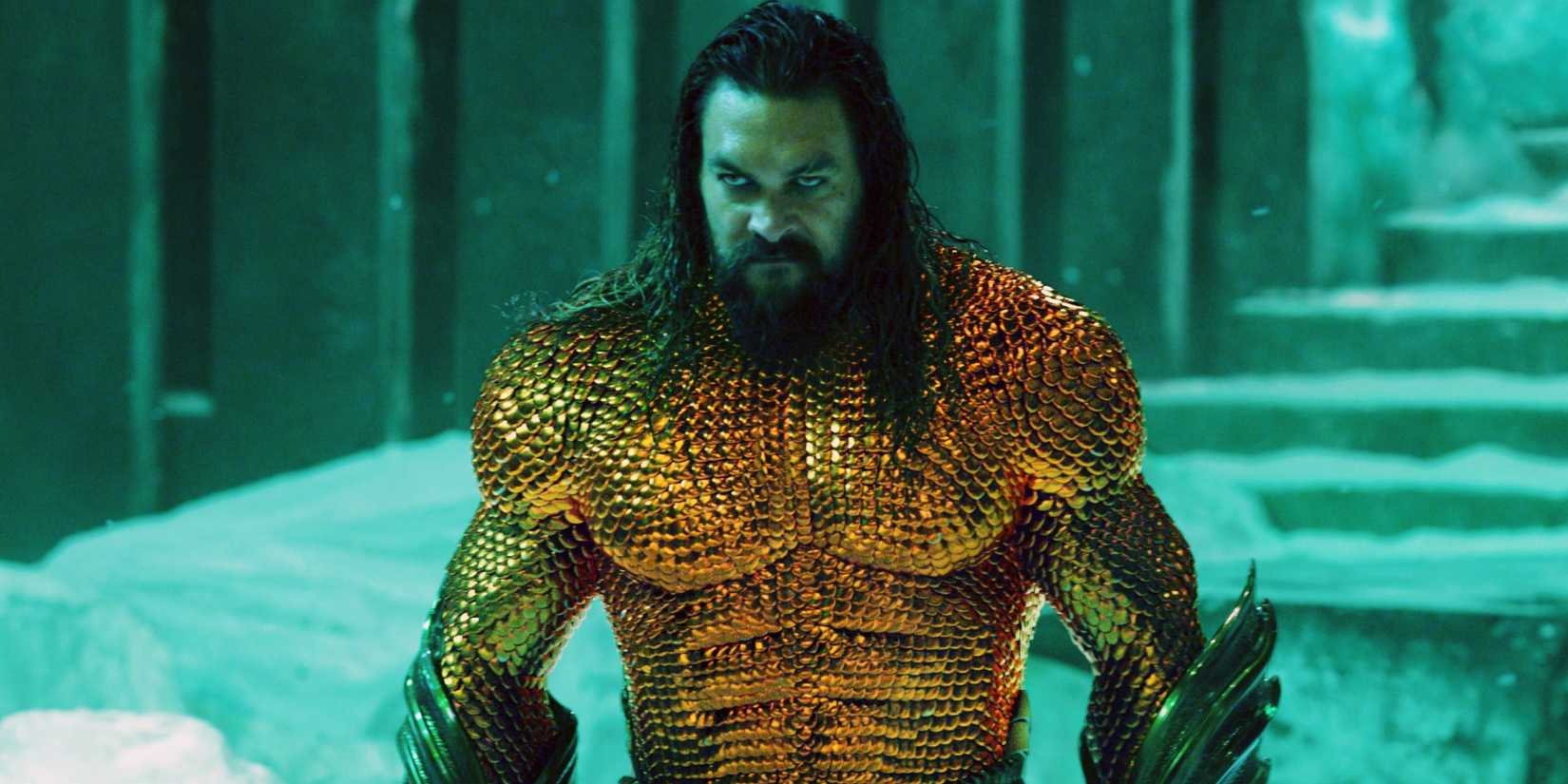
Aquaman and the Lost Kingdom marked the end of the DC Extended Universe. This universe had faced many changes, with inconsistent reviews and frequent creative overhauls. While the first Aquaman film did well, the sequel came out at a time when DC was preparing for a fresh start with new leadership from James Gunn and Peter Safran.
With the release of The Lost Kingdom, the story arc established by Zack Snyder officially concluded. The film tied up loose ends and delivered impressive visuals and exciting underwater sequences. However, its inconsistent quality seems to reflect the broader issues that plagued the entire DC Extended Universe.
The Lost Kingdom felt fragmented and lacked a clear focus, ultimately making for a disappointing film. Instead of honoring what came before in the DCEU, it highlighted the need for a bold new path forward. With new characters and storylines now leading the way, Aquaman and the Lost Kingdom signals the end of the old DCEU and the beginning of a more cohesive future.
Read More
- United Airlines can now kick passengers off flights and ban them for not using headphones
- Crimson Desert: Disconnected Truth Puzzle Guide
- All 9 Coalition Heroes In Invincible Season 4 & Their Powers
- The Boys Season 5 Spoilers: Every Major Character Death If the Show Follows the Comics
- Invincible Season 4 Episode 6 Release Date, Time, Where to Watch
- Mewgenics vinyl limited editions now available to pre-order
- Grok’s ‘Ask’ feature no longer free as X moves it behind paywall
- Assassin’s Creed Shadows will get upgraded PSSR support on PS5 Pro with Title Update 1.1.9 launching April 7
- ‘Timur’ Trailer Sees Martial Arts Action Collide With a Real-Life War Rescue
- Grey’s Anatomy Season 23 Confirmed for 2026-2027 Broadcast Season
2025-12-01 01:32