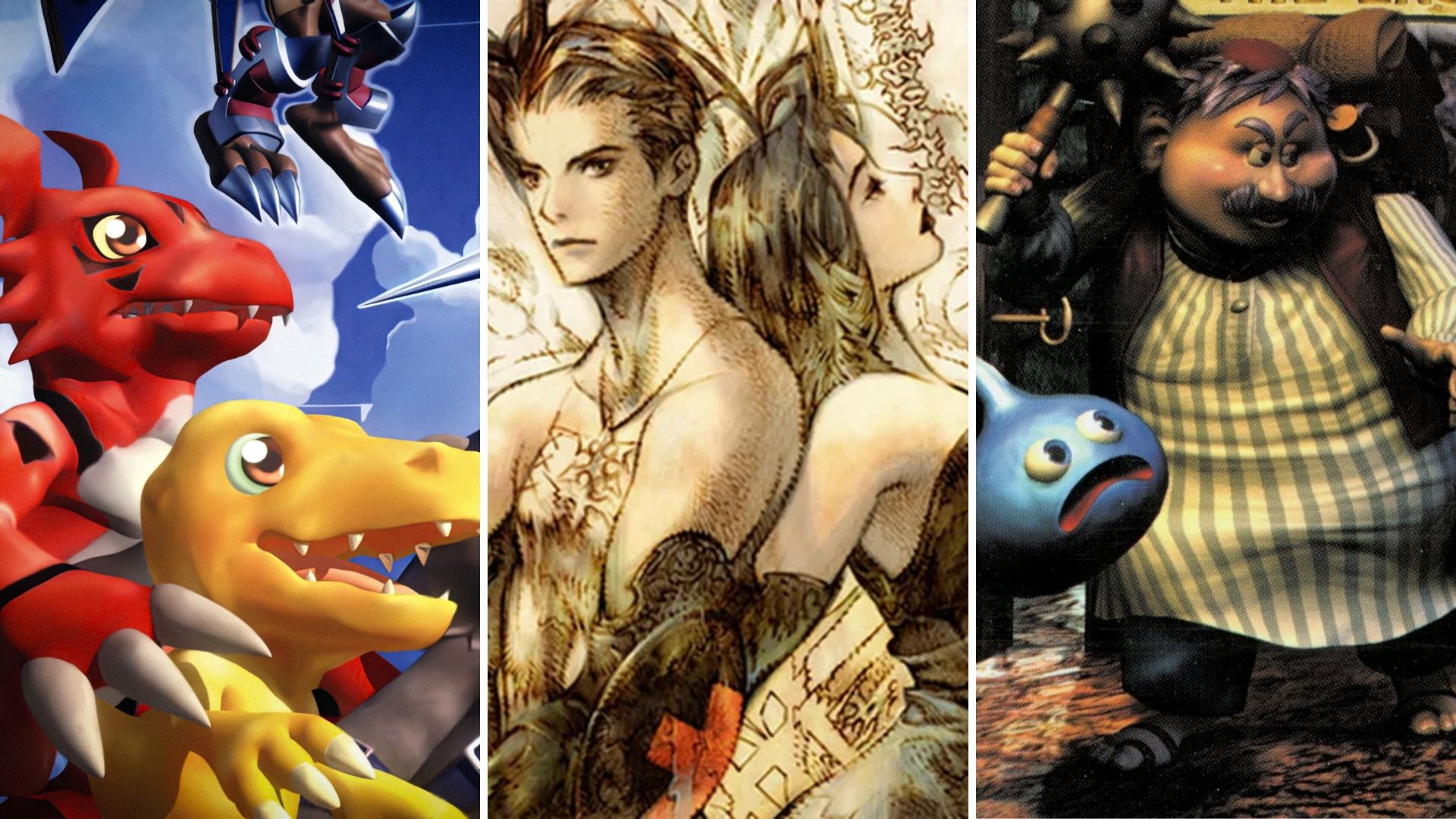
Looking back at gaming history, the PlayStation 1 was incredibly important for Japanese Role-Playing Games, or JRPGs. It inspired many developers to create or focus on the genre, and it was where the groundbreaking Final Fantasy VII first launched. This game was a huge success that introduced JRPGs to a global audience and really established them as a major force in gaming.
The PlayStation 1 has a fantastic library of role-playing games – you’re almost guaranteed to find something enjoyable. However, even among all the great titles, there are a few that aren’t worth your time. With so many games to play already, I’ve put together a list of PS1 JRPGs you might want to skip – they’re either frustratingly hard, needlessly complicated, or just poorly made.
Just because I suggest something doesn’t mean you can’t play those games! It’s your choice, of course. But honestly, it’s often better to wait for an updated version with improvements, or to spend your time on games that are more polished. You don’t want to waste over 50 hours on something that might not be very good.
10. The Granstream Saga
Too Shabby
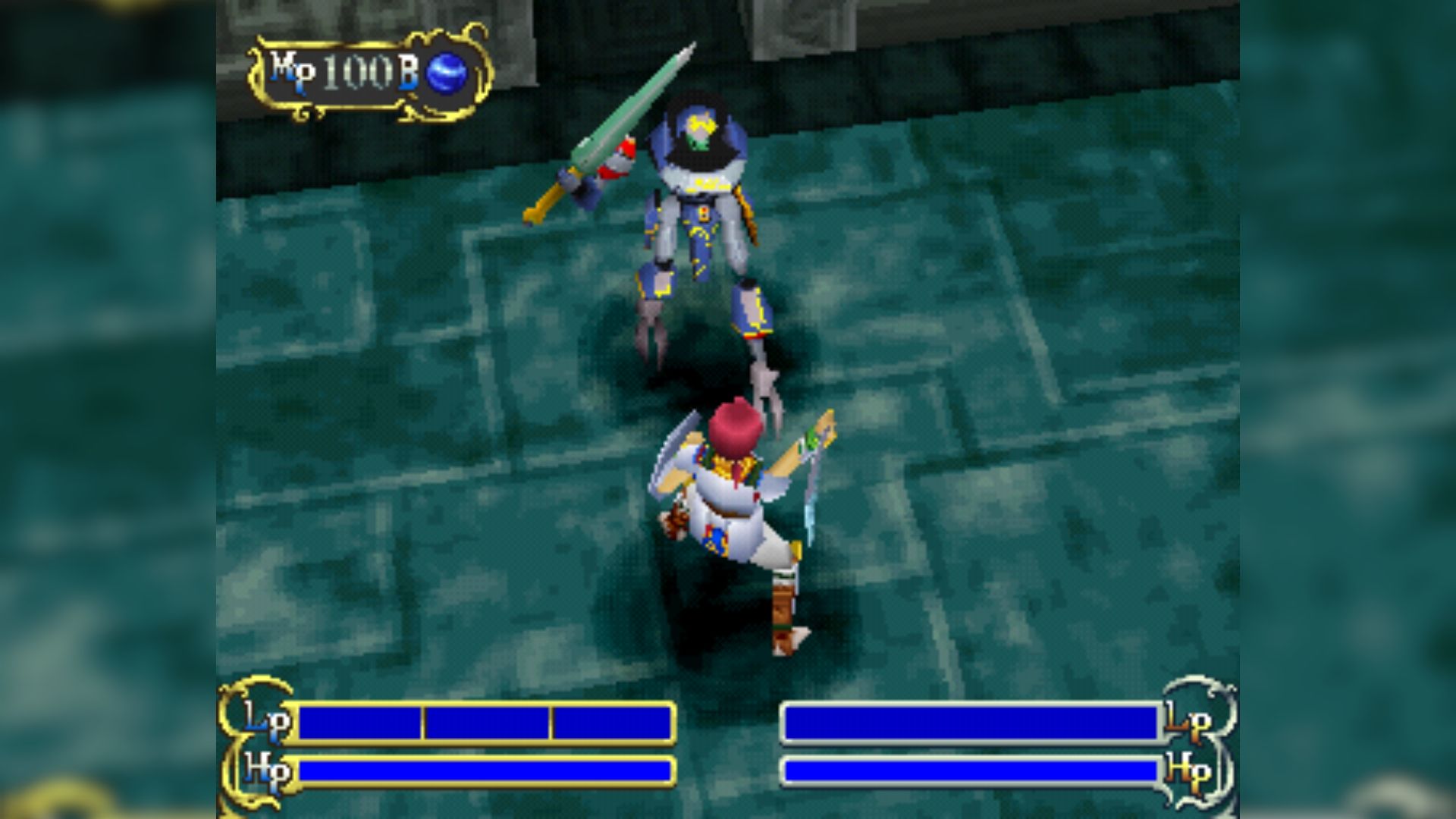
I recently revisited the SNES games Illusion of Gaia and Terranigma, and it reminded me how special they are. Even without considering the stories, the gameplay was incredibly smooth and well-designed – Quintet really knew what they were doing. Later, with the arrival of newer consoles, they created The Granstream Saga, which felt like a continuation of the spirit found in those earlier games – what fans often call the Quintet Trilogy.
While the graphics in The Granstream Saga might have seemed cute when it first came out, they don’t hold up today, especially considering the main character has no face. The game’s combat, which usually pits you against one enemy at a time, had potential, but it feels awkward to play. You’re stuck with a targeting system that’s unresponsive and makes battles feel unnecessarily long. The Granstream Saga is a little-known PS1 JRPG, and that’s simply because it isn’t a very good game.
9. Digimon World 3
Digi-devolution
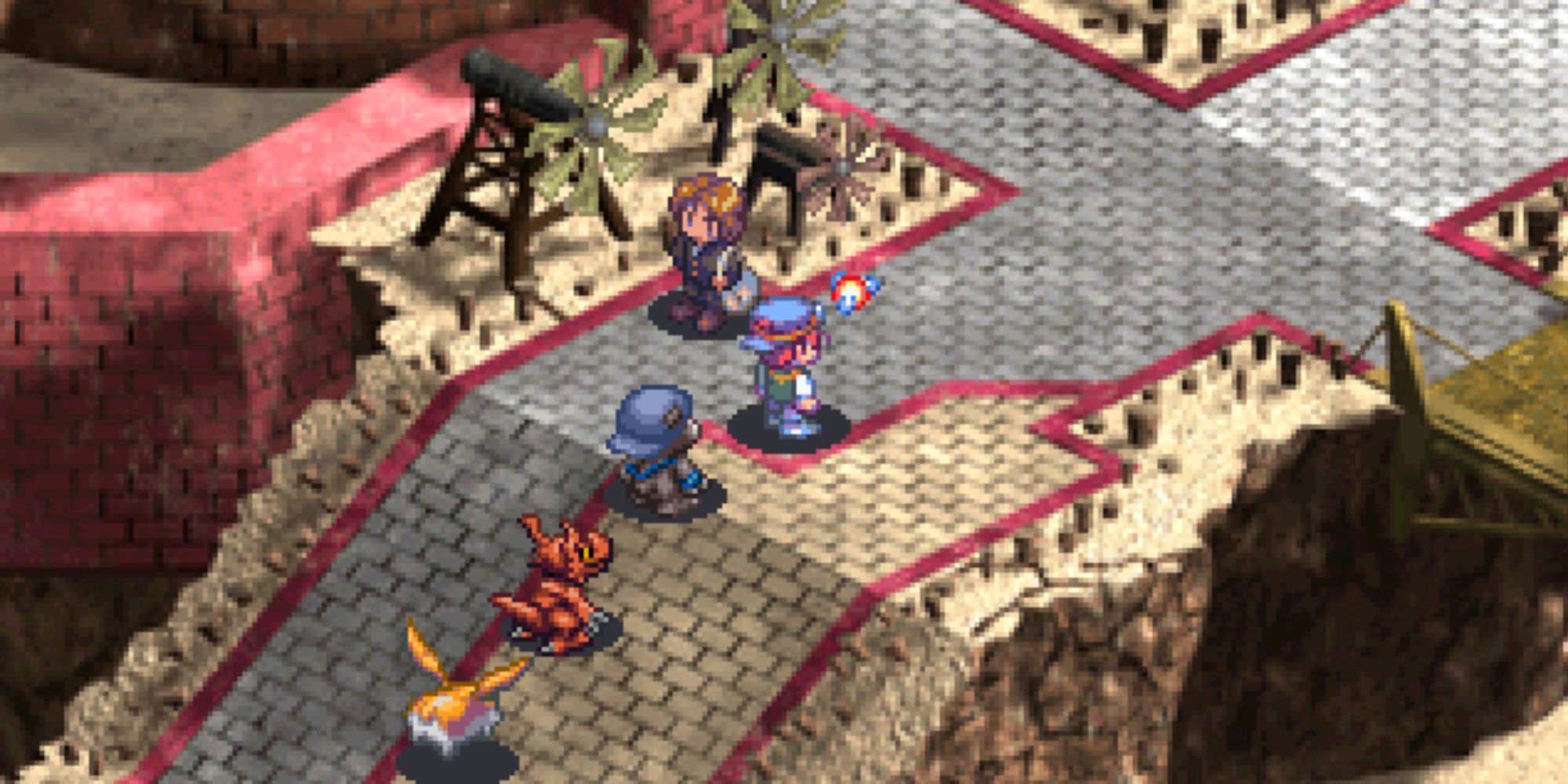
I never really got into Pokémon, but I immediately loved Digimon when it first came out. I quickly started playing the games, beginning with Digimon World. I remember being puzzled by all my digital pets evolving into Numemon, and later enjoying the complex DNA digivolutions in Digimon World 2. While Digimon World 3 impressed me with its improved graphics and easier-to-use battles, none of the later games quite captured the same magic.
What bothers me most about Digimon World 3 is all the pointless running back and forth. Seriously, you spend so much time retracing your steps that you’d expect it to lead to something worthwhile, like unlocking new Digivolutions. And it does… eventually. But the process is so repetitive and time-consuming that the excitement of getting a new Digivolution is diminished. Everyone makes mistakes, Bandai! Thankfully, they then released Digimon World 4.
8. Brigandine: The Legend of Forsena
Play Runersia Instead
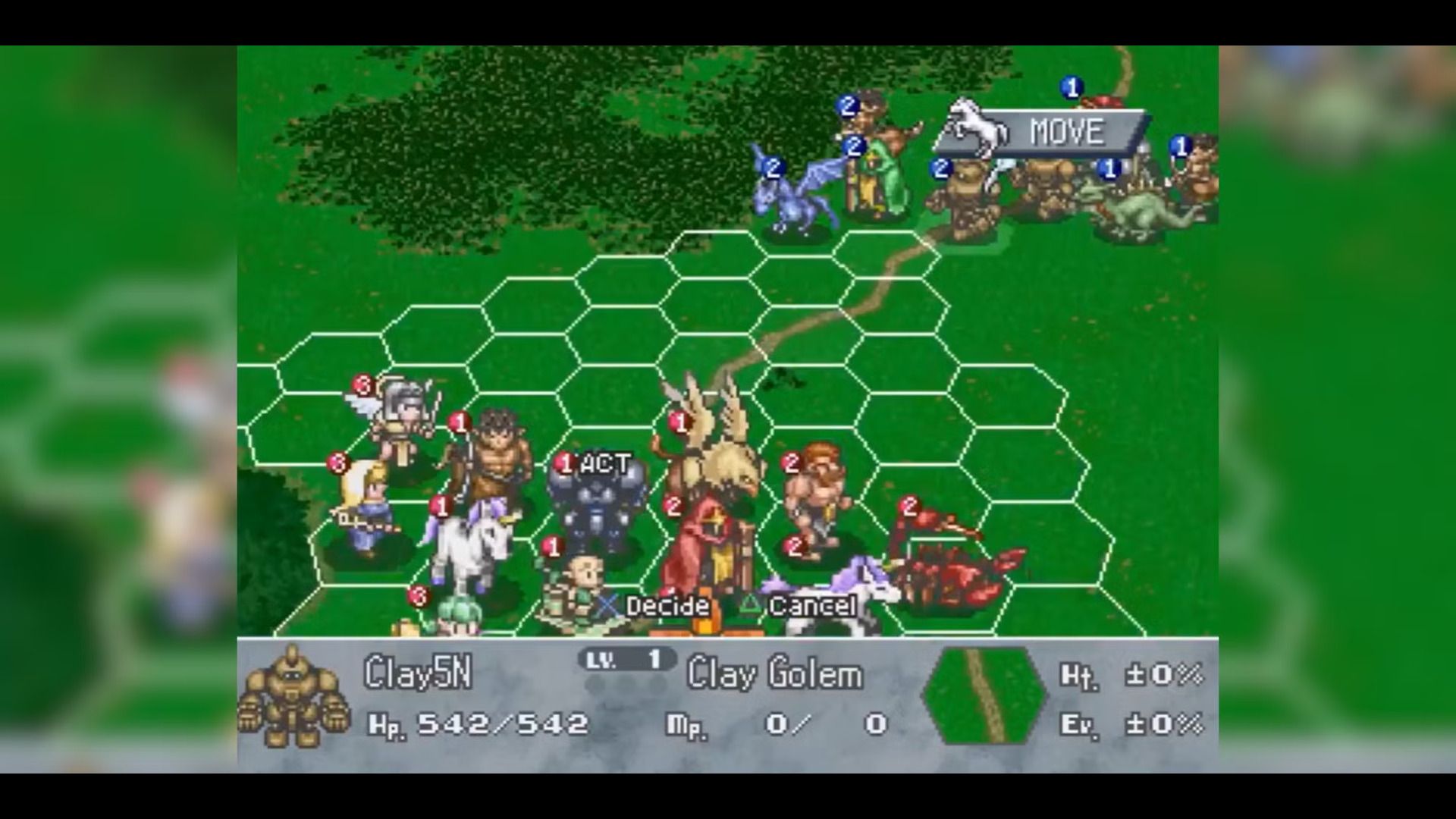
I discovered the game Brigandine about 25 years ago at a small, somewhat rundown rental shop. While it wasn’t pretty and felt a little awkward to play, it had a certain charm and a really captivating strategy system. When Brigandine Abyss was announced, I thought about revisiting the original, but I decided to start with Runersia instead.
I realized Brigandine: The Legend of Runersia is very similar to Forsena, even copying its leaders. Basically, if you’re interested in playing Brigandine, there’s no need to bother with the original Forsena game. Runersia is the same game, just updated and improved for today’s players.
7. Hoshigami: Ruining Blue Earth
Tactical Sadism
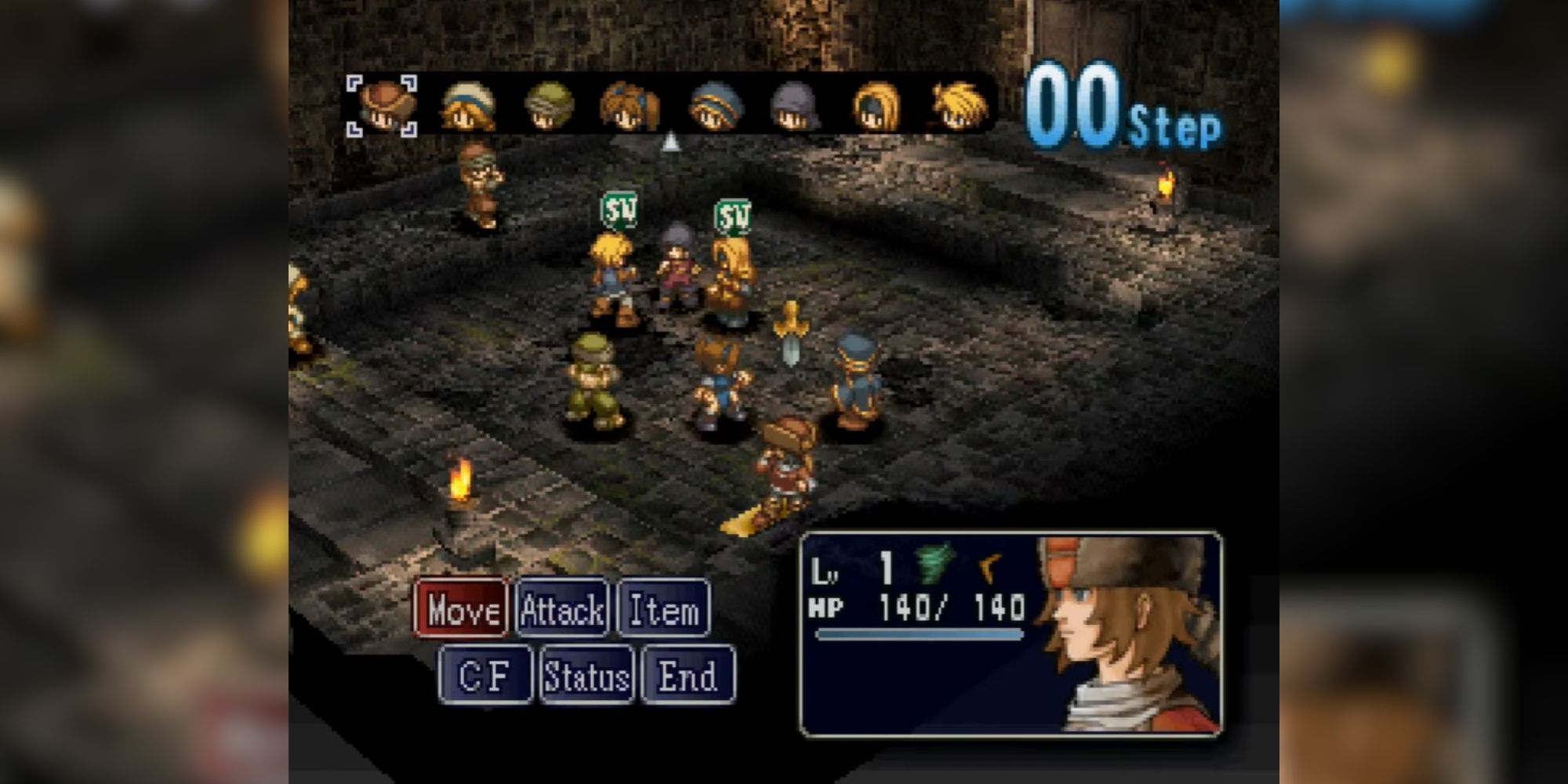
Games like Hoshigami, Kartia, Eternal Eyes, and Saiyuki: Journey West are all enjoyable, well-made tactical RPGs for the PlayStation 1. However, playing them one after another can feel repetitive, as the core gameplay is quite similar. While their stories and themes differ greatly, many tactical RPGs on the PS1 shared a similar technical foundation, and only a few truly stood out.
You absolutely can try all of these games, but I’d suggest skipping Hoshigami: Ruining Blue Earth. It’s not terrible, and it has a good story with impressive graphics for its age, but the gameplay just isn’t very good. Tactical RPGs rely on strategy, but Hoshigami overcomplicates things with too many confusing systems instead of focusing on solid gameplay.
To make matters worse, Hoshigami requires a lot of repetitive gameplay. Losing a character in battle means losing them permanently, forcing you to start over with a new, level 1 character. While dedicated fans of tactical RPGs might find something to enjoy, most players would be better off choosing a different game – Hoshigami simply isn’t a very satisfying experience.
6. Torneko: The Last Hope
More Like The Last Straw
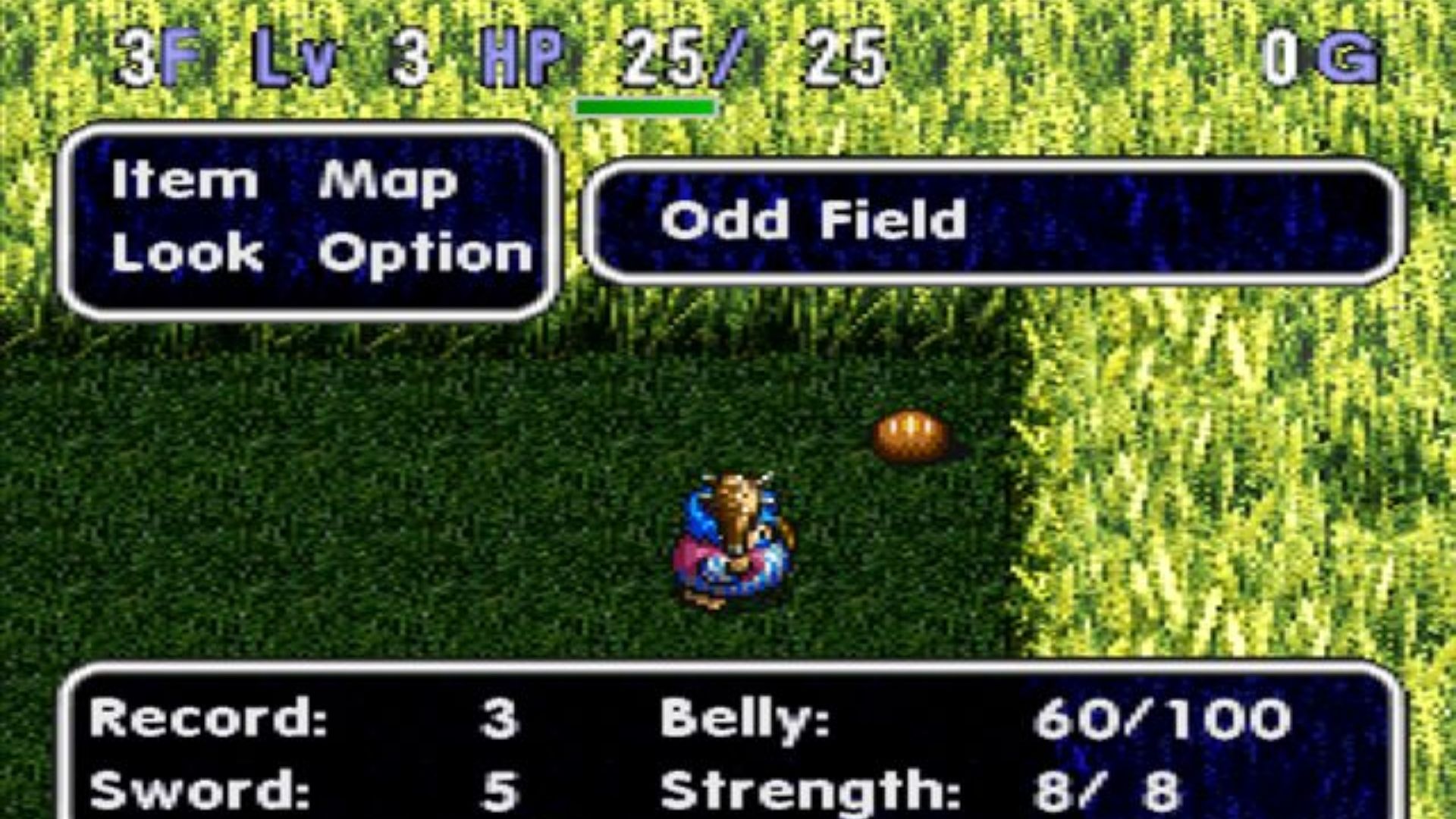
So you loved Dragon Quest IV and are still thinking about its characters – even Torneko, the merchant? It might seem strange to make a spin-off game about him, since he’s just a businessman trying to succeed, but that’s exactly what Torneko: The Last Hope delivers.
When Chunsoft develops a game, you can usually expect a Mystery Dungeon title – a series of challenging, randomly generated dungeon crawlers. Interestingly, the series actually began with a game called Torneko’s Great Adventure. While the first Torneko game did well, its sequel wasn’t as successful.
Torneko: The Last Hope is a classic dungeon crawler, similar to other Mystery Dungeon games. You explore grid-based dungeons where monsters only move when you do, and you lose most of your progress each time you leave until you unlock permanent upgrades. While it was popular and well-received in Japan – largely due to its connection to the Dragon Quest series – Western players weren’t as impressed. Aside from the music and a few story moments, the gameplay itself doesn’t offer much to make it stand out. Honestly, I think you’d have more fun playing Chocobo’s Dungeon on the PlayStation 1.
5. Guardian’s Crusade
The Story of the Knight, Knight
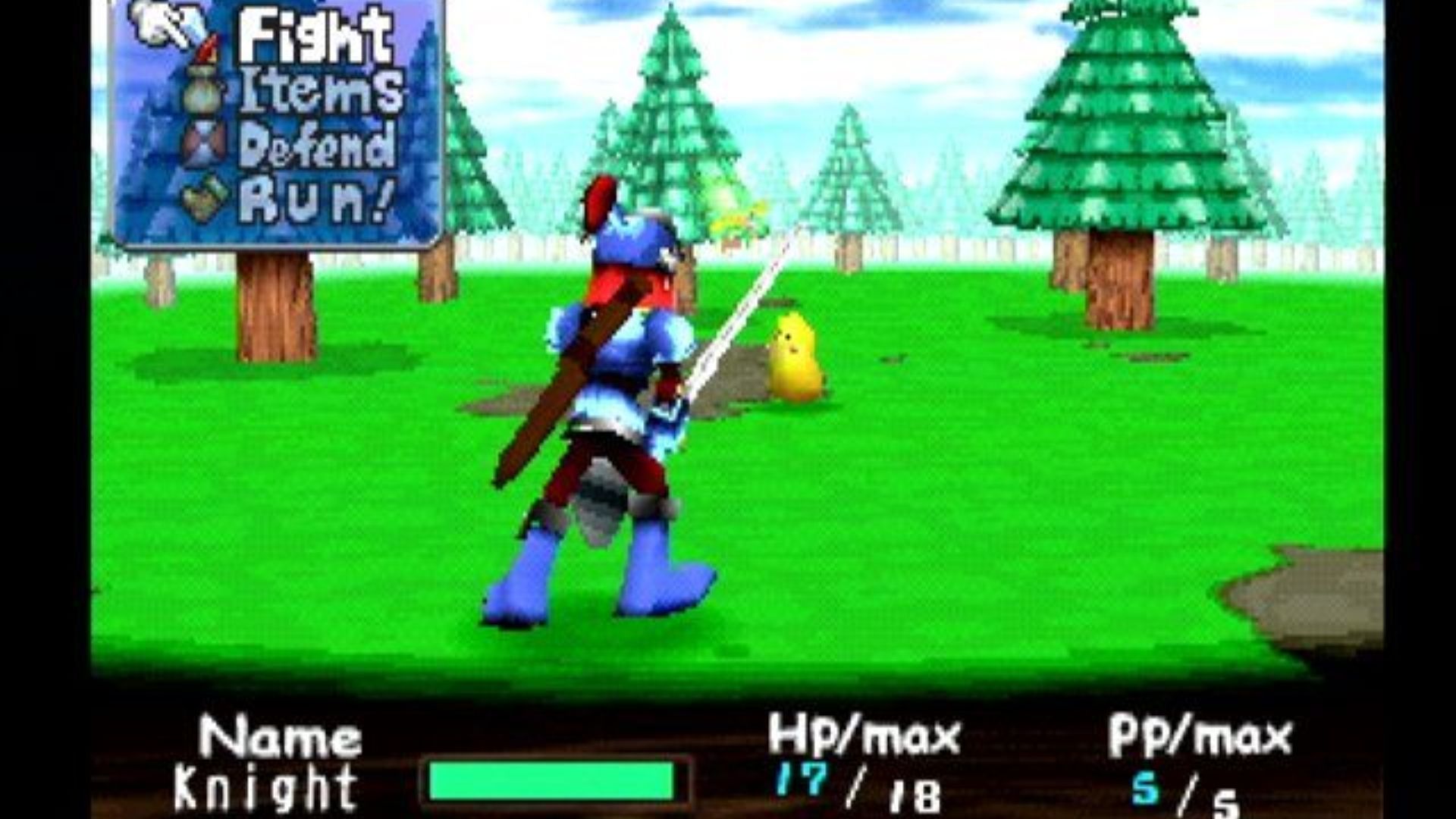
Guardian’s Crusade looks charming and like a classic JRPG, but it’s surprisingly simple. The story is easy to guess, and the game can become repetitive. You play as Knight, tasked with returning ‘Baby’ to its mother – a quest to fulfill a world-saving destiny. Honestly, the character and plot names aren’t very original!
When it first came out, Guardian’s Crusade was notable for not having random battles. Interestingly, if your character was powerful enough, enemies would even flee from you – a feature similar to EarthBound. You can collect Living Toys to fight alongside the hero, Knight, each offering unique skills. However, beyond those elements, the game doesn’t really offer anything new for players who are already familiar with JRPGs.
4. Vagrant Story
Perfectly Complex
YouTube via Metal Gamer Suneku / Square / Square Enix
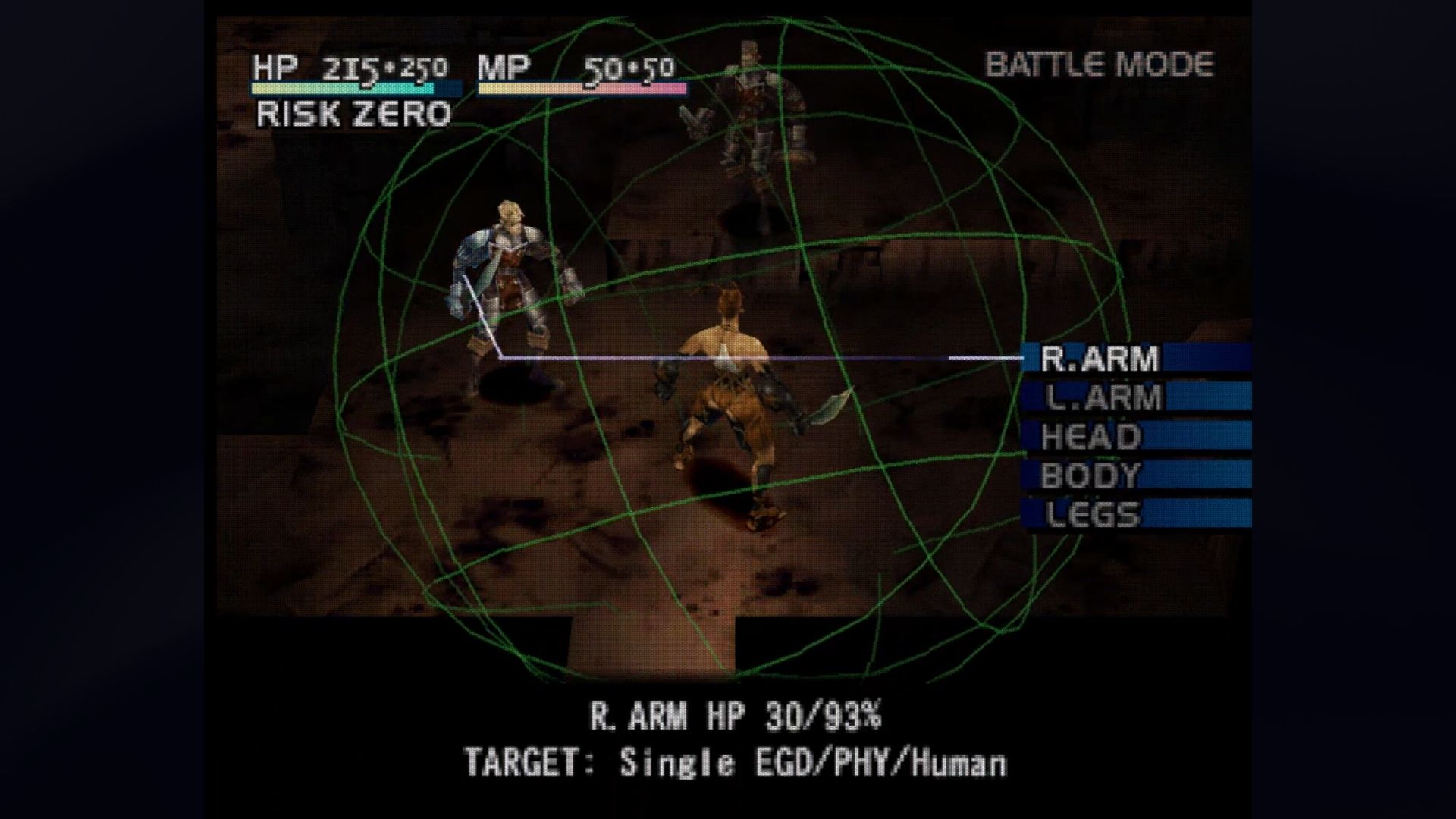
I can tell you’re a big fan of Vagrant Story, and you’re right, it’s a fantastic game. I’m not suggesting people skip it because it’s bad, but because it’s incredibly complex. It’s an older game, and these days, most players don’t have the time or patience to learn a complicated system, or even read the instruction manual.
Vagrant Story features a compelling story set in the world of Ivalice, which fans will recognize from games like Final Fantasy Tactics and Final Fantasy XII. However, when it was first released, many players were put off by the gameplay. It appeared that success depended on quickly pressing buttons and linking attacks together. I initially thought the best strategy was to simply keep attacking, since it felt easier to repeatedly press buttons than to try and perfectly time them.
Okay, so I learned the hard way that going all-out in this game actually hurts you. The more you attack, the higher your Risk meter goes up, and that makes Ashley way easier to hit and lowers his damage output. Plus, my aim got worse too! Seriously, being super aggressive backfired. And don’t even get me started on those boss fights where I was doing practically no damage! I didn’t realize until way later that you have to craft weapons that are strong against certain enemy types. Honestly, this game isn’t exactly beginner-friendly – it took me a while to figure things out.
3. Blaze & Blade: Eternal Quest
Great First 30 Minutes
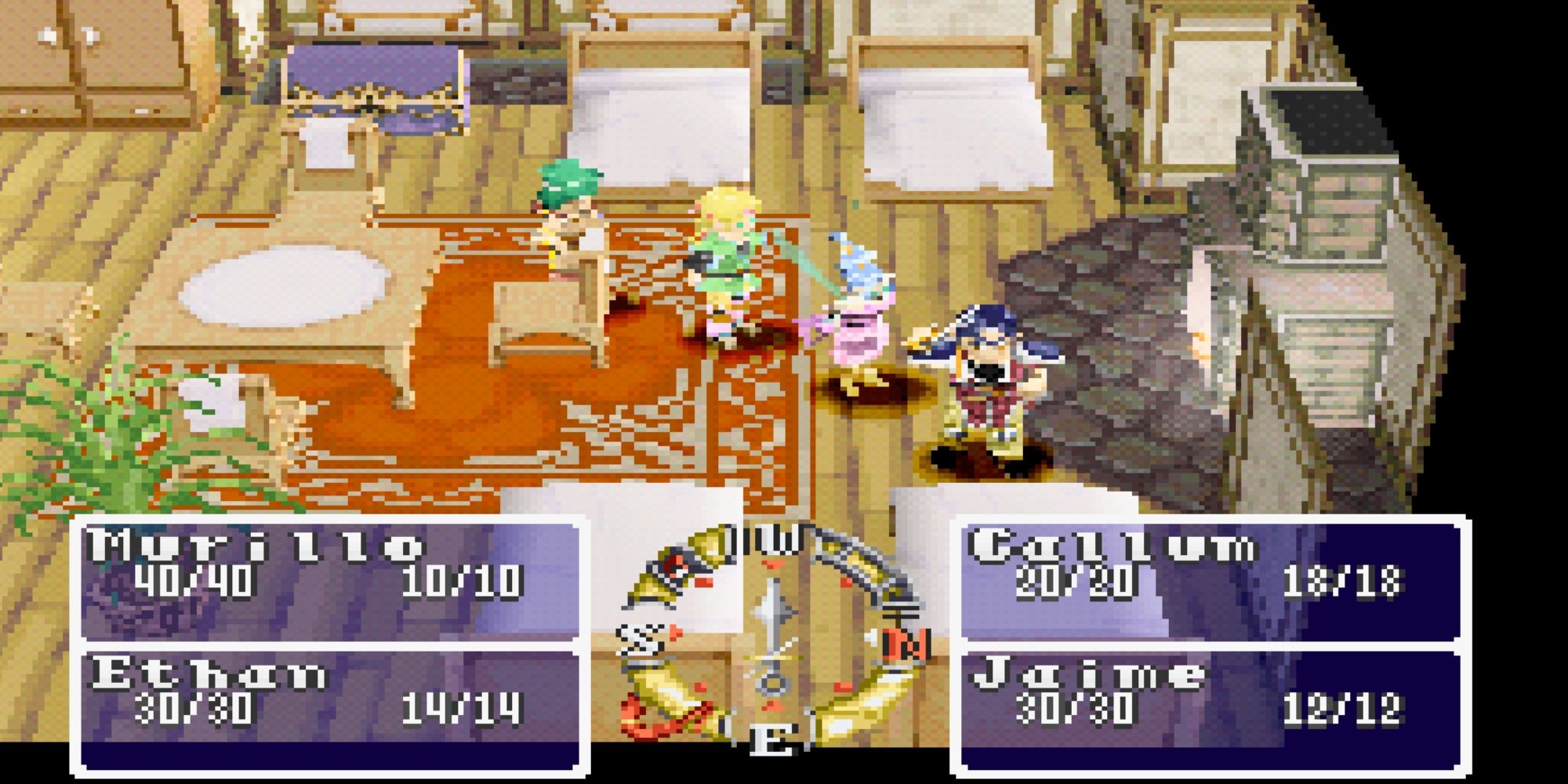
I love JRPGs for their stories, worlds, and characters. But I understand that gameplay is the most crucial part of any game. If a JRPG prioritizes fun and engaging mechanics over a complex story, that’s perfectly fine with me.
Blaze & Blade: Eternal Quest jumps right into the action. After creating a team of diverse characters, the game doesn’t bother with a lengthy introduction or complex story. This means the gameplay itself needs to be really strong to keep players engaged, as it’s the core of the entire experience.
Sadly, Blaze & Blade: Eternal Quest didn’t quite live up to its potential. While building a team with different character classes and unlocking new abilities is a good idea, the battles become repetitive and boring quickly, offering no new challenges or excitement.
2. Beyond the Beyond
When You Stare into the Beyond, It Shows Depression
| Developer | Camelot |
|---|---|
| Publisher | Sony |
| Release Date | September 11, 1996 |
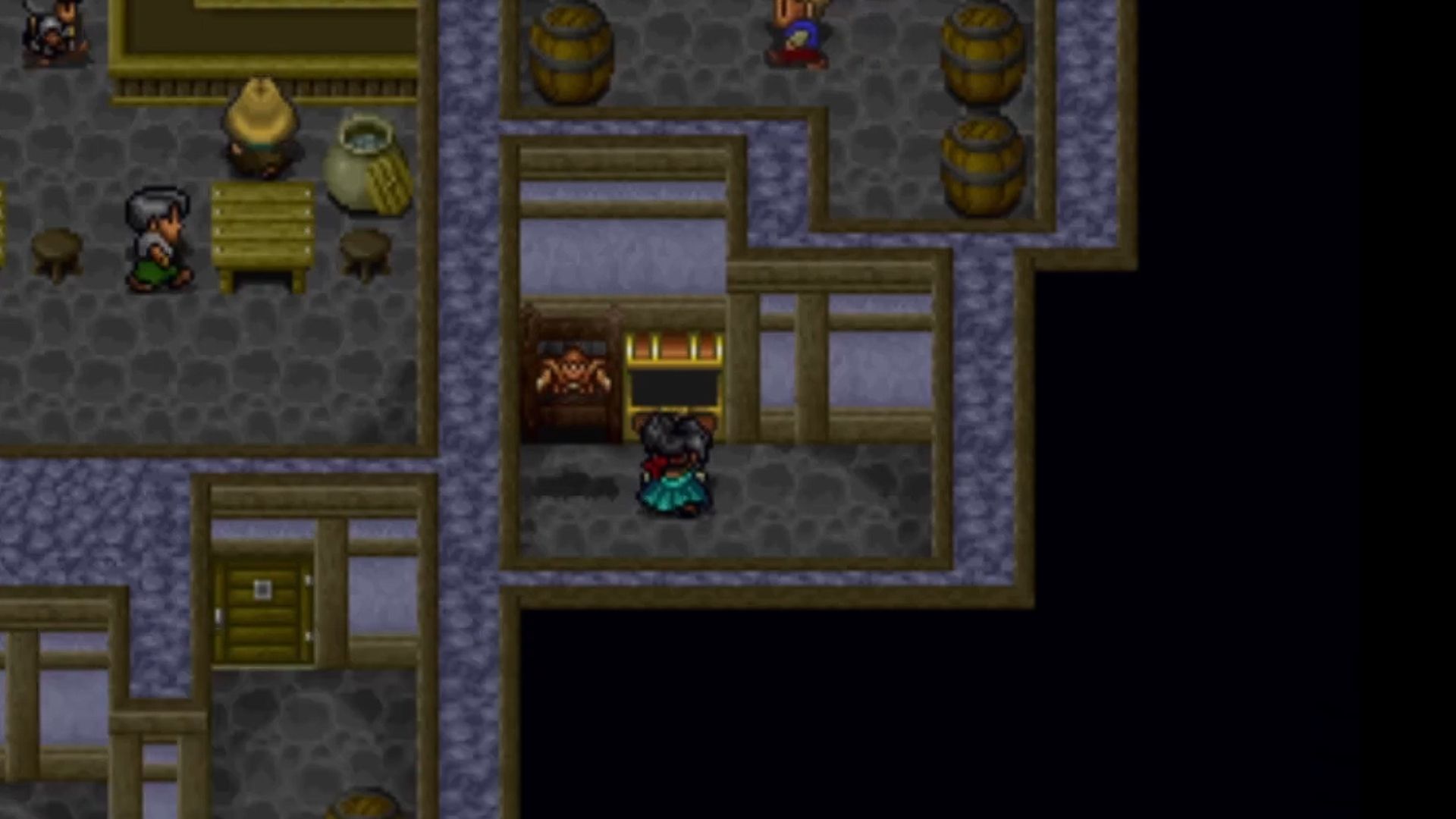
It’s surprising that Beyond the Beyond came from Camelot, a studio already known for successful games like Shining in the Darkness and the first two Shining Force titles. Given their experience, you’d expect them to be able to create a charming and straightforward game for the PlayStation.
While Beyond the Beyond includes familiar JRPG elements like turn-based combat and character progression, it’s ultimately not very charming. The game throws a lot of random battles at you, and even a timing-based input system—which is often unreliable—can’t make them enjoyable or feel worthwhile.
Combine that with a limited number of healing options, and you’ll spend a lot of time running back to town for supplies. This constant travel is risky and frustrating, and it happens before you even get to the main challenge – fighting the Warlocks of the Underworld.
1. Monster Seed
Monstrous Experience
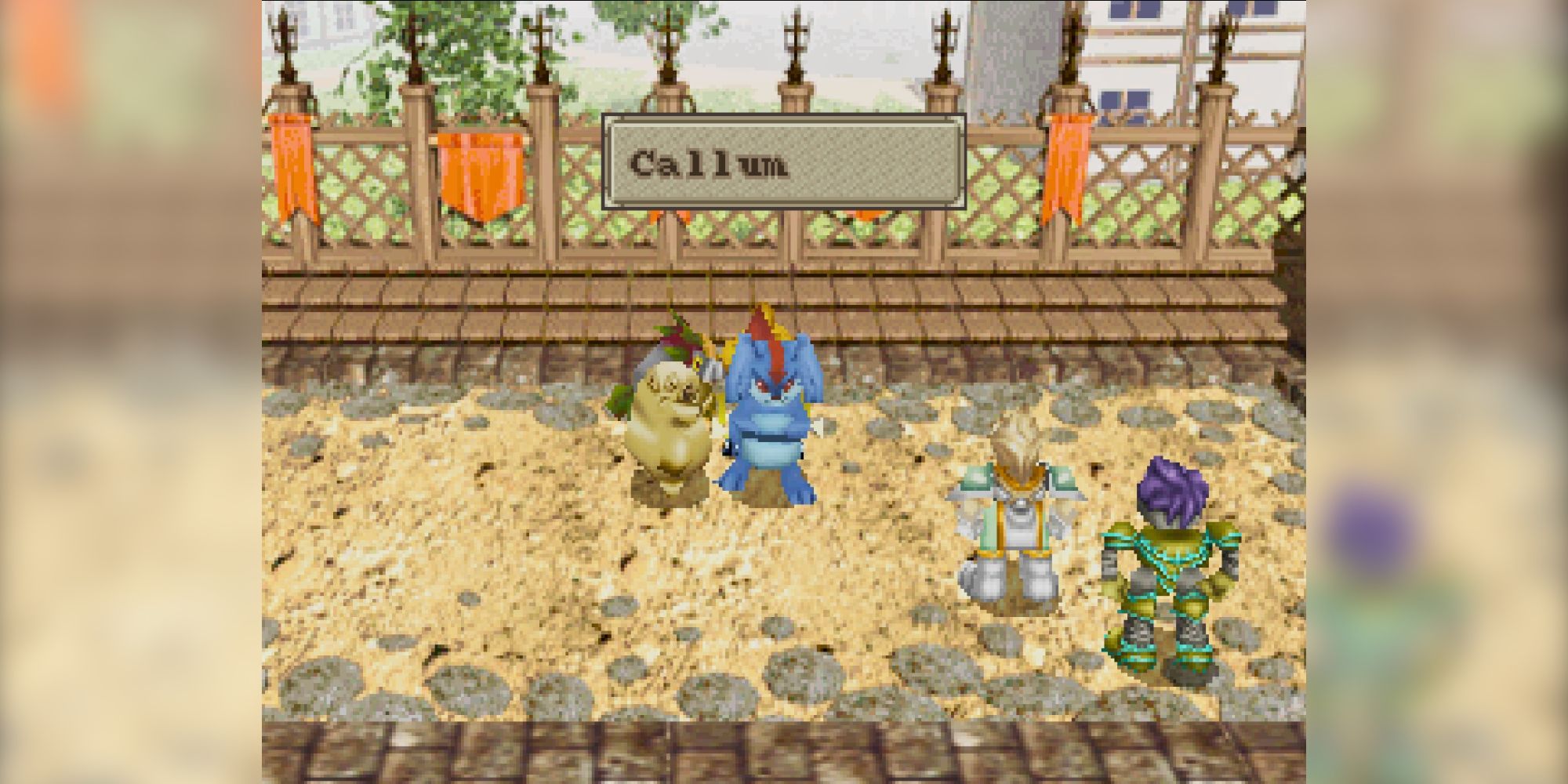
Monster Seed is a game where you essentially grow monsters – though that sounds a bit strange when I say it out loud! The game starts rough: you’ll quickly find yourself getting defeated. But soon, you’ll begin working in a village to earn money and discover you have a special ability – you’re a Ruler, capable of controlling monsters.
In Monster Seed, you breed monsters using seeds and strange mixtures, then pit them against each other in turn-based battles. It’s similar to the combat in Japanese role-playing games, but feels very unrefined. Combined with a poor translation, the game is difficult to enjoy and best avoided. It even features a command that makes monsters commit suicide, which is just one example of its odd design.
Read More
- Off Campus Season 1 Soundtrack Guide
- Chainsaw Man Volume 24’s Cover Art Reveals a Brand-New Denji
- X-Men ’97 Finally Gave Gambit the Hero Moment He Deserved
- 46 Years Later, The Mandalorian & Grogu Answers A Major Empire Strikes Back Question
- HoI4 fans harsh reactions to the announcement of another DLC pack
- 10 Worst End-Game Couples In Sitcom History
- Katanire’s Yae Miko Cosplay: Genshin Impact Masterpiece
- Gold Rate Forecast
- Hatsune Miku cosplayer goes viral selling $15 cups of “foot juice” to thirsty anime fans
- DoorDash responds after customer uses AI to make food look bad and get a refund
2026-05-17 01:41