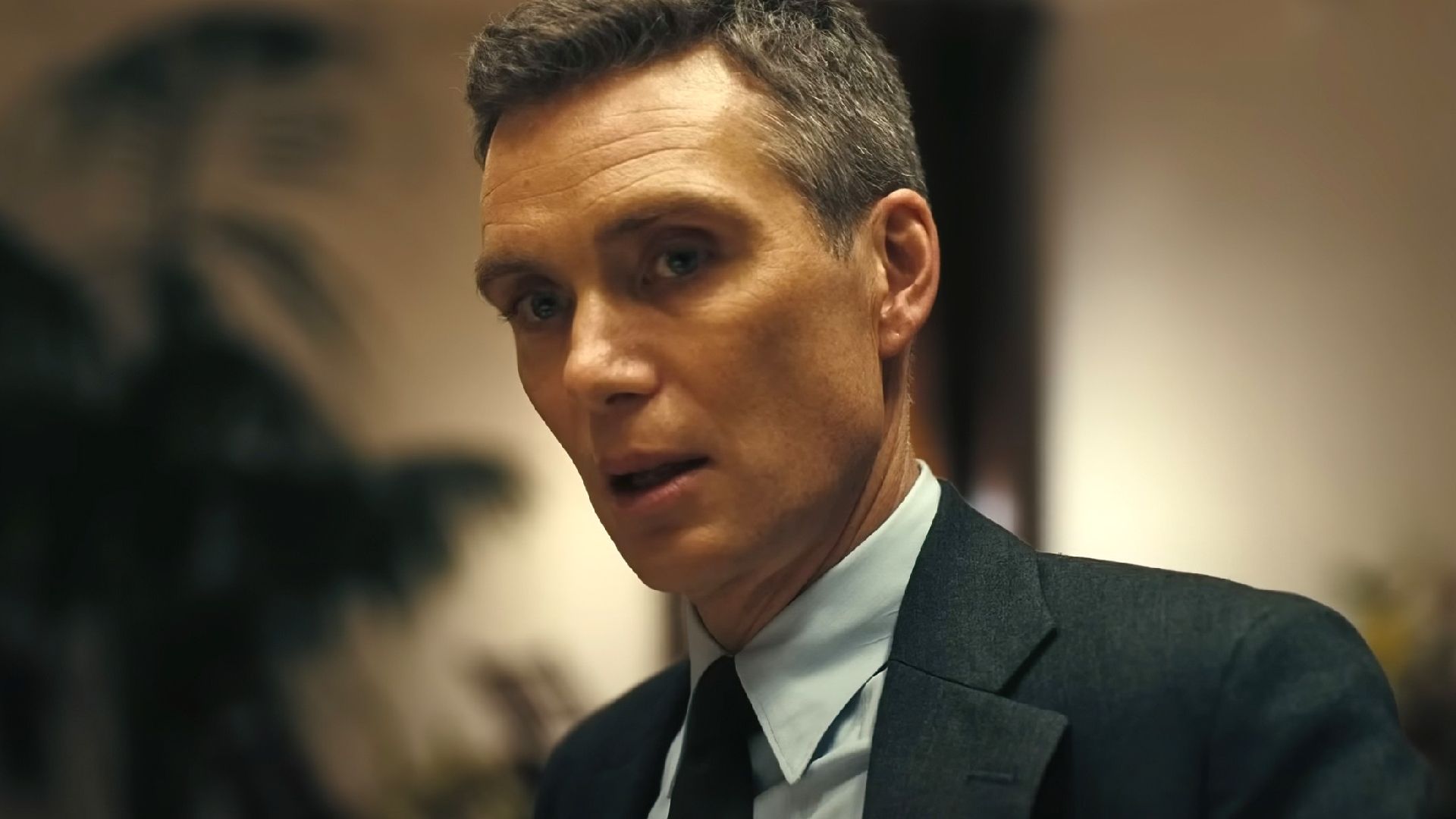
There’s nothing quite like watching two movies back-to-back. What started as a simple way for theaters to sell more tickets – offering two films for the price of one – has evolved into a real art form. Creating a great double feature is similar to making a perfect playlist or pairing wine with food. You can choose movies from the same genre or films that naturally go well together, creating a seamless experience. Alternatively, you can pair contrasting films that highlight the strengths of each one.
Feeling adventurous? Pairing the emotional drama Past Lives with the action of Transformers: Rise of the Beasts might seem unusual, but could be surprisingly fun! Here are 10 other great double feature ideas. These pairings are connected by things like the director’s style, similar themes, or even titles, creating a satisfying and interesting movie night.
‘Goodfellas’ (1990) / ‘Casino’ (1995)

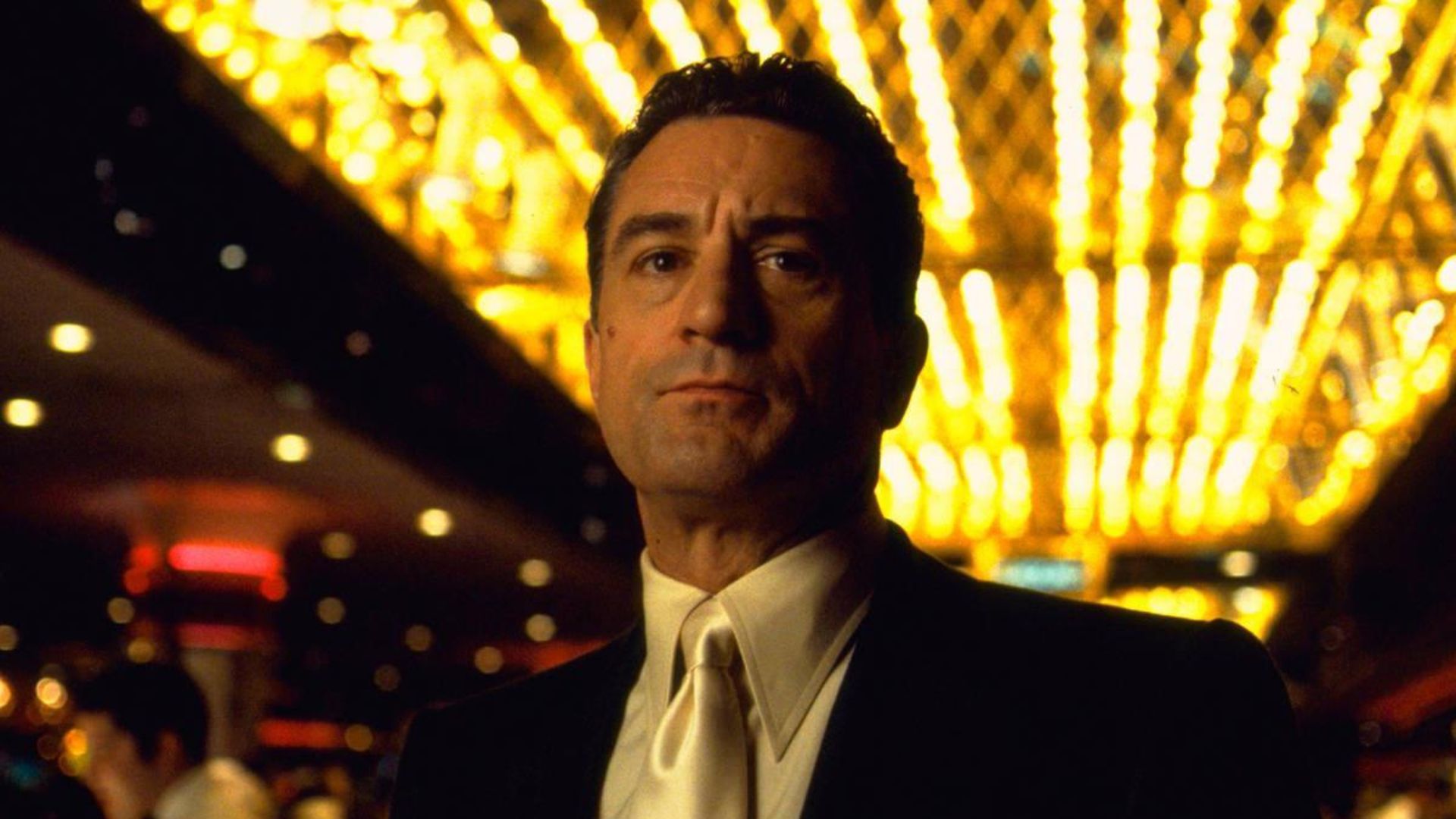
A double dose of Martin Scorsese with two of his most acclaimed films that defined the director’s 1990s slate: Goodfellas and Casino. Both films are grand criminal epics featuring Robert De Niro and Joe Pesci as mobsters, exploring the complex world of organized crime. While Goodfellas is a classic New York-set film, Casino takes the action to the West Coast in Las Vegas, Nevada. Both movies feature Scorsese’s trademarks, from narration and fast-paced edits to rock and roll soundtracks that both just happen to use The Rolling Stones’ “Gimmie Shelter.”
Many people have criticized Casino, often calling it a weaker version of Goodfellas. However, Casino‘s longer runtime – almost three hours – sets it apart. While Goodfellas tells a story of one man’s journey through the mob, Casino looks at the mafia as a whole and how it lost control in Las Vegas. Because Casino feels like a continuation of Goodfellas, watching them together is a rewarding experience.
‘The Apartment’ (1960) / ‘When Harry Met Sally’ (1989)
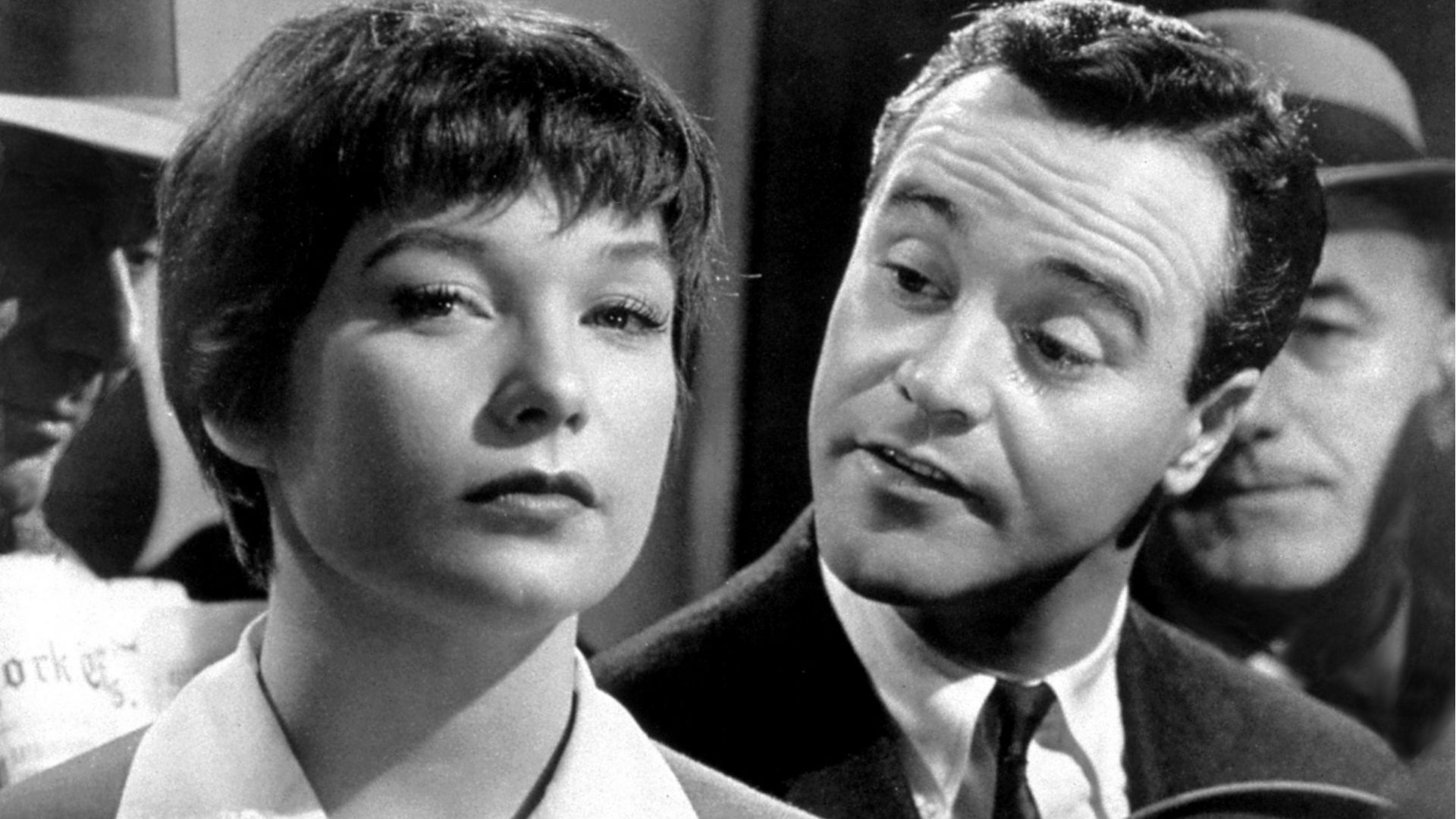

This special pairing brings together two of the most beloved romantic comedies ever made: Billy Wilder’s The Apartment and Rob Reiner’s When Harry Met Sally. Both films are set in New York City and share a similar storyline: two people who struggle with their feelings but ultimately confess their love for each other on New Year’s Eve. Interestingly, each movie features a romantic and a cynic, but the roles are reversed – Jack Lemmon in The Apartment and Meg Ryan in When Harry Met Sally play the romantics, while Shirley MacLaine and Billy Crystal portray the cynics.
When it first came out, The Apartment caused quite a stir because of its plot – a man renting his apartment to colleagues for their affairs. The fact that the main love story involved the man having an affair didn’t help matters. Though filmed in black and white, which gives it a somewhat somber tone, the characters themselves aren’t simply good or bad. In contrast, When Harry Met Sally is a feel-good movie, like a warm embrace. The film’s love story feels even more special now, knowing that director Rob Reiner and writer Nora Ephron are no longer with us.
‘Ed Wood’ (1994) / ‘The Disaster Artist’ (2017)

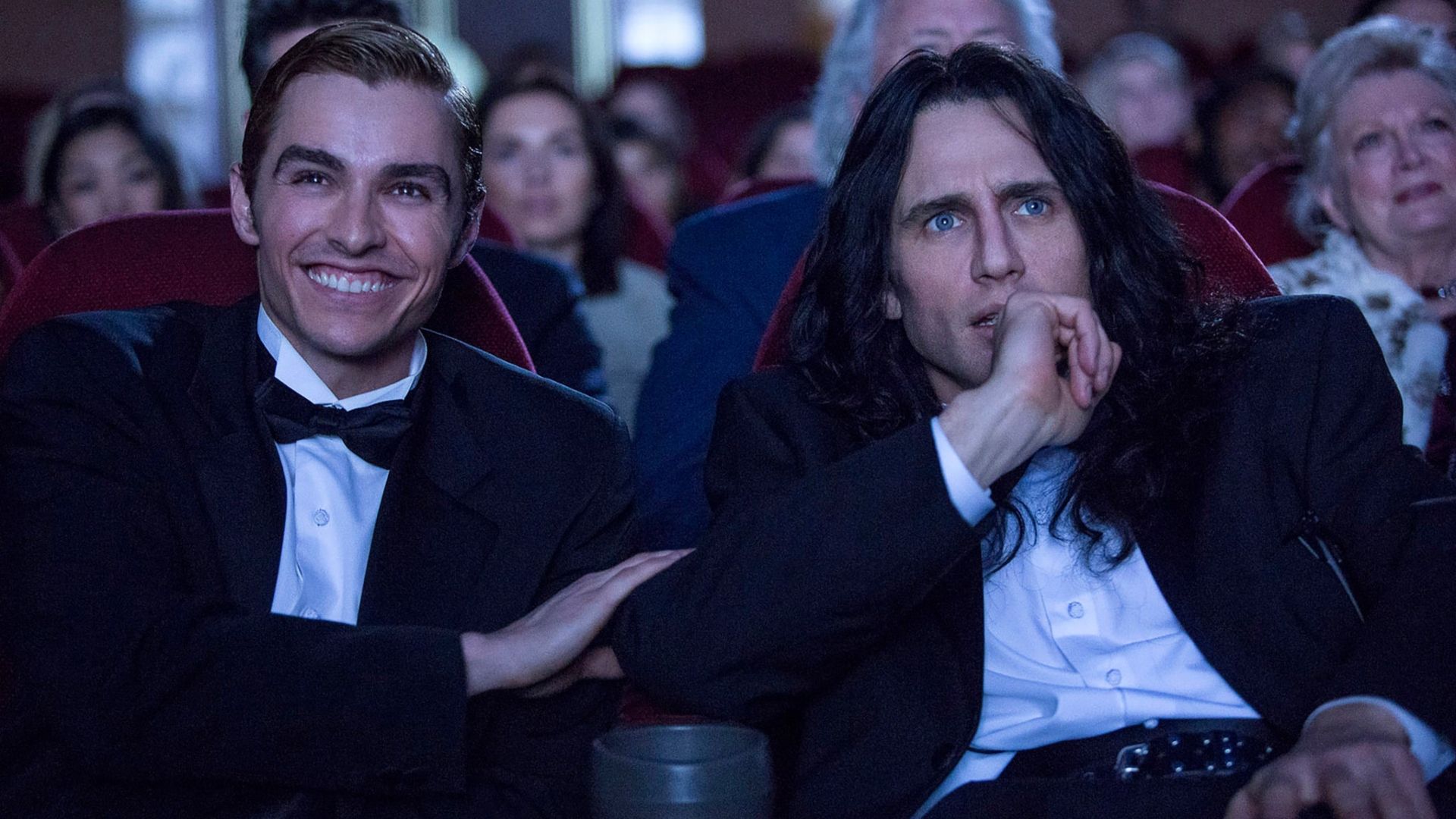
Both Ed Wood and The Disaster Artist explore the filmmaking process, but with a unique angle: they focus on directors widely considered to have created some of the worst movies of all time. Tim Burton’s Ed Wood offers a surprisingly sympathetic portrayal of the director, highlighting the dedication and enthusiasm behind even notoriously bad films like Plan 9 from Outer Space. The film also emphasizes Wood himself and the unusual group of people who helped bring his vision to life.
While still heartwarming, The Disaster Artist has a slightly more serious tone than Ed Wood. The film centers on the making of the famously bad movie The Room, and it intentionally keeps the eccentric Tommy Wiseau (played and directed by James Franco) a mysterious figure, even to those closest to him. Both Ed Wood and The Disaster Artist ultimately show that filmmakers don’t intentionally set out to make bad movies, and even truly terrible films can surprisingly find fans.
‘War of the Worlds’ (2005) / ‘The Shape of Water’ (2017)
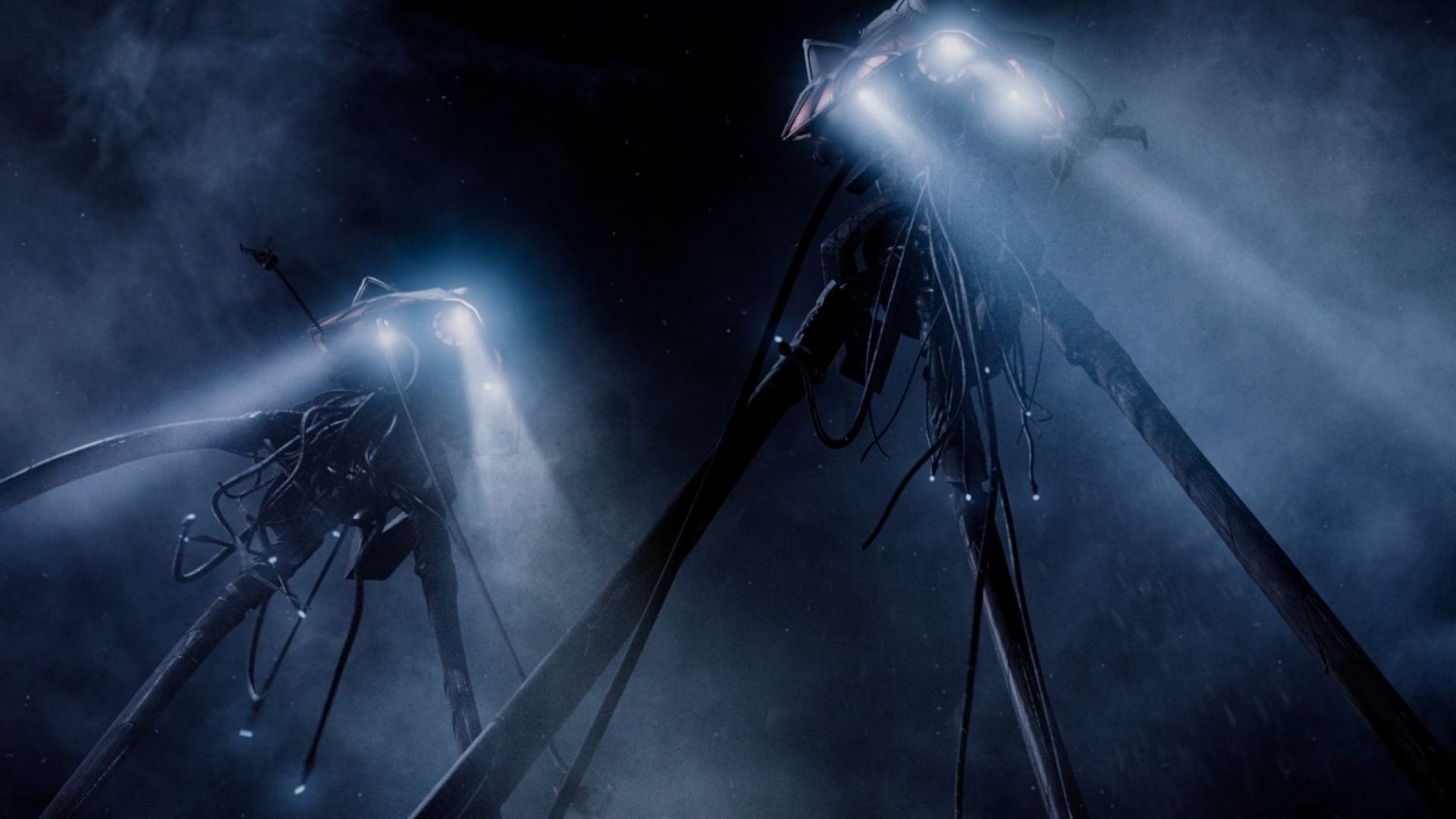
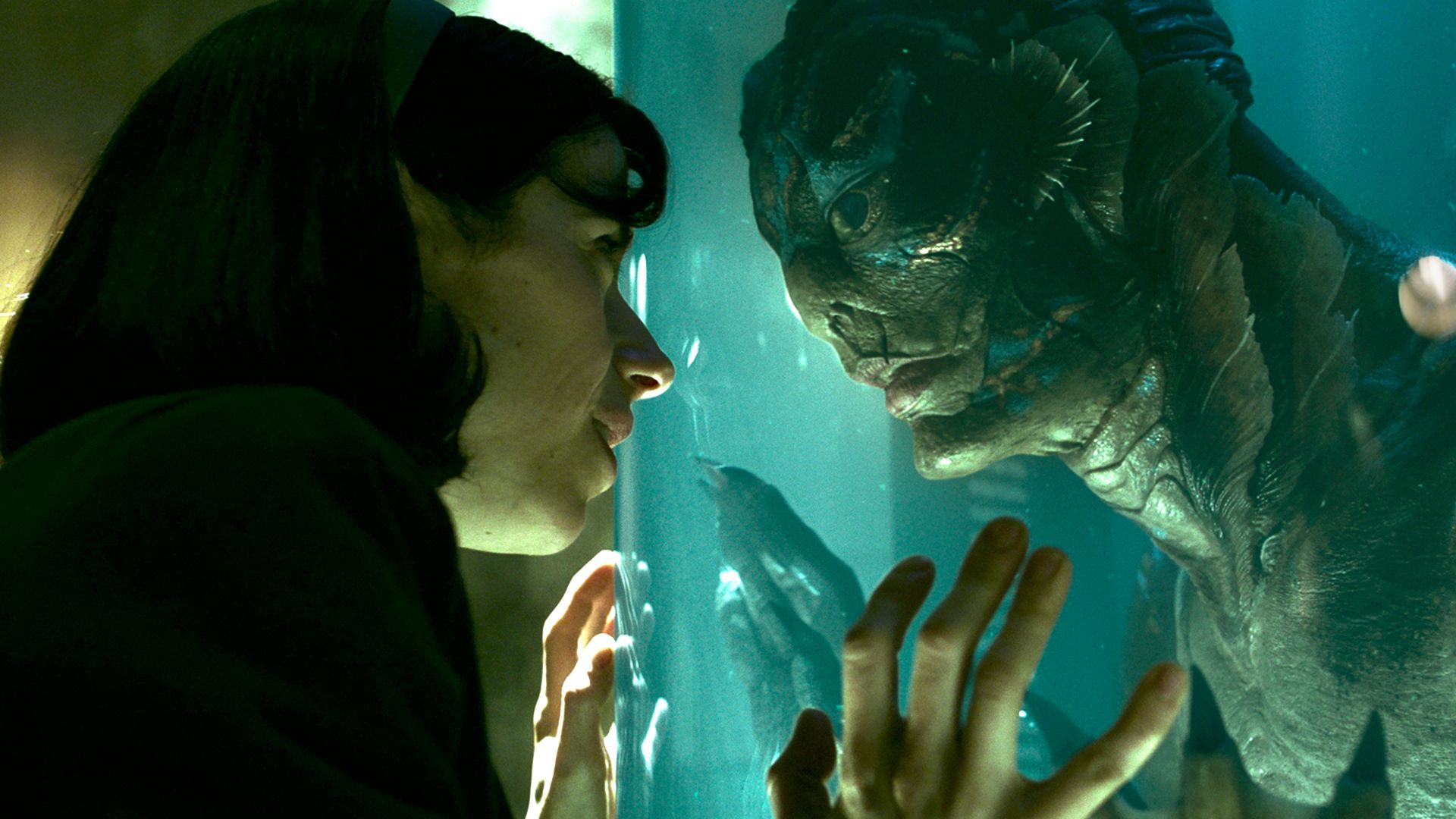
Consider Steven Spielberg’s War of the Worlds and Guillermo del Toro’s The Shape of Water as modern, big-budget takes on classic 1950s science fiction horror films – specifically, War of the Worlds and Creature from the Black Lagoon. Both directors bring their own unique artistic style to these ‘remakes’. While the original War of the Worlds (1953) reflected anxieties about the Cold War, Spielberg’s version uses the story to comment on the United States after the 9/11 attacks. This aligns with the generally pessimistic and critical tone of Spielberg’s films from the 2000s, such as A.I. Artificial Intelligence, Minority Report, and Munich.
Guillermo del Toro’s The Shape of Water reimagines the classic monster movie formula, particularly films like Creature from the Black Lagoon, by encouraging viewers to connect with the creature instead of fearing it. Set during the Cold War in the 1950s, the film critiques the period’s strong pressure to conform. The creature embodies the ultimate outsider, representing those marginalized during a time when societal norms were rigid. By casting the creature as a romantic hero, del Toro invites audiences to feel sympathy and understanding. Both The Shape of Water and War of the Worlds elevate the nostalgic drive-in movie experience, giving it a more sophisticated feel.
‘Drive’ (2011) / ‘Baby Driver’ (2017)
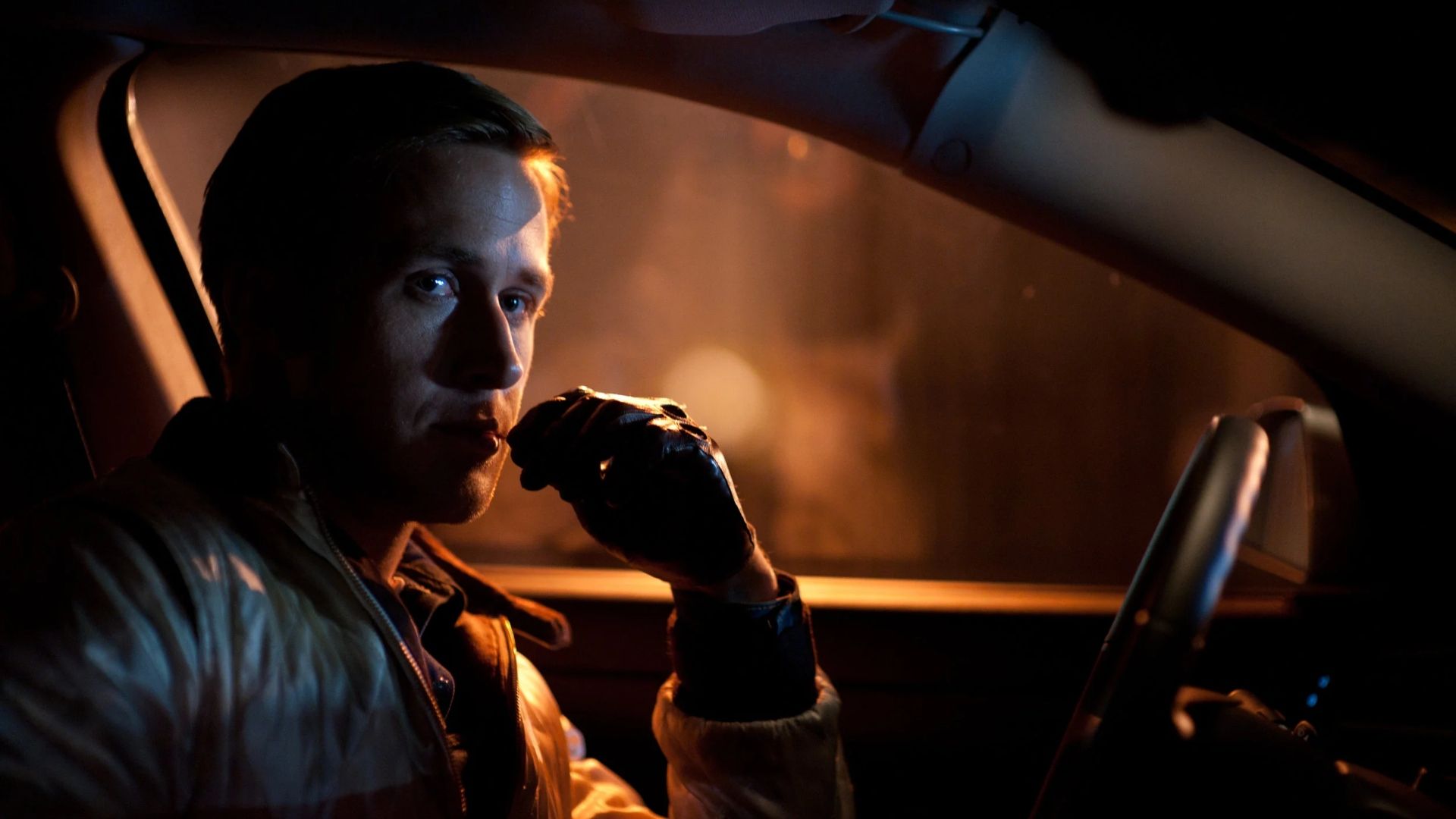
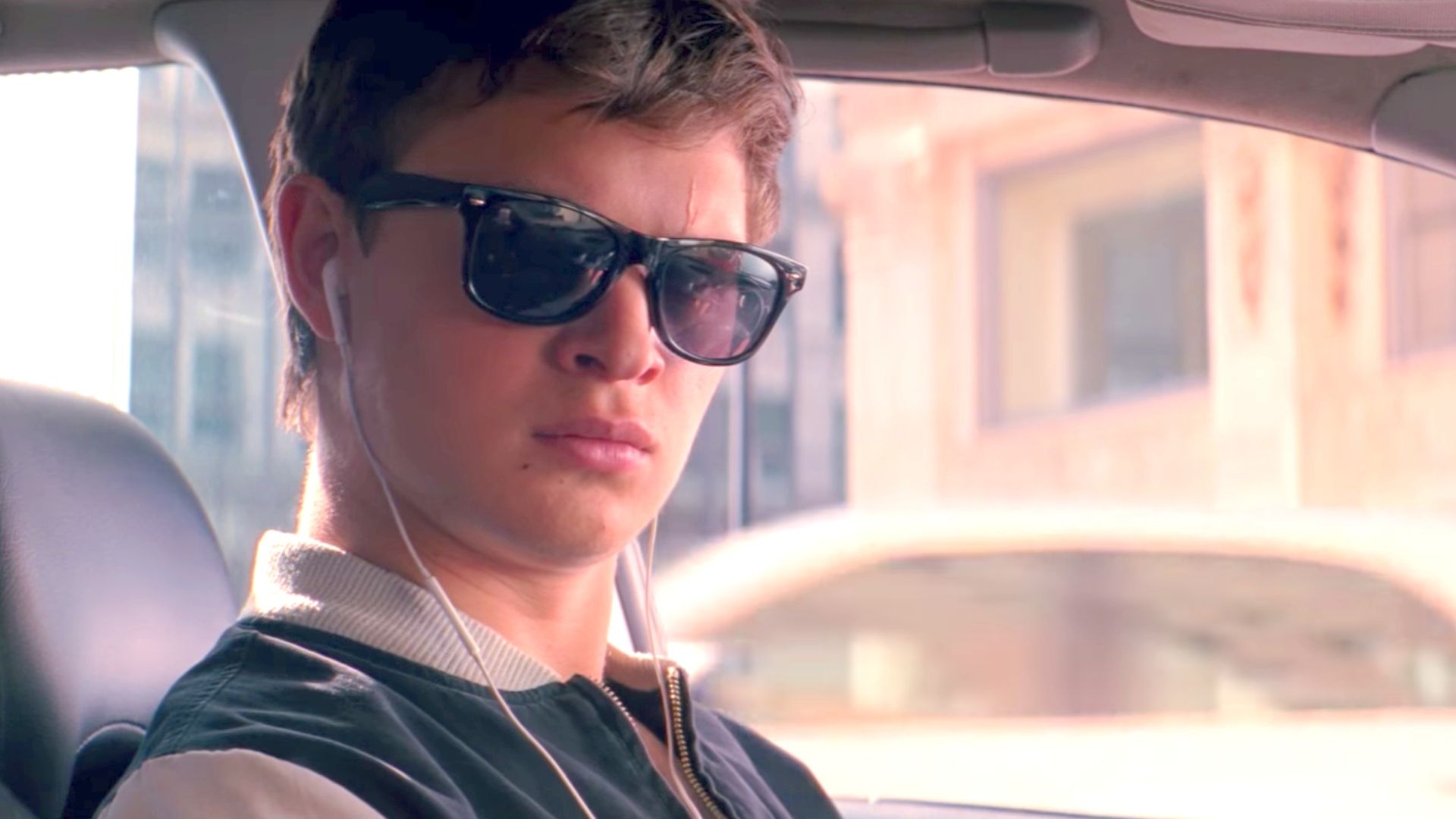
Both Drive and Baby Driver share common themes: they center around skilled getaway drivers who must shield their families when their criminal activities clash with their everyday lives. Interestingly, both films showcase these drivers with signature jackets and gloves. They’re also famous for their memorable soundtracks – Drive features Kavinsky’s “Nightcall,” and Baby Driver takes its name from a song by Simon & Garfunkel.
Both Drive and Baby Driver are excellent films that work well together. Drive, directed by Nicholas Winding Refn, is a stylish and thoughtful movie with a strong 1980s vibe, thanks to its visuals and music. Baby Driver, on the other hand, is a high-energy, fast-paced action film – some of Edgar Wright’s best work. You could watch Drive to set the mood for Baby Driver, or enjoy it as a more relaxed experience after the thrill of Wright’s biggest blockbuster.
‘Speed Racer’ (2008) / ‘Ford v. Ferrari’ (2019)
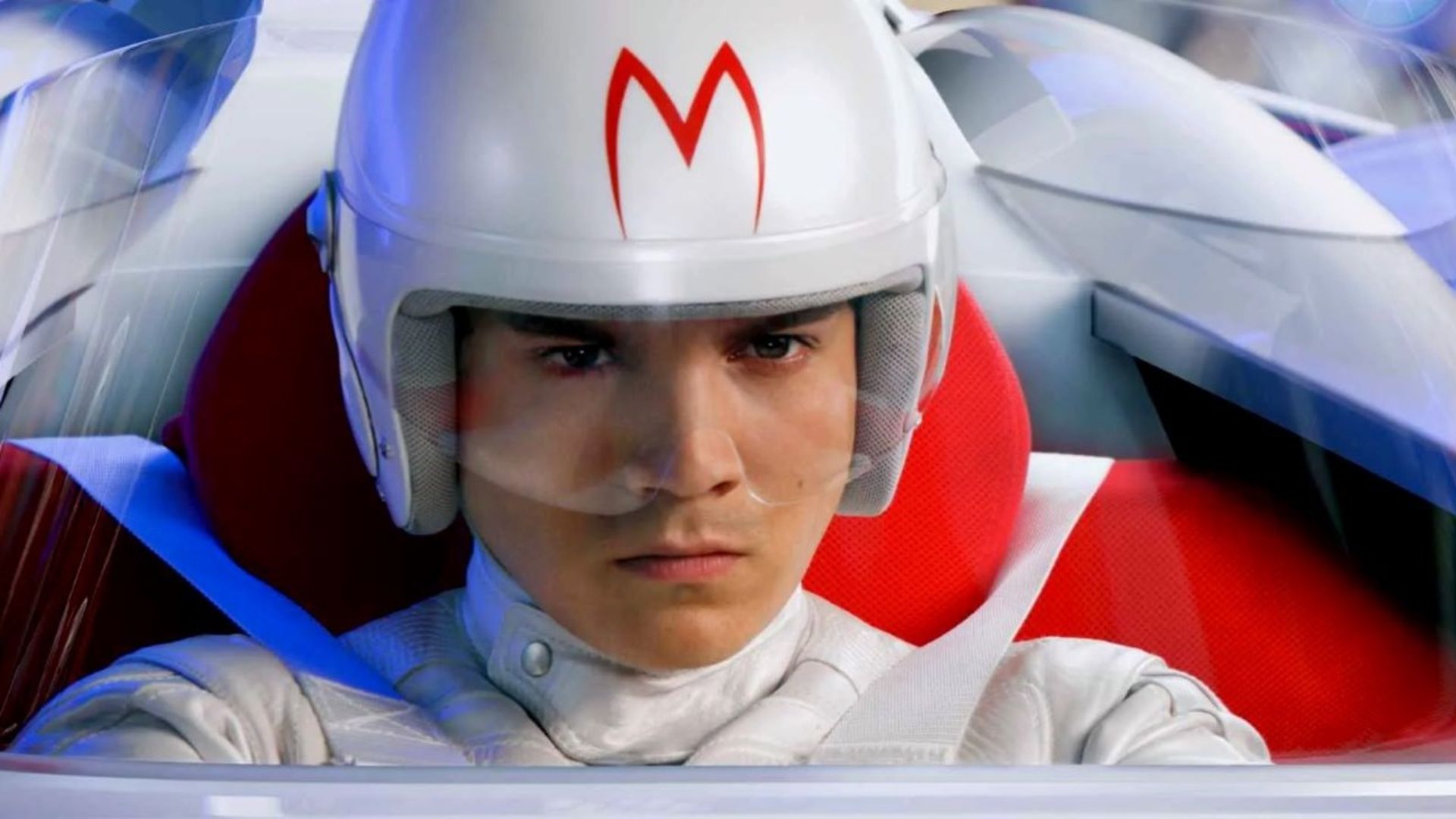

Though seemingly different in style, the films Speed Racer and Ford v Ferrari share surprising similarities. Beyond the exciting car races, both movies actually explore the creative process of filmmaking itself. The directors, the Wachowskis and James Mangold, examine the tension between an artist’s vision and the demands of the film industry, raising the question of whether true artistic freedom can survive within a corporate environment.
The philosophies presented in both films reflect the unique viewpoints of their directors. Like the Wachowskis’ The Matrix, Speed Racer centers on individuals challenging a controlling system, suggesting that a single creative act can be transformative. Ford v Ferrari, on the other hand, takes a more realistic approach, examining the challenges of artistic creation within a capitalist framework that demands both profit and quality. Director James Mangold has consistently explored similar themes in his work, including biopics like Walk the Line, remakes such as 3:10 to Yuma, and even superhero films like Logan.
‘The Hurt Locker’ (2009) / ‘Avatar’ (2009)
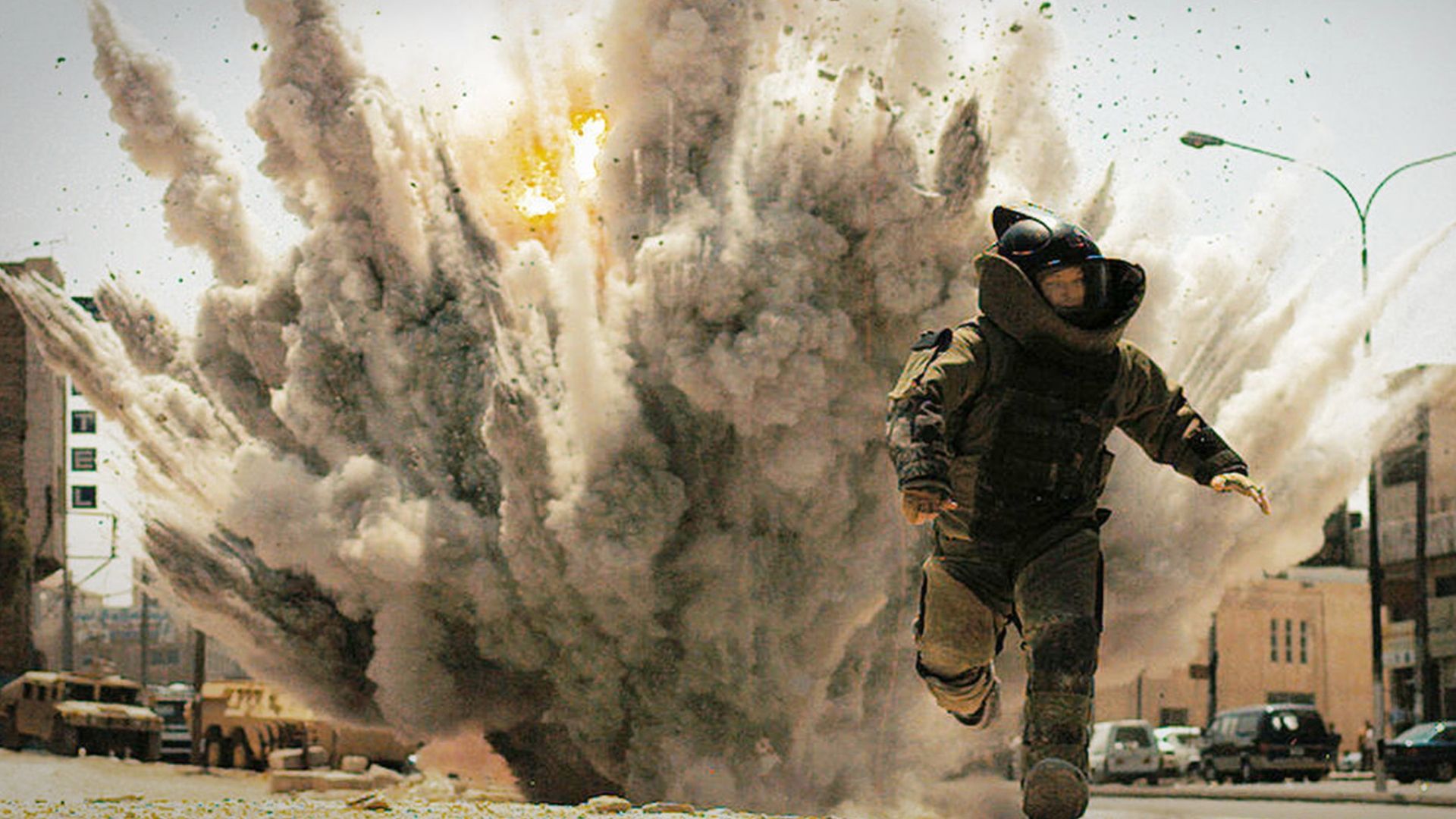
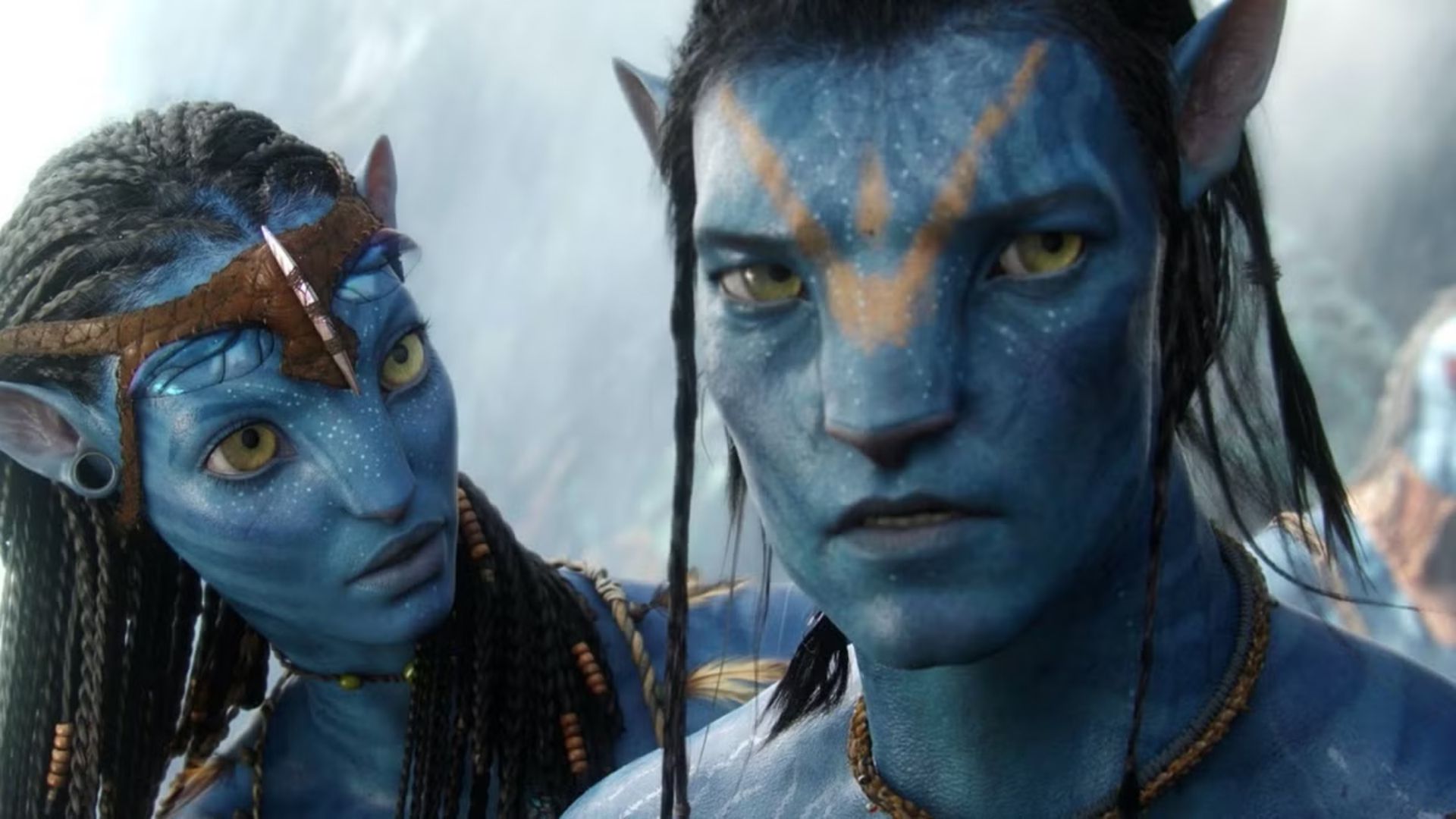
The 82nd Academy Awards essentially came down to a competition between The Hurt Locker and Avatar. This was particularly interesting because the films were directed by ex-spouses, Kathryn Bigelow and James Cameron, who remained good friends. Beyond the personal connection, the two movies were very different. Avatar was a record-breaking blockbuster and one of the most costly films ever made, while The Hurt Locker was a low-budget production – costing only $15 million – and went on to become the lowest-grossing film to ever win Best Picture.
Watching The Hurt Locker and Avatar back-to-back is a compelling experience. Although set in different worlds – the Iraq War and a futuristic planet – both films explore the dynamic of highly trained military forces occupying land inhabited by native people. The Hurt Locker tells the story from the soldiers’ point of view, while Avatar focuses on the indigenous population and portrays the military as the opposing force. Both films center on men with military expertise whose unconventional approaches are both helpful and problematic. Together, The Hurt Locker and Avatar showcase the breadth and versatility of filmmaking.
‘Lost in Translation’ (2003) / ‘Her’ (2013)
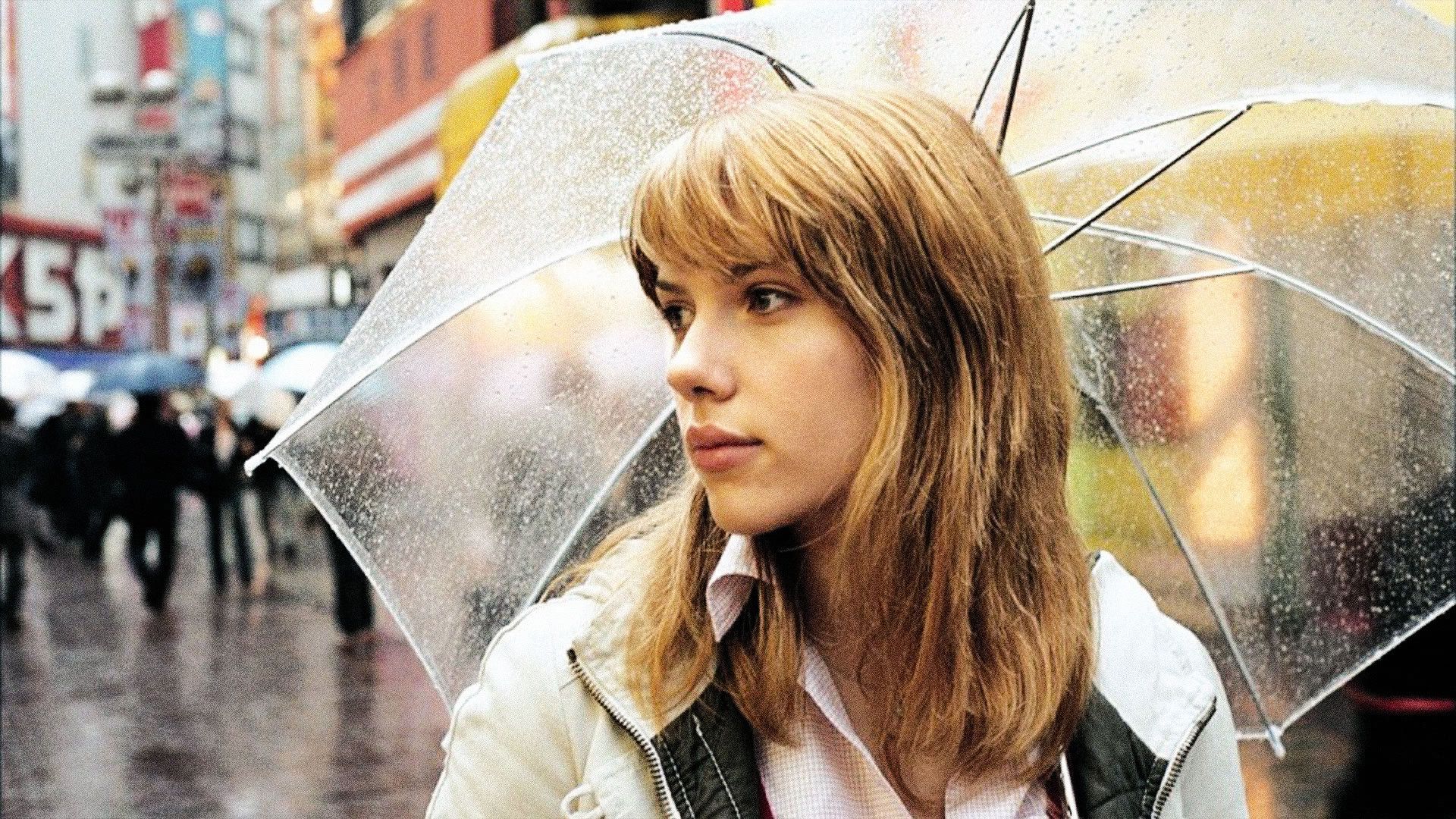
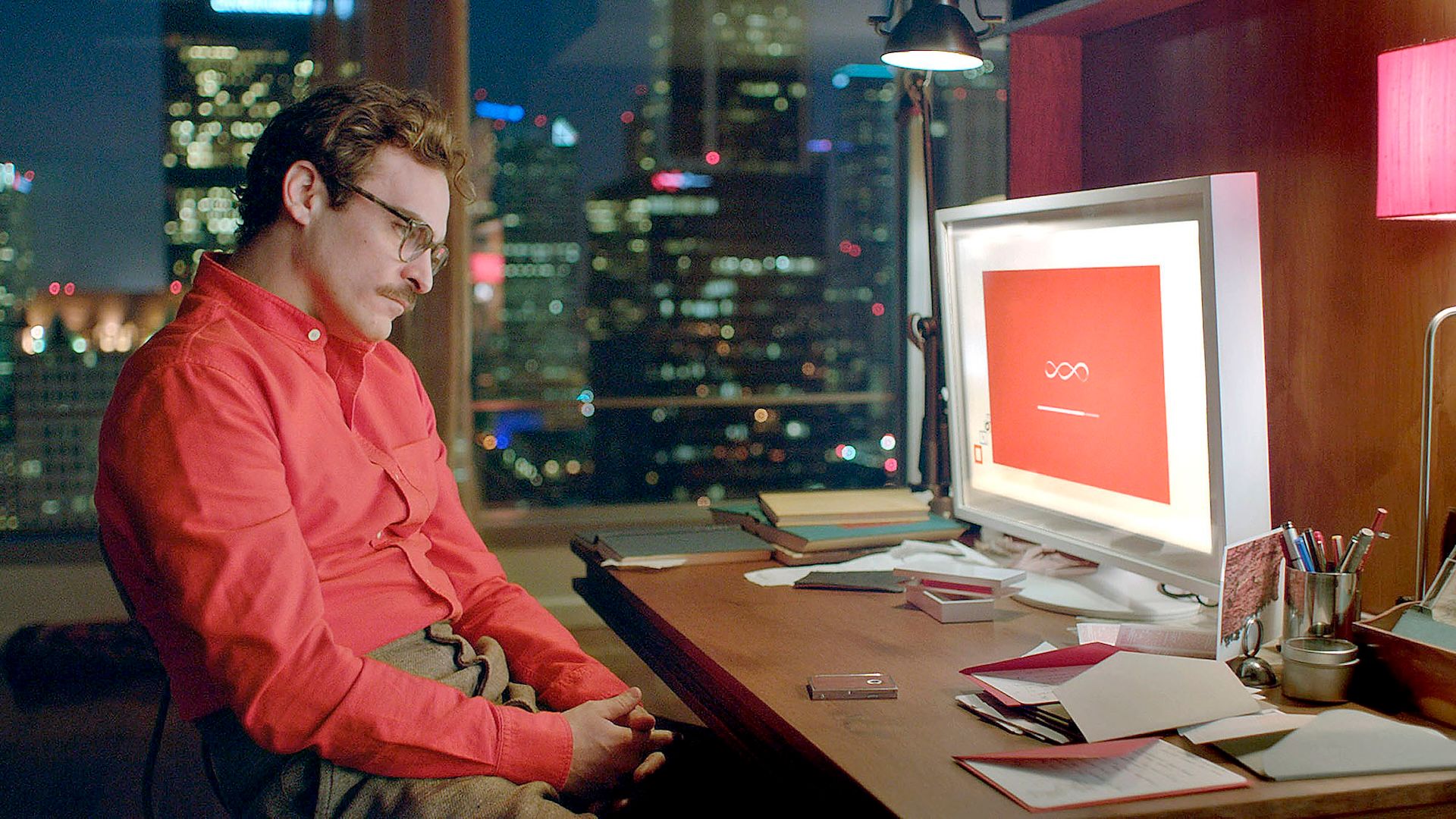
Sofia Coppola’s Lost in Translation and Spike Jonze’s Her share a striking connection, perhaps due to the filmmakers’ former marriage. Many viewers feel the films subtly reflect on their divorce. Interestingly, both directors chose Scarlett Johansson to play central characters dealing with deep loneliness and seeking unexpected connections – a decade apart. In Lost in Translation, Johansson’s character, Charlotte, feels like a stand-in for Coppola herself, while Jonze cast Johansson as the voice of Samantha, the AI at the core of Her.
As a film lover, I’ve always seen a fascinating connection between Sofia Coppola’s Lost in Translation and Spike Jonze’s Her. It’s like Jonze and Coppola were exploring similar emotional territory, almost using their films as personal reflections. Ribisi’s character in Lost in Translation feels like a stand-in for Jonze himself, and I’ve read that Rooney Mara’s character in Her, Catherine, was inspired by Coppola. Both films really dig into that feeling of being alone. Coppola uses the bustling, yet isolating, streets of Tokyo to create that mood, while Jonze imagines a near-future world where even the architecture feels lonely, mirroring that same sense of disconnection. Watching them one after the other, it struck me that they feel like two different sides of the same story, exploring isolation in uniquely beautiful ways.
‘Batman Begins’ (2005) / ‘Superman Returns’ (2006)
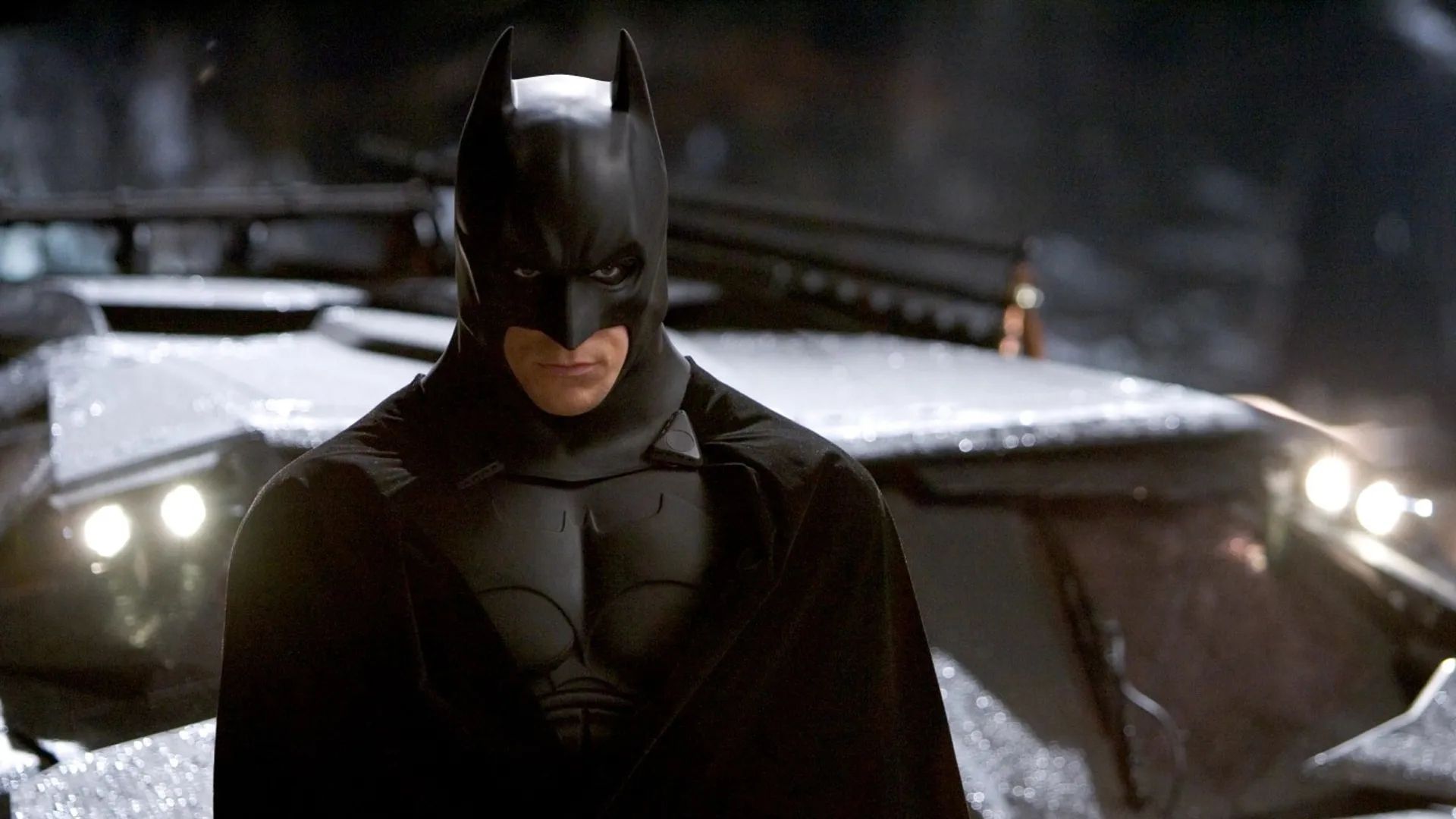
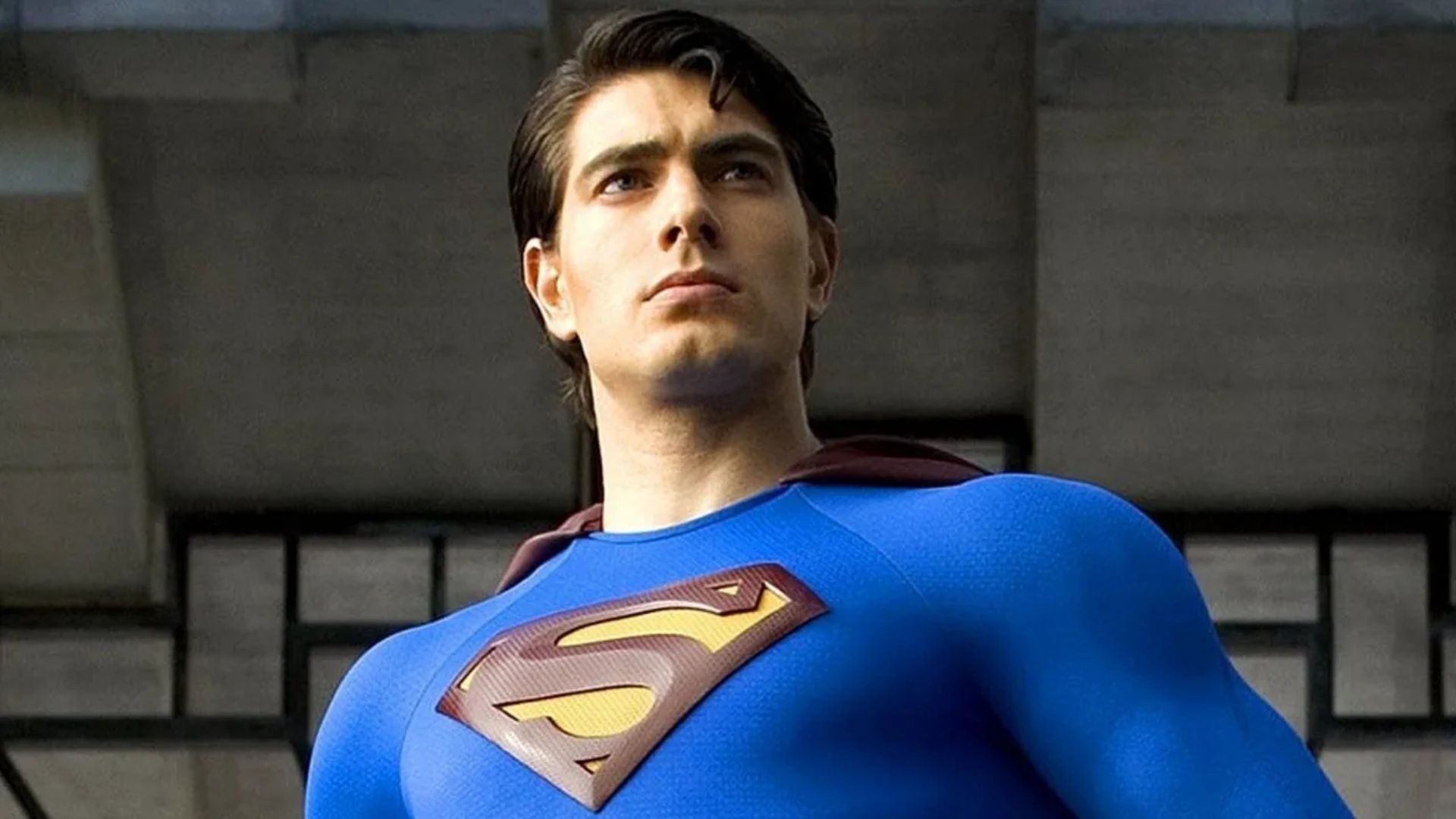
While many Batman and Superman films exist, the combination of Batman Begins and Superman Returns provides a special look at both DC Comics and superhero movies from the mid-2000s. Batman Begins completely restarts the Batman story, focusing on his origins and ignoring previous films. Superman Returns is a direct sequel to the classic Superman: The Movie and Superman II, essentially skipping over the third and fourth films in the series. Despite their very different styles and moods, Batman Begins and Superman Returns share a similar visual feel, subtly suggesting that these two heroes could inhabit the same shared universe.
Subscribe for Curated Double-Feature Picks and More
Discover curated double-feature pairings—subscribe to our newsletter for director- and theme-based recommendations, creative contrasts to elevate your movie nights, and extra cinema picks that spark fresh viewing ideas.
Both Batman Begins and Superman Returns share a similar style because they were heavily inspired by Richard Donner’s Superman: The Movie. Both films tried to create a large-scale, dramatic experience worthy of their legendary heroes. Batman Begins achieved this partly by filming on traditional 35mm film, while Superman Returns used a special lens to mimic the look of 35mm film. This gave both movies a feel more reminiscent of 1970s blockbusters than typical superhero films from the 2000s. Rather than setting up sequels, the endings of both films focus on solidifying the iconic images of Batman and Superman – heroic figures soaring through the sky, dedicated to protecting the world.
‘Oppenheimer’ (2023) / ‘Godzilla: Minus One’ (2023)
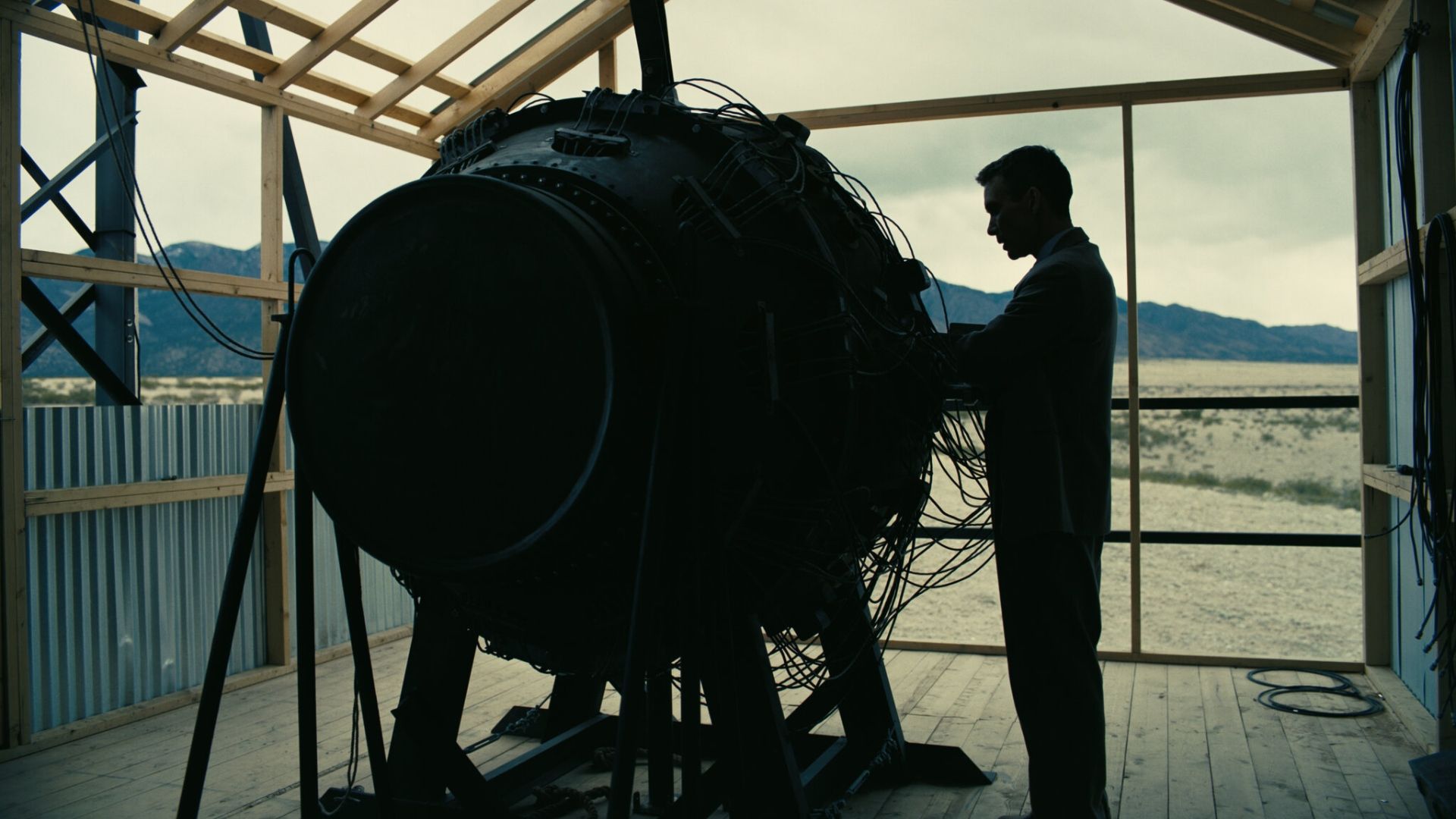
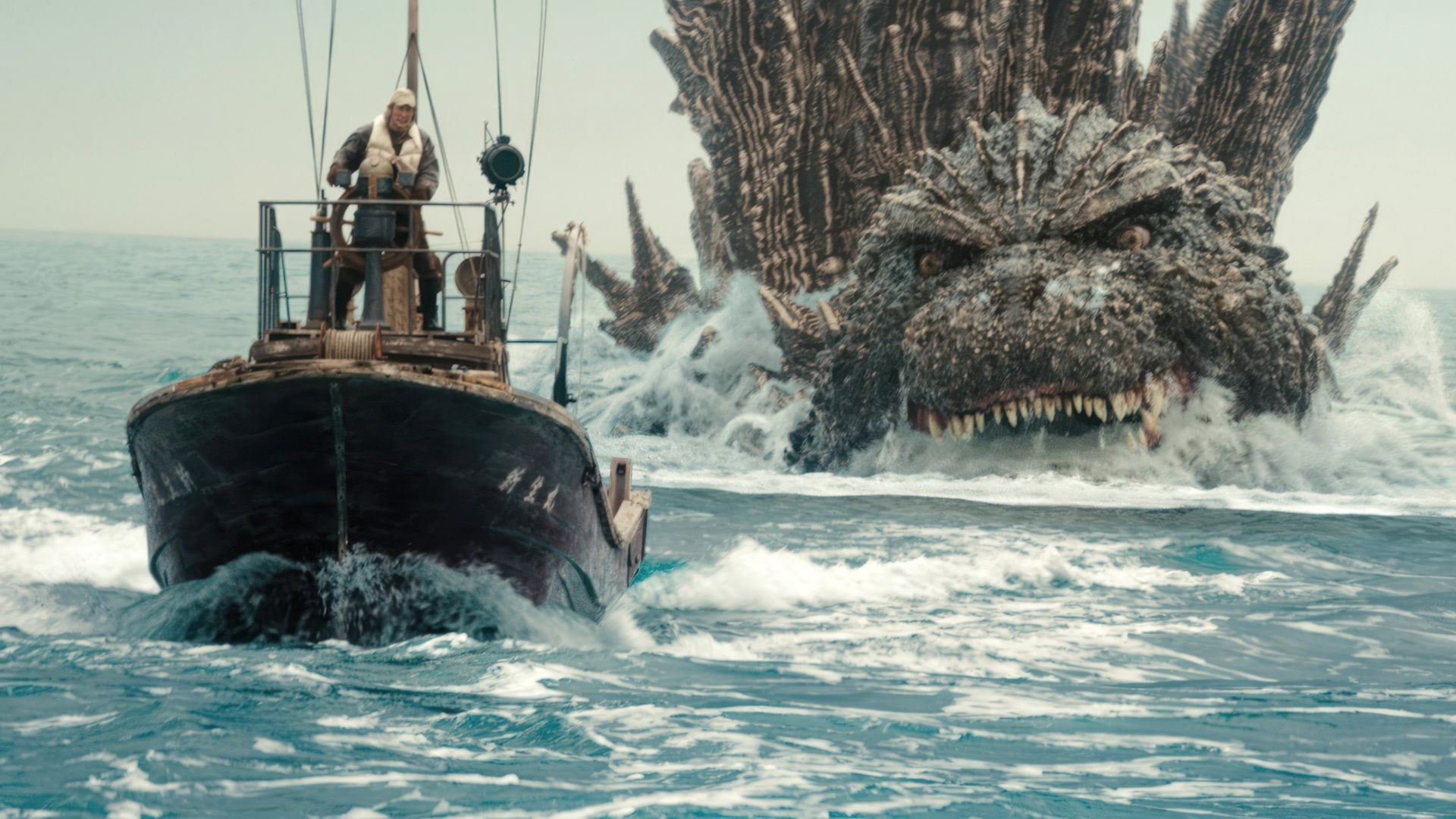
While Oppenheimer is famously associated with Barbie through the “Barbenheimer” trend, another film pairs well with it: Godzilla Minus One. The origins of Godzilla – both in the movie’s story and its real-world history – are rooted in the atomic bombings of Hiroshima and Nagasaki. This makes Oppenheimer, a film about the creation of the atomic bomb, directly connected to the very event that inspired the Godzilla concept.
When Oppenheimer was released, some viewers felt it didn’t show the impact of the atomic bombing from the Japanese side, choosing instead to tell the story through the eyes of Robert Oppenheimer. Godzilla Minus One offers a different perspective, centering on Japan’s struggles after World War II, particularly the devastation of Tokyo. In a way, Godzilla embodies the horrors unleashed by the atomic bomb – the creature is mutated by the U.S. nuclear tests, and Japan is left to cope with the resulting destruction. Both Oppenheimer and Godzilla Minus One have received critical acclaim and awards, and together they create a powerful, combined story about the atomic age and its lasting effects.

Found an error? Send it info@movieweb.com so it can be corrected.
Read More
- United Airlines can now kick passengers off flights and ban them for not using headphones
- Crimson Desert: Disconnected Truth Puzzle Guide
- All 9 Coalition Heroes In Invincible Season 4 & Their Powers
- How to Get to the Undercoast in Esoteric Ebb
- All Golden Ball Locations in Yakuza Kiwami 3 & Dark Ties
- Warframe Voruna Prime access begins on April 8 for all platforms, new deluxe cosmetic Warframe skins revealed
- Grey’s Anatomy Season 23 Confirmed for 2026-2027 Broadcast Season
- All Itzaland Animal Locations in Infinity Nikki
- Mewgenics vinyl limited editions now available to pre-order
- Katanire’s Yae Miko Cosplay: Genshin Impact Masterpiece
2026-03-15 00:36