
Although Hollow Knight didn’t invent the Metroidvania genre, its impact on modern games of this type is huge and hard to fully measure.
Team Cherry created a benchmark for games inspired by Castlevania and Metroid, and their work remains popular and influential almost ten years later.
This incredible video game isn’t successful because of luck or generous players; it’s the result of countless, carefully crafted details.
Whether you’re new to the world of Hallownest or want to appreciate it again, I encourage you to explore this article highlighting ten design choices that helped make Hollow Knight a standout Metroidvania game.
10. Exact HUD Quantities
Minimalism to the Necessary Extent
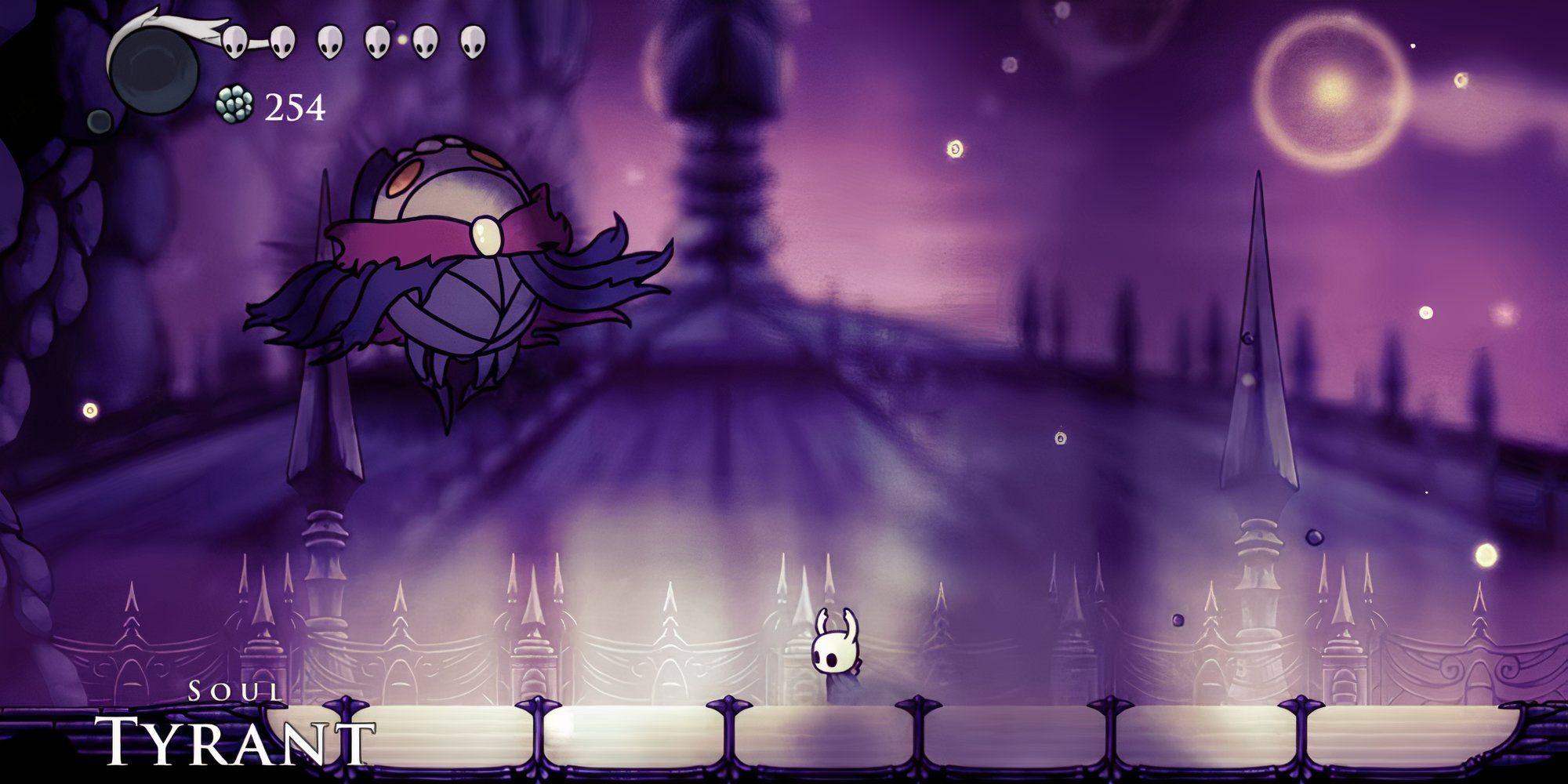
Even though many areas of life, including art, are currently trending towards simplicity, video games have historically been known for being over-the-top with flashy visuals and complicated controls. However, Hollow Knight went against this trend.
The game is designed to keep distractions to a minimum, from the simple start menu to the helpful in-game guides for things like inventory, maps, and tools. This allows players to fully focus on and appreciate the world of Hallownest.
Not all elements of the game tell a story directly, but everything is presented in a way that makes sense, even if you ignore the on-screen guidance. That guidance is helpful, but you can understand what’s happening without relying on it.
The Knight automatically updates the map as you explore, letting you monitor dropped money and track how much damage you’ve taken before needing to heal or use an ability. This is all designed to make you feel truly connected to the world of Hollow Knight.
9. Soul System
Fight for Your Life

A key design element in many recent action games is rewarding aggressive play, and Hollow Knight‘s Soul System embodies this idea well.
Team Cherry took inspiration from games like DOOM and Hyper Light Drifter, blending the intense combat of ‘glory kills’ with a system where getting aggressive is key to both dealing damage and regaining health. This means players are constantly rewarded for playing offensively.
This creates a dynamic cycle where you constantly need to adapt, learn, and try new things. It also presents a challenging choice: do you focus on recovering, or do you push yourself and use your powers?
The game’s constant decisions, combined with the necessity of attacking to stay alive and succeed, create intense concentration during every battle. This makes winning feel incredibly rewarding and sets it apart from other games in the genre.
8. Map and Quill
The Journey of a Cartographer
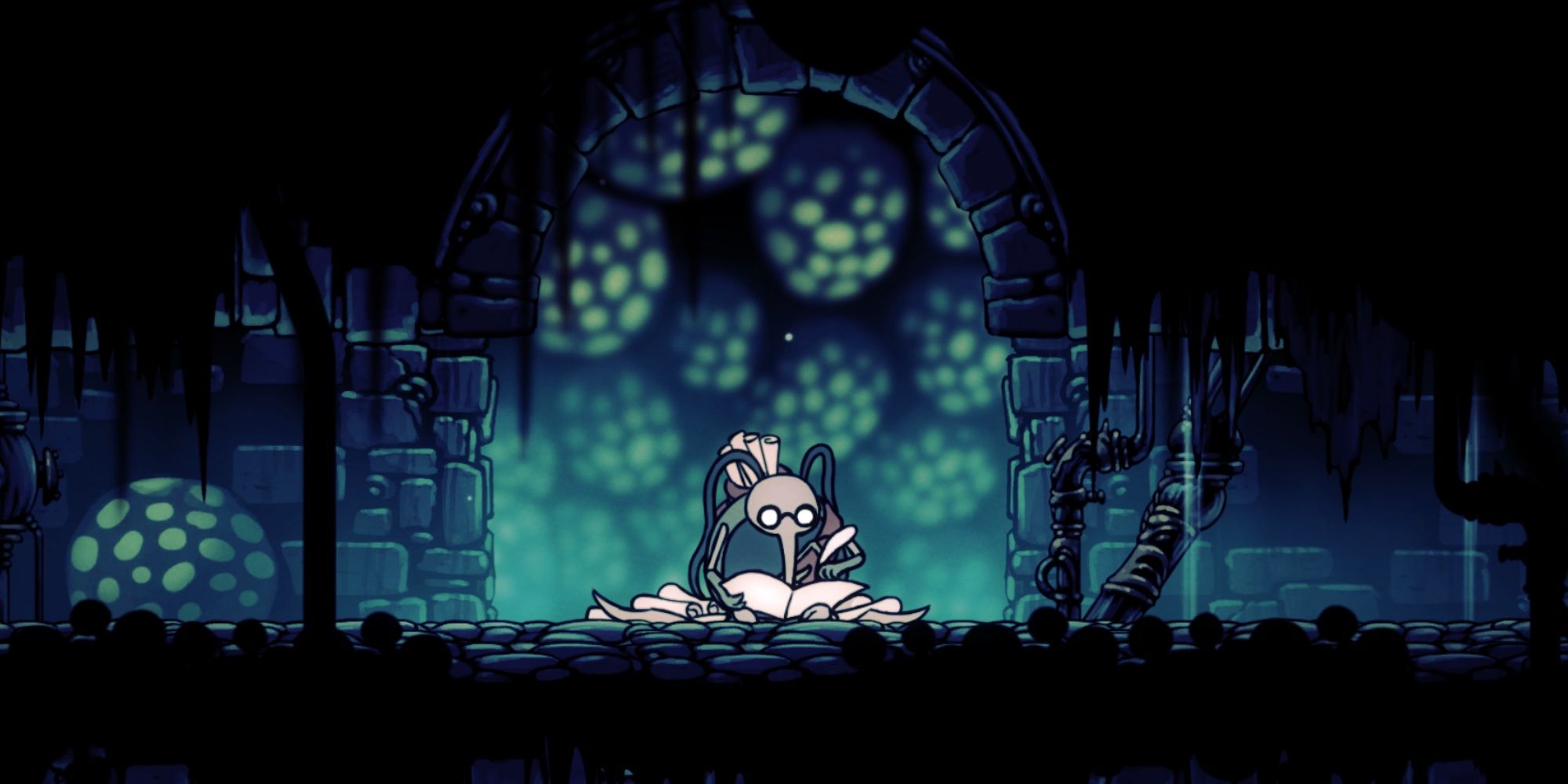
Metroidvania games are popular for their intricate levels and focus on discovery, but Hollow Knight takes this further by letting you play as a mapmaker still learning the ropes.
As soon as you get the Map and Quill, you’ll start sketching out the areas you explore. The maps aren’t perfect – our hero is still learning – but they give you a general sense of direction and a goal to aim for in each new environment.
Okay, so one of my main goals right now is finding Cornifer. He’s super important because he fills in the map for me, which is a big help while I’m exploring. But it’s not just that – he’s actually a pretty cool character with his own story, and he gives me quests and has things to say. He’s not just some map-making robot, you know?
What truly makes the game special is how it encourages exploration. You have to learn the world of Hallownest through experience before you can fully depend on the map. This connection between the player and the environment wouldn’t work if the map was just a basic, always-available tool.
7. Concrete Action-Adventure Gameplay
Avoiding the RPG Influence
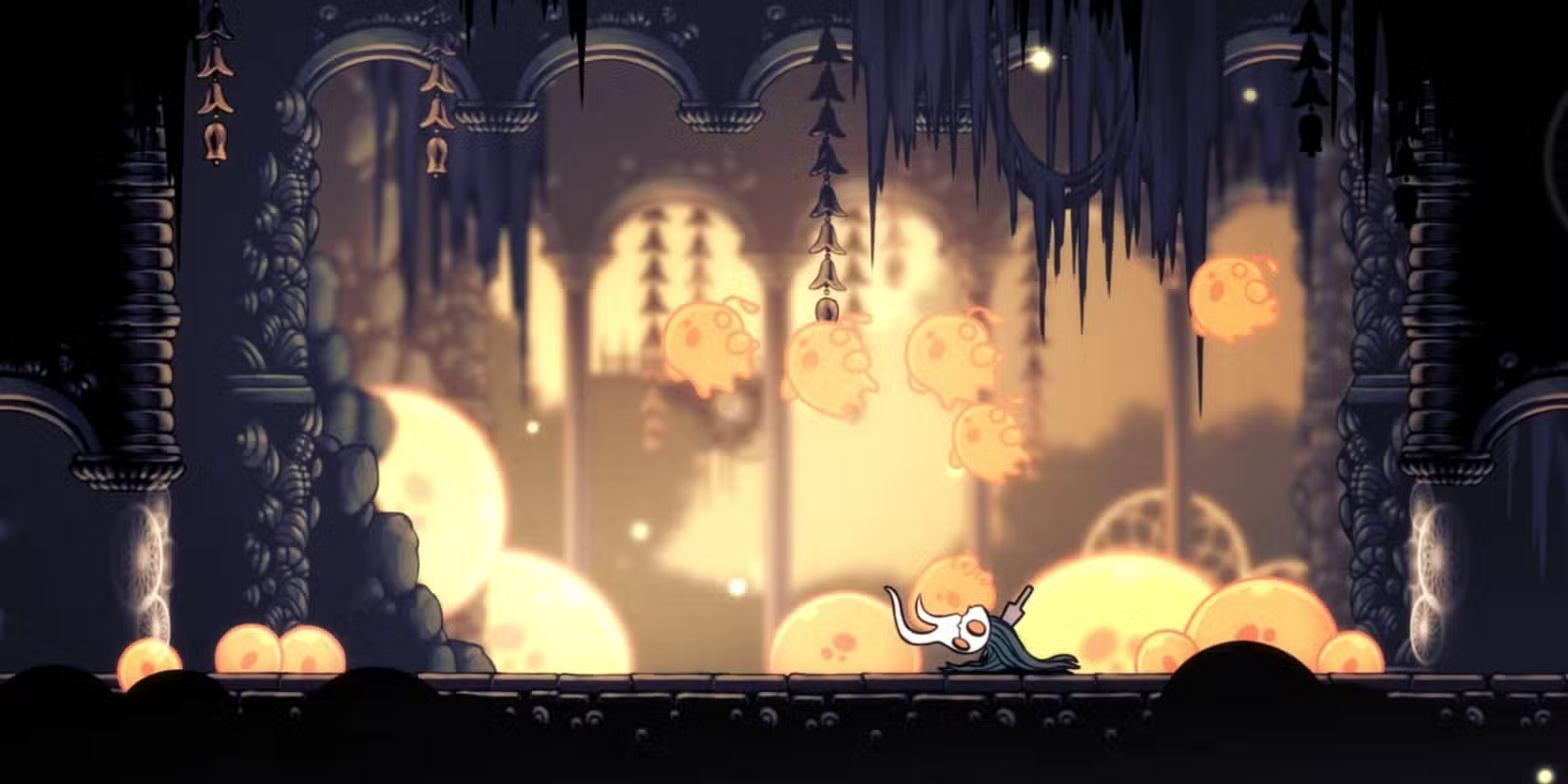
Even though I really enjoy action RPGs, I think a big reason Hollow Knight became so popular is that it’s different from those games. It really emphasizes simple, direct combat instead.
Okay, so the game does have some buffs and debuffs that change things up in combat, but honestly, it really comes down to how good you are. They’ve given us the most accurate and responsive controls I’ve ever seen in a game like this, and it makes all the difference. You don’t need fancy builds or anything – just skill to get through everything.
Since the game didn’t rely on numbers, armor abilities, or complex weapon moves, the developers were able to build a combat system that was carefully crafted and easy to balance. This is because the system’s outcomes were clear and consistent, letting them fine-tune it effectively.
Combining Metroidvania gameplay with role-playing features can create amazing games, and there are many examples of this. However, Hollow Knight is a special case – its tight design and polish wouldn’t have been possible if it had included those RPG elements.
6. Environmental Narrative
Searching for Meaning
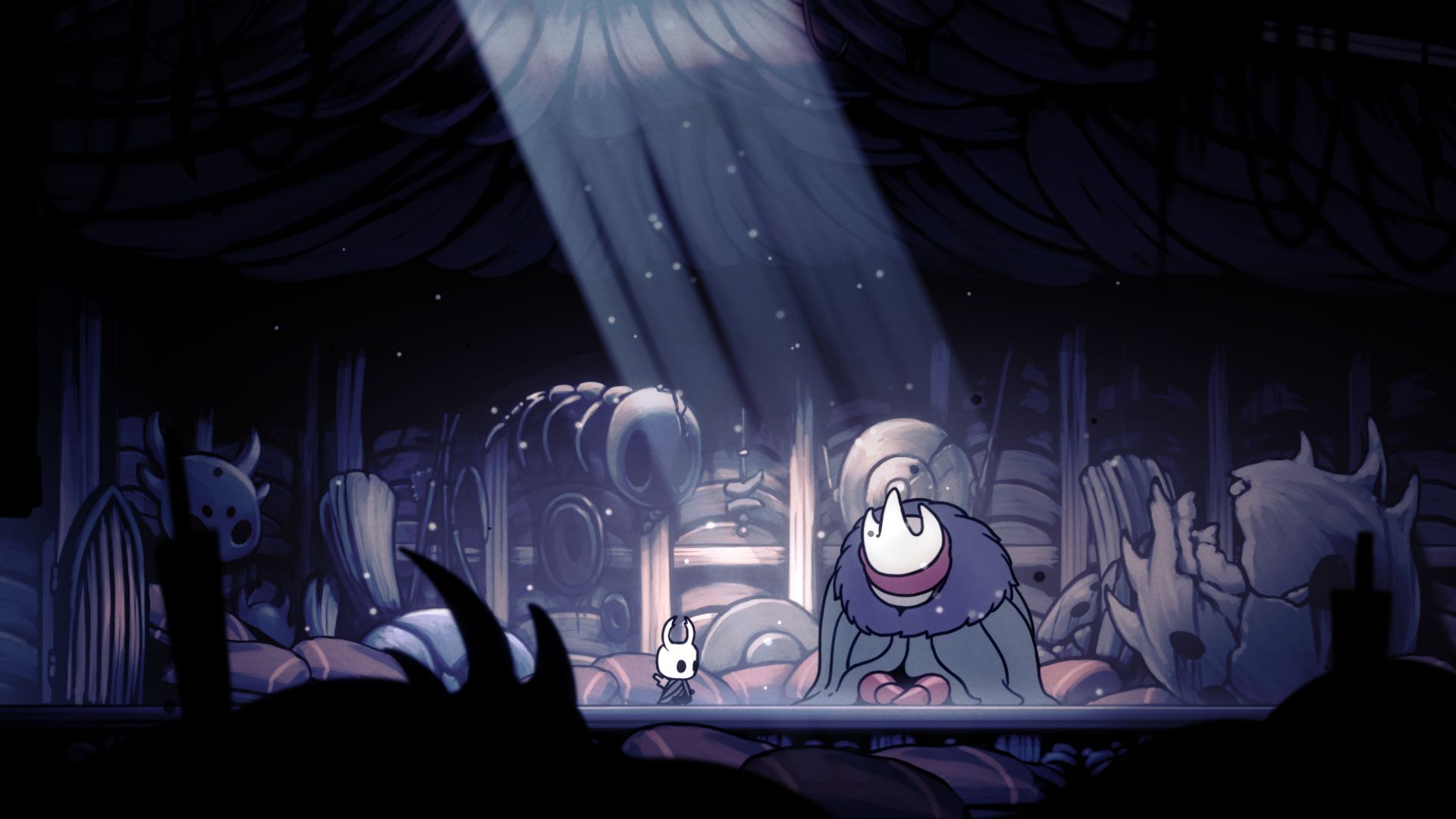
Most Metroidvania games tell stories similarly, but the depth and impact of the lore in Hollow Knight are truly remarkable and contribute to its widespread acclaim.
I think what’s kept this game so amazing for so long is how much it clearly loves games like those made by FromSoftware. It doesn’t just tell you its story; it shows you through incredible art, level design, and even the enemies you fight. Everything feels mysterious and hints at a deeper history, and I love piecing it all together – it’s not just about what characters say, but how the world itself communicates everything.
The rich history and lore – the stories of the Pale race, ideas about the soul, the motivations of the creatures, and the mysterious Dreamers – create a truly immersive world. Discovering these details bit by bit is even more rewarding than finding a new ability for your Nail.
While not groundbreaking on its own, the story in Hollow Knight—with its sad and mysterious qualities—is a key reason the game is so good and memorable. I truly think the game wouldn’t have been as impactful if it had a simpler, more direct narrative.
5. Charm Builds
Creativity Through Experiments
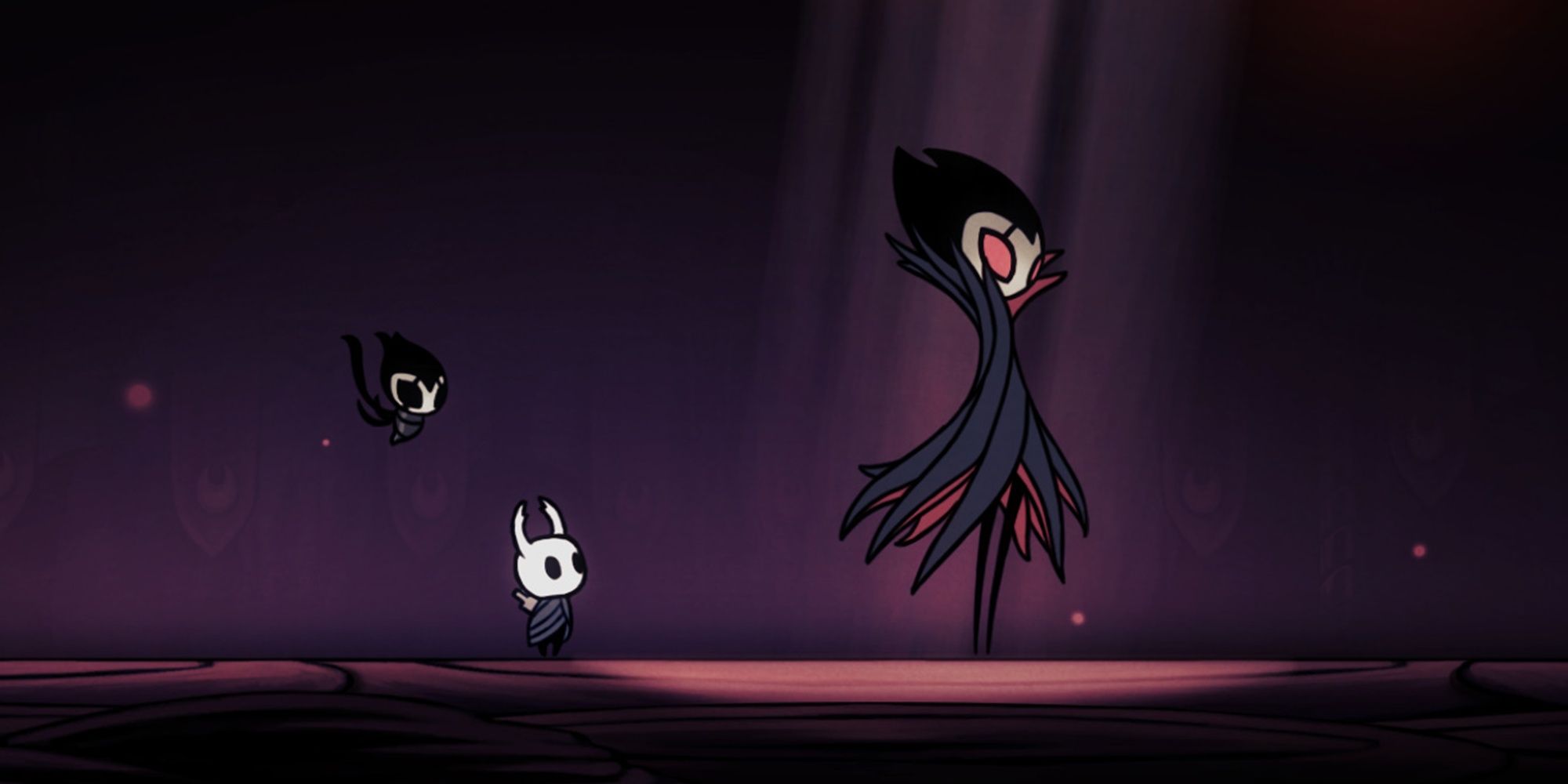
You know, one of the things I really love about this game is that it didn’t try to be like other action RPGs. And it wasn’t just that! The way you could customize your character with Charms was so clever and creative, it honestly set the standard for how customization works in so many games that came after it. It really felt like something totally new at the time.
Unlike many games where you’re hesitant to switch things up because you’ve put a lot of effort into specific skills or weapons, Hollow Knight lets you freely equip and unequip items. This makes it easy to try out different strategies without worrying about losing progress or taking big risks.
The game focuses on a core set of abilities, meaning no matter what customizations you choose, you’ll always have three powers and can attack in only four directions. This design isn’t limiting, though – it actually encourages you to find your own unique fighting style, building upon the skills you already have.
Charms might seem simple, but they can dramatically alter a situation, creating surprising outcomes even when you think you know what to expect. What makes them so compelling is that they always feel comfortable and recognizable, yet consistently offer something new and unpredictable.
4. Interconnectivity Between Levels
Eureka!
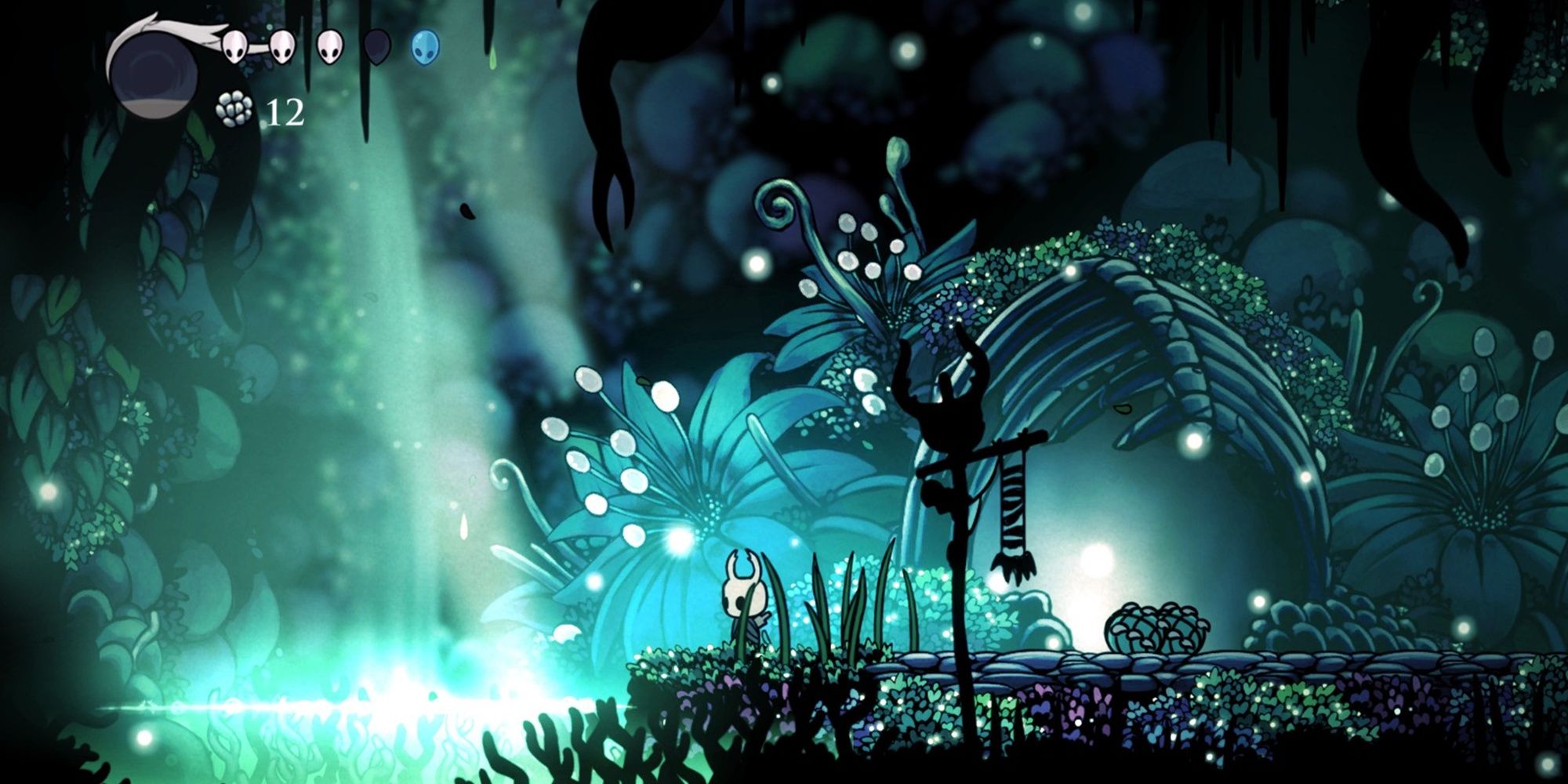
The first time I played Dark Souls, I was absolutely stunned when I traveled from the depths of the Undead Burg back to the safety of Firelink Shrine. I didn’t experience that same feeling of awe again until I unlocked the connection between Resting Grounds and Forgotten Crossroads.
Hollow Knight is full of amazing “Aha!” moments – unexpected connections between areas that constantly surprise and delight you. The game consistently manages to create that feeling of discovery throughout the entire experience.
Moments like leaving Crystal Peak and reaching Dirtmouth, or venturing from Royal Waterways into Ancient Basin, are truly unforgettable. They’re special because of the powerful feeling they create – a sense of awe as you realize how all the different areas of the game connect together, leaving you speechless.
The world of Hollow Knight feels so special to explore because its areas aren’t laid out in a simple, straight line, and each one is linked to at least two others. This clever design and how everything connects is essential to creating that feeling of adventure and discovery.
3. Interesting and Free DLCs
Live up to the Challenges

Team Cherry’s design isn’t just about aesthetics; it’s tied to how they fund their games. They aim to offer players a huge amount of content at a very affordable price.
It’s easy to forget that Hollow Knight wasn’t always the game we know today. Major content like Grimm’s Troupe, Godhome, and even powerful Lifeblood Charms were all added after launch as free updates, significantly enhancing the experience.
Subscribe for deeper Hollow Knight design breakdowns
The game started with a fantastic foundation, but updates and enhancements – directly inspired by what players wanted – made it even better. This not only improved the game itself, but also boosted the studio’s reputation, winning over the entire fan community.
Successful design often means prioritizing the feedback of your most dedicated fans rather than trying to appeal to the broader market, and Team Cherry is a great example of this. They consistently go above and beyond to refine their game and make it the best it can be.
2. Obscure Questlines
Connect with the World
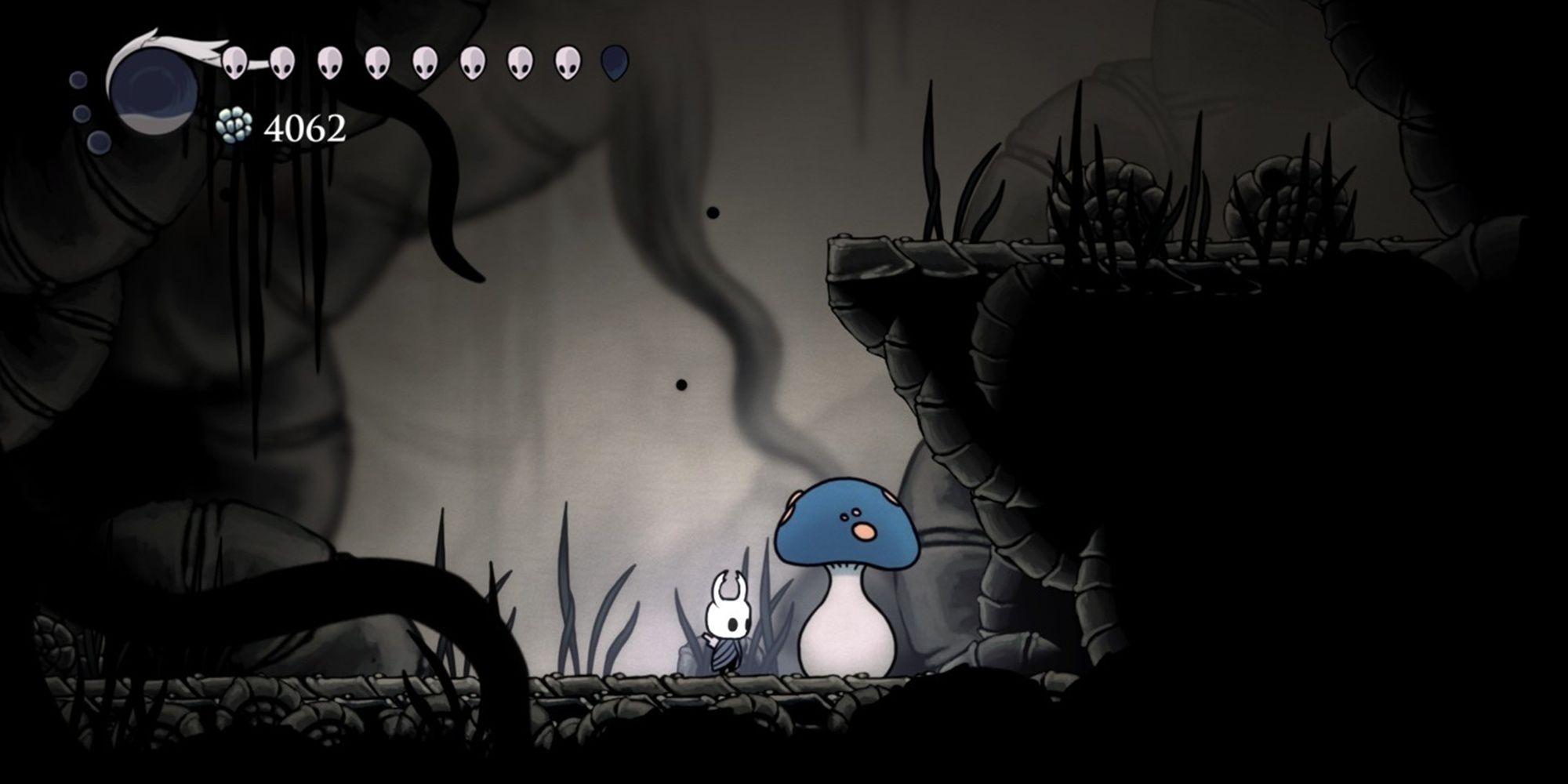
The characters you meet in Hollow Knight are what truly make the game special. They feel so much like a natural part of the world of Hallownest that it’s easy to forget they’re just game characters.
The characters in the game don’t exist just to help the player. They’re a varied group with their own individual lives and reasons for doing things, much like the character Cornifer. The developers, Team Cherry, intentionally avoided using obvious signals or explanations about these motivations to keep the characters feeling genuine and believable.
The characters feel alive – they talk to you, go about their lives, and try to fulfill their own goals. Helping them with their problems can be surprisingly challenging, almost as tough as the main boss battles, especially if you’re trying to figure things out on your own.
Whether it’s assisting the Nailsmith in locating the Nailmaster, enabling Sly to resume his martial arts training, helping Bretta find romance, rescuing Cloth, spending time with Quirrel, or witnessing Tiso’s last moments… everything unfolds organically, and that’s what creates such a special, enchanting experience.
1. No Parry Mechanic
Prioritizing Positioning and Movement
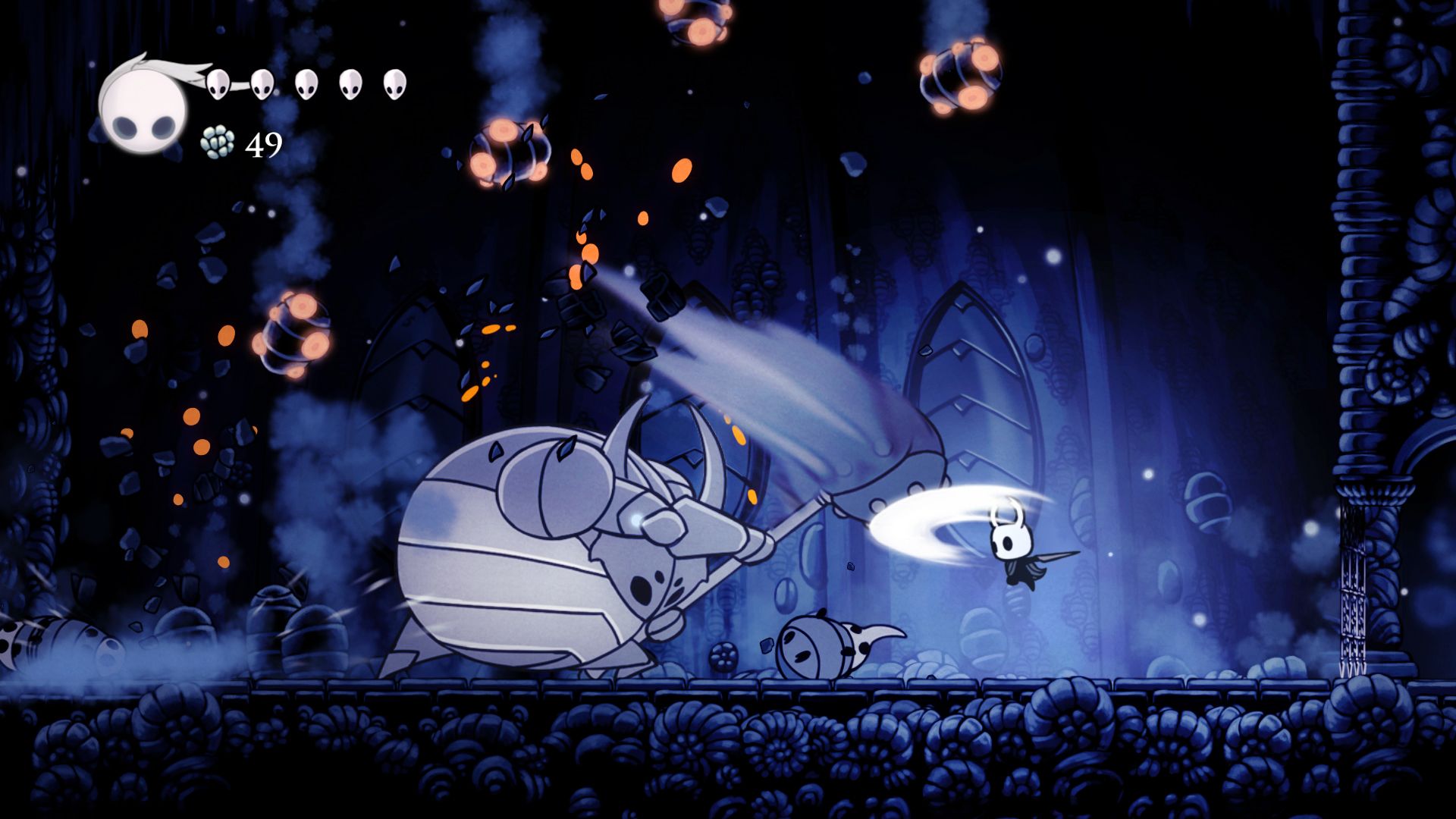
The way the game handles blocking and counterattacking – by simply pressing a button to avoid damage and strike back – is different from the sword clashes in Hollow Knight. I think this deliberate choice, going against what many action games do, is key to what makes the game’s combat so strong.
I really like parrying, but in a game focused on movement, a system that forces you to stay still and rely only on quick reactions would have ruined things.
Pure Vessel feels so good to play, similar to games like Nightmare King Grimm or Sisters of Battle, because it demands constant movement. You’re always jumping, bouncing, and maneuvering – both to attack enemies and protect yourself – instead of simply standing in one place and repeatedly pressing a single button.
Calling the lack of a parry mechanic ‘good design’ isn’t about what’s missing, but how the developers made up for it. They created enemies with diverse and complex attacks, focused on making movement key to each fight, and carefully balanced timing and pace.
Removing the ability to parry meant the developers had to make every other aspect of the game much better. Without parrying, players couldn’t perfectly dodge attacks from enemies like the Mantis Lords, bounce around during fights with Watcher Knights, or carefully position themselves for strategic duels with Radiance. This highlights how important it was to remove parrying, especially since many games in this genre had become overly reliant on it.
Read More
- United Airlines can now kick passengers off flights and ban them for not using headphones
- All Itzaland Animal Locations in Infinity Nikki
- Katanire’s Yae Miko Cosplay: Genshin Impact Masterpiece
- Crimson Desert: Disconnected Truth Puzzle Guide
- How to Get to the Undercoast in Esoteric Ebb
- All Golden Ball Locations in Yakuza Kiwami 3 & Dark Ties
- BloxStrike codes (March 2026)
- How to Complete Bloom of Tranquility Challenge in Infinity Nikki
- 6 Ways Invincible Season 4’s Hell Episode Rewrites The Comics
- Netflix’s New 6-Part Crime Thriller Is the Perfect Weekend Binge
2026-03-12 02:42