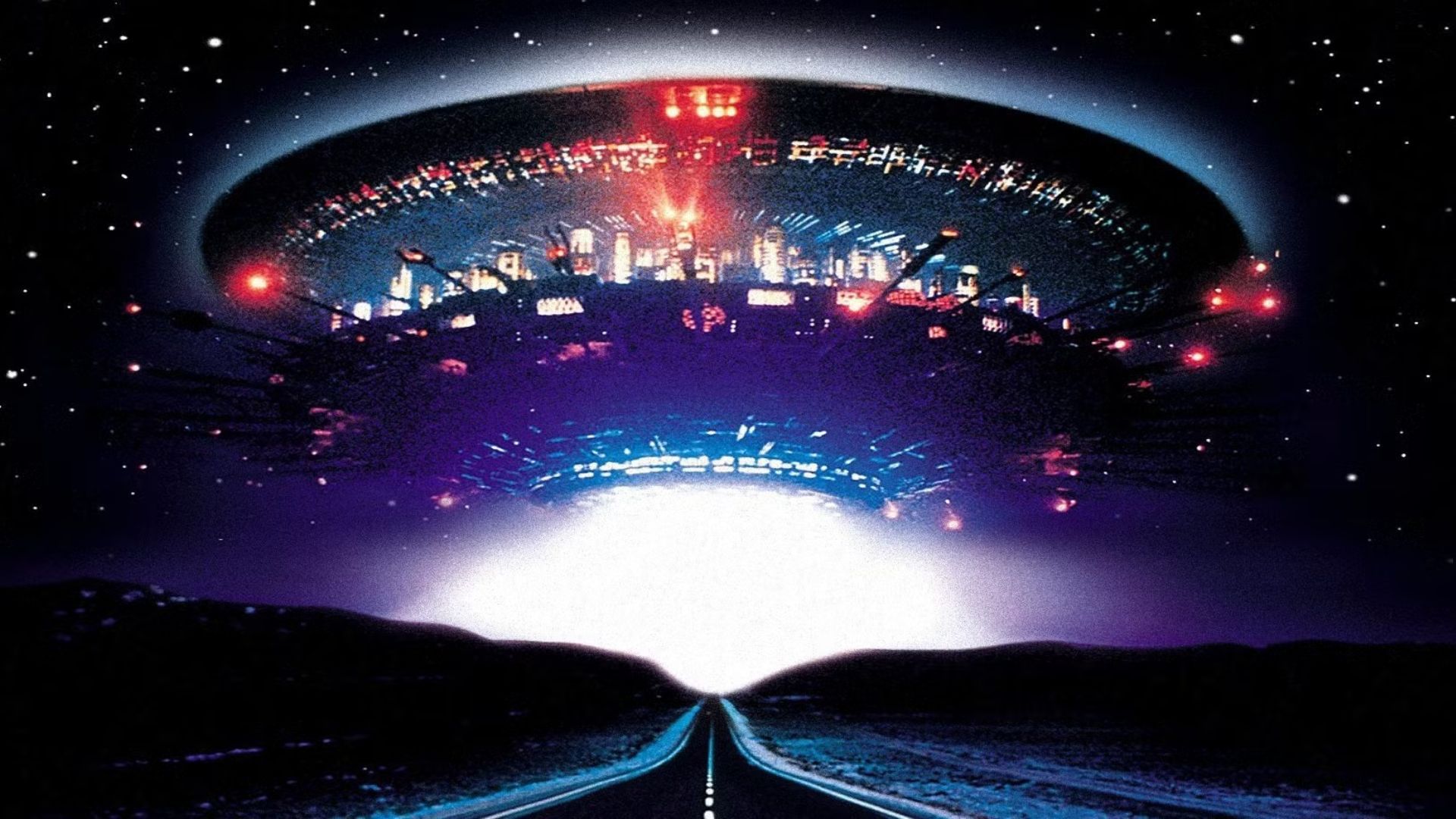
Science fiction has become incredibly popular over the last century, giving us some of the most memorable films ever made. It’s always been a genre that pushes boundaries, using imaginative concepts to examine what worries us and explore difficult questions about being human. Looking at the best sci-fi movies shows how the genre developed from early visual spectacles into a form of filmmaking that can be both thought-provoking and deeply moving.
For the past century, science fiction films have mirrored our changing fears and concerns – from the rise of factories and the threat of nuclear war to the development of artificial intelligence and questions about what’s real. The best sci-fi movies don’t just guess what’s coming; they explore what’s happening now, mixing creativity with ideas about society, government, and human feelings. They also constantly expand what’s possible with visual effects and artistic expression.
Interstellar (2014)
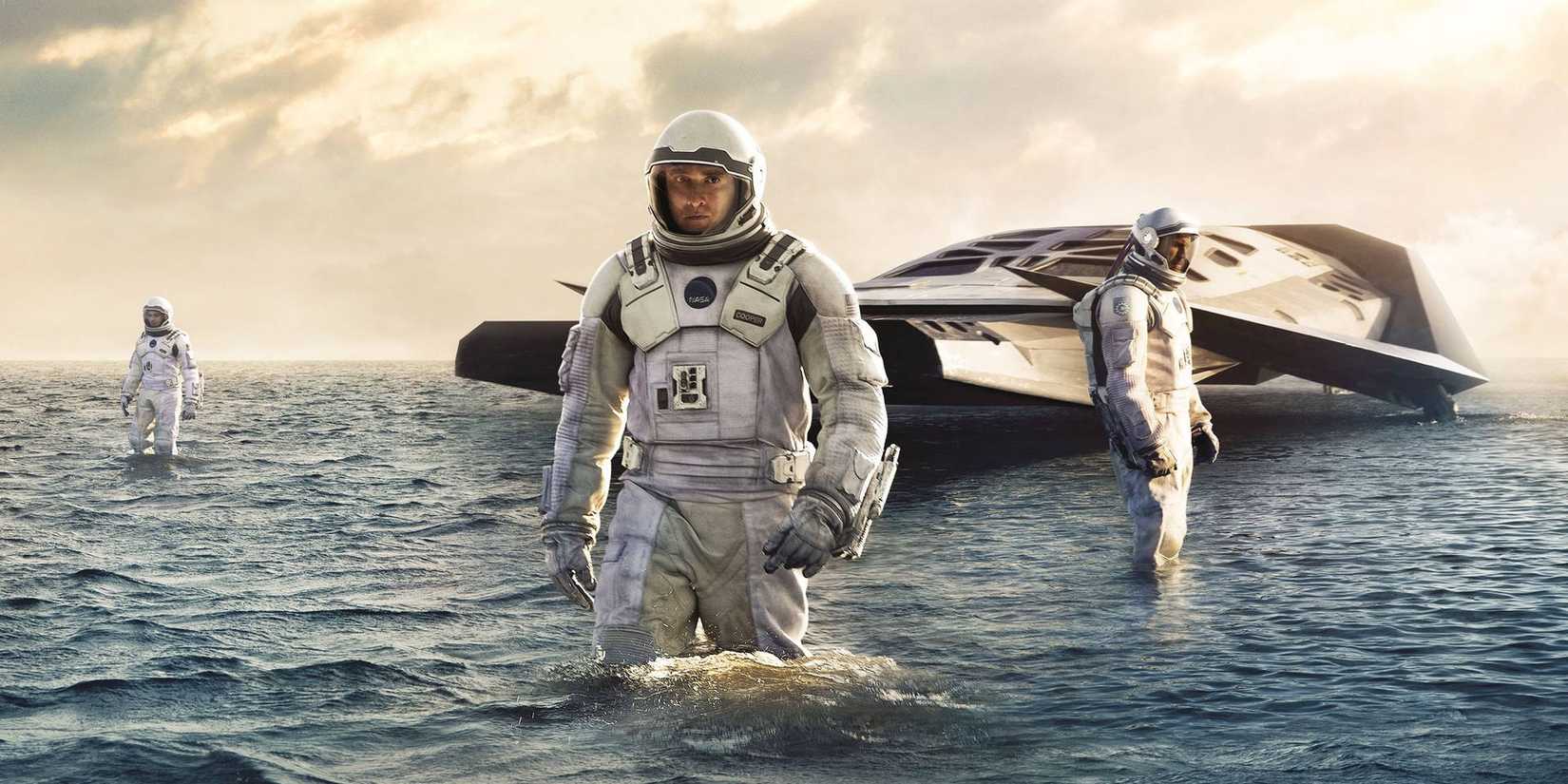
Christopher Nolan’s Interstellar is a hugely ambitious science fiction film that combines a deeply emotional story with complicated ideas about space and time. The movie follows humanity’s struggle to survive by venturing into space, dealing with the effects of time travel, and exploring black holes. What makes Interstellar special is that it’s based on actual scientific principles and was made with the help of scientists.
What makes Interstellar truly special isn’t just its stunning visuals, but the strong emotions at its heart. The connection between Cooper and his daughter, Murph, is particularly moving. The film portrays love as a powerful, almost magical force, while still staying true to scientific principles. This creates a unique and compelling blend of thought-provoking ideas and heartfelt emotion.
The incredible music by Hans Zimmer and the sweeping visuals captured by Hoyte van Hoytema work together to create a feeling of wonder and vastness in Interstellar. Although some found its story complicated, the film has become a landmark achievement in science fiction. It captures humanity’s desire to explore space and acknowledges recent breakthroughs in astronomy.
The Day The Earth Stood Still (1951)
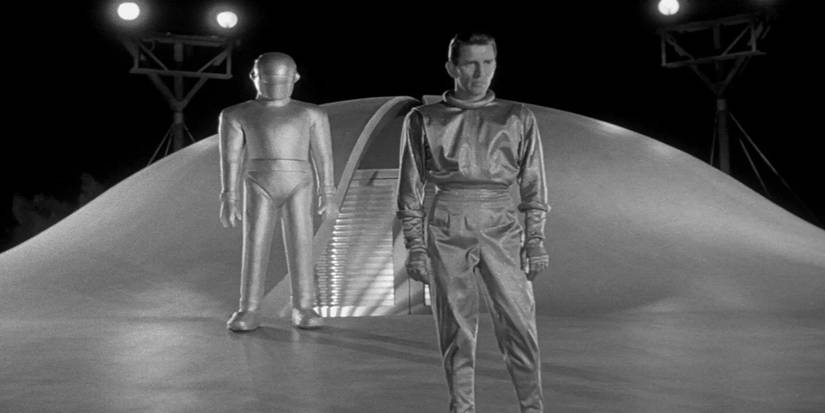
Few science fiction movies reflect the worries of the Cold War as well as The Day the Earth Stood Still. Released when people were most afraid of nuclear war, the film employs the arrival of an alien to powerfully warn us about our habit of destroying ourselves. Klaatu doesn’t come to conquer; he comes to offer a moral lesson.
The Day the Earth Stood Still presents aliens as watchers, not invaders. Unlike many sci-fi movies of the time focused on monsters, this film stands out with its thoughtful conversations, calm mood, and memorable visuals, like the robot Gort. Even today, its message about the importance of world peace and avoiding unnecessary conflict feels powerful and timely.
Instead of focusing on flashy effects, The Day the Earth Stood Still creates suspense by exploring thought-provoking concepts. It’s a pioneering example of science fiction that uses the genre to offer serious commentary on society, prioritizing ideas over action sequences. Many subsequent films about encountering aliens have clearly been inspired by its approach.
Close Encounters Of The Third Kind (1977)
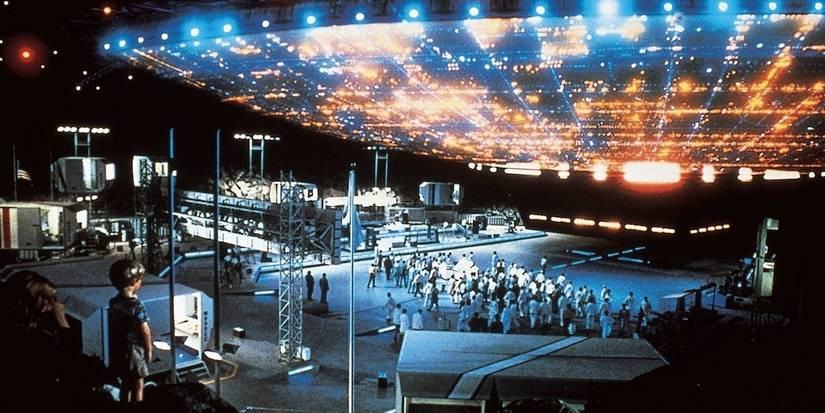
Steven Spielberg’s Close Encounters of the Third Kind presented a new idea of alien contact – not as a threat, but as a deeply personal and emotional journey. The movie centers on everyday people who are mysteriously drawn together by shared visions, hinting that humans have a natural, instinctive connection to the universe.
Spielberg prioritizes a sense of awe over fright in this film, portraying aliens as enigmatic but kind creatures. Its pioneering visual effects and sound design—especially the scene where music is used to communicate—established a completely fresh style for science fiction movies. Close Encounters is also notable for its calm, almost ethereal rhythm.
The film let viewers feel the same sense of wonder as the characters on screen. By portraying first contact as a moment of shared understanding for all of humanity, Close Encounters of the Third Kind broadened the emotional scope of science fiction and established Steven Spielberg as a leading figure in the genre. It cleverly changed the typical alien invasion story into a heartwarming family drama.
Inception (2010)
 Image via Warner Bros. Pictures
Inception is an unusual big-budget film because it’s both thought-provoking and visually stunning. Christopher Nolan’s complex story, set within layers of dreams, transforms the typical heist movie into a deep examination of memory, regret, and what’s real. The film features different rules for each dream level, creating a carefully built puzzle that’s best enjoyed with careful viewing.
The movie Inception advanced visual storytelling with its impressive practical effects, avoiding excessive use of computer-generated imagery. The famous rotating hallway fight and clever use of mirrors are particularly memorable. However, beneath the complex science fiction thriller, Inception is a profoundly moving story about grief and feeling trapped by one’s own emotions.
The unclear ending of the movie Inception led to years of discussion, solidifying its place in popular culture. It’s now frequently used as an example when talking about dreams and planting thoughts in someone’s mind. Inception demonstrated that audiences would embrace complicated stories in big-budget sci-fi films, and it ultimately changed what people expected from the genre.
2001: A Space Odyssey (1968)
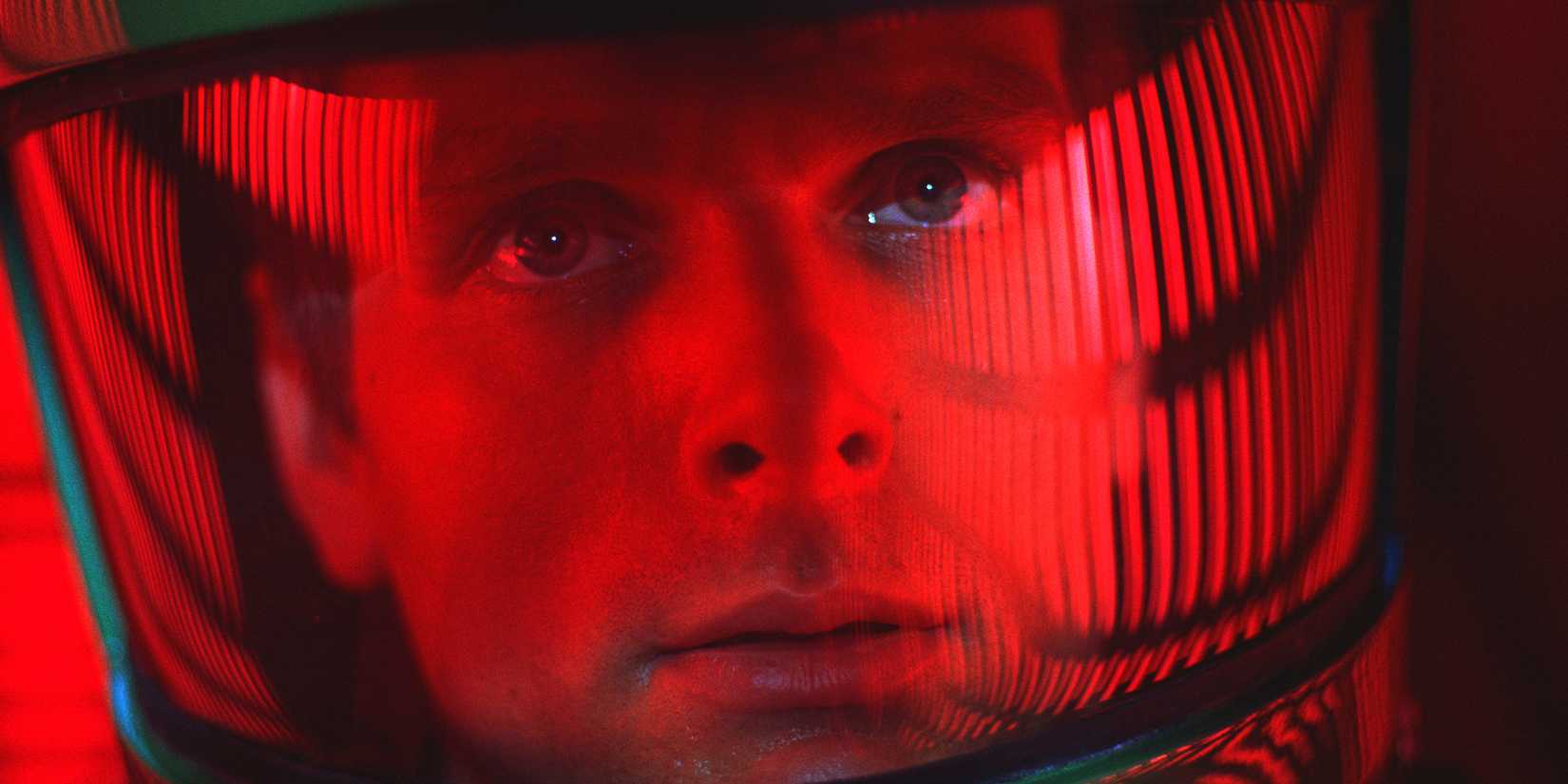
Stanley Kubrick’s 2001: A Space Odyssey is still considered the best example of science fiction that makes you think. Instead of a typical story, the film explores ideas about how life evolves, the impact of technology, and what it means to be human. The special effects were incredibly innovative for their time and still look impressive today.
HAL 9000 quickly became one of the most frightening depictions of artificial intelligence in film. It brings up unsettling ideas about who’s in charge and what it means to be aware, and those questions feel even more important today. Crucially, director Stanley Kubrick used a slow pace and very little dialogue, encouraging viewers to draw their own conclusions instead of being told what to think.
What really makes 2001 stand out and worth watching again and again—if you can look past the early scenes with the apes—is how it portrays space. It doesn’t show space as a fun place for adventures, but as a vast and mysterious unknown, which strengthens the film’s ideas about how small we are in the universe. Its impact on science fiction movies has been huge, influencing everything from how they look to the kinds of stories they tell.
Metropolis (1927)
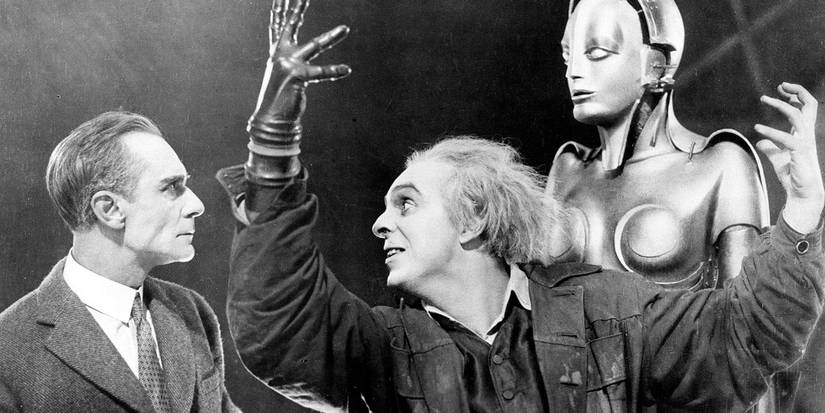
Long before science fiction films became common, Fritz Lang’s Metropolis pioneered many of the genre’s key ideas. The film, set in a future city sharply divided between the wealthy and the working class, examines the problems of industrialization, unfair labor practices, and how technology can strip people of their humanity. Its impressive, towering sets and Art Deco style created a look for futuristic cities that is still widely used in movies today.
Even though it has no spoken dialogue, the film Metropolis powerfully conveys its ideas through its visuals. The character of the robot Maria is considered one of the first and most memorable artificial intelligence figures in science fiction. Though the story relies heavily on symbolism, the film was incredibly ambitious and larger in scope than anything seen before at the time of its release.
Even after almost a century, Metropolis is still a landmark film. It pioneered many of the visual styles and common themes we still see in science fiction today, feeling remarkably ahead of its time. The film demonstrates that science fiction has long been a strong way to offer commentary on society.
Star Wars: The Empire Strikes Back (1980)
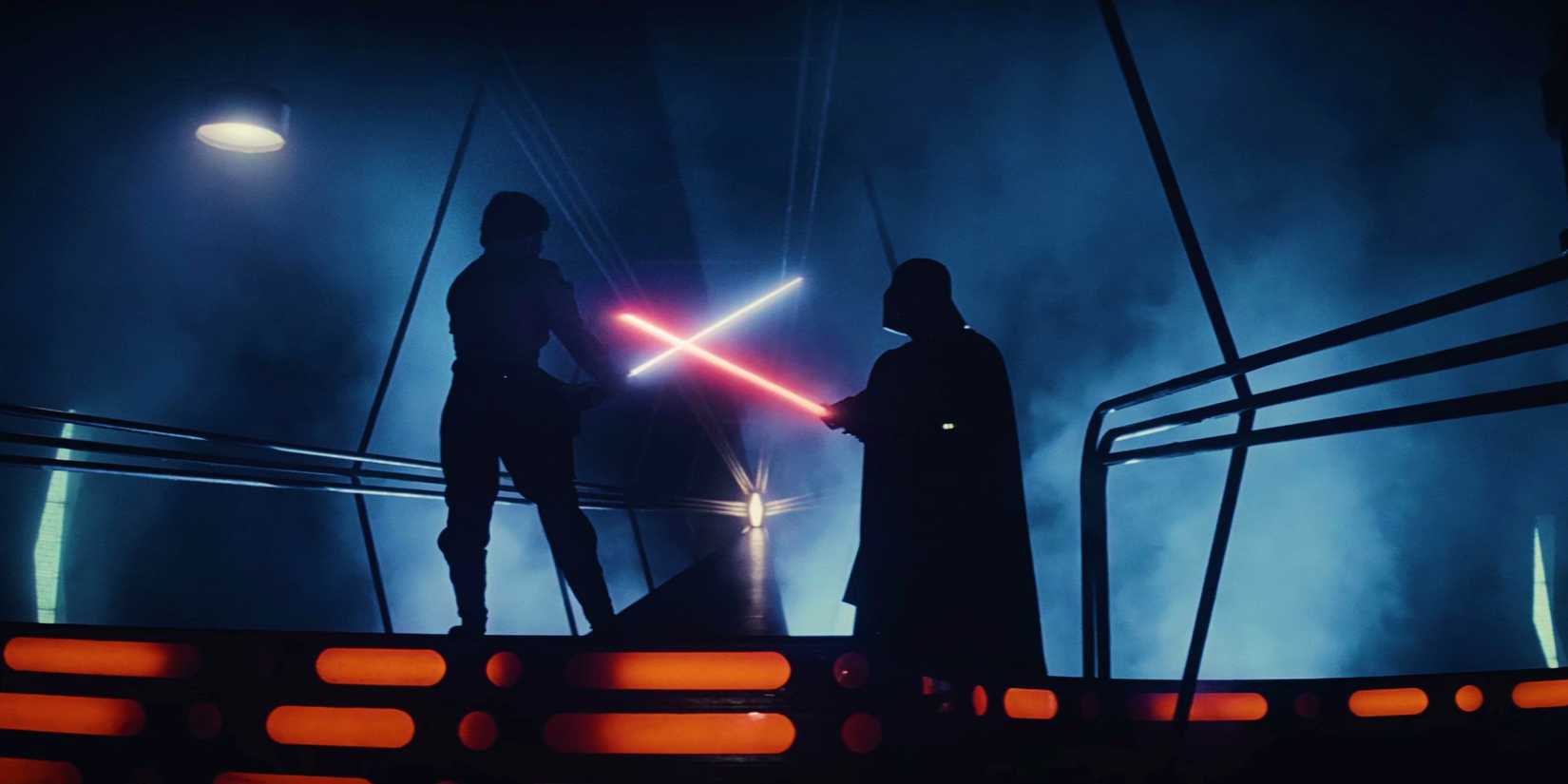
Many fans consider The Empire Strikes Back the best Star Wars film. It took the space opera genre to a new level, creating a truly epic cinematic experience. The movie developed the characters further, adopted a more serious tone, and broadened the Star Wars universe. Crucially, it was with this film that Star Wars transformed from a single movie into the large, connected franchise we know today.
The shocking plot twists in The Empire Strikes Back—especially the reveal about Darth Vader—changed blockbuster movies forever and solidified Star Wars’ place in popular culture. The film also took a much darker turn. Director Irvin Kershner focused on the characters’ emotional sides, showing them lose battles, question themselves, and grow as people.
The technical brilliance of Empire Strikes Back, including its innovative special effects and John Williams’ unforgettable music, truly emphasized the film’s grand scope. It also demonstrated that science fiction series could grow and evolve with their fans. Even within a beloved franchise, Empire Strikes Back continues to be exceptional.
The Matrix (1999)
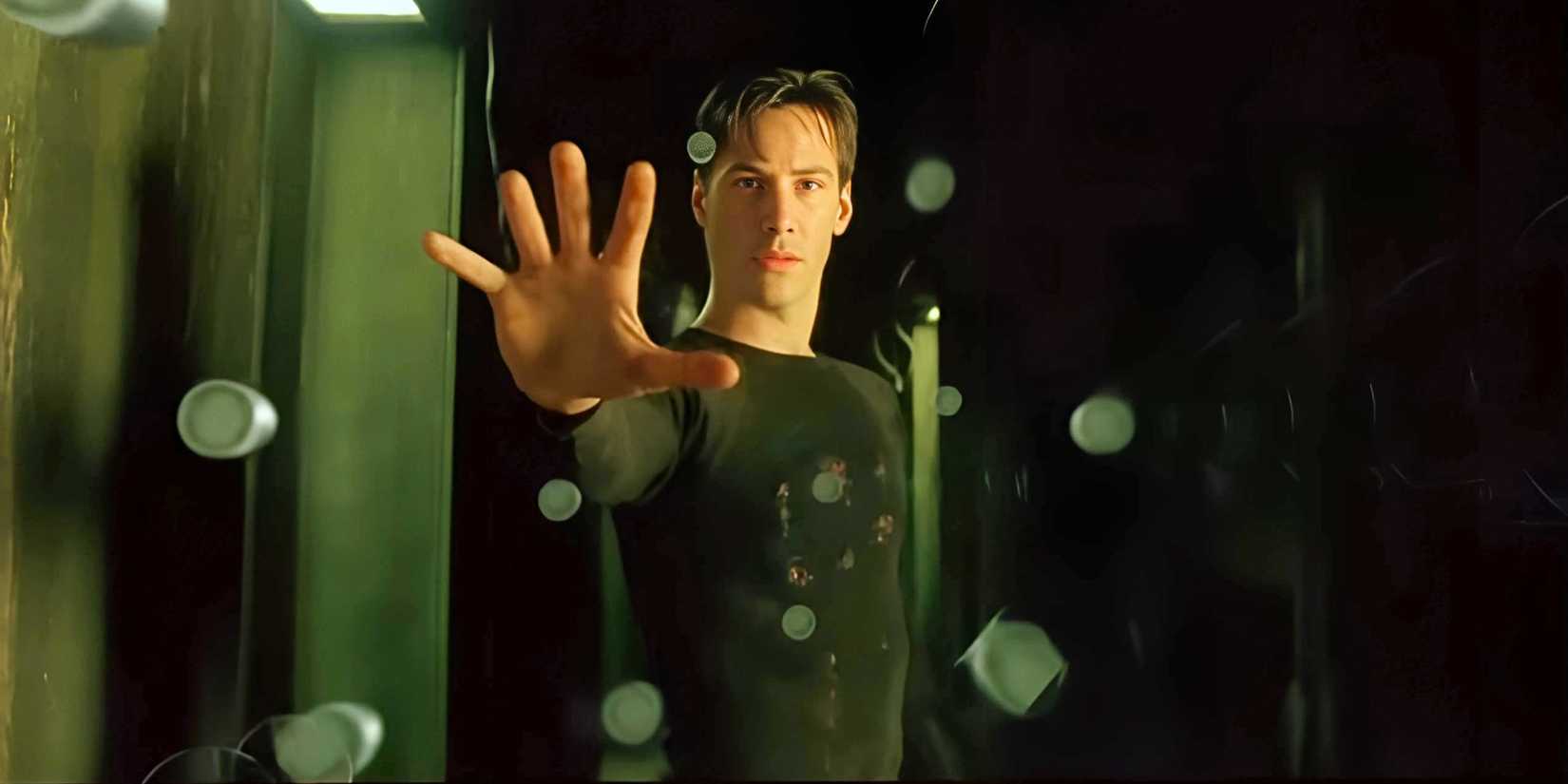
The Matrix brilliantly tapped into the worries of millennials about technology and who’s in control, doing so with groundbreaking visuals and a compelling story. The filmmakers combined ideas from cyberpunk with the energy of martial arts films, building a world that makes you question what’s real. The movie’s impact went beyond the big screen, influencing everything from clothing and video games to how people think about reality itself.
With its innovative use of wire work and groundbreaking “bullet time” effects, The Matrix revolutionized action filmmaking in Hollywood. These techniques weren’t just visually stunning; they set a new standard for fight choreography and played a huge role in making the superhero genre feel more realistic and believable.
Beyond its action sequences, The Matrix is a thought-provoking film packed with complex ideas. It delves into questions about our dependence on technology, the nature of belief, and what truly defines us. As a result, it’s become a key reference point in discussions about philosophy and politics. Even today, The Matrix stands out as a landmark science fiction film, continuing to feel relevant as our world becomes increasingly digital.
Alien (1978)
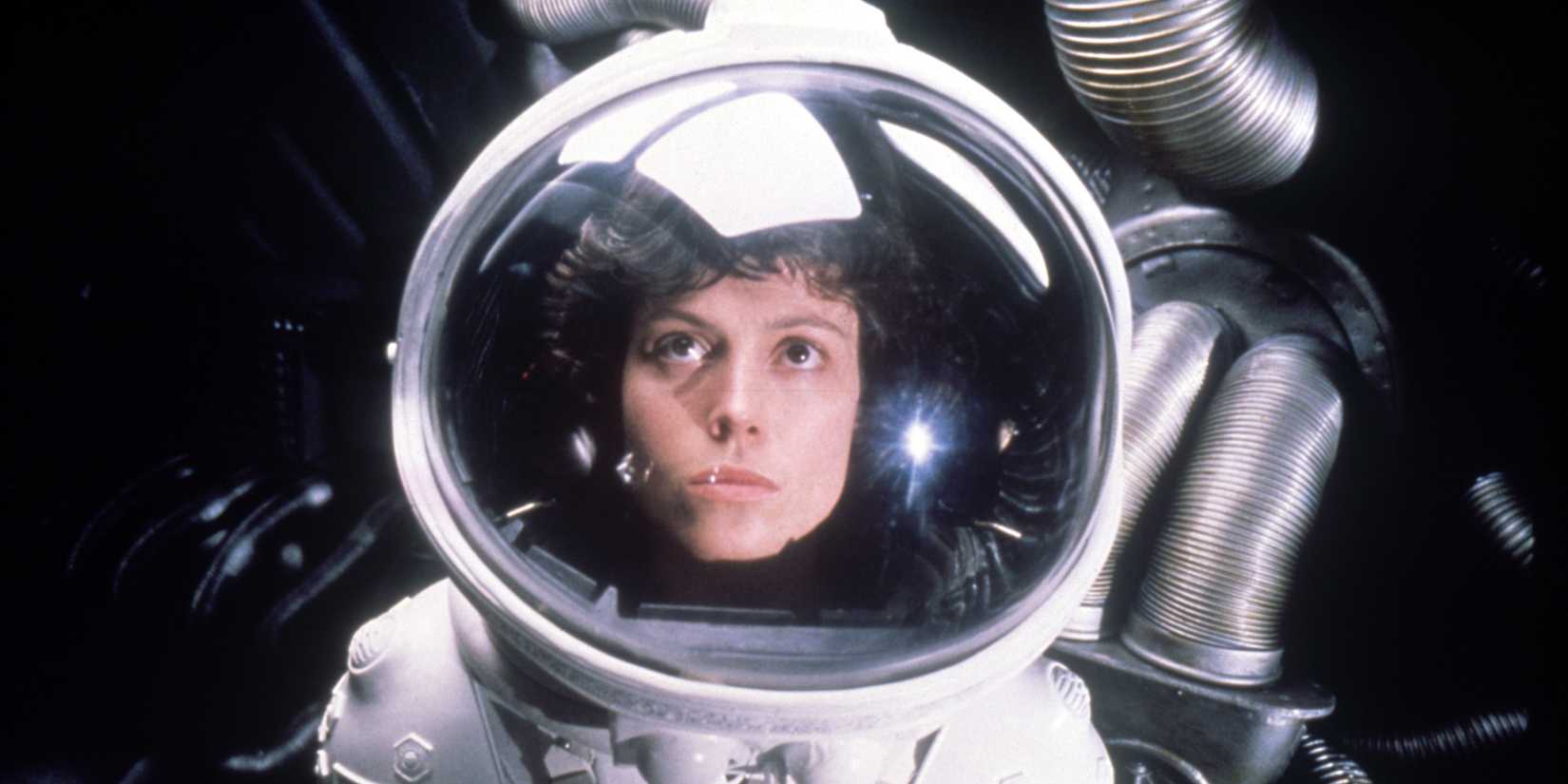
Let me tell you, Ridley Scott’s Alien isn’t just science fiction – it’s a genuinely terrifying movie experience, and one of the best ever made. What struck me most was how dirty everything looked. Forget those shiny, optimistic futures we’d seen before; this spaceship felt like a real, lived-in, and frankly, unpleasant place. And the creature itself? Designed by H.R. Giger, it wasn’t just scary, it was… unsettling. It mixed a lot of disturbing ideas – sexuality, violence, pure dread – into one unforgettable monster. It really changed what movie monsters could be.
Sigourney Weaver’s character, Ellen Ripley, quickly became a beloved hero in the science fiction and horror genres. She challenged typical roles for women in action movies and became a symbol for both feminist ideals and the horror world. Along with a strong supporting cast, Weaver brought a truly believable sense of fear to the films.
Let me tell you, Alien isn’t about jump scares; it’s about a creeping, suffocating dread. The director masterfully uses quiet moments and darkness to really get under your skin. What struck me most was the feeling that the creature could be anywhere – that constant possibility made every single scene unbelievably tense. It brilliantly blends science fiction with horror, and honestly, it redefined what terrifying could look like in the genre. It’s a truly masterful film.
Blade Runner (1982)
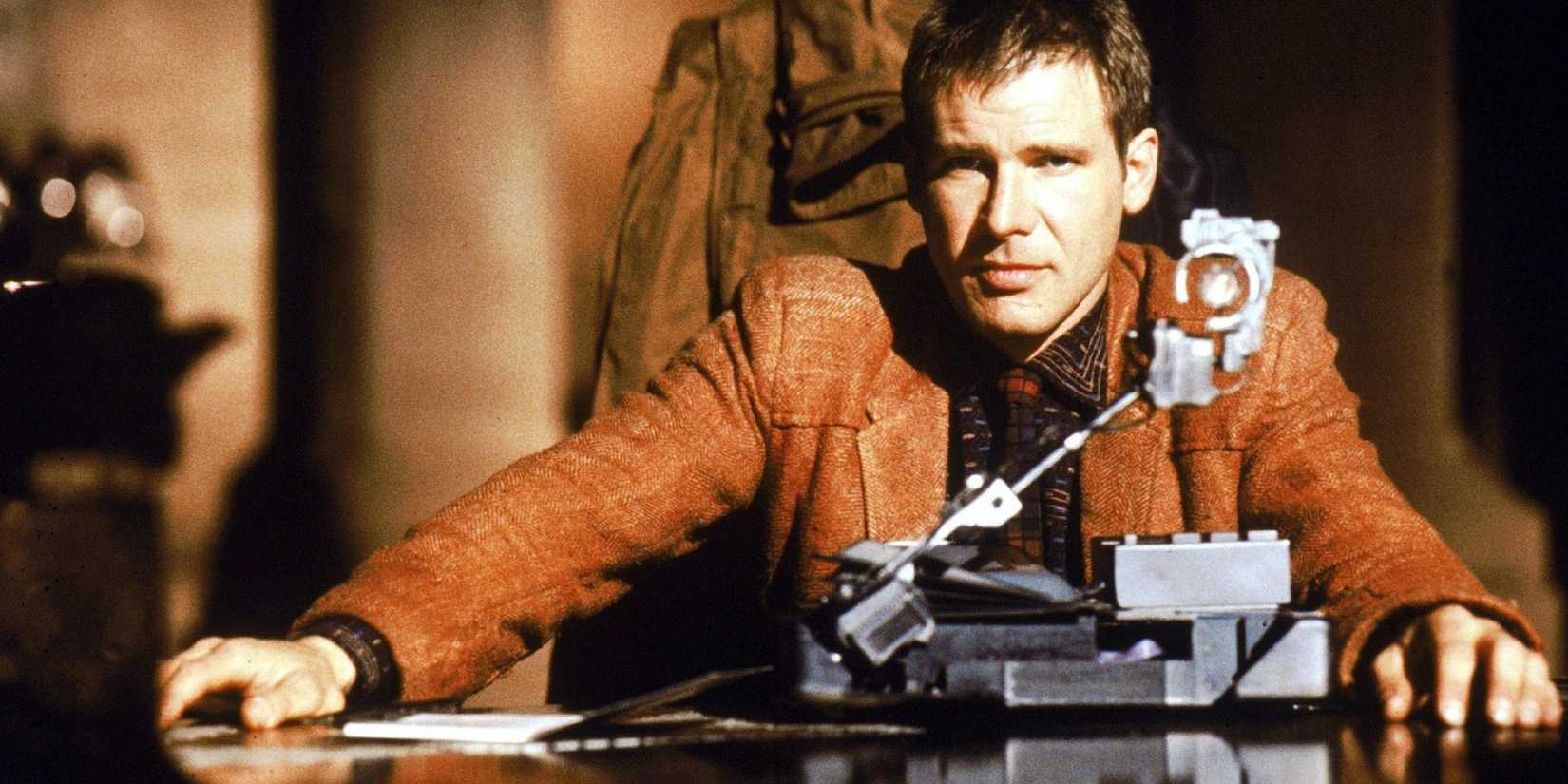
Blade Runner is widely considered one of the most visually stunning films of all time. Ridley Scott’s futuristic, dark, and vibrant depiction of a rain-filled, neon-lit world essentially created the look and feel of cyberpunk for years to come. The movie delves into questions about artificial intelligence and what it means to be human, all through the story of its replicant characters.
Instead of providing easy answers about right and wrong, Blade Runner actually gains its power from being unclear, encouraging viewers to think about the moral issues surrounding making and controlling life. The film’s beautiful, sad mood is created by Vangelis’ memorable music and its incredibly detailed visual style. While it wasn’t immediately loved by everyone, the film has become increasingly respected over the years.
Considered a landmark achievement in science fiction film, Blade Runner still resonates today, especially with our growing awareness of artificial intelligence and advancements in bioengineering. It’s often cited as the perfect blend of science fiction with artistic, thought-provoking storytelling.
Read More
- United Airlines can now kick passengers off flights and ban them for not using headphones
- Crimson Desert: Disconnected Truth Puzzle Guide
- All 9 Coalition Heroes In Invincible Season 4 & Their Powers
- Mewgenics vinyl limited editions now available to pre-order
- Invincible Season 4 Episode 6 Release Date, Time, Where to Watch
- The Boys Season 5 Spoilers: Every Major Character Death If the Show Follows the Comics
- Grok’s ‘Ask’ feature no longer free as X moves it behind paywall
- Assassin’s Creed Shadows will get upgraded PSSR support on PS5 Pro with Title Update 1.1.9 launching April 7
- Grey’s Anatomy Season 23 Confirmed for 2026-2027 Broadcast Season
- Viral Letterboxd keychain lets cinephiles show off their favorite movies on the go
2026-01-16 01:24