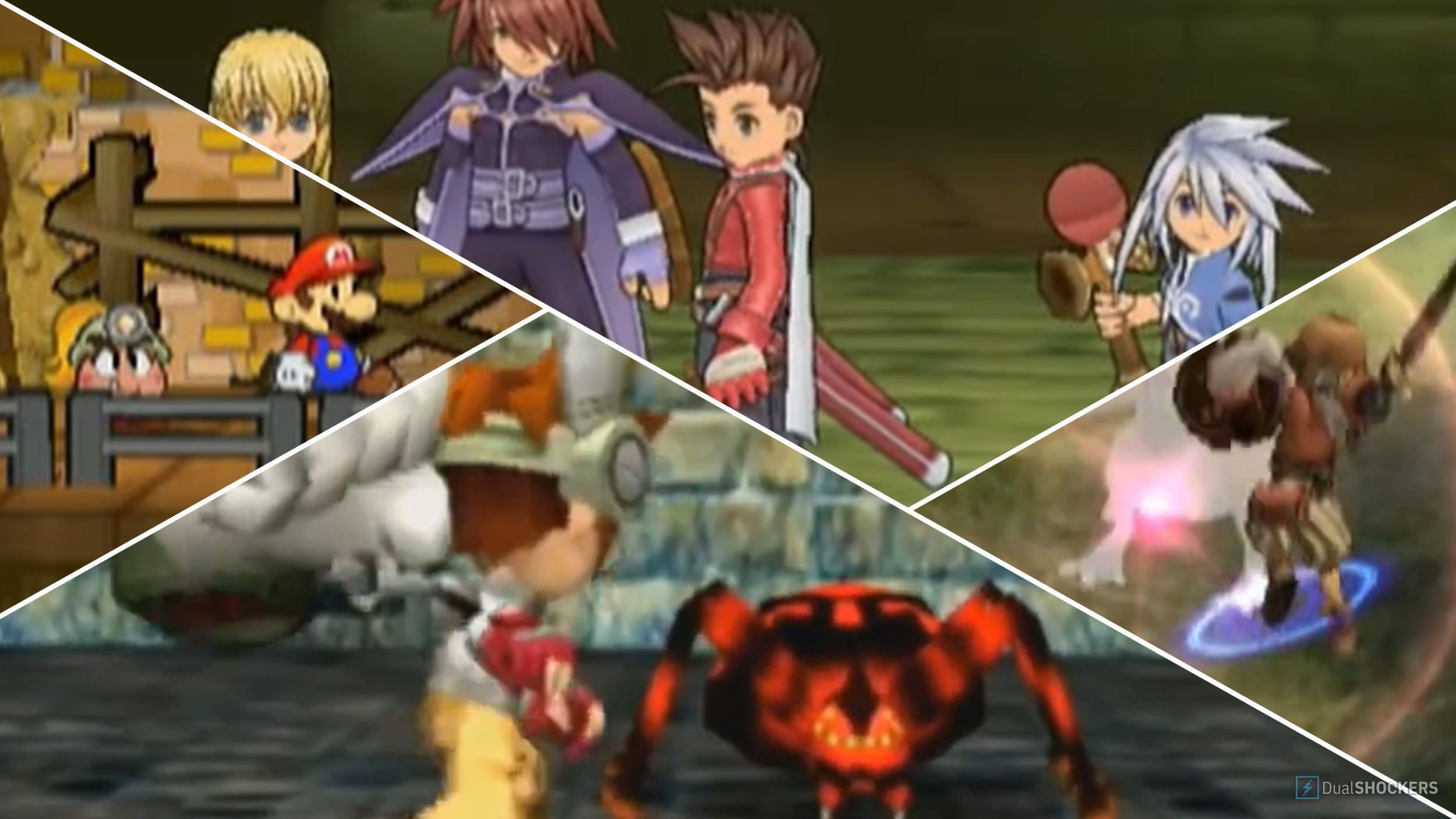
The GameCube didn’t have as many games available as the PlayStation 2, mainly because Nintendo was selective about which third-party developers they worked with. This resulted in fewer games in certain genres, especially Japanese role-playing games (JRPGs). Many of the JRPGs that were made for the GameCube never even came to North America or Europe, and it’s unclear why.
While the GameCube didn’t have a huge number of JRPGs, the ones it did have often got straight to the action. This was a nice change from some PS2 JRPGs that started slowly. If you were willing to search, the GameCube offered JRPGs that were quickly enjoyable and engaging – you could usually have fun within the first hour of playing.
10. Baten Kaitos: Eternal Wings and the Lost Ocean
Cards on the Table
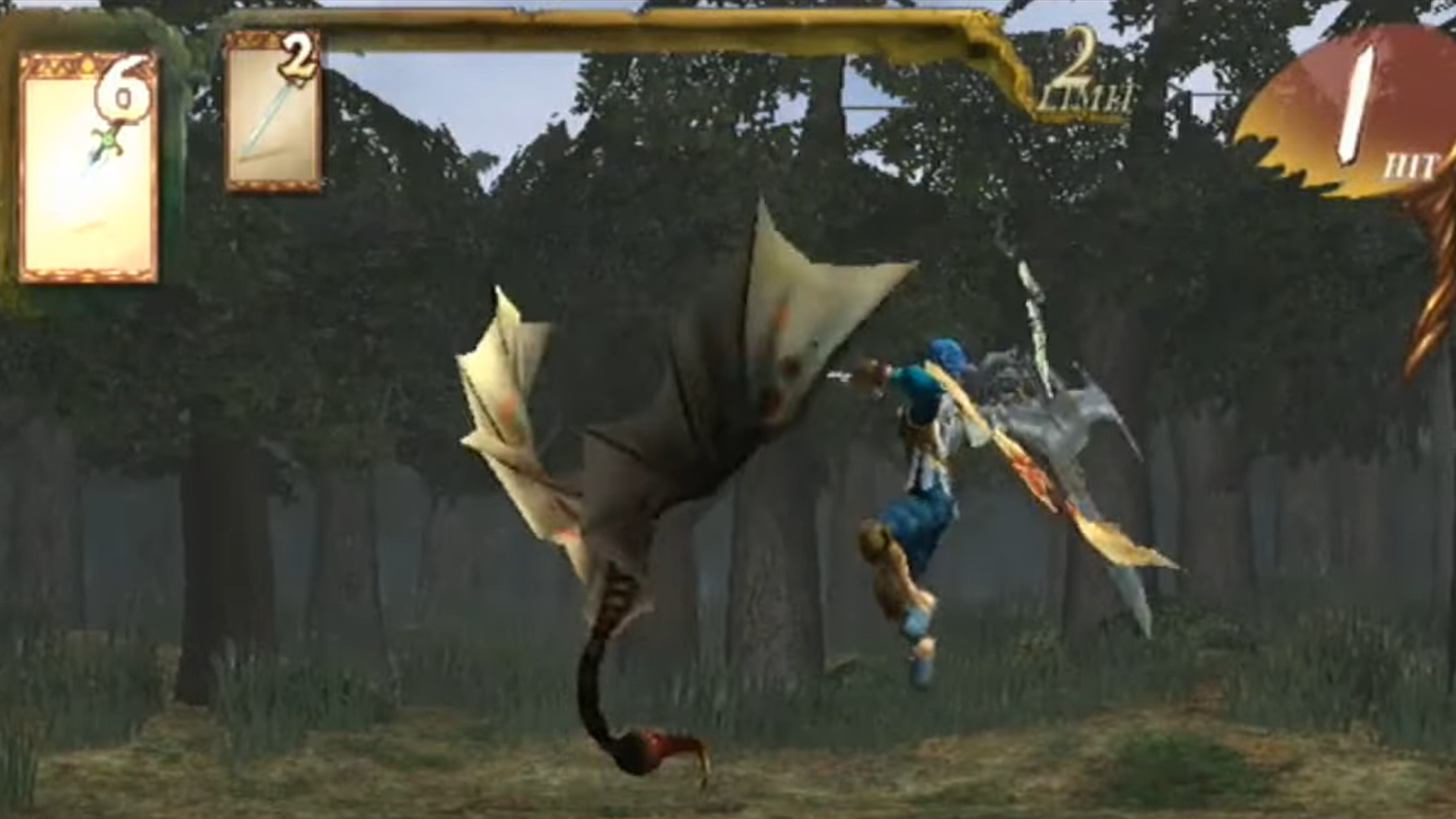
Like I was saying, the GameCube didn’t have a ton of great JRPGs. Apparently, Tetsuya Takahashi – who used to work at Square and then started Monolith Soft – was pretty bummed about that. So, he decided to have his team make a game to help fill the gap, and that game ended up being Baten Kaitos: Eternal Wings and the Lost Ocean.
Baten Kaitos begins with an impressive, fully animated opening sequence that gives you a good look at what to expect. The very start is a little slow – you spend around 20 minutes exploring a village before your first battle – but the pace quickly improves once the unique turn-based card battle system is introduced.
One of the best things about this game is how much effort Monolith Soft clearly put into it. With its polished presentation and complex systems, it feels like a GameCube title aiming to compete with the popular JRPGs on the PlayStation 2. Whether it succeeded is debatable, but it’s definitely a game that understands what makes JRPGs great and wants players to appreciate those qualities too.
9. Lost Kingdoms
FromSoft Pops Up in the Strangest Places
| Developer | FromSoftware |
|---|---|
| Platforms | GameCube |
| Release Date | April 2002 |
Before FromSoftware became famous with the original Demon’s Souls and revolutionized RPGs, the company experimented with many different game ideas. One of their earlier, less well-known projects was Lost Kingdoms, a game released for the Nintendo GameCube.
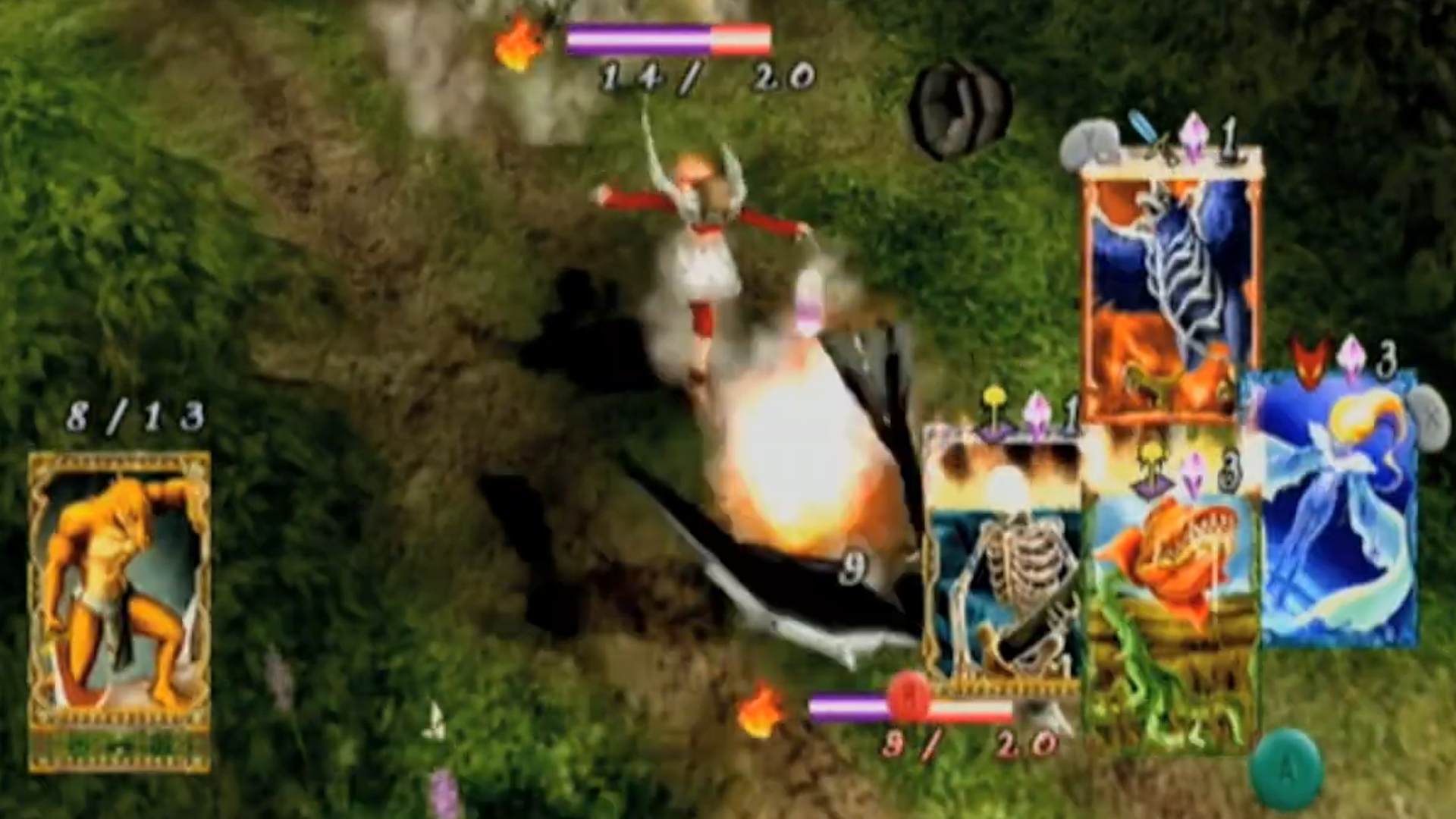
The game Lost Kingdoms quickly gets you into the action. After a brief, three-minute introduction, you’re immediately defending a castle under attack and learning its unique combat system, which revolves around playing cards in real-time. You’ll receive a quick tutorial, customize your card deck after fighting a few skeletons, and then be ready to tackle your first dungeon – all within the first ten minutes of gameplay.
Lost Kingdoms has a unique card-based battle system, and its appeal is now easier to understand given the recent success of games like Dark Souls and Elden Ring. Like those titles, Lost Kingdoms quickly teaches you the basics, then encourages you to test your skills – and likely fail – relatively quickly.
8. Evolution Worlds
Rescued from the Dreamcast
| Developer | Sting Entertainment |
|---|---|
| Platforms | GameCube |
| Release Date | July 2002 |
Unlike today, game consoles from the sixth generation didn’t focus much on re-releasing older games. Back then, people weren’t as worried about preserving games, so they were generally content with whatever new titles were available. However, there were a few exceptions, like Evolution Worlds – an enhanced GameCube version of the two Evolution games that first came out on the Dreamcast.
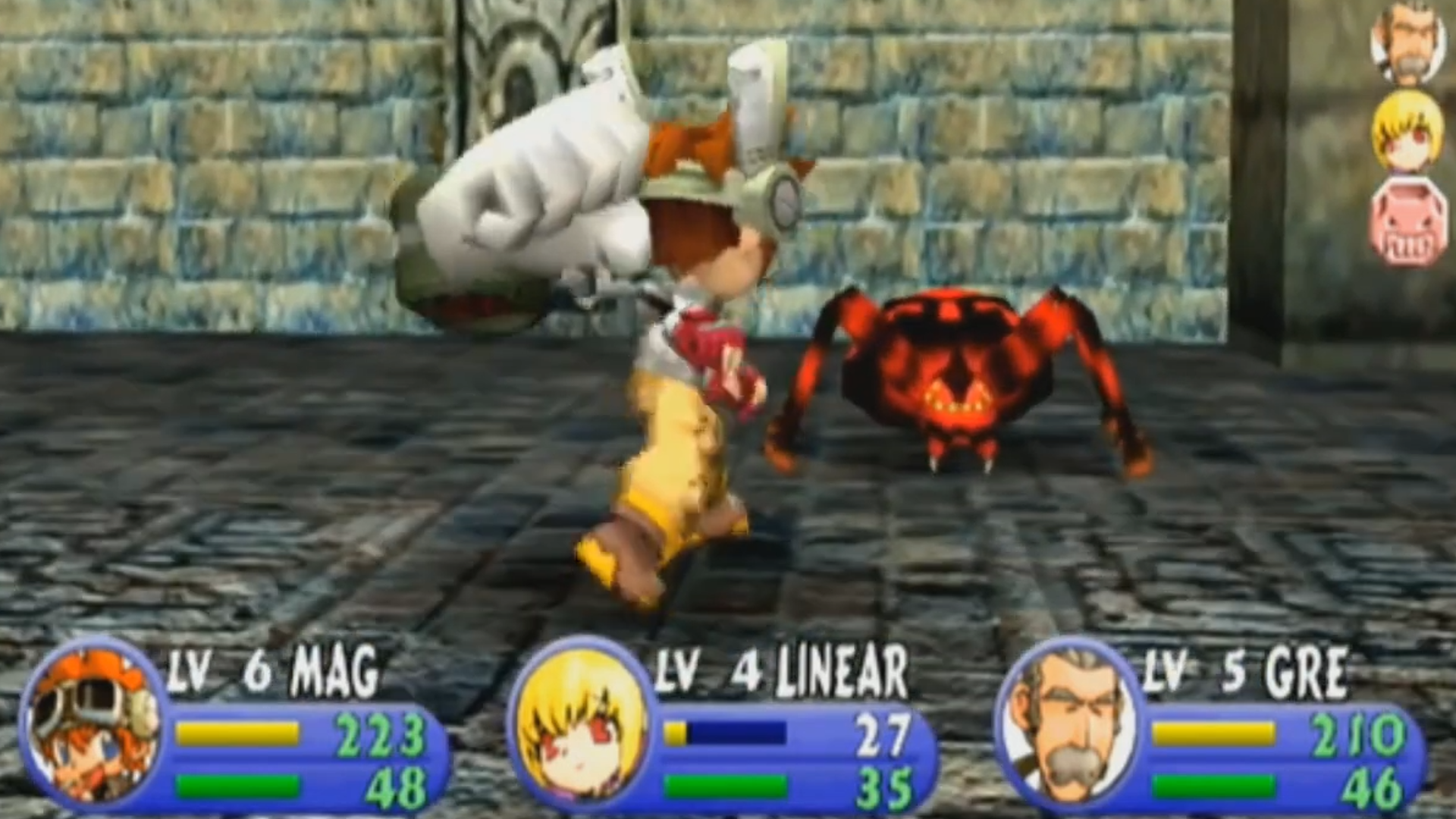
Evolution Worlds throws you into the action immediately. Within the first ten seconds of starting a new game, you’re controlling Mag and Linear in their first battle, fighting off some strange creatures. There are no tutorials or slow introductions – it’s straight into the gameplay. After that initial fight, you’ll see introductory cutscenes that explain the story, but you’ll quickly reach the first dungeon within about fifteen minutes.
Okay, so Evolution Worlds feels a lot like those modern roguelikes I love – the dungeons are all randomly made each time I play, and it’s structured with different floors to explore. Because of that, the game really throws you right into the action quickly, which is exactly what I expect from this kind of game!
7. Skies of Arcadia Legends
Yar-Har Fiddle-Dee-Dee
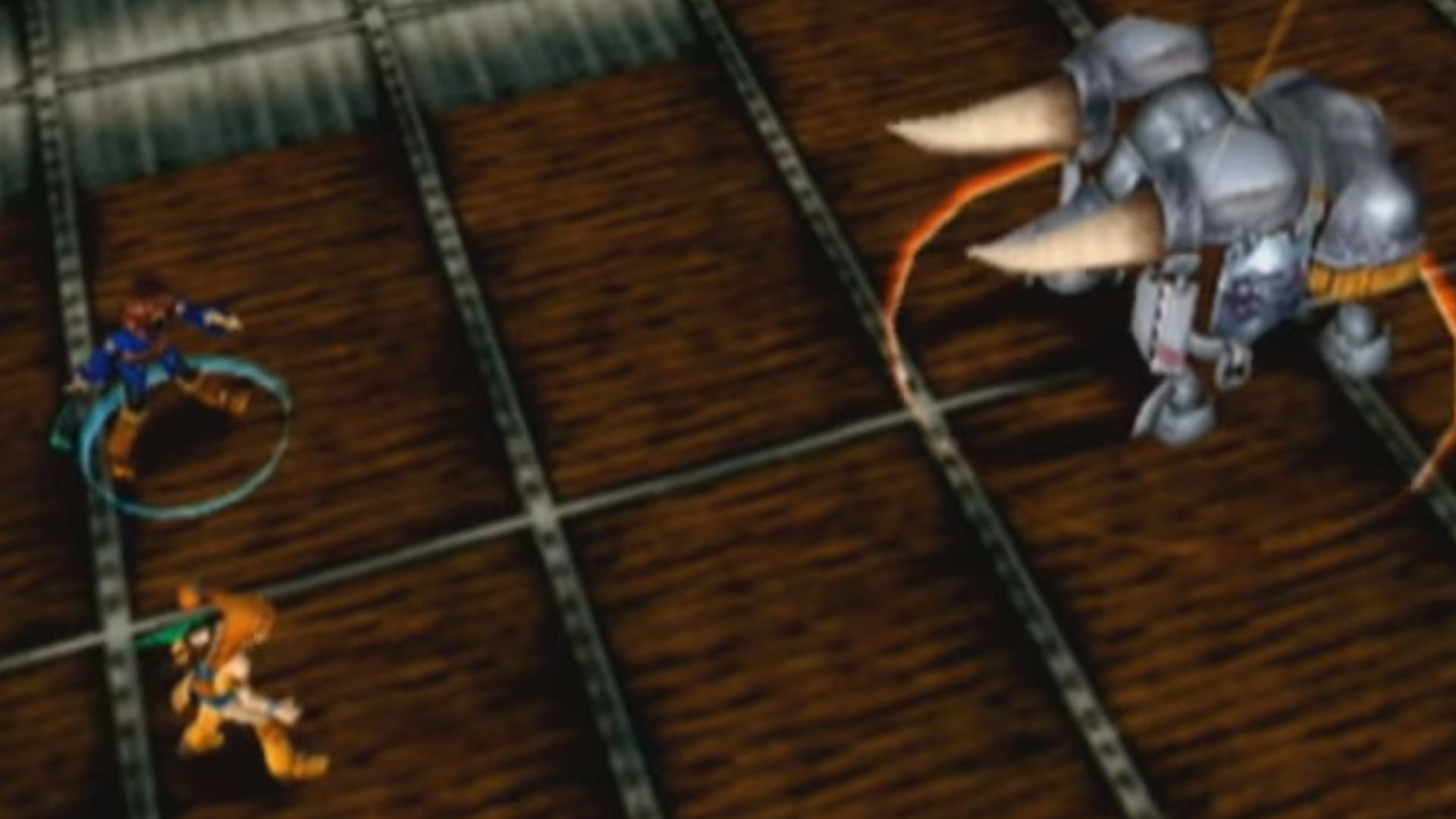
Skies of Arcadia is widely considered one of the best games from the Dreamcast. While it didn’t sell very well initially, it was re-released as Skies of Arcadia Legends for the GameCube. Though that version also didn’t achieve huge commercial success, it helped the game gain a dedicated and passionate fanbase.
Like any good pirate adventure, Skies of Arcadia Legends begins with a thrilling action scene: Vyse and Aika raid an imperial ship to save Fina. This immediately throws you into battles, including a fight against the first boss, Antonio, showcasing the game’s fast-paced, turn-based combat. Soon after, you take command of the Blue Rogues’ airship and get to explore the skies freely.
Any game featuring pirates, whether it’s a traditional RPG or something else, needs a strong, pirate-themed opening. That means sword fights, sailing large ships, and getting on the wrong side of the law. Skies of Arcade Legends does exactly that, delivering all these elements right from the start.
6. Mega Man X: Command Mission
“CHAAAAAARGE SHOOOT”
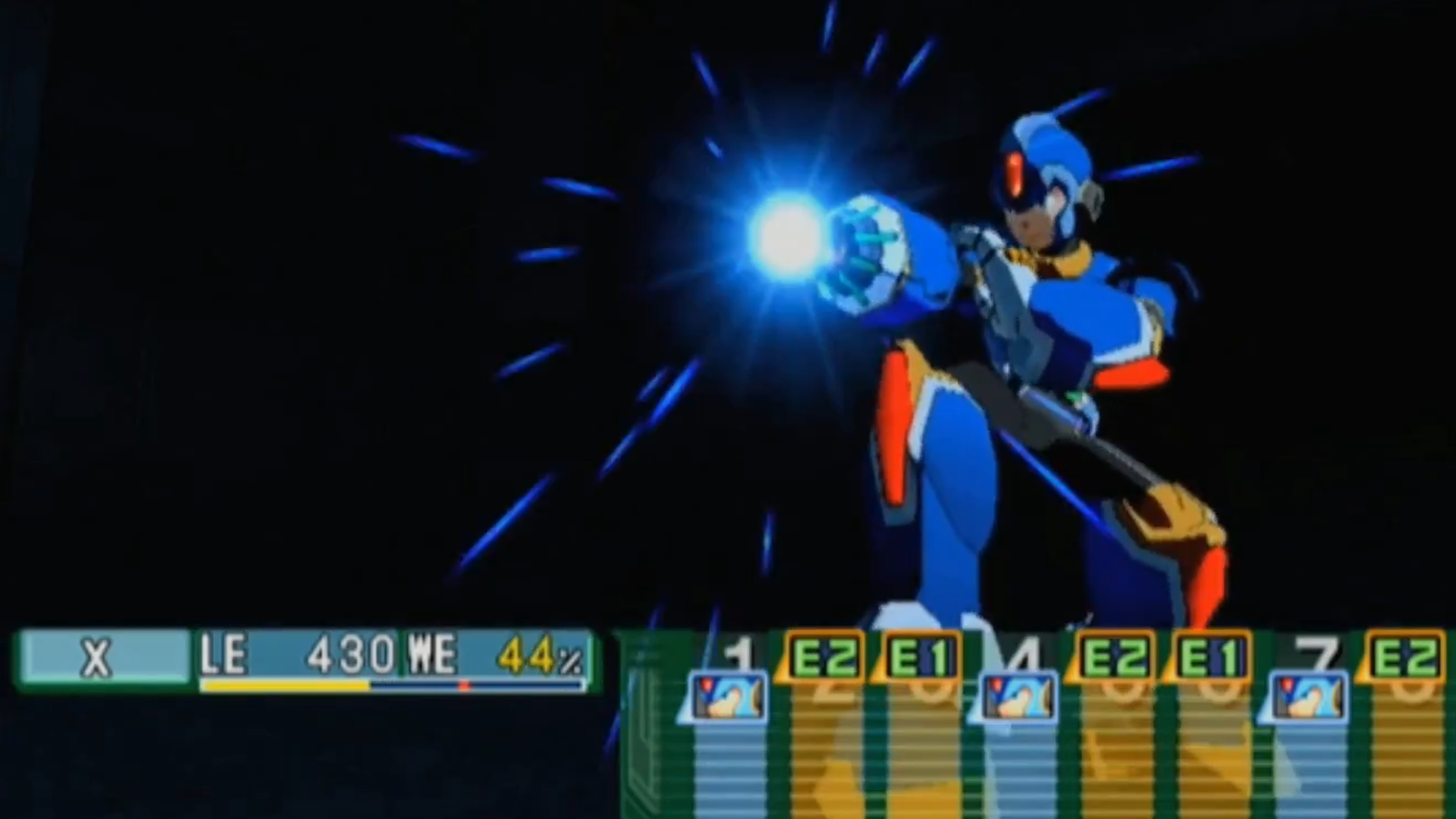
Most people think of the Battle Network series on Game Boy Advance when they consider Mega Man RPGs. But around the same time those games were released, another distinct Mega Man RPG appeared, focusing on the story of Mega Man X: Mega Man X: Command Mission.
Command Mission starts right in the middle of the action, with X, Zero, and a new character named Shadow sneaking into a ruined base filled with dangerous Mavericks. You’ll quickly be thrown into your first battle, learning the basic controls and discovering X’s habit of yelling while shooting. After exploring for a bit, you’ll fight the first boss alongside Zero, giving you a taste of what the rest of the game will be like.
Command Mission is unusual in how it tells its story and how the game works, which can be confusing for new or younger players – I know this from trying it myself. However, if you stick with it, you’ll likely understand what makes it enjoyable.
5. Final Fantasy Crystal Chronicles
Long as You’re Not Holding the Bucket
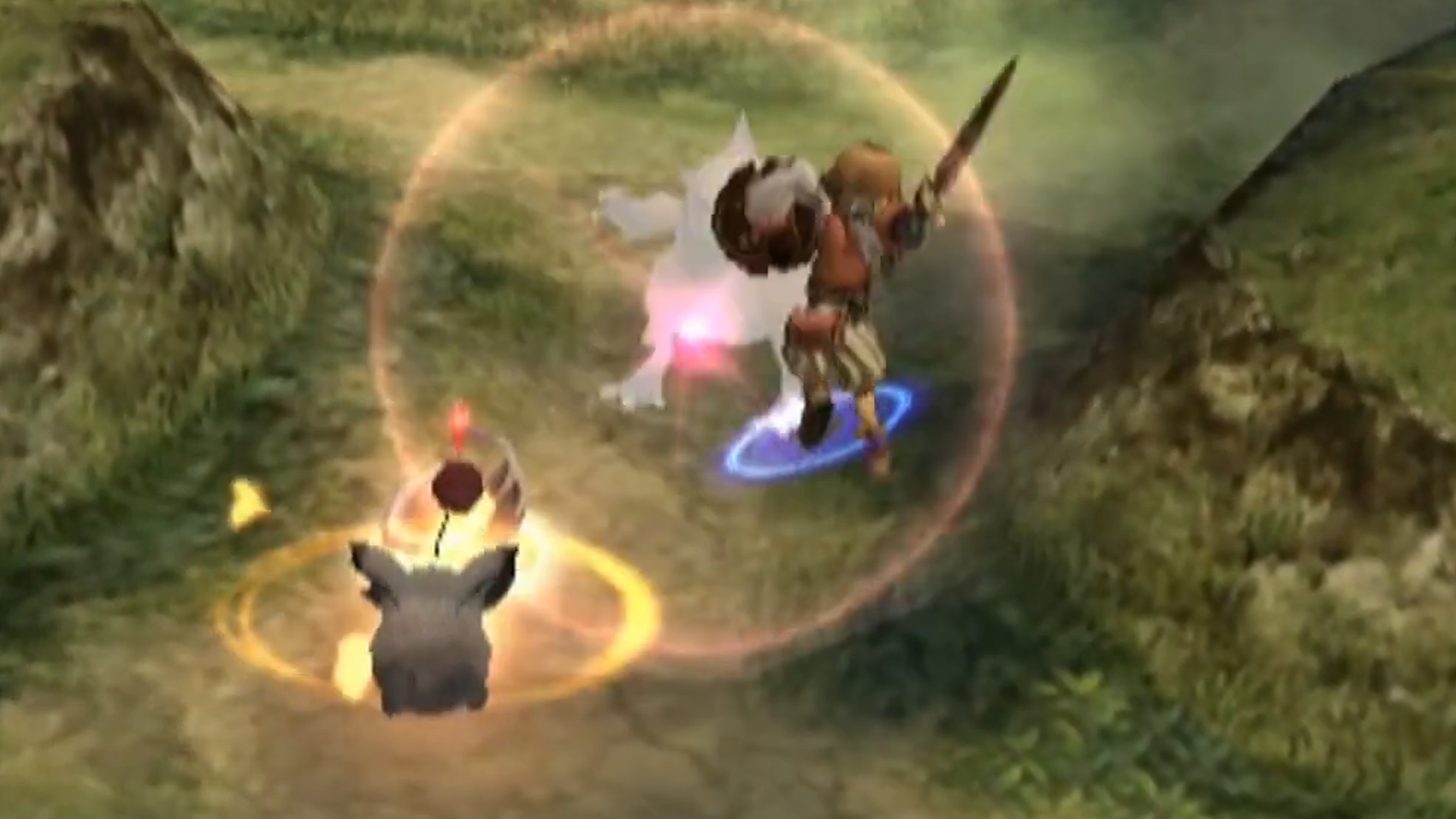
The GameCube didn’t see many Final Fantasy games compared to the PlayStation 2, which wasn’t surprising given the long-standing relationship between PlayStation and Square Enix. While the main Final Fantasy series never appeared on GameCube, it did receive some related spin-off titles, particularly the Final Fantasy Crystal Chronicles games.
Unlike the main Final Fantasy games, Crystal Chronicles focuses less on a detailed story and world. The basic plot involves a large world threatened by a spreading darkness, and you need to collect magical crystals to stop it. The game quickly moves past the setup, letting you create your character and join a traveling group called a Caravan. You’re then sent out to explore the wilderness with only a quick lesson on how to fight.
The best part of Crystal Chronicles is definitely playing with friends. Up to four players can connect using GBA link cables, and honestly, if you’ve got everyone together, you want to jump into the action quickly. A shorter story makes that possible, which was a good decision. Just be warned – someone’s going to get stuck carrying the barrier bucket, and it won’t be a fun job!
4. Fire Emblem: Path of Radiance
I Like Ike
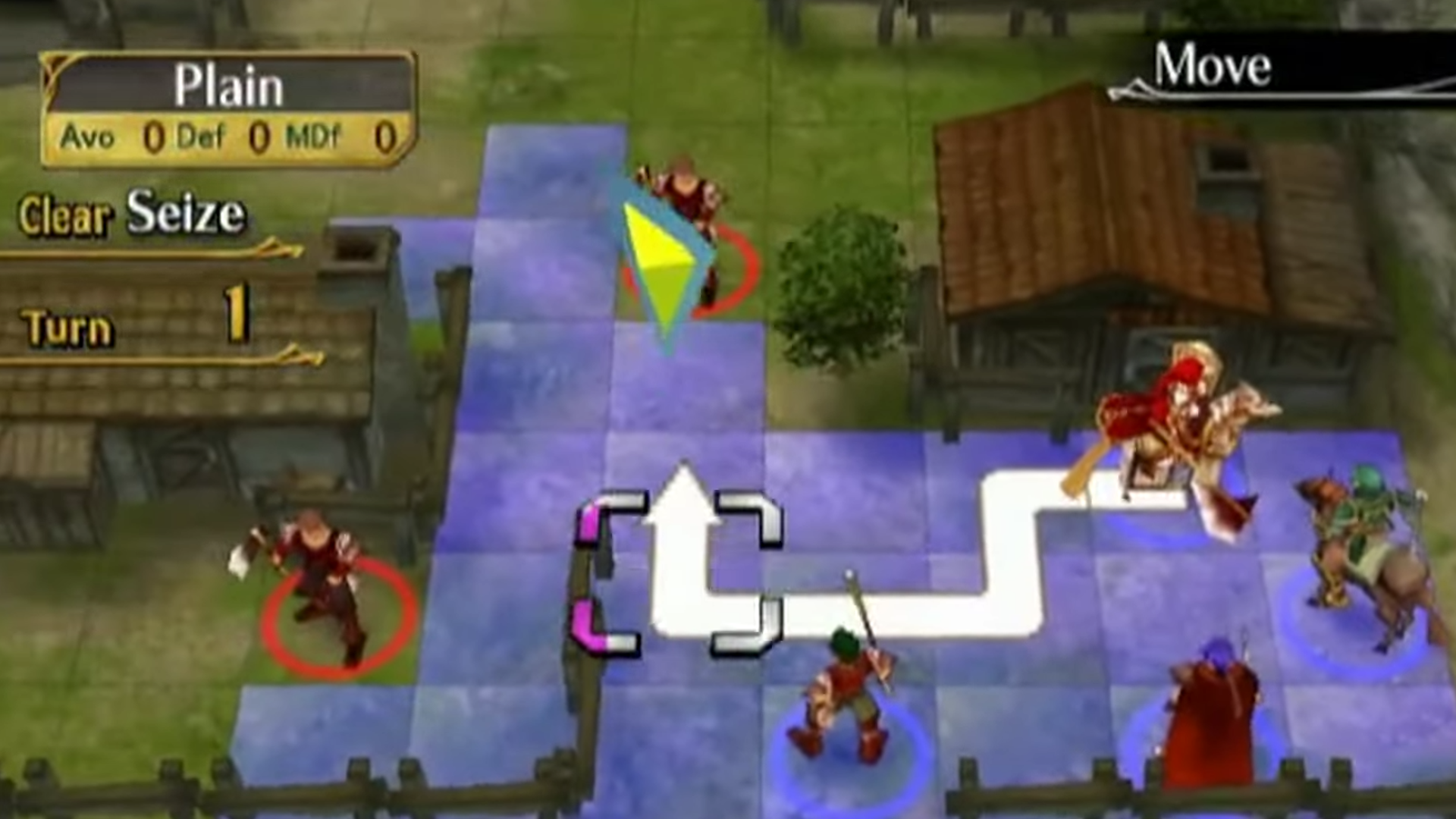
After the initial Fire Emblem game came to the West in 2003, the series gained a foothold with English-speaking players. This allowed subsequent games to be released in the same year worldwide, rather than with significant delays. Fire Emblem: Path of Radiance for the GameCube arrived in 2005 as a result of this improved release schedule.
Path of Radiance starts near the end of Ike’s training as a mercenary, quickly explaining how battles work, including weapon strengths and weaknesses. Then, it sends him on his first mission with Titania. Compared to more recent Fire Emblem games, Path of Radiance focuses heavily on action, with very little time spent on story scenes between battles.
Similar to the game before it on Game Boy Advance, Path of Radiance is a great starting point for those new to the series. And now that it’s available on Switch Online, you don’t need to spend a fortune on a physical GameCube copy to play it.
3. Pokémon Colosseum
Everything’s Better with Umbreon and Espeon
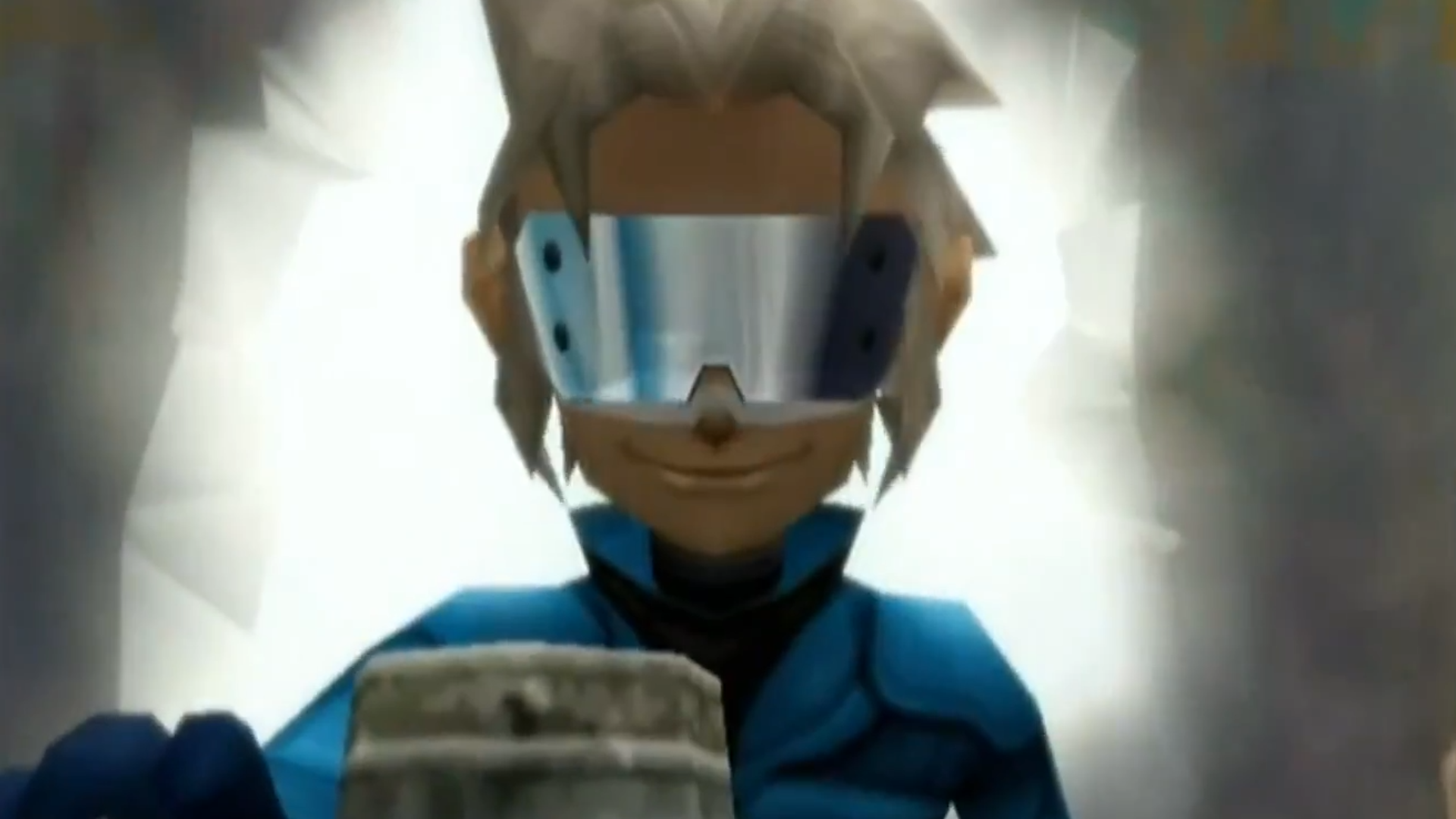
Most Pokémon games begin with a relaxed introduction to your hometown before you receive your first Pokémon. However, Pokémon Colosseum, the first big spin-off on the GameCube, starts with a much more dramatic and fast-paced event: destroying a terrorist base.
Subscribe to the newsletter for GameCube JRPG deep dives
Okay, so the game just throws you right into the action with Wes and his Umbreon! They’re breaking into Team Snagem’s hideout, grabbing this device called the Snag Machine, and then boom – the whole place goes up in flames as they speed off on this awesome futuristic bike. Seriously, what a way to start a game! And it doesn’t stop there – pretty quickly, you’re thrown into your first double battle against some chump with two Zigzagoons. It’s super satisfying to completely dominate him with Umbreon and Espeon, honestly.
Unlike most Pokémon games, you won’t encounter wild Pokémon while exploring. Instead, the focus is entirely on battling and ‘snagging’ Pokémon from other trainers, a system borrowed from the game Colosseum. This keeps the action moving and lets you jump right into challenging battles without being interrupted by random encounters like Rattata.
2. Paper Mario: The Thousand-Year Door
Welcome to the Worst Town on Earth
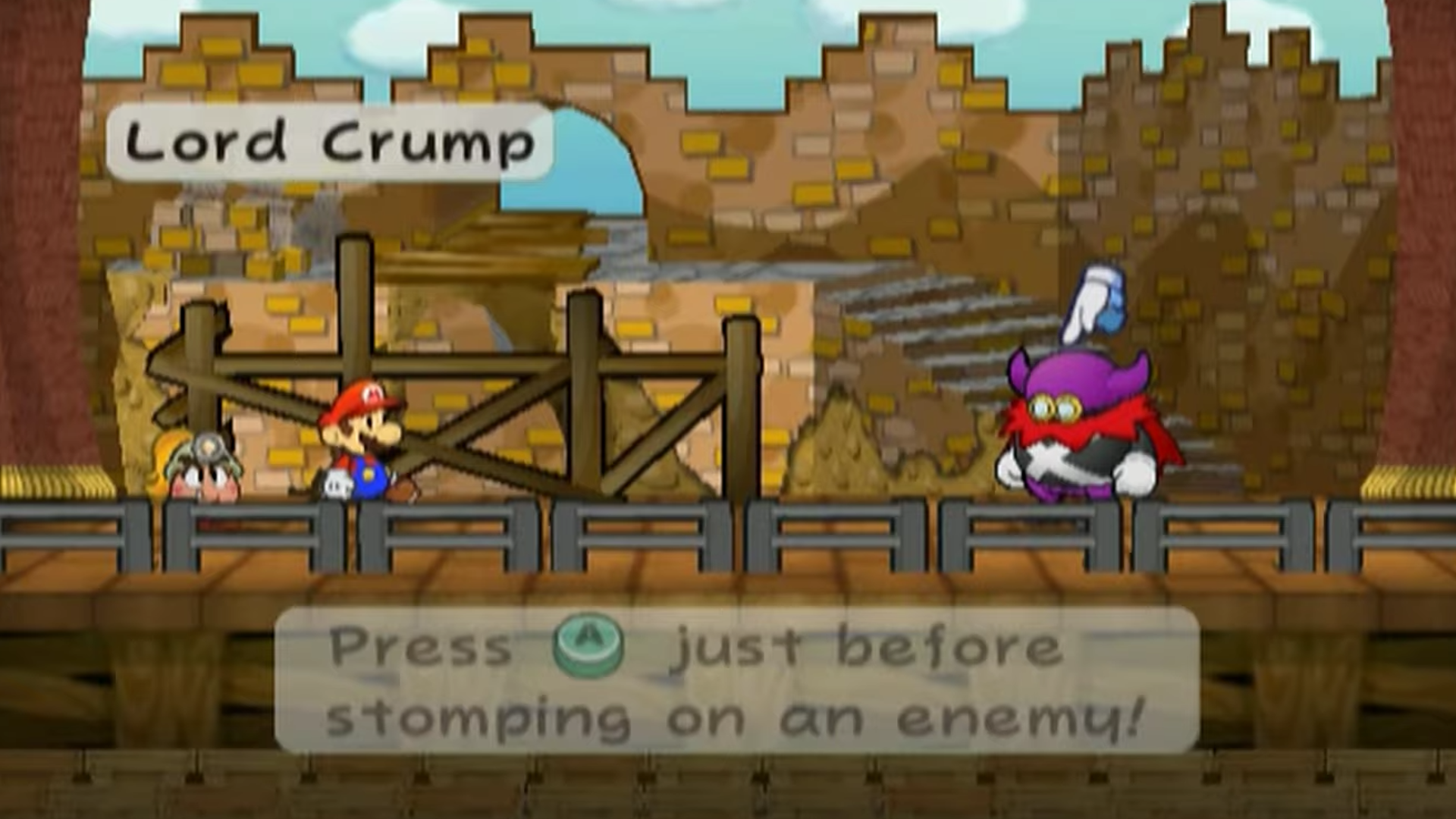
The GameCube didn’t have a lot of support from other companies, but Nintendo’s own games, including some truly exceptional titles, kept it going. Many fans still consider Paper Mario: The Thousand-Year Door to be one of the best, and it’s aged remarkably well – so well, in fact, that it recently received a complete remake for the Switch. However, many still prefer the original version.
Similar to other Mario RPGs, The Thousand-Year Door immediately draws you into the story and world. It starts with Peach opening a mysterious chest, leading Mario to the town of Rogueport. There, he meets Gombella, who’s being bothered by Lord Crump, kicking off your first battle and serving as a tutorial. The gameplay is very similar to the original Paper Mario, so anyone familiar with that game would have a good head start.
Beyond being enjoyable to play, Thousand-Year Door immediately establishes a unique and charming atmosphere. The town of Rogueport feels like a real hub for interesting and shady characters, and the unsettling detail of a hanging noose in the town square adds to its captivating and slightly strange appeal – it’s a place you’ll want to explore right away.
1. Tales of Symphonia
“Demon Fang! Demon Fang! Demon Fang!”
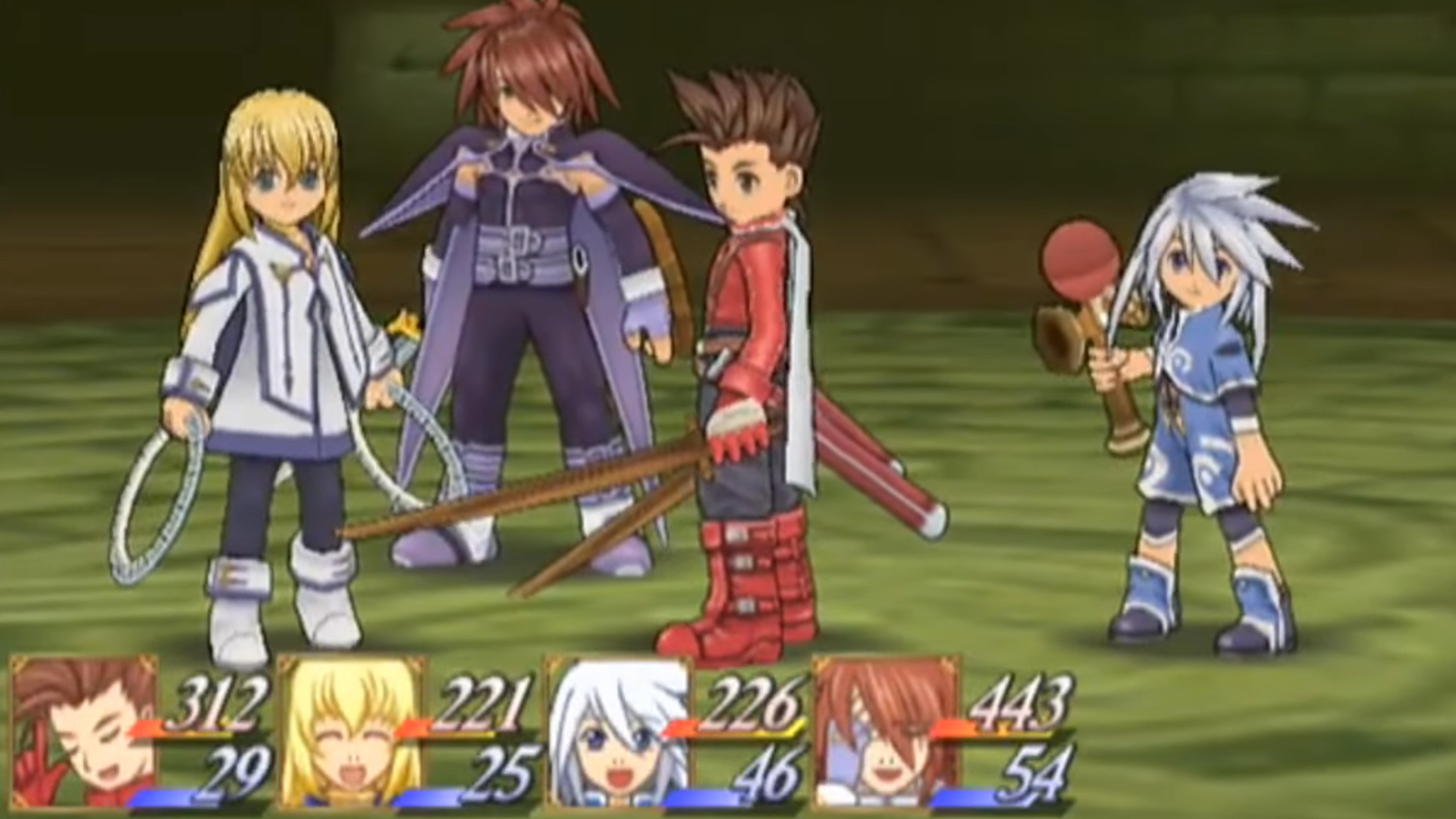
Tales of Symphonia is often considered the definitive JRPG on the GameCube. It’s a remarkably detailed game, and for many players, it was their first experience with the genre. Personally, it really captured my attention as a child – and that says a lot, considering my short attention span!
Tales of Symphonia begins in a smart way, introducing you to Lloyd and his friends at school. This sets up the world and explains Collette’s important role before sending them on their journey to a nearby temple. You’ll soon encounter your first monster – usually within the first 15 minutes – which will introduce you to the game’s fast-paced, combo-based battle system. If you’re familiar with traditional turn-based RPGs, this combat feels like a welcome change.
After entering the temple and meeting Kratos, you’ll quickly receive the Sorcerer’s Ring and learn how the game’s puzzles work. Within the first hour, Tales of Symphonia demonstrates everything it has to offer, and it’s all quite enjoyable.
Read More
- United Airlines can now kick passengers off flights and ban them for not using headphones
- Crimson Desert: Disconnected Truth Puzzle Guide
- All 9 Coalition Heroes In Invincible Season 4 & Their Powers
- Mewgenics vinyl limited editions now available to pre-order
- Grey’s Anatomy Season 23 Confirmed for 2026-2027 Broadcast Season
- Grok’s ‘Ask’ feature no longer free as X moves it behind paywall
- Viral Letterboxd keychain lets cinephiles show off their favorite movies on the go
- Assassin’s Creed Shadows will get upgraded PSSR support on PS5 Pro with Title Update 1.1.9 launching April 7
- All Golden Ball Locations in Yakuza Kiwami 3 & Dark Ties
- What happened to Tech Jacket in Invincible? Showrunner explains Season 4 change
2026-04-07 21:43