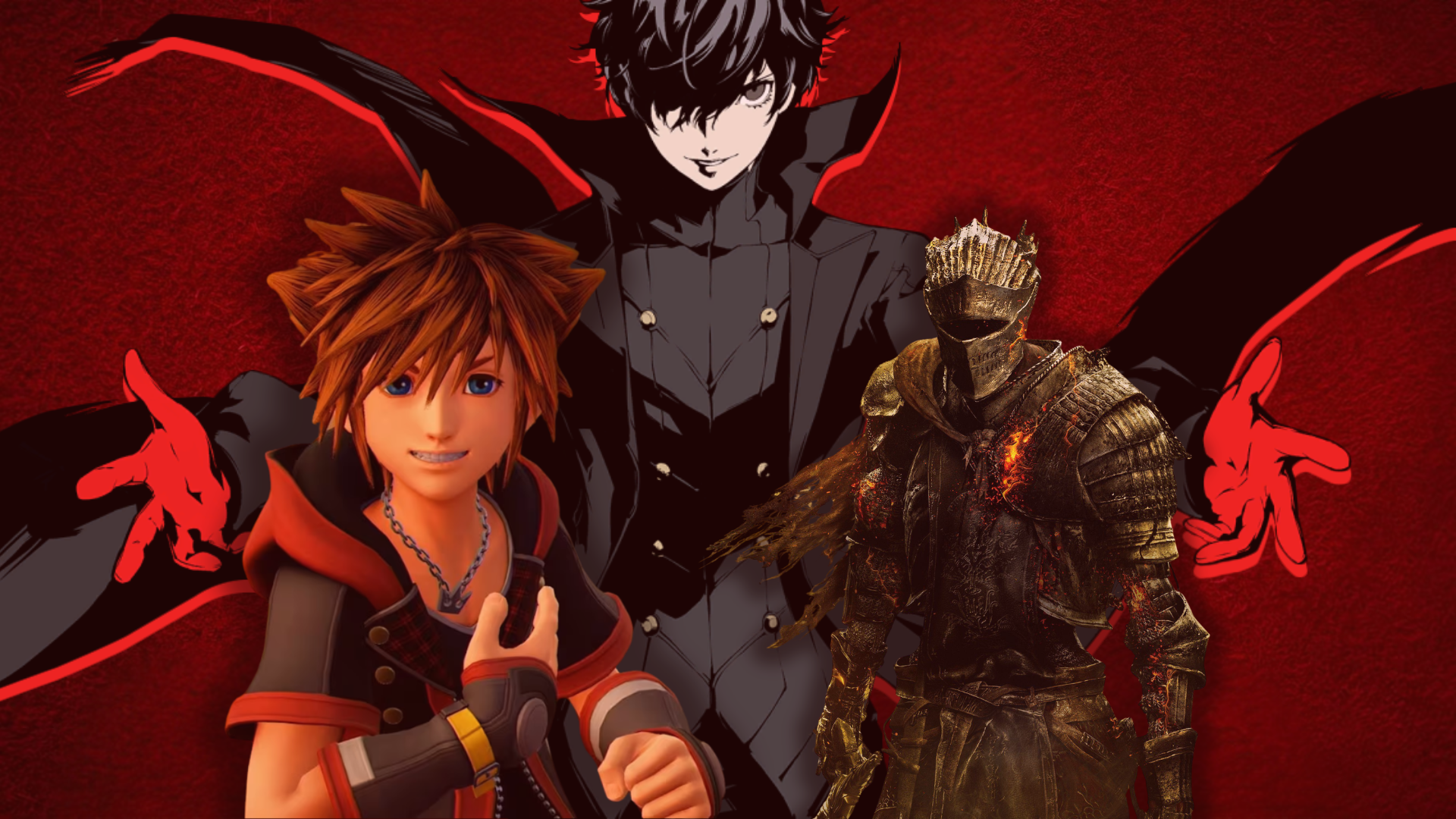
You can always tell when a sequel has a much bigger budget. It’s not just about how things look – it’s often the grander scope of action scenes, more detailed sound, or even completely new technology created for the game. Sometimes it goes further, like hiring famous actors or creating elaborate, real-world puzzles for fans to solve.
These ten sequels don’t bother to conceal their increased production costs, and it’s interesting to observe what different companies choose to focus on when they have more money to spend. Square Enix clearly favors CGI, while Bungie and Microsoft prioritize hiring well-known voice actors. But what about everything else that goes into making a game?
10. Halo 2
From Duct Tape to Keith David
YouTube via DraKulis
As a huge Halo fan, it’s wild to think that the original Halo: Combat Evolved was made on such a tight budget – less than $20 million! And I remember reading that they even had to reuse some map designs towards the end just to get everything to fit on the game disc. It really seemed like a bit of a rough-and-tumble development, but the team’s incredible talent – and a last-minute boost from Microsoft – pulled it through. The fact that it went on to sell over 5 million copies and basically prove that first-person shooters could be amazing on consoles is just legendary.
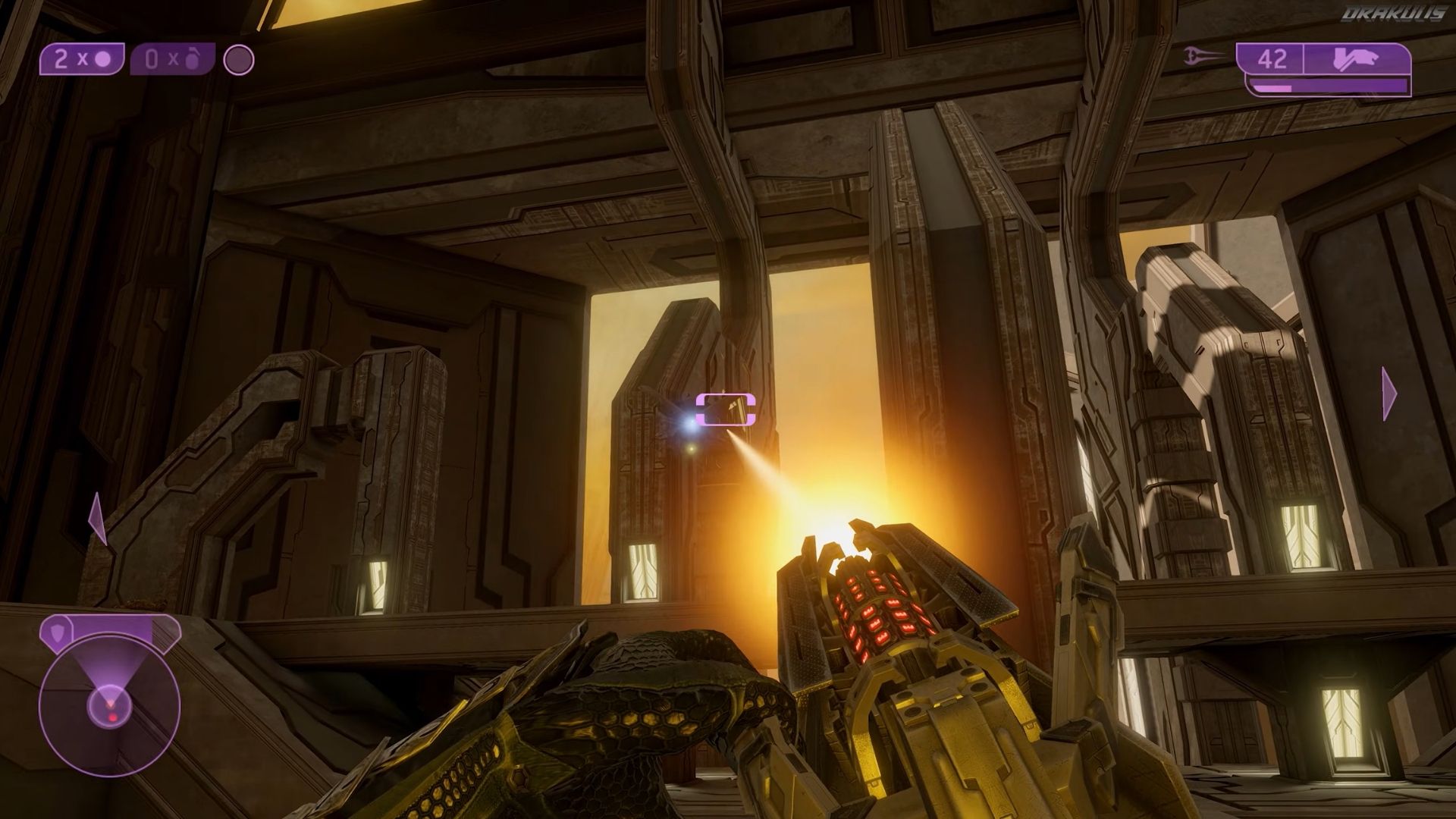
As a huge Halo fan, I still remember the buzz around Halo 2! It was a massive undertaking – they spent around $40 million just making the game, and then another $80 million getting the word out. What blew my mind was the “I Love Bees” campaign – they spent a million bucks on this incredible alternate reality game with real-world events leading up to the launch! Seriously, it’s still one of the most creative things I’ve ever seen in gaming. The game itself featured an amazing cast, including Ron Perlman, David Cross, and Keith David. And the launch? Unbelievable – it made $125 million in just one day! But it wasn’t just about the graphics or gameplay; going from Combat Evolved to Halo 2 felt like a huge leap forward for the entire Halo universe and its place in pop culture.
9. Dark Souls 3
The Growing Pains Finally Ironed Out
YouTube via Silent Run
There’s a certain raw, unpolished quality to Demon’s Souls and Dark Souls that actually adds to their appeal. Things like glitches, incomplete ideas, and strange design decisions weren’t necessarily flaws – they made the games feel like hidden worlds you stumbled upon, rather than carefully constructed experiences. Dark Souls 2 began to smooth things out and leaned more heavily into marketing its difficulty, which felt like a sign of outside interference from the publisher.
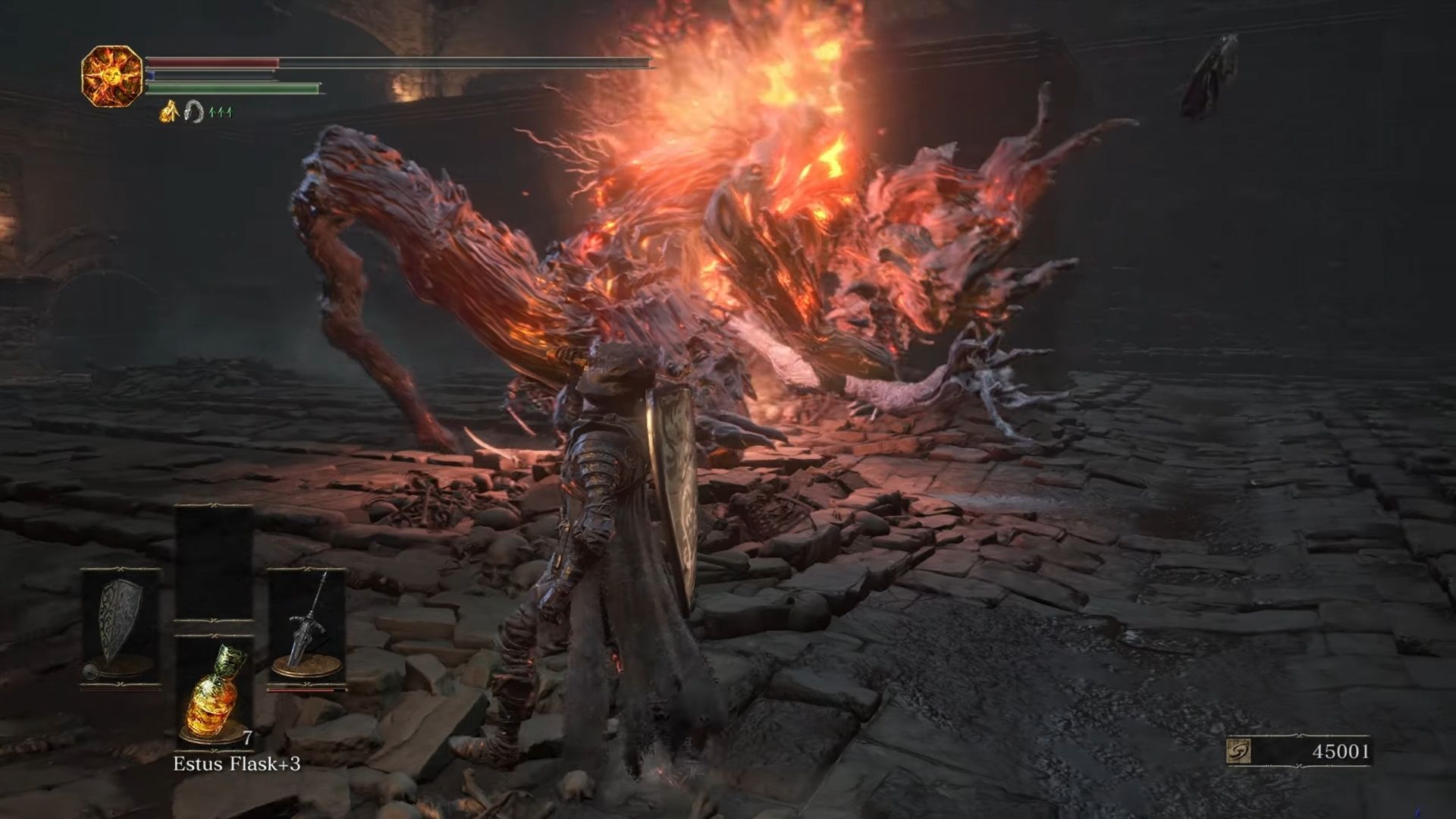
Later games like Dark Souls 3 and Bloodborne lost some of the rough, independent charm of the earlier titles. You can really see this when comparing the first boss in Dark Souls 1, the Asylum Demon, to a similar boss in Dark Souls 3 – the visual quality and overall effort are dramatically different. While the increased budget was generally positive, allowing FromSoftware to stay true to their core design principles, the games simply look much more polished and expensive now.
8. Monster Hunter Stories 3
The Spin-Off That Started Demanding to Be Taken Seriously
YouTube via Gamer’s Little Playground
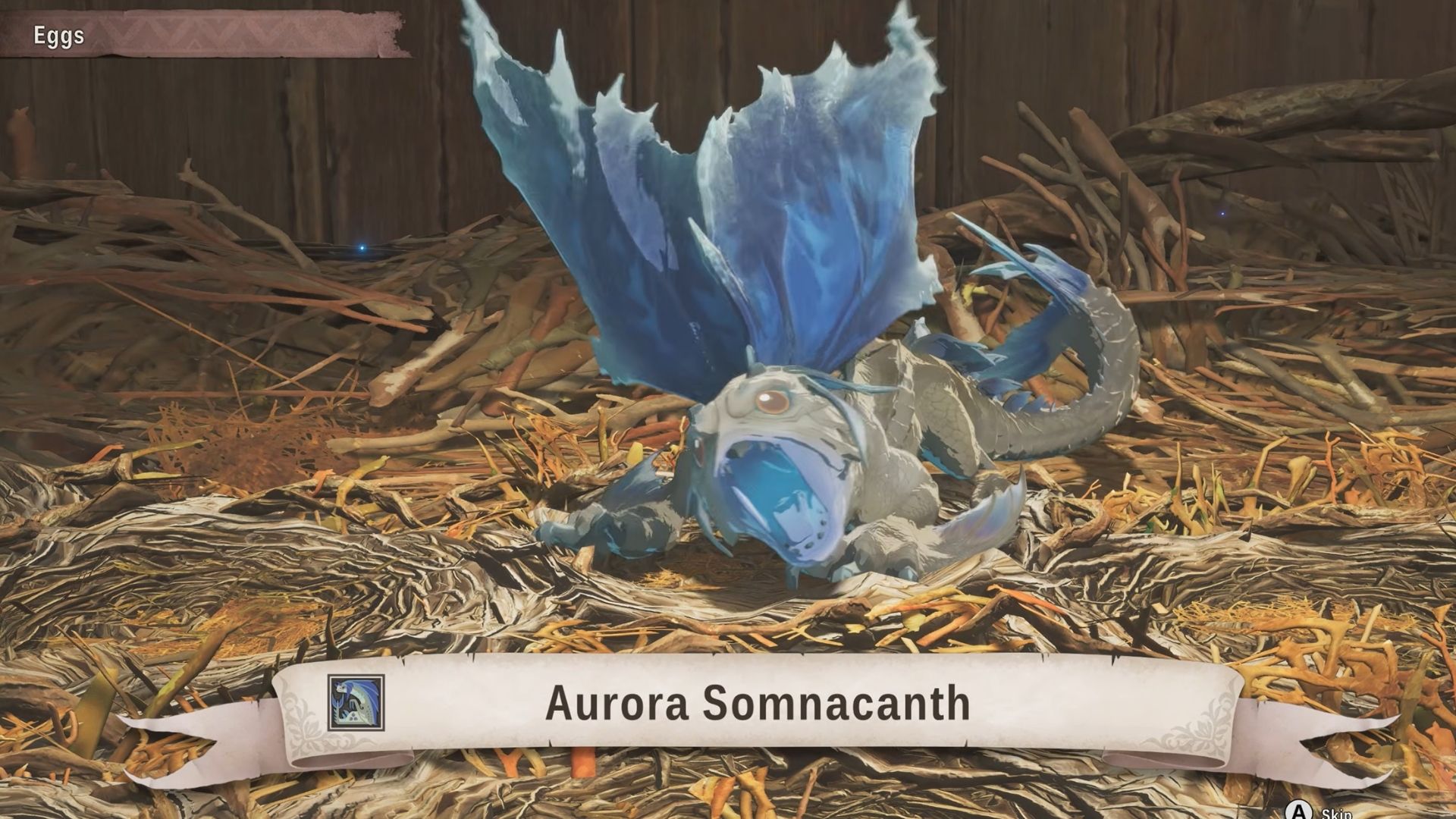
Monster Hunter Stories originally felt like a lighter, less ambitious take on the core Monster Hunter games, but with the third installment, it’s really come into its own. The biggest changes are that the main character now has a voice, and the attacks you do with your Monsties are much more detailed and visually stunning. It looks fantastic – so good, in fact, that it’s surprising this level of polish was given to what started as a spin-off title.
Capcom hasn’t revealed how much money they’ve invested in the Stories games, but the main Monster Hunter series is a huge undertaking – the movie adaptation cost $60 million. The increasing success of the series, starting with the first game and continuing through the third, speaks for itself. Stories began as a smaller project, but has consistently proven its potential and earned more investment. The latest installment, the third game, is the most compelling evidence of its success yet.
7. Final Fantasy VI
Watch the Opening Cutscenes in Order
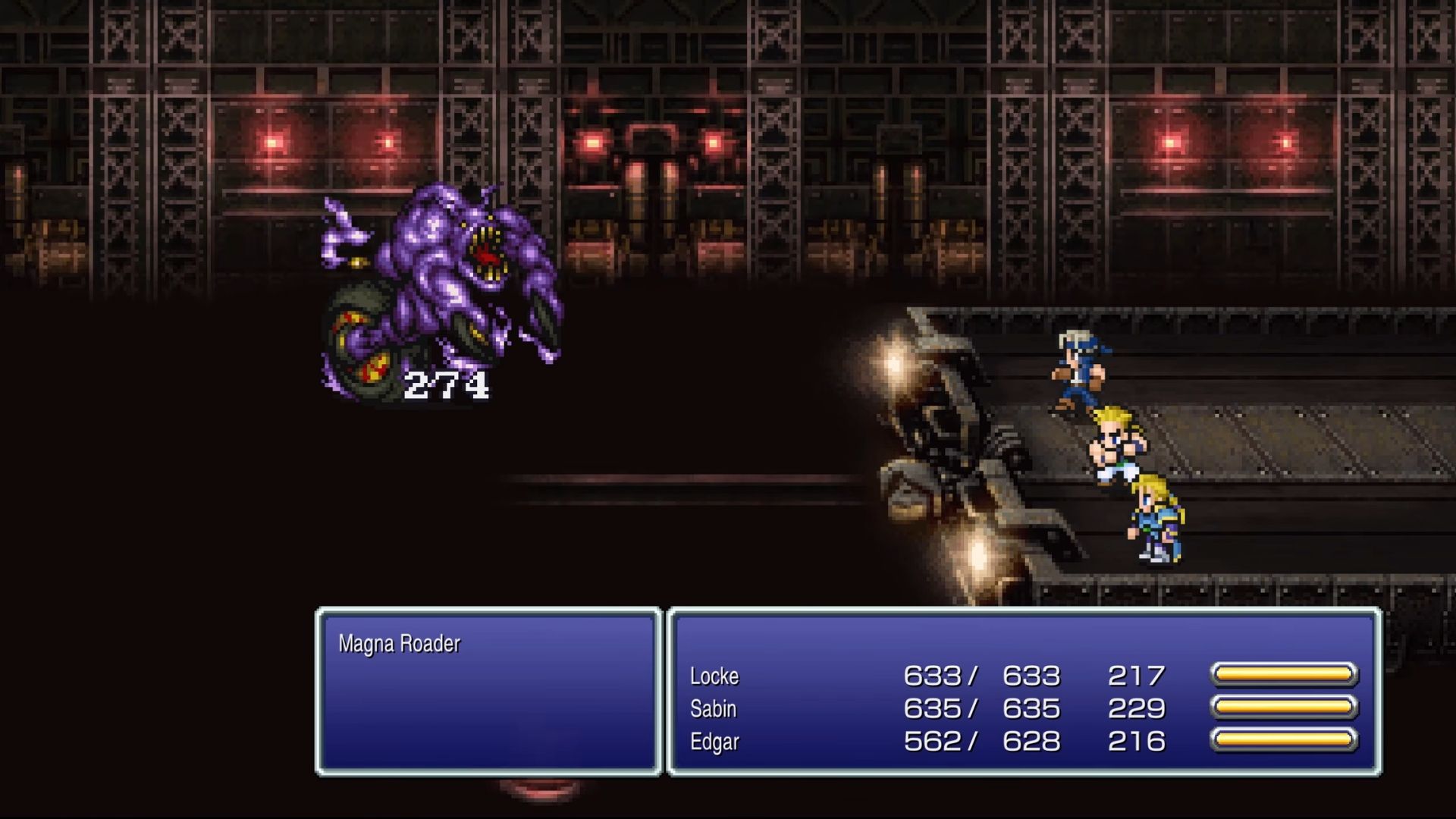
YouTube via SvalPlay
The opening cutscenes in Final Fantasy IV, V, and VI each tried to outdo the last. By the time Final Fantasy VI came around, it was clear Square was really testing the limits of the Super Nintendo, both technically and creatively, aiming to deliver something truly spectacular. Each game felt like a demonstration of what the team could achieve with their growing resources and skills.
I’ve been playing Final Fantasy XIV for a long time, and it’s been amazing to see how much it’s improved. The voice acting really leveled up with Heavensward, and the fights in Stormblood started to feel really epic. Then Shadowbringers came along and just blew my mind with its story and music – seriously, it took some huge risks that totally paid off. Now, with the Dawntrail stuff, they’re even adding little reactions from my character during big cutscenes, which is a cool touch. Square Enix has always clearly invested a lot in making the game look fantastic, and that’s usually a good thing. But sometimes it feels like they’re focusing more on making a movie than a game, and that’s a bit worrying. They almost went under doing that once before, so I hope they remember what made the game great in the first place.
6. Kingdom Hearts 3
You Can Smell the Budget
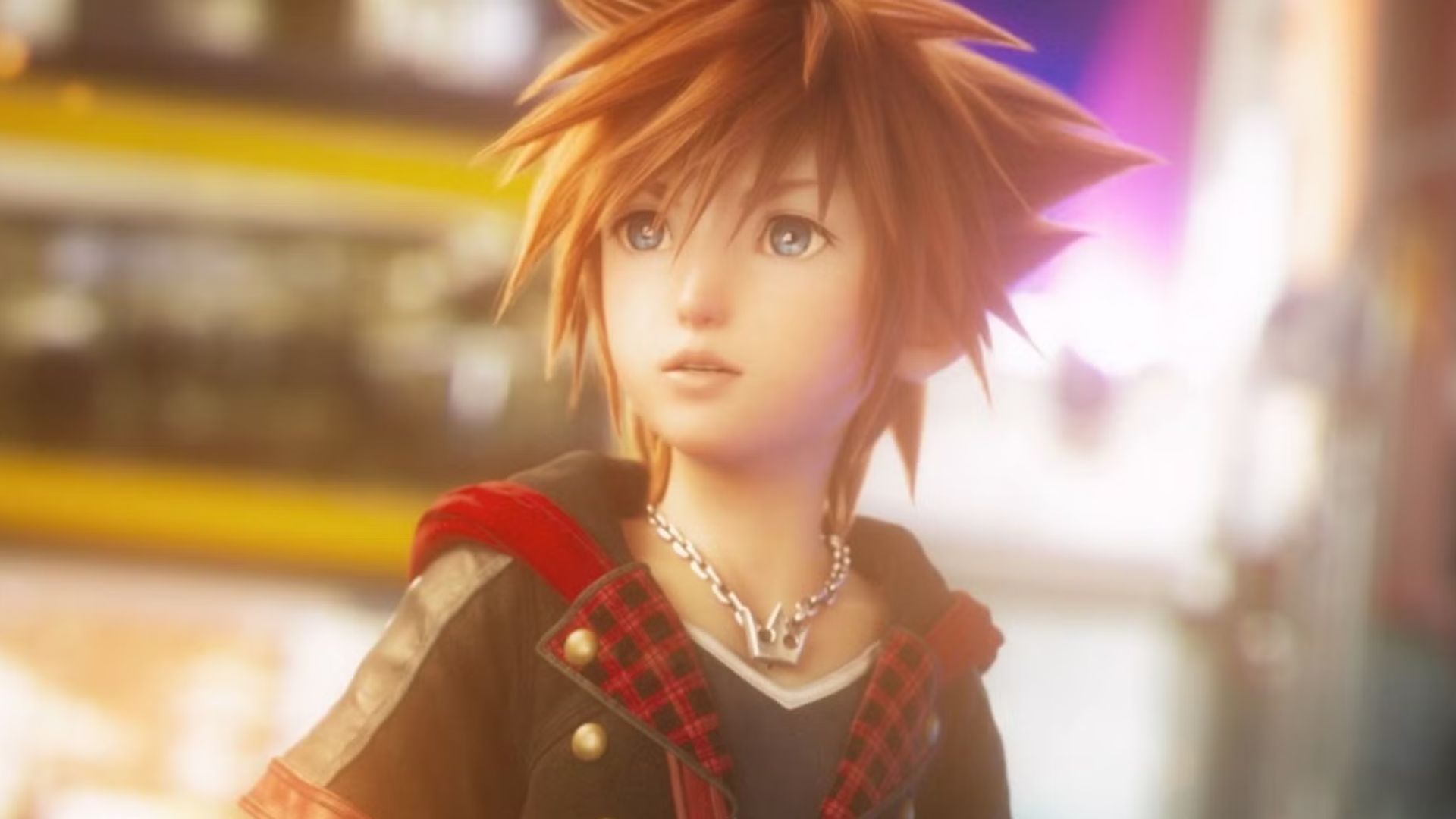
Okay, so Kingdom Hearts 3 really wants to show off what they’ve achieved! It’s full of amazing things like epic aerial battles, climbing huge mountains, and water effects that are just unbelievably realistic. Honestly, a lot of the coolest moments feel like they’re just there to demonstrate how powerful the new hardware is and what the developers can do now – and it’s breathtaking!
Some of the game’s development costs were due to a major change in its engine midway through production – switching from a system built in-house to Unreal Engine 4 set the project back about a year. Additionally, creating worlds based on Toy Story, Monsters, Inc., and Frozen required close collaboration and consultation with animators at Pixar.
It took about five years to develop the game, which went on to become the franchise’s best-seller with over 6.7 million copies sold. However, Square Enix didn’t make as much profit as they’d hoped. The detailed environments and character crossovers, like seeing Sora team up with Woody and Buzz in a world resembling the movie, are a clear indication of where the development budget was spent.
5. Sonic Unleashed
The Last Time Sega Really Bet on Sonic
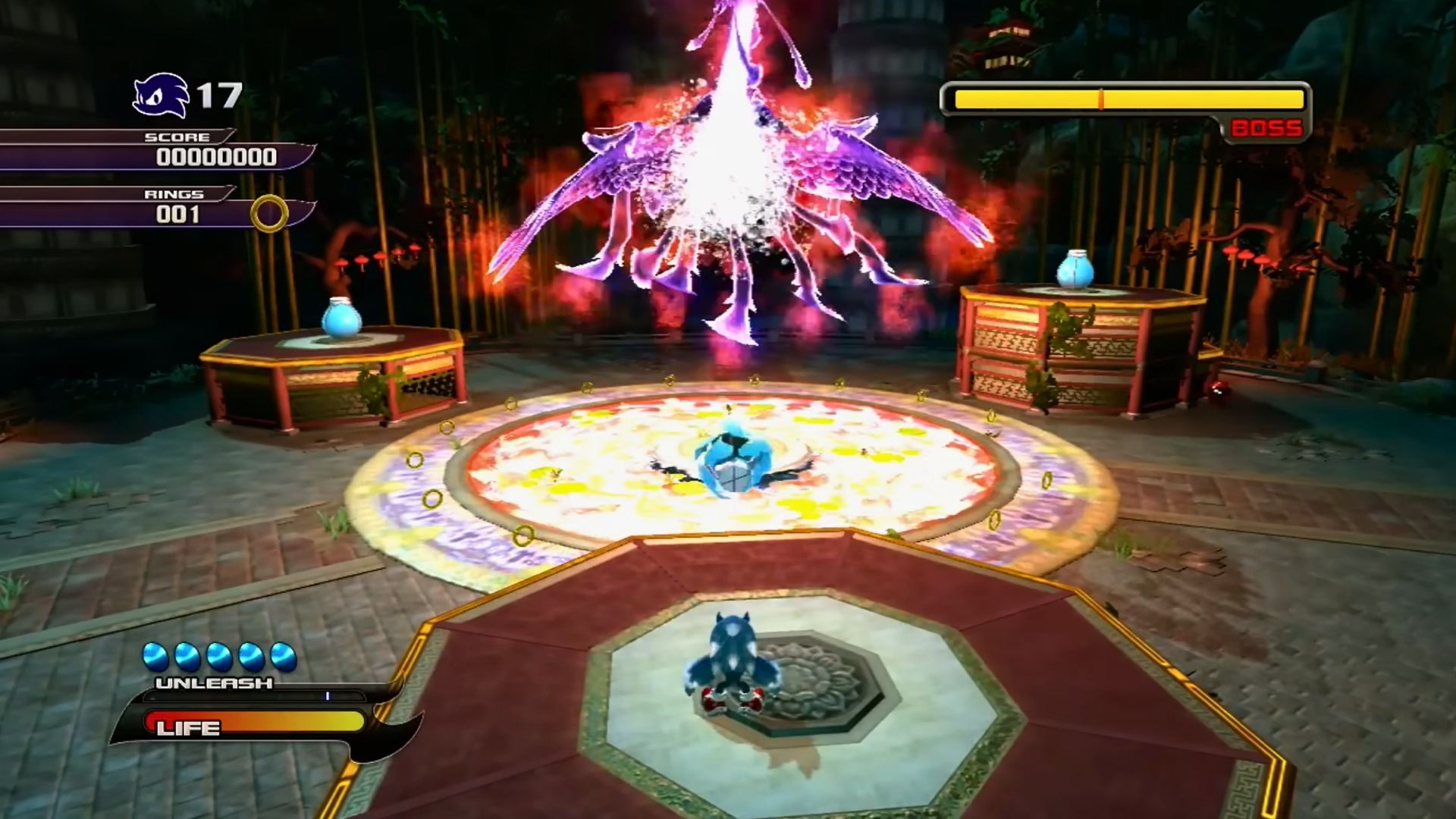
YouTube via Sonic Destiny
Developing Sonic Unleashed cost somewhere between $20 and $27 million, which showed Sega was serious about making a high-quality game. They even created a brand-new game engine, called the Hedgehog Engine, just for it. Reportedly, each daytime level cost at least $1 million to produce. The game’s cutscenes were created by Marza Animation Planet, and a live orchestra performed the music for the soundtrack.
The game successfully captured a clear idea of what made Sonic great: incredible speed, straightforward levels, and gameplay that relied on quick reflexes. The fast-paced action was emphasized with a dynamic camera and sound design. Visually, it remains a high point for the series, and it was a commercial success, selling over 2.45 million copies. Many fans consider it the last major Sonic game made with a large budget. While Frontiers tried to be ambitious, it lacked the same focused energy and quality, and that difference was immediately noticeable.
4. Diablo 4
Every Dollar Is on the Screen
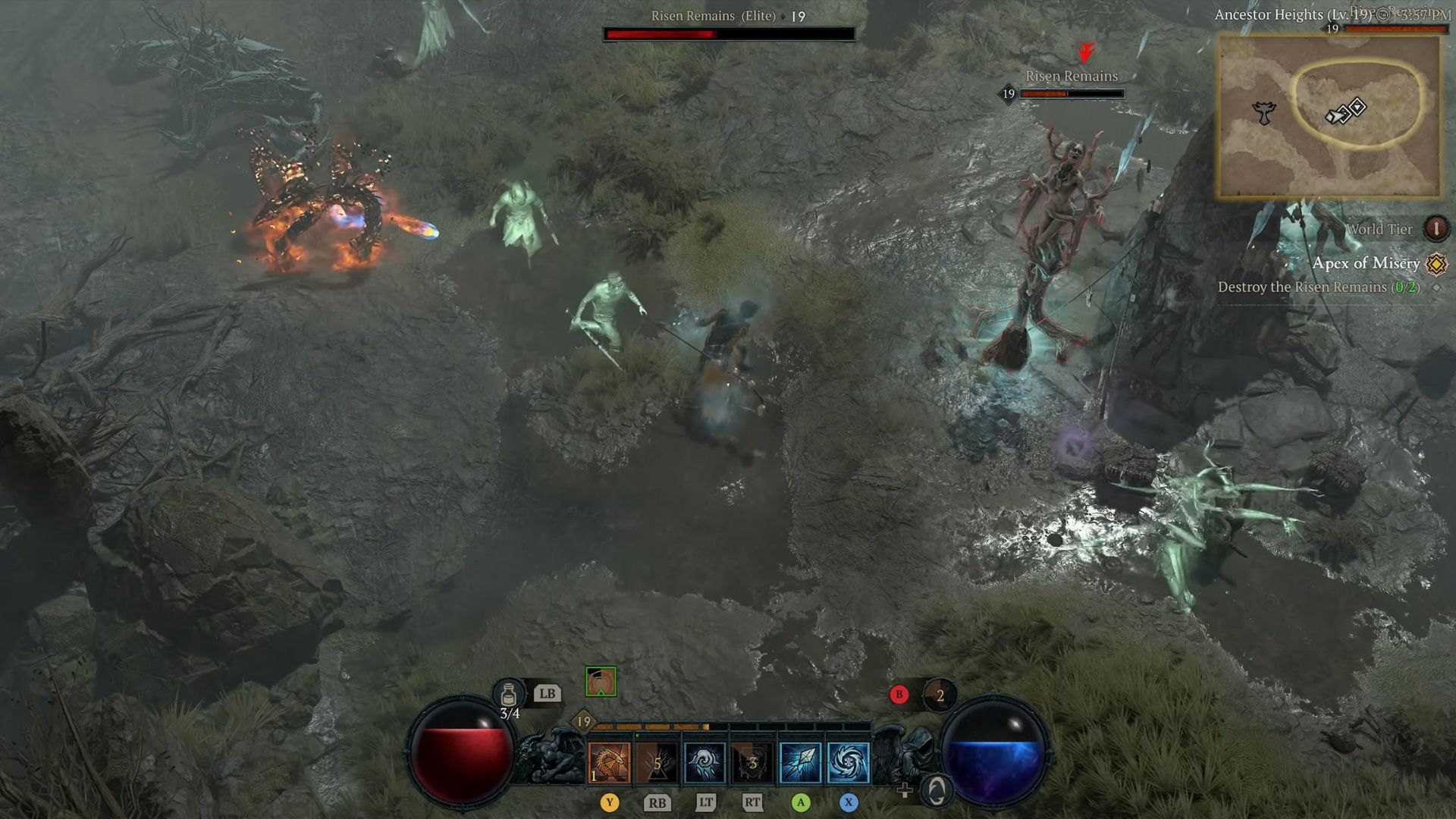
YouTube via MKIceAndFire
Diablo 2 was a groundbreaking game created with the technology and funding available at the time. Diablo 3 was made with a more typical budget, resulting in maps divided into acts, a brighter visual style, and pre-recorded video scenes. Diablo 4, however, had a combined development and marketing cost of over $100 million, allowing for a huge, interconnected open world, realistic lighting effects, and fully animated cutscenes.
As a long-time Diablo fan, I can definitely say the leap from Diablo 3 to 4 is HUGE in terms of how much money clearly went into making it. You can see it in almost every single detail! Whether it’s a better game than the last one is up for debate, but there’s no question they invested a lot, and it really shows. It’s a noticeably more polished and visually impressive experience.
3. Resident Evil 2
More Than a Million Dollars and a Complete Restart
YouTube via LongplayArchive
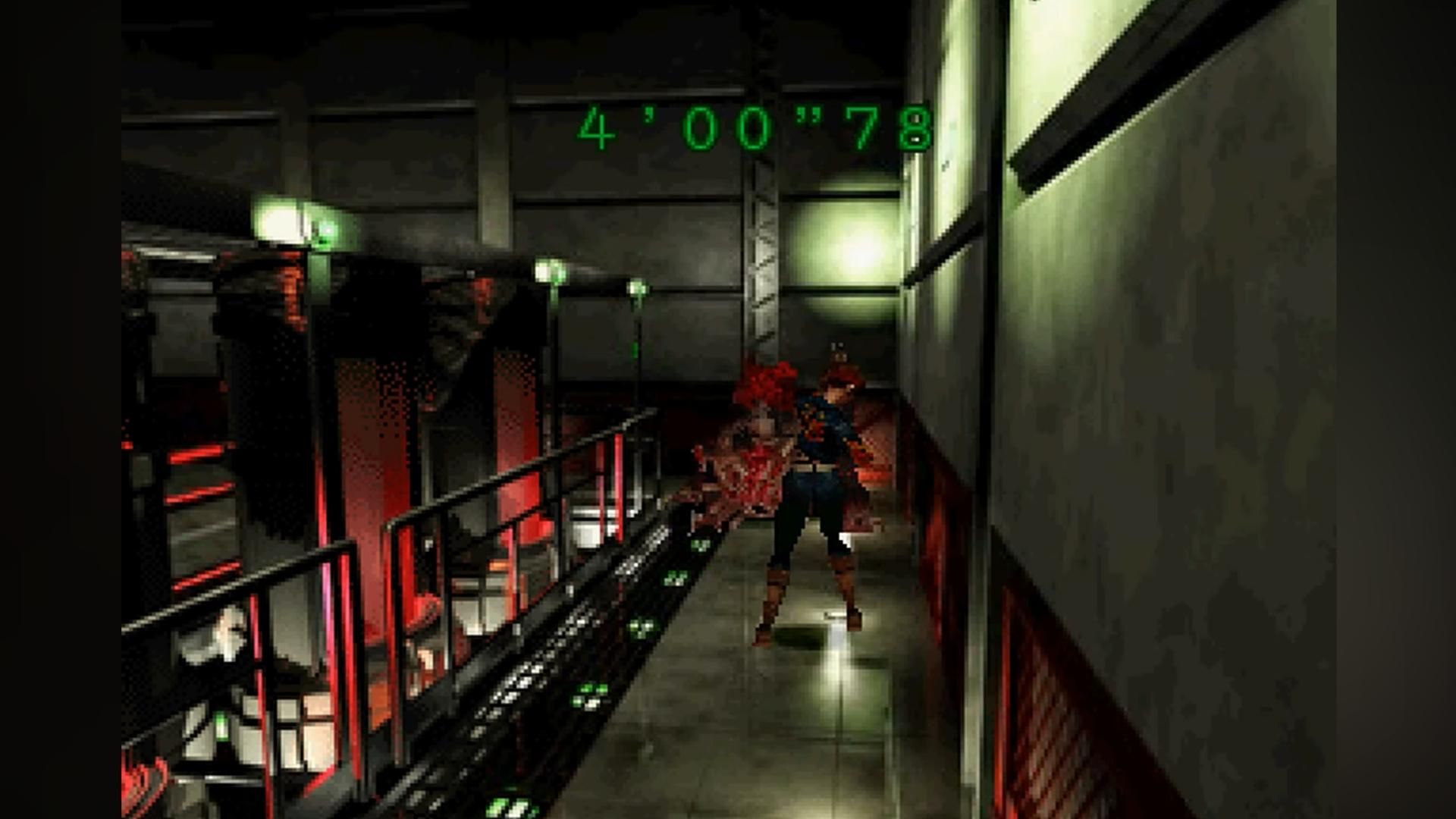
The first Resident Evil was created by a team of about 60 people. Its sequel, Resident Evil 2, cost over $1 million to make and was supported by a $5 million marketing campaign. The development of Resident Evil 2 wasn’t smooth; Capcom actually threw away an almost-finished version of the game, known as RE 1.5, because it didn’t meet their quality expectations. The team then had to start the entire game over from the beginning.
The result was a truly exceptional survival horror game. Playing the core Resident Evil games as they were originally released – from RE1 to the 2002 remake – showcases an incredible leap in both technology and artistic design within just six years. Resident Evil 2 perfectly demonstrates how extra effort and a team hitting its stride can dramatically improve the final quality of a game.
2. Call of Duty: Black Ops 7
When the Budget Goes Up and the Results Don’t Follow
YouTube via UnitedG
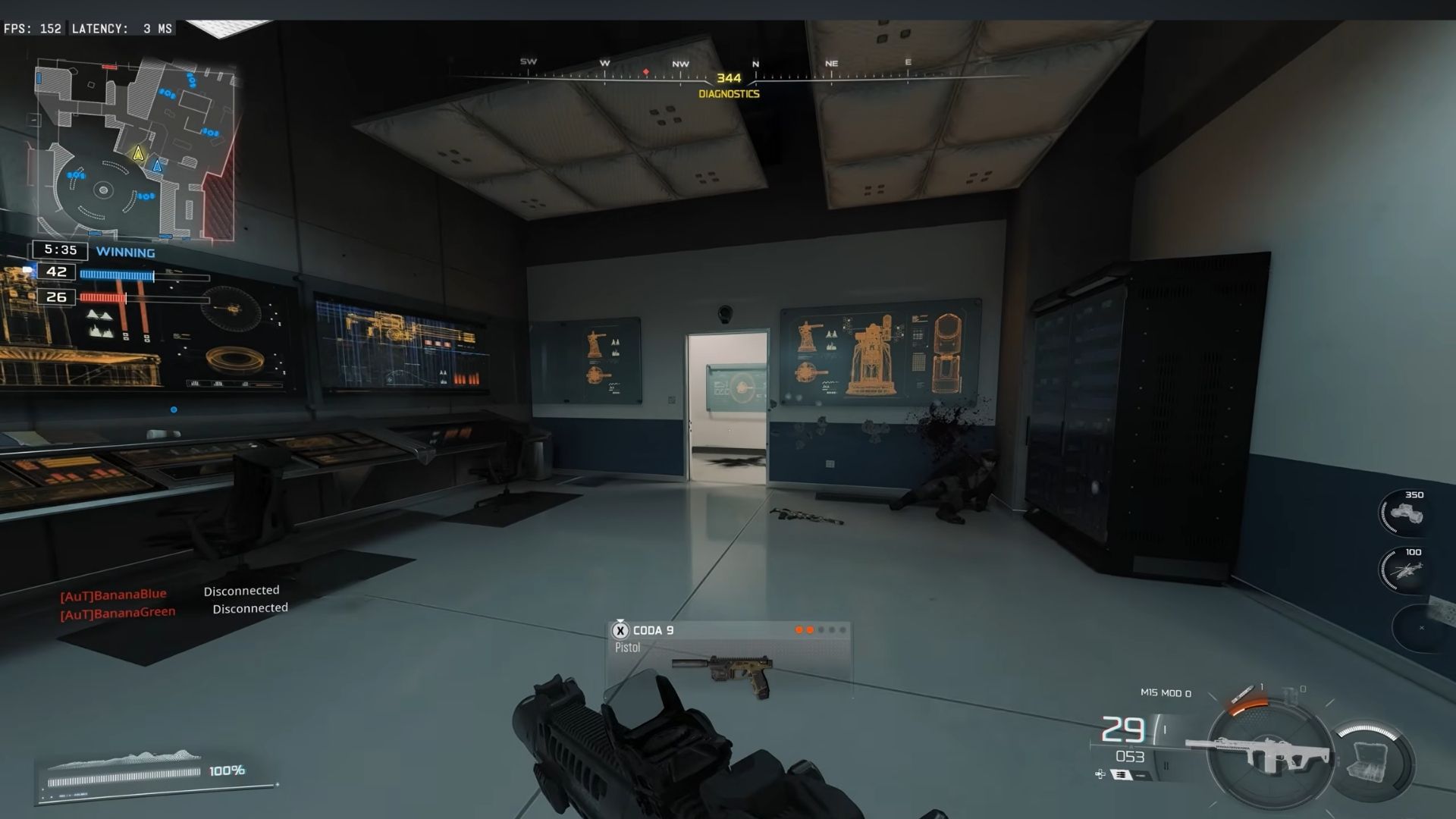
The latest Black Ops game reportedly cost around $1 billion to make, involving over 8,000 developers – a significant increase of about 68% compared to earlier games in the series. Despite this large investment, it experienced the lowest US sales numbers in years, leading to cuts in the planned post-launch content budget.
Looking at how Call of Duty: Black Ops maps have evolved is telling. The original ‘Kino der Toten’ had a simple setup: four characters who didn’t interact, a few perks to unlock, and a way to upgrade weapons. But in the newer ‘Totenreich,’ you have eight characters with detailed conversations tied to each location, a lengthy two-hour quest with unique challenges and a boss, plus ten optional side missions – and some of those are only available if you play as a specific character, all on a single map. The amount of content added each year is significant, and the developers clearly have a large budget. However, the latest results haven’t quite lived up to that investment.
1. Persona 5
Every System, Rebuilt
YouTube via The Game Archivist
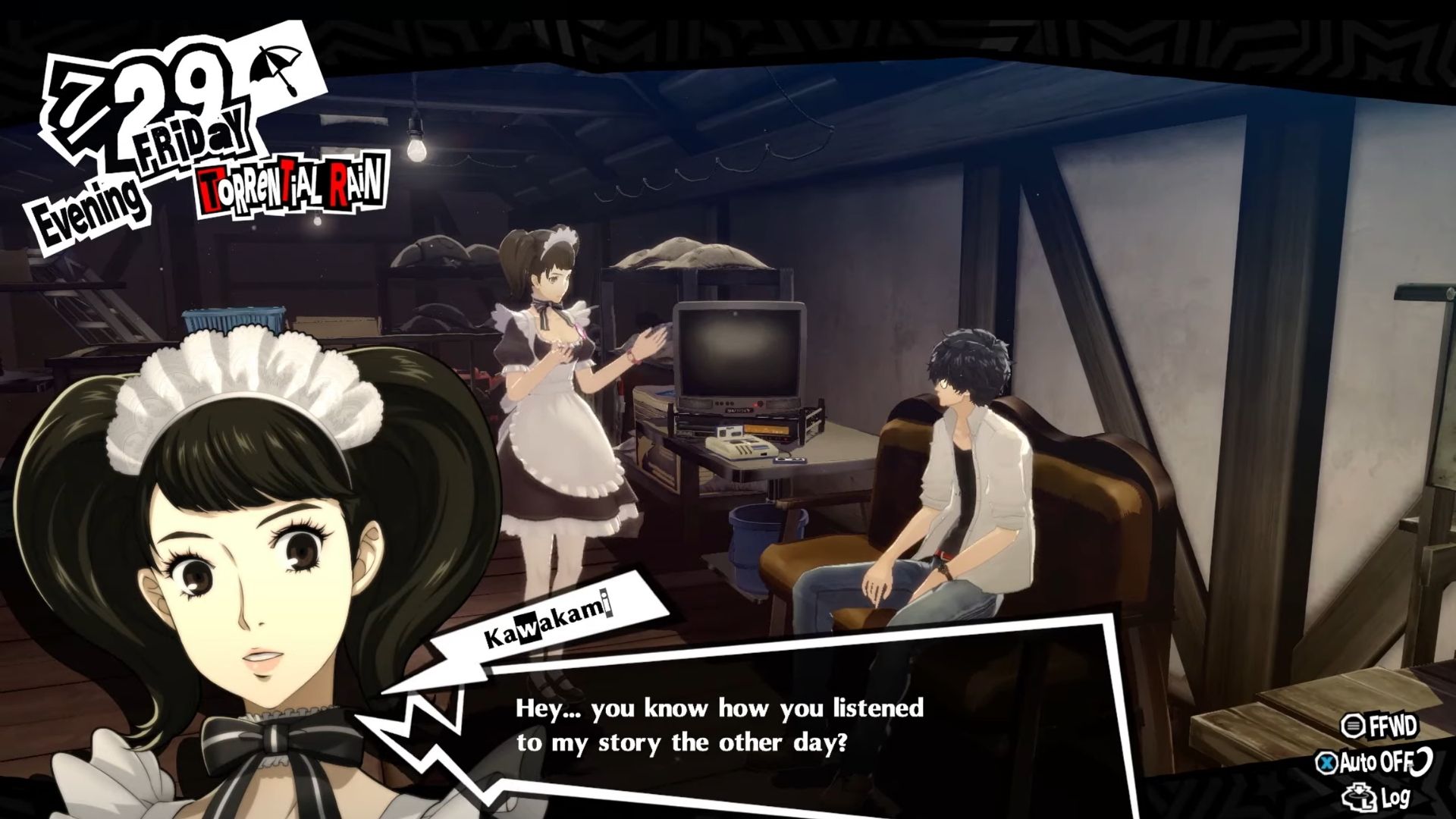
Unlike Persona 4’s randomly created dungeons, Persona 5 features carefully designed areas called Palaces, each reflecting the personality of its boss and filled with clever puzzles and traps. The game also boasts a remarkably stylish user interface. Gameplay has been improved with refined stealth, a useful grappling hook, safe havens within dungeons, the Baton Pass system for seamless combat, gun attacks, and the return of classic demon negotiation. Each aspect of the game feels like a significant upgrade over previous entries.
The Confidant system now offers powerful, gameplay-altering benefits when you max out relationships, going beyond simple fusion upgrades. The game is set in Tokyo instead of a small town, and the Velvet Room has been completely overhauled. Persona 5 feels like a massive improvement in every aspect, demonstrating that ATLUS finally had the means to create the Persona game they’d always envisioned. This dedication to improvement is noticeable throughout the entire experience.
Read More
- Netflix’s Little House On The Prairie Reboot: Release Date, Cast & Everything We Know
- Off Campus Season 1 Soundtrack Guide
- YouTuber arrested after viral AI bodycam videos spark real police complaints
- Silver Rate Forecast
- Prime Video’s New R-Rated Spy Thriller Is Officially No.1 On Streaming Despite Poor Reviews
- Brent Oil Forecast
- Gold Rate Forecast
- EUR ZAR PREDICTION
- Peaky Blinders: The Immortal Man’s Tommy Shelby Is a Better Father Than Michael Corleone
- Bulgakov’s Take: Koreans Bet the Farm on Chips, Crypto, and Chaos
2026-05-23 16:41