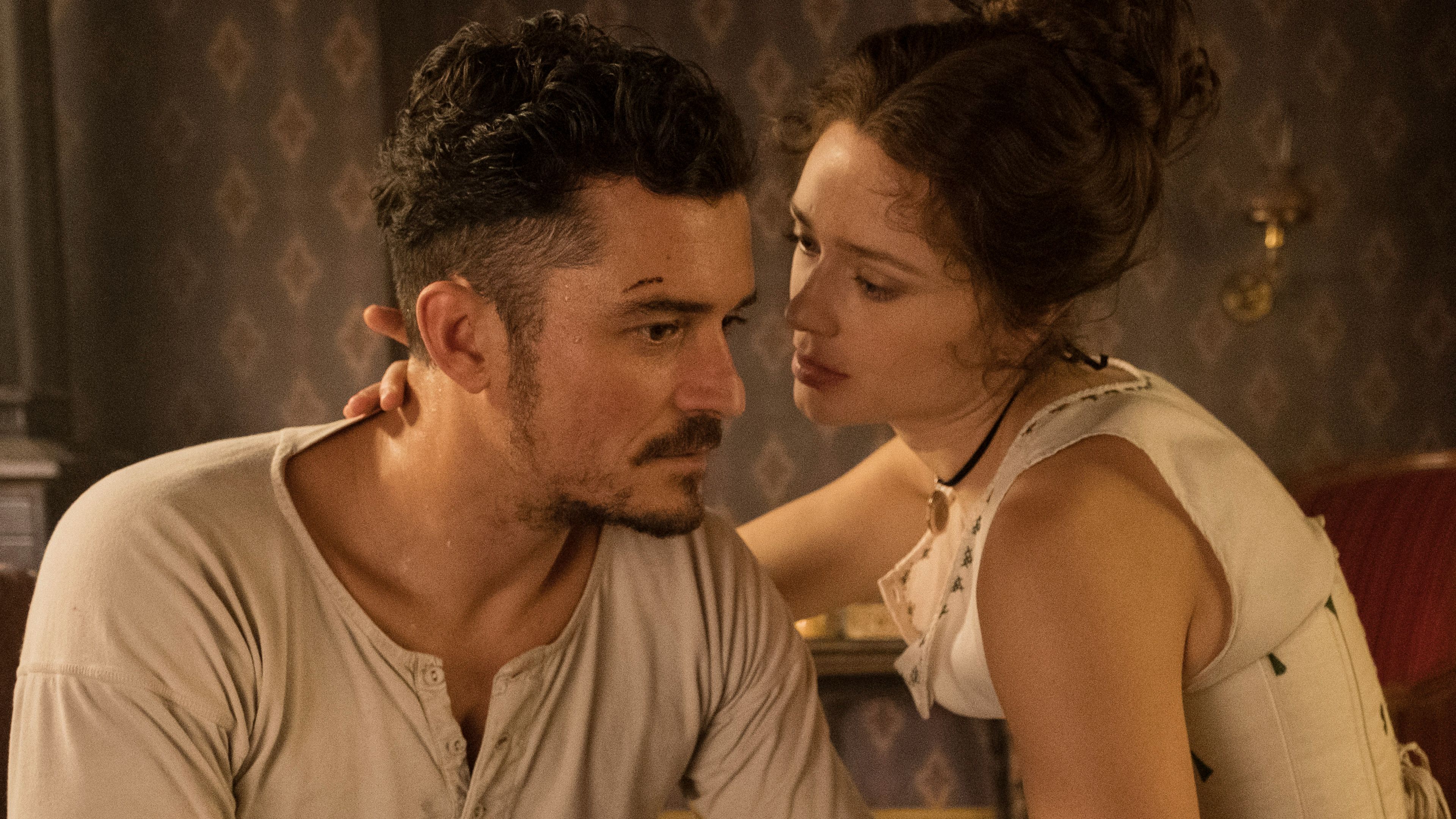
As a lifelong movie and TV fan, it always breaks my heart to see promising shows get cut short – and fantasy series seem particularly vulnerable. It’s tough because these days, everything’s judged on numbers – ratings, streaming data, how many subscribers a show brings in. Even really well-made, ambitious fantasy shows can get canceled if they don’t become instant hits, which is a real shame.
Many TV shows, particularly those in specific genres like fantasy, don’t have the time they need to develop properly. High fantasy is especially challenging because it’s a less mainstream genre, and TV executives aren’t always convinced it will attract a large audience. These shows often need a lot of detailed world-building and complex backstories, and viewers may not see the payoff immediately.
Fantasy shows are different from shows like police dramas or comedies. They usually need several episodes to build their world, explain how things work, and get viewers invested in the characters. The best fantasy series combine impressive visuals with compelling stories about people, but developing those characters takes time, and not all shows get the chance to do that properly.
While viewers are initially drawn to fantasy shows by elements like magic, creatures, and myths, it’s the characters, their struggles with right and wrong, and their journeys of self-discovery that truly keep them engaged. Finding the right mix of these elements is always difficult, but it’s even harder for new shows that need to prove themselves quickly. Plus, fantasy productions are notoriously complex and costly, requiring significant investment in things like special effects, detailed sets, and large casts.
TV networks and streaming services sometimes cancel shows when production costs go up but viewership doesn’t, even if they had plans for future seasons. This often happens with fantasy series just as they start to get good. Reasons for cancellation include changing business goals, money problems, or shifts in what viewers want, leaving compelling stories unfinished.
10. The Nevers

HBO’s The Nevers, created by Joss Whedon, was a fantasy drama set in Victorian England. It centered on a group of women who unexpectedly developed superpowers. The series followed Amalia True (Laura Donnelly) and Penance Adair (Ann Skelly) as they navigated their new abilities and a complex mystery, blending science fiction, fantasy, and social issues. Although the show had high production quality and a promising concept, it faced difficulties during its production.
After Joss Whedon left the show mid-production, leading to further problems, HBO canceled The Nevers after only releasing part of its first season. The remaining episodes were quietly added to HBO Max, but the series ended before it could resolve its main storylines and fully develop its potential, leaving many questions unanswered.
9. Britannia

Britannia was a fantasy series set during the Roman invasion of Britain, mixing actual historical events with magic and Celtic mythology. The show centered on the Roman general Aulus Plautius (David Morrissey) and his efforts to conquer the feuding Celtic tribes, all while facing mysterious supernatural threats and complicated political schemes. Unlike typical historical dramas, Britannia was known for its dreamlike quality, focusing on creating a strong atmosphere and exploring its myths.
I have to admit, Britannia had something special – it really built a dedicated following over its three seasons. It’s a shame it was canceled, because the show was clearly aiming for something big. It definitely wasn’t afraid to be different, which is great, but I think that uniqueness also held it back from becoming a truly mainstream hit. As the story got more complex, it felt like the show was still figuring itself out, never quite hitting its stride. It always felt like an experiment, and ultimately, it didn’t quite fulfill its potential.
8. Galavant

ABC’s Galavant was a funny musical fantasy show that playfully poked fun at traditional fairy tales. It followed the adventures of Sir Gary Galavant (Joshua Sasse), a knight trying to regain his honor. With original music by the famous Alan Menken and a smart, witty style, the show combined classic fantasy elements with a modern feel. Although critics loved it and it gained a dedicated fanbase, Galavant didn’t attract enough viewers to stay on the air.
Despite running for two seasons, ABC canceled Galavant before it had a chance to develop its story further or really hit its stride. Although the show wrapped things up somewhat neatly, the cancellation prevented it from becoming the long-term, unique fantasy hit it had the potential to be. The show had a great creative team, but it just didn’t attract a large enough audience to satisfy network executives.
7. The Shannara Chronicles

As a fantasy fan, I remember checking out The Shannara Chronicles when it first hit TV. It was based on Terry Brooks’ popular books, and it really tried to bring that epic, post-apocalyptic world to life – think elves, magic, but also these cool, crumbling futuristic cities. The story followed a group of young heroes who were basically the only ones who could stop a demonic threat from wiping out their world, the Four Lands. It originally aired on MTV and then moved to Spike, and it felt like they were aiming for a younger audience, focusing on the characters while still trying to deliver that big fantasy scope.
Despite lasting two seasons, The Shannara Chronicles was canceled due to changing networks and fluctuating ratings. The show was ambitious, and while people were interested, it didn’t attract a consistently large audience. Because the series was based on a vast collection of books, it ended before it could tell the complete story from Terry Brooks’ world.
6. Willow

Disney+’s Willow continued the story of the 1988 film, with Warwick Davis reprising his role as the beloved sorcerer, Willow Ufgood. The series, set years after the original movie, focused on a new group of heroes trying to protect their world from evil magic. Though the show had impressive visuals and relied on familiar fantasy elements, viewers had a varied response to it.
Despite initial plans for a multi-season run, Disney+ canceled the series after just one season in 2023, following a lengthy pause in production. This sudden cancellation left many storylines unfinished and prevented the show from developing into the fantasy revival it had hoped to be.
5. The Wheel Of Time: Origins
The Wheel of Time: Origins was an animated series created to complement the popular live-action show, The Wheel of Time, on Prime Video. Featuring short episodes, it delved into the rich backstory, mythology, and history of Robert Jordan’s fantasy world. Many viewers appreciated how the series expanded on the universe in ways the main show couldn’t, and its unique animation style offered a fresh perspective.
As a big fan, I was really disappointed when Origins ended after just one set of episodes. They’d even announced more were coming, so it felt like it just fizzled out. It wasn’t a full show on its own, but it had so much potential to expand the world of The Wheel of Time in a really cool way, and it’s a shame we didn’t get to see where it could have gone. It felt like a missed opportunity to give longtime fans even more of what we love.
4. The Magicians
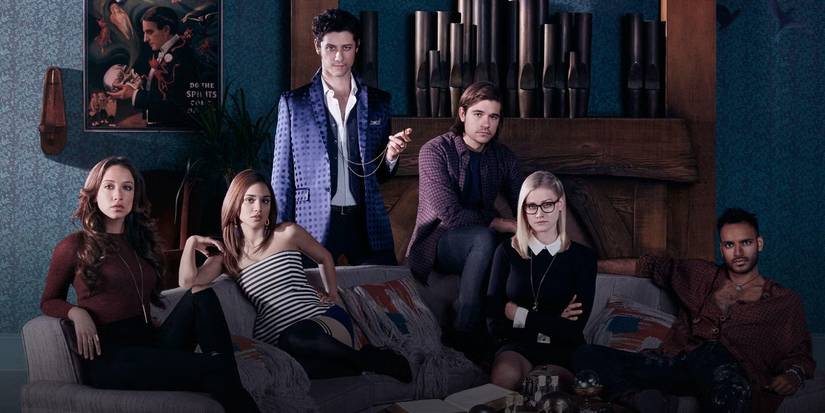
The Syfy series The Magicians centered on a group of graduate students who unexpectedly find out magic is real—and much more perilous than depicted in stories. The show, based on Lev Grossman’s books, combined dark fantasy elements with humor and heartfelt stories, and featured a large ensemble cast including Jason Ralph, Stella Maeve, and Olivia Taylor Dudley.
For five seasons, The Magicians built a rich world with well-developed characters and a constantly expanding story. Even though the show was popular and had a dedicated following, Syfy decided to end it after season five. While the finale provided a planned and fitting conclusion, many viewers believed the series still had potential. Its cancellation meant the loss of a bold and character-driven fantasy show that stood out on television.
3. Shadow & Bone
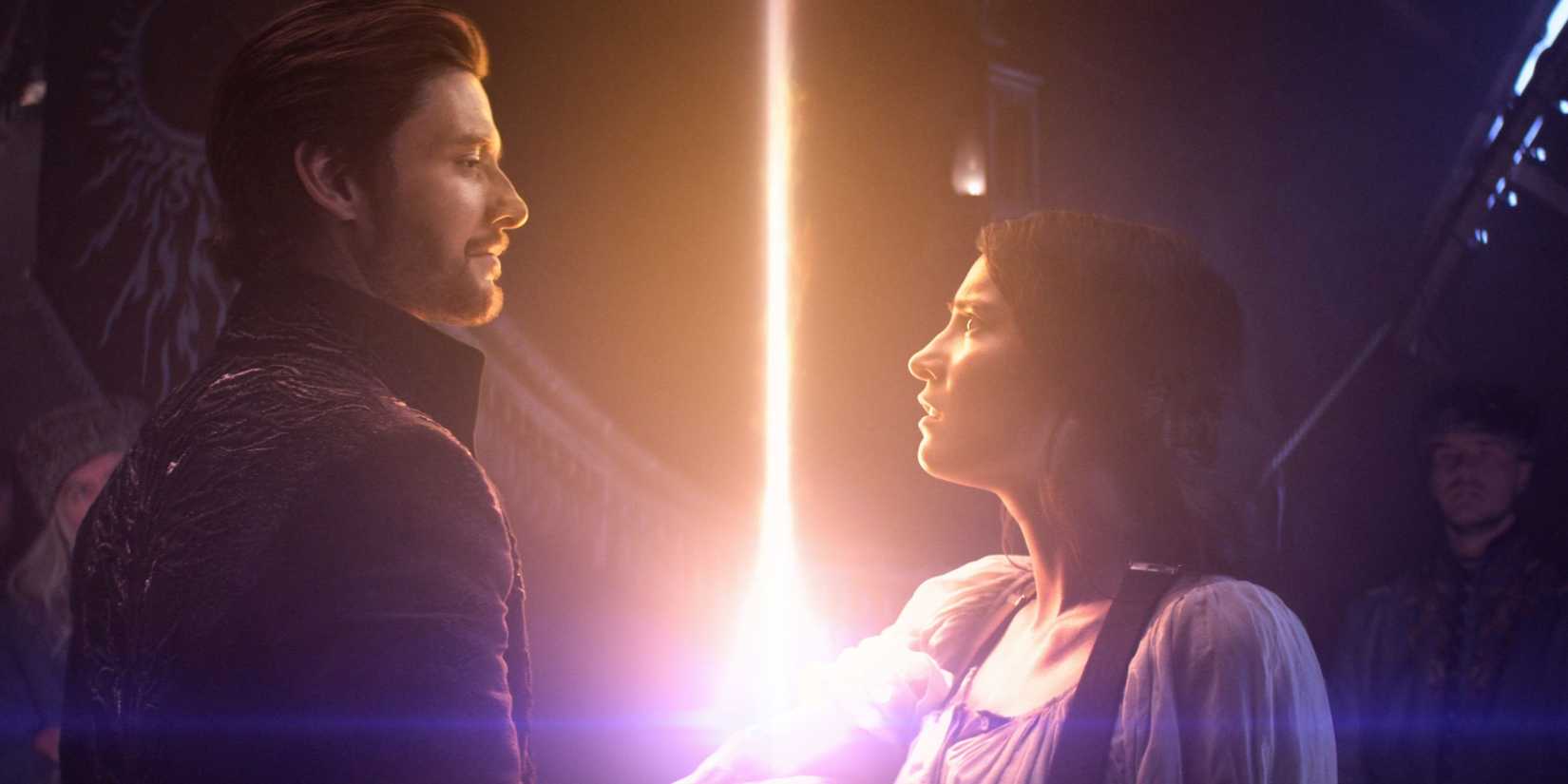
Netflix’s Shadow & Bone brought the popular Grishaverse novels to life, blending the story of Shadow & Bone with characters and plot points from The Six of Crows. The series takes place in a fantastical world torn apart by war and a magical divide, and centers on Alina Starkov (Jessie Mei Li) as she learns she has incredible powers. Although the show was commended for its detailed world and the actors chosen for the roles, it experienced some production issues and received generally mixed reviews over its two seasons.
Despite initial plans to build a large franchise, it became clear after two seasons that Shadow & Bone wasn’t as popular on Netflix as the company had expected. As a result, Netflix canceled the show, along with a planned spin-off series, even though there was still plenty of material left from the original books. This decision ended the story just as the different plotlines were starting to come together.
2. Carnival Row
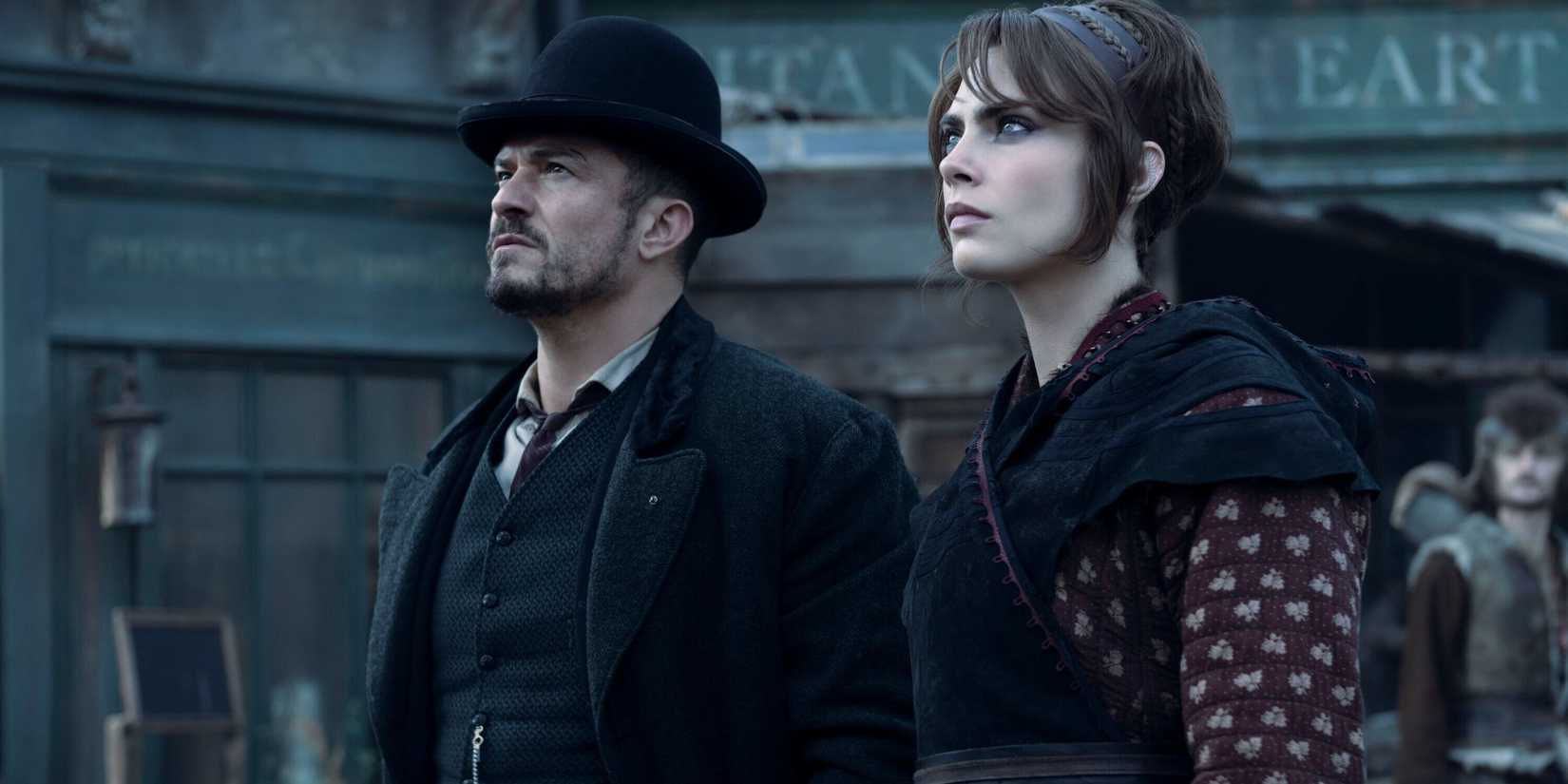
Prime Video’s Carnival Row was a fantasy series with a dark, mysterious feel, set in a world where humans and magical creatures lived together, but not always peacefully. Featuring Orlando Bloom and Cara Delevingne, the show used a fantasy setting to examine real-world issues like immigration, social class differences, and prejudice. While the plot was initially confusing, Carnival Row eventually became more focused and engaging.
Despite its impressive visuals and detailed backstory, Carnival Row suffered from significant delays between seasons and increasing production expenses. As a result, Prime Video decided to end the show after just two seasons, finishing the story sooner than planned. While the series did reach a conclusion, the rushed ending didn’t fully explore the potential of its intricate world.
1. American Gods

The TV series American Gods was based on Neil Gaiman’s novel and depicted a secret conflict between old mythological gods and new gods representing things like technology and media. The show was praised for its beautiful imagery and thought-provoking ideas, but it faced challenges with changes in its creative team and a drop in the number of viewers. Despite a strong cast, including Ian McShane as Mr. Wednesday, these issues ultimately impacted the series.
Starz decided to end American Gods after three seasons, meaning not all of the book will be shown on screen. While the show had a complex story and rich mythology that hinted at a long run, issues with production caused it to fall short of its potential and didn’t fully satisfy fans of Neil Gaiman’s novel.
Read More
- United Airlines can now kick passengers off flights and ban them for not using headphones
- How to Complete Bloom of Tranquility Challenge in Infinity Nikki
- All Itzaland Animal Locations in Infinity Nikki
- Katanire’s Yae Miko Cosplay: Genshin Impact Masterpiece
- Gold Rate Forecast
- How to Get to the Undercoast in Esoteric Ebb
- A Dark Scream Theory Rewrites the Only Movie to Break the 2-Killer Rule
- Fire Force Season 3 Part 2 Episode 24 Release Date, Time, Where to Watch
- Australia’s New Crypto Law: Can They Really Catch the Bad Guys? 😂
- All Golden Ball Locations in Yakuza Kiwami 3 & Dark Ties
2026-01-03 06:31