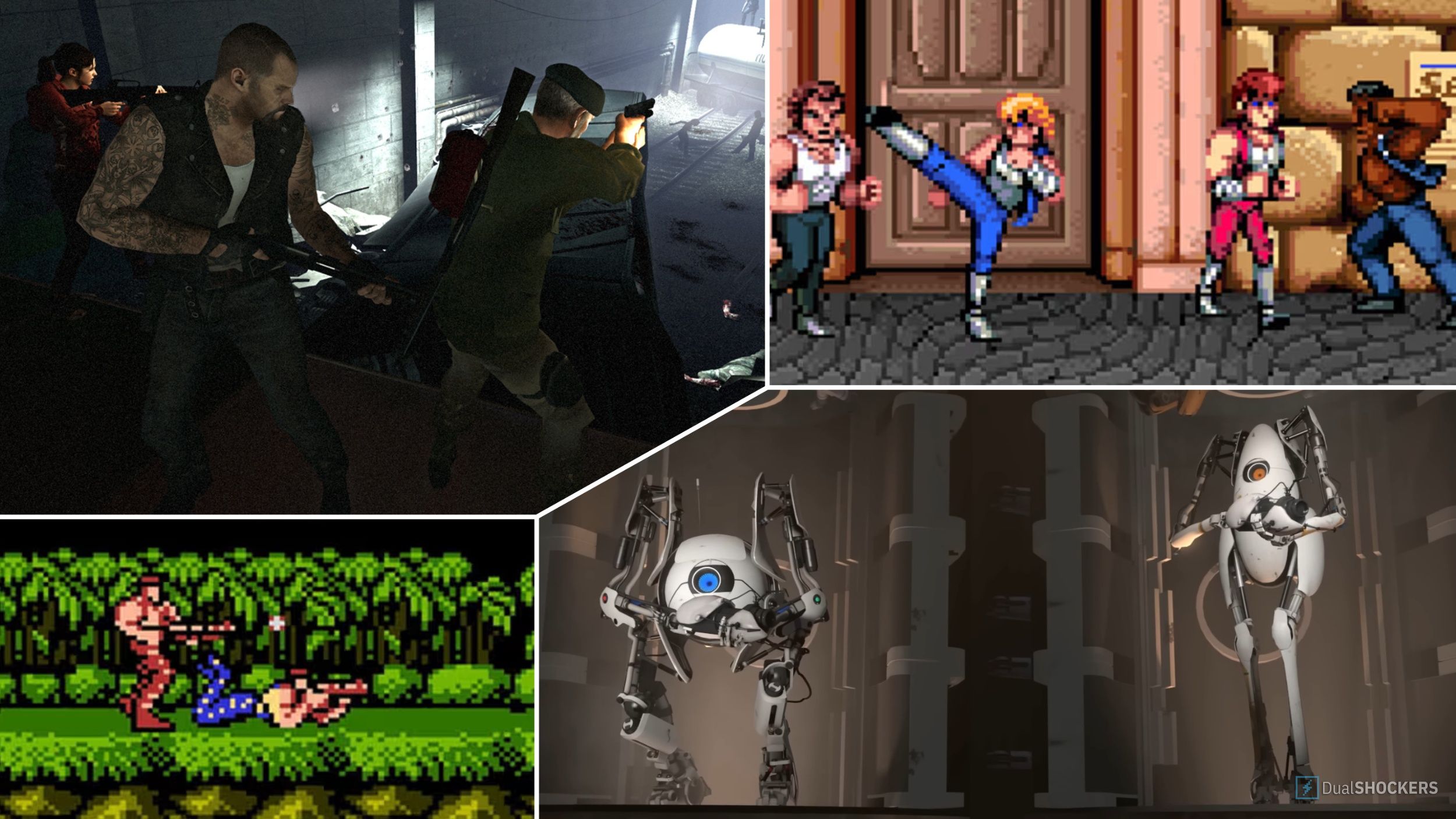
Since the very beginning of video games with classics like Pong, gaming has generally been a way to connect with others. That’s one of the best things about it – you can play alone or with friends, competing against each other or working together. Even early arcade and home games encouraged teamwork, and as technology has improved, cooperative games have become even more complex and engaging.
Many games have been important in the evolution of cooperative play, and it’s hard to name them all. However, a few really stand out as being particularly innovative. These games changed how co-op worked, either in big ways or small, and helped shape the diverse range of cooperative games we have today. If you enjoy playing games with friends, chances are one of these titles played a role in making that experience possible.
10. Double Dragon
Punching Dudes on the Couch
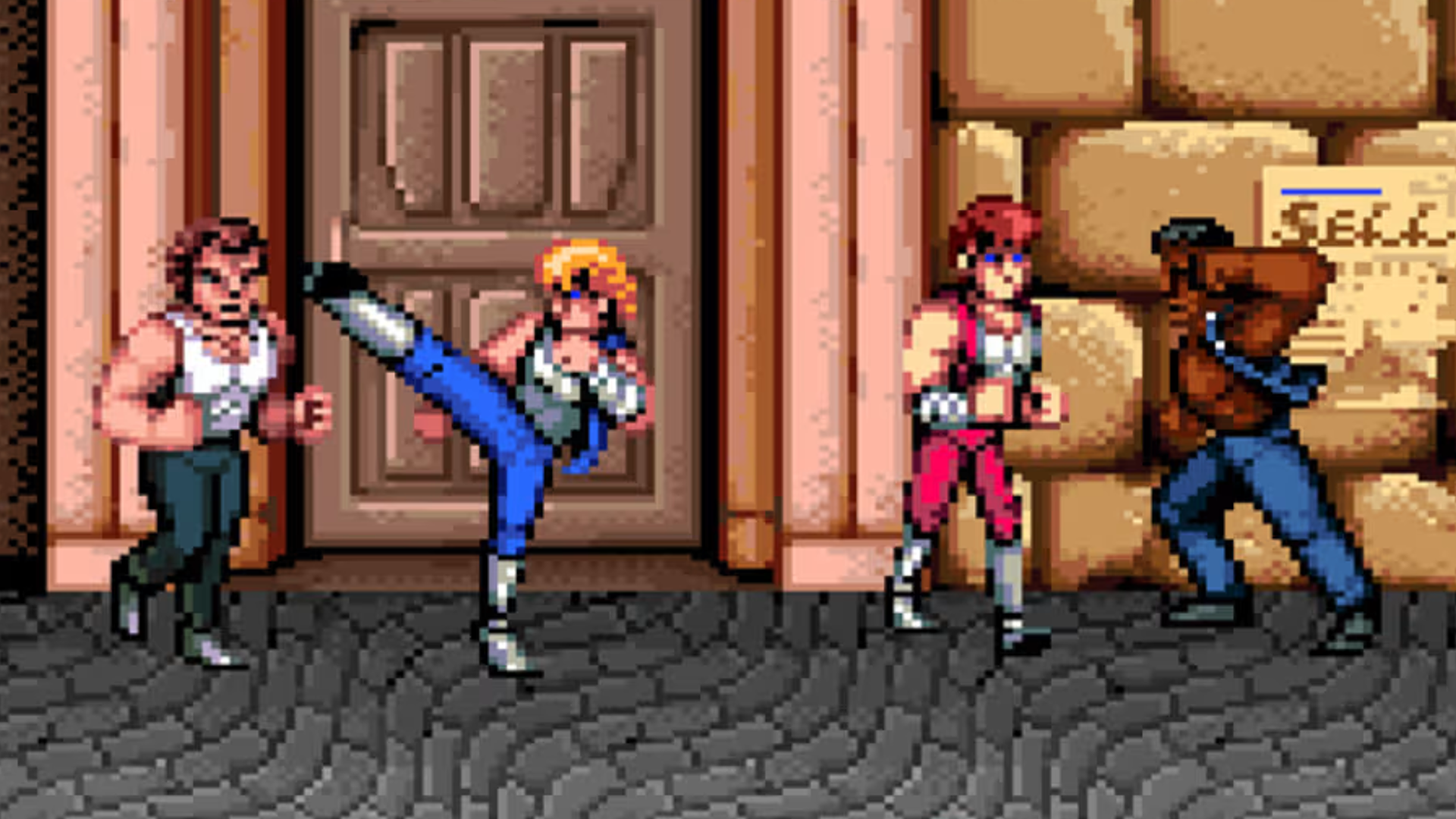
Co-op games often rely on the classic sidescrolling beat ‘em up genre. While it began in arcades with games like the original Double Dragon, many believe the Sega Master System version is what truly made the game a hit. This is because the Nintendo Entertainment System (NES) version didn’t allow for cooperative play.
Double Dragon is a classic side-scrolling beat ‘em up where two players fight through the city to save a friend. While the fighting is simple to learn, enemies can easily trap you with attacks from all sides. That means players need to work together, covering each other and helping out when someone gets stuck.
Double Dragon’s huge popularity in arcades and on home consoles kicked off the golden era of beat ‘em up games, especially for companies like Sega and Capcom. It paved the way for many of the iconic cooperative games we remember from the 1980s.
9. Contra
Bonding Over Bullets
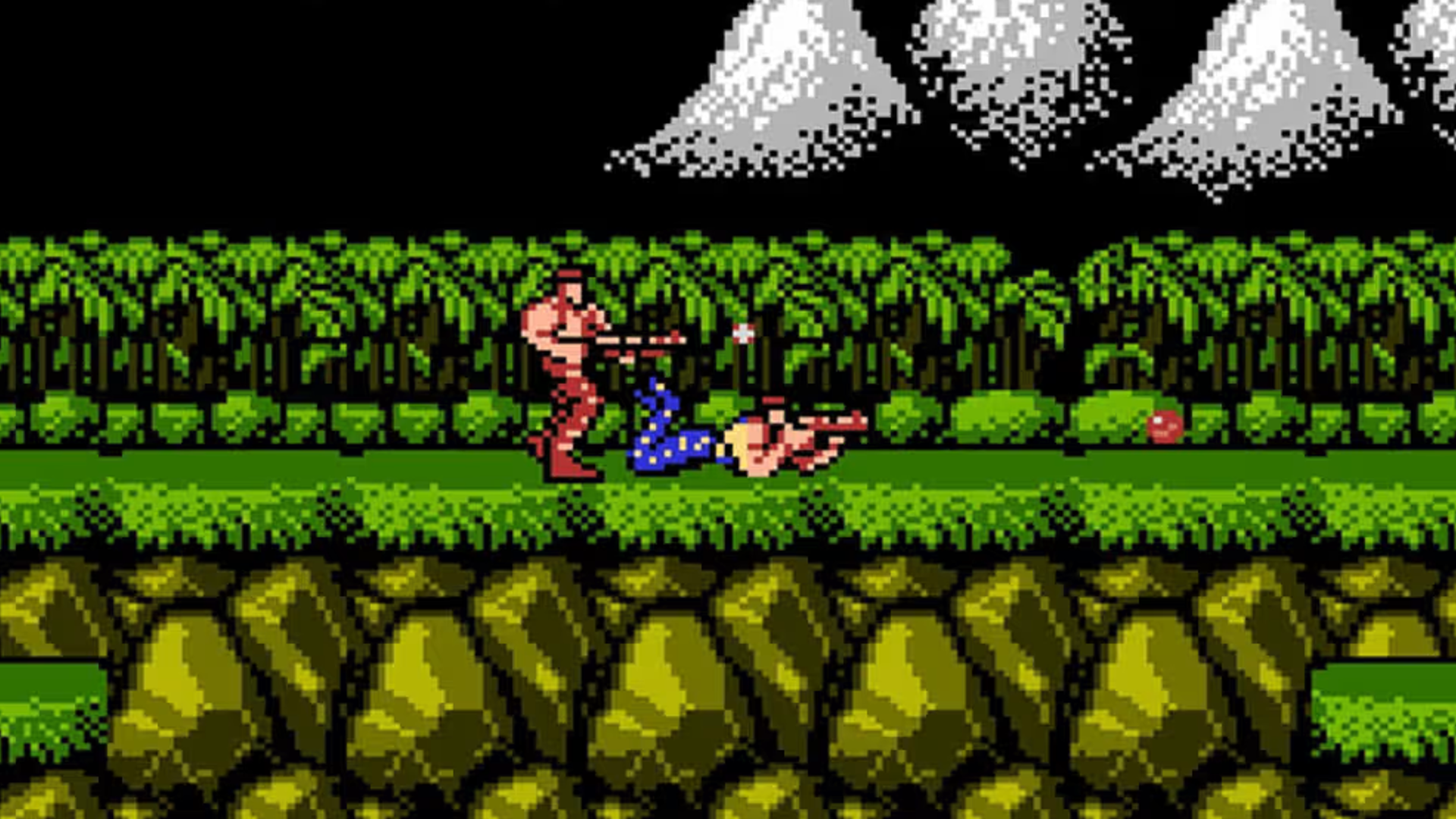
The NES wasn’t able to play the cooperative mode of Double Dragon very well, but it excelled at the fast-paced, action-packed gameplay of the original Contra. Specifically, it played a special version of Contra created for the NES, which was different from the arcade game, but is the one most people remember and enjoy.
While playing Contra with a friend didn’t drastically change the game itself – you could easily enjoy it solo – it did add something special: sheer intensity. With two players firing at once, the screen became a chaotic explosion of action, creating a uniquely satisfying and powerful experience.
Similar to Double Dragon, Contra was incredibly influential in establishing the “run and gun” style of gameplay. It paved the way for more complex and detailed games like Metal Slug and Gunstar Heroes, which became popular on both home consoles and in arcades.
8. Halo: Combat Evolved
Not the First, but Arguably the Best
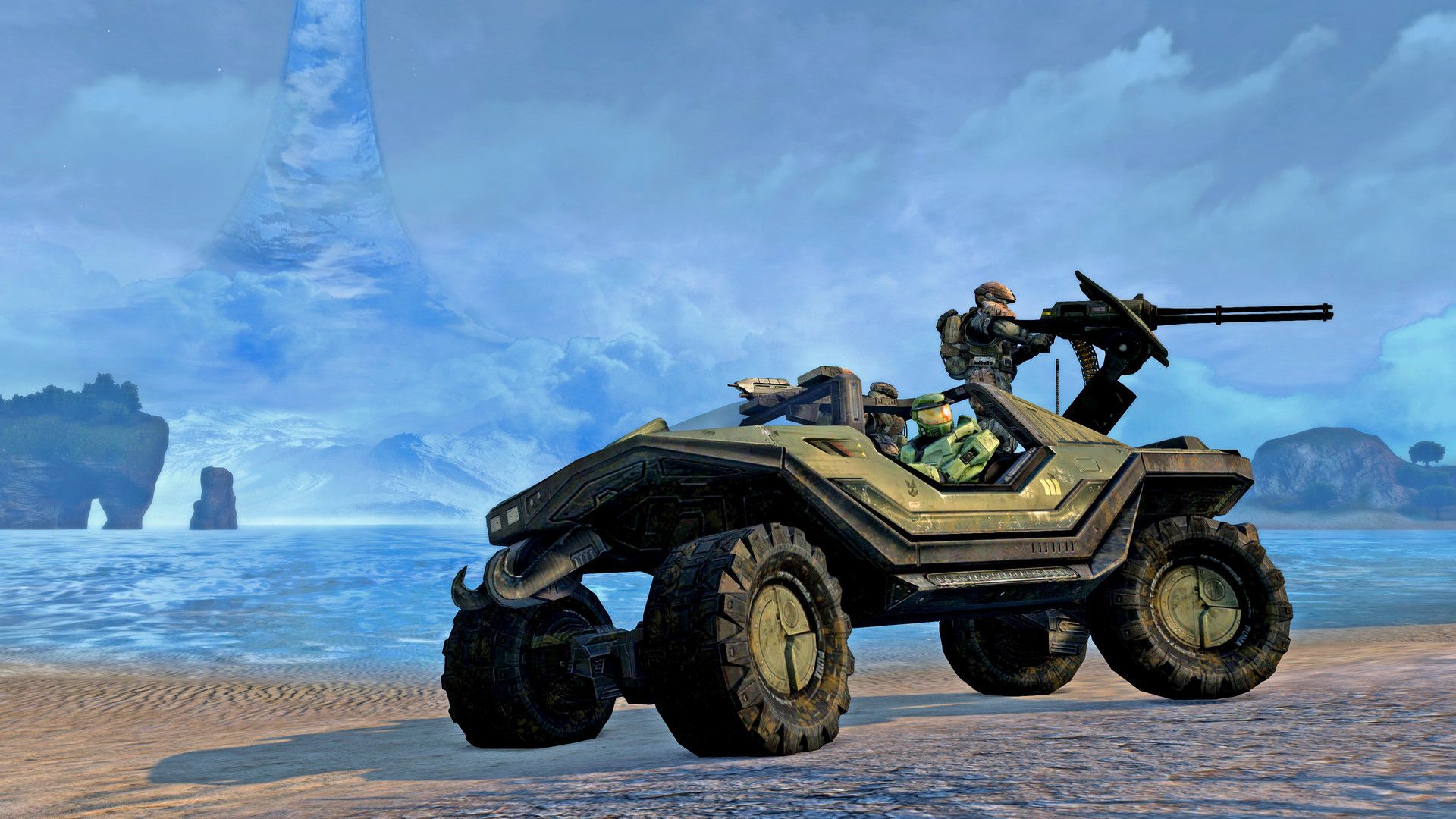
While first-person shooters have offered cooperative play since the early days of games like Doom, with players battling together on local networks, Halo on the original Xbox was the game that truly popularized and made campaign co-op easy to enjoy on consoles.
The original Halo game on PC was designed for one player, but the console version let two players team up for the campaign in a split-screen mode. This allowed a friend to join as another Master Chief, even though this wasn’t part of the official story. Playing with a friend made the game much more dynamic – you could share control of vehicles and cover each other when one player was down, avoiding frustrating restarts from checkpoints. In fact, it was almost essential to complete the campaign on the hardest setting.
Playing Halo with a friend, side-by-side, has become a classic feature of the series, and many other console shooters of the 2000s copied this style – in fact, it was incredibly common at the time.
7. Call of Duty: World at War
Gave Us the Gift of Zombies
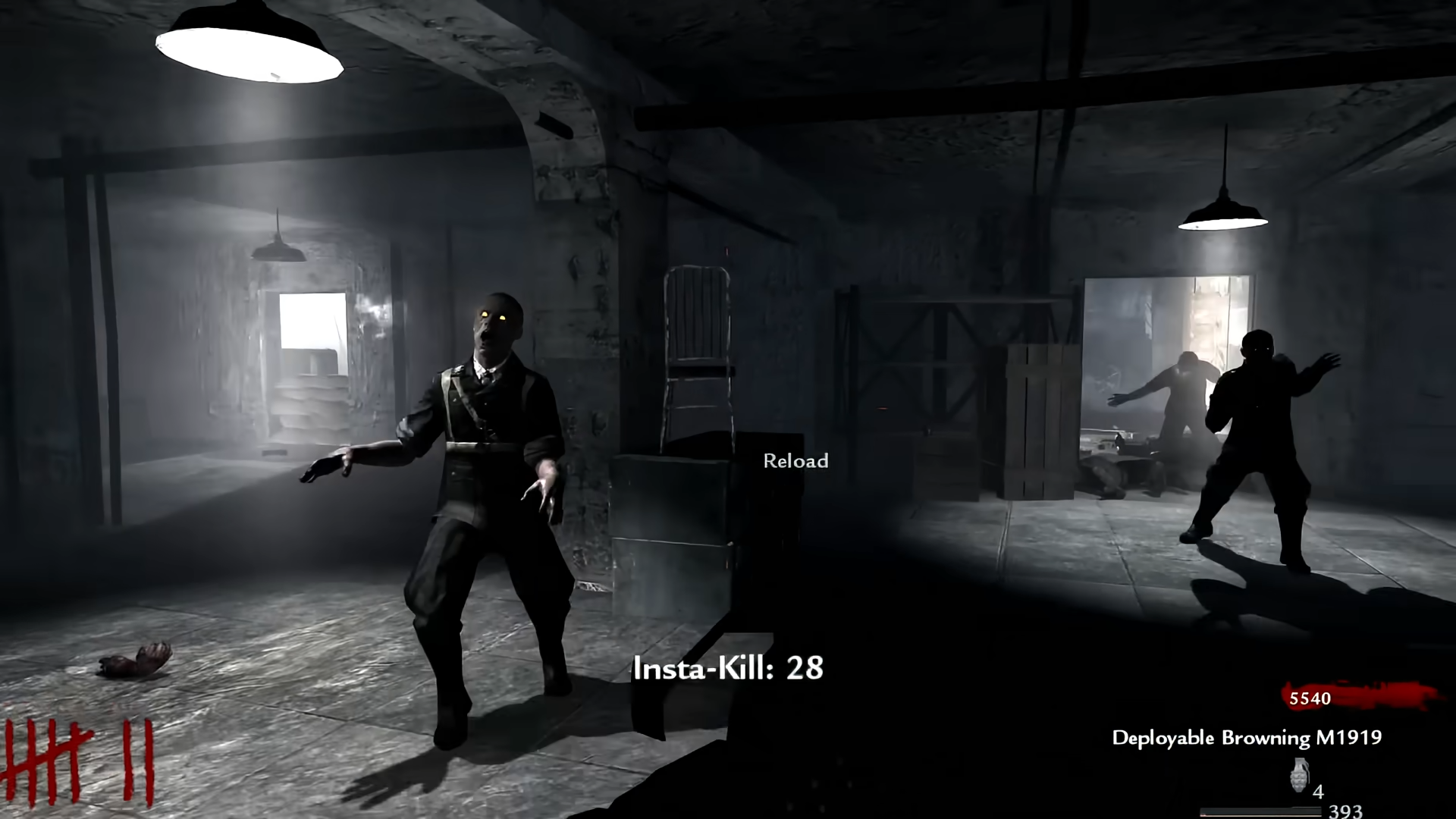
Call of Duty 4: Modern Warfare made the franchise incredibly popular, but it was the next game, Call of Duty: World at War, that truly began to focus on cooperative gameplay. World at War introduced split-screen co-op and, famously, the Zombies mode – a fan favorite that continues today.
Call of Duty: World at War introduced a separate Nazi Zombies mode where up to four players could team up. Once players finished the main game, they could access this mode and fight off endless waves of zombies in a closed-off area. The goal was simply to survive as long as possible, earning points to fortify defenses and buy better weapons. There was no time limit or final objective – the game continued until all players were defeated.
Man, Zombies mode was seriously one of the first games to really nail the whole ‘survive against endless waves of enemies’ thing, and now you see it everywhere in co-op games. It’s become a total staple! And it keeps coming back in Call of Duty, especially in the Black Ops games, but it’s so popular they throw it into other CoD titles every now and then too.
6. Castle Crashers
Revived a Dormant Genre
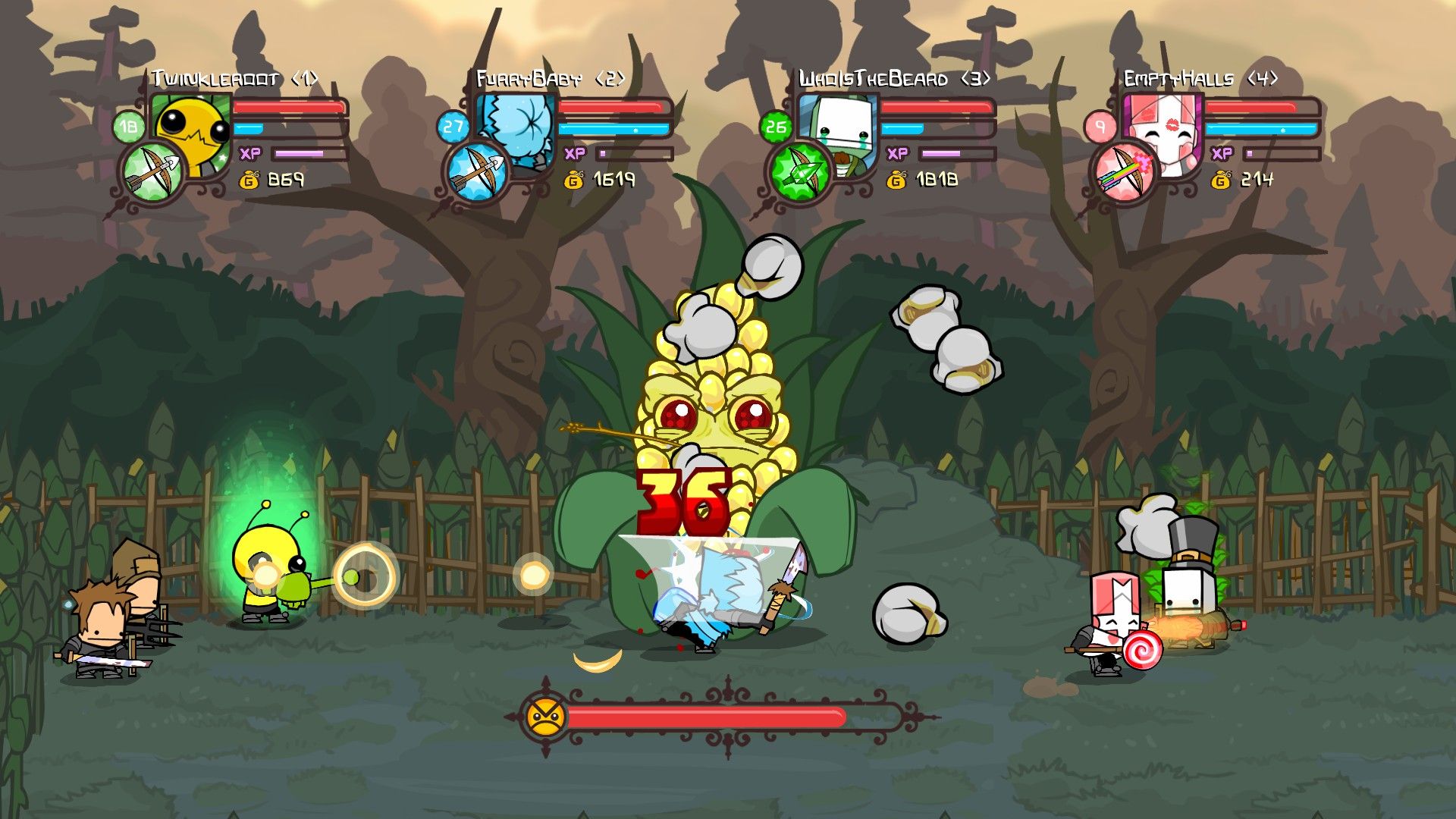
Beat ‘em up games, popular in arcades during the 80s and 90s, had become less common by the mid-2000s, impacting cooperative gaming. The genre seemed to be fading away until the release of Castle Crashers in the late 2000s, which revitalized it.
Castle Crashers, made by the creators of Newgrounds, successfully captured the spirit of classic beat ‘em up games while still feeling fresh and original. It was a quick, exciting, and often hilarious experience, and it was designed for both couch co-op and online play, making it perfect for groups of friends. The game also introduced The Behemoth’s signature style of cooperative gameplay, where playfully sabotaging your friends was encouraged!
Castle Crashers wasn’t just a great game; it showed everyone that beat ‘em ups were still popular. This helped bring the genre back into the spotlight, especially with indie developers, and it continues to thrive today.
5. Minecraft
United in Creativity
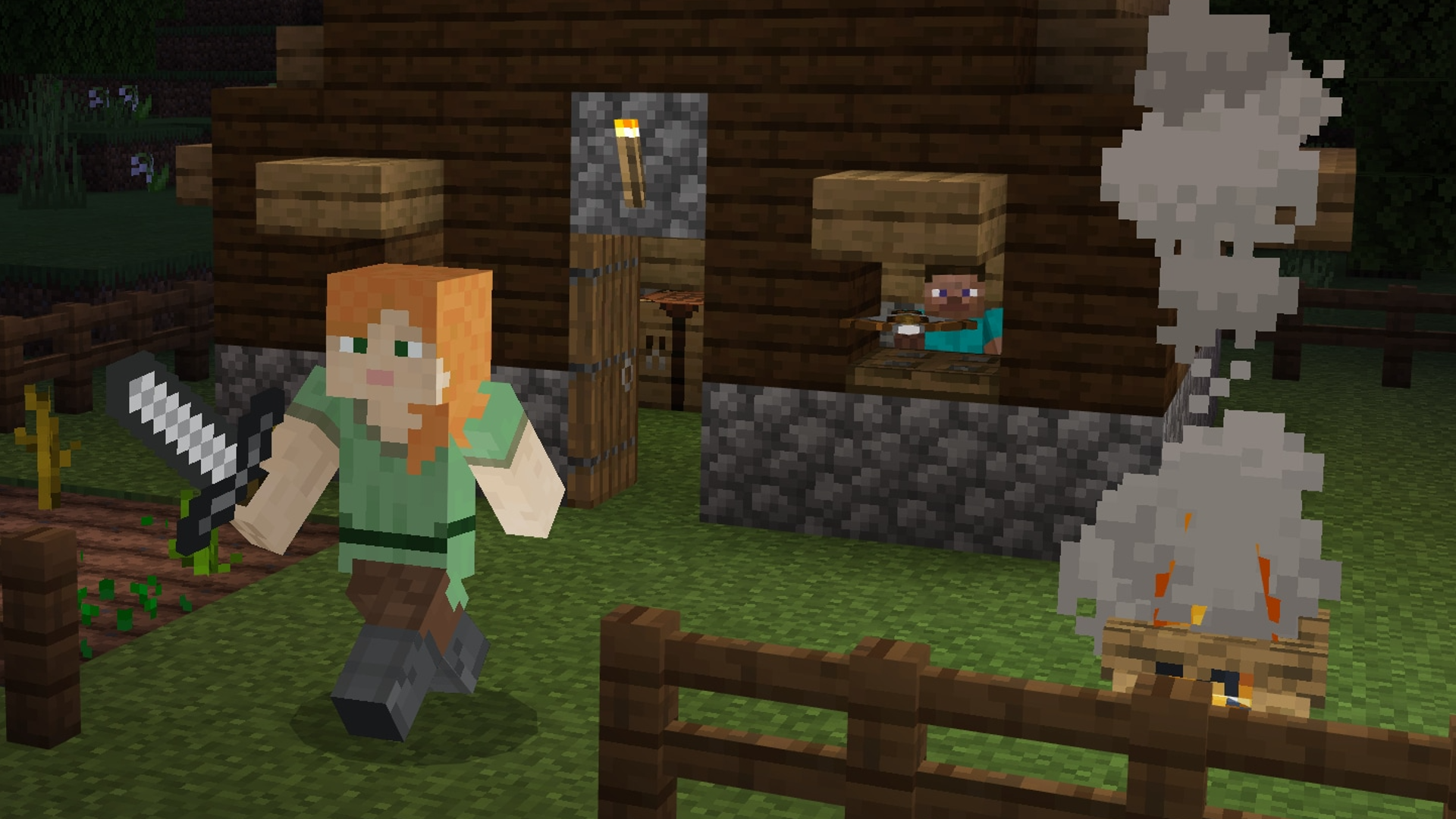
Before the year 2000, if someone asked about a game where you could build your own world, most people would picture something simple like Harvest Moon – a solo experience with limited options. But that all changed in 2009 with the very first test version of Minecraft, which revolutionized gaming as we knew it.
Minecraft wasn’t just about exploring huge, customizable worlds – it also offered multiplayer servers that naturally encouraged teamwork. While you could compete, the real joy came from building something massive with friends, slowly gathering materials and working together. It wasn’t simply a cooperative game; it was a space where people could collectively create amazing things.
Minecraft quickly became incredibly popular when it launched and remains a huge success today. Beyond that, it really set the stage for the large, collaborative server experiences we see now, offering both competitive and creative outlets. Its flexible design fostered a constant stream of player creativity.
4. Left 4 Dead
A Well-Oiled Zombie-Shooting Machine
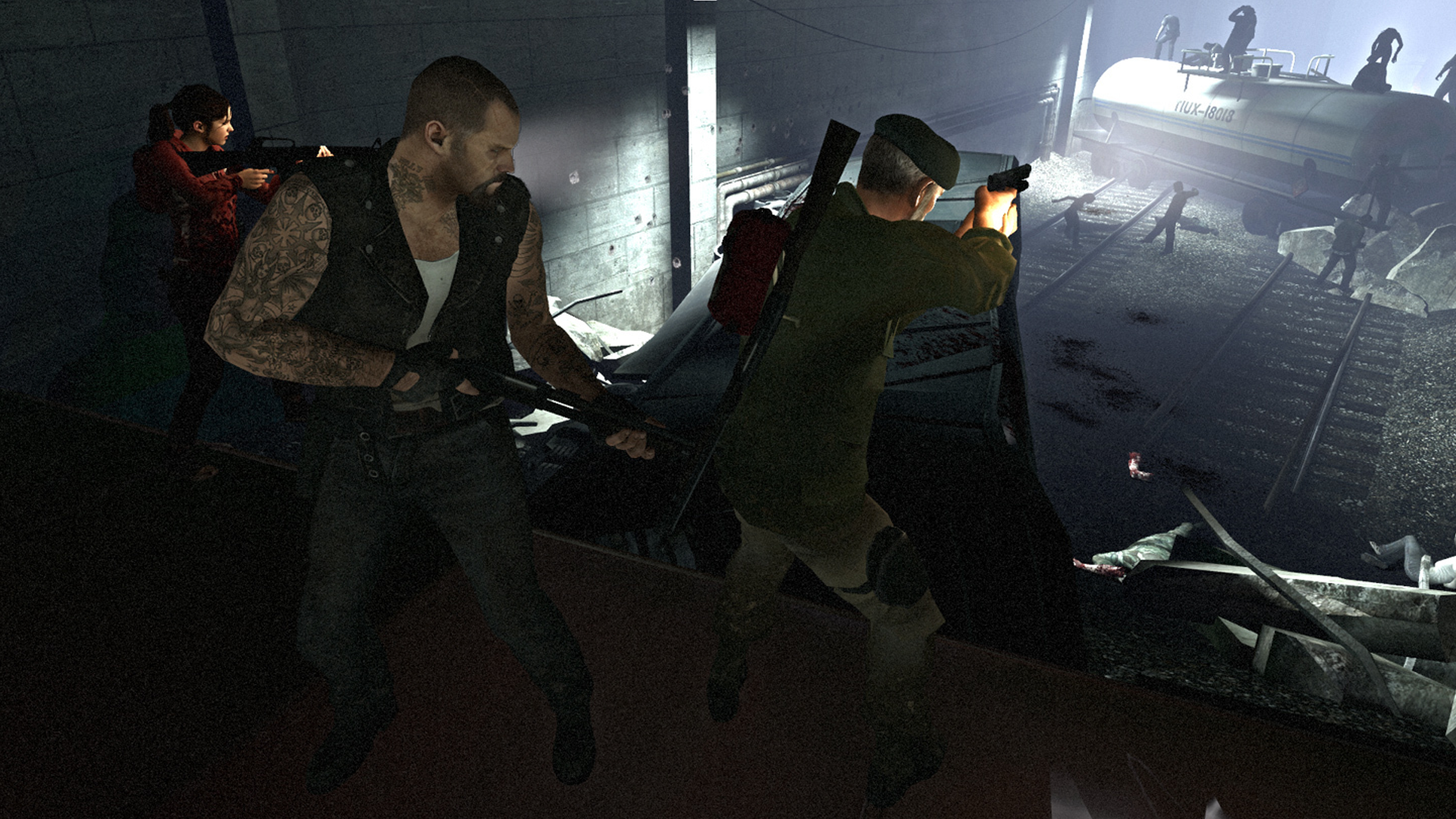
2008 was a big year for video games, with the release of both the series World at War and a brand new game from Valve called Left 4 Dead. Unlike Valve’s other popular titles like Team Fortress, Half-Life, Counter-Strike, and Portal, Left 4 Dead was an entirely original concept focused on cooperative teamwork.
Unlike World at War, which focused on surviving as long as possible, Left 4 Dead was a game played through distinct levels. Four players worked together as survivors, fighting off waves of zombies as they moved through different areas. It wasn’t a game you could beat on your own, because certain powerful zombies could disable players, requiring teammates to come to their rescue. Keeping an eye on your team was essential to successfully complete each level.
I still remember when Left 4 Dead first came out – it was HUGE! And then, unbelievably, they released Left 4 Dead 2 just a year later. Honestly, it set the bar so high for cooperative games. Everyone’s been trying to copy what it did so well, but it’s surprisingly hard. Back 4 Blood was the closest attempt, but it just didn’t quite hit the mark, you know?
3. Demon’s Souls
Asynchronous Adventuring
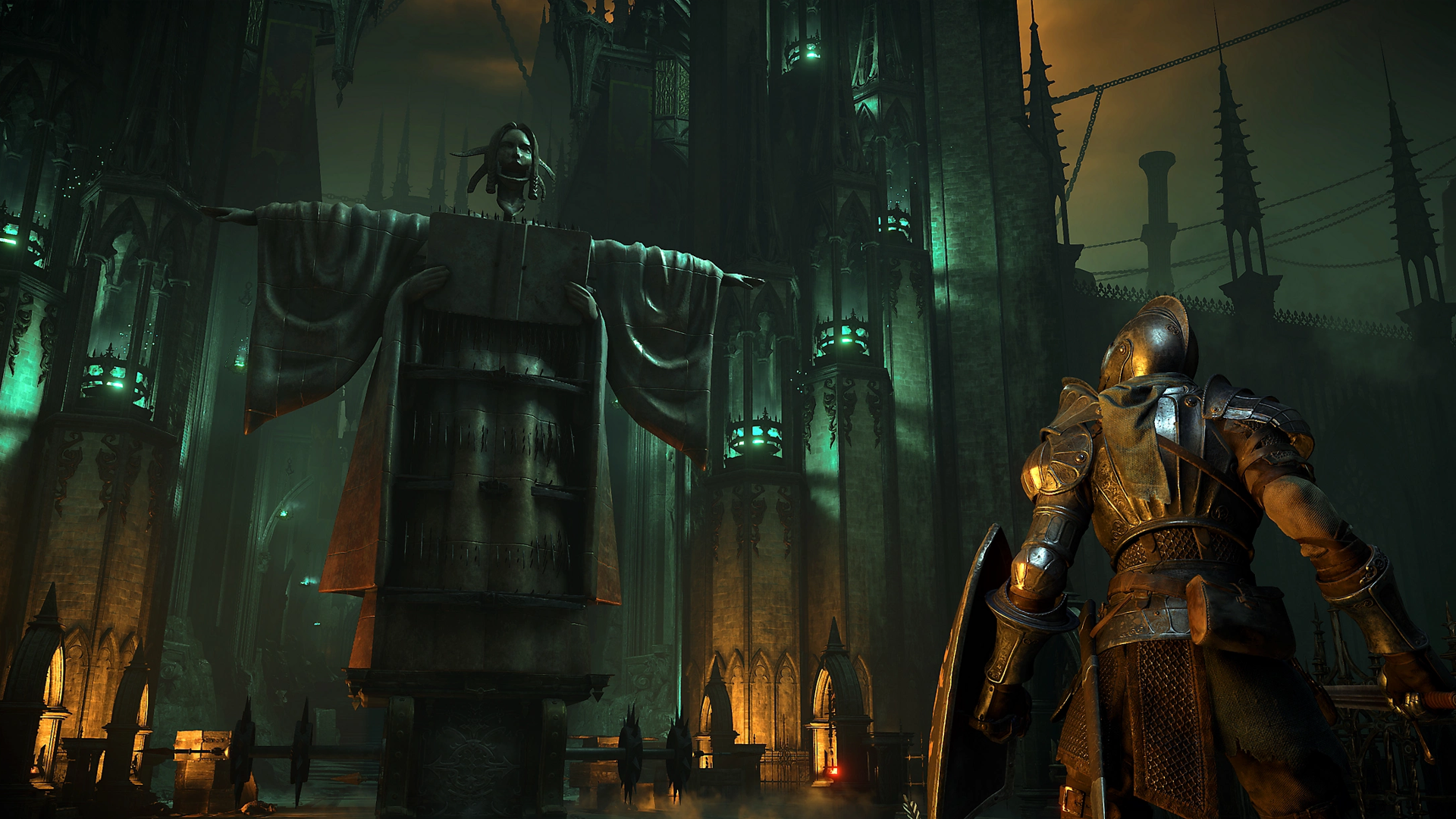
Many big role-playing games, including Japanese RPGs, have offered simple multiplayer options – like letting extra players join battles, as seen in the Tales series – but these features haven’t been very deep or meaningful. The original Demon’s Souls stood out from other games of its time, not just because it was incredibly challenging, but because it pioneered a unique style of online cooperative play.
Subscribe to the newsletter for deeper co-op game insights
Demon’s Souls first introduced the unique online gameplay that FromSoftware is now known for. The game was always connected to the internet, letting you see ghostly images of other players exploring the same areas. You’d also find messages left by them, pointing out hidden secrets or warning about dangers. Players could team up to tackle tough bosses, or, if they preferred, invade another player’s game and battle for their Souls.
FromSoftware has really made a name for itself with this unique multiplayer idea, and it’s now a key feature in games like Dark Souls and Elden Ring. It’s become so popular that other games in the ‘Souls-like’ genre, such as Remnant 2, have adopted similar systems.
2. Portal 2
Adding New Dimensions to Established Formulas
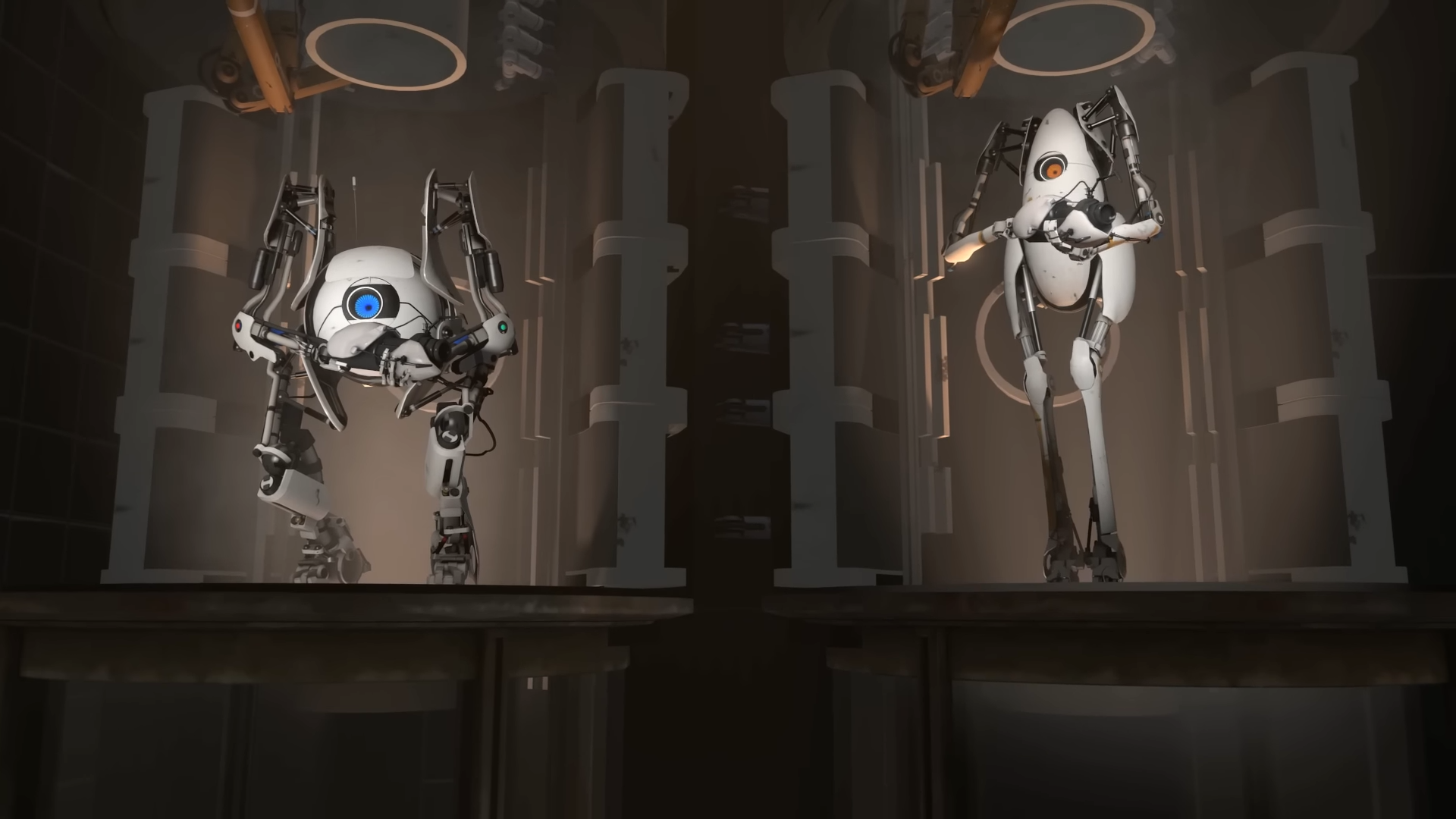
Creating a cooperative puzzle game is a real challenge. Puzzle games usually require careful thought and planning, which can be hard to do with another person, especially if you’re not in the same room. But Valve is known for its innovative game design, and they absolutely nailed it with Portal 2.
Portal 2 is known for its fantastic solo campaign, but it also features a completely separate co-op mode. In this mode, two players control robots named Atlas and P-Body as they complete new tests designed by GLaDOS. Having a second portal gun opens up exciting new puzzle possibilities that require players to time their actions carefully and communicate effectively. The game cleverly includes pings and timers, allowing players to coordinate without needing to use voice chat, which is especially useful for online play.
Portal 2 really raised the bar for cooperative puzzle games. While it’s hard to say for sure, it feels like we started seeing a lot more 3D puzzle games focusing on the environment shortly after it was released.
1. A Way Out
Co-op with a Co-op Story
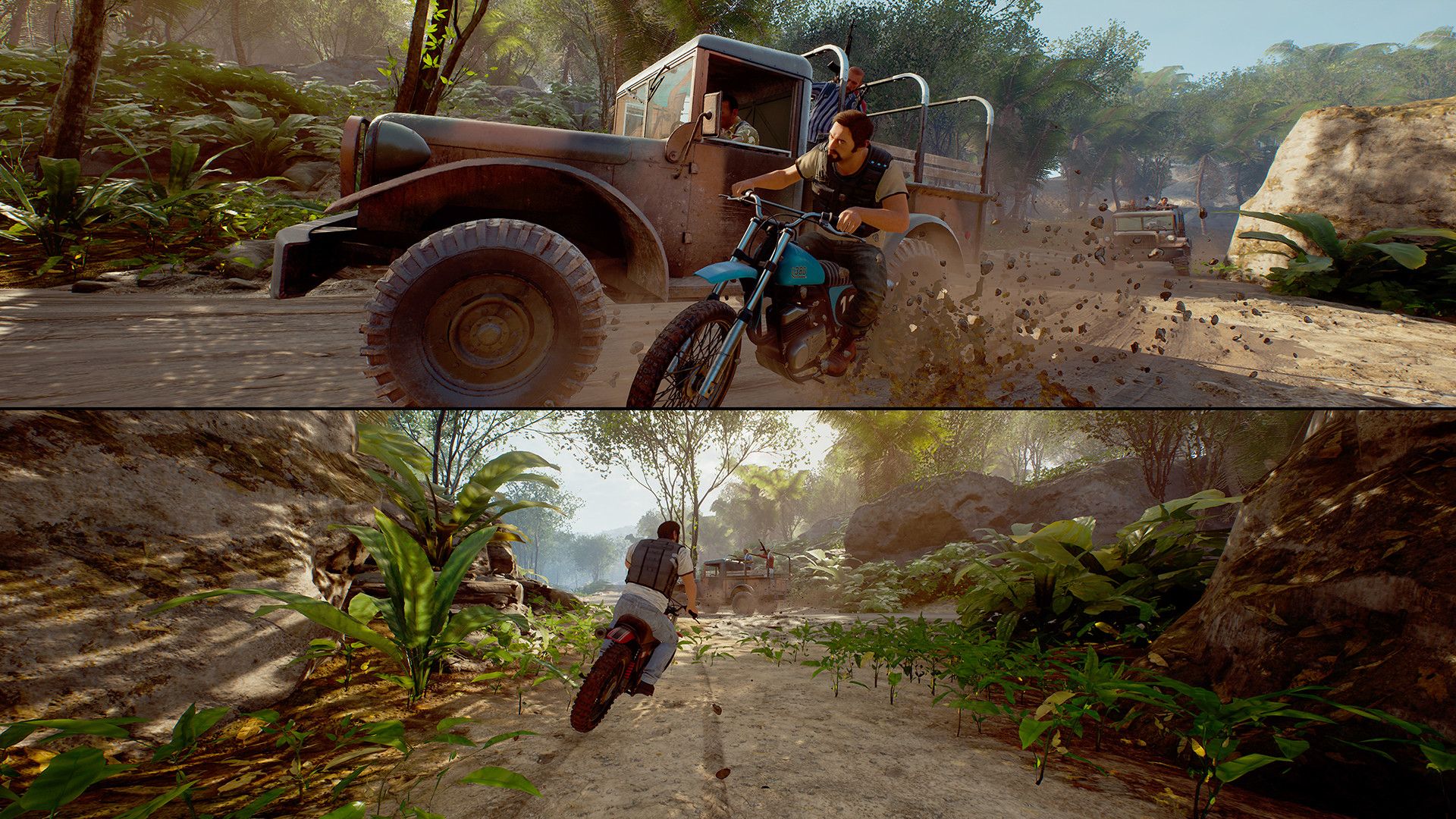
Creating a compelling story for a cooperative game is surprisingly difficult. Many co-op games let a computer control a partner when a friend isn’t playing, but this often weakens the narrative because only the first player’s character truly feels involved. A Way Out was unique in that it broke away from this common approach.
Unlike games with optional co-op, A Way Out requires two players. You can’t play it alone, and that’s intentional. The game focuses on the connected stories of its two main characters, Vincent and Leo, and to make both stories meaningful, both characters need to be controlled by players. This forces you and a friend to cooperate to overcome challenges and escape.
Although Hazelight Studios had created co-op games before, A Way Out really defined their style. Their subsequent games, It Takes Two and Split Fiction, continued this approach – requiring two players to play together – and were both very successful.
Read More
- United Airlines can now kick passengers off flights and ban them for not using headphones
- Crimson Desert: Disconnected Truth Puzzle Guide
- How to Get to the Undercoast in Esoteric Ebb
- All 9 Coalition Heroes In Invincible Season 4 & Their Powers
- All Golden Ball Locations in Yakuza Kiwami 3 & Dark Ties
- All Itzaland Animal Locations in Infinity Nikki
- Katanire’s Yae Miko Cosplay: Genshin Impact Masterpiece
- Warframe Voruna Prime access begins on April 8 for all platforms, new deluxe cosmetic Warframe skins revealed
- HBO’s Harry Potter Is Already Breaking My Heart
- Zendaya’s 4 Big 2026 Movies Could Beat Brie Larson’s Box 2019 Office Record
2026-03-13 21:42