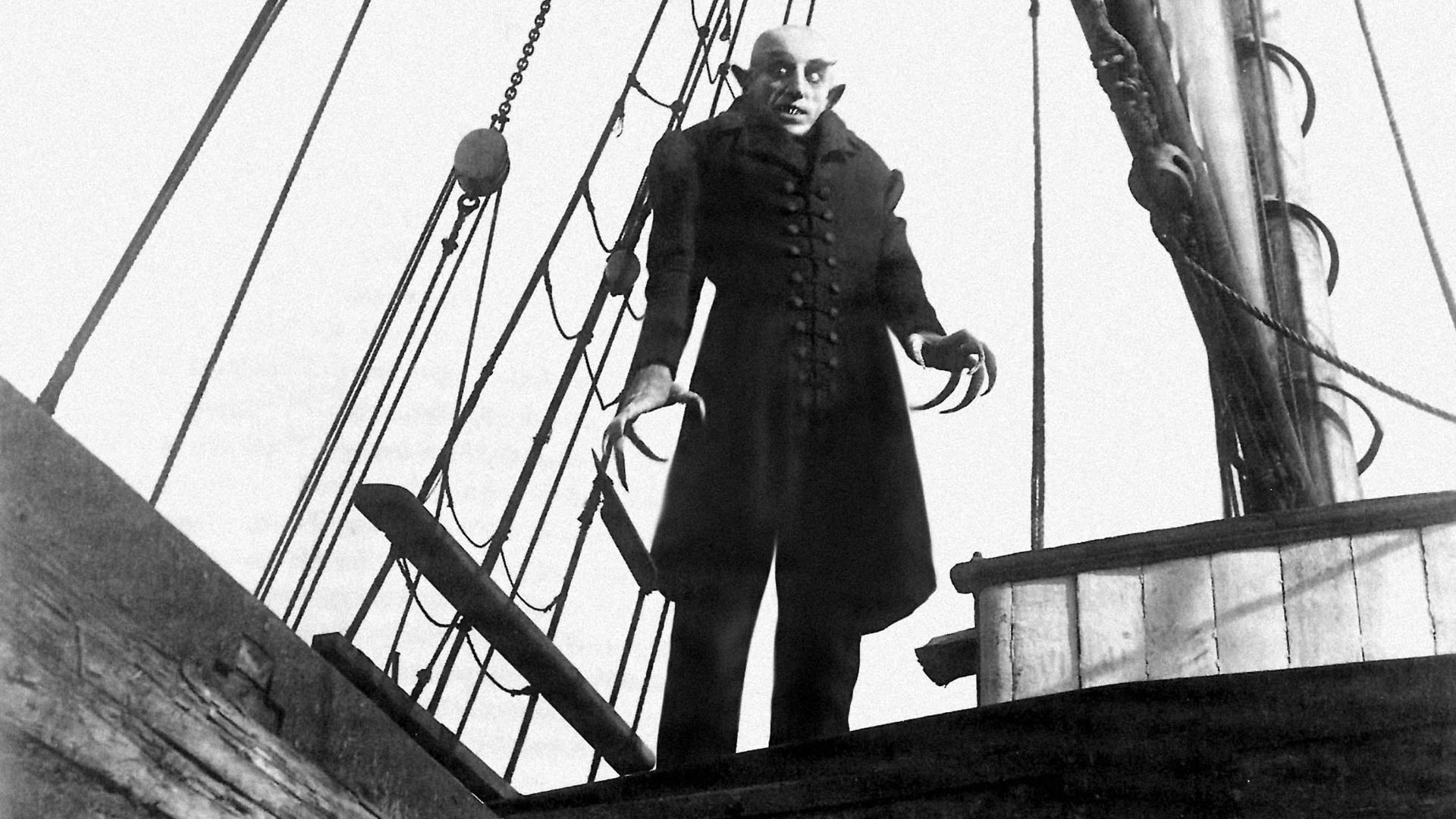
When people think about classic horror films, the Universal Monster Movies – like Dracula, Frankenstein, and The Wolf-Man – are usually the first ones mentioned. While these movies are famous and important, they aren’t the only good horror films from that time, and many other movies are actually even better.
Horror films existed even before Universal’s Dracula, which was one of the first big horror movies made after the age of silent films. The style of German Expressionism heavily influenced these early films, and filmmakers such as Val Lewton later tried to elevate the genre with more artistic horror. Ultimately, classic horror movies provide much more than just scares and monsters.
Island Of Lost Souls (1932)
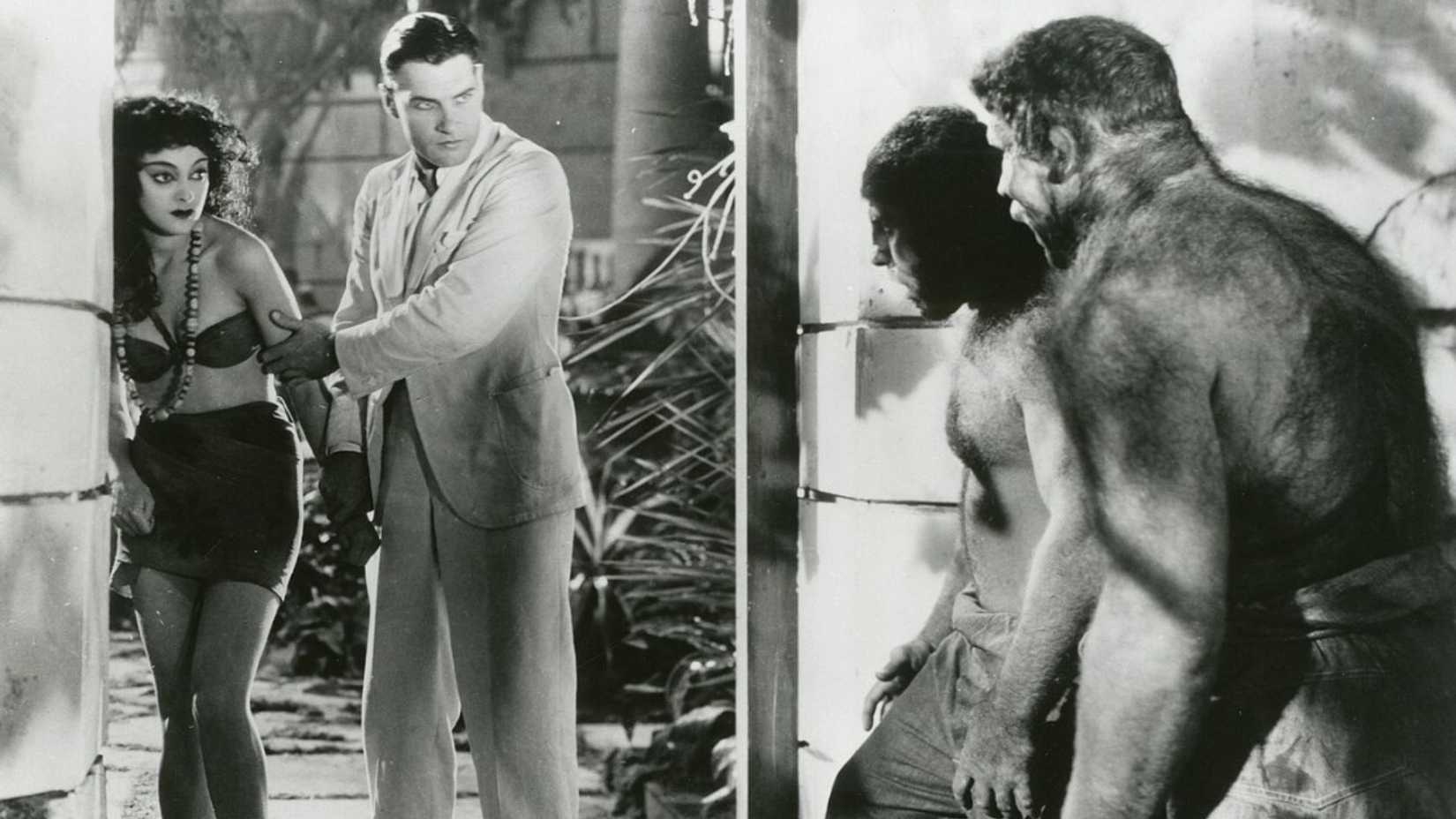
I’ve always been fascinated by H.G. Wells’ The Island of Doctor Moreau, and there have been a lot of movies made from it. But for me, the 1932 film, Island of Lost Souls, is a real standout from that classic period of filmmaking. Charles Laughton is incredible as Dr. Moreau – he plays this brilliant but strange scientist who lives on an island and has figured out a way to transform animals into human-like beings.
This movie, similar to Frankenstein, tells a scary story about a man who tries to take on the role of God, a common theme in horror films. The story follows Edward Parker, a sailor played by Richard Arlen, who finds himself shipwrecked on the island of Dr. Moreau and encounters a mysterious woman named Lola, who has characteristics of a panther.
The movie gained a devoted following, but its initial run was cut short because censors objected to its scary and controversial content. It almost disappeared entirely, surviving only through a poor-quality release in 1993. Thankfully, in 2011, the Criterion Collection gave it a new life with a beautifully restored version.
The Leopard Man (1943)
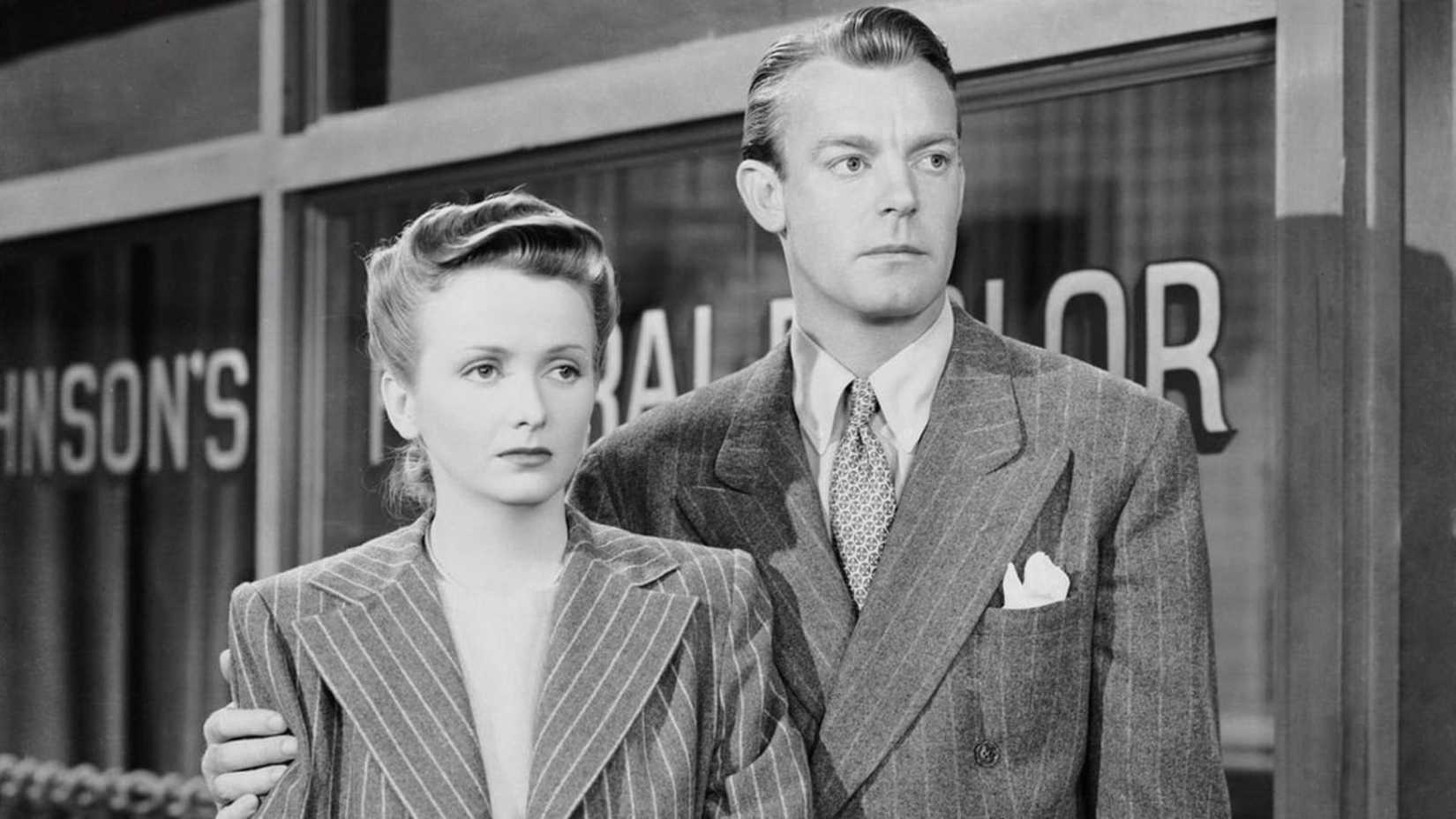
Val Lewton aimed to create horror movies that were more sophisticated in their stories and ideas than those being made by Universal Studios. In 1943, he produced The Leopard Man, which is considered one of the earliest American films to feature a serial killer as its central subject.
The film opens with a nightclub performer acquiring a leopard for her show. When the leopard escapes, people start turning up murdered. Everyone assumes the leopard is responsible, but a cunning killer is actually using the escaped animal as a disguise for their own crimes.
The horror film initially received mixed reactions and was considered a typical, low-budget scare-fest. But over time, opinions changed, and it’s now recognized as surprisingly innovative. It currently boasts an impressive 89% rating on Rotten Tomatoes and has become a beloved cult classic from Hollywood’s golden age.
The Hands Of Orlac (1924)
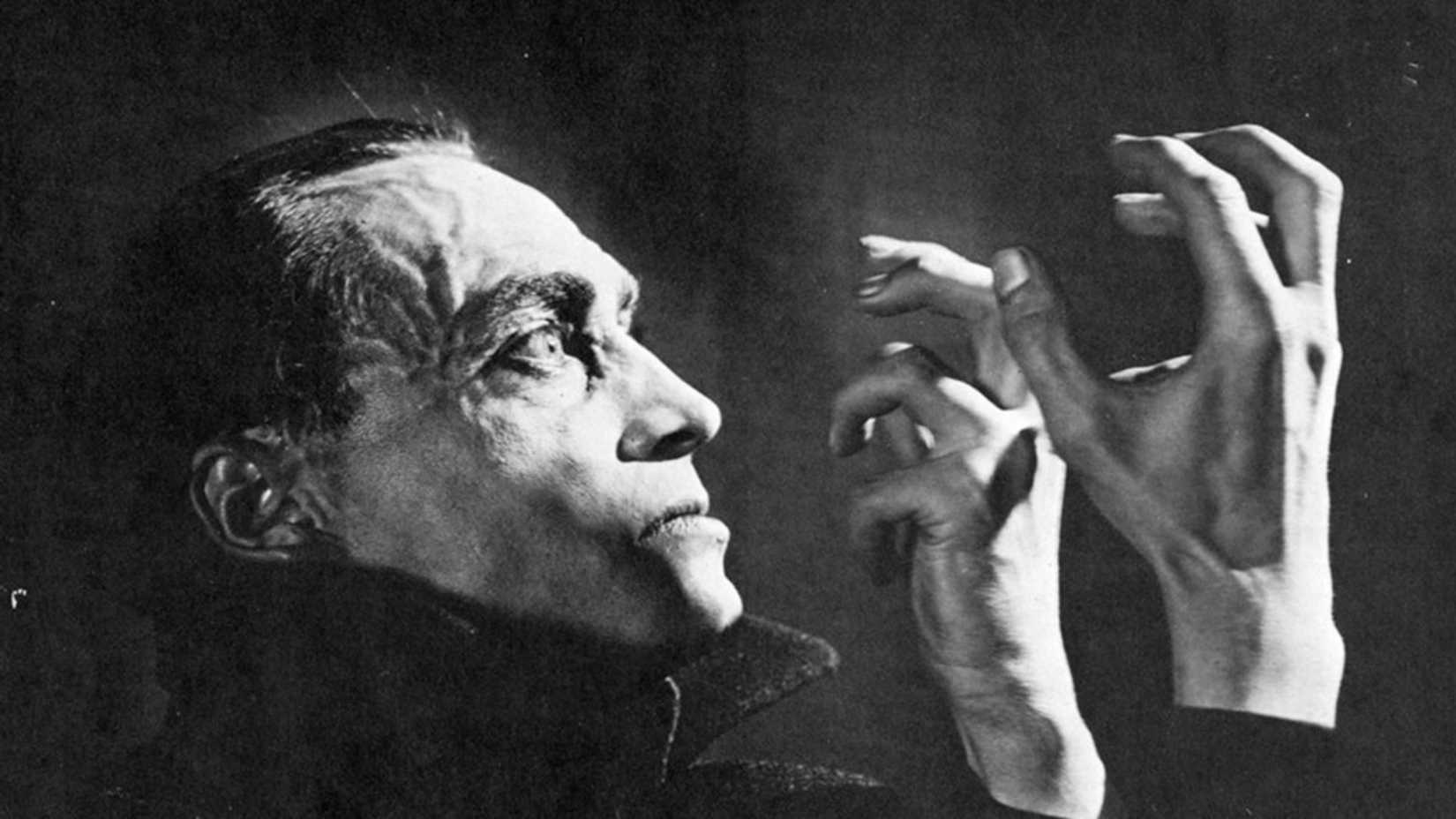
Many great horror films were made during the early, silent days of cinema. One often-overlooked gem from this period is The Hands of Orlac. The film features Conrad Veidt (known for The Cabinet of Dr. Caligari) as Paul Orlac, a pianist who tragically loses his hands in a train accident.
After a surgeon receives a hand transplant from an executed murderer, he’s plagued by violent urges and fears the hands are driving him to kill. Though presented as a horror story, the tale ultimately centers around a surprising reveal of the true killer.
When The Hands of Orlac first came out, it was both well-received and caused some controversy. Critics at the time praised the story and the actors’ performances. However, German censors gave it a restricted rating and even worried it might inspire similar crimes. Today, the film still gets positive reviews, boasting a 91% rating on Rotten Tomatoes.
White Zombie (1932)
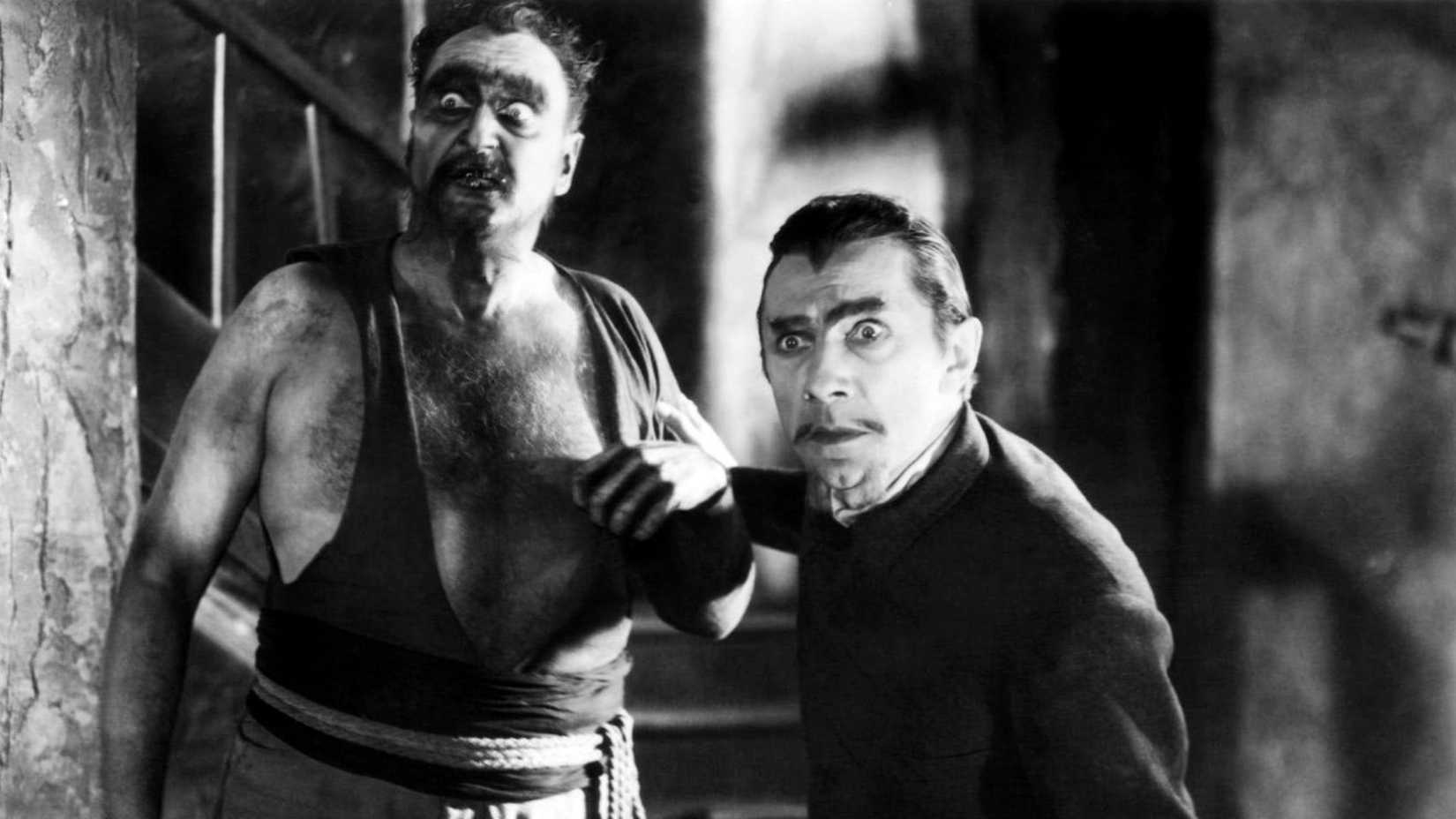
Released in 1932, White Zombie is frequently mistaken for one of Universal’s classic horror films, but it was actually made by United Artists. This confusion is likely because Bela Lugosi, famous for playing Dracula just a year earlier, starred in it. In White Zombie, Lugosi plays a powerful Haitian voodoo master who commands an army of zombies.
Back then, zombies weren’t the typical “walking dead” we see today. These were the original zombies – people turned into mindless, obedient slaves through voodoo. In this film, a voodoo master uses his powers to transform a woman into a zombie, keeping her by his side against her will.
Like many horror movies from the early days of film, White Zombie didn’t receive much praise from critics when it was first released. But opinions have shifted over time. Today, it has an 83% rating on Rotten Tomatoes, with viewers and critics now appreciating its spooky atmosphere and noting its similarities to the later, highly-regarded horror films produced by Val Lewton.
The Hound Of The Baskervilles (1939)
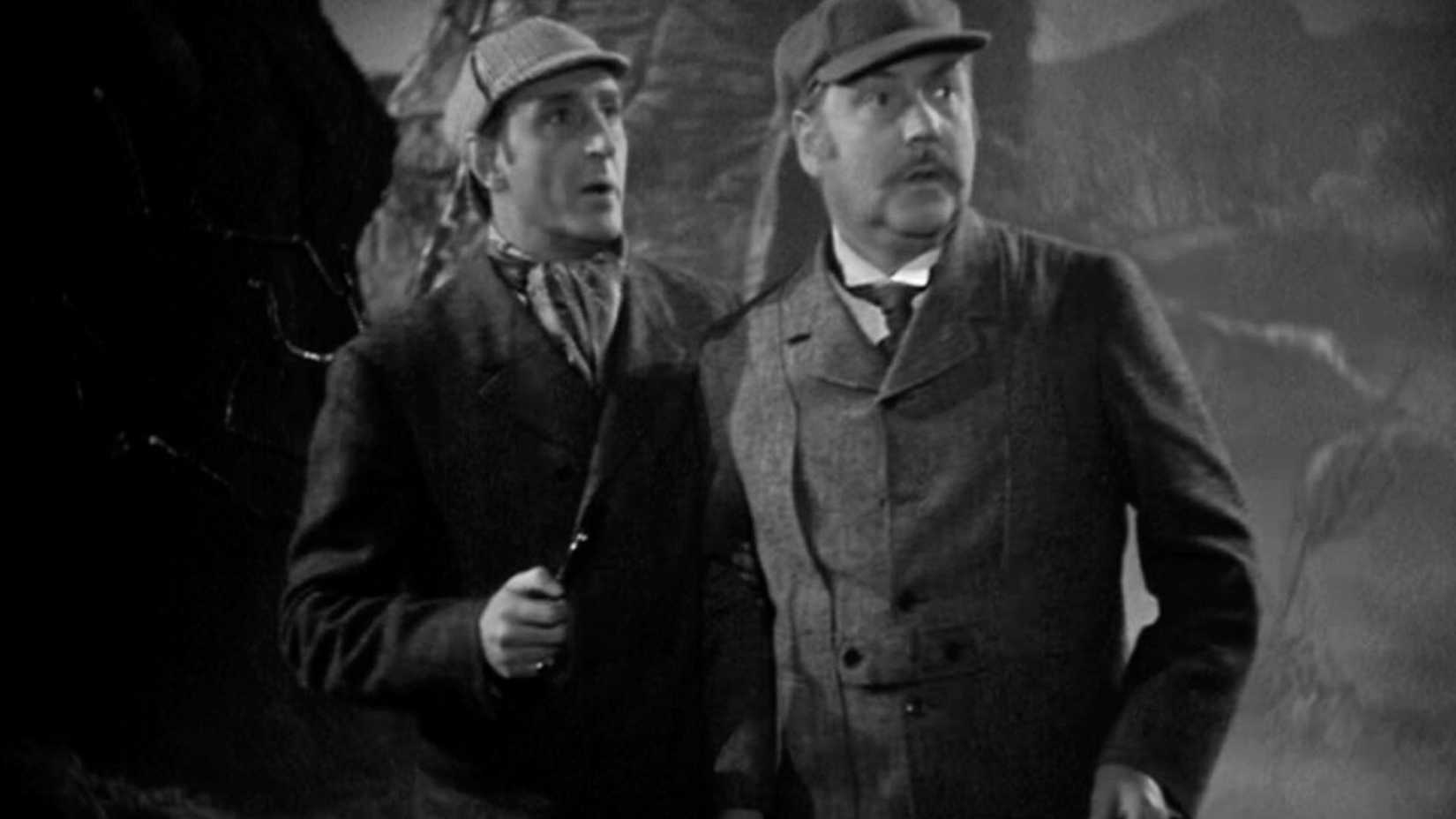
Arthur Conan Doyle’s famous Sherlock Holmes novel, The Hound of the Baskervilles, has been made into films and television programs many times. The book is known for being one of the most frightening Sherlock Holmes adventures, bringing a horror element to the detective’s usual mysteries.
I’m a huge fan of the classic Sherlock Holmes films, and it all started with this one! It was the first time Basil Rathbone and Nigel Bruce played Holmes and Watson together – they went on to make 14 films as the iconic duo. In this story, Holmes and I – I mean, Holmes and Watson – are called in to investigate the death of Sir Charles Baskerville. Everyone’s terrified that the legendary Hound of the Baskervilles, a truly terrifying creature from local folklore, might be to blame.
As a Sherlock Holmes fan, I have to say this version of The Hound of the Baskervilles really stands out – it’s easily one of the best adaptations I’ve seen. It’s famous for being a team-up between Basil Rathbone and Nigel Bruce, and when it first came out, critics loved it. Even now, it’s considered a high point for Holmes films from that period.
I Walked With A Zombie (1943)
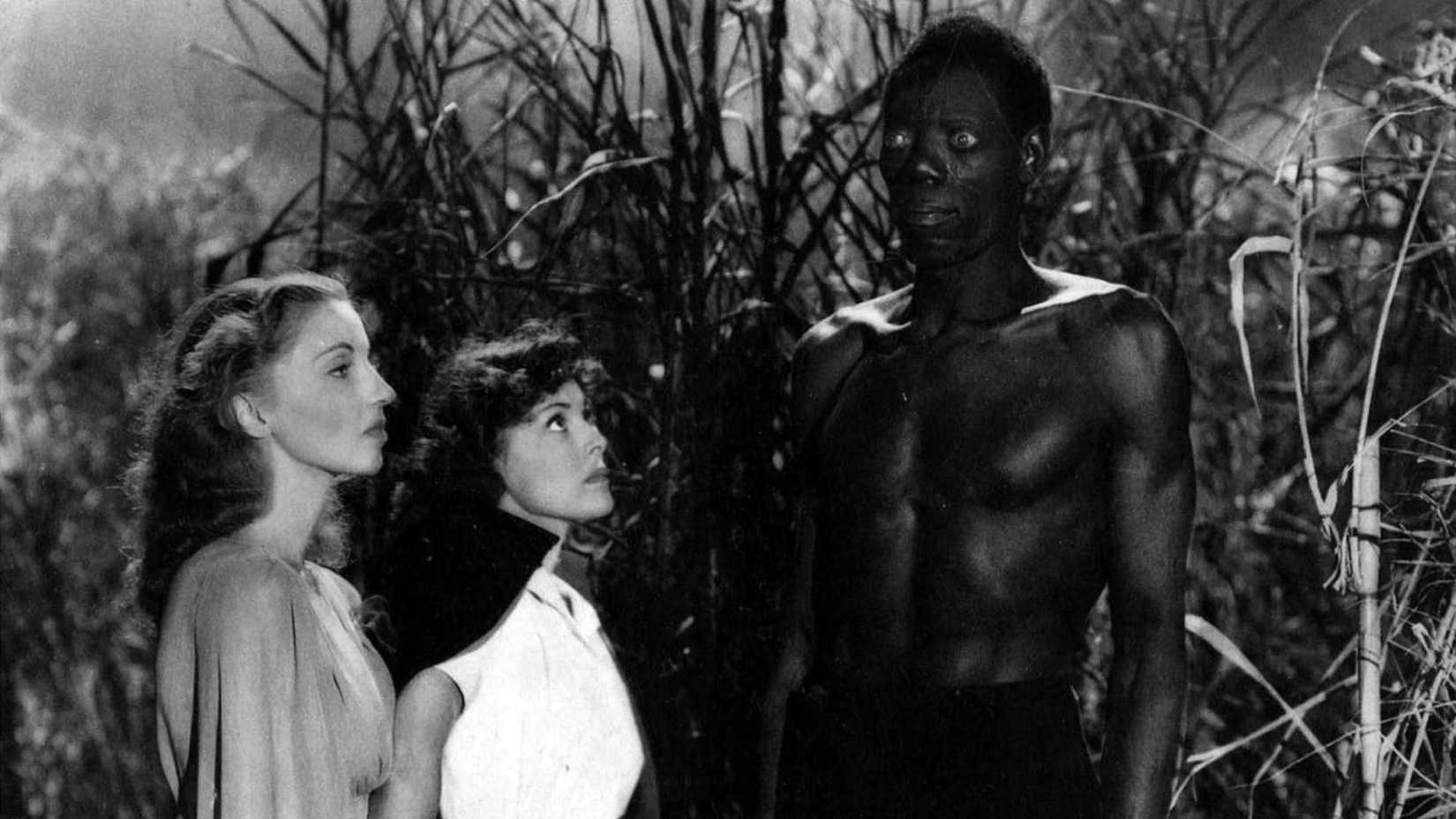
Val Lewton’s I Walked with a Zombie explores the traditional Haitian zombie legend. What makes this horror film unique is that it’s inspired by both a news story written by Inez Wallace and Charlotte Brontë’s novel Jane Eyre. The movie centers on a woman named Betty who takes a job as a caretaker for an ailing woman and her husband in the Caribbean.
Jessica appears completely emotionless, and Betty discovers a voodoo group that claims to be able to help her. While it turns out to be largely a fraud, Betty eventually uncovers a terrifying reality behind the group’s supposed zombie curses.
When I Walked with a Zombie first came out, opinions were divided – some found it boring, while others were scared by its story. Today, the film is much more highly regarded, with an 85% rating on Rotten Tomatoes. Many critics now consider it a beautifully made and captivating horror film, and it’s still celebrated as one of the greatest zombie movies ever made.
The Cabinet Of Dr. Caligari (1920)
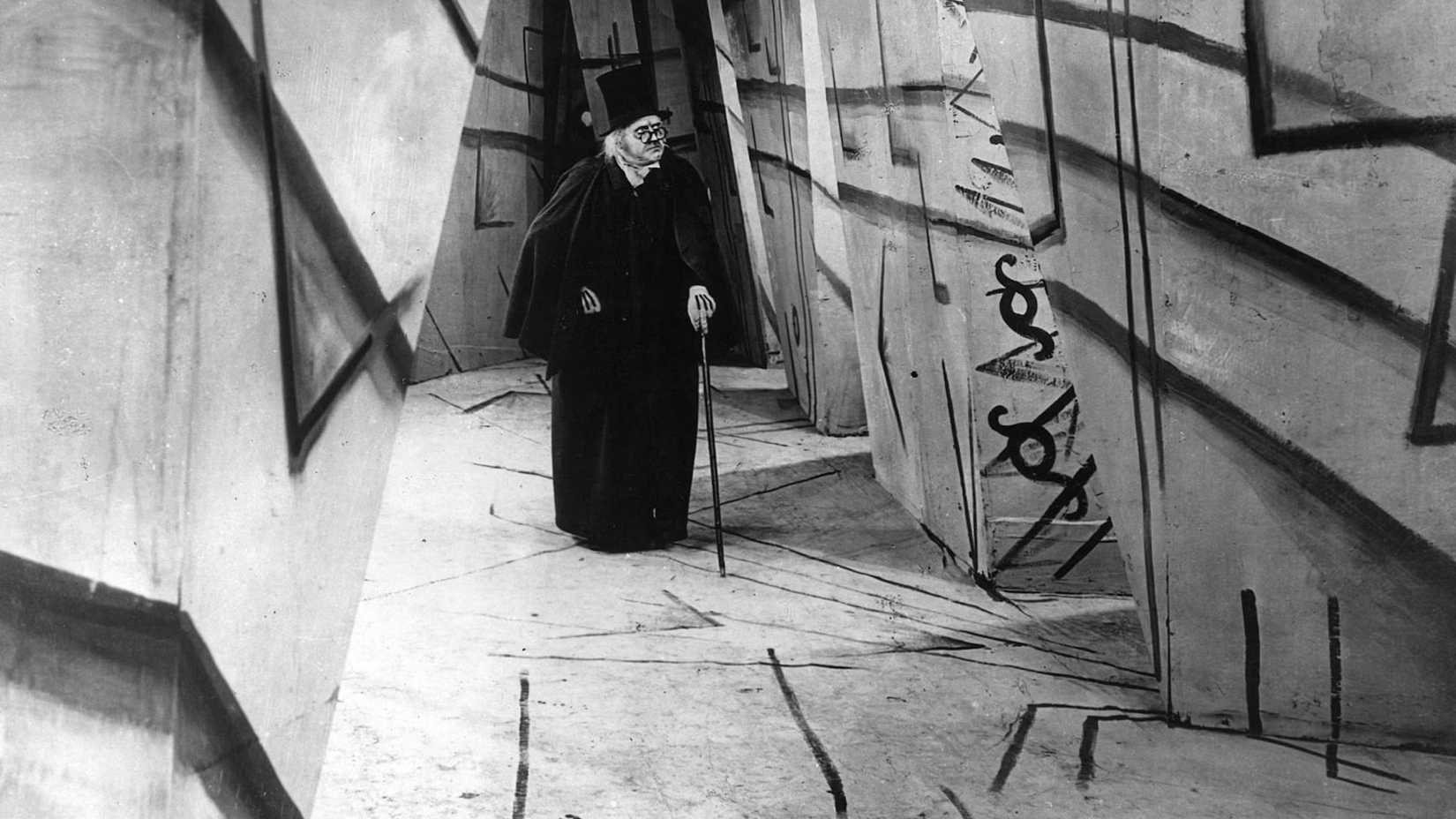
Directed by Robert Wiene, The Cabinet of Dr. Caligari is widely regarded as the most important horror film from the German Expressionist movement of the silent film era. The movie features Werner Krauss as Dr. Caligari and Conrad Veidt as Cesare, a sleepwalker he manipulates into committing crimes.
This movie is most notable for establishing a visual style that heavily influenced German Expressionist films and, later, the film noir genre. Its unsettling use of distorted angles and unnatural sets creates a disorienting and disturbing atmosphere that’s as impactful as the film’s frightening story.
Roger Ebert famously declared The Cabinet of Dr. Caligari the very first horror film, and many consider it the original cult classic. It also heavily influenced the look of later art films and served as a blueprint for the distinctive sets used in Universal Horror movies like Dracula.
Cat People (1942)
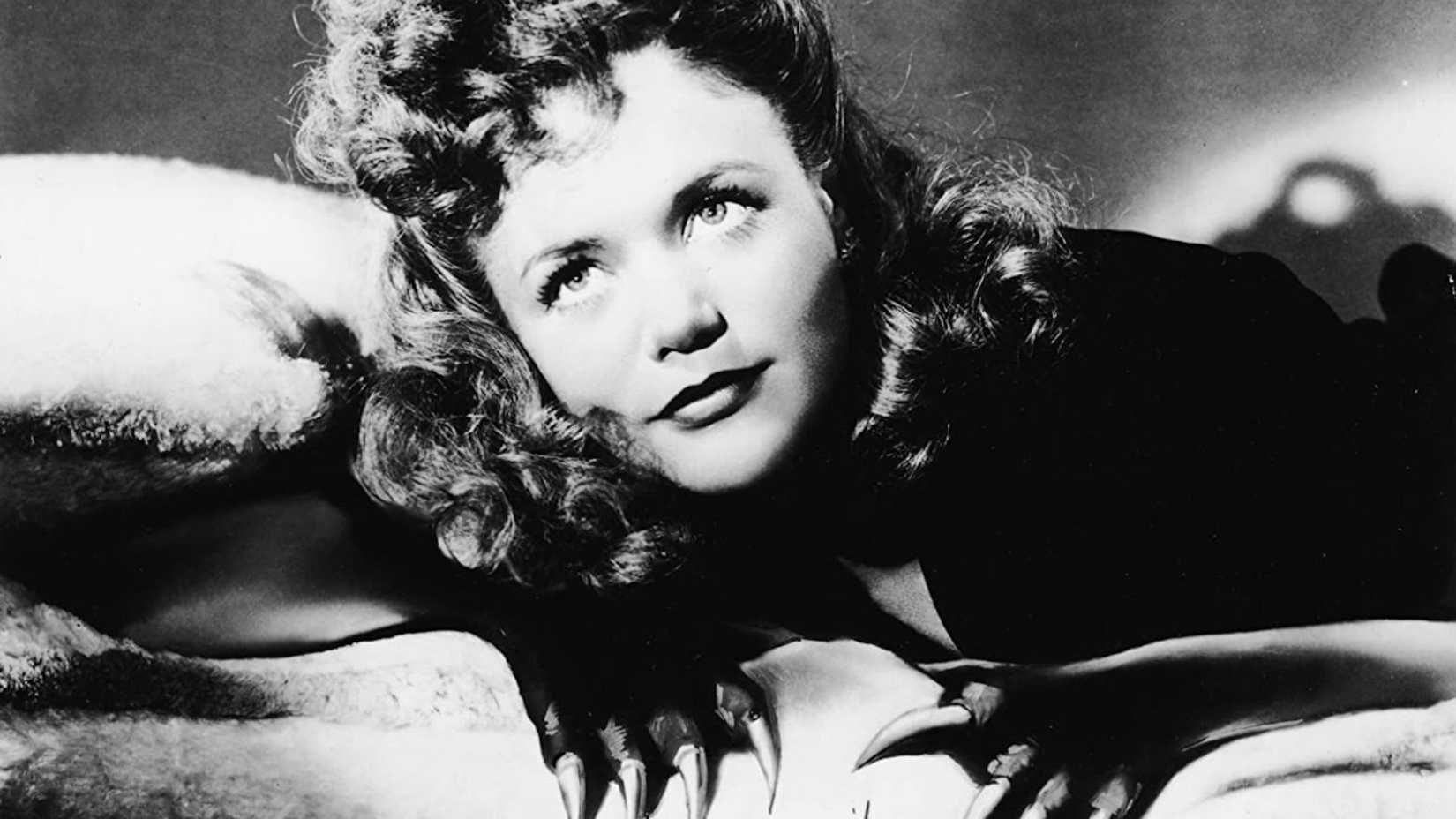
Among Val Lewton’s excellent horror films, Cat People is widely considered his best. Released in 1942, the movie centers on a woman who fears she carries a dark secret: she believes she’s descended from a tribe that can transform into panthers when excited.
A woman begins to stalk a co-worker who is attracting the attention of her new husband. While the film initially received mixed reactions from critics – a common occurrence for both director Val Lewton and horror movies of that era – it’s now widely considered a classic and receives universal praise from modern reviewers.
I’m a huge fan of Cat People, and it’s amazing to me that it did so well! It was popular enough to get a follow-up film, The Curse of the Cat People, back in 1944, and even a remake starring Nastassja Kinski in 1982. It’s really cool that the Library of Congress recognized how important it is by adding it to the National Film Registry in 1993, too.
Vampyr (1932)
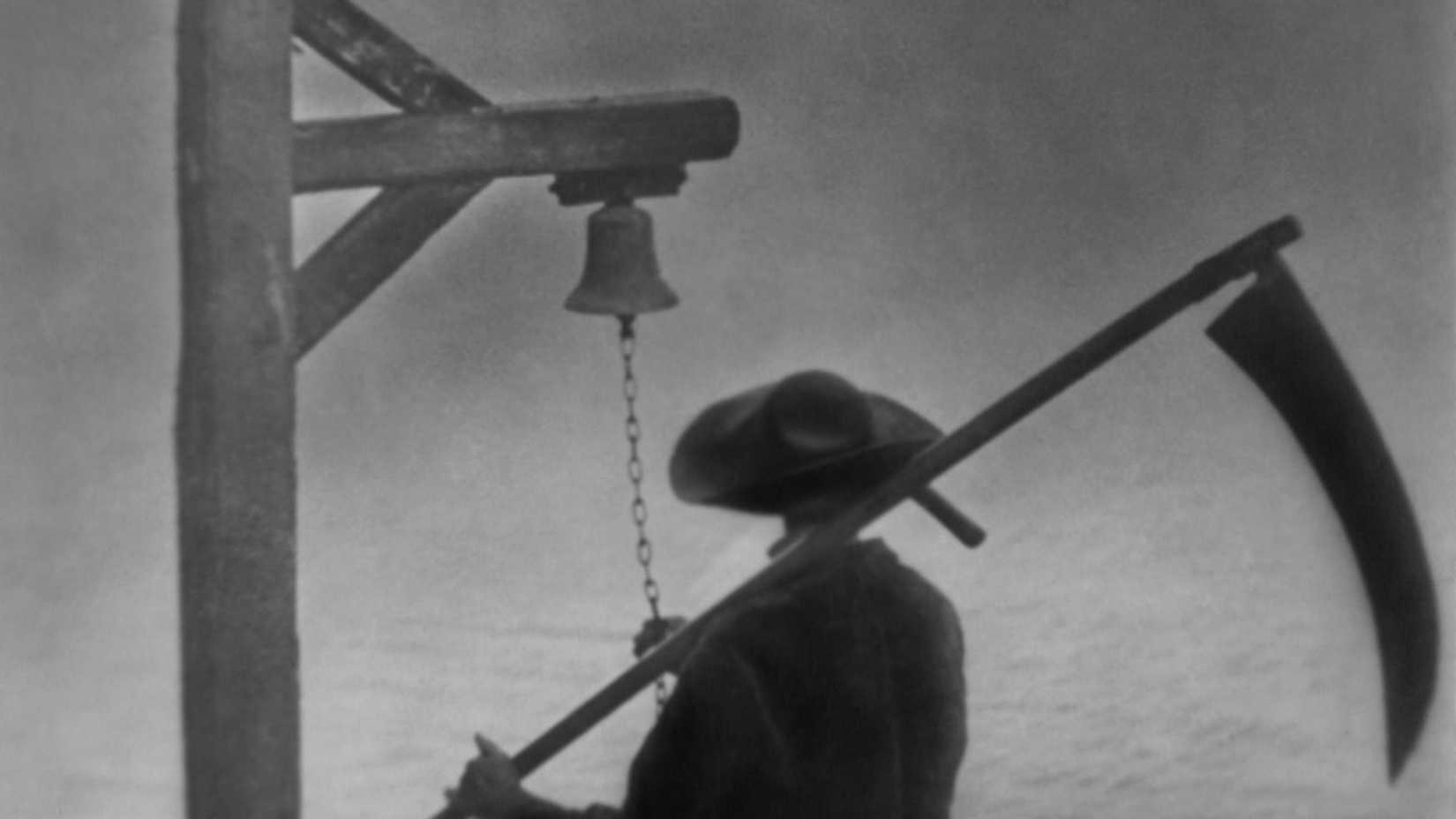
When people think about classic horror and vampire movies, Dracula is almost always the first film mentioned. Nosferatu is sometimes discussed as well, but a German horror film called Vampyr was actually released just a year after Dracula came out.
The film draws inspiration from ghostly tales in Sheridan Le Fanu’s In a Glass Darkly. Vampyr centers on Allan Gray, a man entrusted with a package to be opened after a mysterious stranger’s death. When the stranger is murdered that same night, Gray opens the package and discovers a book detailing demonic vampires.
I have to say, this vampire film isn’t your typical Dracula retelling, and honestly, that’s what makes it so brilliant. It’s genuinely scary and brings something completely new to the vampire mythos. It’s funny, because when it first came out, critics weren’t so kind, but now everyone loves it! It consistently gets amazing reviews – a 98% rating on Rotten Tomatoes – and people are really praising how creative the story and effects are.
Nosferatu (1922)
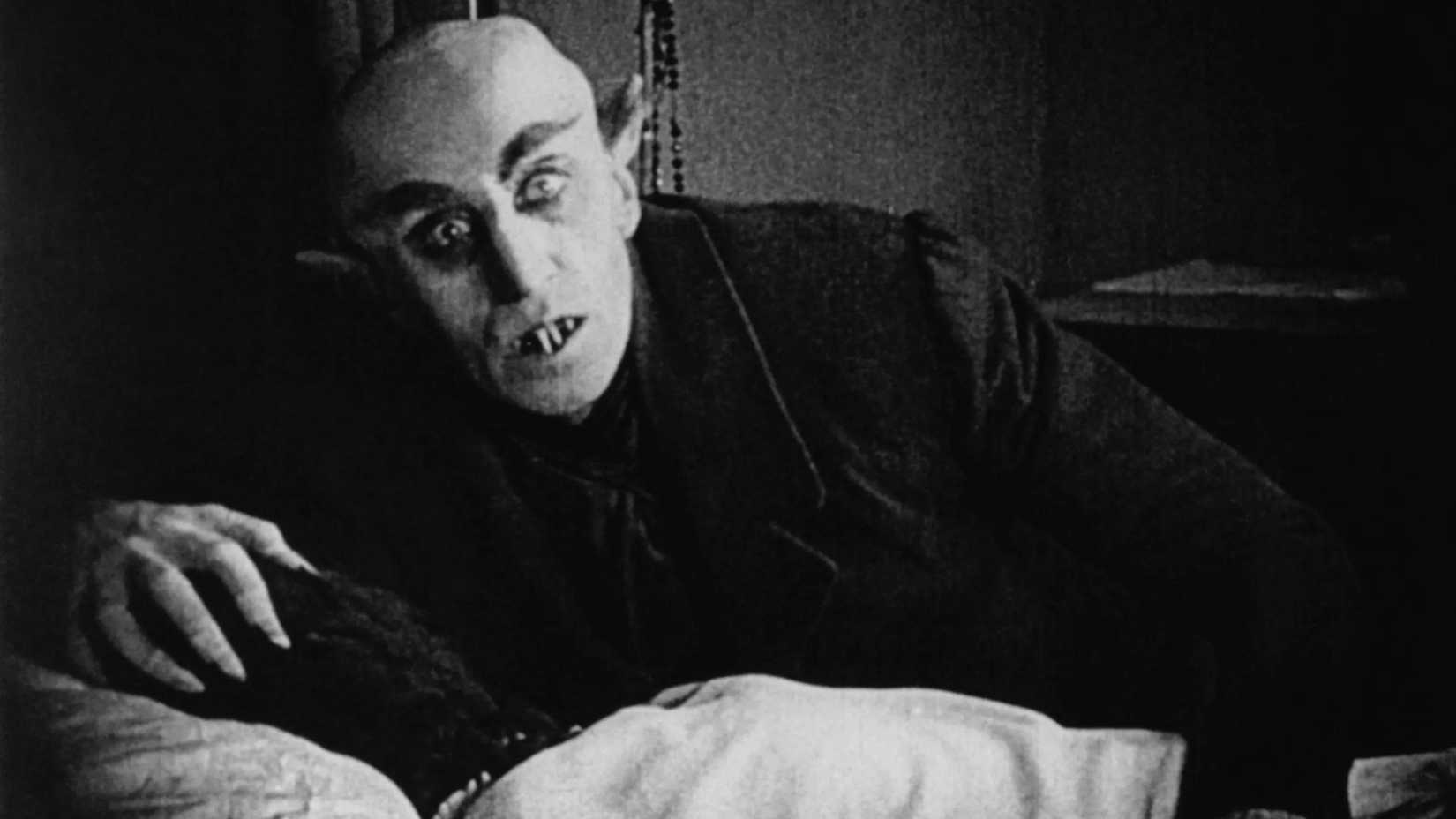
While Universal’s Dracula is famous, it wasn’t the original vampire film, nor the first to adapt Bram Stoker’s novel. That honor goes to Nosferatu, released in 1922. Because Stoker’s estate wouldn’t permit a direct adaptation, the filmmakers changed the names and settings, ultimately creating a cinematic classic.
Along with The Cabinet of Dr. Caligari, Nosferatu is a landmark film of German Expressionism and is still considered one of the best horror movies from the silent film era. The story centers on Count Orlok, a vampire who tries to attract a woman while spreading a deadly disease throughout a town.
Max Schreck played Count Orlok in the classic horror film directed by F.W. Murnau. Though the original Nosferatu was ordered destroyed due to copyright issues, surviving copies have ensured its place as a standout horror film from early cinema.
Read More
- United Airlines can now kick passengers off flights and ban them for not using headphones
- Crimson Desert: Disconnected Truth Puzzle Guide
- All 9 Coalition Heroes In Invincible Season 4 & Their Powers
- How to Get to the Undercoast in Esoteric Ebb
- Warframe Voruna Prime access begins on April 8 for all platforms, new deluxe cosmetic Warframe skins revealed
- All Golden Ball Locations in Yakuza Kiwami 3 & Dark Ties
- Zendaya’s 4 Big 2026 Movies Could Beat Brie Larson’s Box 2019 Office Record
- Dakota County’s plan to end hunger involves locking mayors in escape rooms
- Grey’s Anatomy Season 23 Confirmed for 2026-2027 Broadcast Season
- Katanire’s Yae Miko Cosplay: Genshin Impact Masterpiece
2026-02-02 01:04