Genre labels give viewers an idea of what to expect from a show. Comedies aim to be funny, slice-of-life shows offer a cozy feeling, and sports anime focus on achieving success. That’s what these shows initially suggest. However, a single scene or surprising twist can completely change a series’ nature. A lighthearted show can become terrifying, or an adventure can turn tragic. Once this happens, the show is fundamentally different from what it originally seemed to be.
The difference between a truly impactful plot twist and a simple shock lies in how fully it’s embraced. Anime series like Made in Abyss and School-Live! don’t just hint at change—they fully commit to it, reshaping the entire story and allowing their characters to grow as a result. What starts as the initial idea eventually feels like a disguise for something much bigger. These twists can happen abruptly, or build slowly to a powerful climax, but they all leave audiences surprised and redefine what to expect from the show.
The Promised Neverland’s Cozy Act Became a Survival Nightmare
The beginning of The Promised Neverland presents a heartwarming story about an orphanage filled with love and joy. The children spend their days laughing, learning, and hoping to be adopted into good homes. It feels almost too perfect. But when two children break the rules and venture outside after curfew, they discover a shocking truth that shatters the peaceful facade. In an instant, the anime transforms from a gentle mystery into a terrifying fight for survival.
Everything suddenly feels unsafe. Children begin to see adults as potential threats, and they desperately cling to their innocence as a way to shield themselves. From this point on, the story transforms into a chilling battle between innocent kids and a ruthless, uncaring force. It’s a deeply unsettling change that permanently alters the tone, and it’s remarkably well-executed for such a dramatic shift so early in the story.
Higurashi When They Cry’s Slice-of-Life Tone Shifts Into Horror
When you first start watching Higurashi When They Cry, it seems like a lighthearted comedy about everyday life in a peaceful village. The characters spend their time joking around, playing games, and enjoying the simple things. This creates a relaxing and familiar feeling. However, things slowly begin to unravel. Subtle hints and unsettling comments appear, and a sudden act of violence completely transforms the show into a terrifying psychological horror story.
This anime starts as a cheerful summer story, but quickly turns into a terrifying tale of murder and endless time loops. This dramatic change in style completely changes how viewers see everything that happened before. The show fully embraces a dark and unsettling tone, making the earlier, lighter moments feel strange and disturbing in comparison. It’s a rare anime that handles such a shift in genre with this much skill.
Made in Abyss Wastes No Time Revealing Absolute Horror
The beginning of Made in Abyss immediately captivates you with a sense of wonder. The Abyss—a huge pit filled with mysterious treasures and creatures—seems like the perfect place for adventurous kids. Initially, the story feels like a lighthearted fantasy about exploration and curiosity. However, that feeling quickly disappears as the series starkly reveals the dangerous and painful consequences of venturing into the Abyss.
A particularly brutal series of injuries reveals the true, terrifying price of going deeper, turning the story into a shocking and disturbing exploration of physical and emotional pain. What began as an adventure quickly becomes a descent into crippling injuries, lasting trauma, and permanent damage. Each level downward promises change, but only through intense suffering. The contrast between the cute art style and the graphic injuries is unsettling. The shocking twist reframes the Abyss – it’s not a place for exploration, but a final resting place.
Puella Magi Madoka Magica Rewrote Magical Girls Forever
At first, Puella Madoka Magica seems like a typical story about girls becoming magical heroes, battling monsters, and enjoying their friendships. It feels familiar and comforting. But then a shocking truth is revealed, pulling back the curtain on what’s really going on. The series exposes the dark side of magical girls, revealing a system built on exploitation and despair, where they are simply used to power a massive, uncaring cosmic force that thrives on hopelessness.
The contracts, once seemingly positive, begin to feel manipulative and unfair. From that point on, the story transforms into a deeply sad exploration of difficult choices. What makes this change so powerful is that it lasts – the story never tries to regain the initial hopeful feeling. This permanent shift reframes the entire narrative as a thoughtful look at loss and decay, demonstrating that the change in genre wasn’t just a superficial trick, but the core of the story’s meaning.
Attack on Titan Goes Straight From Monster Hunting to War
At the beginning of Attack on Titan, people are fighting for their lives against giant, frightening monsters called Titans. Soldiers are portrayed as brave but ultimately doomed as they defend the last of humanity’s strongholds. However, the story quickly becomes much more complex. As secrets about the Titans are revealed, the simple fight for survival transforms into a thrilling political drama, a gripping war story, and a heartbreaking exploration of morality. What seemed like a natural disaster turns out to be the result of past conflicts and human actions.
That initial revelation fundamentally changes everything. After that, the story shifts away from simple battles against monsters and dives into complex discussions about genocide and the endless cycle of revenge. Every conflict becomes complicated by propaganda, deeply rooted hatred, and the question of whether true freedom is possible without causing harm. This twist doesn’t just expand the story’s scope; it completely transforms the type of story it is.
School-Live! Used Comedy to Hide the Apocalypse
At first glance, School-Live! seems like a lighthearted anime about school clubs, everyday life, and friendship on a vibrant campus. Its cheerful music and colors create a cozy and comforting feeling. But this quickly proves to be a facade. The school is actually fortified against zombies, and the main character’s relentlessly positive attitude is revealed to be a way of coping with the terrifying reality and preventing a breakdown.
That single reveal completely changes the show, turning it into a psychological horror story. What seemed like comedy is now understood as a way for the characters to deal with terrible circumstances, and the world suddenly feels hopeless. The story then focuses on the characters’ trauma, how they’re trying to survive, and the price of pretending everything is okay when it’s clearly not. Despite all of this, School-Live! doesn’t give up on heartwarming moments. Instead, it reimagines tenderness as something delicate and desperate, a fragile attempt to hold onto normalcy in a world that’s already ended.
Steins;Gate’s Sci-Fi Comedy Turns Into a Race Against Time
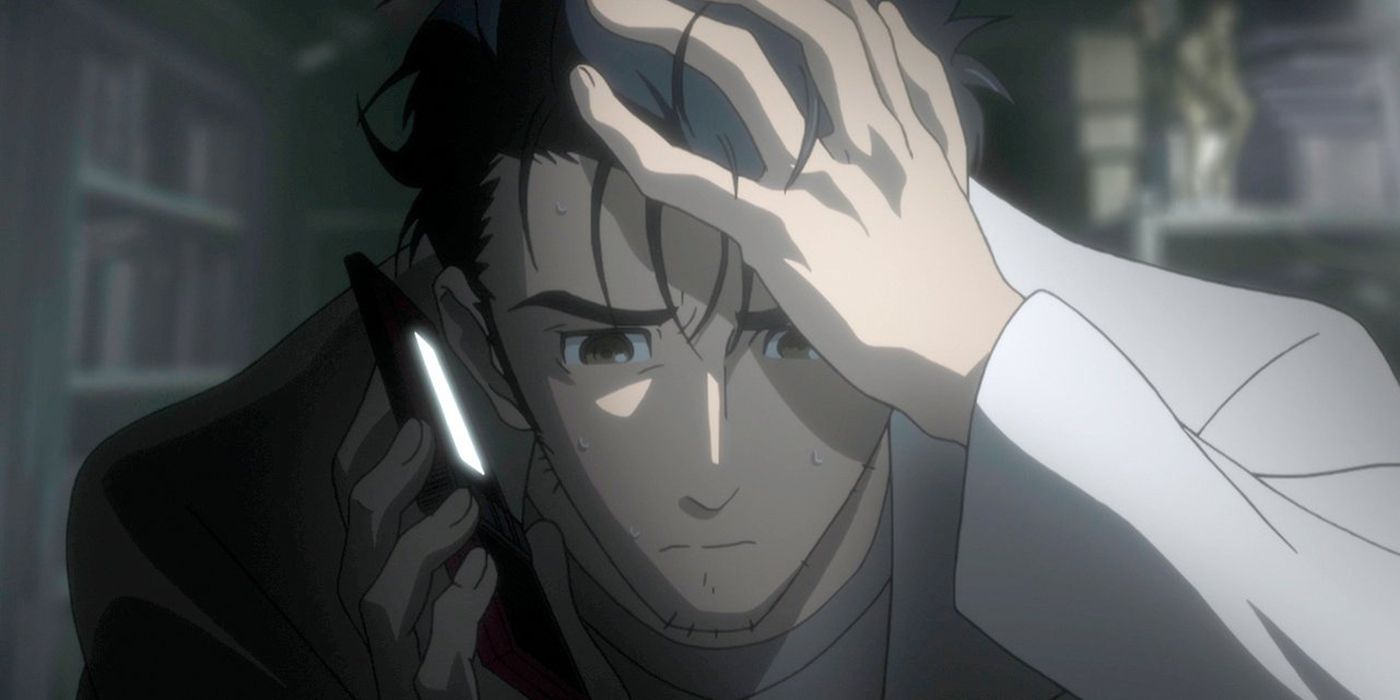
The beginning of Steins;Gate seems like a lighthearted comedy about eccentric students who stumble upon time travel. It’s full of playful conversation and harmlessly flawed experiments. But when a tragic event happens, the story takes a dark turn, becoming a suspenseful thriller. The humor disappears, replaced by anxiety and a desperate race against time to change what’s happened.
As the story progresses, the stakes get higher, and the lighthearted moments disappear. From this point on, Steins;Gate becomes an intense exploration of fate and the costs of trying to change it, testing the emotional limits of its main character. Every choice feels dangerous, and each attempt to rewind time takes a greater emotional toll. What makes this shift work so well is how naturally it’s woven into the narrative – it completely changes the story without feeling forced or out of place.
Talentless Nana Quietly Becomes a Serial-Killer Thriller
The first episodes of Talentless Nana initially present a typical superhero story: teenagers with special powers training on an isolated island to combat dangerous monsters. It feels like a familiar setup with character introductions and a protagonist who appears to be a clever, underestimated fighter, blending action with school life. However, this expectation is quickly turned on its head when the story reveals the true threat.
The show shifts dramatically from following talented students fighting villains to a tense, psychological thriller focused on betrayal and subtle killings. Manipulation becomes the most dangerous tool, making every relationship and conversation feel threatening. From this point on, the anime becomes a gripping game of cat and mouse, completely changing from a superhero story into a paranoid struggle for survival.
Neon Genesis Evangelion Devolves into a Psychological Breakdown
At first, Neon Genesis Evangelion seems like a typical mecha anime: young pilots control huge robots to battle monsters, directed by mysterious figures operating from a secret base. It builds on familiar themes from the genre. But as the story unfolds, secrets about the organization, the enemies, and the pilots themselves are revealed, causing the focus to shift from external battles to internal struggles.
You know, it’s funny—the epic battles and external dangers in Evangelion eventually took a backseat to the characters’ internal struggles. It stopped feeling like they were fighting to save the world, and started feeling like they were just trying to cope with everything, with explosions happening during their therapy sessions, almost. The real shocker came when I realized the whole show had shifted its focus. It wasn’t about defeating monsters anymore; it was always about surviving yourself. Looking back, the series was brilliantly patient, slowly revealing that the true conflict wasn’t out there at all.
Oshi no Ko Transformed an Idol Anime Into a Revenge Thriller
The extended first episode of Oshi no Ko starts like a fantasy story about reincarnation, blended with a humorous look at the entertainment industry. It initially seems to be a lighthearted drama about an idol’s career, exploring themes of fandom and destiny. But a sudden, violent event dramatically changes the story, revealing a much darker and more sinister side to the world of entertainment, where people are often exploited.
The story takes a dark turn, becoming a revenge thriller where the main character dedicates his life to finding a murderer who hides behind a charming public image. Suddenly, everything he does – auditions, interviews, even performing – feels threatening. The glamorous world of the idol industry transforms into a dangerous battleground. This shift is complete and permanent; the anime never goes back to its original tone, instead focusing entirely on obsession and manipulation.
Read More
- United Airlines can now kick passengers off flights and ban them for not using headphones
- Gold Rate Forecast
- How to Solve the Glenbright Manor Puzzle in Crimson Desert
- 8 Actors Who Could Play Blackbeard In One Piece Live-Action Season 3
- All Golden Ball Locations in Yakuza Kiwami 3 & Dark Ties
- How to Get to the Undercoast in Esoteric Ebb
- How to Complete Bloom of Tranquility Challenge in Infinity Nikki
- All MLB The Show 26 Quirks & What They Do
- Is Wuthering Heights a romance? Update on Margot Robbie movie controversy
- Tell Me Lies Recap: Mind Games
2026-02-12 05:41